
Poplar trees offer fast growth and shade but can have invasive roots and a short lifespan.
Table of Contents
Poplar trees are known for their rapid growth and potential benefits in landscaping. However, they also come with limitations that can affect property value and garden health. Understanding these pros and cons will guide your planting decisions.
Understanding Poplar Trees
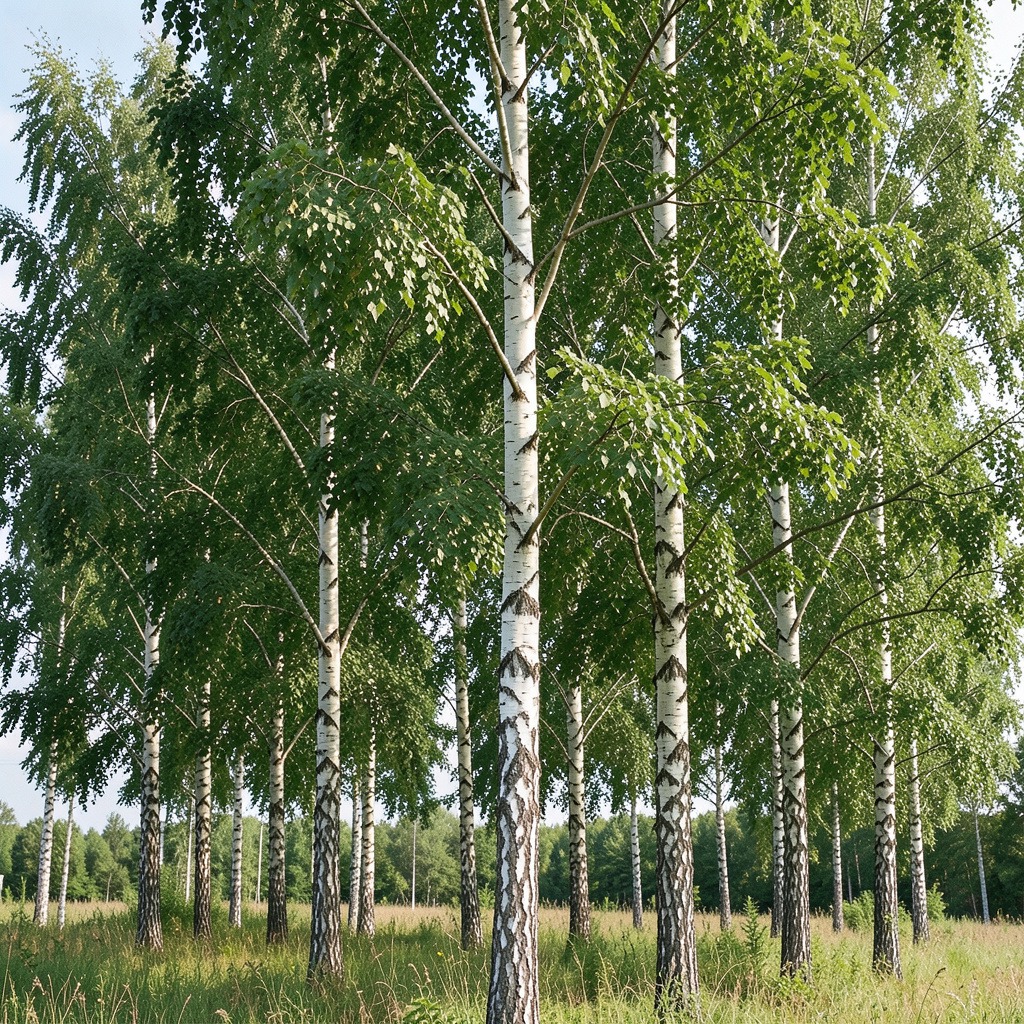
Poplar trees belong to the genus Populus and are notable for their rapid growth and adaptability. Commonly found in a variety of landscapes, they can serve both aesthetic and ecological purposes.
Common Species of Poplar Trees
Several species of poplar trees exist, each with unique characteristics:
- Eastern Cottonwood (Populus deltoides): Known for its large size and triangular leaves, it can grow up to 100 feet tall.
- Black Poplar (Populus nigra): Recognized for its dark bark and fast growth, it thrives near water sources.
- Tulip Poplar (Liriodendron tulipifera): Although not a true poplar, it is often included due to similar traits. It features distinctive tulip-shaped leaves and provides excellent wildlife habitat.
Characteristics and Usage in Landscaping
Poplar trees are primarily valued for their rapid growth, making them suitable for quick shade or windbreaks. They can reach maturity in just a few years, which appeals to homeowners seeking immediate results. However, their large size demands ample space, and their root systems can be invasive.
Pros of Planting Poplar Trees
- Rapid Growth: Ideal for creating shade quickly.
- Aesthetic Appeal: Offers vibrant fall colors.
- Wildlife Habitat: Supports various species, including birds and insects.
Cons of Planting Poplar Trees
- Invasive Roots: Can damage underground structures and landscaping.
- Short Lifespan: Generally less durable than other tree species.
- Maintenance Needs: Requires regular upkeep to manage fallen leaves and branches.
Ecological Significance of Poplar Trees
Poplar trees play a crucial role in local ecosystems. They are known for:
- Supporting Biodiversity: They provide habitat for over 20 species of caterpillars and numerous bird species.
- Improving Soil Quality: Their extensive root systems can enhance soil structure and prevent erosion.
- Carbon Sequestration: Fast-growing poplars absorb significant amounts of carbon dioxide, contributing to climate change mitigation.
Decision Framework for Choosing Poplar Species
When selecting a poplar species, consider the following:
1. Property Size: Ensure sufficient space for growth.
2. Soil Conditions: Some species prefer wet soils, while others thrive in drier environments.
3. Landscape Goals: Determine if your priority is shade, aesthetic value, or wildlife support.
By understanding the characteristics and ecological roles of poplar trees, you can make informed decisions that align with your landscaping objectives.
1. Pros of Planting Poplar Trees
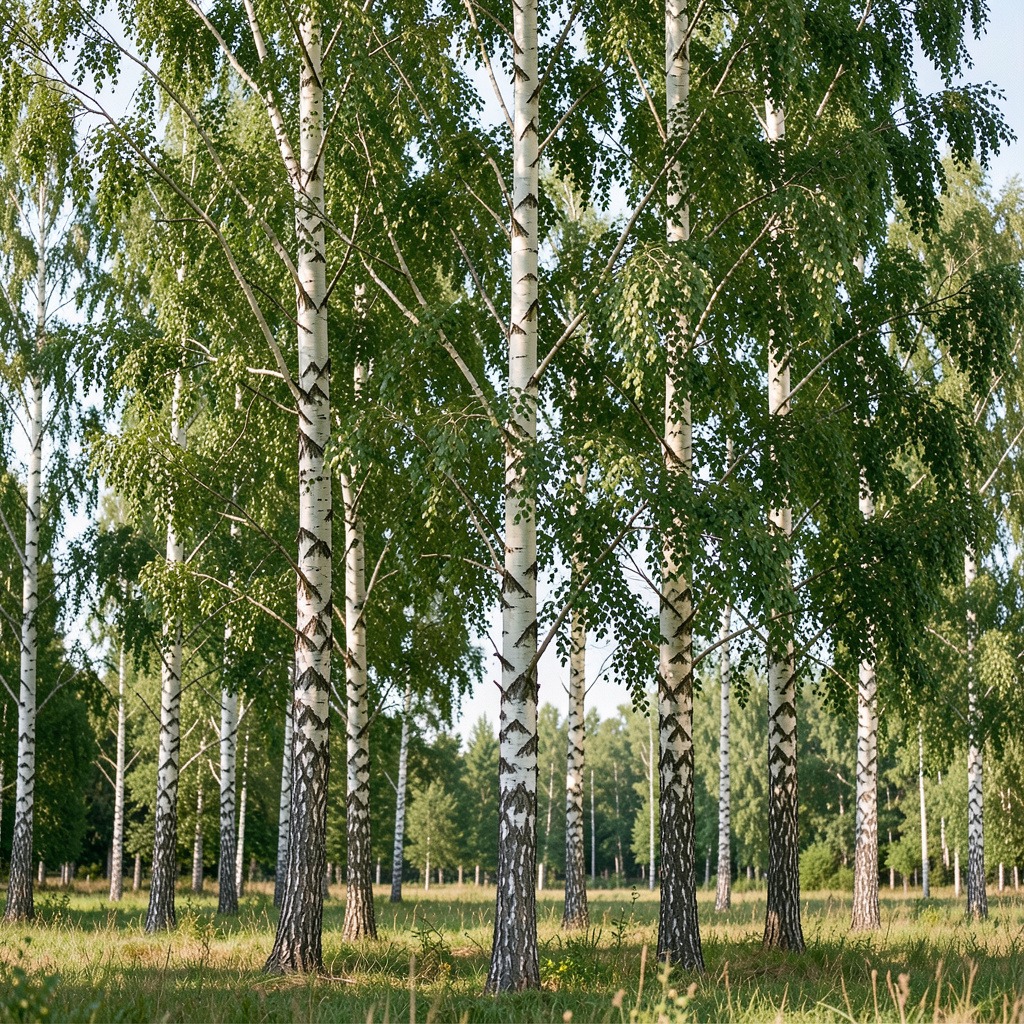
Poplar trees offer several significant advantages for homeowners considering their landscaping options. Their rapid growth, effective windbreak properties, and support for wildlife make them an appealing choice in many scenarios.
1.1 Rapid Growth Rate
One of the most notable benefits of poplar trees is their impressive growth rate. Under ideal conditions, many poplar species can grow 2 to 3 feet per year. This rapid growth provides quick shade and can create a more established landscape in a short time frame.
Example Scenario: A homeowner seeking immediate shade for their patio might plant tulip poplar trees. Within a few years, these trees can reach heights of 50 to 90 feet, significantly enhancing the outdoor environment.
1.2 Effective Windbreaks
Poplar trees are excellent for creating windbreaks. Their tall, columnar shape allows them to reduce wind speed effectively, protecting nearby structures and gardens. This can be particularly beneficial in open areas where wind exposure is high.
Checklist for Effective Windbreaks:
- Spacing: Plant trees 10 to 15 feet apart for optimal wind reduction.
- Orientation: Position trees to block prevailing winds.
- Height: Choose taller species for maximum protection.
1.3 Wildlife Benefits
Poplar trees also support local wildlife. They produce flowers that offer nectar for pollinators, such as bees and butterflies. Additionally, their leaves serve as food for various caterpillars, contributing to a healthy ecosystem.
Key Wildlife Support Facts:
- Nectar Production: Tulip poplars are important nectar sources in eastern North America.
- Habitat: They provide nesting sites for birds and shelter for small mammals.
By understanding these advantages, homeowners can make informed choices about incorporating poplar trees into their landscapes, ensuring that they align with their goals for shade, wind protection, and wildlife support.
2. Cons of Planting Poplar Trees
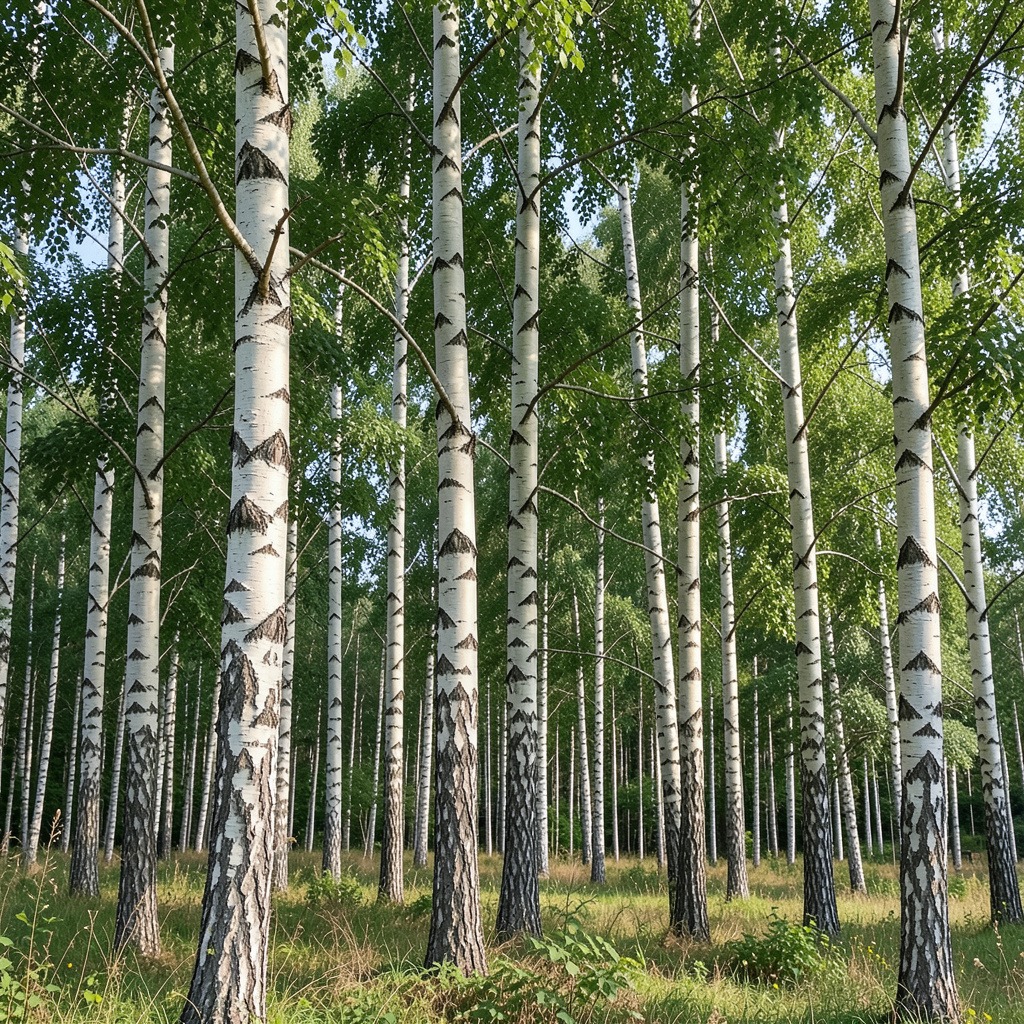
While poplar trees offer distinct advantages, they also come with significant drawbacks. Understanding these cons is vital before deciding to plant them on your property.
2.1 Short Lifespan
Poplar trees generally have a shorter lifespan compared to other tree species. Most poplars live between 10 to 30 years, often declining in health after only two decades. This limited longevity can lead to:
- Frequent Replacement Needs: Homeowners may face the ongoing cost and effort of replanting.
- Reduced Landscape Stability: A lack of mature trees can make the landscape appear less established.
2.2 Invasive Roots
Poplar trees possess aggressive root systems that can cause significant problems. Their roots grow rapidly and widely, often leading to:
- Damage to Infrastructure: Roots can penetrate foundations, sidewalks, and underground pipes, resulting in costly repairs.
- Competition for Resources: The extensive root network can outcompete nearby plants for moisture and nutrients, stunting their growth.
2.3 Maintenance Challenges
Maintaining poplar trees can be labor-intensive. Their rapid growth requires regular upkeep, including:
- Frequent Pruning: To manage their size and shape, poplars may need pruning several times a year.
- Debris Management: The trees shed leaves, flowers, and branches, necessitating regular clean-up, especially in manicured spaces.
Case Study Example: In one suburban area, homeowners reported increased property maintenance costs after planting poplar trees. The roots caused damage to nearby patios and fencing, leading to repairs exceeding $5,000. Such experiences highlight the potential pitfalls of choosing poplars without careful consideration.
Decision Framework for Planting
Before deciding on planting poplar trees, consider the following:
- Property Size: Ensure your landscape can accommodate their extensive growth.
- Soil Conditions: Assess soil drainage and moisture levels, as poplars thrive in moist environments but can damage those that are compacted.
- Maintenance Capacity: Evaluate your willingness to commit to the upkeep required for these fast-growing trees.
By weighing these factors, you can make a more informed decision about whether poplar trees are the right choice for your landscape.
3. Comparing Different Species of Poplar Trees
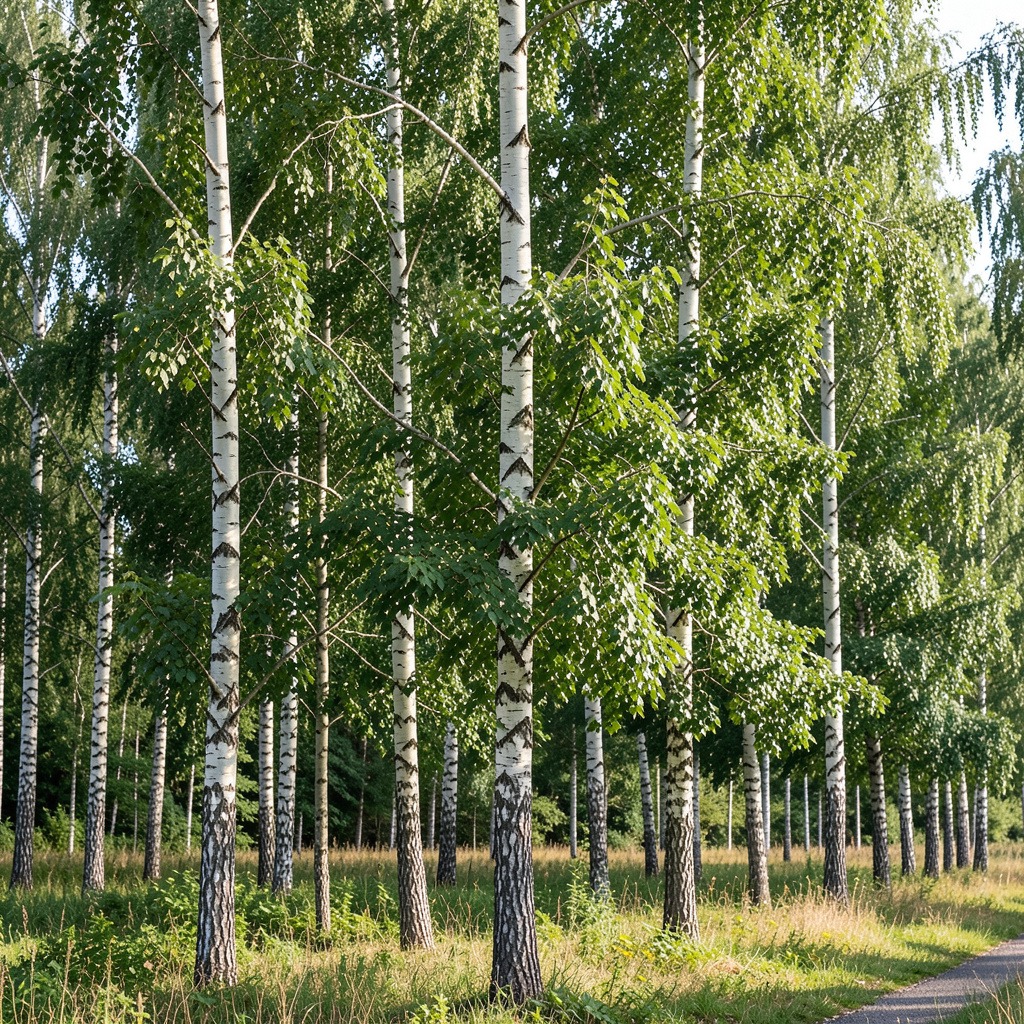
Understanding the specifics of different poplar species is crucial for making an informed planting decision. The Tulip Poplar and Quaking Aspen are two prominent varieties, each with unique characteristics, benefits, and drawbacks.
Tulip Poplar
The Tulip Poplar, also known as Liriodendron tulipifera, is renowned for its rapid growth and ecological benefits.
- Growth Rate: Tulip Poplars can grow 2 to 3 feet per year, making them one of the fastest-growing native trees.
- Wildlife Support: They are excellent for local ecosystems, attracting various pollinators and supporting over 20 species of caterpillars, which are vital for birds.
- Maintenance: While generally low-maintenance, they require adequate space due to their extensive root system, which can damage nearby structures if planted too close.
- Timber Quality: The wood is valued for its lightness and durability, suitable for furniture and cabinetry.
Quaking Aspen
The Quaking Aspen, or Populus tremuloides, is another popular choice, especially in cooler climates.
- Growth Rate: Similar to the Tulip Poplar, Quaking Aspens also exhibit fast growth, reaching heights of 40 to 50 feet quickly.
- Root System: They develop a shallow, fibrous root system, which can lead to suckering. This growth habit may create clusters of trees, which can either be a benefit or a drawback, depending on your landscape goals.
- Wildlife Support: Aspens are known for attracting wildlife, particularly deer and birds, but they can also be susceptible to pests like the Aspen Leaf Miner.
- Environmental Impact: They help improve soil health by preventing erosion and enhancing nutrient cycling.
Comparative Table
| Feature | Tulip Poplar | Quaking Aspen |
|---|---|---|
| Growth Rate | 2-3 feet per year | 1.5-2 feet per year |
| Wildlife Support | Supports 20+ caterpillar species | Attracts deer and birds |
| Root System | Extensive, can cause damage | Shallow, prone to suckering |
| Timber Quality | Highly valued for furniture | Less commercially valuable |
| Maintenance Needs | Moderate, requires space | Low, but can spread rapidly |
Decision Framework for Choosing a Species
When selecting a poplar species, consider the following factors:
- Space Availability: Tulip Poplars need more room due to their larger size and root spread. Quaking Aspens may suit smaller areas if you can manage their suckering.
- Soil Conditions: Both species prefer well-drained, moist soils but can adapt to various soil types.
- Ecological Goals: Choose Tulip Poplars for robust wildlife support or Quaking Aspens for erosion control and quick coverage.
Making an informed choice between these species can significantly impact the success of your landscaping project.
4. Regional Considerations for Planting Poplar Trees
Climate and soil conditions play a crucial role in determining the suitability of poplar trees for planting in various regions. Understanding these factors helps ensure successful growth and minimizes potential issues.
Climate Suitability
Poplar trees thrive in diverse climates but prefer specific conditions.
- Temperate Regions: Most poplar species flourish in temperate areas with moderate rainfall and well-defined seasons.
- Cold Climates: Some species, like the Quaking Aspen, tolerate colder temperatures and are ideal for northern regions.
- Warm Climates: The Tulip Poplar prefers warmer climates but requires adequate moisture to avoid stress during hot spells.
Soil Requirements
Soil conditions significantly influence the health of poplar trees.
- Well-Drained Soil: Poplars prefer well-drained, moist soils. Poor drainage can lead to root rot.
- Soil pH: A slightly acidic to neutral pH (6.0 to 7.0) is optimal for most poplar species.
- Nutrient-Rich: Fertile soils promote faster growth and better overall health. Adding organic matter can enhance nutrient availability.
Decision Framework for Regional Planting
When considering where to plant poplar trees, use the following checklist:
- Assess Climate: Determine your local climate zone using a regional map highlighting optimal growing zones for different poplar species.
- Test Soil: Conduct a soil test to check for drainage, pH, and nutrient levels.
- Consider Local Regulations: Verify if there are any local restrictions or guidelines regarding tree planting.
Example of Suitable Regions
- Great Plains: Ideal for hybrid poplars due to their adaptability and quick growth.
- Southeastern U.S.: Tulip Poplars excel in this region’s warm, moist climate.
- Pacific Northwest: Favorable for Quaking Aspens, which thrive in cooler, wetter conditions.
Understanding regional considerations can significantly impact the success of planting poplar trees, ensuring they thrive while aligning with your landscaping goals.
5. Care Tips for Poplar Trees
Proper care is essential for the successful growth of poplar trees. Different species have unique requirements, but some general practices apply across the board.
Watering Schedule
Poplar trees thrive with consistent moisture, especially during their early years. Here’s a suggested watering schedule:
- First Year: Water deeply once a week. This encourages deep root growth.
- Years Two to Five: Transition to bi-weekly deep watering. Adjust frequency based on rainfall.
- Established Trees: Water during prolonged dry spells, especially in summer.
Pruning Practices
Regular pruning enhances the health and stability of poplar trees. Follow these guidelines:
- First Two Years: Focus on structural pruning. Remove weak or crossing branches.
- Annual Maintenance: Inspect trees for dead or diseased branches. Prune as necessary to maintain a strong central leader.
- Avoid Heavy Pruning: Limit pruning to avoid stressing the tree and exposing it to diseases.
Disease Prevention
Poplar trees can be susceptible to pests and diseases. Implement these preventive measures:
- Monitor for Pests: Regularly check for signs of insects like aphids or borers.
- Promote Air Circulation: Space trees appropriately to reduce humidity and prevent fungal diseases.
- Apply Mulch: Use organic mulch around the base to retain moisture and suppress weeds, but keep it away from the trunk to prevent rot.
Example Checklist for Poplar Tree Care
| Care Task | Frequency | Notes |
|---|---|---|
| Deep Watering | Weekly (1st year); bi-weekly (2-5 years) | Adjust based on rainfall. |
| Structural Pruning | Annually | Focus on weak branches. |
| Disease Monitoring | Monthly | Check for pests and diseases. |
| Mulching | Annually | Apply in spring. |
By adhering to this care regimen, homeowners can mitigate the potential drawbacks of planting poplar trees, enhancing their growth and longevity while ensuring they contribute positively to the landscape.
6. Long-Term Impacts of Poplar Trees on Soil Health
Poplar trees can significantly influence soil health over time. Their growth patterns and root systems play a crucial role in soil composition and stability.
Role of Poplar Trees in Soil Erosion Control
Poplar trees are adept at preventing soil erosion. Their extensive root systems anchor soil, reducing runoff during heavy rains. This characteristic is especially beneficial on sloped landscapes where erosion is a concern.
- Root Structure: Poplar roots penetrate deeply, enhancing soil structure.
- Moisture Retention: Their foliage creates a canopy that reduces soil moisture evaporation.
- Soil Improvement: Poplar trees contribute organic matter through leaf litter, enriching the soil.
Impact on Soil Composition
The presence of poplar trees can lead to noticeable changes in soil composition over time. They enhance nutrient levels, particularly nitrogen, which is vital for plant health.
- Increased Nitrogen Levels: Poplars can help fix atmospheric nitrogen, improving soil fertility.
- Organic Matter Addition: Decomposing leaves and branches enrich the soil with essential nutrients.
- Soil Structure Improvement: Their root systems create channels that improve aeration and drainage in the soil.
Decision Framework for Planting Poplar Trees
When considering planting poplar trees, evaluate the following criteria to ensure optimal benefits to soil health:
| Criteria | Consideration |
|---|---|
| Soil Type | Ensure well-drained, loamy soil for best results. |
| Erosion Risk | Choose slopes or areas prone to erosion for planting. |
| Property Size | Evaluate if the size accommodates large poplar species. |
| Maintenance Capability | Assess available resources for ongoing care. |
By applying these criteria, you can determine the suitability of poplar trees for your landscape. Their long-term impact on soil health can be a significant advantage when planted in the right conditions.
7. Economic Value of Poplar Trees
Poplar trees offer significant economic benefits, particularly through their high-quality timber. Understanding their timber quality, uses, and overall economic impact can inform your decision to plant these trees.
Timber Quality and Uses
Poplar wood is known for its light weight and fine grain. It is often used in various applications, including:
- Furniture Manufacturing: Poplar is popular for making cabinets, furniture, and decorative items due to its smooth finish and ease of machining.
- Construction: This wood is used for interior construction projects, such as moldings and trim, where appearance matters.
- Plywood Production: Poplar is an essential component in the production of plywood, valued for its stability and strength.
Economic Advantages of Planting Poplar Trees
Planting poplar trees can yield economic benefits over time. Here are several key advantages:
- Fast Growth Rate: Poplars can reach maturity in as little as 30 to 40 years, allowing for quicker returns on investment compared to other hardwoods.
- Market Value: The market price for poplar timber can range from $1.50 to $3.00 per board foot, depending on quality and local demand. This presents a lucrative opportunity for landowners.
- Job Creation: Establishing poplar plantations can create jobs in local communities, from planting to harvesting and processing.
- Sustainability: Poplar trees are often used in sustainable forestry practices. Their fast growth helps meet timber demands without depleting resources.
Decision Framework for Planting Poplar Trees
When considering planting poplar trees for economic reasons, evaluate the following:
- Property Size: Ensure your property can accommodate the height and spread of poplars.
- Market Access: Consider proximity to lumber mills or markets that buy poplar timber.
- Soil Conditions: Poplars thrive in well-drained, loamy soils. Evaluate soil health to optimize growth and timber quality.
By understanding the economic value of poplar trees, you can make informed decisions about their role in your landscape.
8. Alternatives to Poplar Trees
When considering alternatives to poplar trees, it’s essential to evaluate other fast-growing species that offer similar benefits without the drawbacks often associated with poplars. Below, we compare several suitable alternatives.
Fast-Growing Tree Alternatives
| Tree Species | Growth Rate | Pros | Cons |
|---|---|---|---|
| Red Maple | 2-3 feet/year | Beautiful fall color, supports wildlife | Can be messy; shallow roots may disrupt soil |
| Tulip Tree | 2-3 feet/year | Fast growth, attractive flowers, wildlife-friendly | Requires well-drained soil; can grow very tall |
| Silver Birch | 2-3 feet/year | Elegant appearance, supports birds | Sensitive to drought; requires regular watering |
| Eastern Cottonwood | 3-5 feet/year | Rapid growth, excellent shade tree | Weak wood; invasive roots can damage infrastructure |
Decision Framework for Choosing Alternatives
1. Space Considerations: Assess your available yard space. Some alternatives, like the Eastern Cottonwood, can grow significantly larger than poplars.
2. Soil Type: Evaluate soil conditions. Many alternatives prefer well-drained soil similar to poplars, but some, like Silver Birch, need more moisture.
3. Maintenance Needs: Determine how much upkeep you are willing to commit. For example, Red Maples may require more cleanup due to fallen leaves.
Example Scenario
Imagine you have a residential property with limited space but desire a fast-growing shade tree. In this case, the Red Maple may be a better choice than a poplar. It provides vibrant color and habitat for local wildlife while fitting well in smaller landscapes.
By carefully considering these alternatives, you can choose a tree that enhances your landscape without the potential issues associated with poplar trees.
9. Common Problems with Poplar Trees
Poplar trees, while fast-growing and visually striking, come with several challenges that homeowners should consider. Understanding these problems can help you make informed decisions about planting and maintaining poplars on your property.
Pest Infestations
Poplar trees are susceptible to several pests, which can lead to significant damage. Common pests include:
- Cottony Maple Scale: This insect feeds on tree sap and can weaken the tree.
- Poplar Borer: Larvae of this beetle bore into the wood, causing structural damage.
- Aphids: These small insects can cause leaf curling and transmit diseases.
Effective pest control measures are crucial. Regular inspections can help detect infestations early. Consider using horticultural oils or insecticidal soaps as preventive treatments.
Diseases
Poplar trees are also prone to various diseases that can affect their health and longevity:
- Leaf Spot: This fungal disease presents as dark spots on leaves, leading to premature leaf drop.
- Canker Diseases: These cankers weaken the tree, making it more susceptible to pests and environmental stress.
- Root Rot: Poor drainage can lead to root rot, which is fatal for the tree.
To combat these diseases, ensure proper spacing for air circulation. Avoid overhead watering to reduce leaf wetness, and remove infected debris promptly.
Root System Issues
The root systems of poplar trees can be aggressive. They often extend far beyond the tree’s canopy, leading to potential problems:
- Invasive Roots: Poplar roots can invade plumbing systems, sidewalks, and foundations.
- Soil Degradation: Extensive root networks can deplete soil nutrients, affecting nearby plants.
When selecting a poplar species, consider your property size and soil conditions. Choose species with less aggressive root systems if space is limited.
Care and Maintenance
Regular maintenance can mitigate some issues associated with poplar trees. Here’s a quick checklist for maintaining poplars:
- Inspect regularly for pests and diseases.
- Prune dead or diseased branches to promote healthy growth.
- Water deeply but infrequently to encourage deep root growth.
- Fertilize in early spring to support vigorous growth.
By understanding and addressing these common problems, you can enjoy the beauty of poplar trees while minimizing potential drawbacks.
10. Visual Identification of Poplar Species
Identifying different species of poplar trees can be straightforward when you know their key characteristics. Each species has distinct features that can help you determine whether they fit your landscape needs.
Key Characteristics of Poplar Trees
- Leaves: Poplar leaves are typically triangular or heart-shaped. They often exhibit vibrant fall colors, ranging from yellow to orange.
- Bark: The bark can vary by species but is generally gray, white, or black with distinctive horizontal lines or diamond-shaped markings.
- Height and Shape: Poplar trees are known for their height. They can grow tall and columnar, or in some cases, have a broad canopy.
Common Poplar Species
| Species | Distinguishing Features |
|---|---|
| Eastern Cottonwood | Large, triangular leaves; thick, deeply furrowed bark; grows up to 100 feet tall. |
| Black Poplar | Dark, furrowed bark; broad canopy; prefers moist soils; reaches heights of 70-100 feet. |
| Tulip Poplar | Tulip-shaped leaves with unique yellow-green flowers; can grow over 100 feet tall; known for strong wood. |
| Lombardy Poplar | Tall and narrow; fast growth rate; often planted as a windbreak; can reach 50 feet. |
Visual Identification Tips
- Leaf Shape: Look for the shape and color of the leaves. Tulip poplars have unique tulip-like flowers, while cottonwoods have larger, broader leaves.
- Bark Texture: Examine the bark closely. Black poplar has dark, deeply furrowed bark, whereas Eastern cottonwoods showcase lighter, smoother bark.
- Growth Habit: Observe the tree’s shape. Lombardy poplars are remarkably narrow, making them easy to distinguish from other species.
Decision Framework for Selecting Poplar Species
When choosing a poplar species for your landscape, consider:
- Property Size: Larger species like the tulip poplar require ample space, while Lombardy poplars suit smaller areas.
- Soil Conditions: Some poplar species thrive in moist soils, while others can adapt to drier conditions.
By understanding these identification tips and characteristics, you can select the right poplar species that aligns with your landscape goals.
11. Final Recommendations on Planting Poplar Trees
Before planting poplar trees, it’s essential to weigh their benefits against their potential drawbacks. Understanding your specific landscape conditions will guide your decision.
Consider Your Landscape Size
- Larger Properties: If you have ample space, consider species like the tulip poplar. They provide fast growth and significant shade.
- Smaller Spaces: For limited areas, opt for narrower species like Lombardy poplars. They offer vertical growth without overwhelming your landscape.
Evaluate Soil Conditions
- Moisture Levels: Certain poplar species thrive in wet soils. If your area retains water, these may be ideal.
- Drier Conditions: Some poplars adapt to various soil types. Research specific species that can handle drier conditions effectively.
Assess Long-term Maintenance
- Growth Rate: Poplar trees can grow 2 to 3 feet per year, making them a quick solution for shade or windbreaks. However, rapid growth can lead to maintenance challenges, such as frequent pruning.
- Root System: Be aware that poplar roots can spread aggressively, potentially damaging hardscaping or underground utilities. Plan your planting location accordingly.
Checklist for Planting Poplar Trees
- [ ] Determine your property size.
- [ ] Assess soil moisture levels.
- [ ] Choose a poplar species that suits your landscape.
- [ ] Plan for maintenance needs.
- [ ] Consider local regulations regarding tree planting.
By following these recommendations, you can make an informed choice about whether poplar trees are suitable for your property and landscape goals.
Frequently Asked Questions
These quick answers cover the most common questions about this topic, including key details, practical tips, and common concerns.
What are the best poplar tree varieties for residential yards?
The best poplar tree varieties for residential yards include the Tulip Poplar, Eastern Cottonwood, and Lombardy Poplar. The Tulip Poplar is known for its beautiful tulip-shaped leaves and rapid growth, making it an excellent choice for shade and wildlife support. Eastern Cottonwoods thrive in moist areas and can grow very tall, providing significant shade. Lombardy Poplars are narrower and ideal for smaller spaces, making them suitable as windbreaks or privacy screens.
How fast do poplar trees grow?
Poplar trees are among the fastest-growing tree species. Many varieties, such as the Eastern Cottonwood and Tulip Poplar, can grow between 2 to 5 feet per year under optimal conditions. This rapid growth makes them appealing for homeowners looking to establish shade or privacy quickly.
What are the disadvantages of planting poplar trees?
The primary disadvantages of planting poplar trees include their invasive root systems, short lifespan, and maintenance needs. Poplar roots can damage foundations, sidewalks, and underground utilities. Additionally, they typically live only 10 to 30 years, requiring frequent replacement. Regular maintenance, including pruning and debris management, is also necessary due to their rapid growth.
Can poplar trees damage foundations or underground utilities?
Yes, poplar trees can damage foundations and underground utilities due to their aggressive root systems. The roots can extend far beyond the tree’s canopy, seeking water and nutrients, which may lead to structural damage or interference with plumbing. It’s crucial to plant poplars at a safe distance from buildings and underground installations to minimize these risks.
What wildlife benefits do poplar trees provide?
Poplar trees offer numerous benefits to wildlife. They provide habitat and food sources for various species. The flowers of poplars attract pollinators like bees and butterflies, while their leaves serve as food for caterpillars, supporting bird populations. Additionally, the trees’ cavities can provide nesting sites for birds and small mammals.
How do I maintain a poplar tree?
Maintaining a poplar tree involves regular watering, pruning, and monitoring for pests and diseases. Young trees require deep watering weekly, while established trees need water during prolonged dry spells. Pruning should focus on removing dead or crossing branches to promote healthy growth. Regular inspections for pests like aphids or borers can help prevent infestations.
What are common problems with poplar trees?
Common problems with poplar trees include pest infestations, diseases, and root system issues. Pests like the Cottony Maple Scale and Poplar Borer can weaken the tree, while diseases such as leaf spot and root rot can affect its health. Additionally, their extensive root systems can lead to soil depletion and damage to surrounding structures. Regular maintenance and monitoring can help mitigate these issues.
What are some alternatives to poplar trees?
Alternatives to poplar trees include Red Maples, Tulip Trees, and Silver Birches. Red Maples grow quickly and provide vibrant fall color, while Tulip Trees are known for their attractive flowers and wildlife support. Silver Birches offer elegant aesthetics and can thrive in various soil conditions. Each of these alternatives provides fast growth with fewer issues related to invasive roots or short lifespans.