
Unfinished wood flooring offers significant customization options and a seamless finish but requires more labor, time, and maintenance compared to prefinished options.
Table of Contents
Choosing unfinished wood flooring can enhance your home’s aesthetic and value through its customization potential. This guide explores the advantages and disadvantages of unfinished wood flooring, including installation, maintenance, and how it compares to prefinished options.
What is Unfinished Wood Flooring?
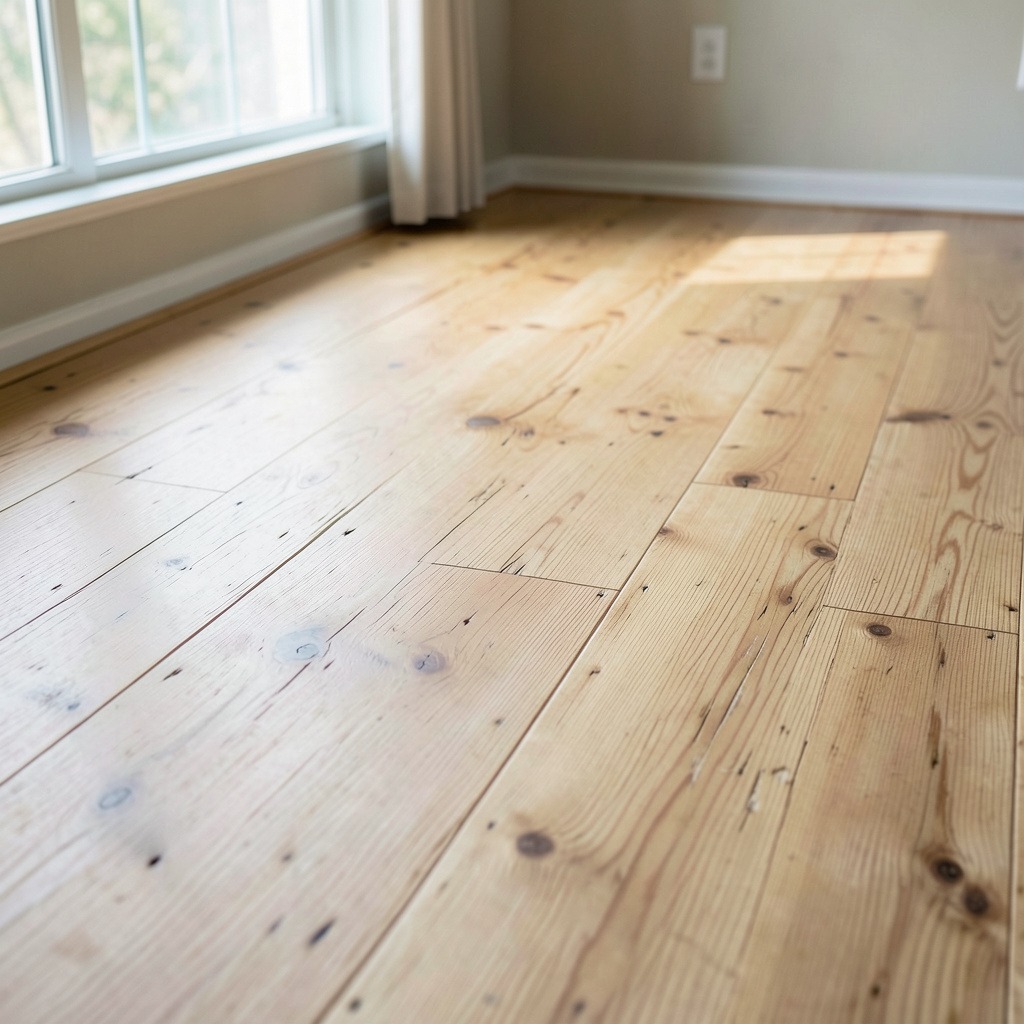
Unfinished wood flooring consists of raw, untreated wood planks that lack a final protective finish. These planks are milled into tongue-and-groove designs and installed directly onto the subfloor. The absence of a factory finish allows for customization and personalization after installation.
Characteristics of Unfinished Wood Flooring
Unfinished wood flooring offers several defining features:
- Raw Material: It comes straight from the mill without any coatings, providing a natural look.
- Customization: Homeowners can choose the stain and finish that best fits their decor and environment.
- Seamless Finish: Unlike prefinished options, unfinished flooring can be sanded and finished on-site, resulting in a smoother, more uniform surface.
Comparison with Prefinished Wood Flooring
Understanding the differences between unfinished and prefinished wood flooring is crucial for making an informed choice. Here’s a comparative analysis of key attributes:
| Feature | Unfinished Wood Flooring | Prefinished Wood Flooring |
|---|---|---|
| Installation Time | Longer; requires finishing on-site | Quicker; ready to install |
| Customization | High; stain and finish done later | Limited; factory finish |
| Seam Quality | Seamless finish possible | Micro-beveled edges |
| Maintenance | Requires specific care | Easier care with factory finish |
| Cost | Potentially lower initial cost | Higher upfront cost |
When selecting unfinished wood flooring, consider your home’s environment. For instance, in high-traffic areas, a durable finish may be essential, while in low-traffic spaces, aesthetics might take precedence.
For maintenance, using the right cleaning products, like Bona Hardwood Floor Cleaner, is critical to preserve the raw wood’s appearance and longevity.
This comparison highlights the trade-offs between customization and installation speed, helping you make a choice that aligns with your specific needs.
Advantages of Unfinished Wood Flooring
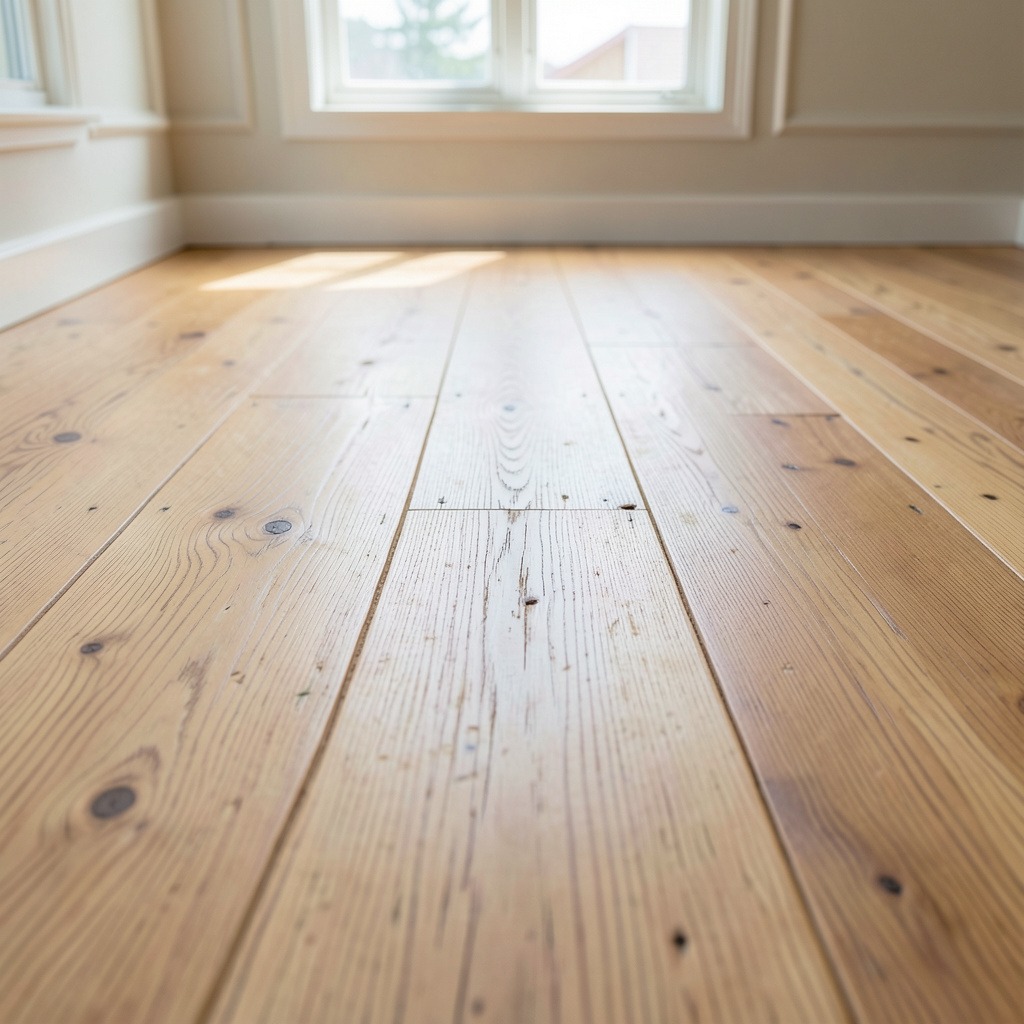
Unfinished wood flooring offers unique advantages that cater to homeowners seeking customization and long-term value. This section explores its benefits, focusing on personalization, aesthetics, and practicality.
Customization Options
One of the standout benefits of unfinished wood flooring is the extensive customization it allows. Homeowners have the freedom to choose their preferred finish, stain, or sealant. This enables a tailored look that aligns perfectly with individual design visions.
- Flexibility in Finishing: You can choose from various finishes, such as matte, satin, or gloss, allowing for a truly unique appearance.
- Adaptability to Decor: Unfinished wood can seamlessly integrate with different styles, from rustic to modern.
- Future Customization: If your style changes, you can easily refinish the floor to match new decor.
For example, a homeowner might initially install raw oak flooring and later opt for a dark walnut stain to fit a new interior design scheme. This adaptability enhances the long-term value of the investment.
Aesthetic Benefits
The natural beauty of unfinished wood flooring is a significant draw. The raw wood showcases unique grain patterns and textures, creating a warm and inviting atmosphere.
- Organic Look: Unfinished wood maintains a natural aesthetic that many homeowners find appealing.
- Authenticity: The lack of a synthetic finish allows the wood’s character to shine through, contributing to a more authentic home environment.
Homeowners can also achieve a bespoke look by applying different finishing techniques, such as oil-based treatments or water-based finishes, further enhancing the wood’s natural beauty.
Long-Term Value
Investing in unfinished wood flooring can yield substantial long-term benefits.
- Potential Cost Savings: Often, unfinished wood flooring is available at a lower price point than prefinished options. This can lead to significant savings, especially for larger spaces.
- Durability and Longevity: Unfinished wood can be sanded down and refinished multiple times, prolonging its life span and maintaining its appearance over decades.
For example, if a family installs unfinished hardwood in a busy household, they can refinish it every few years to restore its original charm. This ability to maintain the floor enhances its value and appeal over time.
By choosing unfinished wood flooring, homeowners not only gain a customizable option but also invest in an aesthetic and functional flooring solution that can adapt to their evolving needs.
Disadvantages of Unfinished Wood Flooring
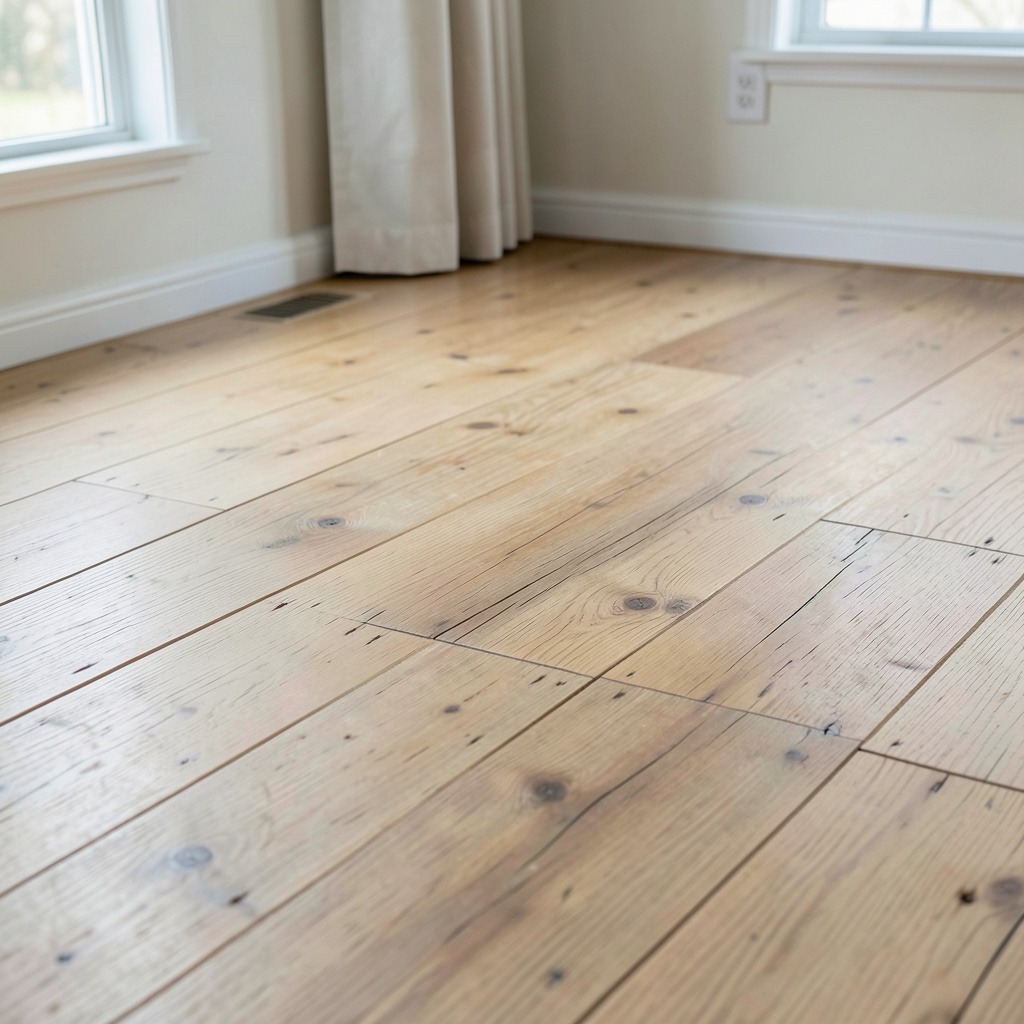
Unfinished wood flooring offers many benefits, but it also comes with significant downsides. Homeowners must consider the complexities of installation, longer project timelines, and ongoing maintenance challenges.
Installation Complexity
The installation of unfinished wood flooring involves several steps that can complicate the process. Unlike prefinished options, unfinished flooring requires:
- On-Site Sanding: After installation, the wood must be sanded to create a smooth surface. This step can generate considerable dust and requires additional equipment.
- Custom Finishing: Homeowners must choose a finish, which adds time and complexity. Factors such as drying time and the number of coats can extend the project timeline.
- Odor and Ventilation: Finishing products often emit strong odors. Adequate ventilation is necessary during and after application to ensure safety and comfort.
Checklist for Installation Preparation:
- Confirm the wood species and finish type.
- Prepare the installation area by removing furniture and ensuring proper ventilation.
- Arrange for dust containment measures.
- Plan for additional time for sanding and finishing processes.
Maintenance Challenges
Maintaining unfinished wood flooring can be more demanding than caring for prefinished options. Here are key considerations:
- Susceptibility to Damage: Unfinished wood is more vulnerable to stains, scratches, and water damage. Homeowners must be vigilant and clean spills immediately to avoid long-term issues.
- Cleaning Regimen: Regular sweeping is essential. Homeowners should avoid water or steam mops as they can cause damage. Instead, use specialized wood cleaning products like Bona Hardwood Floor Cleaner for effective maintenance.
- Refinishing Needs: Over time, refinishing may be necessary to restore the floor’s appearance. This process can be time-consuming and may require professional help.
Maintenance Checklist:
- Sweep regularly to remove debris.
- Clean spills immediately with appropriate products.
- Schedule periodic inspections to assess wear and plan refinishing.
Understanding these disadvantages helps homeowners make informed decisions about whether unfinished wood flooring aligns with their lifestyle and maintenance preferences.
Cost Considerations for Unfinished Wood Flooring
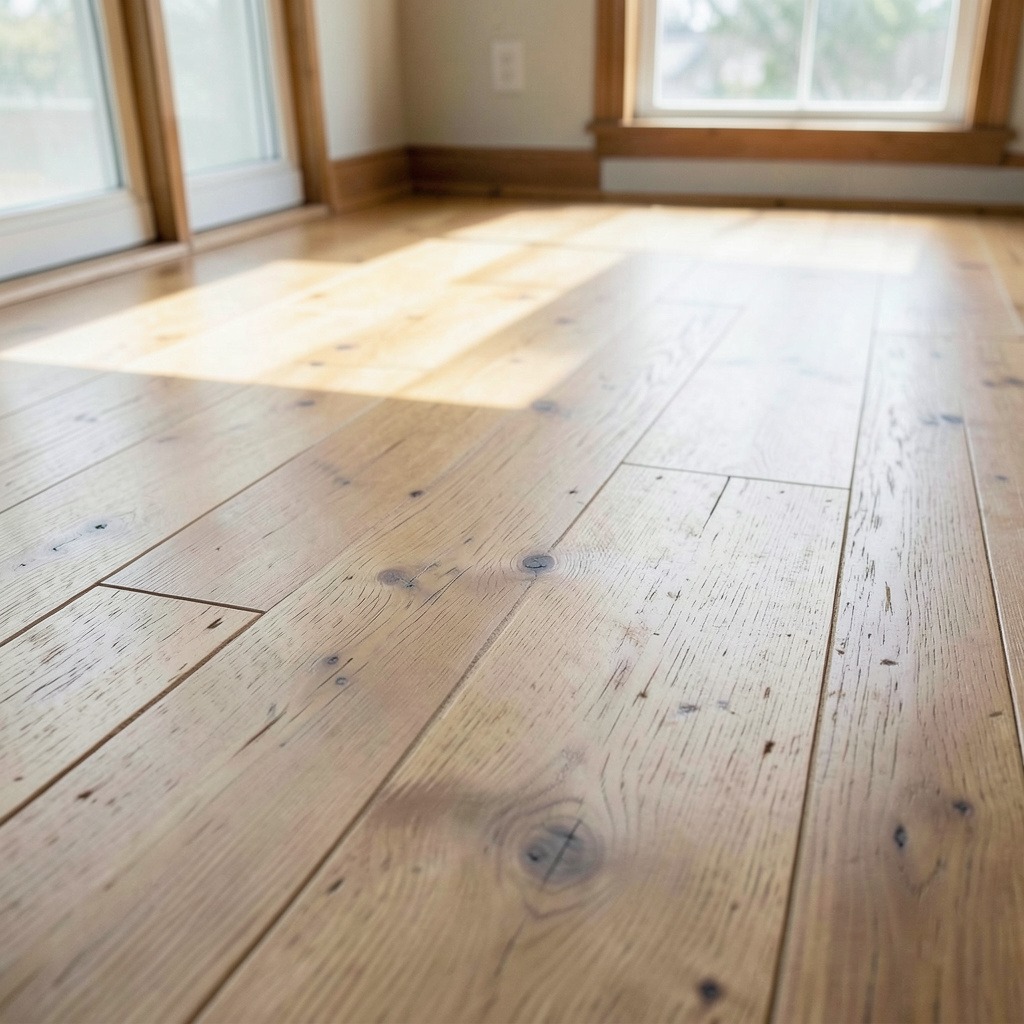
When evaluating unfinished wood flooring, understanding the financial implications is crucial. This includes assessing both material and labor costs and comparing them with prefinished options.
Material Costs
Unfinished wood flooring typically costs less per square foot than prefinished flooring. However, the savings can be misleading. The initial lower cost may not account for additional expenses incurred during the finishing process.
| Flooring Type | Average Cost per Square Foot | Additional Finishing Cost |
|---|---|---|
| Unfinished Wood | $3 – $6 | $2 – $5 (DIY) |
| Prefinished Wood | $5 – $9 | None |
Labor and Installation Costs
Installation costs for unfinished wood flooring can be higher due to the additional steps involved. Professionals often charge more for the sanding and finishing required after installation. Here’s a breakdown:
- Unfinished Wood Flooring Installation:
- Labor: $1 – $3 per square foot
- Finishing: $1 – $2 per square foot (if hiring professionals)
- Prefinished Wood Flooring Installation:
- Labor: $1 – $2 per square foot
- No finishing costs
Consider this decision framework when choosing between unfinished and prefinished flooring:
1. Budget: Determine your total budget, including materials, labor, and finishing.
2. Skill Level: Assess whether you can finish the wood yourself or will hire professionals.
3. Long-Term Value: Factor in potential refinishing costs over the lifespan of the flooring.
Example Scenario
A homeowner with a 1,000 square foot area considers unfinished wood flooring. The material cost is approximately $5,000. If they choose to hire a professional for finishing, the total cost could reach $8,000. In contrast, opting for prefinished wood flooring might result in a total cost of $6,000, with less long-term maintenance required.
Evaluating these costs provides a clearer picture of the financial commitment involved in choosing unfinished wood flooring.
Installation Process for Unfinished Wood Flooring
Installing unfinished wood flooring involves several critical steps, from preparing the subfloor to sanding and applying the finish. Each phase requires attention to detail to ensure a durable and attractive end result.
Preparing the Subfloor
1. Inspect the Subfloor: Ensure it is clean, dry, and level. Look for any damage that may need repair.
2. Moisture Barrier: If installing over concrete, lay down a moisture barrier to prevent water damage.
3. Acclimation: Let the unfinished wood planks acclimate in the room for at least 48 hours. This helps prevent warping after installation.
4. Layout Planning: Plan the layout of the boards. Consider the direction of light and the room’s shape for aesthetic appeal.
Steps for Sanding and Finishing
1. Installation: Nail, staple, or glue the planks to the subfloor, ensuring tight seams. Leave a small expansion gap around the edges.
2. Sanding: Use a drum sander to sand the entire floor evenly. This creates a smooth surface for finishing. Be prepared for dust; use appropriate ventilation and cover vents or doors.
3. Clean the Dust: After sanding, thoroughly clean the floor using a vacuum and a damp cloth to remove all dust particles.
4. Staining (Optional): If desired, apply a wood stain using a brush or rag. Follow the manufacturer’s instructions for drying times.
5. Sealing: Apply the first coat of sealant (such as polyurethane) using a roller or brush. Allow it to dry fully before applying additional coats.
6. Final Sanding: Lightly sand between coats to enhance adhesion. Repeat sealing until you achieve the desired finish.
Visual Guide
For a clearer understanding, refer to the following installation checklist:
| Step | Action |
|---|---|
| Inspect Subfloor | Ensure clean, dry, and level condition. |
| Lay Moisture Barrier | For concrete subfloors to prevent moisture issues. |
| Acclimate Planks | Leave for 48 hours in the installation environment. |
| Install Planks | Nail, staple, or glue securely with an expansion gap. |
| Sand the Floor | Use a drum sander for a smooth surface. |
| Clean Thoroughly | Vacuum and wipe to eliminate dust. |
| Stain (Optional) | Apply stain and follow drying instructions. |
| Seal with Polyurethane | Apply multiple coats, sanding in between. |
This step-by-step process ensures that you maximize the aesthetic and functional benefits of unfinished wood flooring, making it a customizable and durable choice for your home.
Wood Species Suitable for Unfinished Flooring
Choosing the right wood species for unfinished flooring is crucial for achieving the desired aesthetic and durability. Each species offers unique characteristics that can enhance your home’s design and functionality.
Popular Choices
1. White Oak
- Characteristics: Sanding leaves a smooth finish. Accepts stains evenly.
- Durability: Highly resistant to wear.
- Aesthetic Appeal: Natural tannins react well with stains for custom colors.
2. Red Oak
- Characteristics: Widely available with a pronounced grain.
- Durability: Good resilience but may show scratches.
- Aesthetic Appeal: Strong pinkish undertone; versatile with stain options.
3. Maple
- Characteristics: Clean, light canvas; dense closed grain.
- Durability: Very hard and resistant to dents.
- Aesthetic Appeal: Blotching may occur with darker stains; ideal for light finishes.
4. American Walnut
- Characteristics: Rich, dark color with a fine grain.
- Durability: Moderately durable; best used in low-traffic areas.
- Aesthetic Appeal: Stunning with clear finishes, enhancing its natural beauty.
Factors to Consider
When selecting a wood species for unfinished flooring, consider the following factors based on your home environment:
- Traffic Levels: For high-traffic areas, opt for harder woods like maple or red oak. They withstand wear better.
- Moisture Exposure: In humid environments, white oak is preferable due to its natural resistance to moisture.
- Desired Aesthetic: If you prefer a rustic look, red oak offers pronounced grain patterns. For a contemporary feel, maple or walnut can provide a sleek appearance.
Scenario-Based Insight
Imagine you live in a coastal area where humidity is a concern. In this case, white oak may be your best choice due to its durability and moisture resistance. Conversely, if you are designing a cozy cabin retreat, the warmth of red oak could complement your rustic decor beautifully.
Use this decision framework to align your wood species choice with your specific home environment and aesthetic goals.
Conclusion: Making the Right Choice for Your Home
Selecting unfinished wood flooring involves weighing various pros and cons tailored to your specific needs and preferences. Understanding these factors can guide homeowners in making an informed choice.
Key Considerations for Homeowners
1. Customization Options: Unfinished wood flooring offers greater flexibility in finishing. Homeowners can select stains and finishes that align with their aesthetic vision. This customization is particularly appealing for unique design preferences.
2. Installation Process: Installing unfinished wood flooring requires additional steps, including sanding and finishing after installation. This can prolong the renovation timeline compared to prefinished options, which are ready to use immediately.
3. Maintenance Requirements: Unfinished wood flooring demands careful maintenance to protect against stains and moisture. Regular sweeping and prompt cleaning of spills are crucial. Homeowners should also avoid using water or steam mops to prevent damage.
Decision Framework for Choosing Unfinished vs. Prefinished Flooring
To assist in your decision, consider the following framework:
- Assess Your Aesthetic Goals: Do you prioritize a specific look that prefinished options cannot provide? If so, unfinished flooring may be ideal.
- Evaluate Your Time Constraints: Are you ready for the additional time required for finishing? If immediate use is essential, prefinished flooring might be more suitable.
- Consider Your Maintenance Capacity: Are you willing to commit to the upkeep that unfinished wood demands? If not, prefinished options may offer a more practical solution.
Real-Life Scenarios
- Urban Loft: A homeowner in a bustling city may prefer unfinished wood for its ability to reflect a modern, raw aesthetic. They will need to invest time in finishing and maintenance.
- Family Home: For a busy family with young children, prefinished flooring could be preferable due to its durability and low maintenance, allowing for immediate usability.
By evaluating these factors, homeowners can make an informed decision that aligns with their renovation context and lifestyle preferences.
Frequently Asked Questions
These quick answers cover the most common questions about this topic, including key details, practical tips, and common concerns.
Should I buy unfinished hardwood flooring?
Choosing unfinished hardwood flooring can be beneficial if you value customization. It allows you to select your preferred finish and stain, creating a unique look tailored to your home. Additionally, unfinished wood can be sanded and refinished multiple times, extending its lifespan. However, consider the extra maintenance and installation time required compared to prefinished options.
Prefinished vs. Unfinished Hardwood: Which Should You Buy?
The choice between prefinished and unfinished hardwood flooring depends on your priorities. Prefinished flooring is quicker to install and requires less maintenance, making it ideal for busy households. In contrast, unfinished flooring offers greater customization and a seamless finish. Weigh the importance of immediate usability against the desire for a tailored aesthetic when making your decision.
How long does the installation process take for unfinished wood flooring?
The installation process for unfinished wood flooring typically takes longer than for prefinished options. After laying the planks, you must sand and finish them on-site, which can add several days to the project. Expect to allocate at least a week for the entire installation, including drying time for the finish. If you opt for professional help, this timeline may vary based on their availability and workload.
Can I install unfinished wood flooring myself?
Yes, you can install unfinished wood flooring yourself if you have the necessary skills and tools. The process involves preparing the subfloor, laying the planks, sanding, and applying the finish. However, be prepared for the additional labor and time involved in sanding and finishing. If you’re unsure about any steps, consider hiring a professional to ensure a quality result.
What are the common problems with unfinished wood flooring?
Common issues with unfinished wood flooring include susceptibility to moisture damage, scratches, and stains. Since the wood is raw, spills should be cleaned immediately to prevent long-term damage. Additionally, improper installation or finishing can lead to uneven surfaces or discoloration. Regular maintenance and prompt cleaning can help mitigate these problems.
What alternatives to unfinished wood flooring should I consider?
If you’re seeking alternatives to unfinished wood flooring, consider prefinished hardwood, laminate, or luxury vinyl flooring. Prefinished hardwood offers a similar aesthetic with less maintenance and quicker installation. Laminate and luxury vinyl provide durable, cost-effective options that mimic the look of wood without the same upkeep requirements. Evaluate your priorities regarding aesthetics, durability, and maintenance when choosing an alternative.
When should I consider professional help for installation?
Consider hiring professionals for unfinished wood flooring installation if you lack experience with flooring projects or the necessary tools. Professional installers can ensure proper sanding and finishing, reducing the risk of mistakes that could affect the floor’s appearance and longevity. If your space has unique challenges, such as irregular subfloors or moisture issues, professional expertise can be invaluable.