
Wood burning fireplace inserts improve heat efficiency and aesthetics while offering specific advantages.
For homeowners considering an upgrade to their heating system, wood burning fireplace inserts present a compelling option. By enhancing efficiency and offering aesthetic appeal, these inserts can transform traditional fireplaces; however, there are important drawbacks to consider before making a purchase.
Understanding Wood Burning Fireplace Inserts
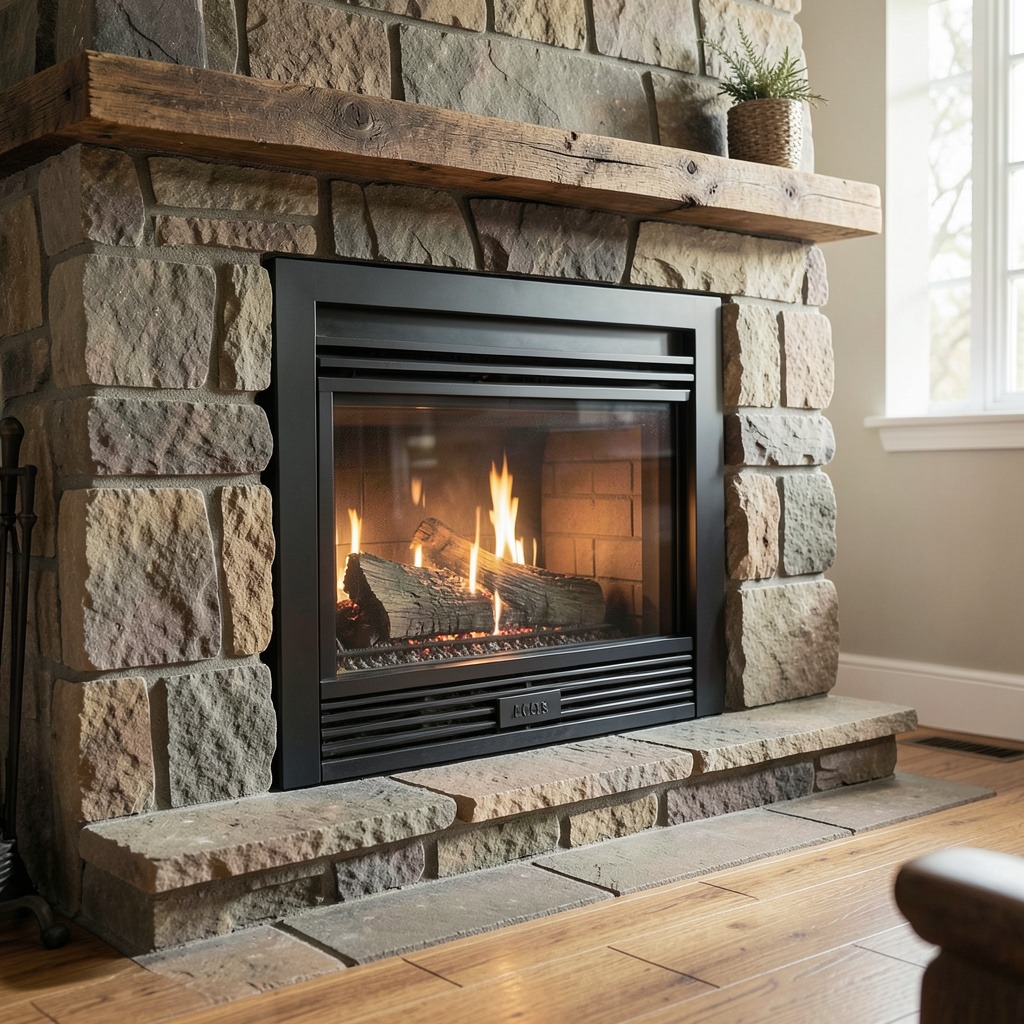
Wood burning fireplace inserts are designed to enhance the efficiency of traditional masonry fireplaces. They create a sealed combustion chamber that allows for controlled burning, maximizing heat output while minimizing heat loss.
What is a Wood Burning Fireplace Insert?
A wood burning fireplace insert is a high-efficiency appliance that fits into an existing fireplace. It consists of:
- Sealed Design: Prevents air from escaping and enhances combustion efficiency.
- Controlled Combustion Chamber: Allows for better airflow and burning conditions.
- Glass Door: Offers a view of the fire while maintaining heat.
- Heat Exchanger: Distributes warm air throughout the room, often aided by a blower.
This equipment transforms an open fireplace, which is typically inefficient, into a powerful heating source.
How Inserts Improve Heating Efficiency
Wood fireplace inserts significantly improve heating efficiency compared to traditional open fireplaces. Here’s how:
- Increased Heat Output: Inserts can produce more heat from the same amount of wood.
- Reduced Heat Loss: Unlike open fireplaces that lose much heat through the chimney, inserts retain it.
- Longer Burn Times: Inserts can burn wood for extended periods, providing consistent warmth.
Efficiency Comparison
| Feature | Traditional Fireplace | Wood Burning Insert |
|---|---|---|
| Heat Retention | Low | High |
| Airflow Control | None | Yes |
| Usable Heat | Low | High |
| Burn Time | Short | Long |
For homeowners, the choice between a traditional fireplace and an insert often hinges on the desire for efficiency. Inserts not only provide more heat but also do so in a safer, more environmentally friendly manner.
Table of Contents
Example Scenario
Consider a homeowner who primarily uses their fireplace for heating. They currently have a traditional masonry fireplace, which barely warms their living room. After installing a wood burning insert, they notice:
- Higher comfort levels: The room stays warm even on the coldest nights.
- Lower heating bills: The insert uses less wood while providing more heat.
This scenario demonstrates the practical benefits of upgrading to a wood burning fireplace insert.
Pros of Wood Burning Fireplace Inserts
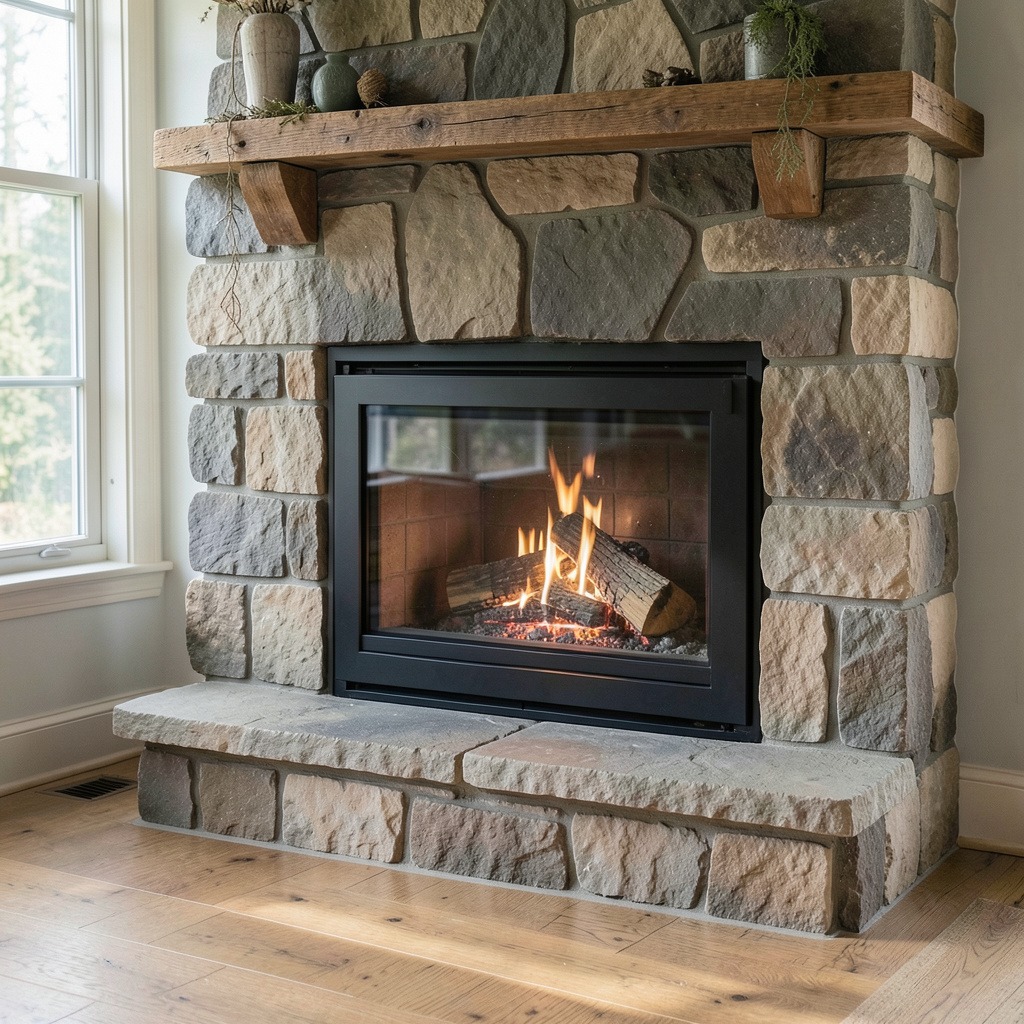
Wood burning fireplace inserts offer several advantages that enhance both comfort and efficiency in your home. These units transform traditional fireplaces into effective heating sources, providing warmth and aesthetic appeal.
Improved Heat Output
One of the most significant benefits of wood burning fireplace inserts is their enhanced heat output. Unlike traditional open fireplaces, inserts create a controlled combustion environment. This design allows for:
- Higher Efficiency: Inserts burn wood more completely, converting more of it into usable heat. Homeowners often report a noticeable increase in warmth throughout their living spaces.
- Consistent Heating: A sealed insert maintains higher temperatures longer, resulting in fewer reloads of wood and steadier warmth.
For example, a homeowner who switched from an open fireplace to an insert noted an increase in room temperature by an average of 10 degrees Fahrenheit on cold winter nights.
Cost Savings on Heating Bills
Investing in a wood burning fireplace insert can lead to substantial cost savings on heating bills. Here’s how:
- Reduced Wood Consumption: Inserts maximize heat from each log, meaning less wood is needed to achieve the same warmth. This translates to lower costs for fuel.
- Efficient Heating: With better heat retention, homeowners may reduce reliance on other heating systems, leading to lower overall energy expenses.
A case study revealed that a family using an insert reported a 30% reduction in their monthly heating costs compared to their previous heating methods.
Aesthetic Enhancements and Comfort
Wood burning fireplace inserts do more than just provide heat; they also enhance the aesthetic appeal of a home. Key aspects include:
- Visual Appeal: Many inserts come with stylish designs that complement modern and traditional décor. The view of a real wood flame adds ambiance and warmth to any setting.
- Comfort and Safety: Inserts are designed with safety features, including glass doors and heat shields, which protect against accidental burns and reduce the risk of fire hazards.
Homeowners appreciate the inviting atmosphere created by the dancing flames of an insert, which can serve as a focal point in the living area.
Decision Framework for Choosing an Insert
When selecting a wood burning fireplace insert, consider the following factors:
- Size of the Insert: Ensure it fits your existing fireplace and meets your heating needs.
- Efficiency Ratings: Look for models with high efficiency ratings ( EPA-certified) to maximize heat output and minimize emissions.
- Brand Comparisons: Research various brands for reliability, warranty, and customer satisfaction. Some popular brands include Pacific Energy and Napoleon.
Utilizing this framework can help homeowners make informed decisions that align with their heating requirements and aesthetic preferences.
Cons of Wood Burning Fireplace Inserts

While wood burning fireplace inserts offer numerous benefits, they also come with notable drawbacks. Understanding these challenges is crucial for homeowners considering this heating option.
High Initial Costs
Investing in a wood burning fireplace insert can be expensive. The initial purchase price ranges from $1,500 to $5,000, depending on the model and features. Additionally, professional installation may add $1,000 or more to the total cost. Homeowners should factor in these expenses when evaluating their budget.
Regular Maintenance Needs
Wood burning fireplace inserts require ongoing maintenance to operate efficiently and safely. Maintenance tasks include:
- Cleaning the chimney: Annual inspections and cleanings are essential to prevent creosote buildup, which poses a fire hazard.
- Inspecting the insert: Regular checks for wear and tear on components ensure optimal performance.
- Replacing gaskets: Sealing components may need replacement over time to maintain efficiency.
Homeowners willing to commit to this maintenance can enjoy the advantages of their inserts, but neglecting these tasks can lead to reduced efficiency and safety risks.
Dependence on Wood Quality and Storage
The quality of wood used significantly impacts the performance of wood burning inserts. Homeowners must source seasoned hardwood, which burns more efficiently and produces less smoke. Storing wood properly is equally important. Here are some tips for effective wood storage:
- Keep wood dry: Store it in a well-ventilated area, off the ground, and covered to protect against moisture.
- Avoid storing indoors: This prevents pest infestations and keeps indoor air quality high.
Failing to source and store wood appropriately can lead to poor combustion and increased emissions, undermining the advantages of the insert.
Checklist for Potential Buyers
Before purchasing a wood burning fireplace insert, consider the following readiness factors:
- Can you commit to regular maintenance?
- Do you have space for wood storage?
- Are you prepared for the initial investment?
- Do you have access to high-quality, seasoned wood?
By addressing these factors, homeowners can better assess their suitability for a wood burning fireplace insert.
Safety Features of Wood Burning Fireplace Inserts

Wood burning fireplace inserts come equipped with several safety features that enhance their use compared to traditional open fireplaces. These features help mitigate risks and improve overall fire safety in homes.
Sealed Combustion Systems
One of the primary safety features of wood burning fireplace inserts is the sealed combustion system. This design minimizes air exchange between the insert and the room, reducing the risk of smoke and harmful gases entering the living space.
- Controlled Air Intake: The sealed system allows for a more controlled burn, producing less smoke and lowering the likelihood of carbon monoxide buildup.
- Efficiency: By maintaining a tight seal, these inserts burn wood more efficiently, which translates to less creosote buildup in the chimney, reducing the risk of chimney fires.
Reduced Risk of Fire Hazards
Wood burning fireplace inserts significantly lower the risk of fire hazards compared to traditional fireplaces.
- Clearance Requirements: Inserts are designed with specific clearance requirements that ensure they operate safely within the confines of your home.
- Safety Glass Doors: Most models feature tempered glass doors that contain the fire and allow for safe viewing. This reduces the chances of embers escaping and igniting nearby materials.
- Heat Shielding: Many inserts come with built-in heat shields that redirect heat away from combustible materials, further enhancing safety.
Expert Insights
Experts emphasize the importance of safety features in fire prevention. For instance, the National Fire Protection Association (NFPA) notes that properly installed and maintained wood burning inserts can significantly reduce fire risks in residential settings. Homeowners should consider safety features as a priority when selecting an insert.
Checklist for Safety Features
When evaluating wood burning fireplace inserts, consider the following safety features:
- Sealed combustion technology
- Tempered glass doors
- Heat shielding materials
- Automated air control systems
By prioritizing these features, homeowners can enhance the safety of their heating systems while enjoying the benefits of a wood burning fireplace insert.
Environmental Impact of Wood Burning Fireplace Inserts
Wood burning fireplace inserts present both ecological benefits and concerns. Understanding these aspects is crucial for homeowners aiming to make environmentally conscious choices.
Renewable Resource Benefits
Wood is a renewable energy source. When sourced sustainably, it can contribute positively to the environment. Here are some benefits of using wood as a fuel source:
- Carbon Neutrality: When trees grow, they absorb carbon dioxide. Burning wood releases this CO2, but if new trees are planted, the cycle can remain balanced.
- Local Sourcing: Many homeowners have access to locally sourced wood. This reduces transportation emissions and supports local economies.
- Waste Utilization: Using wood from fallen branches or storm-damaged trees helps in waste reduction.
Emission Comparisons with Other Fuels
While wood burning inserts can be efficient, they do have environmental drawbacks, particularly regarding emissions. Here’s how they compare to gas and electric heating:
| Fuel Type | Emissions (CO2 equivalent) | Notes |
|---|---|---|
| Wood Inserts | Moderate | Emissions vary based on wood type and moisture content. |
| Gas Inserts | Low | Generally cleaner, but still emits CO2. |
| Electric Heat | High (if non-renewable) | Emissions depend on the energy source used for electricity. |
Example Insight: A homeowner in a region with an abundant supply of sustainably harvested firewood may find that a wood burning insert offers a lower carbon footprint compared to heating with electricity generated from fossil fuels.
Decision Framework for Eco-Conscious Homeowners
When considering a wood burning insert, evaluate the following:
- Sourcing: Choose wood from sustainable sources. Look for certifications or local suppliers committed to responsible forestry.
- Moisture Content: Use seasoned wood to minimize emissions. Wet wood produces more smoke and pollutants.
- Appliance Efficiency: Invest in high-efficiency inserts that meet EPA standards. These models burn wood more completely, thus reducing harmful emissions.
By weighing these factors, homeowners can enjoy the warmth of a wood burning fireplace insert while minimizing their environmental impact.
Making the Right Choice: Is a Wood Burning Fireplace Insert Right for You?
Deciding whether a wood-burning fireplace insert is suitable for your home requires careful evaluation of your heating needs, budget, and maintenance capacity. This section will help you navigate that decision.
Assessing Your Home’s Heating Needs
Before committing to a wood-burning fireplace insert, consider the following factors:
- Existing Fireplace Use: If your current fireplace offers minimal heat, an insert can significantly enhance efficiency.
- Desired Heat Output: Determine how much heat you need. Wood inserts can generate substantial warmth, ideal for colder climates.
- Backup Heating: If you live in an area prone to power outages, a wood insert can serve as a reliable heating source.
Evaluating Budget and Maintenance Capacity
Understanding the financial and upkeep implications is crucial for any homeowner.
- Installation Costs: Professional installation is recommended for optimal performance. Expect to spend between $2,000 and $5,000, depending on the model and any necessary modifications.
- Maintenance Needs: Regular cleaning and inspection are vital for safety and efficiency. Create a maintenance schedule that includes:
- Chimney Cleaning: At least once a year to prevent soot buildup.
- Ash Removal: Regularly clear ashes to maintain efficiency and airflow.
Decision-Making Framework
Use this checklist to guide your decision:
1. Evaluate Heating Needs
- Do you need more heat than your current fireplace provides?
- Is your home frequently cold during winter?
2. Consider Budget
- Are you prepared for the initial installation cost?
- Can you manage ongoing maintenance expenses?
3. Assess Wood Storage
- Do you have space for storing firewood?
- Are you willing to source and season wood properly?
4. Determine Aesthetic Preferences
- Does the look of a wood-burning insert appeal to you?
- Will it complement your home’s interior design?
By methodically answering these questions, you can make an informed choice about whether a wood-burning fireplace insert aligns with your lifestyle and heating requirements.
Frequently Asked Questions
These quick answers cover the most common questions about this topic, including key details, practical tips, and common concerns.
Are wood-burning fireplace inserts worth it?
Yes, wood-burning fireplace inserts are generally worth the investment for homeowners seeking improved heating efficiency and comfort. They enhance heat output significantly compared to traditional fireplaces, leading to lower heating bills. Additionally, they offer aesthetic appeal and safety features that traditional fireplaces lack, making them a practical choice for many.
What type of fireplace inserts are best?
The best type of fireplace insert depends on your specific needs. Look for models with high efficiency ratings, such as EPA-certified inserts, which burn wood more completely and produce less emissions. Brands like Pacific Energy and Napoleon are popular for their durability and performance. Consider the size of your existing fireplace and your heating requirements when selecting an insert.
What is the average cost of a wood-burning insert?
The average cost of a wood-burning fireplace insert ranges from $1,500 to $5,000, depending on the model and features. Installation costs can add an additional $1,000 or more. It’s essential to budget for both the insert and professional installation to ensure optimal performance and safety.
How do wood-burning inserts compare to gas inserts?
Wood-burning inserts typically offer a more traditional heating experience, producing a natural flame and aroma. They can be more cost-effective if you have access to affordable, seasoned wood. Gas inserts, on the other hand, provide convenience and cleaner burning with lower emissions. The choice between them often depends on personal preference, availability of fuel, and desired maintenance levels.
When is the best time to install a fireplace insert?
The best time to install a fireplace insert is during the warmer months, ideally in late spring or early summer. This timing allows for any necessary renovations to be completed before the heating season begins. Installing in advance also ensures that you can enjoy the benefits of the insert once colder weather arrives.
What are common maintenance issues with wood-burning fireplace inserts?
Common maintenance issues include creosote buildup in the chimney, which can pose a fire hazard if not cleaned regularly. Additionally, worn gaskets and seals may need replacement to maintain efficiency. Homeowners should conduct annual inspections and cleanings to address these issues and ensure safe operation.
What are alternatives to wood-burning fireplace inserts?
Alternatives to wood-burning fireplace inserts include gas inserts, electric fireplaces, and pellet stoves. Gas inserts offer convenience and clean burning, while electric fireplaces provide an easy-to-install, low-maintenance option. Pellet stoves use compressed wood pellets and can be more efficient than traditional wood-burning options. Each alternative has its pros and cons, so consider your heating needs and preferences when choosing.