
Wood burning fireplaces offer aesthetic appeal and a cozy ambiance but come with high maintenance, installation costs, and environmental concerns.
Wood burning fireplaces are cherished for their warmth and charm but evaluating their pros and cons is crucial for potential buyers. This guide provides an in-depth analysis of costs, environmental impact, safety, and efficiency to help inform your decision.
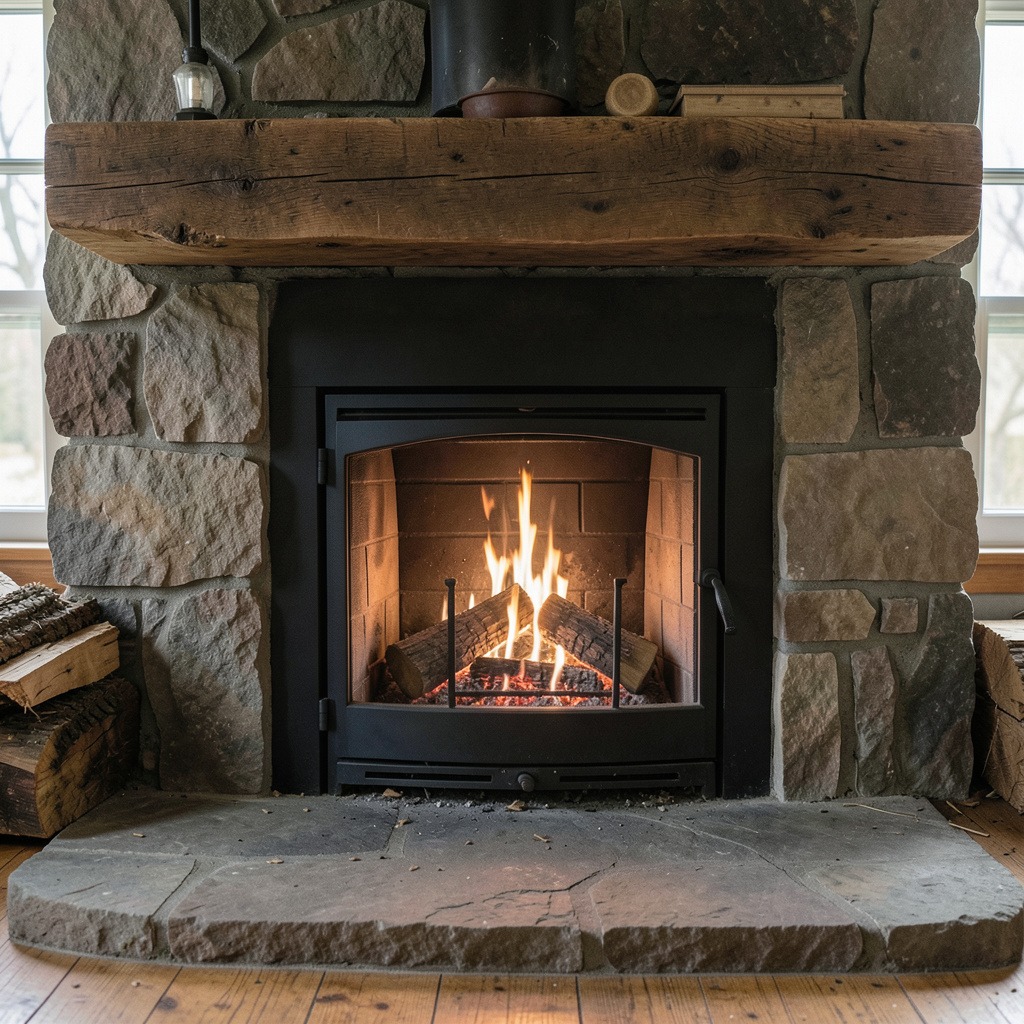
Understanding Wood Burning Fireplaces
Wood burning fireplaces are a time-honored feature in many homes. They provide warmth, ambiance, and a touch of rustic charm. Understanding their historical context and modern appeal can help homeowners evaluate their pros and cons effectively.
Historical Context of Wood Burning Fireplaces
Wood burning fireplaces date back centuries. Originally, they served as the primary source of heat and cooking. Their design evolved from basic fire pits to ornate structures, creating a focal point in living spaces.
Today, they symbolize a connection to tradition while offering functional benefits. Many homeowners appreciate their aesthetic value, often enhancing the overall character of a home.
Modern Appeal and Usage
In contemporary homes, the appeal of wood burning fireplaces remains strong. They provide not just warmth, but also a cozy atmosphere that gas or electric fireplaces often cannot replicate.
Homeowners enjoy the crackling sound of burning logs and the visual allure of flames dancing. Additionally, they can serve as a backup heating source during power outages, making them a practical choice in colder climates.
Table of Contents
Key Benefits:
- Aesthetic Value: Wood burning fireplaces add character and charm to living spaces.
- Heating Efficiency: They can be more effective in heating large areas compared to some gas models.
- Backup Heating Source: Essential during winter storms or power outages.
Considerations:
- Maintenance Requirements: Regular cleaning and wood supply management are necessary for optimal performance.
- Installation Costs: Initial installation can be higher than gas or electric options, particularly if retrofitting a home.
- Environmental Impact: Burning wood does produce emissions, necessitating proper ventilation and responsible usage.
By weighing these factors, homeowners can make informed decisions about whether a wood burning fireplace fits their needs and lifestyle.
Cost and Investment in Wood Burning Fireplaces
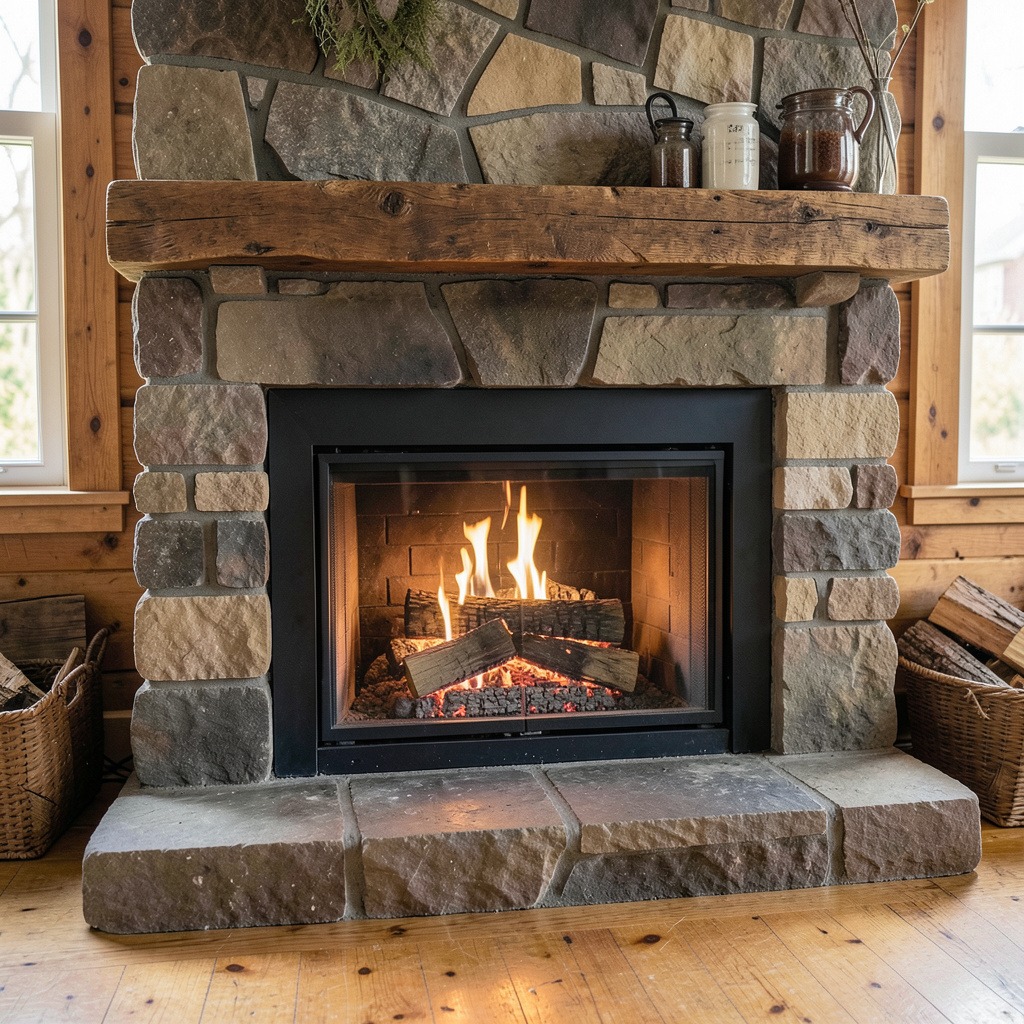
Understanding the costs associated with wood burning fireplaces is crucial for homeowners. This section explores installation costs, ongoing maintenance expenses, and potential savings over time compared to gas and electric options.
Initial Installation Costs
The installation costs for a wood burning fireplace can vary widely based on several factors, including location, materials, and whether you are retrofitting an existing space. Typically, homeowners can expect to pay between $3,000 and $6,000 for installation. Here’s a breakdown:
- Chimney Installation: $1,500 to $3,000
- Fireplace Unit: $1,000 to $2,500
- Masonry Work: $500 to $1,500
- Ventilation Systems: $300 to $800
In comparison, gas fireplaces generally range from $2,000 to $5,000, while electric options start at about $1,500. While wood burning fireplaces may have a higher initial cost, they offer unique advantages regarding efficiency and ambiance.
Ongoing Maintenance Expenses
Owning a wood burning fireplace comes with several maintenance responsibilities. Regular upkeep ensures safety and efficiency. Estimated annual costs include:
- Chimney Cleaning: $100 to $300
- Firewood Supply: $200 to $600, depending on usage
- Routine Inspections: $75 to $150
These costs can accumulate over time. However, regular maintenance can prevent more significant repair costs down the line. In contrast, gas fireplaces require less maintenance but may incur higher repair costs if issues arise.
Long-term Cost Effectiveness
Long-term savings associated with wood burning fireplaces can be substantial, particularly in colder climates. Here’s how they compare:
- Heating Costs: Wood burning fireplaces can reduce heating bills by up to 30% during winter months. For instance, if your heating bill is $200 per month, using a wood fireplace could save you approximately $600 annually.
- Resale Value: Homes with well-maintained wood burning fireplaces often see a boost in property value. Studies show that homes with fireplaces can sell for 6-12% more than similar homes without one.
Example Scenario: A homeowner in a cold climate who uses a wood burning fireplace regularly could save over $1,000 in heating costs over five years, offsetting initial installation expenses.
In summary, while the initial investment and maintenance expenses can be higher for wood burning fireplaces, the long-term savings and added value to your home can make them a worthwhile choice.
Environmental Impact of Wood Burning Fireplaces
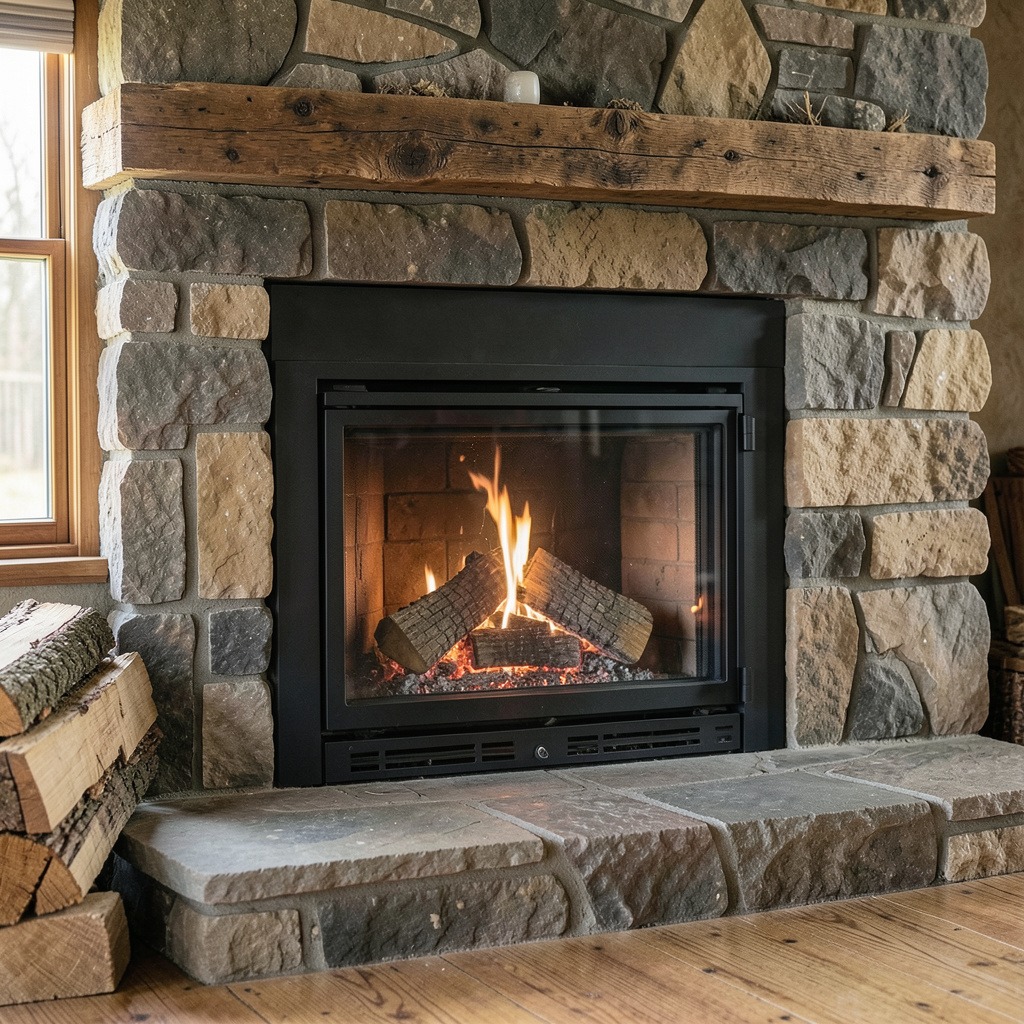
Wood burning fireplaces have ecological implications that homeowners must consider. Understanding the carbon footprint, air quality issues, and sustainable wood sourcing can help make informed decisions.
Carbon Footprint and Emissions
Burning wood releases carbon dioxide (CO2), but many consider it carbon-neutral because trees absorb CO2 as they grow. However, this balance can shift based on harvesting, processing, and transportation methods.
Key emissions from wood burning include:
- Particulate matter
- Carbon monoxide
- Nitrogen oxides
- Volatile organic compounds
These pollutants contribute to air quality degradation, especially in regions prone to temperature inversions.
Air Quality Concerns
The air quality impact of wood burning is significant. Uncontrolled emissions can lead to health issues, particularly for individuals with respiratory conditions. Modern EPA-certified fireplaces produce fewer emissions than older models, yet they still contribute to air pollution.
Homeowners should consider:
- Ensuring proper ventilation to mitigate indoor air quality concerns.
- Understanding regional regulations that restrict burning during poor air quality events.
Sustainable Wood Sourcing
Sourcing wood sustainably is crucial for minimizing environmental impact. Homeowners should seek firewood from suppliers who adhere to sustainable forestry practices. This ensures that the wood used is harvested without compromising forest health.
When selecting firewood, consider the following:
- Look for local suppliers to reduce transportation emissions.
- Choose hardwoods over softwoods; hardwoods burn cleaner and longer.
- Avoid burning treated or painted wood, which can release harmful chemicals.
Current Regulations Affecting Emissions
Regulations surrounding wood burning vary by region. Many communities have implemented restrictions to reduce emissions on days with poor air quality. Homeowners should stay informed about local laws that may affect their ability to use a wood burning fireplace.
Checklist for Compliance:
- Verify local regulations regarding wood burning.
- Monitor air quality alerts in your area.
- Consider upgrading to an EPA-certified model if you plan to install a new fireplace.
Heating Efficiency and Performance

Heating efficiency is a critical factor for homeowners considering a wood burning fireplace. Understanding how design and installation quality impact performance can help in making an informed decision.
Traditional vs. Modern Designs
Traditional wood burning fireplaces often have lower efficiency rates, typically ranging from 10% to 30%. This means much of the heat generated escapes through the chimney. In contrast, modern EPA-certified models can achieve efficiencies of 70% to 80%.
- Traditional Designs: Often open-masonry, inefficient heating, less control over heat distribution.
- Modern Designs: Sealed combustion, better heat retention, advanced technology for cleaner burns.
Factors Influencing Efficiency
Several factors affect the heating efficiency of wood burning fireplaces:
- Design: The type of fireplace affects heat retention and distribution.
- Installation Quality: Proper installation ensures optimal performance. Poorly installed fireplaces may lead to heat loss.
- Type of Wood: Hardwoods burn hotter and longer than softwoods, enhancing efficiency.
- Flue Size: A correctly sized flue maintains optimal draft and minimizes heat loss.
Performance in Different Climates
The efficiency of wood burning fireplaces can also vary based on climate:
- Cold Climates: In areas with prolonged cold, high-efficiency models provide substantial heating and can lower reliance on other heating sources.
- Mild Climates: Less efficient models may suffice, but homeowners could face higher costs due to increased wood usage.
Decision Framework for Homeowners
When evaluating the efficiency of wood burning fireplaces, consider the following:
- Evaluate Local Climate: Determine how often you’ll need heating.
- Assess Available Wood: Availability and cost of wood can influence overall efficiency and expenses.
- Consider Upgrades: Investing in modern, EPA-certified units can improve efficiency while reducing emissions.
By understanding these elements, homeowners can make a more informed choice regarding the installation and usage of a wood burning fireplace.
Safety Considerations with Wood Burning Fireplaces
Wood burning fireplaces offer warmth and ambiance, but they come with safety risks that homeowners must manage. Understanding these risks is crucial for safe operation and maintenance.
Common Risks and Preventive Measures
Wood burning fireplaces can pose several hazards, including:
- Fire Hazards: Creosote buildup in chimneys can ignite, causing chimney fires.
- Indoor Air Quality Issues: Burning wood releases pollutants, including particulate matter, which can impact respiratory health.
- Carbon Monoxide Poisoning: Inadequate ventilation can lead to dangerous levels of carbon monoxide indoors.
To mitigate these risks, take the following preventive measures:
- Install a Chimney Cap: This prevents debris and animals from entering the chimney.
- Schedule Regular Inspections: Have your chimney inspected and cleaned annually by a professional.
- Use Seasoned Wood: Burn only dry, seasoned wood to reduce smoke and emissions.
Importance of Regular Maintenance
Regular maintenance is vital for the safety and efficiency of your wood burning fireplace. Key maintenance tasks include:
- Chimney Cleaning: Clean your chimney regularly to prevent creosote buildup. Aim for at least once a year.
- Check for Cracks: Inspect fireboxes and flue liners for cracks or damage. Repair any issues immediately to avoid fire hazards.
- Test Smoke Alarms: Ensure smoke and carbon monoxide detectors are functioning properly and replace batteries as needed.
Child and Pet Safety
When using a wood burning fireplace, prioritize safety for children and pets. Consider these guidelines:
- Install a Safety Gate: Prevent access to the fireplace area with a sturdy gate.
- Educate Family Members: Teach children about fire safety and the dangers of hot surfaces.
- Keep Flammable Items Away: Maintain a safe distance between the fireplace and any combustible materials, such as furniture or decorations.
Safety Checklist
To ensure safe operation of your wood burning fireplace, follow this checklist:
- [ ] Inspect chimney annually.
- [ ] Clean fireplace and chimney as needed.
- [ ] Use seasoned wood for burning.
- [ ] Install smoke and carbon monoxide detectors.
- [ ] Educate family members on fire safety.
- [ ] Keep a fire extinguisher nearby.
By adhering to these safety considerations, homeowners can enjoy the benefits of a wood burning fireplace while minimizing risks.
Aesthetic Appeal and Property Value Impact
Wood burning fireplaces serve as stunning focal points in any home. Their unique charm can elevate a living space, while simultaneously impacting property value. Homeowners should consider both aesthetic and financial aspects when evaluating wood burning fireplaces.
Design Versatility
Wood burning fireplaces come in various styles, allowing homeowners to tailor them to their decor. Options include:
- Traditional Mantels: Ornate designs that evoke classic elegance.
- Modern Minimalism: Sleek lines and minimalist aesthetics for contemporary homes.
- Rustic Stone: Natural stone surrounds that add warmth and character.
- Custom Builds: Tailored designs that fit specific architectural features.
These design choices enhance the overall ambiance and can complement a wide range of interior styles. A well-designed fireplace can significantly contribute to the room’s visual appeal.
Enhancing Home Aesthetics
In addition to their beauty, wood burning fireplaces create a cozy atmosphere that is hard to match. The warmth and flickering flames provide a comforting environment, making spaces more inviting. Consider these enhancements:
- Surrounding Decor: Incorporating art or decorative elements around the fireplace can draw attention and create a cohesive theme.
- Lighting: Strategically placed lighting can highlight the fireplace as a centerpiece.
- Functional Decor: Using fireplace tools and wood storage as decorative elements adds both function and flair.
These aesthetic improvements not only enhance the living experience but also make the property more attractive to potential buyers.
Impact on Resale Value
While the aesthetic appeal is clear, the impact on property value can vary. In colder climates, a wood burning fireplace may increase home resale value by 6-12%, as it is often seen as an asset. However, in warmer regions, the value added may be minimal. Homebuyers often prioritize energy efficiency and maintenance concerns over traditional features.
To maximize property value, homeowners should consider:
- Quality of Installation: A professionally installed fireplace is more appealing than a DIY version.
- Maintenance History: Well-maintained fireplaces signal to buyers that the home has been cared for.
- Local Market Trends: Understanding buyer preferences in your area can guide design and renovation decisions.
By aligning aesthetic choices with market demands, homeowners can enhance both their living space and property value.
Comparing Wood Burning Fireplaces with Other Options
Homeowners often weigh wood burning fireplaces against gas and electric alternatives. Understanding the pros and cons of each option helps in making an informed decision.
Wood vs. Gas Fireplaces
Pros of Wood Burning Fireplaces:
- Aesthetic Appeal: Wood fireplaces offer a traditional charm that enhances home ambiance.
- Independence from Utilities: They provide heat even during power outages.
- Cost-Effective Heating: Often cheaper than gas, especially in areas with abundant wood supply.
Cons of Wood Burning Fireplaces:
- Higher Maintenance: Requires regular cleaning and chimney inspections.
- Environmental Impact: Produces smoke and particulate matter, affecting air quality.
- Heat Efficiency: Less efficient compared to gas; significant heat loss can occur.
Pros of Gas Fireplaces:
- Convenience: Easy to ignite and control with a switch.
- Clean Burning: Produces fewer emissions than wood.
- Lower Maintenance: Requires less upkeep compared to wood fireplaces.
Cons of Gas Fireplaces:
- Dependence on Utilities: Cannot operate during power outages unless equipped with a battery backup.
- Higher Installation Costs: Typically more expensive to install than wood options.
Wood vs. Electric Fireplaces
Pros of Wood Burning Fireplaces:
- Authentic Experience: Creates a real fire and the associated warmth.
- Sustainable Heating: If sourced responsibly, wood can be a renewable resource.
Cons of Wood Burning Fireplaces:
- Space Requirements: Needs ample space for wood storage.
- Air Quality Concerns: Emissions can harm indoor and outdoor air quality.
Pros of Electric Fireplaces:
- No Emissions: Produces no smoke or harmful pollutants.
- Portability: Can be moved easily from room to room.
- Simple Installation: Requires minimal setup and no chimney.
Cons of Electric Fireplaces:
- Limited Heat Output: Generally less effective for heating large areas.
- Dependence on Electricity: Cannot function during power outages.
Choosing the Right Fireplace for Your Needs
When selecting a fireplace, consider your specific requirements and circumstances. Here’s a checklist to guide your decision:
- Location and Space: Assess the available space for installation and wood storage.
- Climate: In colder regions, a wood fireplace may provide superior heating.
- Maintenance Willingness: Determine how much upkeep you can commit to.
- Environmental Concerns: Evaluate your stance on sustainability and emissions.
- Budget: Consider both initial installation costs and long-term heating expenses.
Example Scenario: A family in a rural area with ample wood supply may find a wood burning fireplace to be cost-effective and aesthetically pleasing. In contrast, city dwellers with limited space and a focus on convenience might prefer a gas or electric fireplace.
By evaluating these factors, homeowners can make an informed decision that aligns with their needs and lifestyle.
Conclusion: Is a Wood Burning Fireplace Right for You?
Assessing whether a wood burning fireplace suits your home involves weighing various factors. Understanding the pros and cons can help you make an informed decision.
Key Considerations
- Installation Costs: Initial expenses vary based on the complexity of installation and local regulations. Budget for potential upgrades to ventilation systems for safety.
- Maintenance Requirements: Regular cleaning and inspections are necessary to ensure safety and efficiency. If you prefer low-maintenance options, consider this carefully.
- Environmental Impact: Wood burning fireplaces can produce emissions that affect air quality. Choose certified appliances and follow best practices to minimize your environmental footprint.
- Heating Efficiency: While effective in many climates, wood burning fireplaces may not be as efficient as modern heating systems. Evaluate your home’s insulation and heating needs.
- Air Quality Concerns: Smoke can degrade indoor air quality, particularly in tightly sealed homes. Ensure proper ventilation to mitigate health risks.
- Safety Considerations: Proper installation and maintenance are crucial to prevent fire hazards. Familiarize yourself with safety guidelines specific to wood burning systems.
- Property Value Effects: A well-maintained fireplace can add charm and increase property value. However, a poorly maintained one may deter potential buyers.
Decision Framework
To decide if a wood burning fireplace is right for you, consider the following:
1. Lifestyle: Do you enjoy the ambiance of a natural fire and are you willing to invest time in maintenance?
2. Location: Are you in an area with easy access to firewood? Consider your proximity to wood supply.
3. Health: Do you or any household members have respiratory issues? Analyze the impact of smoke on indoor air quality.
4. Design Preferences: Does the aesthetic of a wood burning fireplace align with your home’s style?
Example Scenario
Imagine a family in a rural area with ample firewood supply. They find a wood burning fireplace not only cost-effective but also adds a cozy atmosphere to their home. In contrast, urban dwellers with limited space might prioritize convenience and opt for a gas or electric fireplace due to lower maintenance and air quality concerns.
By reflecting on these elements, you can better determine if a wood burning fireplace aligns with your lifestyle and home’s needs.
Frequently Asked Questions
These quick answers cover the most common questions about this topic, including key details, practical tips, and common concerns.
What are the downsides of using a wood-burning fireplace?
Wood-burning fireplaces come with several downsides. They require significant maintenance, including regular chimney cleaning to prevent creosote buildup, which can lead to chimney fires. Additionally, they produce emissions that can impact indoor and outdoor air quality, contributing to respiratory issues.
Installation costs can also be high, particularly if retrofitting an existing home. Lastly, they may not be as efficient as gas or electric alternatives, leading to higher heating costs over time.
What is the 2 + 10 rule for fireplaces?
The 2 + 10 rule refers to the guidelines for chimney maintenance. It suggests that homeowners should have their chimney inspected every two years and cleaned every ten years. This ensures that any buildup of creosote or other debris is addressed, reducing the risk of chimney fires and improving overall safety.
What is the healthiest type of fireplace?
The healthiest type of fireplace is typically an EPA-certified wood-burning fireplace or a gas fireplace. EPA-certified models produce fewer emissions compared to older wood-burning designs, which helps improve indoor air quality. Gas fireplaces, on the other hand, burn cleanly with minimal pollutants, making them a safer option for those concerned about air quality.
Does a fireplace make your house insurance go up?
Yes, having a wood-burning fireplace can increase your home insurance premiums. Insurers often view fireplaces as potential fire hazards, leading to higher risk assessments. It’s advisable to inform your insurance company about your fireplace and inquire about any potential impacts on your policy rates.
Wood Burner vs Gas vs Electric Fire: Which Should You Choose?
When choosing between wood-burning, gas, and electric fireplaces, consider your priorities. Wood-burning fireplaces offer traditional charm and can be cost-effective in areas with ample wood supply. Gas fireplaces provide convenience and lower maintenance but may have higher installation costs. Electric fireplaces are the easiest to install and require no venting, but they may not provide sufficient heat for larger spaces. Evaluate your lifestyle, heating needs, and maintenance preferences to make the best choice.
How can I improve the efficiency of my wood-burning fireplace?
To improve the efficiency of your wood-burning fireplace, consider using seasoned hardwood, which burns hotter and cleaner than softwoods. Additionally, ensure proper chimney maintenance to prevent blockages and improve airflow. Installing a glass door can help retain heat and reduce drafts. Lastly, consider using a fireplace insert, which can enhance heat output and efficiency.
What type of wood is best for burning?
The best types of wood for burning are seasoned hardwoods, such as oak, maple, and hickory. These woods burn hotter and longer, producing less smoke and creosote compared to softwoods like pine or spruce. Always use dry, seasoned wood to ensure optimal burning efficiency and minimize air quality issues. Avoid burning treated or painted wood, as it can release harmful chemicals.