
Wood-burning saunas offer an authentic experience with health benefits and eco-friendliness, but they require more maintenance and can be costly to install.
Choosing between a wood-burning sauna and an electric sauna involves weighing various factors, including health benefits, maintenance, and user experience. This guide explores the key pros and cons of wood-burning saunas to help you make an informed decision.
Understanding Wood-Burning Saunas
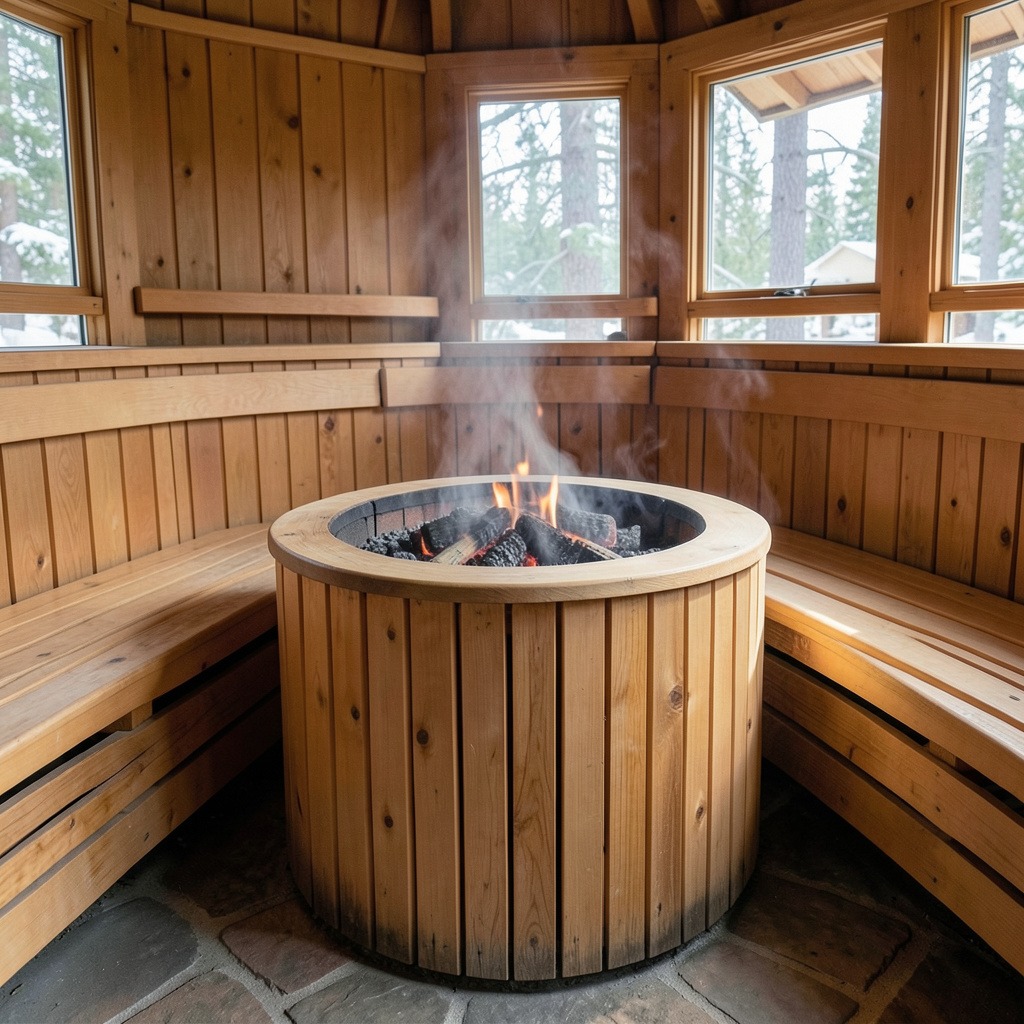
Wood-burning saunas represent a traditional approach to heat therapy, deeply rooted in various cultures. These saunas utilize the natural heat generated by burning wood, offering a unique sensory experience and notable health benefits.
The Historical Background of Wood-Burning Saunas
Wood-burning saunas have existed for centuries, particularly in Nordic countries. They serve not only as a source of warmth but also as a social gathering place, promoting community and wellness. The age-old practice connects users with nature, as the wood’s aroma and the crackling sound of the fire create a calming atmosphere. This cultural significance highlights the sauna’s role as a ritual for relaxation and rejuvenation.
Health Benefits of Wood Heat
The health benefits associated with wood-burning saunas are substantial. Here are key advantages:
- Promotes Relaxation: The warm environment helps decrease stress and anxiety levels. Users often report feeling a sense of tranquility after each session.
- Enhances Cardiovascular Health: The intense heat encourages the heart to work harder, increasing blood circulation and improving overall cardiovascular function.
- Relief from Aches and Pains: The penetrating heat can alleviate symptoms of conditions like arthritis and muscle tension, providing therapeutic relief.
Studies indicate that regular use of wood-burning saunas can lead to improved physical and mental well-being. For instance, individuals who incorporate sauna sessions into their routine often experience reduced chronic pain and enhanced mood.
Decision Framework for Users
When considering a wood-burning sauna, evaluate the following:
Table of Contents
- Health Needs: Do you seek stress relief, pain management, or cardiovascular benefits?
- Cultural Preference: Are you drawn to the traditional aspects of sauna use?
- Maintenance Commitment: Are you prepared for the upkeep associated with wood-burning saunas, such as regular chimney cleaning and fire monitoring?
This framework can guide your choice, ensuring that your sauna experience aligns with your lifestyle and wellness goals.
Pros of Wood-Burning Saunas
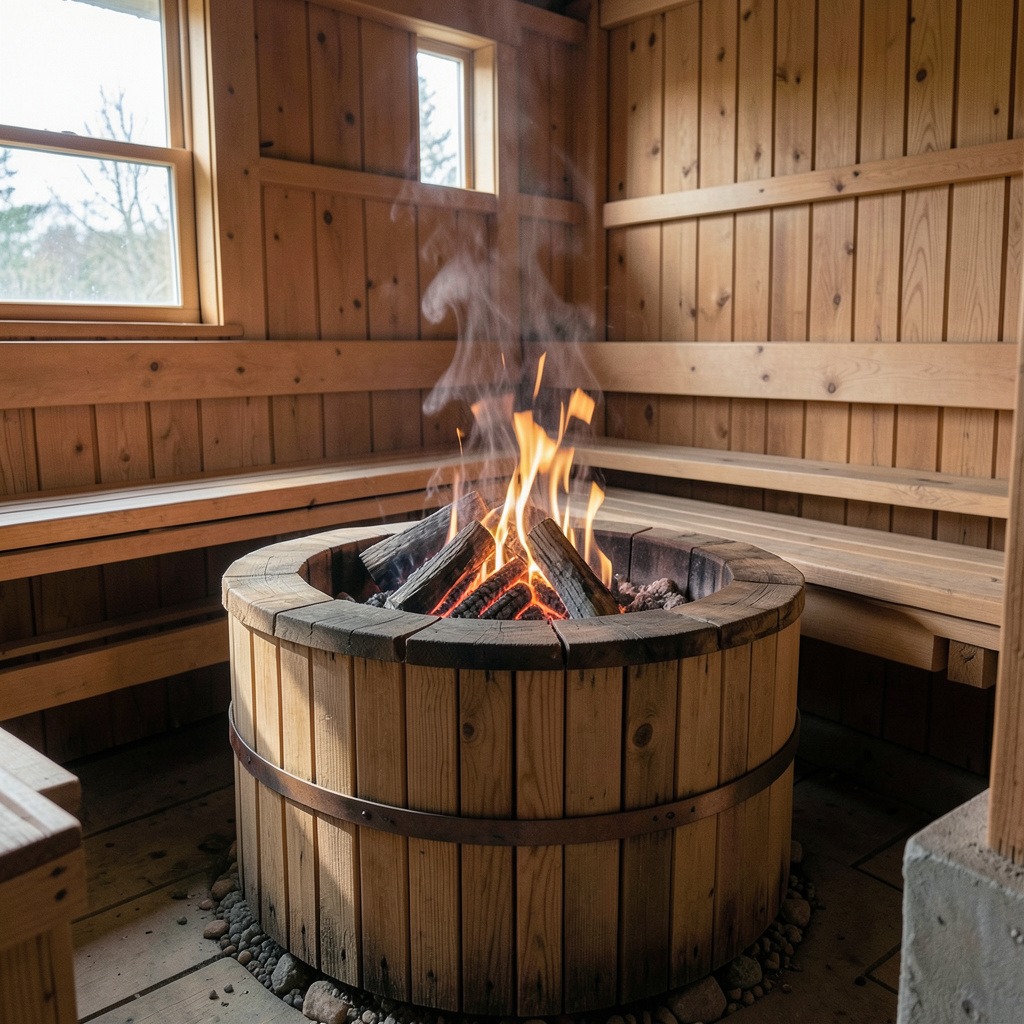
Wood-burning saunas offer distinct advantages that appeal to many users. They provide an authentic sensory experience, are eco-friendly, and can lead to cost savings over time.
Authentic Experience and Sensory Benefits
Wood-burning saunas create a unique ambiance that enhances the overall experience. The crackling sound of burning wood, combined with the warm, radiant heat, promotes relaxation. Users often describe the aroma of the wood as calming and grounding, further enriching their sauna sessions.
- Natural Heat: Wood-burning saunas produce a softer heat that penetrates deeper into muscles, providing enhanced relaxation compared to electric saunas.
- Sensory Engagement: The scent of different wood types, such as cedar or birch, adds a dimension of pleasure unique to wood-burning saunas.
Real user testimonials highlight the immersive experience. One user shared, “The moment I step inside, the wood aroma envelops me. It’s a sensory escape.” Such feedback illustrates the powerful connection many feel to the natural elements of wood-burning saunas.
Eco-Friendliness and Sustainability
Wood-burning saunas are often viewed as more environmentally friendly. They utilize renewable resources, especially if users select sustainably sourced wood. This choice can significantly reduce the carbon footprint compared to electric saunas, which rely on electricity generated from fossil fuels.
- Renewable Resources: Opting for locally sourced wood minimizes transportation emissions.
- Biodegradable Materials: Wood burns cleanly, contributing to a lower environmental impact.
Choosing a wood-burning sauna aligns with sustainable practices, making it a preferred option for environmentally conscious consumers.
Cost-Effectiveness Over Time
While the initial installation cost of wood-burning saunas may be higher, they can offer long-term savings. The operational costs can be lower, especially if wood is sourced locally and seasonally.
- Fuel Costs: Wood prices can be more stable compared to electricity rates, leading to predictable heating expenses.
- Longevity: With proper maintenance, wood-burning saunas can last for decades, providing years of enjoyment and health benefits.
In scenarios where users invest in high-quality wood and prioritize maintenance, the long-term financial benefits can outweigh the upfront costs. Evaluating the total cost of ownership can be crucial for prospective buyers.
Cons of Wood-Burning Saunas
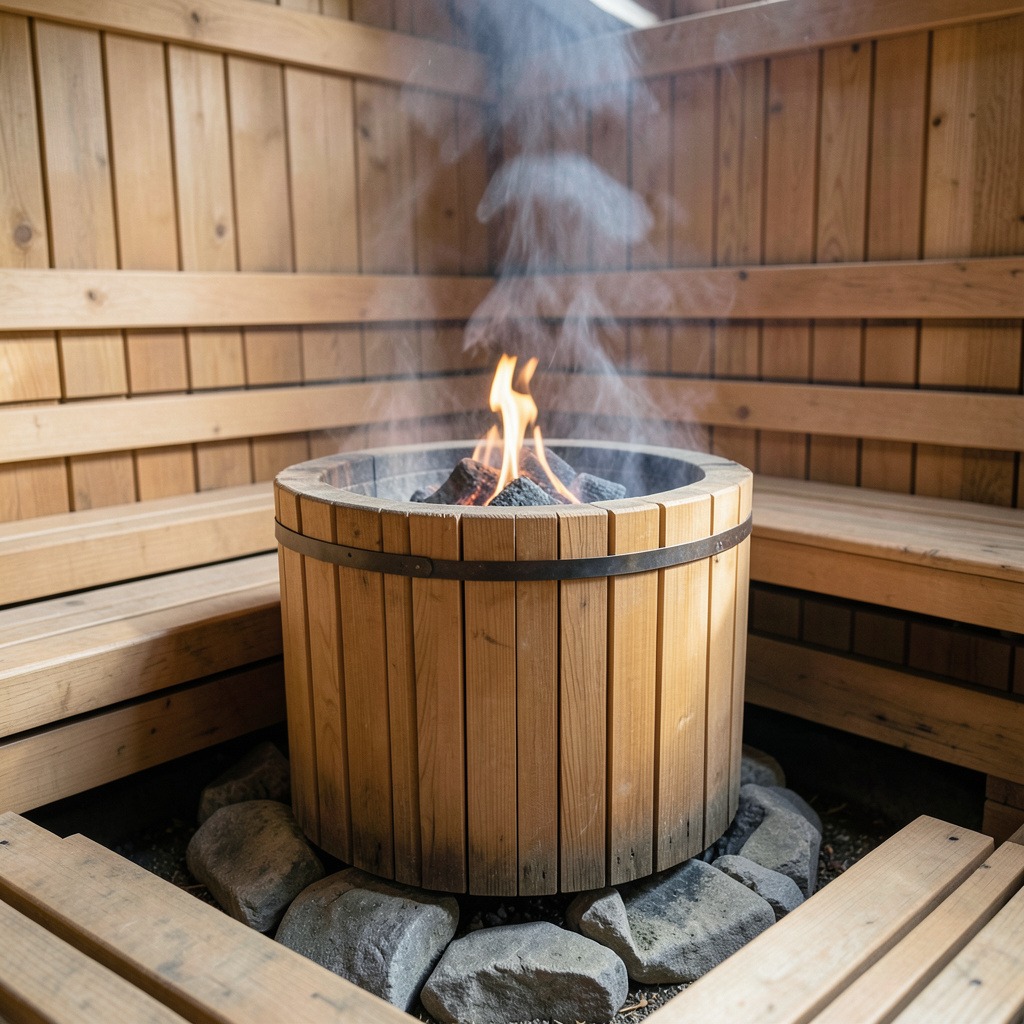
While wood-burning saunas provide a unique experience, they come with several drawbacks that potential buyers should consider. Key issues include maintenance demands, installation complexities, and safety concerns.
Maintenance and Cleaning Challenges
Wood-burning saunas require regular upkeep to ensure safety and hygiene. Maintenance includes:
- Chimney Cleaning: Regularly inspect and clean the chimney to prevent creosote buildup, which poses a fire risk.
- Surface Care: Wipe down surfaces after each use to mitigate moisture and mold growth.
- Wood Treatment: Periodically apply a sealant to protect the wood from heat and moisture damage.
Failure to maintain these elements can lead to costly repairs and safety hazards.
Installation Requirements and Costs
Installing a wood-burning sauna involves specific requirements that can complicate the process:
- Ventilation Needs: Proper airflow is essential. This may require installing vents and exhaust fans to prevent harmful gas accumulation.
- Chimney Installation: A safe chimney setup is crucial. Professional installation may be necessary, increasing initial costs.
- Space Considerations: Ensure adequate space for the sauna and surrounding areas to comply with safety regulations.
These factors can lead to a significantly higher installation cost compared to electric saunas.
Safety Concerns and Risks
Safety should be a top priority when considering a wood-burning sauna. Key risks include:
- Fire Hazards: The open flame poses a risk of fire if not monitored closely.
- Carbon Monoxide Exposure: Inadequate ventilation can lead to harmful gas buildup.
- Burn Risks: Users must be cautious to avoid burns from hot surfaces or flames.
Checklist for Potential Buyers
Before investing in a wood-burning sauna, consider the following readiness checklist:
- [ ] Are you prepared for regular chimney cleaning?
- [ ] Can you commit to surface maintenance after each use?
- [ ] Do you have space for proper ventilation and chimney installation?
- [ ] Are you aware of the fire and gas safety measures needed?
- [ ] Can you afford potential installation and maintenance costs?
This checklist helps ensure that prospective buyers are fully informed about the responsibilities associated with wood-burning saunas.
Comparing Wood-Burning and Electric Saunas
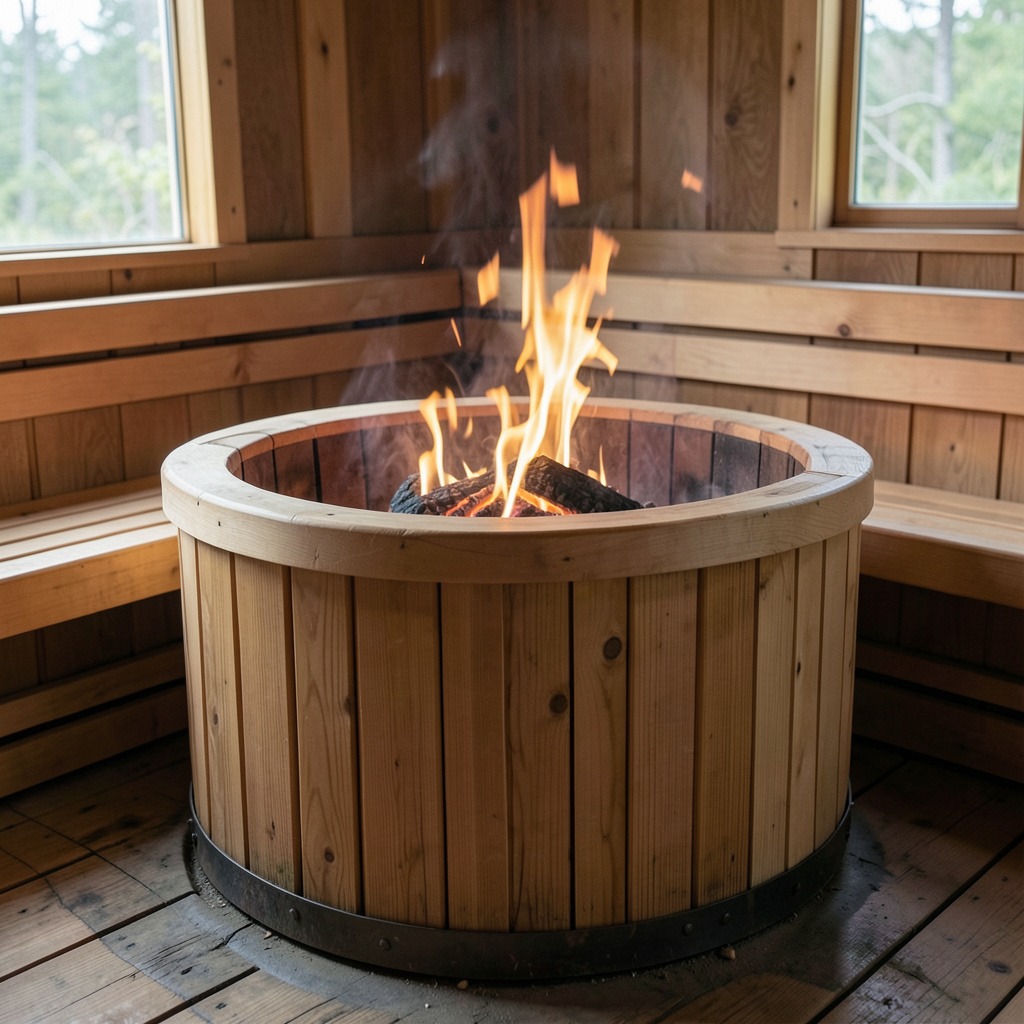
When selecting between wood-burning and electric saunas, understanding their differences is crucial. Each type offers unique advantages and drawbacks that cater to different lifestyles and preferences.
Health Benefits: Wood vs Electric
Both wood-burning and electric saunas provide health benefits, but they do so in different ways:
| Feature | Wood-Burning Sauna | Electric Sauna |
|---|---|---|
| Heat Type | Radiant heat that penetrates deeply | Consistent, dry heat |
| Health Benefits | Promotes relaxation, cardiovascular health, and detoxification | Enhances relaxation and muscle recovery |
| Aromatherapy | Natural wood aroma enhances relaxation | Limited or no aroma unless added manually |
| Customization | Users can control temperature and humidity | Temperature control is typically preset |
Wood-burning saunas often offer a deeper, more immersive heat experience. The natural wood scent can enhance relaxation, while the user can adjust the environment by managing the fire. Electric saunas provide a more controlled and predictable heat, which can benefit users who prefer convenience.
User Experience and Convenience
User experience varies significantly between the two sauna types:
| Aspect | Wood-Burning Sauna | Electric Sauna |
|---|---|---|
| Setup Time | Longer setup; requires wood and fire management | Quick setup; plugs into standard outlet |
| Heating Time | Takes longer to heat up | Heats up quickly, often within 30 minutes |
| Maintenance | Requires regular chimney cleaning and fire monitoring | Minimal maintenance; often just cleaning the surface |
| Safety Features | Requires vigilance; risk of fire if not monitored | Typically includes automatic shut-off features |
The choice can depend on lifestyle. Wood-burning saunas demand more attention and commitment, while electric versions are straightforward and user-friendly.
Cost Analysis: Installation and Maintenance
Cost considerations are vital when comparing these saunas:
| Cost Aspect | Wood-Burning Sauna | Electric Sauna |
|---|---|---|
| Initial Installation Cost | Higher due to chimney and ventilation needs | Generally lower; simpler installation |
| Operating Costs | Variable; depends on wood prices | Generally stable; electricity costs vary |
| Maintenance Costs | Regular maintenance needed for chimney and fire safety | Minimal; occasional cleaning |
Potential buyers should weigh these costs against their budget and willingness to invest time in maintenance. For those who prefer a traditional experience and are prepared for upkeep, a wood-burning sauna may be worth the investment. Conversely, if convenience and lower operational costs are priorities, an electric sauna could be the better choice.
Decision Framework
When deciding between wood-burning and electric saunas, consider these questions:
- What is your primary goal? (Relaxation, health benefits, or convenience?)
- How much time can you dedicate to maintenance? (Regular cleaning and monitoring versus minimal upkeep?)
- What is your budget for installation and operation? (Higher initial costs for wood-burning versus ongoing electricity bills?)
By evaluating these factors, you can make an informed decision that aligns with your lifestyle and preferences.
Conclusion: Choosing the Right Sauna for You
Deciding between a wood-burning sauna and an electric sauna requires careful consideration of your lifestyle and preferences. Each type has distinct advantages and disadvantages that can influence your overall experience.
Assessing Your Needs and Preferences
When evaluating your options, consider the following factors:
- Health Benefits: Wood-burning saunas offer a traditional experience with deeper heat penetration, promoting relaxation and cardiovascular health. Electric saunas, while efficient, may not provide the same sensory benefits.
- Maintenance Requirements: Wood-burning saunas require regular cleaning and careful monitoring of the fire. In contrast, electric saunas demand minimal upkeep.
- Installation Costs: Wood-burning saunas often involve higher initial costs due to the need for a chimney and proper ventilation. Electric saunas typically have lower installation costs but incur ongoing electricity expenses.
- User Experience: The ambiance created by a wood-burning sauna—with its crackling fire and natural wood aroma—can elevate the sauna experience. Electric saunas offer quick heat-up times and modern safety features.
- Environmental Impact: While wood-burning saunas can be eco-friendly if sourced sustainably, they do produce more emissions than electric saunas. Consider your environmental priorities when making a choice.
Making the Final Decision
To facilitate your decision-making, ask yourself these critical questions:
- What are your primary goals for sauna use? If relaxation and health benefits are paramount, a wood-burning sauna may be more suitable. If convenience is your priority, consider an electric sauna.
- How much time are you willing to invest in maintenance? Choose a wood-burning sauna if you enjoy the ritual of tending to the fire. Opt for an electric sauna for a hassle-free experience.
- What is your budget? Factor in both initial and ongoing costs. Wood-burning saunas may require a larger upfront investment, while electric saunas will incur regular electricity bills.
By reflecting on these elements, you can make an informed choice that aligns with your individual lifestyle and preferences.
Frequently Asked Questions
These quick answers cover the most common questions about this topic, including key details, practical tips, and common concerns.
What is the healthiest type of sauna?
The healthiest type of sauna can vary based on individual needs. Wood-burning saunas are often considered healthier due to their ability to produce natural heat, which penetrates deeper into the skin and promotes better relaxation and detoxification. They also provide a unique aromatherapy experience from the burning wood, enhancing overall well-being. Electric saunas, while convenient, may not offer the same depth of heat or sensory benefits.
What is the 200 rule for saunas?
The 200 rule for saunas refers to the ideal temperature range for sauna use, typically around 200°F (93°C). This temperature is considered effective for promoting sweating and detoxification. Users should stay in the sauna for 15-20 minutes at this temperature, ensuring they remain hydrated and listen to their bodies to avoid overheating.
Are wood-burning saunas healthy?
Yes, wood-burning saunas can be healthy when used correctly. They promote relaxation, enhance cardiovascular health, and provide relief from muscle tension and pain. The natural heat from the wood can improve blood circulation and facilitate detoxification through sweating. However, it’s essential to maintain proper ventilation to avoid carbon monoxide buildup and ensure safety.
What maintenance is required for wood-burning saunas?
Wood-burning saunas require regular maintenance to ensure safety and longevity. Key tasks include:
- Chimney Cleaning: Regularly inspect and clean the chimney to prevent creosote buildup, which can lead to fire hazards.
- Surface Care: Wipe down surfaces after each use to prevent moisture accumulation and mold growth.
- Wood Storage: Store wood in a dry place to ensure it burns efficiently and safely.
Neglecting these maintenance tasks can lead to safety risks and costly repairs.
Wood or Electric Sauna Heater? Which one to pick?
Choosing between a wood-burning and electric sauna heater depends on your preferences and lifestyle. Wood-burning saunas offer a traditional experience with deeper heat and a unique ambiance but require more maintenance and time to heat up. Electric saunas are convenient, heat up quickly, and require minimal upkeep, making them suitable for users who prioritize ease of use. Consider your health goals, maintenance willingness, and budget when making this decision.
What are the pros and cons of wood-fired outdoor saunas?
Wood-fired outdoor saunas provide an authentic experience, with benefits including natural heat, eco-friendliness, and a unique sensory atmosphere. However, they come with drawbacks such as higher installation costs, ongoing maintenance needs, and safety concerns related to fire and ventilation. Weigh these factors against your preferences and lifestyle to determine if a wood-fired sauna is right for you.
Are there alternatives to wood-burning saunas?
Yes, there are several alternatives to wood-burning saunas. Electric saunas are a popular choice for their convenience and ease of use. Infrared saunas offer a different heating method, using infrared panels to heat the body directly rather than the air, which can provide a more comfortable experience at lower temperatures. Steam rooms and traditional hot tubs are also viable options for relaxation and health benefits. Each alternative has its unique features, so consider your preferences and needs when exploring options.