
Wood burning stoves offer efficient heating and a cozy ambiance but come with downsides such as maintenance needs, emissions concerns, and safety risks.
As homeowners seek effective heating solutions, wood burning stoves present a blend of efficiency and rustic charm. However, weighing their benefits against potential drawbacks is crucial for anyone considering this heating option for their home.
Understanding Wood Burning Stoves
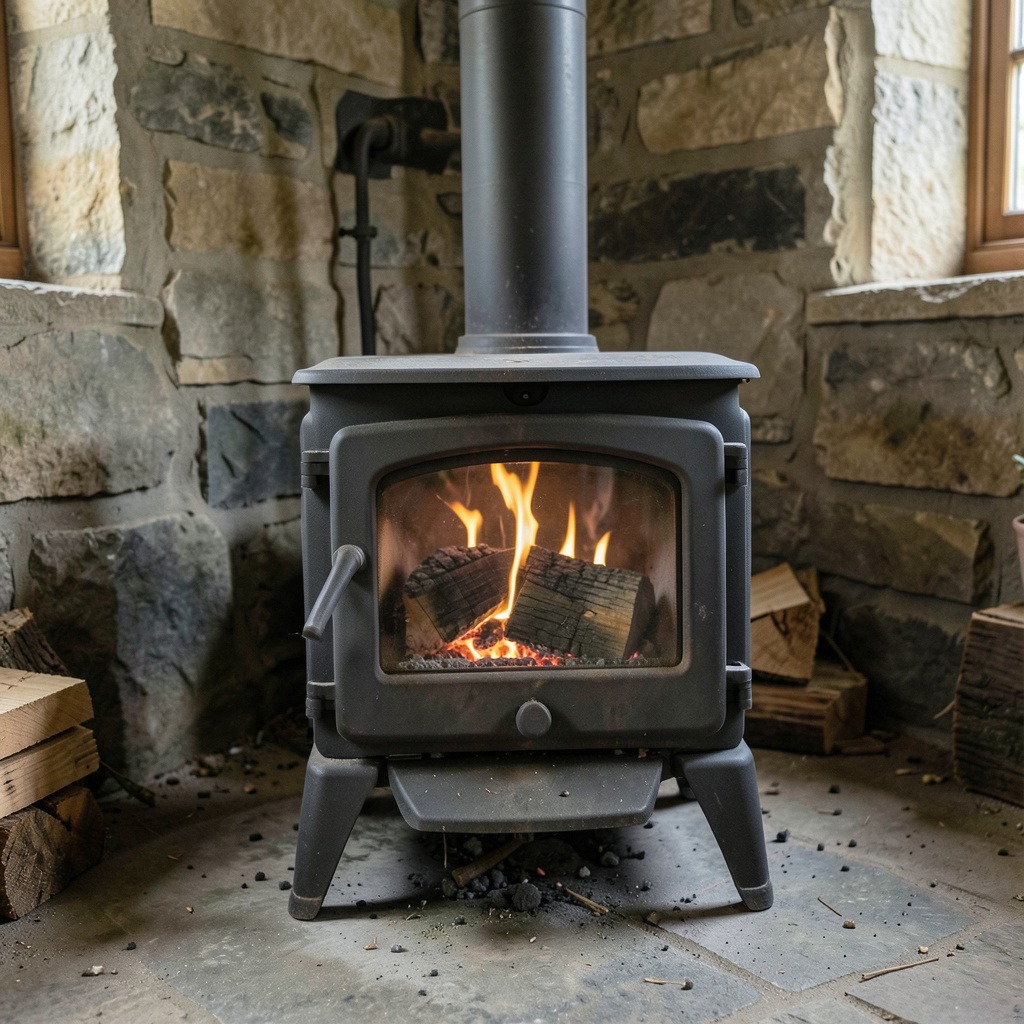
Wood burning stoves are a traditional heating solution that harnesses the energy from burning wood to provide warmth. They combine efficiency with aesthetic appeal, making them a popular choice for many homeowners.
What is a Wood Burning Stove?
A wood burning stove is a heating appliance designed to burn wood fuel for heat. It typically consists of a firebox, flue, and a heat exchanger. The firebox is where the wood is burned, while the flue directs smoke outside. The heat exchanger captures heat produced by the fire, distributing it throughout the home.
Key features of wood burning stoves include:
- Fuel Source: Primarily wood logs, but can also use wood pellets or chips.
- Efficiency: Modern stoves can achieve high efficiency ratings, converting more wood into heat.
- Design: Available in various styles, ranging from traditional cast iron to sleek modern designs.
The History of Wood Burning Stoves
Wood burning stoves have a rich history dating back centuries. Initially, early humans used open fires for cooking and heating. The first metal stoves appeared in the 18th century, significantly improving heat efficiency and safety.
Key historical milestones include:
Table of Contents
- 18th Century: Introduction of cast iron stoves, which allowed for better heat retention and control.
- 19th Century: Advancements in design led to more efficient models, making wood stoves a common household feature.
- 20th Century: Introduction of EPA-certified stoves that meet strict emissions standards, improving air quality.
Understanding this history helps homeowners appreciate the evolution of wood burning stoves and their role in modern heating solutions.
For those interested in investing in this classic heating method, consider the “Wood Burning Stove – 2023 Model” for an efficient and stylish option. Check Price on Amazon.
Pros of Wood Burning Stoves
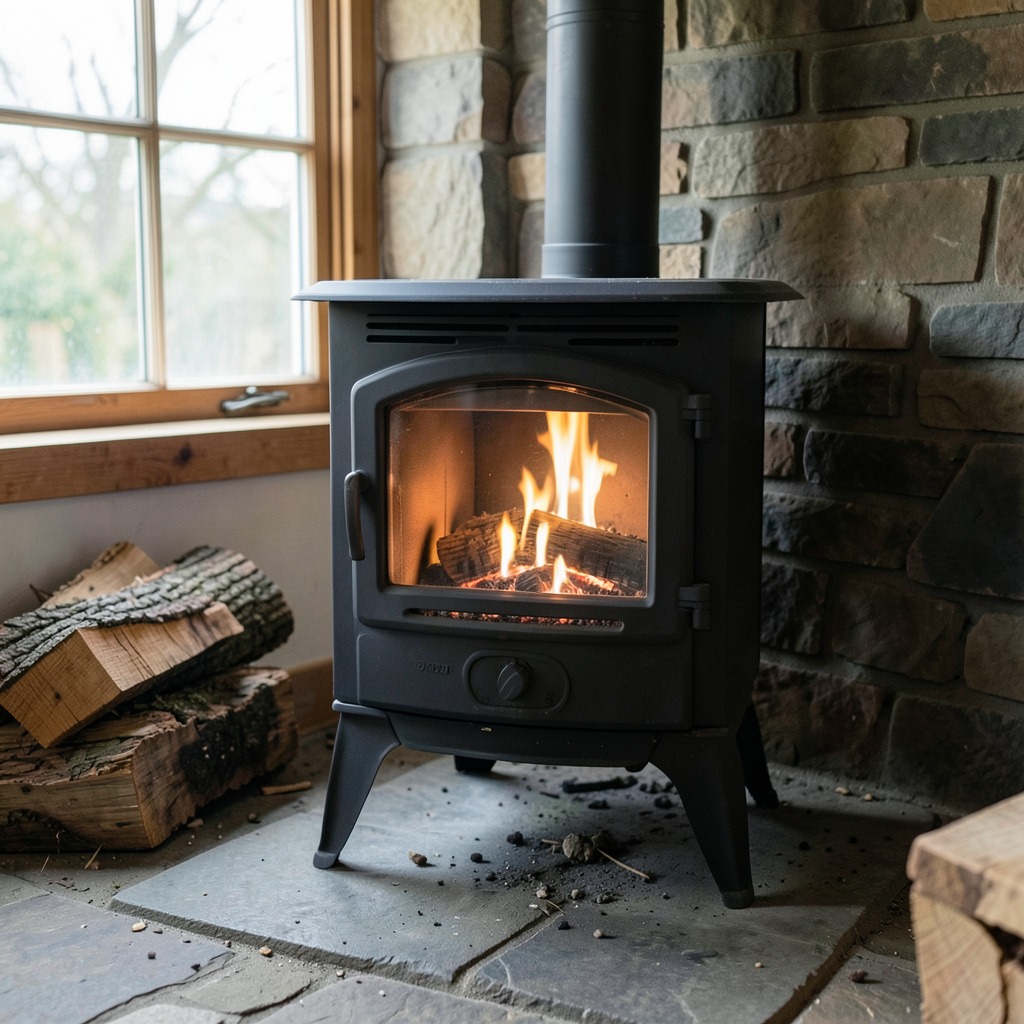
Wood burning stoves offer numerous benefits, making them an appealing choice for home heating. Their efficiency, cost savings, and aesthetic value contribute to their popularity among homeowners.
High Efficiency and Heat Output
Wood burning stoves can achieve high levels of efficiency. When properly installed and maintained, they provide consistent and effective heating. Most modern stoves are designed to burn wood more completely, resulting in less smoke and higher heat output.
- Efficiency Ratings: Many wood stoves have efficiency ratings between 70% and 90%.
- Heat Retention: Cast iron models excel at retaining heat, keeping your space warm long after the fire has died down.
Cost-Effective Heating Solution
Using a wood burning stove can lead to significant cost savings on heating bills.
- Local Wood Supply: In areas where wood is abundant, such as rural locations, the cost of fuel can be negligible, especially if sourced from your property.
- Long-Term Savings: For example, a wood stove heating a 2,000-square-foot home may use three to six cords of wood per season. Assuming an average wood cord cost of $296, this results in heating costs between $888 and $1,776 annually. In contrast, homeowners relying on gas or electricity can face much higher costs.
Aesthetic and Ambiance Benefits
Beyond their functional advantages, wood burning stoves enhance the ambiance of a home.
- Visual Appeal: Available in various designs, from traditional to modern, wood stoves can complement any decor.
- Comforting Atmosphere: The gentle crackle of burning wood creates a soothing environment, ideal for relaxation. The radiant heat emitted by these stoves also fosters a comfortable warmth that surpasses many forced air heating systems.
Considering these factors, a wood burning stove not only serves as an efficient heating option but also adds aesthetic value to your living space. For those looking for a stylish and efficient model, consider the “Wood Burning Stove – 2023 Model”. Check Price on Amazon.
Cons of Wood Burning Stoves
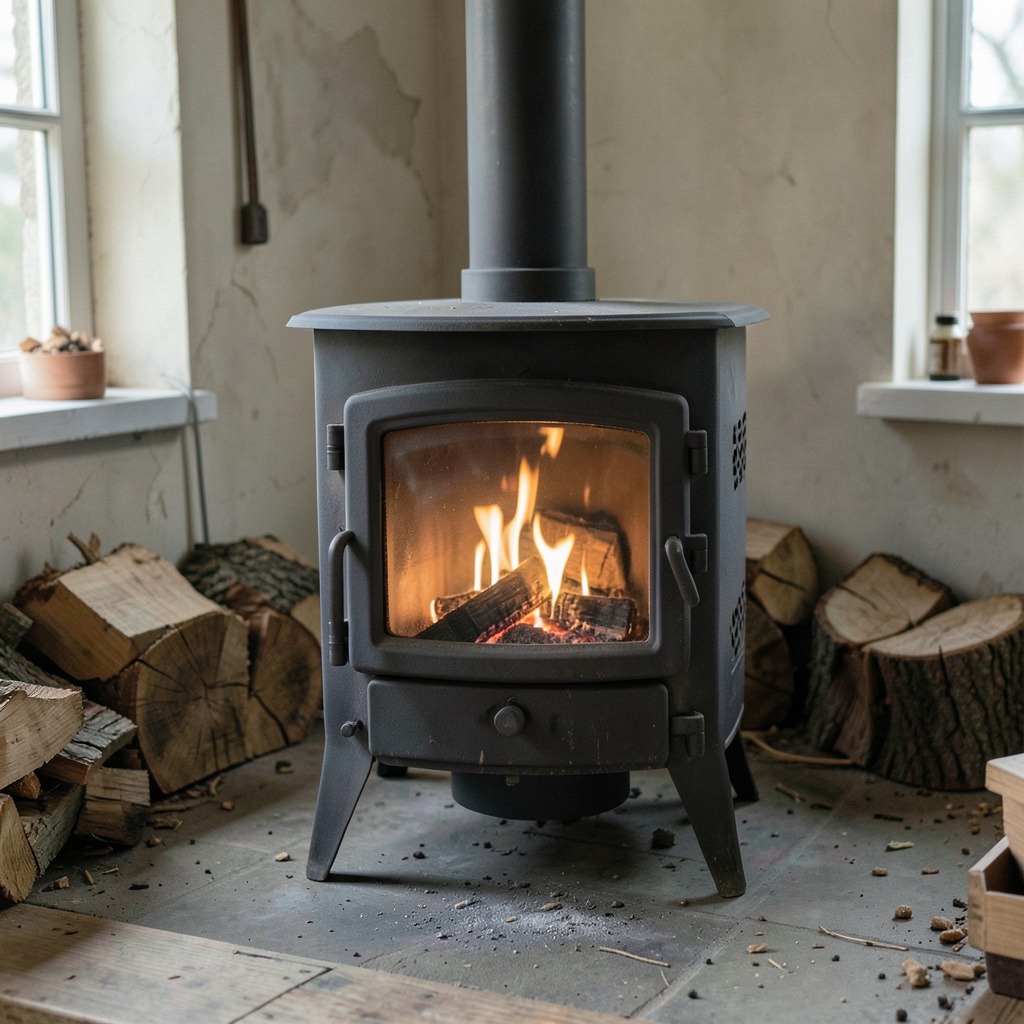
While wood burning stoves offer several benefits, they also come with notable downsides. Key concerns include maintenance requirements, emissions, and safety hazards. Understanding these aspects is crucial for potential users.
Maintenance Requirements
Owning a wood burning stove demands regular upkeep to ensure safe and efficient operation. Here are essential maintenance tasks:
- Chimney Cleaning: Regularly clean the chimney to prevent creosote buildup, which can lead to chimney fires.
- Stove Inspection: Inspect the stove annually for cracks or damage that could affect performance.
- Wood Storage: Store wood properly to keep it dry and ready for burning. Seasoned wood burns more efficiently and reduces smoke.
- Gasket Replacement: Check and replace gaskets on the stove door to maintain a proper seal, enhancing efficiency.
Following this checklist helps maintain efficiency and safety.
Emissions and Environmental Impact
Wood burning stoves emit pollutants that can harm air quality and contribute to climate change. Key emissions include:
- Carbon Dioxide: Burning wood releases CO2, a significant greenhouse gas.
- Particulate Matter: Wood smoke contains fine particulate matter that can affect respiratory health.
- Volatile Organic Compounds (VOCs): These compounds can contribute to ozone formation and smog.
Modern stoves often feature advanced technology to reduce emissions. However, they still produce more emissions compared to other heating methods like natural gas or electric systems. Therefore, users must weigh environmental concerns against the benefits of wood heat.
Safety Concerns: What You Need to Know
Using a wood burning stove involves inherent safety risks. Here are critical considerations:
- Fire Hazards: Wood stoves can ignite nearby combustibles if not maintained properly. Maintain clearances from furniture and curtains.
- Carbon Monoxide Risks: Inadequate ventilation can lead to dangerous CO levels. Install carbon monoxide detectors in your home.
- Child and Pet Safety: Keep children and pets at a safe distance from the stove while in use.
To enhance safety, always use seasoned wood and never leave a stove unattended while burning. Adhering to these practices significantly reduces the risk of accidents.
Comparing Wood Burning Stoves to Other Heating Options
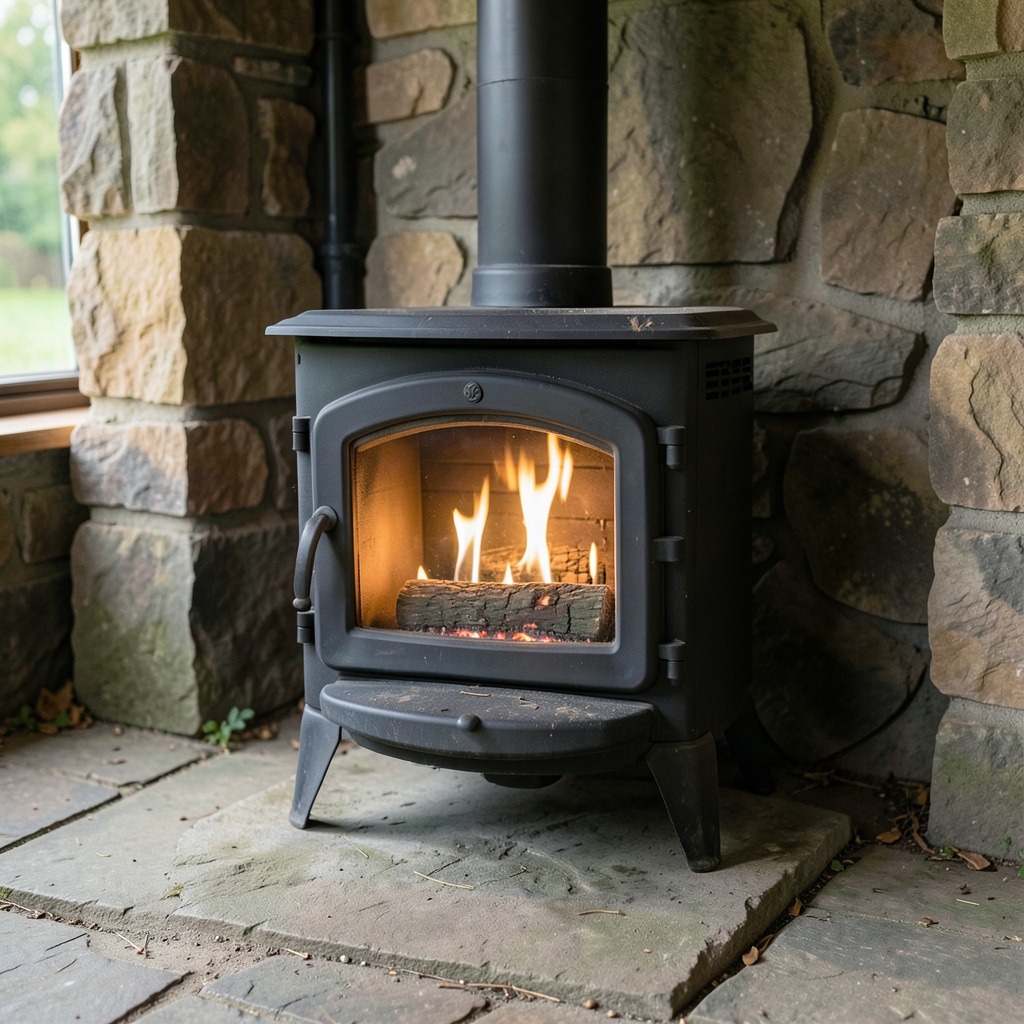
Wood burning stoves offer a unique heating experience, but how do they compare to more modern options like gas and electric heating? This section analyzes their efficiency, cost, and environmental impact.
Wood Stoves vs. Gas Heating
- Efficiency: Wood burning stoves generally have a higher heat output compared to gas heating systems. Their enclosed design minimizes heat loss, making them effective for heating larger spaces.
- Cost: The initial investment for gas heating systems can be lower than that of a wood stove. However, wood can be more affordable in areas where it is plentiful, leading to lower long-term heating costs.
- Environmental Impact: While gas heating produces fewer emissions, wood burning stoves can be more sustainable if using sustainably sourced wood. The key is ensuring proper combustion to minimize pollutants.
Wood Stoves vs. Electric Heating
- Efficiency: Electric heating systems convert nearly all the energy they consume into heat. However, wood stoves excel in providing warmth during power outages, as they do not rely on electricity.
- Cost: Electric heating can be more expensive in regions with high electricity rates. Conversely, wood stoves may offer savings in rural settings where wood is inexpensive.
- Environmental Impact: Electric heating’s impact depends on the energy source. If powered by fossil fuels, it may be less eco-friendly than a wood stove using renewable wood. However, electric heating can be cleaner in areas with renewable energy access.
| Feature | Wood Burning Stoves | Gas Heating | Electric Heating |
|---|---|---|---|
| Efficiency | High | Moderate | Very High |
| Initial Cost | Moderate to High | Generally Lower | Varies |
| Long-term Fuel Cost | Low in wood-rich areas | Moderate | High in high-rate areas |
| Environmental Impact | Moderate (if managed well) | Low | Variable (depends on source) |
Decision Framework
When choosing between these heating options, consider the following:
1. Heating Needs: Do you require consistent heat or occasional use?
2. Local Fuel Availability: Is wood readily accessible and affordable in your area?
3. Environmental Priorities: How important are sustainability and emissions to you?
4. Installation and Maintenance: Are you prepared for the upkeep that wood stoves require?
This framework can help you evaluate the best heating solution for your specific circumstances.
Practical Tips for Optimal Use of Wood Burning Stoves
To maximize the efficiency and safety of your wood burning stove, proper wood selection and maintenance are essential. Here are actionable recommendations to ensure optimal performance.
How to Choose the Right Wood
Selecting the correct type of wood significantly impacts heat output and efficiency. Here’s a quick guide on wood varieties:
- Hardwoods (e.g., oak, hickory, maple)
- Burn hotter and longer.
- Produce less creosote, reducing maintenance needs.
- Softwoods (e.g., pine, fir, cedar)
- Ignite quickly and are great for kindling.
- Burn faster, requiring more frequent refueling.
Best Practices for Wood Selection:
- Seasoned Wood: Use wood that has been dried for at least six months. This reduces moisture content and increases combustion efficiency.
- Avoid Treated Wood: Never burn wood that has been chemically treated, as it releases harmful toxins.
- Store Properly: Keep wood covered but well-ventilated to prevent moisture absorption.
Essential Maintenance Tips
Regular maintenance of your wood burning stove ensures safety and efficiency. Follow these essential tips:
- Clean Regularly: Schedule routine cleaning of the stove and chimney to prevent creosote buildup, which can cause chimney fires.
- Inspect Seals and Gaskets: Check the door seals and glass gaskets for wear. Replace them if you notice any gaps to maintain efficiency.
- Check for Damage: Look for cracks or warping in the stove body. Address any damage promptly to prevent further issues.
Maintenance Checklist:
- [ ] Clean ash from the stove and ensure proper airflow.
- [ ] Inspect and clean the chimney at least once a year.
- [ ] Use a stove thermometer to monitor operating temperatures.
- [ ] Ensure smoke and carbon monoxide detectors are functional.
By adhering to these guidelines, you enhance the performance of your wood burning stove while ensuring a safe and warm environment.
Frequently Asked Questions
These quick answers cover the most common questions about this topic, including key details, practical tips, and common concerns.
What are the downsides of using a wood-burning stove?
Wood-burning stoves come with several downsides. Maintenance is a significant concern, as they require regular cleaning to prevent creosote buildup in the chimney, which can lead to fires. Additionally, they emit pollutants that can affect air quality, including carbon dioxide and particulate matter. There are also safety risks, such as fire hazards if flammable materials are too close and potential carbon monoxide poisoning from inadequate ventilation.
What is the 3-2-10 rule for wood stove chimneys?
The 3-2-10 rule is a guideline for chimney installation and clearance. It states that the chimney should extend at least 3 feet above the roofline, be 2 feet higher than any structure within 10 feet, and ensure proper drafting for smoke to escape effectively. Following this rule helps minimize smoke backdrafts and improves safety.
Why do insurance companies not like wood stoves?
Insurance companies may view wood stoves as higher risk due to potential fire hazards. They can pose safety concerns if not installed or maintained correctly. Insurers might require additional safety measures, such as chimney inspections and the installation of smoke and carbon monoxide detectors, which can lead to higher premiums.
What is the average lifespan of a wood stove?
The average lifespan of a wood stove ranges from 10 to 25 years, depending on usage, maintenance, and the quality of the stove. Regular maintenance, such as cleaning and inspections, can significantly extend its life. High-quality stoves made from durable materials may last longer than those made from lesser-quality components.
Fireplaces or wood stoves: which is better?
Choosing between fireplaces and wood stoves depends on personal needs and preferences. Wood stoves generally offer higher efficiency and better heat output, making them suitable for heating larger spaces. Fireplaces, while aesthetically pleasing, often have lower efficiency and can lose heat through the chimney. If heating efficiency is your priority, a wood stove may be the better option.
What are pros and cons of wood stoves for a first timer?
For first-time users, wood stoves offer several advantages, such as cost savings on heating bills and the cozy ambiance of a real fire. However, they also require commitment to maintenance and safety practices, including regular cleaning and proper wood selection. New users should educate themselves on safe operation and local regulations to ensure a positive experience.
What type of wood should I burn for best results?
For optimal performance, burn seasoned hardwoods like oak, hickory, or maple. These woods burn hotter and longer, producing less smoke and creosote. Avoid burning softwoods, such as pine, unless used as kindling, as they ignite quickly but burn faster and create more creosote. Always ensure the wood is dry, ideally seasoned for at least six months, to maximize efficiency and minimize emissions.