
Wood chip paths offer a cost-effective, eco-friendly, and aesthetically pleasing option for garden walkways, but they also present challenges such as maintenance needs and potential pest attraction.
Table of Contents
If you’re considering wood chip paths for your garden, understanding their advantages and disadvantages is crucial. This guide explores 11 essential pros and cons, helping you make an informed decision that aligns with your landscaping goals.
1. Understanding Wood Chip Paths
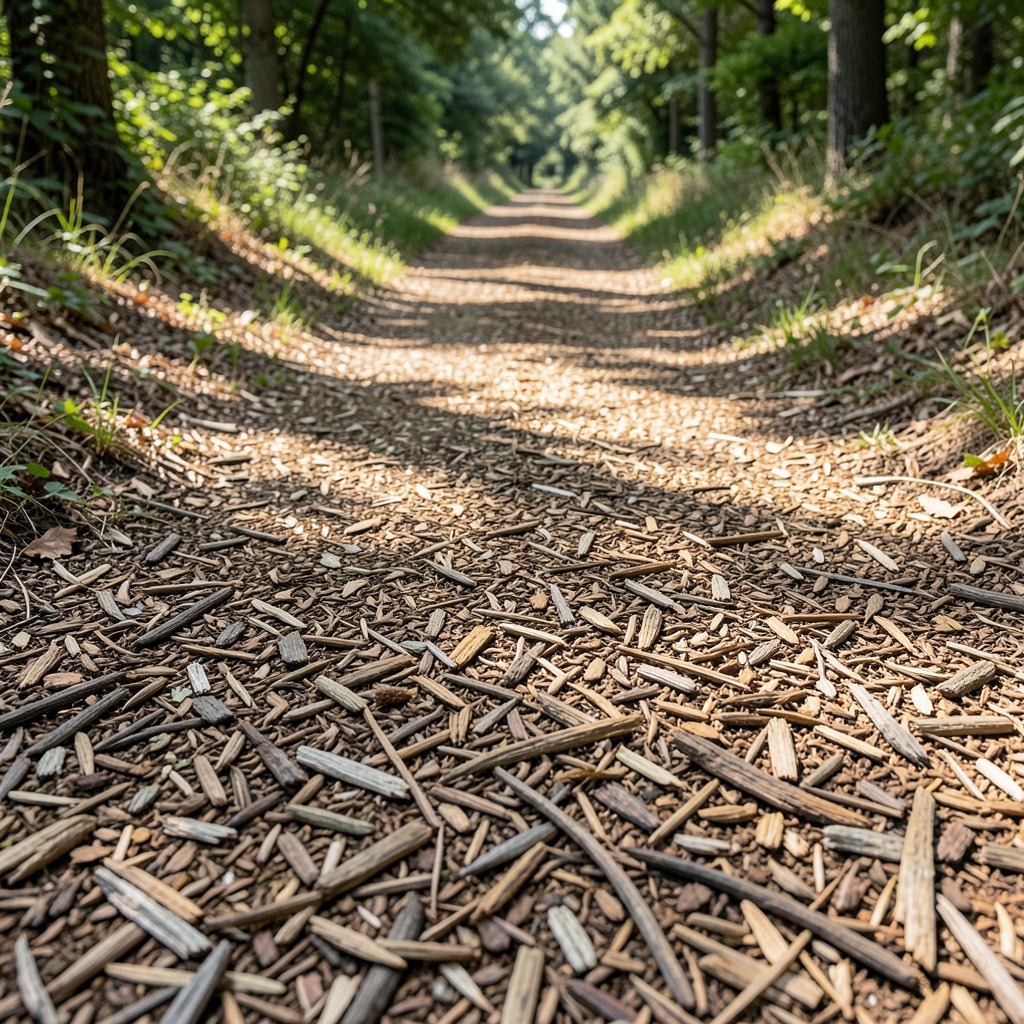
Wood chip paths are an eco-friendly landscaping solution made from shredded wood. They serve as natural walkways in gardens and outdoor spaces, offering both functionality and aesthetic appeal.
Common Uses of Wood Chip Paths
Wood chip paths are versatile and can be used in various landscaping applications:
- Garden Walkways: They provide a comfortable surface for walking, enhancing accessibility.
- Play Areas: Their softness makes them ideal for children’s play zones, minimizing injury risks.
- Natural Borders: Wood chips can define garden edges and create visual interest.
- Wildlife Gardens: They promote biodiversity by supporting beneficial insects and microorganisms.
The Appeal of Wood Chip Paths
Wood chip paths are favored for several reasons:
1. Aesthetic Integration: Their earthy tones blend seamlessly with natural surroundings, enhancing the garden’s visual appeal.
2. Environmental Benefits: Made from recycled materials, they are biodegradable and support sustainable practices.
3. Soil Health Improvement: As they decompose, wood chips enrich the soil with organic matter, benefiting plant growth.
Example of Wood Chip Path Application
Consider a cottage garden design featuring a wood chip path winding through flower beds. This path not only provides a rustic charm but also supports biodiversity by allowing beneficial organisms to thrive in the soil below.
Decision Framework for Installation
When choosing wood chip paths, consider the following factors:
- Foot Traffic: For low-traffic areas, wood chips are ideal. High-traffic areas may require more durable materials.
- Aesthetic Goals: Determine if the rustic look fits your garden’s overall design.
- Maintenance Commitment: Be prepared for regular replenishment and care to maintain appearance and functionality.
Using this framework helps ensure that wood chip paths align with your landscaping vision and practical needs.
2. Aesthetic Appeal of Wood Chip Paths
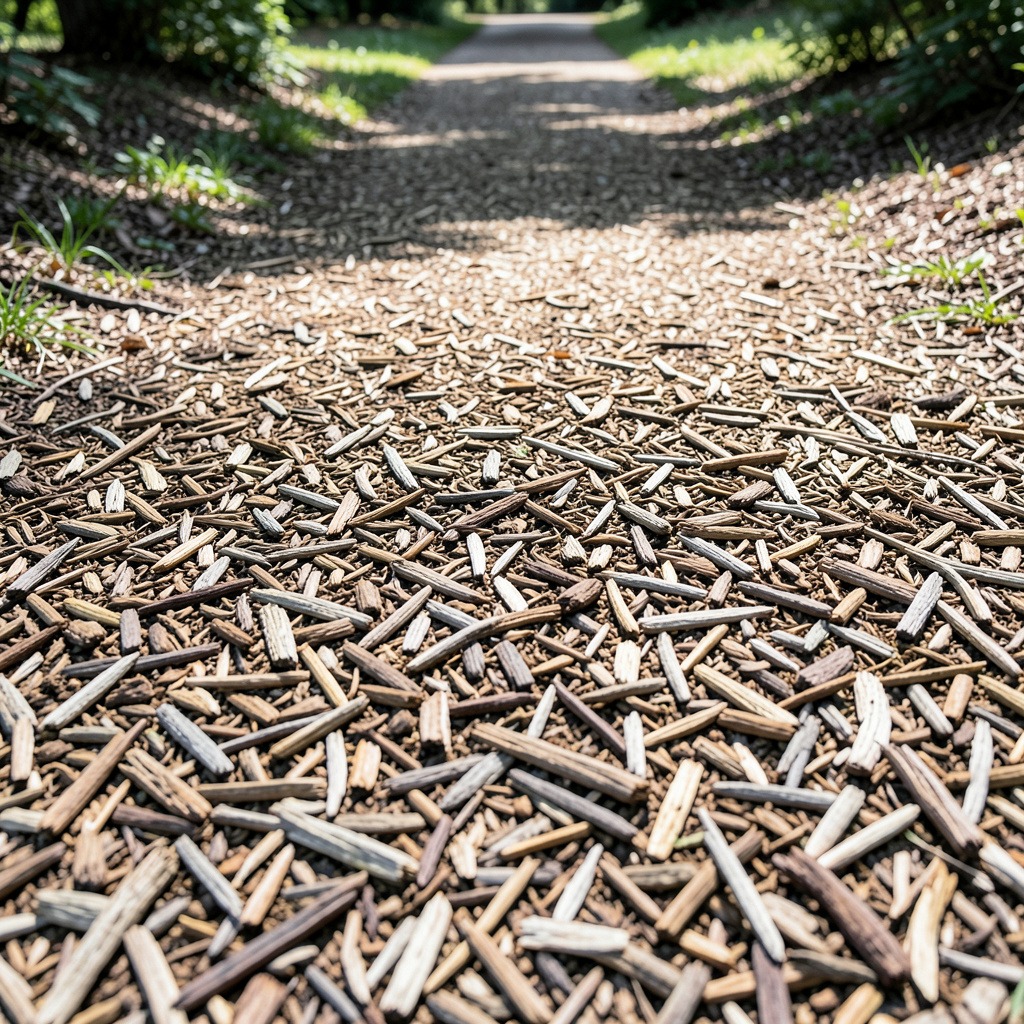
Wood chip paths add natural beauty and warmth to outdoor spaces. Their organic appearance enhances garden aesthetics while providing practical benefits.
Blending with Natural Landscapes
Wood chips harmonize with various garden styles. They integrate seamlessly into landscapes, creating a cohesive environment. This versatility makes them suitable for:
- Cottage Gardens: Their rustic charm complements the informal layout and diverse plantings.
- Formal Gardens: When arranged thoughtfully, wood chips can provide a structured look that still feels organic.
- Naturalistic Settings: Wood chips enhance the wild, untamed feel of native plant gardens.
Customization Options
Wood chips offer significant customization potential. Different types of wood provide unique colors and textures, allowing gardeners to tailor the appearance of their paths. Here are a few examples:
- Cedar Chips: Rich, reddish-brown color that adds warmth and vibrancy.
- Cypress Chips: Lighter, neutral tones that offer a calming effect.
- Pine Nuggets: Darker shades that create a rich contrast with green foliage.
When selecting wood chips, consider how their color will interact with existing plants and features in your garden. This thoughtful approach enhances the overall aesthetic appeal and ensures a satisfying visual outcome.
3. Cost-Effectiveness of Wood Chip Paths
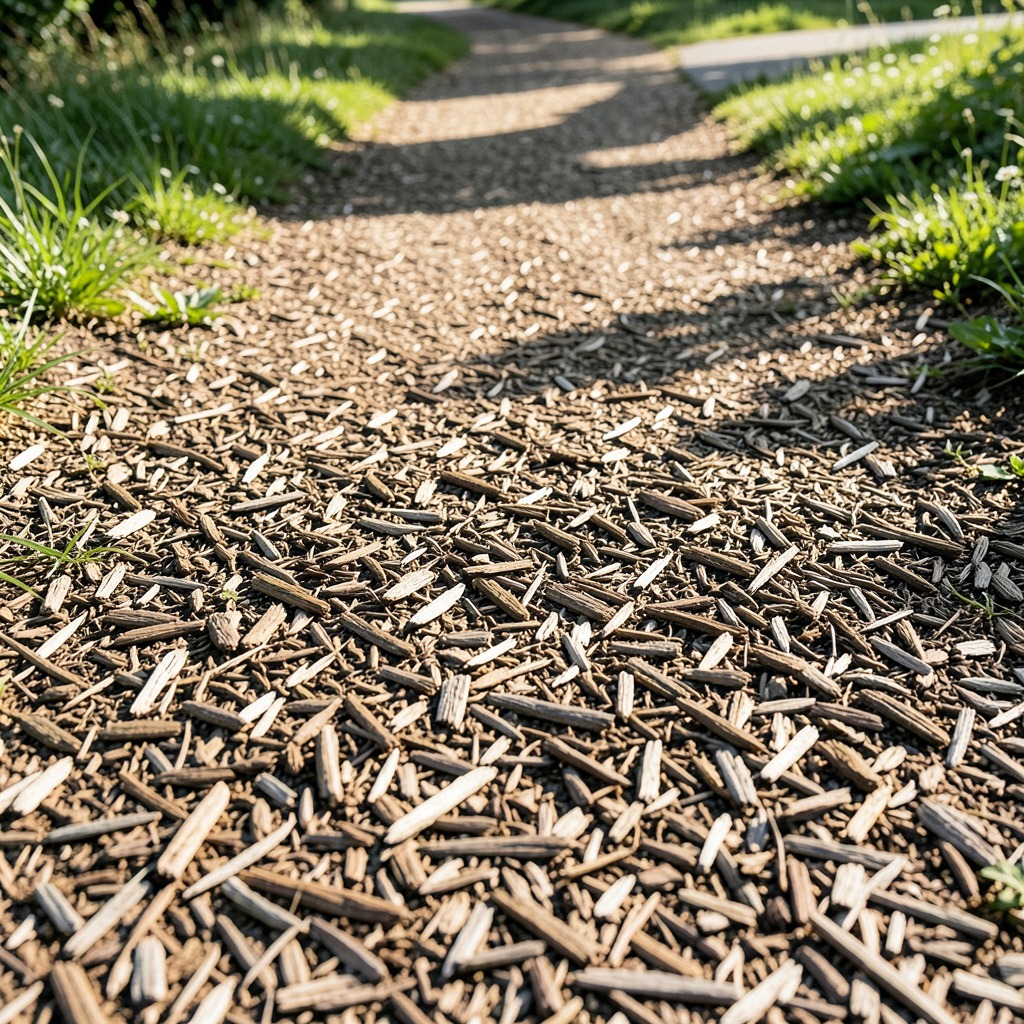
Wood chip paths offer significant financial benefits compared to traditional paving materials. Their affordability and easy installation make them an attractive option for homeowners and gardeners.
1. Sourcing Costs
Wood chips are often more accessible than materials like concrete or gravel. They can be sourced locally from tree services, sawmills, or recycling centers, usually at a fraction of the cost. Here’s a quick cost comparison:
| Material | Average Cost per Square Foot | Sourcing Notes |
|---|---|---|
| Wood Chips | $1 – $3 | Often free or low-cost locally |
| Concrete | $6 – $15 | Requires professional installation |
| Gravel | $2 – $5 | May need a base layer for stability |
This table illustrates that wood chips can significantly reduce upfront costs, especially for larger projects.
2. Installation Savings
Installing wood chip paths is straightforward. The process typically involves clearing the area and spreading the chips, which reduces labor costs. Unlike concrete, there’s no need for heavy machinery or professional contractors.
- DIY Friendly: Homeowners can easily handle installation, saving on labor costs.
- Time Efficient: Quick setup compared to pouring concrete, leading to faster project completion.
For example, a 100-square-foot path using wood chips may cost around $200 in materials and minimal labor. In contrast, a similar path with concrete could exceed $1,000 due to materials and professional installation fees.
Overall, the cost-effectiveness of wood chip paths not only saves money but also allows for creative flexibility in garden design.
4. Ease of Installation for Wood Chip Paths
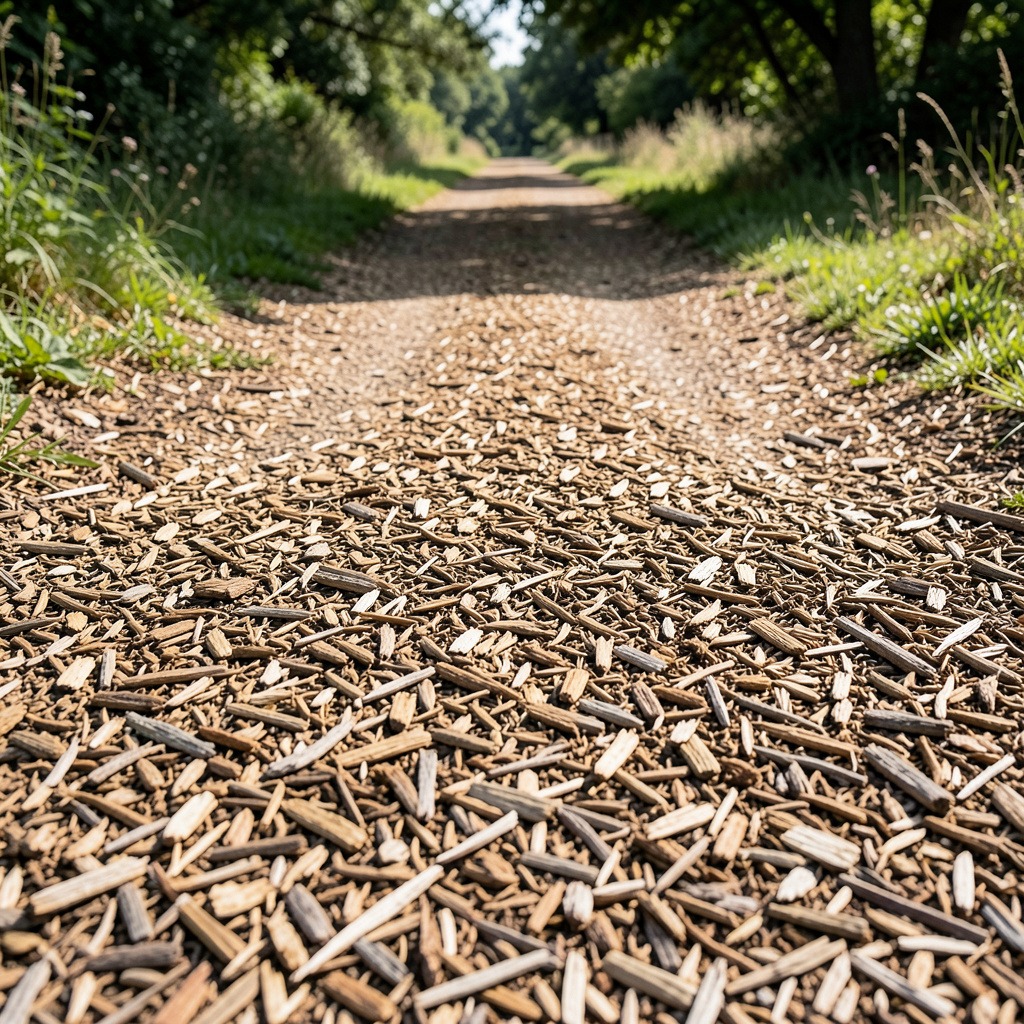
Installing wood chip paths is a straightforward process that empowers DIY enthusiasts. With minimal tools and materials, you can create a functional and visually appealing pathway in your garden.
Materials Needed
Before you begin, gather the following materials:
- Wood chips: Choose untreated wood chips to avoid introducing chemicals into your garden.
- Landscaping fabric: This helps suppress weeds and allows water to pass through.
- Edging material (optional): Bricks, stones, or wood to define the path’s borders.
- Shovel or rake: For leveling and spreading the wood chips.
- Garden gloves: To protect your hands during installation.
Installation Steps
Follow these simple steps to install your wood chip path:
1. Choose the Path Location:
- Identify the area where you want the path. Consider foot traffic and aesthetics.
2. Clear the Area:
- Remove grass, weeds, and debris from the designated path area. Aim for a width of 2-3 feet for comfortable walking.
3. Lay Down Landscaping Fabric:
- Cut a piece of landscaping fabric to fit the cleared area. This will prevent weed growth while allowing moisture to penetrate.
4. Define the Edges (if desired):
- Place your chosen edging material around the perimeter of the path. This will keep the wood chips contained.
5. Spread the Wood Chips:
- Pour a layer of wood chips over the landscaping fabric. Aim for a depth of 2-4 inches for effective coverage.
6. Level the Surface:
- Use a rake to evenly distribute the chips and create a smooth surface. Ensure there are no large gaps or uneven areas.
7. Check for Maintenance Needs:
- Plan for regular maintenance. This includes raking the chips back into place and adding more as needed.
Checklist for Installation
- [ ] Select the path location
- [ ] Clear the area of grass and debris
- [ ] Lay down landscaping fabric
- [ ] Install edging material (if using)
- [ ] Spread wood chips evenly
- [ ] Level the surface
- [ ] Plan for maintenance
By following these steps, you can easily install a wood chip path that enhances your garden’s beauty and functionality.
5. Environmental Benefits of Wood Chip Paths
Wood chip paths offer significant environmental advantages. They enhance local ecosystems and contribute to sustainable gardening practices. Here are some key benefits:
Biodegradability and Soil Enrichment
- Natural Decomposition: Wood chips break down over time, returning essential nutrients to the soil. This process enriches soil health and promotes plant growth.
- Organic Matter: As wood chips decompose, they increase organic matter in the soil. This boosts soil structure, resulting in improved aeration and moisture retention.
- Nutrient Cycling: The decomposition of wood chips supports nutrient cycling, which is vital for a thriving garden ecosystem.
Weed Control and Pest Management
- Weed Suppression: Wood chips block sunlight, effectively suppressing weed growth. This reduces competition for nutrients and water, allowing desirable plants to flourish.
- Pest Attraction: While wood chips can attract certain pests, they also provide a habitat for beneficial organisms. Earthworms and microbes thrive in wood chip environments, promoting soil health.
Local Ecosystem Contribution
- Habitat Creation: Wood chip paths provide a habitat for various organisms. This encourages biodiversity within garden spaces.
- Carbon Footprint Reduction: Sourcing local wood chips minimizes transportation emissions. This eco-friendly choice aligns with sustainable gardening practices.
Example Scenario
Consider a community garden that implemented wood chip paths. Over two years, the garden observed a 30% increase in soil organic matter and a notable reduction in weeds. This demonstrates the positive impact of wood chip paths on both soil health and maintenance efforts.
By understanding these environmental benefits, gardeners can make informed decisions about using wood chips. They not only enhance the beauty of outdoor spaces but also play a crucial role in sustainable gardening practices.
6. Maintenance Requirements for Wood Chip Paths
Wood chip paths require regular upkeep to maintain their appearance and functionality. Proper maintenance ensures long-lasting benefits, such as weed control and structural integrity.
Regular Maintenance Tasks
1. Replenishment: Add new wood chips as needed to maintain a depth of at least 3 inches. This helps suppress weeds and provides consistent coverage.
2. Weed Control: Regularly check for weed growth. Manual removal is often effective, especially if caught early. Consider using a natural herbicide if necessary.
3. Raking: Rake the surface periodically to redistribute the wood chips evenly. This prevents compaction and enhances the path’s appearance.
4. Assessment: Inspect the path for signs of erosion or displacement. Address any uneven areas promptly to avoid tripping hazards.
Seasonal Considerations
| Season | Maintenance Task |
|---|---|
| Spring | Inspect for winter damage; replenish chips. |
| Summer | Monitor for weed growth; rake as needed. |
| Fall | Add chips before winter; clear debris. |
| Winter | Check for displacement; plan for spring replenishment. |
By following this maintenance schedule, gardeners can ensure their wood chip paths remain attractive and functional throughout the year. Regular attention to these tasks minimizes long-term issues and enhances the overall garden ecosystem.
7. Potential Drawbacks of Wood Chip Paths
While wood chip paths offer numerous benefits, they also have notable drawbacks that gardeners should consider. Understanding these limitations can help you make an informed choice for your landscaping needs.
Durability Issues
Wood chip paths can struggle under heavy foot traffic. The loose nature of the chips can lead to displacement, creating uneven surfaces. This instability may result in tripping hazards, especially in high-traffic areas.
- Maintenance Needs: Regular raking is necessary to maintain a level surface. Frequent replenishment of chips may be required, particularly in busy gardens or public spaces.
- Longevity: Wood chips decompose over time, diminishing their effectiveness and aesthetic appeal. Depending on the environment and usage, you might need to replace the chips every few years.
Pest Attraction Risks
Wood chip paths can attract pests that thrive in organic materials. Insects like termites, ants, and beetles may find the chips an appealing habitat.
- Mitigation Strategies: To reduce pest issues, consider treating the wood chips with natural insect deterrents. Regular inspections for signs of infestation can help catch problems early.
- Long-Term Concerns: Pests can migrate from paths to nearby wooden structures, posing risks to fences, decks, or homes. This potential for infestation necessitates proactive management.
Soil Nitrogen Depletion
As wood chips decompose, they can lead to nitrogen depletion in the surrounding soil. This phenomenon occurs because decomposing wood requires nitrogen, which can temporarily lower soil fertility.
- Balancing Nutrients: To counteract this effect, consider adding nitrogen-rich amendments, such as compost or manure, to the soil. This practice can help maintain soil fertility and support healthy plant growth.
By being aware of these potential drawbacks and implementing effective strategies, you can enjoy the aesthetic and functional benefits of wood chip paths while minimizing challenges.
8. Weed Control with Wood Chip Paths
Weed control is essential for maintaining the appearance and functionality of wood chip paths. While wood chips can suppress weed growth, they are not entirely foolproof. Implementing effective strategies can enhance their performance.
Effective Weed Barriers
To minimize weed growth in wood chip paths, consider these barrier methods:
- Landscape Fabric: Installing landscape fabric beneath the wood chips can prevent weed seeds from germinating. This barrier blocks sunlight, reducing the likelihood of weed establishment.
- Depth of Wood Chips: Ensure a minimum depth of three inches of wood chips. A thicker layer can inhibit weed growth by limiting light exposure and creating a denser mulch layer.
- Regular Maintenance: Routinely raking and redistributing wood chips helps maintain an even surface. This practice can also minimize compaction, allowing for better water penetration and reducing weed establishment.
Long-Term Management Strategies
Over time, managing weed growth requires ongoing attention. Here are effective long-term strategies:
- Periodic Top-Ups: As wood chips decompose, they lose their effectiveness in suppressing weeds. Regularly adding fresh wood chips maintains depth and aesthetics while continuing to block weed growth.
- Companion Planting: Strategically planting ground covers or other plants can help outcompete weeds for resources. Choose plants that thrive in the same conditions as your wood chip path.
- Natural Herbicides: In cases of persistent weed issues, consider using natural herbicides. Products like vinegar or boiling water can effectively target weeds without harming the environment.
Comparison with Other Mulching Materials
While wood chips have benefits, comparing them to other mulching materials can provide insights into weed control:
| Material | Weed Suppression | Longevity | Maintenance |
|---|---|---|---|
| Wood Chips | Moderate | 2-5 years | Regular top-ups |
| Straw | Low | 1 season | Frequent raking |
| Bark Mulch | High | 3-7 years | Less frequent top-ups |
| Gravel | Very High | Indefinite | Minimal upkeep |
Wood chips can be effective but may require more maintenance than options like gravel or bark mulch. Understanding these differences can aid in decision-making based on specific garden needs.
9. Comparing Wood Chips to Other Path Materials
When choosing materials for garden paths, it’s essential to compare wood chips with alternatives like gravel and concrete. Each material has distinct advantages and drawbacks that can influence your decision.
Gravel vs. Wood Chips
| Feature | Wood Chips | Gravel |
|---|---|---|
| Aesthetic Appeal | Natural, warm appearance | Less visually appealing |
| Weed Control | Moderate effectiveness | Very high effectiveness |
| Comfort | Softer underfoot | Hard, can be uncomfortable |
| Maintenance | Requires regular top-ups | Minimal upkeep required |
| Cost | Generally more affordable | Often more cost-effective |
| Environmental Impact | Biodegradable, sustainable | Non-biodegradable |
Wood chips provide a softer, more natural look compared to gravel. They enhance soil nutrients and support a more comfortable walking experience. However, they require more frequent maintenance, such as replenishing decomposed chips. Gravel, while durable and low-maintenance, lacks the aesthetic appeal of wood chips and can cause discomfort when walking.
Concrete vs. Wood Chips
| Feature | Wood Chips | Concrete |
|---|---|---|
| Aesthetic Appeal | Versatile, blends with nature | Industrial, less natural |
| Weed Control | Moderate effectiveness | High effectiveness |
| Comfort | Softer underfoot | Hard, can be slippery |
| Maintenance | Regular replenishment needed | Minimal maintenance required |
| Cost | Generally lower cost | Higher initial investment |
| Environmental Impact | Eco-friendly | Non-renewable resources |
Concrete paths are durable and require minimal maintenance. However, they can be slippery and uncomfortable to walk on, especially when wet. In contrast, wood chips offer a more natural look and feel. Their installation is easier and cheaper, but they do require ongoing maintenance.
Decision-Making Framework
When choosing between wood chips and other materials, consider the following factors:
1. Aesthetic Preference: Do you want a natural look (wood chips) or a more structured appearance (concrete)?
2. Foot Traffic: Will the path experience heavy foot traffic? If so, consider gravel or concrete for durability.
3. Maintenance Willingness: Are you prepared for regular maintenance? If not, gravel or concrete may be better options.
4. Environmental Impact: Are you prioritizing eco-friendliness? Wood chips are the more sustainable choice.
Real-Life Example
In a community garden project, a local team installed wood chip paths to create inviting, natural-looking walkways that encouraged foot traffic. Over time, they noted that while the wood chips required replenishment every couple of years, the paths not only enhanced the garden’s beauty but also enriched the soil, promoting healthier plants.
By understanding these comparisons, you can make an informed choice between wood chips and other path materials based on your specific garden needs and preferences.
10. Best Practices for Wood Chip Path Installations
Installing wood chip paths can enhance your garden’s aesthetic while being cost-effective. To ensure durability and appeal, follow these best practices.
Prepare the Base
1. Choose the Location: Select a path that avoids heavy foot traffic areas. Consider sunlight and drainage.
2. Clear the Area: Remove grass, weeds, and debris. This prevents unwanted growth beneath the chips.
3. Install a Weed Barrier: Lay down a landscape fabric or cardboard to inhibit weed growth while allowing water penetration.
Layering Wood Chips
- Depth Matters: Aim for a 3 to 4-inch layer of wood chips. This depth helps suppress weeds and provides a stable walking surface.
- Select Quality Chips: Choose chips from cedar or cypress for better durability and resistance to decay. Ensure they are free of chemicals.
- Rake Evenly: Spread the chips uniformly, ensuring they are level for safety and aesthetics.
Maintenance Tips
- Regular Raking: Rake the path periodically to maintain an even surface. This prevents compaction and displacement.
- Replenish Chips: Add new wood chips every 1-2 years to maintain depth and appearance. Monitor for color fading or degradation.
- Monitor Drainage: After heavy rain, check for standing water. Adjust the path or add drainage solutions if necessary.
Decision-Making Framework
When choosing wood chips versus other materials, consider these factors:
- Aesthetic Goals: Do you want a natural look? Wood chips excel in blending with outdoor environments.
- Foot Traffic: For high-traffic areas, assess if wood chips can withstand the wear and tear compared to gravel or pavers.
- Environmental Concerns: Are sustainability and eco-friendliness priorities? Wood chips are biodegradable and sourced from renewable materials.
By following these practices, you can create a wood chip path that is not only beautiful but also functional and long-lasting.
11. Final Thoughts on Wood Chip Paths
Wood chip paths offer a unique combination of aesthetics and functionality. However, they come with distinct advantages and challenges. It’s crucial to evaluate these factors against your specific gardening needs.
Key Considerations
1. Aesthetic Appeal: Wood chips provide a rustic, natural look that enhances garden beauty.
2. Environmental Impact: They are biodegradable and sourced from renewable materials, making them eco-friendly.
3. Maintenance Needs: Consider the frequency of replenishment and upkeep required to maintain a level surface.
4. Foot Traffic Suitability: Assess whether the area experiences heavy foot traffic, as wood chips may not hold up well under constant use.
Decision-Making Checklist
- Do you prioritize sustainability? If so, wood chips are a strong contender.
- Will the path be in a high-traffic area? Explore alternatives like gravel or pavers if durability is a concern.
- Are you looking for DIY installation? Wood chip paths are easy to install without specialized skills.
Real-Life Application Example
Consider a homeowner who transformed their backyard with a wood chip path. Initially, the area was muddy and uninviting. After installing the wood chip path, the space became not only functional but visually appealing. The homeowner reported improved drainage and a cozy atmosphere, perfect for family gatherings.
By weighing these factors, you can determine whether wood chip paths are the right choice for your landscape.
Frequently Asked Questions
These quick answers cover the most common questions about this topic, including key details, practical tips, and common concerns.
Is it a good idea to use wood chips for garden paths?
Yes, wood chips are a popular choice for garden paths due to their natural appearance and eco-friendliness. They provide a comfortable walking surface and help improve soil health as they decompose. However, they may not be ideal for high-traffic areas, as they can become displaced and require regular maintenance.
What are the disadvantages of wood chips?
The main disadvantages of wood chip paths include their susceptibility to displacement under heavy foot traffic and the need for regular replenishment. Additionally, wood chips can attract pests and may lead to nitrogen depletion in the soil as they break down. They also require ongoing maintenance to keep them looking tidy and functional.
What is the best type of wood chip for paths?
Cedar and cypress chips are often considered the best options for paths due to their durability and resistance to decay. They also have a pleasant aroma and can deter some pests. Pine nuggets are another option, providing a darker appearance that contrasts well with green foliage.
Are wood chip paths suitable for heavy foot traffic?
Wood chip paths are generally not recommended for heavy foot traffic areas. The loose nature of the chips can lead to uneven surfaces and tripping hazards. For high-traffic zones, consider more durable materials like gravel or concrete that can withstand greater wear and tear.
How often do wood chip paths need to be replenished?
Wood chip paths typically need replenishing every 1-2 years, depending on factors like foot traffic and weather conditions. Regular checks for compaction and displacement can help determine the right timing for adding new chips to maintain the desired depth and appearance.
Why no mulch against the house?
Using mulch, including wood chips, directly against the house can create a habitat for pests, such as termites, and may retain moisture against the foundation, leading to potential damage. It’s advisable to maintain a gap between mulch and the house to prevent these issues.
What are some alternative materials for garden paths?
Alternatives to wood chips include gravel, bark mulch, and concrete. Gravel offers excellent drainage and durability, while bark mulch provides a more long-lasting option. Concrete is the most durable but lacks the natural aesthetic of wood chips. Each material has its pros and cons, so consider your specific needs and preferences.