
Wood raised garden beds offer several advantages, including improved soil control and aesthetics, but they also have disadvantages, such as susceptibility to rot and pests, making them less durable compared to metal options.
When considering gardening options, wood raised garden beds are popular due to their affordability and aesthetic appeal. However, they come with both advantages and disadvantages that every gardener should weigh carefully before making a decision.
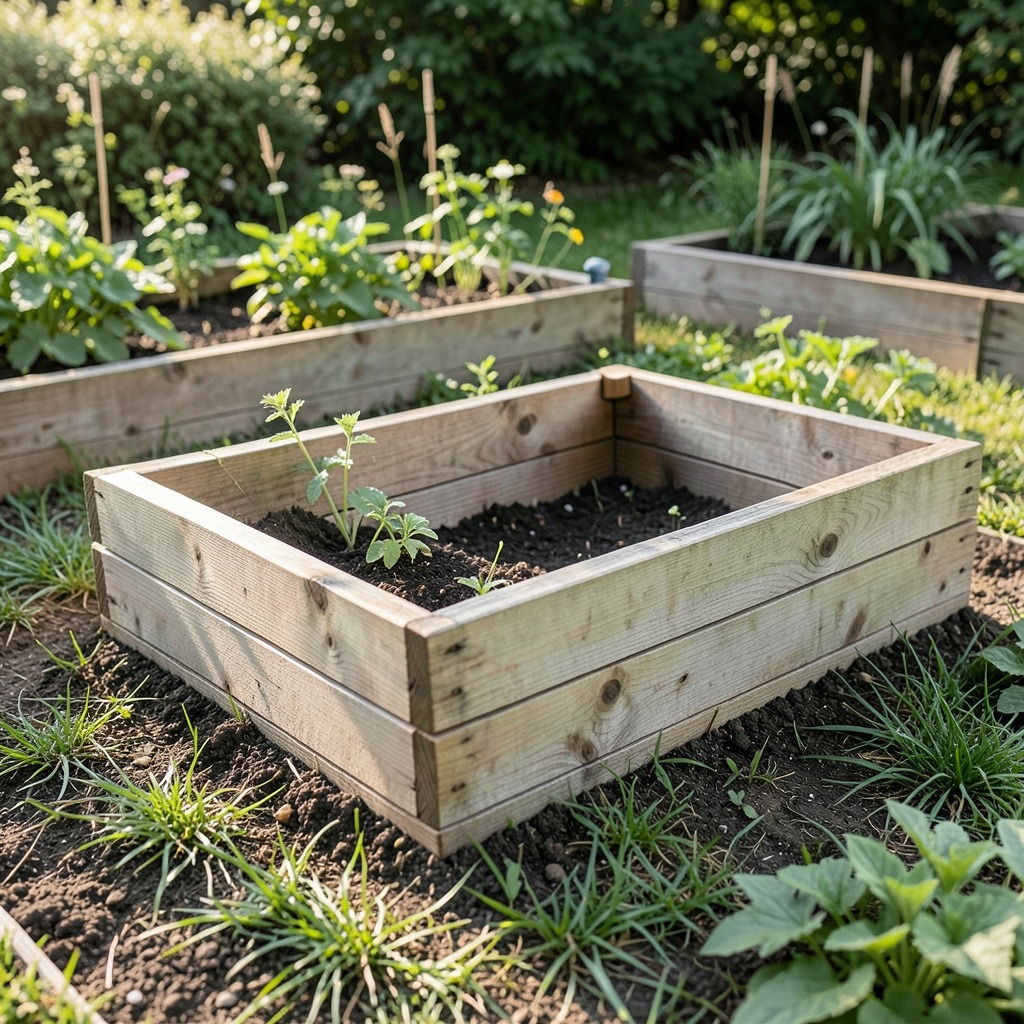
Understanding Wood Raised Garden Beds
Wood raised garden beds are elevated planting structures made from various types of wood. They enable gardeners to create optimal soil conditions while improving aesthetics in outdoor spaces. Their popularity stems from their versatility and ease of use.
Definition of Wood Raised Garden Beds
A wood raised garden bed consists of a frame, often rectangular or square, filled with soil. The height of these beds typically ranges from 6 to 30 inches. This elevation allows for better drainage, soil control, and easier access for planting and maintenance.
Common Uses in Gardening
Wood raised garden beds are primarily used for growing vegetables, herbs, and flowers. They are particularly advantageous in the following situations:
- Improved Soil Quality: Gardeners can fill raised beds with high-quality soil, enhancing nutrient levels and drainage.
- Pest Management: The elevation can deter some ground pests, making it easier to manage plant health.
- Accessibility: Their height reduces the need to bend over, providing ergonomic benefits for those with mobility issues.
Popular Wood Types for Raised Beds
Different types of wood offer varying durability and aesthetics. Here are common choices:
- Cedar: Naturally resistant to rot and insects, cedar lasts longer than many other woods. It is often preferred for its appealing scent and appearance.
- Redwood: Similar to cedar in durability, redwood provides a stunning visual appeal. It also resists warping and splitting.
- Pine: An economical option, treated pine can be used, though it may not last as long as cedar or redwood without proper care.
When selecting wood, consider factors like longevity, cost, and environmental impact. Choose untreated wood for organic gardening, as treated wood may leach chemicals into the soil.
Table of Contents
In summary, wood raised garden beds offer a practical solution for gardeners looking to maximize their growing potential while considering aesthetics and ease of maintenance.
1. Pros of Wood Raised Garden Beds
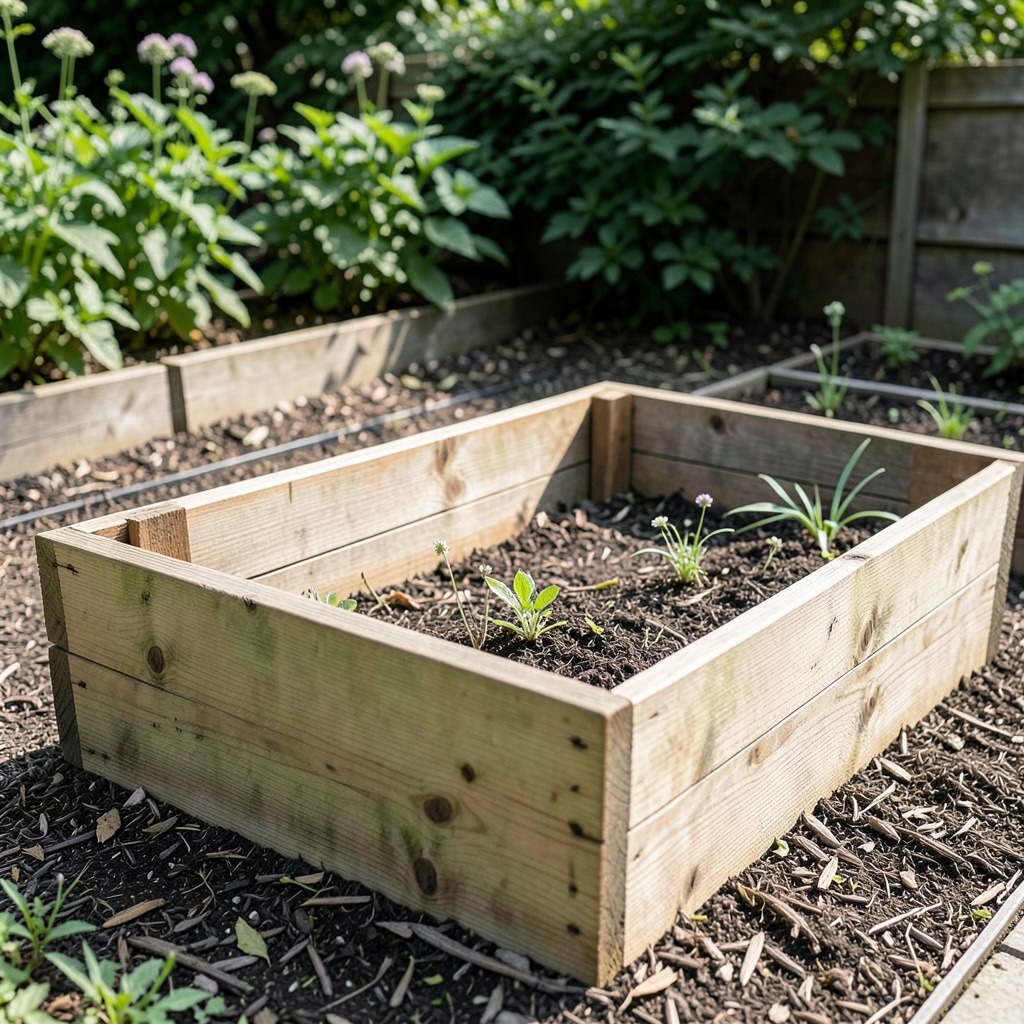
Wood raised garden beds present several advantages that make them a popular choice among gardeners. Their cost-effectiveness, aesthetic appeal, and customization options stand out as primary benefits.
Cost-Effectiveness
Wood is often more affordable than other materials like metal or stone. This cost advantage makes it accessible for many gardeners. When selecting wood, consider the following options:
| Wood Type | Approximate Cost per Linear Foot | Longevity (Years) | Notes |
|---|---|---|---|
| Cedar | $3 – $5 | 10 – 15 | Naturally resistant to rot |
| Redwood | $4 – $6 | 15 – 20 | Durable and attractive |
| Pine | $1 – $3 | 5 – 10 | Economical but less durable |
| Composite | $5 – $8 | 20+ | Low maintenance, high cost |
Investing in quality wood can yield long-term benefits. For instance, while pine is cheaper, it requires more frequent replacement compared to cedar or redwood.
Aesthetic Appeal
Wood raised beds offer a natural, warm look that integrates well into various garden styles. The visual appeal of wood enhances the overall landscape, making it inviting. Gardeners can choose from different wood types to match their design preferences, from rustic to modern.
Customization Options
Wood is highly customizable. Gardeners can easily modify the size and shape of their beds to fit their specific needs. This flexibility allows for the creation of unique designs that suit personal tastes and garden layouts. Common customization options include:
- Height Adjustments: Taller beds reduce bending while gardening.
- Layering Techniques: Incorporating different materials (like logs) for hugelkultur can enhance soil quality and reduce costs.
- Color Treatments: Staining or sealing wood can boost longevity and match the aesthetic of the garden.
By leveraging these customization options, gardeners can optimize their raised beds for both functionality and design.
2. Cons of Wood Raised Garden Beds
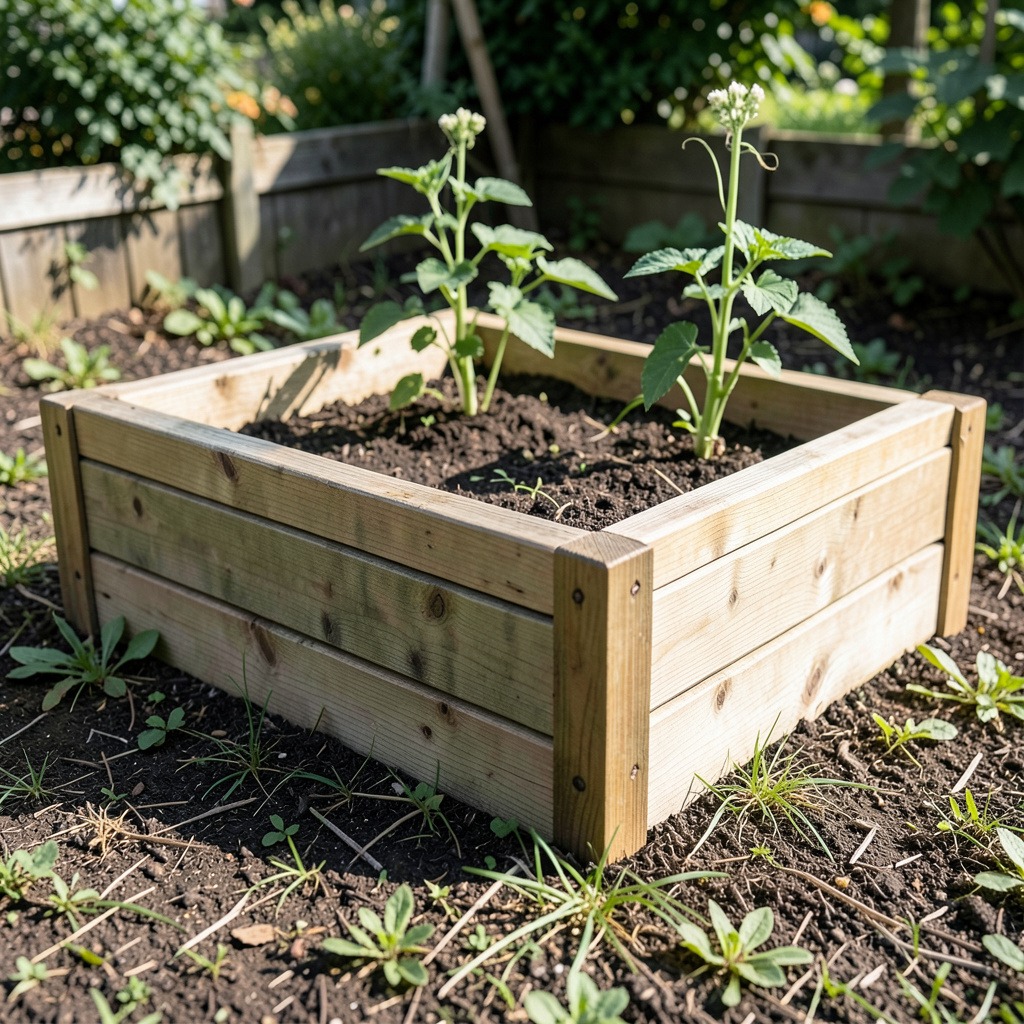
While wood raised garden beds offer flexibility and aesthetic appeal, they also come with significant drawbacks. These disadvantages can impact the longevity and overall gardening experience. Here are the key considerations.
Maintenance Requirements
Wood raised garden beds require regular maintenance to prolong their lifespan. Without proper care, they can deteriorate quickly. Here are essential maintenance strategies:
- Sealing: Apply a wood sealant to protect against moisture and rot. This can extend the life of the wood significantly.
- Periodic Inspection: Check for signs of wear or damage regularly. Address any issues promptly to prevent further deterioration.
- Reinforcement: Consider adding supports, like corner brackets, to maintain structural integrity over time.
Susceptibility to Pests
Wood can attract pests that may compromise your garden. Common issues include:
- Termites: These wood-destroying insects can infest untreated wood, leading to significant damage.
- Wood Rot: Excess moisture can lead to fungal growth, weakening the structure of the raised bed.
- Burrowing Pests: While raised beds can deter some ground pests, others, like voles, may find their way into the soil.
To mitigate these risks, choose treated lumber or install barriers to protect against pests.
Lifespan Limitations
The durability of wood varies based on the type used. Here’s a comparison of common wood types and their expected lifespans:
| Wood Type | Lifespan Estimate | Considerations |
|---|---|---|
| Untreated Pine | 5-7 years | Prone to rot; best for temporary beds. |
| Treated Lumber | 10-15 years | Resistant to rot; ensure chemicals are safe for gardening. |
| Cedar | 15-20 years | Naturally resistant to decay; a popular choice. |
| Redwood | 20+ years | Highly durable but can be expensive. |
Choosing the right wood type and maintaining it properly can help mitigate these lifespan limitations. However, compared to metal options, wood raised beds generally require more attention to maintain their functionality and aesthetics.
3. Material Comparison: Wood vs. Metal Raised Garden Beds
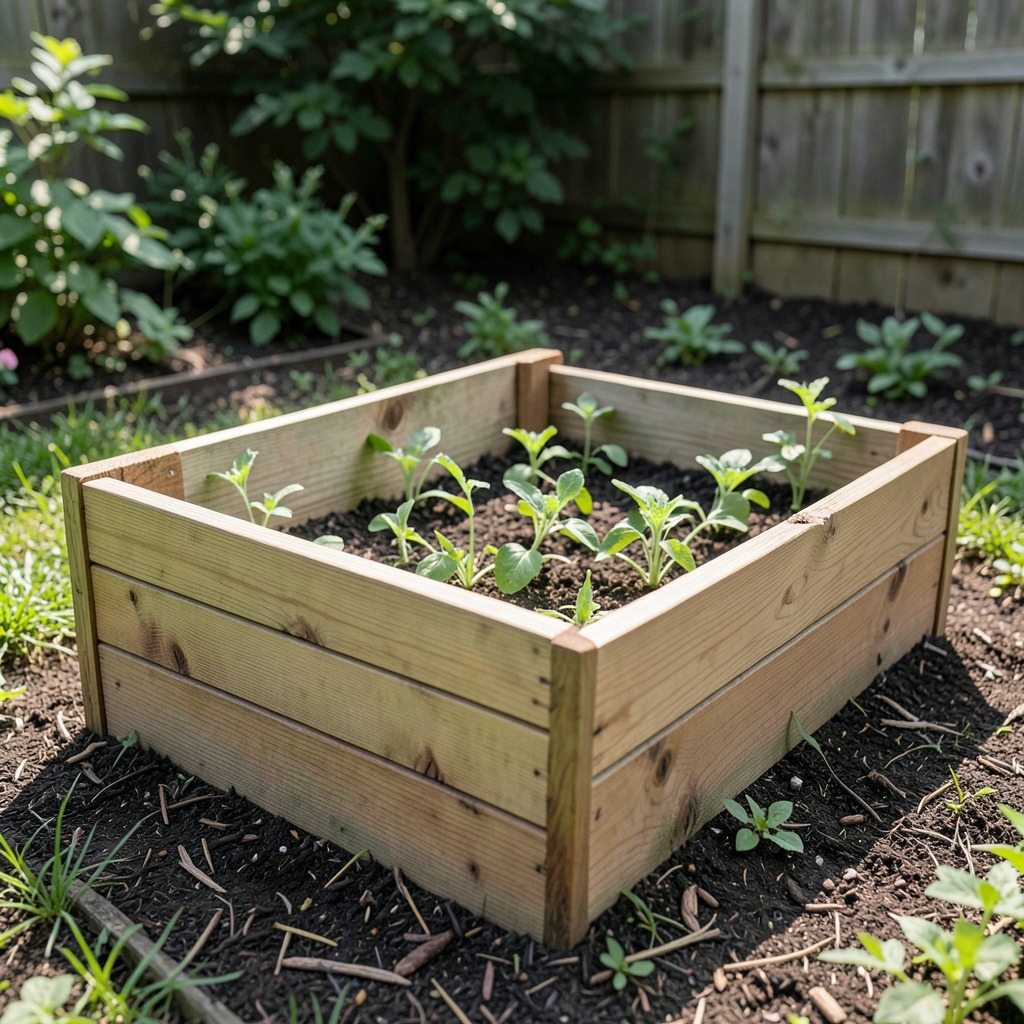
When deciding between wood and metal raised garden beds, it’s essential to understand the unique characteristics and trade-offs of each material. Both options have distinct advantages and disadvantages that can influence your gardening experience.
Durability Comparison
Wood raised garden beds generally have a shorter lifespan compared to metal beds. Here’s how they stack up:
| Material | Lifespan Estimate | Durability Factors |
|---|---|---|
| Untreated Pine | 5-7 years | Prone to rot; best for temporary use. |
| Treated Lumber | 10-15 years | Resistant to rot; check chemical safety. |
| Cedar | 15-20 years | Naturally resistant to decay. |
| Redwood | 20+ years | Highly durable but can be expensive. |
| Metal (Galvanized Steel) | 25+ years | Extremely durable; resistant to weather. |
Metal raised beds, particularly those made from galvanized steel, can last 25 years or more. They resist rust and rot, making them ideal for various climates.
Cost Analysis
Cost is a significant factor when choosing between these materials:
- Wood Raised Beds:
- Initial setup costs are generally lower, especially with untreated pine.
- Long-term costs increase due to replacement and maintenance needs.
- Metal Raised Beds:
- Higher upfront costs but lower long-term maintenance costs.
- Their durability often justifies the investment over time.
For example, while a treated lumber bed may cost you $100 to build initially, a metal raised bed could set you back $300. However, you may not need to replace the metal bed for decades.
Aesthetic Differences
Aesthetics play a vital role in garden design. Here’s how wood and metal compare:
- Wood:
- Offers a natural, rustic charm.
- Can be painted or stained for personalization.
- Metal:
- Provides a modern, sleek look.
- Available in various colors and finishes, enhancing contemporary garden designs.
Ultimately, the choice depends on your garden’s style and your personal preferences. If aesthetics are a priority, consider how each material complements your existing landscape.
In summary, when choosing between wood and metal raised garden beds, consider durability, cost, and aesthetics based on your gardening goals and environment. Each material has its strengths, and understanding these can help you make an informed decision.
4. Choosing the Right Wood for Your Raised Bed
Selecting the appropriate wood for raised garden beds is crucial for longevity and safety. This section outlines common wood types, their durability, and safety considerations to help you make an informed choice.
Common Wood Types
When considering wood for your raised garden beds, the most popular options include:
- Cedar: Naturally resistant to rot and insects, cedar offers durability and a pleasant aroma. It generally lasts 10-15 years.
- Redwood: Similar to cedar, redwood is highly resistant to decay and can last even longer, up to 20 years. Its rich color enhances garden aesthetics.
- Pine: While more affordable, untreated pine typically lasts only 5-7 years. It’s best to use treated pine or line the interior to prevent soil contact.
- Douglas Fir: This wood is sturdy and affordable but lacks the natural rot resistance of cedar and redwood. Expect a lifespan of about 5-10 years.
Durability Considerations
Durability is a key factor when choosing wood for raised beds. Consider the following:
- Climate: In humid regions, opt for naturally rot-resistant woods like cedar or redwood. In dry climates, fir may suffice but will require more frequent replacement.
- Thickness: Thicker boards (e.g., 2 inches) will last longer than thinner ones (e.g., 1 inch). Choose at least 1.5-inch thick boards for better stability.
- Sealing: If you choose untreated wood, consider applying a non-toxic sealer to extend its life, especially in damp environments. Regularly inspect and reapply as needed.
Safety of Treated Wood
Using treated wood can be a concern for some gardeners due to potential chemical leaching into the soil. Here are some key points:
- Types of Treatment: Avoid wood treated with chromated copper arsenate (CCA) as it contains harmful chemicals. Look for alternatives like ACQ (Alkaline Copper Quaternary) or CA (Copper Azole), which are safer.
- Lining: If using treated wood, line the interior with heavy-duty plastic to create a barrier between the soil and the wood.
- Maintenance: Regularly check for signs of deterioration. Replace any damaged boards promptly to ensure the health of your plants.
Checklist for Evaluating Wood Options
- Resistance to Rot: Choose cedar or redwood for longevity.
- Thickness: Opt for boards at least 1.5 inches thick.
- Local Climate: Assess humidity levels to select appropriate wood type.
- Safety: Avoid CCA-treated wood; prefer ACQ or CA options.
- Sealing Needs: Determine if a protective sealant is necessary based on wood type and environment.
By considering these factors and evaluating your options carefully, you can select the best wood for your raised garden beds, maximizing both durability and safety for your plants.
5. Maintenance Tips for Wood Raised Garden Beds
Maintaining wood raised garden beds is essential for extending their lifespan and ensuring healthy plant growth. Regular attention to these structures can prevent deterioration and enhance your gardening experience.
Regular Inspections
Conduct routine inspections of your raised garden beds. Look for signs of wear, such as:
- Cracks or splits in the wood
- Signs of rot or decay
- Pest infestations
Addressing these issues promptly can prevent more significant problems down the line.
Sealing and Treatment
Applying a protective sealant can significantly enhance the durability of wood raised beds. Consider these points:
- Application Frequency: Depending on your local climate, apply sealant every 1-3 years.
- Types of Sealants: Use non-toxic options like Garden Seal or natural oils to protect the wood without harming plants.
For example, a gardener in a humid area found that sealing her redwood beds annually extended their life by five years, proving the value of this practice.
Pest Control Measures
Pests can compromise the integrity of your wooden beds. Implement these pest control measures:
- Physical Barriers: Use mesh screens to deter burrowing pests.
- Natural Repellents: Introduce beneficial insects like ladybugs to control harmful pest populations.
By incorporating these strategies, you can protect your raised beds from pests while maintaining a healthy environment for your plants.
Maintenance Schedule Checklist
To simplify your maintenance routine, follow this checklist:
| Task | Frequency |
|---|---|
| Inspect for damage | Monthly |
| Check for pests | Bi-weekly |
| Apply sealant | Every 1-3 years |
| Replace compromised wood | As needed |
| Clear debris and weeds | Weekly |
By adhering to this schedule, you can ensure that your wood raised garden beds remain in optimal condition, fostering a thriving garden.
6. Optimal Planting Options for Wood Raised Beds
Wood raised garden beds create an ideal environment for various plants due to their enhanced soil control and drainage. However, specific planting choices can maximize growth and health while avoiding complications.
Ideal Plants for Wood Raised Beds
Certain plants thrive exceptionally well in wood raised beds. These include:
- Vegetables: Tomatoes, peppers, lettuce, and beans flourish in raised beds due to the warm soil and improved drainage.
- Herbs: Basil, parsley, and rosemary benefit from the controlled environment, allowing for better growth and flavor.
- Flowers: Marigolds, sunflowers, and nasturtiums not only beautify the garden but also attract beneficial insects.
The following chart summarizes plant compatibility with wood raised beds:
| Plant Type | Compatibility |
|---|---|
| Vegetables | High |
| Herbs | High |
| Flowers | Medium |
Plants to Avoid
While many plants thrive in wood raised beds, some should be avoided due to their potential impact on the wood and overall garden health:
- Root Vegetables: Carrots and potatoes may retain moisture against the wood, leading to rot.
- Heavy Feeders: Corn and squash can deplete soil nutrients rapidly, necessitating more frequent amendments.
- Invasive Species: Plants like mint can overtake the space and disrupt the balance of your garden.
By selecting the right plants for your wood raised beds and avoiding those that may cause issues, you can optimize growth and maintain a healthy gardening environment.
7. Environmental Considerations with Wood Raised Garden Beds
Wood raised garden beds can significantly impact the environment, both positively and negatively. Understanding sustainable sourcing practices and the overall environmental footprint of using wood is crucial for eco-conscious gardeners.
Sourcing Sustainably
When selecting wood for raised garden beds, prioritize sustainably sourced materials. This reduces environmental degradation and promotes responsible forestry. Look for certifications such as the Forest Stewardship Council (FSC) label, which ensures that the wood is harvested sustainably.
Examples of Sustainable Wood Sources:
- Cedar: Naturally resistant to rot and pests, cedar is a long-lasting option. It is often sourced from managed forests.
- Redwood: Similar to cedar, redwood offers durability and resistance. Choose reclaimed redwood to minimize environmental impact.
- Reclaimed Wood: Upcycled wood reduces waste and requires no new logging.
Environmental Impact of Wood
The environmental impact of wood raised garden beds encompasses several factors:
- Carbon Footprint: Wood stores carbon, helping mitigate climate change. By using wood products, gardeners contribute to carbon sequestration.
- Biodiversity: Sustainable forestry practices can support biodiversity and maintain ecosystems. However, unsustainable logging can lead to habitat loss.
- Chemical Treatment: Avoid chemically treated wood, as it can leach harmful substances into the soil. Opt for untreated or naturally rot-resistant woods.
Considerations for Wood Types:
| Wood Type | Durability | Sustainability | Chemical Treatment |
|---|---|---|---|
| Cedar | High | Sustainable | Untreated preferred |
| Redwood | High | Sustainable | Untreated preferred |
| Pressure-Treated Pine | Moderate | Often unsustainable | Chemical exposure risk |
| Reclaimed Wood | Variable | Highly sustainable | Depends on original use |
By making informed choices about wood materials, gardeners can enhance the benefits of raised beds while minimizing their environmental impact.
8. Real-Life Experiences: User Testimonials on Wood Raised Beds
Gardeners often share personal stories that highlight both the benefits and challenges of using wood raised garden beds. These real-life experiences can provide valuable insights for anyone considering this gardening method.
Positive Experiences
Many gardeners praise wood raised beds for their aesthetics and functionality. Here are some common themes observed in testimonials:
- Aesthetic Appeal: Gardeners appreciate the natural look of wood. It blends seamlessly with garden landscapes, creating an inviting atmosphere.
- Soil Control: Users report improved soil quality. Raised beds allow for better drainage and soil management, which is crucial for healthy plant growth.
- Accessibility: Those with mobility issues find raised beds easier to work with. They reduce the need to bend down, making gardening more enjoyable.
- Customization: Gardeners enjoy the ability to design their beds to fit specific needs, such as height and shape. This flexibility enhances overall gardening experience.
For example, one gardener in a humid climate shared, “My cedar raised beds have thrived despite the rains. The soil stays well-drained, and I love how they look in my yard.”
Challenges Encountered
While wood raised beds offer many advantages, they are not without challenges. Here are some recurring concerns from gardeners:
- Durability Issues: Some users find that untreated wood, like pine, may not last as long in certain climates. Reports indicate a lifespan of 7-10 years, which may vary based on environmental factors.
- Maintenance Requirements: Regular maintenance is necessary to prevent rot. Gardeners mention needing to replace boards or treat wood every few years.
- Pest Management: Despite the benefits, some users face issues with pests like termites. This can lead to additional costs for maintenance or replacement.
One gardener expressed, “I love my raised beds, but I’ve had to replace a few boards due to rot. Cedar is great, but it does require some upkeep to last.”
Summary of User Feedback
| Aspect | Positive Feedback | Challenges |
|---|---|---|
| Aesthetics | Visually appealing in gardens | Some woods may rot faster in humid climates |
| Soil Quality | Enhanced control and drainage | Maintenance required to manage longevity |
| Accessibility | Easier for those with mobility issues | Need for regular upkeep to prevent pest damage |
| Customization | Flexible designs tailored to garden needs | Replacement of boards can be costly over time |
These testimonials illustrate the real-world implications of choosing wood raised garden beds. While they can enhance the gardening experience, potential users should weigh both the benefits and challenges carefully.
9. Making the Decision: Wood Raised Garden Beds or Other Options?
Choosing the right type of raised garden bed is crucial for effective gardening. Wood raised garden beds offer unique benefits and challenges, but alternatives exist that may better suit your needs. This section provides a framework to help you decide.
Evaluating Your Needs
Before selecting a raised garden bed, reflect on your specific gardening goals. Consider the following:
- Space Availability: Do you have ample space for larger beds, or do you need compact options?
- Plant Types: What plants will you grow? Some require deeper soil than others.
- Mobility Considerations: Do you require an ergonomic setup for easy access?
Factors to Consider
Several factors will influence your decision on wood versus alternative materials:
- Cost: Wood is often less expensive initially but may require additional maintenance costs.
- Durability: Hardwoods like cedar can last longer than softer woods, but metal options provide superior longevity without rot.
- Maintenance: Wood requires sealing and periodic replacement, while metal may require little upkeep.
- Aesthetics: Wood offers a natural look that can blend well with gardens, while metal provides a more modern appearance.
Alternatives to Wood
While wood raised garden beds are popular, consider these alternatives:
- Metal Raised Beds: Durable and low-maintenance. Ideal for wet climates.
- Concrete or Brick: Extremely sturdy but requires significant installation effort.
- Fabric Raised Beds: Lightweight and portable, suitable for temporary gardening solutions.
Decision-Making Flowchart
To assist in your decision, consider this flowchart:
1. What is your budget?
- Low: Consider wood or fabric.
- Moderate: Explore metal options.
- High: Invest in durable materials like stone or brick.
2. What is your climate?
- Humid: Opt for metal or rot-resistant wood.
- Dry: Wood may perform well.
3. How much maintenance can you commit to?
- Low: Choose metal or concrete.
- Moderate: Wood with sealing may work.
4. What is your aesthetic preference?
- Natural: Wood is preferable.
- Modern: Metal or concrete may suit better.
By evaluating these factors and following the flowchart, you’ll position yourself to make an informed choice that aligns with your gardening aspirations.
Frequently Asked Questions
These quick answers cover the most common questions about this topic, including key details, practical tips, and common concerns.
Is it better to have wood or metal raised garden beds?
Choosing between wood and metal raised garden beds depends on your gardening needs. Wood is often more affordable and offers a natural aesthetic, making it popular among gardeners. However, it requires more maintenance and may have a shorter lifespan due to rot and pests. Metal beds, particularly those made from galvanized steel, are highly durable and can last over 25 years with minimal upkeep. They resist weathering and pests but come with a higher initial cost.
How long will wooden raised beds last?
The lifespan of wooden raised beds varies based on the type of wood used. Untreated pine typically lasts around 5-7 years, while treated lumber can last 10-15 years. Cedar and redwood are more durable, lasting 15-20 years or more. Proper maintenance, like sealing and regular inspections, can extend their life significantly.
What should you not plant in a raised bed?
Avoid planting root vegetables like carrots and potatoes directly in wooden raised beds, as they can retain moisture against the wood, leading to rot. Heavy feeders such as corn and squash can quickly deplete soil nutrients, requiring more frequent amendments. Additionally, invasive species like mint can overtake the space and disrupt your garden’s balance.
What is the best material for a raised garden bed?
The best material for a raised garden bed depends on your priorities. Cedar and redwood are excellent choices for their natural rot resistance and longevity. If you’re looking for low maintenance and durability, metal beds are ideal. For budget-conscious gardeners, treated pine offers a balance of cost and performance, though it requires more upkeep.
Metal Raised Garden Beds vs. Wood: Which is Right for You?
If you prioritize aesthetics and cost, wood may be the better choice. It blends well into garden landscapes and is often less expensive initially. However, if you want durability and minimal maintenance, metal is superior. It withstands harsh weather and pests, making it a long-term investment. Consider your gardening goals, local climate, and maintenance preferences when deciding.
How do I maintain my wooden raised garden bed?
To maintain your wooden raised garden bed, regularly inspect for signs of damage, such as cracks or rot. Apply a protective sealant every 1-3 years to prolong its life. Keep the area around the bed clear of debris and weeds to prevent pest infestations. Promptly replace any compromised boards to ensure the structural integrity of the bed.
What are common problems with wooden raised beds?
Common issues with wooden raised beds include rot, pest infestations, and structural damage. Untreated wood is particularly susceptible to moisture-related decay, while pests like termites can compromise its integrity. Regular maintenance, including sealing and inspections, is vital to address these problems early and maintain a healthy garden environment.
What are the best types of wood for raised garden beds?
The best types of wood for raised garden beds include cedar and redwood due to their natural rot resistance and longevity. Treated lumber is also a viable option, but ensure it uses safe chemicals to avoid soil contamination. Avoid untreated pine if you want a longer-lasting solution, as it typically lasts only 5-7 years.