
Wooden cutting boards are popular for their durability, knife friendliness, and aesthetic appeal, but they require regular maintenance and can harbor bacteria if not properly cared for.
Wooden cutting boards are a favored choice in kitchens due to their durability and aesthetic appeal. However, they come with specific care requirements and hygiene considerations. This guide explores the pros and cons to help you make an informed decision.
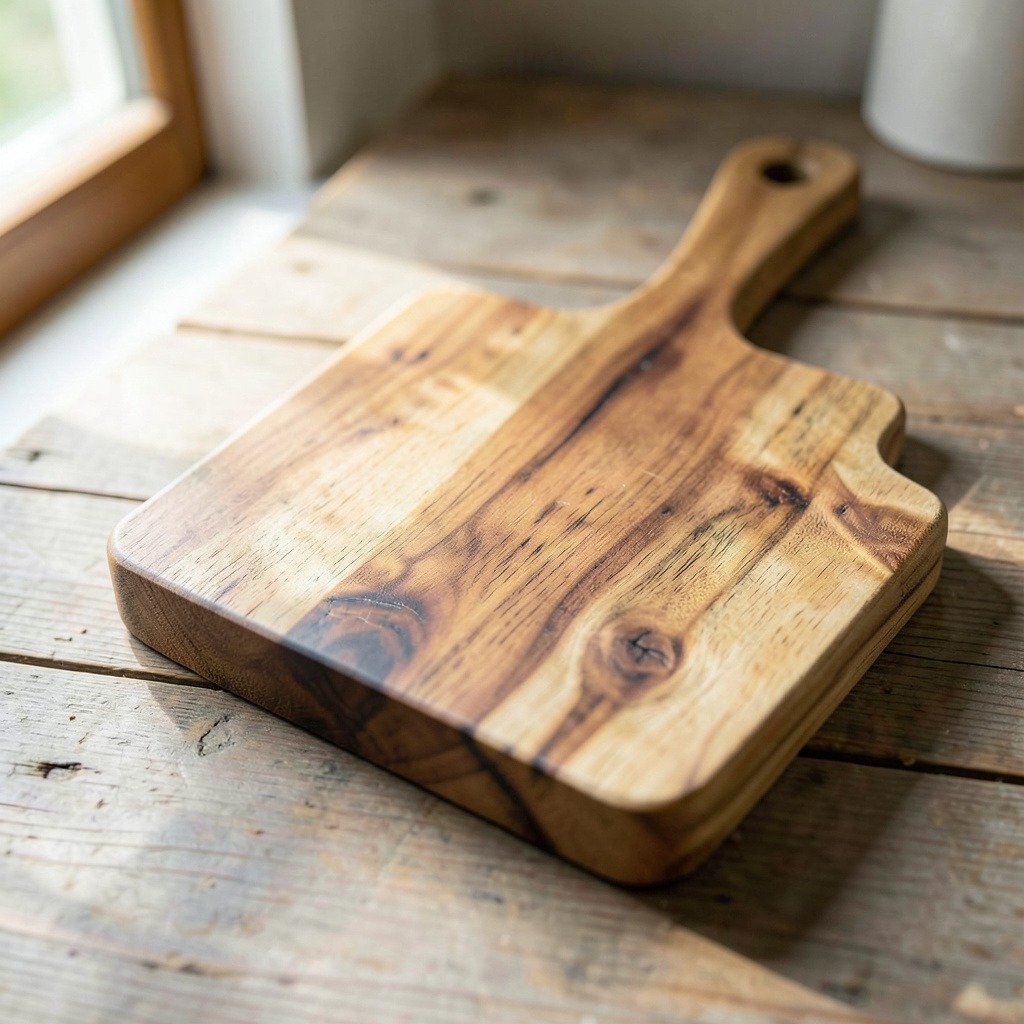
Understanding Wooden Cutting Boards
Wooden cutting boards are essential tools in many kitchens, valued for their durability and aesthetic appeal. They are crafted from various hardwoods, each offering unique properties that can enhance your culinary experience.
Types of Wood Used in Cutting Boards
Different types of wood provide distinct benefits and drawbacks. Here are some common choices:
- Maple: Known for its hardness, maple is a popular option for cutting boards. Its fine grain is less prone to deep cuts, which helps reduce bacteria accumulation. Maple boards are durable and easy to maintain.
- Walnut: This wood is not only visually appealing but also possesses a natural resistance to bacteria. Walnut boards are softer than maple, which makes them easier on knife edges, but they may require more frequent maintenance.
- Cherry: Cherry wood darkens with age, adding character to your kitchen. It is moderately durable and offers a smooth surface for cutting. However, it can be more susceptible to scratches compared to maple and walnut.
Common Uses of Wooden Cutting Boards
Wooden cutting boards serve multiple purposes in the kitchen. They are primarily used for food preparation, providing a sturdy surface for chopping, slicing, and dicing. Their natural beauty also allows them to double as serving platters for charcuterie or cheese displays.
Maintenance Requirements
To keep your wooden cutting board in optimal condition, follow these maintenance tips:
- Oil Regularly: Apply a food-safe mineral oil monthly to prevent drying and cracking.
- Clean Promptly: Wipe down with a damp cloth and mild soap after each use to avoid cross-contamination.
- Avoid Soaking: Do not submerge your board in water as it can warp or crack.
Understanding these characteristics helps you select the right wooden cutting board for your culinary needs. Consider the specific wood type, its maintenance requirements, and your cooking habits when making a choice.
Table of Contents
For those interested in a bamboo option, the Bamboo Cutting Board with Juice Groove offers an eco-friendly alternative with its own set of advantages.
Pros of Wooden Cutting Boards
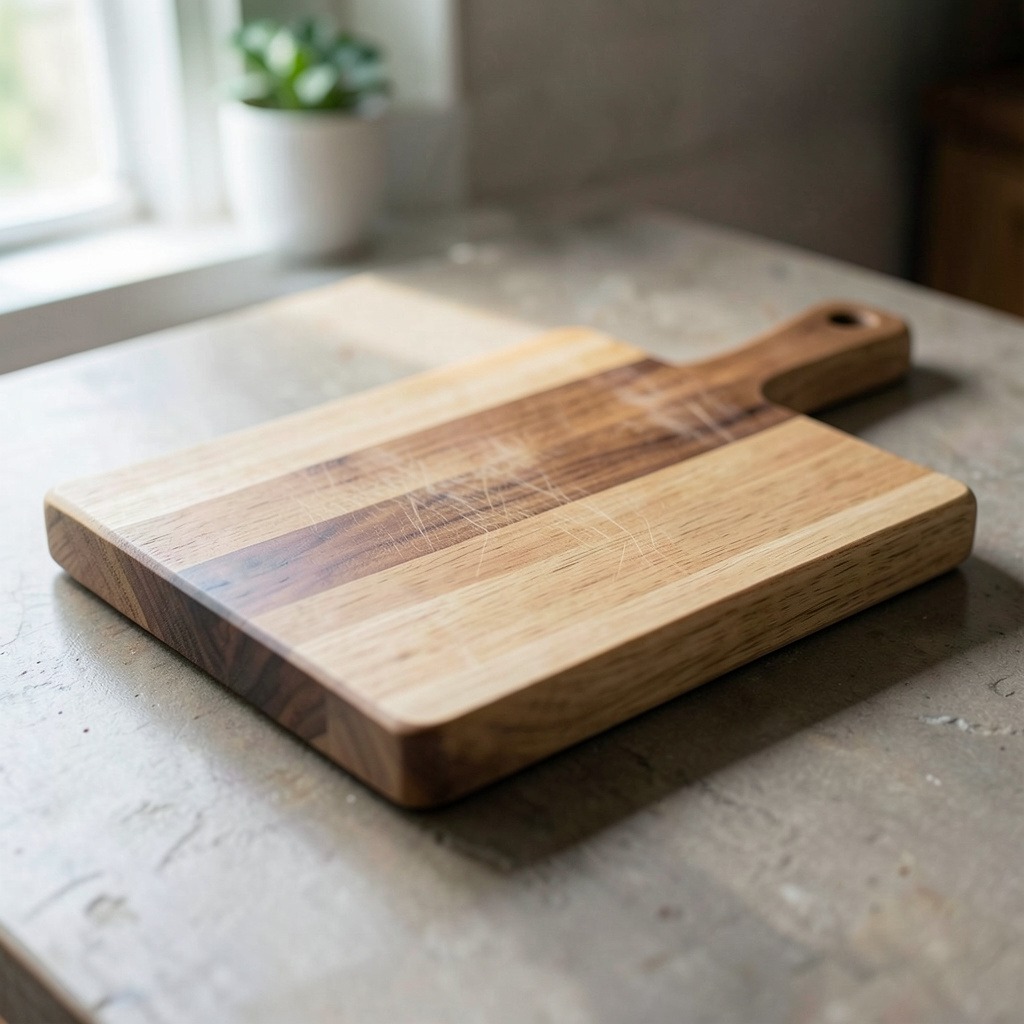
Wooden cutting boards offer several advantages that make them a favored choice among chefs and home cooks alike. Their durability, knife-friendly surfaces, and aesthetic appeal contribute to their popularity in kitchens.
Durability and Longevity
Wooden cutting boards are known for their exceptional durability. High-quality hardwoods, such as maple and walnut, resist warping and cracking, making them long-lasting tools in the kitchen.
- Long Lifespan: With proper care, wooden boards can last for decades, far outpacing plastic alternatives, which often need replacement after a few years.
- Refinishing: They can be sanded down and refinished, restoring their original look and extending their usability.
Experts suggest that wooden cutting boards can endure daily use without showing significant wear, making them a wise investment for those who value longevity.
Knife-Friendly Nature
Wooden cutting boards are gentle on knives. Unlike harder surfaces, they allow for clean cuts without dulling blades.
- Self-Healing Properties: The fibers in wood can absorb cuts, allowing them to “heal” over time. This characteristic helps maintain the sharpness of your knives.
- Reduced Chipping: Wooden surfaces do not chip as easily as plastic or glass, further preserving knife integrity.
This knife-friendly nature makes wooden boards especially appealing for culinary professionals who require precise cutting tools.
Aesthetic Appeal and Personalization
The natural beauty of wooden cutting boards cannot be overstated. Their unique grain patterns and rich colors add warmth and character to any kitchen.
- Visual Appeal: Many wooden boards serve as decorative pieces and can enhance the overall ambiance of the culinary space.
- Customization Options: Wooden boards can be personalized, offering a unique touch for gifts or special occasions. Etching or engraving can create a memorable kitchen accessory.
For those who appreciate both functionality and aesthetics, wooden cutting boards provide an elegant solution that elevates the dining experience.
Cons of Wooden Cutting Boards
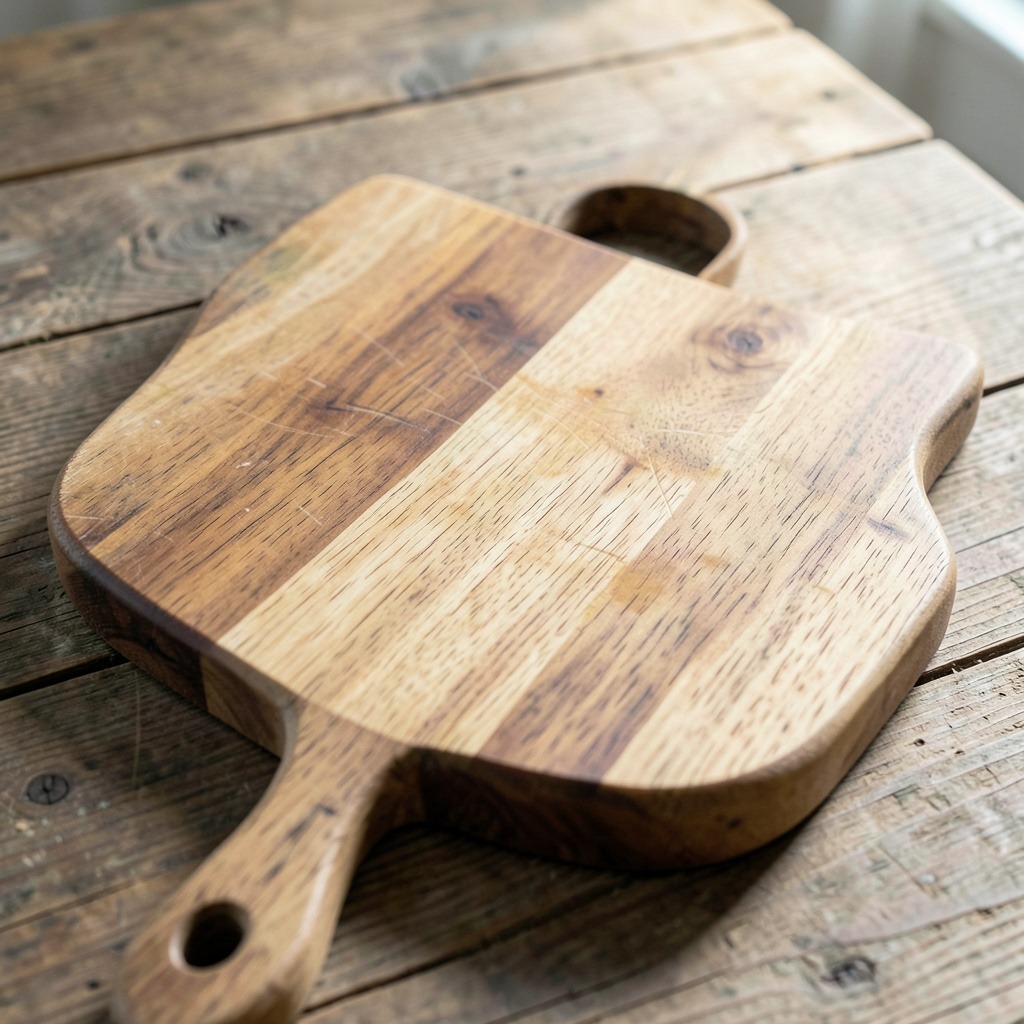
Despite their many advantages, wooden cutting boards come with notable disadvantages. Their maintenance needs and hygiene concerns require careful consideration.
Maintenance Requirements
Wooden cutting boards demand regular upkeep to maintain their quality. Unlike plastic boards, they cannot be washed in a dishwasher. Here’s a checklist for proper maintenance:
- Hand Wash Only: Use mild soap and warm water to clean.
- Immediate Drying: Dry the board right after washing to prevent moisture absorption.
- Regular Oiling: Apply food-safe mineral oil every few weeks to nourish the wood and prevent cracking.
- Sanding: Lightly sand the surface if it becomes scratched or stained.
Neglecting these practices can shorten the board’s lifespan and affect its performance.
Hygiene and Bacteria Concerns
Hygiene is a critical issue with wooden cutting boards. While they are less prone to harboring bacteria than plastic boards, improper maintenance can lead to hygiene risks. Here are key points to consider:
- Bacteria Growth: If moisture is allowed to linger on the board, it can promote bacterial growth.
- Cross-Contamination: Wooden boards can absorb juices from raw meats, which may lead to cross-contamination if not cleaned thoroughly.
- Staining: Certain foods, like beets or turmeric, can stain wooden boards permanently unless treated quickly.
To mitigate these issues, ensure a strict cleaning regimen. Consider using a separate board for raw meats and another for vegetables to further prevent cross-contamination.
For an alternative option, a Bamboo Cutting Board with Juice Groove can offer a more user-friendly solution that combines aesthetics and practicality. Check Price on Amazon.
Comparing Wooden Cutting Boards with Other Materials
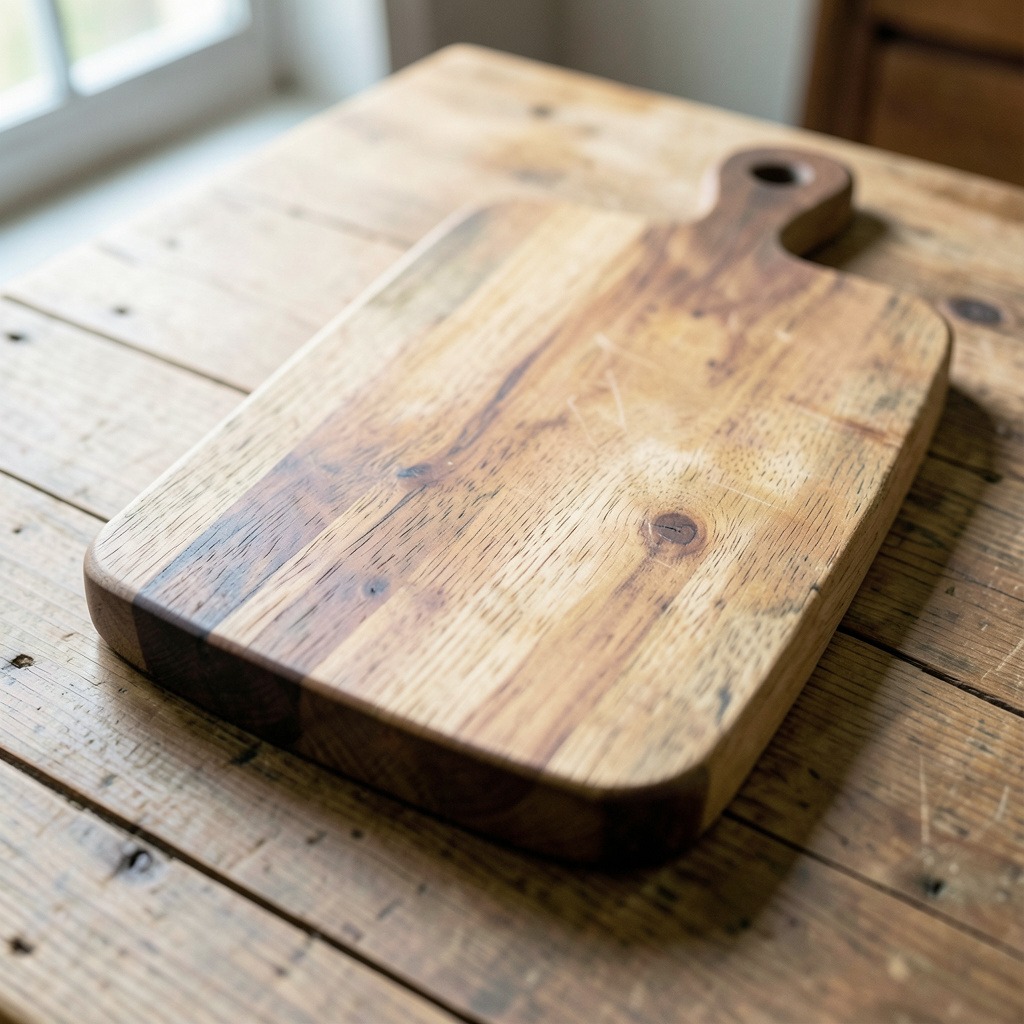
Choosing the right cutting board involves considering various materials. Wooden cutting boards have distinct advantages and disadvantages compared to plastic and bamboo options. Here’s how they stack up.
Wooden vs. Plastic Cutting Boards
| Feature | Wooden Cutting Boards | Plastic Cutting Boards |
|---|---|---|
| Durability | Can last years with proper care; refinishable | Often wear out and may need replacement |
| Knife Friendliness | Gentle on knives; helps maintain sharpness | Can dull knives more quickly |
| Bacteria Resistance | Some studies suggest lower bacteria levels if maintained | Can harbor bacteria in grooves and scratches |
| Aesthetic Appeal | Visually appealing; adds charm to the kitchen | Functional but often less attractive |
| Maintenance | Requires regular oiling and care | Easy to clean; dishwasher safe |
Wooden boards offer superior durability and knife preservation. However, they require consistent maintenance, including regular oiling to prevent cracking and warping. In contrast, plastic boards are more convenient but may not provide the same longevity or aesthetic appeal.
Wooden vs. Bamboo Cutting Boards
| Feature | Wooden Cutting Boards | Bamboo Cutting Boards |
|---|---|---|
| Sustainability | Made from renewable wood sources | Often sourced sustainably; fast-growing material |
| Durability | Very durable, especially hardwood varieties | Can be less durable; may splinter over time |
| Knife Friendliness | Gentle on blades; less wear | Harder surface; can dull knives faster |
| Bacteria Resistance | Naturally resistant when properly cared for | May absorb moisture, leading to bacteria growth |
| Maintenance | Requires oiling; careful cleaning | Generally easy to clean; avoid soaking |
Bamboo boards are eco-friendly and lightweight but can be harsher on knives compared to wood. While bamboo cutting boards may require less maintenance, wooden boards typically offer better durability and an aesthetic that enhances kitchen decor.
Practical Decision Guidelines
- Choose Wooden Cutting Boards if you prioritize longevity, aesthetics, and knife preservation. Ideal for home cooks who value craftsmanship and are willing to maintain their tools.
- Opt for Plastic Cutting Boards for convenience and ease of cleaning. Best for those who prefer low-maintenance options, especially in busy kitchens.
- Select Bamboo Cutting Boards if sustainability is a key concern. They are suitable for eco-conscious consumers but may not match the durability of hardwood.
By considering these comparisons, you can make an informed choice that aligns with your cooking habits and kitchen needs.
Practical Tips for Maintaining Wooden Cutting Boards
Maintaining a wooden cutting board requires specific care techniques to ensure longevity and hygiene. Proper maintenance not only preserves the board’s appearance but also minimizes the risk of bacterial growth.
Cleaning Techniques
1. Hand Washing: Always hand wash wooden cutting boards with mild soap and warm water. Avoid submerging them in water to prevent warping.
2. Sanitizing: Use a mixture of vinegar and water (1:1 ratio) to sanitize the surface. Wipe with a clean cloth and rinse lightly.
3. Drying: After washing, dry the board immediately with a towel. Store it in a dry area to prevent moisture buildup.
Oiling and Conditioning
Regular oiling is essential for maintaining the wood’s integrity and preventing cracks. Follow these guidelines:
- Frequency: Oil your cutting board every 3-4 weeks if used daily. For occasional use, once every couple of months is sufficient.
- Oil Type: Use food-grade mineral oil or a specialized cutting board conditioner. Avoid vegetable oils as they can become rancid.
- Application: Apply a generous amount of oil to a clean cloth and rub it into the wood in the direction of the grain. Allow it to absorb for several hours or overnight before wiping off excess oil.
When to Replace Your Cutting Board
Recognizing when it’s time to replace your wooden cutting board is crucial for kitchen hygiene:
- Deep Grooves and Cracks: If the board has deep cuts or cracks that can harbor bacteria, consider replacing it.
- Persistent Odors: If cleaning and conditioning do not remove odors, it may be time for a new board.
- Warping: If the board has warped significantly, it may not provide a stable cutting surface.
Maintenance Checklist
- Daily: Hand wash and dry immediately.
- Weekly: Sanitize with vinegar solution.
- Monthly: Oil with food-grade mineral oil.
- As Needed: Inspect for cracks, odors, and warping.
Using these maintenance practices will extend the life of your wooden cutting board while ensuring it remains a safe and beautiful tool in your kitchen.
Frequently Asked Questions
These quick answers cover the most common questions about this topic, including key details, practical tips, and common concerns.
What is the healthiest material for a cutting board?
The healthiest material for a cutting board is often considered to be wood, particularly hardwoods like maple and walnut. These materials are naturally resistant to bacteria when properly maintained. Studies suggest that wood has antimicrobial properties, which can help minimize bacterial growth compared to plastic boards. However, it’s crucial to keep wooden boards clean and dry to maintain their hygiene.
What are the downsides of using a wooden cutting board?
The primary downsides of wooden cutting boards include their maintenance requirements and potential for cross-contamination. They need regular oiling to prevent cracking and warping, and they cannot be washed in a dishwasher. Additionally, if not cleaned properly after cutting raw meat, they can harbor bacteria, posing a risk of foodborne illness.
Do professional chefs use wooden cutting boards?
Yes, many professional chefs prefer wooden cutting boards for their durability and knife-friendly surfaces. Wooden boards are gentle on knife edges, helping maintain their sharpness over time. Chefs appreciate the aesthetic appeal and the ability to personalize wooden boards, making them a popular choice in both home and professional kitchens.
Is it safe to put raw meat on a wood cutting board?
While it is safe to use a wooden cutting board for raw meat, it is essential to follow proper cleaning practices. After cutting raw meat, thoroughly wash the board with hot, soapy water and sanitize it to prevent cross-contamination. Many chefs recommend using separate boards for raw meat and other foods to further reduce the risk of bacteria spreading.
What are the benefits of using different types of cutting boards?
Different types of cutting boards offer various benefits. Wooden boards are durable and gentle on knives, while plastic boards are dishwasher-safe and easy to clean. Bamboo boards are eco-friendly but may not be as knife-friendly as wood. Each material has its strengths, making it important to choose based on your cooking habits and maintenance preferences.
How do I properly maintain my wooden cutting board?
To maintain your wooden cutting board, hand wash it with mild soap and warm water after each use. Avoid soaking it in water, as this can cause warping. Oil the board regularly with food-grade mineral oil to keep the wood hydrated and prevent cracking. Additionally, sanitize it with a vinegar solution periodically to minimize bacterial growth.
Can wooden cutting boards harbor bacteria?
Yes, wooden cutting boards can harbor bacteria if not properly maintained. While wood has some natural antibacterial properties, moisture left on the board can promote bacterial growth. To reduce this risk, always clean and dry your board immediately after use, especially after cutting raw meat. Regular oiling and sanitizing can also help maintain a safe surface.
What types of wood are best for cutting boards?
The best types of wood for cutting boards include hard maple, walnut, and cherry. Maple is known for its durability and fine grain, making it less prone to deep cuts. Walnut is visually appealing and has natural resistance to bacteria. Cherry adds character but may require more maintenance. Choosing hardwoods ensures longevity and better knife preservation.