
Wood decks are generally cheaper upfront and offer a natural aesthetic, while composite decks are more expensive but require less maintenance and last longer.
Choosing between a wood deck and a composite deck involves weighing various factors, including cost, maintenance, durability, and aesthetics. This guide provides a comprehensive comparison of the pros and cons of each material to aid your decision-making process.
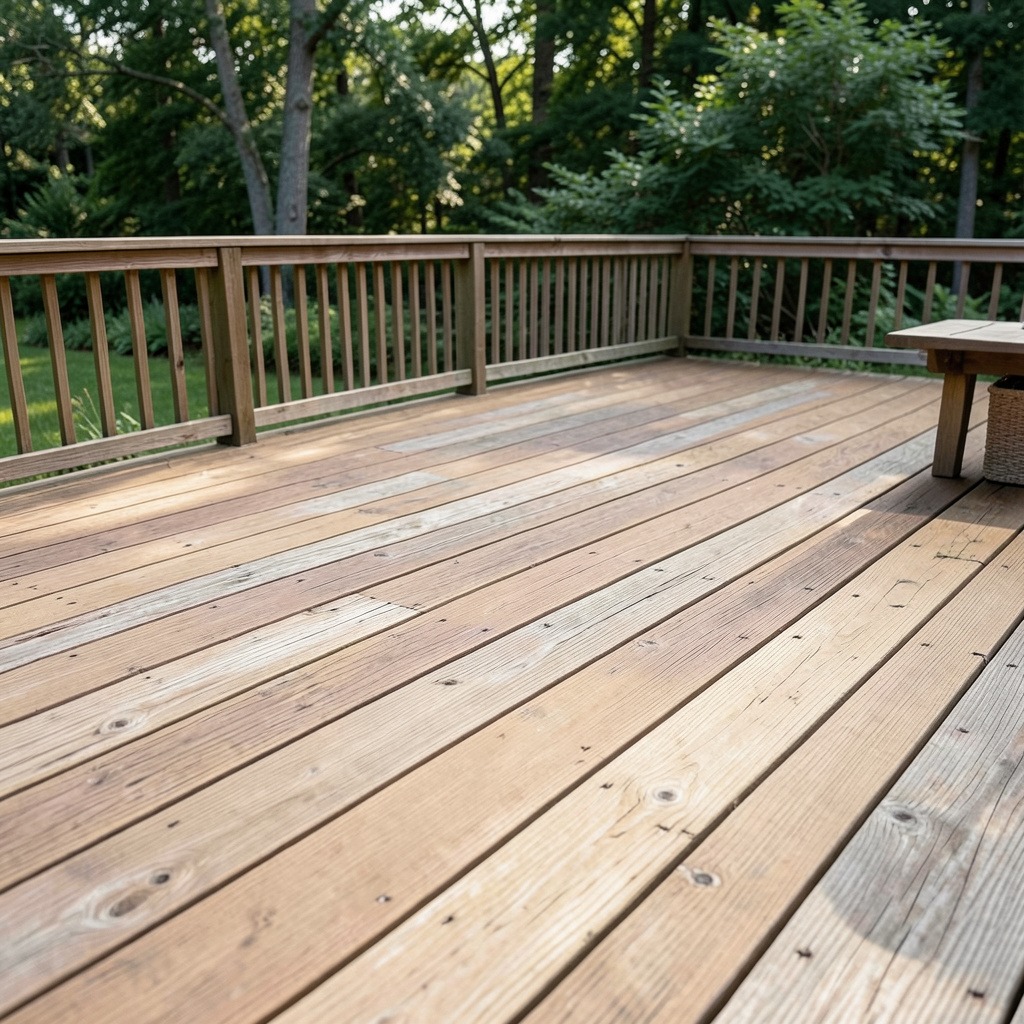
Understanding Wood Decking and Composite Decking
When considering a deck, understanding the differences between wood decking and composite decking is essential. Each material has distinct characteristics that cater to various homeowner preferences and environmental conditions.
What is Wood Decking?
Wood decking is created from natural timber, typically sourced from trees such as cedar, redwood, and pressure-treated pine. These materials provide a classic aesthetic that many homeowners appreciate. Wood is often favored for its warmth, texture, and versatility in design.
Popular Wood Types:
- Cedar: Naturally resistant to decay, it offers a beautiful grain.
- Redwood: Known for its rich color and durability.
- Pressure-Treated Pine: Economical and widely available, it is treated with chemicals to resist rot.
Wood decking is suitable for outdoor spaces requiring a traditional look. However, it demands regular maintenance, including sealing and staining, to prolong its lifespan.
What is Composite Decking?
Composite decking is manufactured from a blend of wood fibers and recycled plastic materials. This combination results in a durable product that mimics the appearance of natural wood while offering enhanced longevity and lower maintenance needs.
Table of Contents
Key Features of Composite Decking:
- Low Maintenance: Requires no staining or sealing.
- Durability: Resistant to fading, scratching, and moisture damage.
- Eco-Friendly: Often made from recycled materials, contributing to sustainability.
Homeowners increasingly prefer composite decking for its long-term value, particularly in climates with significant weather fluctuations. Its consistent appearance and resilience make it a compelling choice for modern outdoor living.
Popularity Among Homeowners
Both wood and composite decking enjoy substantial popularity, but preferences vary based on factors like aesthetics, maintenance, and environmental impact.
Considerations:
- Wood Decking: Valued for its natural look and feel. It appeals to those who prioritize tradition and the ability to customize finishes.
- Composite Decking: Gaining traction for its durability and eco-friendly attributes. Ideal for homeowners seeking a hassle-free solution.
In real-life scenarios, homeowners often choose composite decking when planning to stay in their homes long-term, given its lower maintenance costs over time. For instance, a homeowner in a rainy region might find composite decking advantageous due to its resistance to moisture-related issues.
Ultimately, the choice between wood and composite decking should align with individual preferences and lifestyle needs.
Cost Comparison: Wood Deck vs Composite Deck
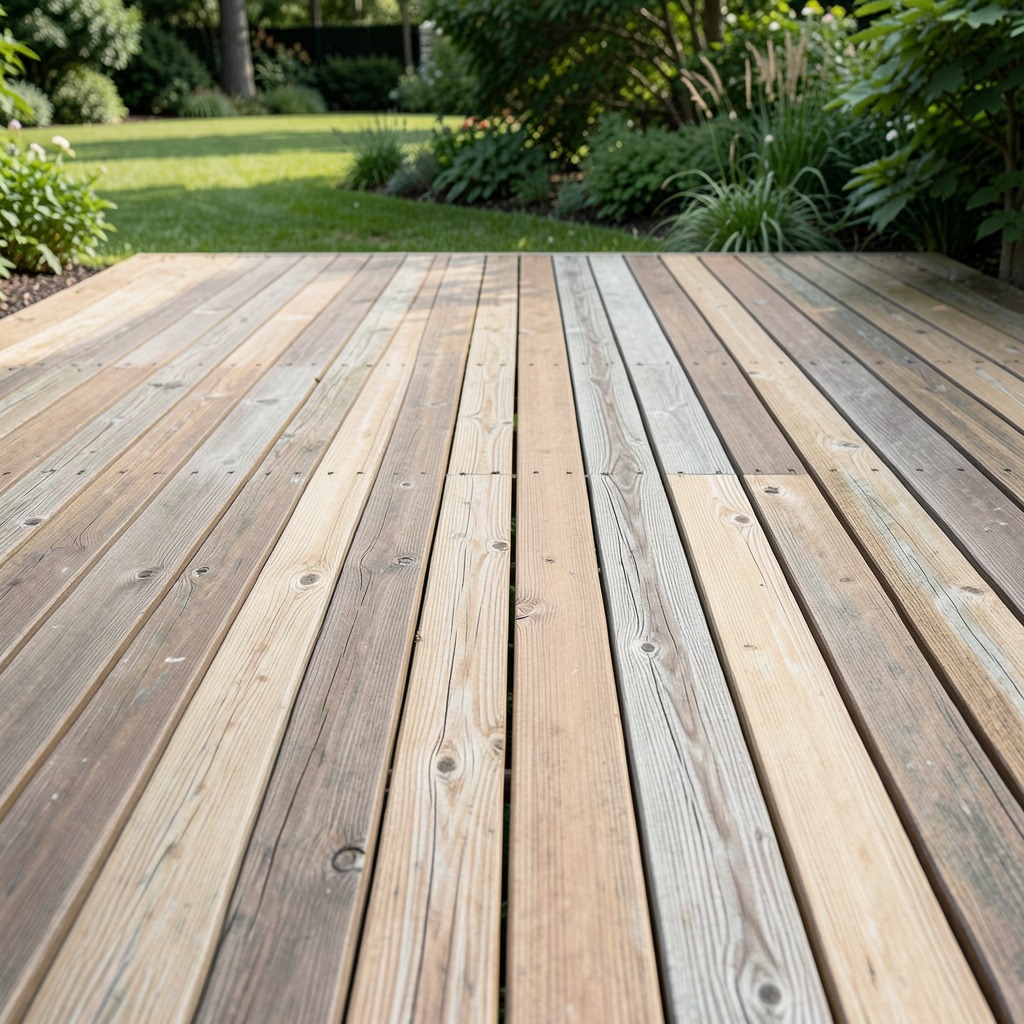
Understanding the cost implications of wood decking versus composite decking is crucial for homeowners. This section breaks down the initial installation costs and long-term maintenance expenses associated with each option.
Initial Installation Costs
The upfront costs play a significant role in the decision-making process. Here’s a comparison of material and installation costs for both decking types:
| Deck Type | Material Cost (per sq. ft.) | Installation Cost (per sq. ft.) | Total Initial Cost (100 sq. ft.) |
|---|---|---|---|
| Wood Decking | $2 – $6 | $5 – $10 | $700 – $1,600 |
| Composite Decking | $4 – $10 | $6 – $12 | $1,000 – $2,200 |
- Wood Decking: Typically, the initial cost is lower, making it attractive for budget-conscious homeowners. However, prices vary significantly based on wood species.
- Composite Decking: Although more expensive upfront, it offers enhanced durability and aesthetic appeal.
Long-Term Maintenance Costs
Long-term costs often outweigh initial expenses. Here’s a breakdown of ongoing maintenance needs:
| Deck Type | Annual Maintenance Cost (Est.) | Lifespan (Years) | Total Maintenance Cost Over 20 Years |
|---|---|---|---|
| Wood Decking | $300 – $600 | 10 – 15 | $6,000 – $12,000 |
| Composite Decking | $100 – $200 | 25 – 30 | $2,000 – $6,000 |
- Wood Decking: Requires regular sealing, staining, and repairs, leading to higher long-term costs. Expect to replace boards every 10-15 years depending on climate and usage.
- Composite Decking: Minimal upkeep, typically requiring only occasional cleaning. It generally lasts longer, resulting in lower overall costs.
Decision Scenario
Consider a homeowner in a humid climate. Choosing composite decking may yield better long-term value despite the higher initial cost. The reduced need for maintenance and repairs can save money and time over the years.
When evaluating wood versus composite decking, assess not only the initial investment but also the expected maintenance and longevity. Each choice aligns differently with personal preferences and long-term plans.
Maintenance Needs: Wood Deck vs Composite Deck
When considering wood versus composite decking, maintenance is a crucial factor. Each material demands different levels of upkeep, impacting both time and long-term costs.
Maintenance Requirements for Wood Decks
Wood decks require regular attention to maintain their appearance and longevity. Here’s a typical maintenance schedule:
- Cleaning: Clean the deck every 3-6 months using a mild detergent and water.
- Staining/Sealing: Apply stain or sealant every 1-3 years. This protects against moisture and UV damage.
- Repairs: Inspect for loose or damaged boards annually. Replace as needed.
- Winter Care: Clear snow and ice gently to prevent damage during the winter months.
Example: A homeowner with a cedar deck in a temperate climate may spend around $300 each year on cleaning and sealing.
Maintenance Requirements for Composite Decks
Composite decks are designed for low maintenance. Their upkeep includes:
- Cleaning: Wipe down the surface every 6-12 months with soap and water.
- No Staining/Sealing: Unlike wood, composite decking does not require staining or sealing.
- Repairs: Inspect annually for any signs of wear but expect fewer repairs than wood.
- Winter Care: Similar to wood, clear snow and ice gently, but composite is less susceptible to damage.
Example: A homeowner with a composite deck may only spend about $100 annually on cleaning supplies.
Comparison of Upkeep Frequency
| Task | Wood Deck | Composite Deck |
|---|---|---|
| Cleaning | Every 3-6 months | Every 6-12 months |
| Staining/Sealing | Every 1-3 years | None |
| Repairs | Annually, as needed | Annually, less frequent |
| Winter Care | Clear snow gently | Clear snow gently |
In summary, wood decks require more frequent maintenance tasks compared to composite decks. The choice between these materials often hinges on how much time and effort homeowners are willing to invest in upkeep.
Durability and Lifespan: Which Deck Lasts Longer?

When evaluating wood decking versus composite decking, durability and lifespan are critical factors. Both materials have distinct characteristics that influence their longevity and performance in various environmental conditions.
How Long Does Wood Decking Last?
Wood decking, particularly pressure-treated varieties, typically lasts between 10 to 15 years with regular maintenance. However, factors such as climate, exposure to moisture, and insect infestations can significantly impact its lifespan.
- Climate Considerations: In humid or wet climates, wood decks may experience rot and warping more quickly. Regions with harsh winters can also lead to cracking.
- Maintenance Impact: Regular sealing and staining can extend the life of wood decks. Neglecting these tasks may reduce their lifespan significantly.
For example, untreated cedar can last 15 to 20 years, but may require more frequent maintenance compared to pressure-treated wood. Exotic hardwoods like ipe can last over 30 years but come with a higher initial cost.
How Long Does Composite Decking Last?
Composite decking generally outperforms wood in terms of longevity, with a lifespan ranging from 25 to 50 years depending on the product quality and installation. This material is engineered to resist fading, staining, and mold.
- Weather Resistance: Composite decks handle moisture better, making them less susceptible to rotting. They perform well in extreme weather conditions, including heavy rain and intense sunlight.
- Low Maintenance: Unlike wood, composite decking requires minimal upkeep. Homeowners do not need to stain or seal composite materials regularly, which contributes to their longer lifespan.
A real-world scenario highlights this advantage: a composite deck installed in a coastal region with high humidity and salt exposure can last 30 years or more with little maintenance.
Comparative Lifespan Overview
| Deck Type | Expected Lifespan | Maintenance Frequency | Weather Resistance |
|---|---|---|---|
| Pressure-Treated Wood | 10-15 years | Every 1-3 years | Moderate to Low |
| Cedar Wood | 15-20 years | Every 1-3 years | Moderate |
| Ipe Wood | 30+ years | Every 1-3 years | High |
| Composite Decking | 25-50 years | Every 6-12 months | High |
In summary, composite decking offers superior durability and longevity compared to wood decking. Homeowners should consider their regional climate and maintenance preferences when making their decision.
Aesthetic Appeal: Visual Differences and Design Options
When considering decking materials, aesthetics play a crucial role in the decision-making process. The visual qualities of wood and composite decking can significantly influence the overall look of your outdoor space. Let’s explore the unique attributes of each material.
Visual Qualities of Wood Decking
Wood decking is renowned for its natural beauty. It offers a warm, organic feel that many homeowners cherish. Here are some key aesthetic features:
- Color Options: Wood decks come in various shades, from deep browns to light tans. Species like cedar and redwood provide rich colors that enhance outdoor settings.
- Textures: The grain patterns in wood add character. Each board is unique, showcasing knots and variations that add to its charm.
- Style Compatibility: Wood decks complement traditional and rustic home designs. They create a timeless look that fits seamlessly with nature.
Visual Qualities of Composite Decking
Composite decking has evolved significantly, offering a range of modern visual options. Its aesthetic qualities include:
- Color Variety: Composite materials are available in a wide spectrum of colors and finishes. Homeowners can choose shades that replicate natural wood or opt for more vibrant hues.
- Textures: Advanced manufacturing techniques provide realistic textures. Many composite boards feature embossed surfaces that mimic the appearance of real wood grain.
- Modern Appeal: Composite decking suits contemporary and minimalist designs. Its uniformity and sleek lines create a clean, polished look.
Comparative Visual Insights
To help visualize the differences, consider the following scenarios:
- Outdoor Gatherings: A wood deck adorned with natural furniture creates a welcoming, rustic atmosphere, ideal for family gatherings.
- Modern Patios: A composite deck with sleek, modern furniture can elevate a contemporary space, providing an elegant outdoor retreat.
Ultimately, the choice between wood and composite decking comes down to personal aesthetic preferences and the desired ambiance of the outdoor space.
Environmental Impact: Sustainability Considerations
When choosing between wood and composite decking, understanding their environmental implications is crucial. Factors like sourcing, production processes, and recyclability play significant roles in determining which material is more sustainable.
Sustainability of Wood Decking
Wood decking is often derived from renewable resources, particularly when sourced from sustainably managed forests. However, the environmental impact can vary based on the type of wood used.
- Sourcing: Look for certifications like FSC (Forest Stewardship Council) to ensure responsible forestry practices.
- Carbon Footprint: Wood naturally sequesters carbon, making it a favorable option if harvested sustainably.
- Decomposition: Wood is biodegradable and can break down without leaving harmful residues, contributing positively to soil health.
Sustainability of Composite Decking
Composite decking is made from a blend of recycled wood fibers and plastic, typically sourced from post-consumer products. This combination offers several environmental advantages.
- Recyclability: Many composite brands utilize recycled materials, reducing waste in landfills. Some products are also recyclable at the end of their lifespan.
- Production Process: Composite manufacturing often requires less energy compared to traditional wood milling. Additionally, it doesn’t contribute to deforestation.
- Durability: The longevity of composite materials means fewer resources are needed for replacements over time, minimizing environmental impact.
Comparative Insights
Consider the following factors when evaluating the environmental sustainability of wood versus composite decking:
| Aspect | Wood Decking | Composite Decking |
|---|---|---|
| Sourcing | Renewable if sustainably sourced | Often made from recycled materials |
| Carbon Footprint | Sequesters carbon naturally | Lower overall emissions in production |
| Biodegradability | Biodegradable | Recyclable but not biodegradable |
| Maintenance Impact | Requires chemical treatments | Minimal maintenance and chemical use |
Real-life scenario: A homeowner who opts for composite decking may save on maintenance products (like sealants) over 10 years, significantly reducing their environmental footprint compared to a wood deck that requires regular treatments.
In summary, both wood and composite decking offer unique environmental benefits. The choice largely depends on individual priorities regarding sustainability, aesthetics, and long-term maintenance.
Installation Insights: How to Install Each Type of Deck
Installing a deck requires careful planning and execution. Understanding the processes for both wood and composite decks will help you make an informed decision.
Installation Process for Wood Decks
Installing a wood deck involves several steps and requires specific tools and skills. Here’s a checklist to guide you:
Tools Needed
- Circular saw
- Drill/driver
- Measuring tape
- Level
- Hammer
- Safety goggles
- Fasteners (nails or screws)
Steps
1. Planning: Determine the deck size and layout. Check local building codes.
2. Foundation: Create a solid foundation using concrete footings.
3. Framing: Construct the frame with treated lumber. Ensure proper spacing and alignment.
4. Decking: Cut and lay the wood planks. Leave gaps for drainage.
5. Finishing: Sand rough edges and apply a weatherproof stain or sealant.
Common Pitfalls
- Improper Spacing: Not leaving gaps can lead to water pooling and wood warping.
- Skipping the Sealant: Failing to apply a protective finish can shorten the deck’s lifespan.
Installation Process for Composite Decks
Composite decks are typically easier to install and require less maintenance over time. Here’s a streamlined approach:
Tools Needed
- Composite decking boards
- Hidden fasteners or clips
- Drill/driver
- Measuring tape
- Level
- Saw (preferably a miter saw)
Steps
1. Planning: Similar to wood, start by determining the layout. Account for expansion gaps.
2. Foundation: Install a solid foundation using composite-compatible footings.
3. Framing: Build the frame with treated lumber or composite material.
4. Decking: Using hidden fasteners, attach composite boards. Ensure proper spacing for expansion.
5. Finishing Touches: Add railings and trim for a polished look.
Common Pitfalls
- Ignoring Expansion Gaps: Not allowing for expansion can cause buckling.
- Improper Fastener Use: Using wrong fasteners can lead to deck failure.
Decision Rule for Installation
When choosing between wood and composite installation, consider your skill level and the time commitment. Wood requires more maintenance and potential repairs, while composite offers a quicker installation with less ongoing upkeep.
Installation Time Commitment
- Wood Deck: Typically takes 1-2 weekends for a DIY project.
- Composite Deck: Can often be completed in 1 weekend, depending on size and layout.
By understanding these installation processes, you can better assess the benefits and challenges of each decking type.
Final Verdict: Which Decking Option is Right for You?
Choosing between wood and composite decking involves evaluating several factors, including climate, budget, and maintenance preferences. Below, we summarize the pros and cons of each option and provide a decision-making framework.
Pros and Cons of Wood Decks
Pros:
- Natural Aesthetics: Wood offers a classic and warm look, appealing to many homeowners.
- Cost-Effective: Generally lower upfront costs compared to composite options.
- DIY Friendly: Easier for DIY projects due to simpler installation techniques.
Cons:
- High Maintenance: Requires regular staining, sealing, and repairs to prevent decay and insect damage.
- Shorter Lifespan: Typically lasts 10-15 years, depending on the wood type and maintenance.
- Vulnerability to Elements: Prone to warping, fading, and splintering, especially in extreme climates.
Pros and Cons of Composite Decks
Pros:
- Low Maintenance: Requires minimal upkeep; no staining or sealing needed.
- Durable: Resistant to rot, decay, and insect damage, lasting 25-30 years or more.
- Consistent Appearance: Retains color and aesthetic appeal over time.
Cons:
- Higher Initial Costs: Upfront investment is generally more expensive than wood.
- Heat Retention: Can become hot under direct sunlight, which may be uncomfortable for bare feet.
- Less Natural Look: Some may find composite lacks the warmth of real wood.
Decision Framework
To determine the best decking option for your needs, consider the following criteria:
- Climate:
- If you live in an area with high humidity or extreme weather, composite may be more suitable due to its durability.
- In moderate climates, wood can perform well if properly maintained.
- Budget:
- For upfront savings, wood is more appealing. However, factor in long-term maintenance costs.
- Composite may have a higher initial cost but offers savings over time due to lower maintenance.
- Maintenance Preferences:
- Choose wood if you enjoy hands-on upkeep and the natural look.
- Opt for composite if you prefer a hassle-free experience with less frequent maintenance.
Checklist for Your Decision
- Assess your budget for initial costs versus long-term maintenance.
- Evaluate the climate and how it affects each material’s performance.
- Determine your willingness to perform regular maintenance tasks.
- Consider aesthetic preferences and how each material fits your outdoor decor.
By aligning your needs with these factors, you can make a more informed decision on whether to choose wood or composite decking for your outdoor space.
Frequently Asked Questions
These quick answers cover the most common questions about this topic, including key details, practical tips, and common concerns.
Why do people not like Trex decking?
Some homeowners express dissatisfaction with Trex decking due to its heat retention. Composite materials can become quite hot under direct sunlight, making it uncomfortable for bare feet. Additionally, some users have reported issues with fading and scratching over time, particularly in lighter colors. Lastly, the initial cost can be a deterrent for those seeking more budget-friendly options.
How much would a 20×20 composite deck cost?
The cost of a 20×20 composite deck can vary widely based on the brand and specific materials chosen. On average, you can expect to pay between $1,600 and $4,000 for the material alone, excluding installation. If you factor in installation costs, the total could range from $2,000 to $5,000 or more, depending on local labor rates and additional features like railings or lighting.
What is the average cost of a composite deck compared to a wood deck?
The average cost of composite decking is generally higher than that of wood decking. For instance, composite materials can range from $4 to $10 per square foot, while wood decking typically costs between $2 and $6 per square foot. However, when considering long-term maintenance costs, composite decking often proves to be more economical due to its durability and low upkeep requirements.
What ruins composite decking?
Composite decking can be damaged by certain factors, including excessive heat, which may cause warping or fading. Additionally, mold and mildew can develop if the deck is not cleaned regularly. Using harsh chemicals during cleaning can also lead to deterioration. It’s important to follow manufacturer guidelines for maintenance to avoid these issues.
How to choose a decking material based on specific needs?
To choose the right decking material, consider your local climate, budget, and maintenance preferences. If you live in a humid area, composite decking may be more suitable due to its resistance to moisture and insects. For a lower upfront cost, wood might be preferable, but be prepared for ongoing maintenance. Additionally, think about how much time you want to invest in upkeep; composite decking requires much less maintenance than wood.
When should I replace my deck?
You should consider replacing your deck if you notice significant signs of wear, such as rotting, warping, or extensive splintering in wood decks. For composite decking, if you see fading or cracking, it may be time for replacement. Generally, wood decks last 10-15 years, while composite decks can last 25-50 years, depending on the quality and maintenance.
What are common problems with wood decking?
Common problems with wood decking include rotting due to moisture, warping from temperature fluctuations, and splintering from wear and tear. Insect infestations, particularly termites, can also compromise the integrity of wood decks. Regular maintenance such as sealing and staining can help mitigate these issues, but neglect can lead to costly repairs or replacement.
What are alternatives to wood and composite decking?
Alternatives to traditional wood and composite decking include PVC decking, aluminum decking, and concrete patios. PVC decking is fully synthetic, offering high durability and low maintenance. Aluminum decking is lightweight and resistant to rust, making it ideal for coastal areas. Concrete patios can provide a solid, long-lasting surface that can be customized with various finishes. Each alternative has its pros and cons, so consider your specific needs and preferences when exploring options.