
Wood doors offer aesthetic appeal, durability, and customization but require regular maintenance, can be less energy efficient, and may be more expensive than alternatives.
Choosing a wood door involves weighing its classic beauty against practical aspects like maintenance and energy efficiency. This guide explores the pros and cons of wood doors, helping homeowners make informed decisions suited to their needs and environment.
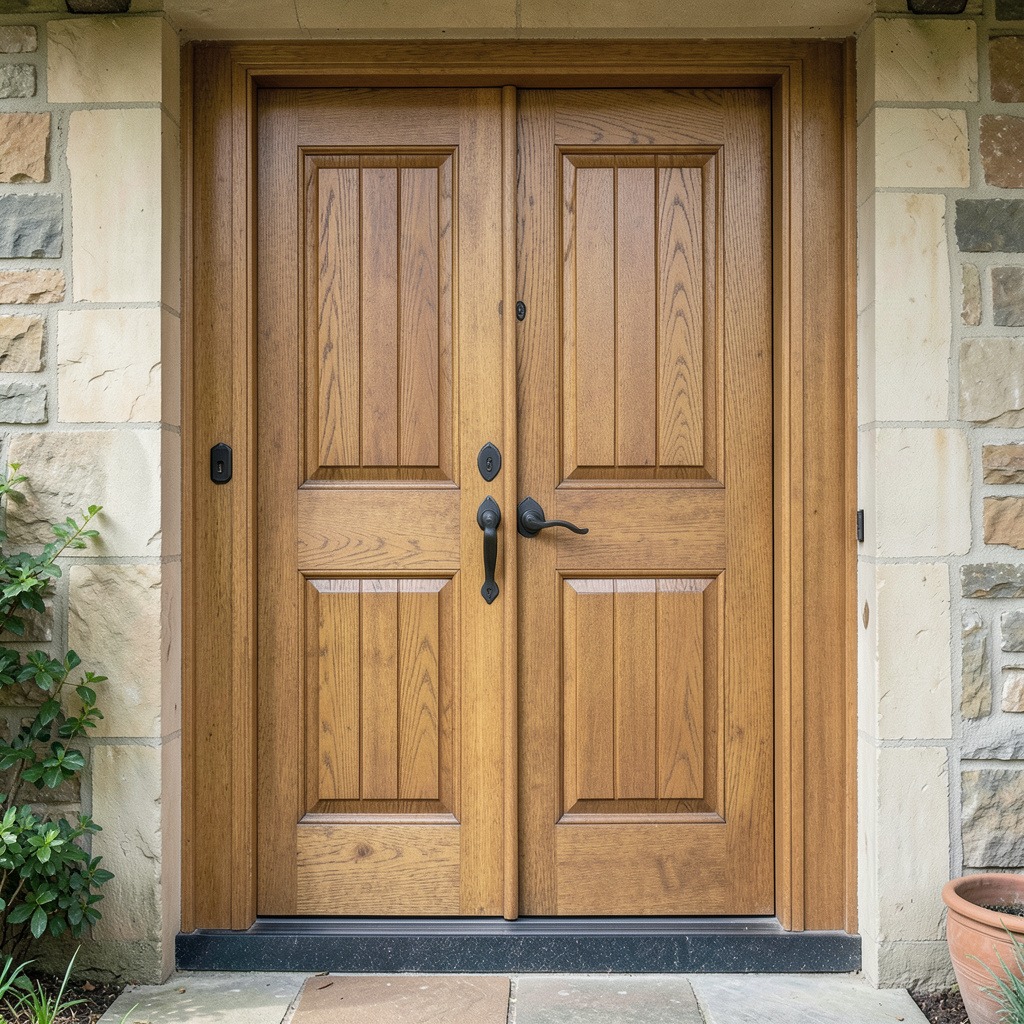
Understanding the Appeal of Wood Doors
Wood doors captivate homeowners with their unique style and design flexibility. Their natural warmth adds character to any home, making them a popular choice for enhancing curb appeal.
Timeless Aesthetic and Customization Options
Wood doors offer a timeless aesthetic that complements various architectural styles. Homeowners can choose from a range of wood species, each offering distinct visual appeal:
- Oak: Known for its strength and pronounced grain, oak doors provide a classic, rustic look.
- Maple: With a smooth, fine grain, maple doors offer a contemporary feel and can be easily stained or painted.
- Mahogany: Renowned for its rich color and fine grain, mahogany doors exude luxury and elegance.
Customization is another key advantage. Homeowners can select intricate carvings, decorative glass panels, and various finishes to create a door that reflects their personal style. This versatility ensures that wood doors can enhance both traditional and modern homes.
Natural Insulating Properties
Wood doors possess natural insulating properties, making them energy-efficient compared to some alternatives. They help regulate indoor temperatures, reducing the need for heating and cooling systems. This can lead to lower energy bills, particularly in regions with extreme temperatures.
To maximize the benefits of wood doors, consider the following:
Table of Contents
- Choose solid wood doors for better insulation.
- Opt for engineered wood doors if cost is a concern; they still provide decent insulation and are often more affordable.
- Proper sealant and finishes help enhance insulation and protect against moisture, extending the door’s lifespan.
Wood doors not only offer aesthetic appeal but also contribute to a home’s energy efficiency, making them a practical choice for many homeowners.
The Maintenance Needs of Wood Doors
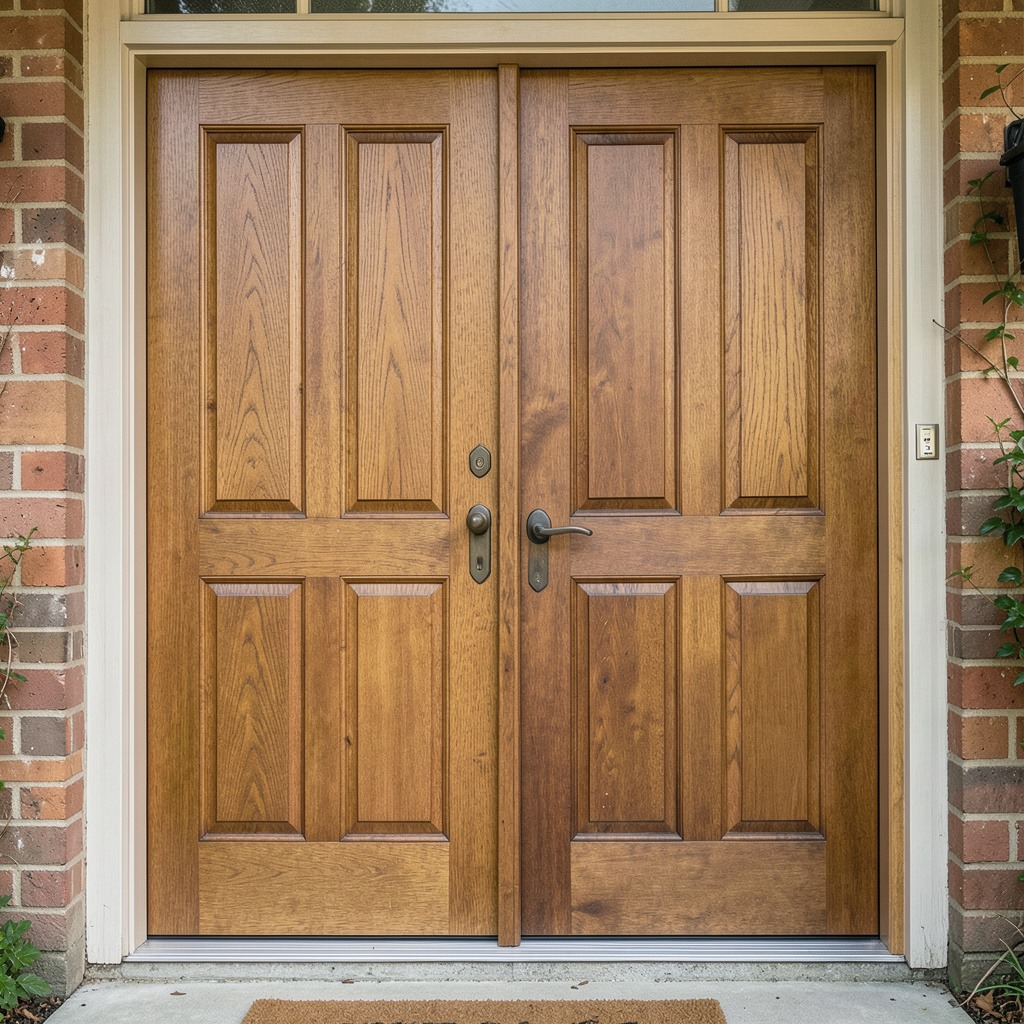
Wood doors require regular maintenance to ensure their longevity and aesthetic appeal. Homeowners must be proactive in caring for these doors to prevent damage from environmental factors. This involves sealing, staining, and periodic inspections, all of which can vary based on climate conditions.
Regular Sealing and Staining Requirements
To maintain the beauty and durability of wood doors, homeowners should follow a consistent schedule for sealing and staining. Here are the key steps:
- Initial Preparation: Clean the door thoroughly to remove dirt and old finishes.
- Staining: Apply a high-quality wood stain to enhance color and protect against moisture.
- Sealing: After the stain dries, add a clear sealant to shield the wood from UV damage and moisture.
Checklist for Maintenance:
- Every 1-2 Years: Inspect for cracks, warping, or fading; reapply stain and sealant if necessary.
- Every 5-7 Years: Consider a deeper maintenance routine, including sanding down the surface and applying a fresh coat of stain and sealant.
Climate Considerations for Maintenance
The climate significantly impacts the maintenance needs of wood doors. Different environments pose unique challenges.
- Humid Climates: Doors may swell or warp. Increase the frequency of inspections and maintenance to every 6-12 months.
- Dry Climates: Wood can dry out and crack. Apply sealant every year to prevent moisture loss.
- Cold Climates: Temperature fluctuations can cause expansion and contraction. Staining and sealing should occur annually to combat these effects.
Maintenance Schedule Based on Climate:
| Climate Type | Inspection Frequency | Staining Frequency | Sealing Frequency |
|---|---|---|---|
| Humid | Every 6-12 months | Every 1-2 years | Every 1 year |
| Dry | Every 12 months | Every 2 years | Every year |
| Cold | Every 12 months | Every 2 years | Every 1 year |
By adhering to these maintenance practices, homeowners can significantly extend the life of their wood doors, ensuring they remain a beautiful and functional feature of their home.
Evaluating Energy Efficiency of Wood Doors
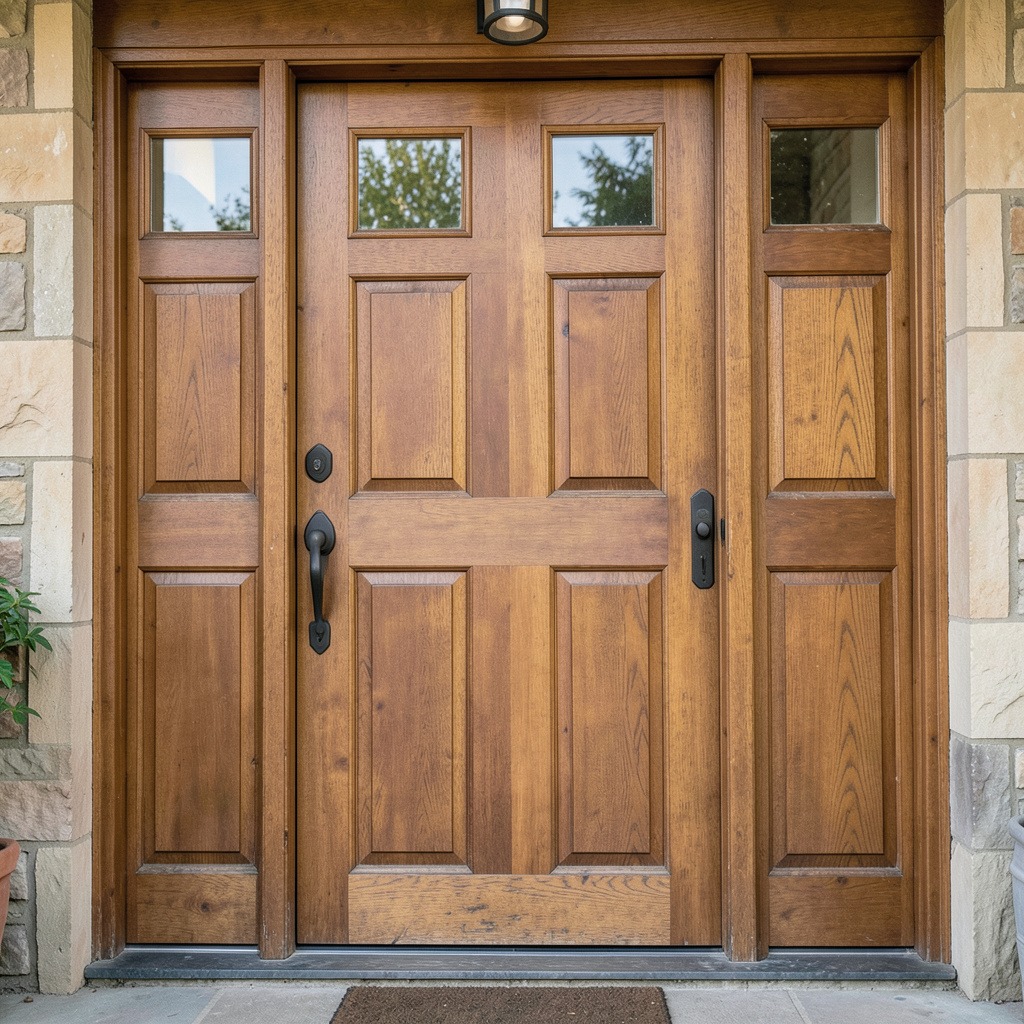
Energy efficiency is a critical consideration for homeowners selecting doors. Wood doors offer unique advantages and challenges in this area compared to alternatives like fiberglass and steel.
Heat Transfer and Insulation Properties
Wood doors possess excellent thermal insulation properties due to their natural cellular structure. This structure traps air, reducing heat transfer. Consequently, wood doors help maintain stable indoor temperatures during both winter and summer, contributing to energy savings.
- Insulation Efficiency: The dense fibers in wood create air pockets that act as barriers to heat flow.
- Temperature Regulation: Wood doors keep cold air out in winter and hot air out in summer, enhancing comfort and reducing reliance on heating and cooling systems.
How Wood Doors Stack Up Against Alternatives
When comparing wood doors to fiberglass and steel, several factors influence energy efficiency:
| Door Material | R-Value (Insulation) | Heat Transfer Resistance | Durability | Maintenance Requirements |
|---|---|---|---|---|
| Wood | 3.0 – 5.0 | Moderate | Moderate | Regular sealing/staining |
| Fiberglass | 5.0 – 7.0 | High | High | Minimal |
| Steel | 2.0 – 4.0 | Low | High | Regular upkeep needed |
- Fiberglass doors typically outperform wood in insulation (R-Value) and require less maintenance, making them a solid choice for energy efficiency.
- Steel doors, while durable, are less effective as insulators and can conduct heat, leading to greater energy loss.
Decision Scenarios for Homeowners
Homeowners should consider the following scenarios to decide when to choose wood doors over alternatives:
- Aesthetic Preference: If design and aesthetic appeal are top priorities, wood doors offer unmatched beauty.
- Climate Considerations: In moderate climates, wood doors can be efficient with proper maintenance. However, in extreme climates, fiberglass might be a better option.
- Budget Constraints: Weigh the initial cost of wood doors against long-term energy savings. While they may require more upkeep, their charm can enhance property value.
By understanding these energy efficiency aspects, homeowners can make informed decisions on whether wood doors align with their needs and preferences.
Cost Considerations for Wood Doors
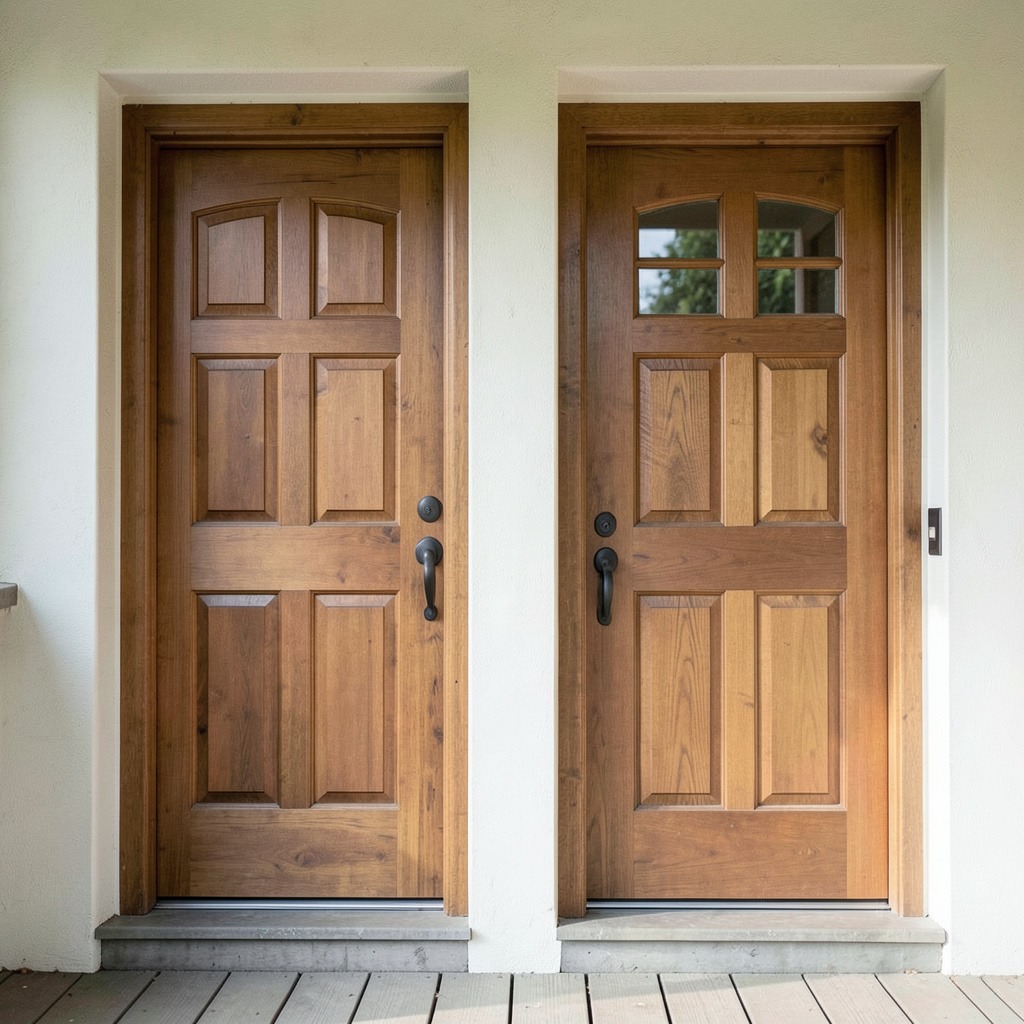
Understanding the cost implications of wood doors is essential for homeowners. This includes both the initial investment and ongoing maintenance expenses, along with potential returns on investment.
Initial Purchase Costs
The initial cost of wood doors varies significantly based on the type of wood and design. Here’s a quick breakdown:
- Solid Wood Doors: Typically range from $800 to $2,500. They offer unmatched durability and aesthetic appeal but come with a higher price tag.
- Engineered Wood Doors: These are generally less expensive, costing between $300 and $1,200. They are made from a veneer over a composite core, providing good durability at a lower cost.
- Custom Designs: Custom wood doors can exceed $3,000, depending on the intricacies of design and craftsmanship.
When budgeting, consider the long-term value. While solid wood doors are pricier upfront, their lifespan can justify the expense.
Long-Term Maintenance Expenses
Wood doors require regular maintenance to ensure longevity and aesthetic appeal. Here’s a typical maintenance schedule and associated costs:
- Staining and Sealing: Every 3-5 years. Costs range from $100 to $300, depending on door size and local labor rates.
- Inspection and Repairs: Annual inspections can identify issues like warping or cracking. Allocate $50 to $150 annually for minor repairs.
- Cleaning: Regular cleaning is necessary. Basic cleaning supplies cost approximately $20 annually.
Example Maintenance Checklist:
- Inspect for cracks or warping annually.
- Clean the door every 6 months.
- Reapply stain or sealant every 3-5 years.
These ongoing costs should be weighed against the door’s potential lifespan, which can exceed 30 years with proper care.
ROI Considerations
Investing in wood doors can enhance property value. A well-maintained wood door not only improves curb appeal but also provides a return on investment when selling your home. Homebuyers often view quality wood doors as a sign of a well-cared-for property, potentially increasing offers.
Decision Rule:
- If you plan to stay in your home long-term, the investment in quality wood doors is generally worthwhile.
- For short-term owners, consider the cost-benefit ratio regarding aesthetics and potential resale value.
By understanding these cost considerations, homeowners can make informed decisions about installing wood doors that align with their financial and aesthetic goals.
Security Features of Wood Doors
Wood doors offer significant security advantages due to their inherent strength and durability. When properly installed and equipped with the right hardware, they can provide robust protection for your home.
Strength and Durability
Wood doors are constructed from solid wood or engineered wood, making them difficult to breach. Their dense structure acts as a formidable barrier against intruders. Key aspects include:
- Solid Construction: Solid wood doors are made from a single piece or glued layers, minimizing weak points.
- Material Choice: Hardwoods like oak, maple, and mahogany offer superior resistance to forced entry compared to softer woods.
- Longevity: With regular maintenance, wood doors can last for decades, maintaining their structural integrity.
Enhancing Security with Hardware
To maximize the security of wood doors, consider the following hardware options:
- Deadbolts: Install high-quality deadbolts that extend deeply into the door frame. Choose models with a grade of 1 or 2 for optimal protection.
- Smart Locks: Integrate smart locking systems for added convenience and security. Many smart locks offer remote access and monitoring features.
- Reinforced Frames: Ensure the door frame is reinforced with strike plates and robust hinges. This reduces the chance of the door being forced open.
Installation Tips:
- Ensure that the door fits snugly within the frame to prevent gaps that can be exploited.
- Regularly check and maintain locks and hinges to ensure they function properly.
Security Checklist
- Choose Solid Wood: Opt for solid or engineered wood doors over hollow options.
- Invest in Quality Locks: Use high-grade deadbolts and consider smart locks for ease of use.
- Reinforce the Frame: Install strong strike plates and hinges.
- Regular Maintenance: Schedule routine checks for wear and tear on door hardware.
By focusing on these factors, homeowners can significantly enhance the security of wood doors, making them a reliable choice for protecting their property.
Comparing Wood Doors with Alternative Materials
When considering the best door option for your home, it’s essential to compare wood doors with fiberglass and steel doors. Each material has unique characteristics that affect maintenance, energy efficiency, aesthetics, and cost.
Wood vs. Fiberglass Doors
| Feature | Wood Doors | Fiberglass Doors |
|---|---|---|
| Maintenance | Requires periodic staining and sealing to prevent damage from elements. | Low maintenance; typically resistant to dents and scratches. |
| Energy Efficiency | Good insulation but can vary based on construction. | Excellent energy efficiency; often rated higher than wood. |
| Aesthetics | Offers a classic, warm appearance with natural variations. | Available in various styles but may lack the authentic feel of wood. |
Wood doors require regular upkeep to maintain their beauty and structural integrity. They provide a classic look, making them ideal for traditional homes. In contrast, fiberglass doors offer superior energy efficiency and ease of maintenance, making them suitable for modern homes.
Wood vs. Steel Doors
| Feature | Wood Doors | Steel Doors |
|---|---|---|
| Maintenance | Needs staining and sealing; susceptible to weather-related wear. | Minimal maintenance; resistant to warping and rust. |
| Energy Efficiency | Provides decent insulation, depending on the design. | Generally good insulation, especially with foam cores. |
| Aesthetics | Timeless appeal with a range of designs; customizable. | Limited design options; often less visually appealing. |
Steel doors are known for their durability and security, making them a popular choice for exterior entryways. However, they lack the aesthetic warmth of wood doors. Homeowners seeking a beautiful entryway might prefer wood, while those prioritizing security may lean towards steel.
Decision Insights
- Scenario for Wood: Choose wood doors if you value aesthetics and are willing to invest time in maintenance. They are ideal for traditional or custom home styles.
- Scenario for Fiberglass: Opt for fiberglass doors if energy efficiency and low maintenance are your priorities. They suit modern designs well.
- Scenario for Steel: Select steel doors if security and durability are your main concerns, especially for high-traffic or vulnerable entry points.
By understanding these differences, homeowners can make informed decisions tailored to their specific needs and preferences.
Conclusion: Are Wood Doors Right for You?
Choosing wood doors involves analyzing various factors that align with your lifestyle, budget, and climate. Understanding both the advantages and disadvantages can help you make an informed decision.
Key Considerations for Wood Doors
1. Aesthetic Appeal: Wood doors offer a timeless beauty that enhances your home’s exterior. They come in various styles, from classic to contemporary, allowing for customization.
2. Maintenance Requirements: Wood doors require regular maintenance to prevent warping and weather damage. In humid climates, consider a maintenance schedule that includes sealing and painting every few years.
3. Energy Efficiency: While wood provides good insulation, it may not be as energy-efficient as fiberglass or steel options. Evaluate your local climate to determine if wood’s insulating properties meet your needs.
4. Cost Breakdown: Solid wood doors can be expensive, often costing twice as much as other materials. Assess your budget to ensure you can accommodate the initial investment and ongoing maintenance.
5. Security Features: Solid wood doors provide enhanced security due to their sturdy construction. They are less susceptible to break-ins compared to hollow-core doors.
Decision Scenarios
- Choose Wood Doors When: You prioritize aesthetics and are prepared for routine upkeep. They work well in traditional homes or custom designs.
- Consider Alternatives When: Your focus is on energy efficiency and minimal maintenance. Fiberglass or steel might be better options for modern homes or extreme climates.
By weighing these factors, you can determine if wood doors align with your home’s needs and your personal preferences.
Frequently Asked Questions
These quick answers cover the most common questions about this topic, including key details, practical tips, and common concerns.
What is the average lifespan of a wooden door?
The average lifespan of a wooden door ranges from 30 to 50 years, depending on the quality of the wood, maintenance practices, and environmental conditions. Solid wood doors typically last longer than engineered wood doors. Regular maintenance, including sealing and staining, can significantly extend their lifespan.
Which material door is best for a home?
The best door material depends on your priorities. Wood doors offer classic aesthetics and good insulation but require regular maintenance. Fiberglass doors are energy-efficient and low-maintenance, making them ideal for modern homes. Steel doors provide durability and security but may lack the warmth of wood. Consider your budget, climate, and design preferences when choosing.
Are solid wood doors worth the investment?
Yes, solid wood doors are generally worth the investment due to their durability, aesthetic appeal, and potential to increase property value. They provide excellent insulation and can last for decades with proper care. However, they require regular maintenance, which can add to long-term costs. If you appreciate their beauty and are willing to invest in upkeep, solid wood doors are a great choice.
How do I maintain my wood door?
To maintain your wood door, follow these steps:
- Inspect annually for cracks, warping, or fading.
- Clean every six months with a mild detergent and soft cloth.
- Stain and seal every 1-2 years, or more frequently in humid climates. Start by cleaning the door, then apply a high-quality wood stain followed by a clear sealant.
Regular maintenance helps protect against moisture and UV damage, ensuring your door remains beautiful and functional.
What are the pros and cons of wood garage doors?
Wood garage doors offer aesthetic appeal, customization options, and good insulation. They enhance curb appeal and can be tailored to match your home’s style. However, they require significant maintenance to prevent warping and weather damage. Additionally, they can be more expensive than metal or fiberglass options. If you prioritize looks and are prepared for upkeep, wood garage doors can be a solid choice.
When should I replace a wood door?
Replace a wood door when you notice significant damage, such as extensive warping, cracks, or rot that cannot be repaired. If the door no longer seals properly, leading to drafts or energy loss, it may also be time for a replacement. Regular inspections can help you identify these issues early, allowing for timely replacements before they escalate.
Which is better for my home, a wood door or a metal door?
Choosing between wood and metal doors depends on your needs. Wood doors provide warmth and beauty, ideal for traditional homes, while metal doors offer superior durability and security. Metal doors require less maintenance and are often more energy-efficient. If aesthetics are crucial, wood might be your preference; for security and low upkeep, consider metal. Evaluate your priorities to make the best choice.