
Wood energy, derived from burning wood or wood products, offers renewable heating and power options but has both environmental benefits and drawbacks, including emissions and sustainability concerns that must be carefully managed.
Table of Contents
As an increasingly popular renewable energy source, wood energy presents both opportunities and challenges. This guide delves into the pros and cons of wood energy, providing a thorough understanding for those considering its use for heating or electricity generation.
Understanding Wood Energy: Definition and Types
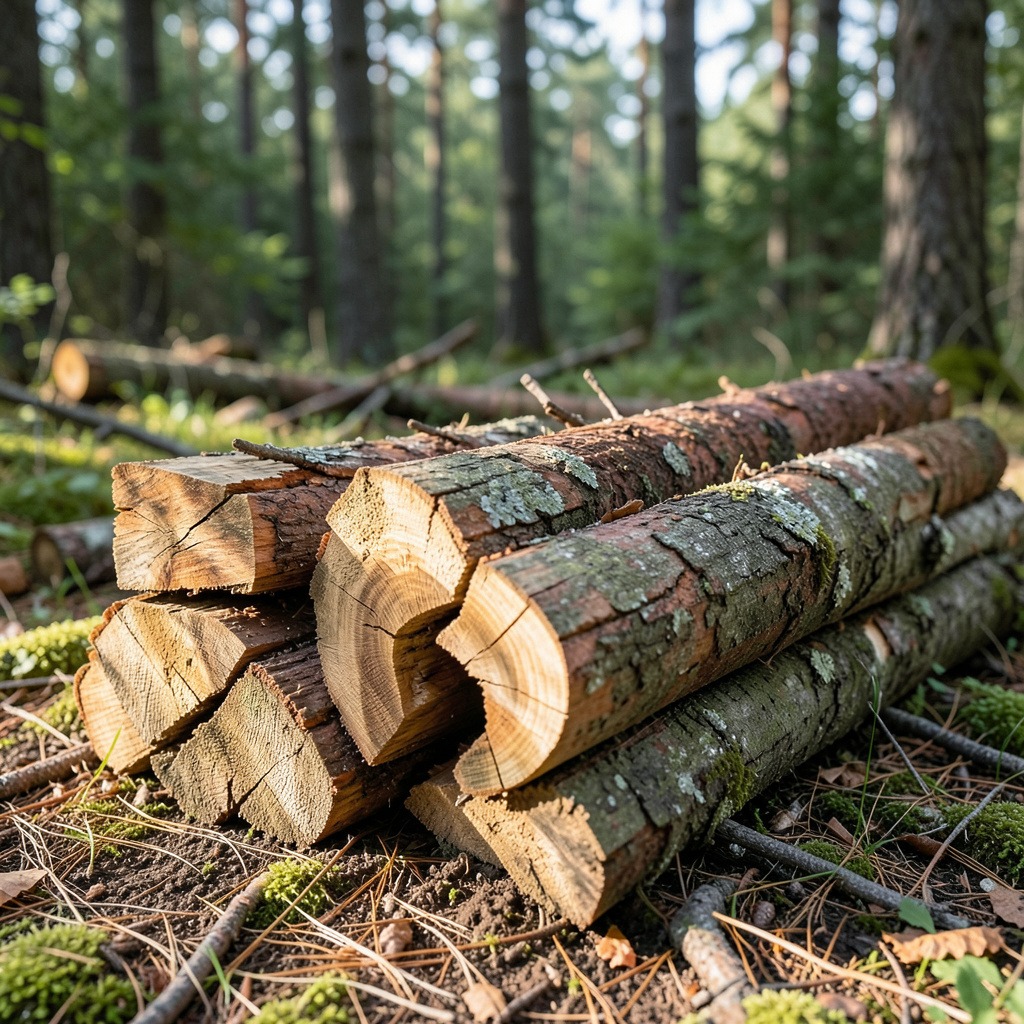
Wood energy refers to the energy produced from the combustion of wood and wood products. It serves as a significant source of renewable energy, used primarily for heating, cooking, and generating electricity. Wood energy is harnessed from various sources, including firewood, wood pellets, and biomass fuels.
What is Wood Energy?
Wood energy derives from the organic matter in trees and plants. When burned, this biomass releases energy in the form of heat. Importantly, wood energy can be part of a sustainable cycle. When trees are harvested responsibly and replaced through reforestation, the carbon released during combustion can be offset by new growth. This characteristic distinguishes wood energy from fossil fuels, which release ancient carbon stores into the atmosphere.
Types of Wood Energy Sources
1. Firewood: Traditional and widely used, firewood includes logs and branches that can be burned directly for heating.
2. Wood Pellets: Made from compressed sawdust and wood shavings, pellets are efficient and easy to transport. They are commonly used in specialized stoves and boilers.
3. Biomass Fuels: This category encompasses a range of organic materials, including agricultural residues and wood waste. It can be processed into various forms, such as chips, logs, or pellets, for energy production.
Role in Renewable Energy
Wood energy plays a crucial role in the transition to renewable energy. It accounted for approximately 44% of the world’s renewable energy supply as of 2020. Its utilization is particularly beneficial in regions with abundant forest resources. However, the sustainability of wood energy depends on effective forest management practices. Responsible harvesting ensures that the growth rate of forests exceeds the rate of wood extraction.
Key Considerations for Sustainable Wood Energy
- Sustainable Sourcing: Ensure that wood is harvested from managed forests that practice reforestation.
- Energy Efficiency: Modern wood energy systems, such as biomass gasification, can enhance efficiency and reduce emissions.
- Regulatory Frameworks: Governments must establish guidelines to promote sustainable practices in wood energy production.
By integrating wood energy into the renewable energy mix, communities can reduce reliance on fossil fuels while promoting environmental sustainability.
Environmental Benefits of Wood Energy
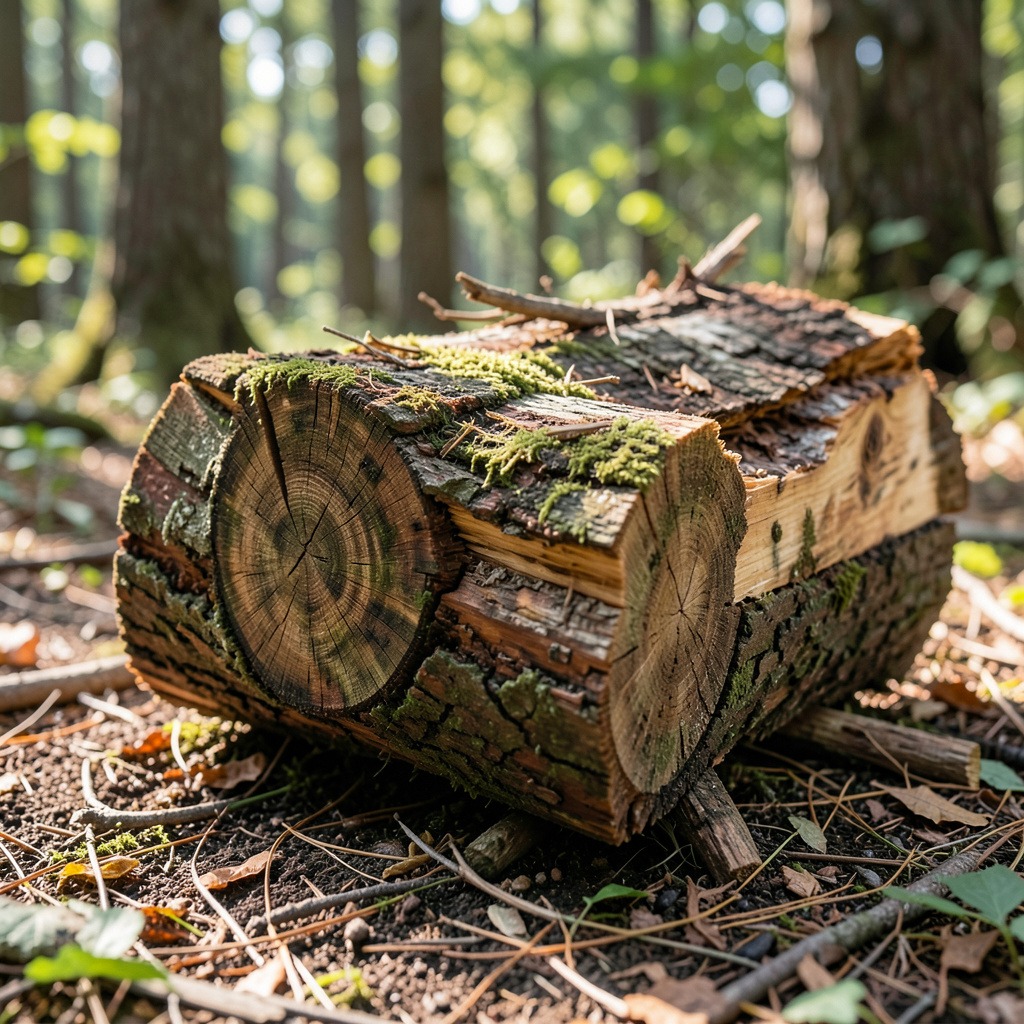
Wood energy presents notable environmental benefits, particularly when sourced sustainably. Its role in carbon neutrality and waste reduction contributes significantly to its appeal as a renewable resource.
Carbon Neutrality and the Carbon Cycle
Wood energy can be considered part of the current carbon cycle. When trees are harvested sustainably, they release carbon dioxide (CO2) during combustion. However, new tree growth absorbs this CO2, potentially offsetting emissions. Effective forest management practices are crucial to achieving carbon neutrality. A well-managed forest can become carbon neutral within decades. Conversely, mismanagement can extend this timeline, leading to increased emissions.
- Sustainable Harvesting: Regularly reassessing tree growth rates and ensuring reforestation helps maintain a balanced carbon cycle.
- Long-Term Benefits: Studies show that forests managed for wood energy can capture significant amounts of carbon over time, benefiting both the environment and climate.
Reducing Landfill Waste
Wood energy also helps reduce landfill waste. Utilizing wood waste, such as sawdust and wood chips, diverts materials from landfills. This practice not only minimizes waste but also promotes a circular economy in the wood industry.
- Waste Utilization: Converting wood waste into energy can provide a dual benefit of reducing landfill use while generating power.
- Community Impact: Community biomass programs that convert local wood waste into energy have been successful in various regions. For example, a community in Oregon has implemented a biomass facility that processes wood waste from local mills, reducing landfill contributions and providing clean energy.
Biodiversity and Ecosystem Benefits
Sustainable wood energy practices can enhance biodiversity and ecosystem health. By promoting responsible forest management, ecosystems can thrive while providing renewable energy.
- Habitat Preservation: Sustainable harvesting techniques can preserve habitats for various species, ensuring that forest ecosystems remain intact.
- Ecosystem Services: Healthy forests provide essential services, including clean air and water, soil stabilization, and climate regulation.
In summary, when implemented responsibly, wood energy not only serves as an alternative to fossil fuels but also offers significant environmental advantages, including carbon neutrality, waste reduction, and ecosystem preservation.
Economic Viability of Wood Energy
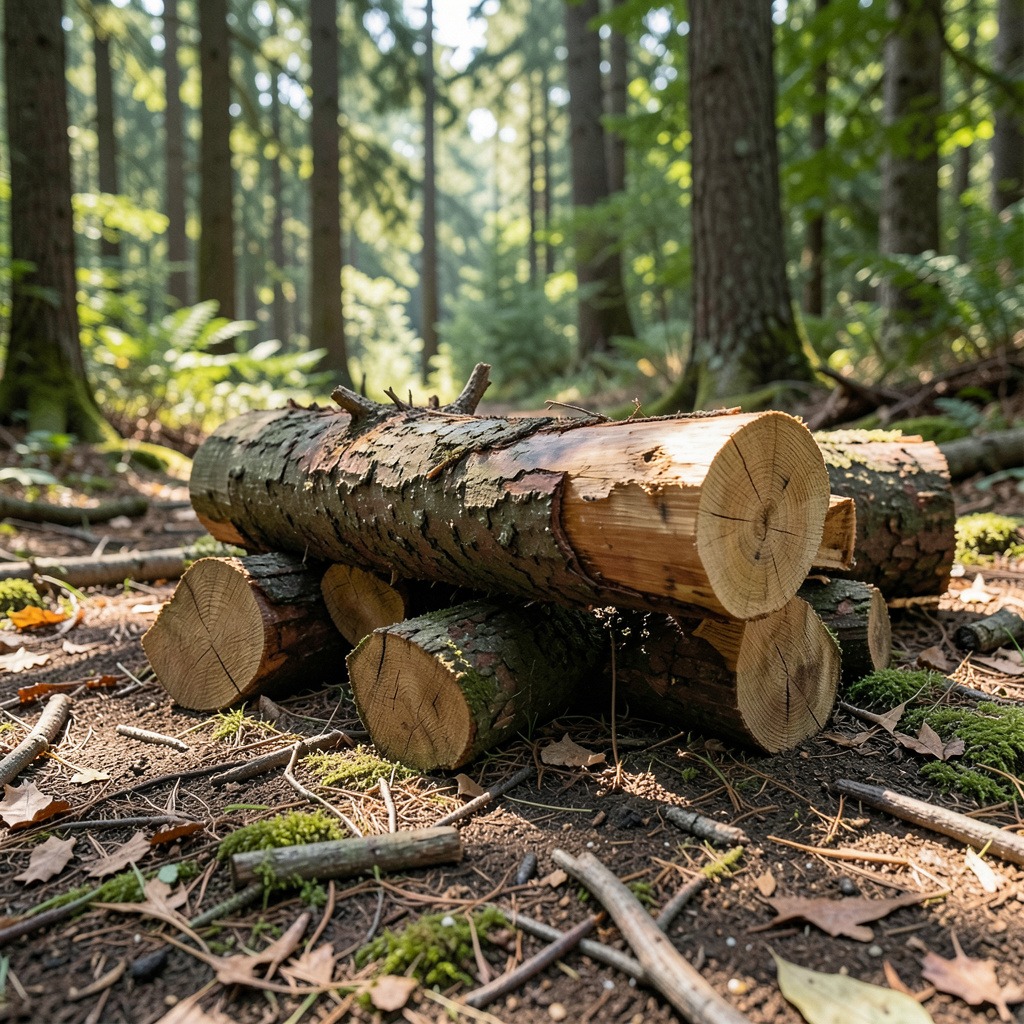
Wood energy presents a compelling economic case, particularly in regions rich in forest resources. It often competes favorably with traditional fossil fuels in terms of cost and job creation.
Cost Comparison with Fossil Fuels
The cost-effectiveness of wood energy can be significant. For instance, wood pellets typically range from $200 to $300 per ton, while fossil fuel prices fluctuate, impacting heating expenses. Here’s a quick comparison:
| Energy Source | Average Cost |
|---|---|
| Wood Pellets | $200 – $300 per ton |
| Natural Gas | Variable, often higher |
| Heating Oil | Typically $600+ per ton |
Wood energy stability can protect consumers from volatile fossil fuel markets.
Job Creation in the Wood Energy Sector
The wood energy sector is a substantial job creator. It supports numerous industries including forestry, manufacturing, and transportation. According to estimates, the forest products industry contributes around 1 million jobs and about $100 billion to the national economy. This job creation stems from:
- Forestry Operations: Sustainable harvesting creates jobs in tree planting and maintenance.
- Manufacturing: Production of wood pellets and other biomass fuels requires skilled labor.
- Transportation: Moving wood products to market generates additional employment opportunities.
Market Availability and Accessibility
Wood energy is widely available, particularly in regions with substantial forest coverage. The accessibility of wood as a resource enhances its viability as an energy source. Factors influencing market dynamics include:
- Local Supply: Many communities have access to locally sourced wood, reducing transportation costs.
- Regulatory Environment: Supportive policies can bolster the wood energy market, making it more attractive to consumers.
- Technological Innovations: Advances in efficient wood-burning technologies are making wood energy more accessible and appealing.
In summary, wood energy not only offers competitive pricing compared to fossil fuels but also fosters economic growth through job creation and local accessibility.
Environmental Concerns and Drawbacks of Wood Energy
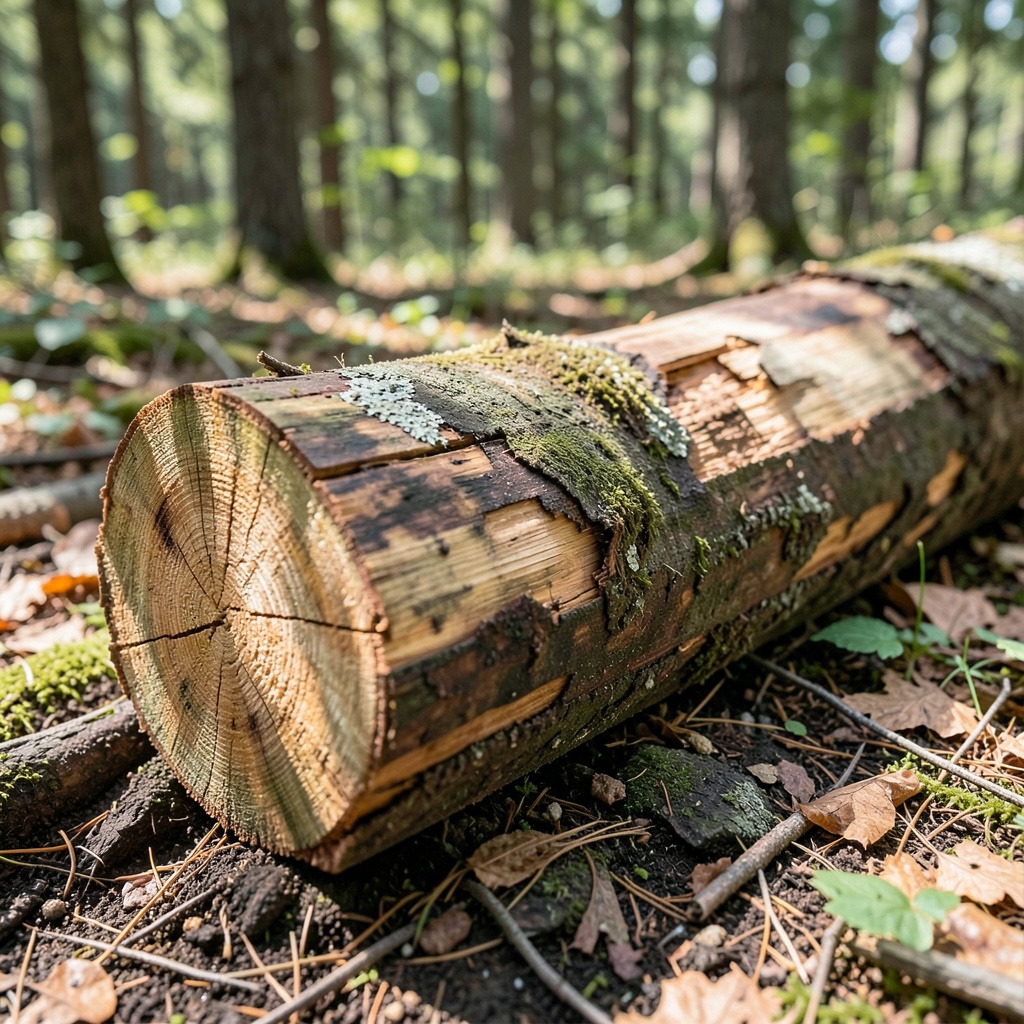
Wood energy presents several environmental challenges, particularly concerning emissions, pollution, and sustainability in forest management. Understanding these drawbacks is critical for evaluating the overall impact of wood energy as a renewable resource.
Emissions and Air Quality
Burning wood releases various pollutants that can harm air quality. Key emissions include:
- Particulate Matter (PM): Tiny particles that can penetrate the lungs and affect respiratory health.
- Volatile Organic Compounds (VOCs): Contribute to smog formation and can lead to health issues.
- Carbon Dioxide (CO2): While wood is part of the current carbon cycle, its combustion still emits CO2, impacting climate change efforts.
According to the U.S. Environmental Protection Agency, residential wood burning contributes to approximately 15% of total PM emissions in the U.S. This pollution can exacerbate respiratory illnesses and create significant public health challenges.
Forest Management Practices
Sustainable forest management is vital for minimizing the negative impacts of wood energy. Unsustainable logging practices can lead to:
- Deforestation: Loss of trees disrupts ecosystems and reduces biodiversity.
- Habitat Destruction: Wildlife habitats are compromised, which can lead to species extinction.
- Soil Degradation: Poor management can result in soil erosion and reduced soil health.
To combat these issues, best practices must be adopted. These include selective logging, replanting, and maintaining ecological integrity. A balanced approach ensures that wood energy remains a viable resource without jeopardizing forest ecosystems.
Health Risks Associated with Wood Burning
The health implications of wood energy use are significant. The emissions produced can lead to:
- Respiratory Problems: Increased rates of asthma and other lung diseases.
- Cardiovascular Issues: Long-term exposure to air pollutants can contribute to heart disease.
- Public Health Costs: The burden of health-related issues from wood smoke can strain healthcare systems.
Communities utilizing wood energy should implement measures to mitigate these risks. Utilizing advanced combustion technologies and promoting cleaner-burning practices can significantly reduce harmful emissions.
By addressing emissions, improving forest management, and understanding health impacts, stakeholders can better navigate the complexities of wood energy’s environmental concerns.
Technological Innovations in Wood Energy Production
Advancements in technology are transforming wood energy production. These innovations enhance efficiency and minimize environmental impacts, making wood energy a more viable renewable resource.
Efficient Combustion Technologies
Modern combustion technologies greatly improve the efficiency of wood energy systems. Traditional wood stoves operate at only 30-50% efficiency. In contrast, advanced models, such as EPA-certified wood stoves and modern wood boilers, can exceed 80% efficiency.
- EPA-Certified Stoves: Designed to burn wood more completely, significantly reducing emissions.
- Automated Feed Systems: Ensure consistent fuel supply, optimizing combustion and energy output.
- Combined Heat and Power (CHP) Systems: Utilize both heat and electricity from wood, enhancing overall energy efficiency.
Innovations in Biomass Processing
Biomass processing technologies focus on converting wood waste into energy more efficiently. These innovations not only improve efficiency but also contribute to sustainability.
- Gasification: Converts biomass into a gas that can be burned for energy, offering cleaner combustion.
- Pellet Production: Automated processes streamline the creation of wood pellets, making them more accessible and affordable.
- Smart Technology: Integrates monitoring systems that ensure sustainable harvesting practices and optimal resource allocation.
Future Trends in Wood Energy
The future of wood energy hinges on continuous technological advancements. Emerging trends show promise for further enhancing this renewable resource.
- Carbon Capture Technologies: Emerging systems aim to reduce carbon emissions from wood combustion, improving the overall environmental impact.
- Blockchain for Supply Chain Transparency: Enhances accountability in wood sourcing, ensuring sustainable practices.
- Research into Hybrid Systems: Combining wood energy with other renewable sources to create more efficient energy systems.
These advancements position wood energy as a critical player in the transition to renewable energy, balancing efficiency with environmental stewardship.
Comparisons: Wood Energy vs. Other Fuels
Wood energy presents a unique alternative to both fossil fuels and other renewable energy sources. Understanding its strengths and weaknesses can inform decisions about energy use and sustainability.
Wood Energy vs. Fossil Fuels
When comparing wood energy to fossil fuels, several factors come into play, including efficiency, emissions, and sustainability.
| Factor | Wood Energy | Fossil Fuels |
|---|---|---|
| Efficiency | 30-50% (traditional stoves), up to 80% (modern boilers) | Typically 90% or higher |
| Carbon Emissions | Can be carbon neutral when sourced sustainably | Releases long-stored carbon, contributing to climate change |
| Sustainability | Renewable if managed responsibly | Non-renewable, finite resources |
| Economic Viability | Competitive, especially in forest-rich areas | Prices fluctuate, can be volatile |
- Efficiency: Traditional wood stoves have lower efficiency compared to modern wood boilers, which achieve better performance. However, fossil fuel systems generally outperform wood energy in efficiency ratings.
- Emissions: Wood energy can be part of the current carbon cycle, whereas fossil fuels release greenhouse gases accumulated over millions of years. Sustainable harvesting of wood can mitigate emissions significantly.
- Sustainability: Wood energy is renewable and can be replenished through responsible forest management. In contrast, fossil fuels are finite and contribute to ecological degradation.
Wood Energy vs. Other Renewables
Wood energy also merits comparison with other renewable sources such as solar and wind.
| Factor | Wood Energy | Other Renewables |
|---|---|---|
| Resource Availability | Requires sustainable forest management | Solar and wind depend on location and climate |
| Energy Storage | Can be stored and used as needed | Storage technologies (batteries) still developing |
| Initial Setup Cost | Moderate, depending on local resources | High for solar panels and turbines |
| Carbon Footprint | Can be low with sustainable practices | Generally very low |
- Resource Availability: Wood energy is location-dependent but can be reliably sourced in areas with abundant forests. Other renewable sources may face limitations based on geographic and climatic factors.
- Energy Storage: Wood can be stored and utilized as needed, unlike solar and wind, which require advancements in energy storage technology to be fully effective.
- Initial Setup Cost: The cost of setting up wood energy systems can be competitive, while solar and wind systems often have higher initial investment needs.
Health Impact Comparisons
Wood energy can have notable health impacts, both positive and negative, when compared to fossil fuels.
- Air Quality: Burning wood can release particulate matter, which may affect air quality. However, modern stoves equipped with filtration systems can significantly reduce emissions.
- Indoor Pollution: Traditional wood stoves can contribute to indoor air pollution, which is a health risk. In contrast, fossil fuel combustion also poses health risks through emissions.
- Health Benefits: Sustainable wood energy can promote local economies and jobs, enhancing community health and resilience.
In summary, while wood energy presents some challenges, it offers distinct advantages over fossil fuels and other renewable resources, particularly when managed sustainably. Understanding these comparisons can guide more informed energy choices.
Conclusion: Is Wood Energy Right for You?
Wood energy offers both advantages and disadvantages. Understanding these elements is crucial for determining its suitability for your specific needs.
When to Consider Wood Energy
- Abundant Local Resources: If you live in an area with ample forests and sustainable management practices, wood energy may be a viable option.
- Economic Factors: Consider wood energy if you are looking for cost-effective heating solutions. It can often be cheaper than fossil fuels, especially when prices fluctuate.
- Environmental Awareness: If reducing your carbon footprint is a priority, wood energy can be a lower-emission alternative when sourced sustainably.
How to Use Wood Energy Effectively
- Select Efficient Technology: Invest in modern wood stoves or boilers that meet high efficiency standards. Look for units with at least 80% efficiency to maximize energy output.
- Source Sustainably: Ensure that your wood comes from certified sustainable sources. This practice supports forest health and reduces negative environmental impacts.
- Monitor Air Quality: Use air quality monitoring tools to assess emissions from wood burning. Choose to burn wood during favorable weather conditions to minimize pollution.
Checklist for Evaluating Wood Energy
1. Local Availability: Is wood readily available in your area?
2. Cost Comparison: How do wood energy costs stack up against current fossil fuel prices?
3. Sustainability Practices: Are there local regulations ensuring sustainable harvesting?
4. Health Considerations: Have you assessed the impact of wood smoke on indoor and outdoor air quality?
5. Technological Solutions: Are you using modern, efficient technologies to minimize emissions?
By weighing these factors, you can make informed decisions about whether wood energy aligns with your energy needs and environmental values.
Frequently Asked Questions
These quick answers cover the most common questions about this topic, including key details, practical tips, and common concerns.
Does wood hold spiritual energy?
Wood is often associated with various spiritual beliefs and practices. Many cultures view trees and wood as symbols of life, growth, and connection to nature. In some traditions, wood is believed to carry energy that can be harnessed for healing or meditation. However, this belief is subjective and varies widely among different cultures and individuals.
Is burning wood cheaper than electric?
Burning wood can often be cheaper than electric heating, depending on local wood prices and electricity rates. For instance, wood pellets typically cost between $200 to $300 per ton, while electricity costs can fluctuate significantly. If you have access to low-cost or free firewood, using wood energy can lead to substantial savings on heating bills.
Is it healthier to burn wood or coal?
Burning wood is generally considered healthier than burning coal. While both produce emissions, wood smoke can be less harmful if using modern, efficient wood stoves. Coal combustion releases more harmful pollutants, including heavy metals and sulfur dioxide. However, wood smoke can still affect air quality, so using cleaner-burning technologies is essential.
Is wood smoke worse than cigarette smoke?
Wood smoke and cigarette smoke both contain harmful particulate matter and volatile organic compounds. However, studies suggest that wood smoke can be more toxic than cigarette smoke due to higher levels of certain pollutants. Prolonged exposure to either can have negative health effects, making it important to minimize exposure to wood smoke, especially in enclosed spaces.
What are the main benefits of using wood energy?
The primary benefits of wood energy include its renewability and potential for carbon neutrality when sourced sustainably. It can reduce landfill waste by utilizing wood byproducts and supports local economies through job creation in forestry and manufacturing. Additionally, wood energy can provide a reliable heating source, particularly in areas rich in forest resources.
What are the environmental concerns associated with wood energy?
Key environmental concerns include emissions from burning wood, which can contribute to air pollution and respiratory health issues. Unsustainable forest management practices can lead to deforestation, habitat destruction, and soil degradation. To mitigate these impacts, it’s crucial to adopt sustainable harvesting practices and use advanced combustion technologies.
When is wood energy a viable option?
Wood energy is a viable option in regions with abundant forest resources and established sustainable harvesting practices. It is particularly suitable in areas where fossil fuel prices are high or volatile. Additionally, wood energy can be a good choice for those seeking to reduce their carbon footprint and support local economies through renewable energy sources.
What are alternatives to wood energy for heating?
Alternatives to wood energy include solar heating, geothermal energy, and natural gas. Solar heating systems use solar panels to capture sunlight, while geothermal systems utilize the earth’s heat. Natural gas is often considered a cleaner fossil fuel option. Each alternative has its advantages and disadvantages, so it’s essential to consider factors like availability, cost, and environmental impact when choosing a heating source.