
Wood exterior doors offer unmatched aesthetic appeal and insulation but require regular maintenance and may be less secure and energy-efficient than other materials.
Table of Contents
Choosing the right exterior door is crucial for both functionality and aesthetics. Wood exterior doors can enhance your home’s curb appeal but come with specific challenges. This guide explores the key pros and cons to help you make an informed decision.
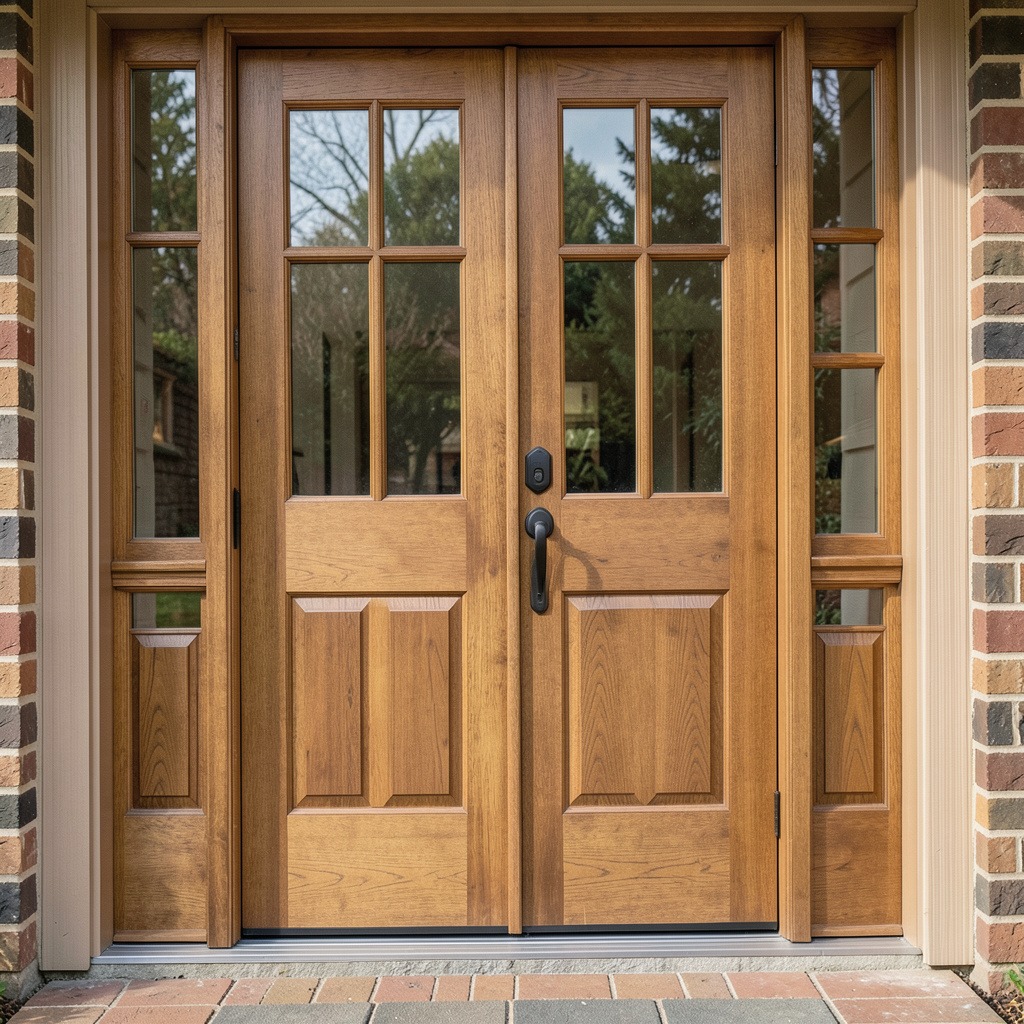
Understanding Wood Exterior Doors and Their Appeal
Wood exterior doors offer a unique blend of beauty and functionality, making them a popular choice among homeowners. Their aesthetic appeal and versatility in design can significantly enhance a home’s curb appeal.
The Unique Aesthetic of Wood
Wood doors are renowned for their natural beauty and warmth. They provide a classic, timeless look that complements various architectural styles. From traditional to modern homes, wood doors can enhance the overall aesthetic.
- Natural Grain Patterns: Each wood type features distinct grain patterns, adding character.
- Color Variability: Wood can be stained or painted, allowing homeowners to match their doors to their exterior color palette.
- Textural Variety: Options range from smooth finishes to rustic textures, catering to diverse design preferences.
Customization Options for Homeowners
One of the standout features of wood exterior doors is the vast array of customization options available. Homeowners can tailor their doors to reflect personal style and meet functional needs.
- Design Flexibility: Wood doors can be shaped into various styles, from simple panels to elaborate carvings.
- Glass Inserts: Decorative glass panels can be integrated, enhancing light entry while maintaining privacy.
- Hardware Choices: Custom hardware options, such as handles and hinges, can further personalize the door’s appearance.
Types of Wood Used in Exterior Doors
The type of wood selected can influence both the door’s durability and aesthetic appeal. Here are some popular choices:
- Mahogany: Known for its rich color and durability, mahogany is a premium option that resists warping.
- Oak: Oak features prominent grain patterns and is highly durable, making it suitable for heavy-use doors.
- Pine: A more affordable choice, pine can be easily stained or painted but requires regular maintenance to prevent damage.
When selecting a wood type, consider local climate conditions and maintenance requirements. For instance, homes in humid climates may benefit from dense woods like mahogany, which naturally resist moisture.
By understanding the unique qualities of wood exterior doors, homeowners can make informed choices that enhance their home’s aesthetics while considering long-term functionality.
The Benefits of Wood Exterior Doors
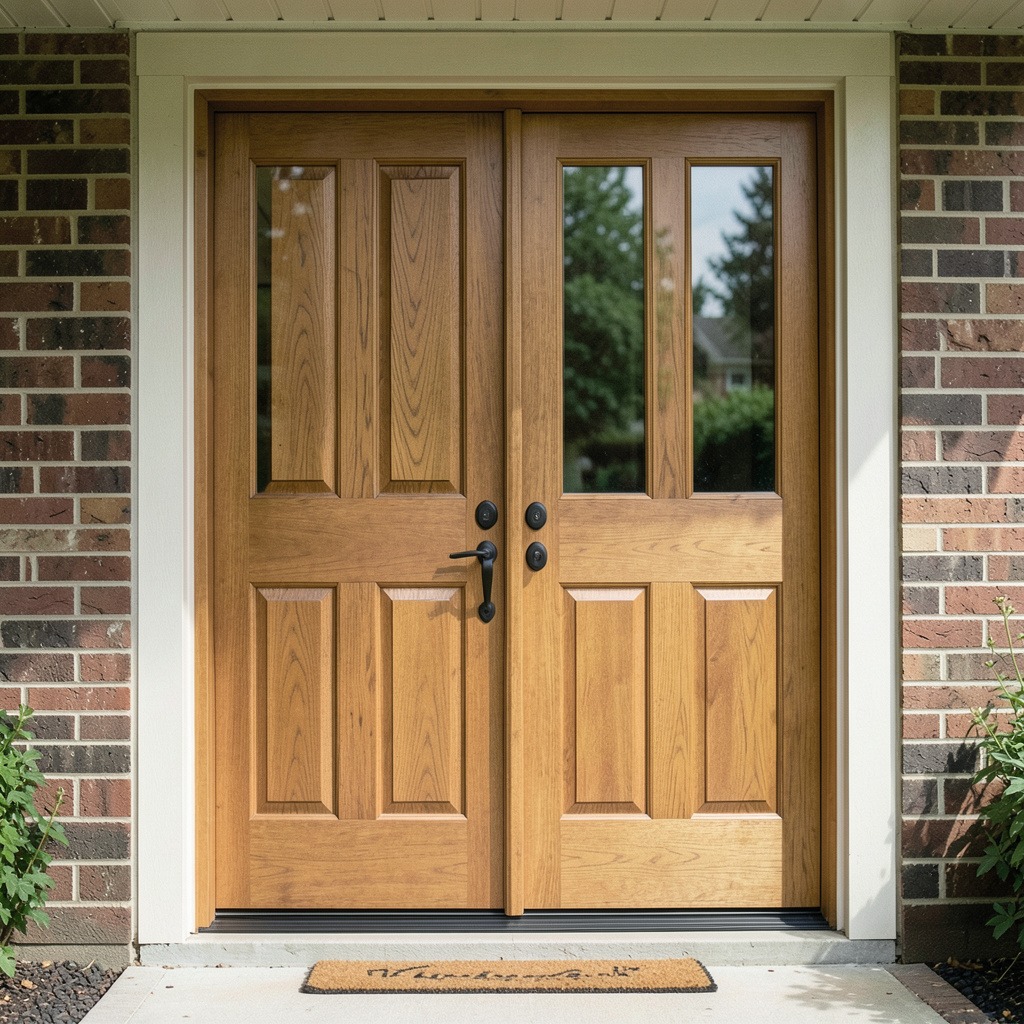
Wood exterior doors offer a range of compelling advantages that enhance both the aesthetics and functionality of your home. Their natural beauty, durability, and energy efficiency make them a popular choice among homeowners.
Unmatched Visual Appeal
Wood doors provide a timeless aesthetic that enhances curb appeal. The natural grain patterns and rich colors of wood create a warm and inviting entrance. Homeowners can choose from various styles, from classic to contemporary, allowing for customization that suits their personal taste. For instance, a mahogany door can add a touch of luxury, while a rustic pine door can complement a country-style home.
Natural Insulation Properties
Wood is an excellent insulator, significantly outperforming materials like metal and glass. Its natural density helps to maintain indoor temperatures, reducing energy costs. According to studies, wood doors can be up to 15% more energy-efficient than fiberglass or steel options. This efficiency is particularly beneficial in climates with extreme temperatures. Properly sealed and maintained wood doors can further enhance energy conservation by minimizing heat transfer.
Eco-Friendliness of Wood
Choosing wood exterior doors can have positive environmental implications. Wood is a renewable resource, especially when sourced from sustainably managed forests. Unlike synthetic materials, wood doors have a lower carbon footprint during production. Moreover, wood doors contribute to carbon sequestration, helping to mitigate climate change. For homeowners seeking eco-friendly options, selecting FSC-certified wood can ensure responsible sourcing.
Summary of Benefits
- Aesthetic Value: Timeless designs and customizable options.
- Durability: Strong and long-lasting with proper care.
- Energy Efficiency: Superior insulation properties reduce energy costs.
- Environmental Impact: Renewable and sustainable resource.
By considering these benefits, homeowners can make informed decisions while weighing the pros and cons of wood exterior doors.
The Drawbacks of Wood Exterior Doors
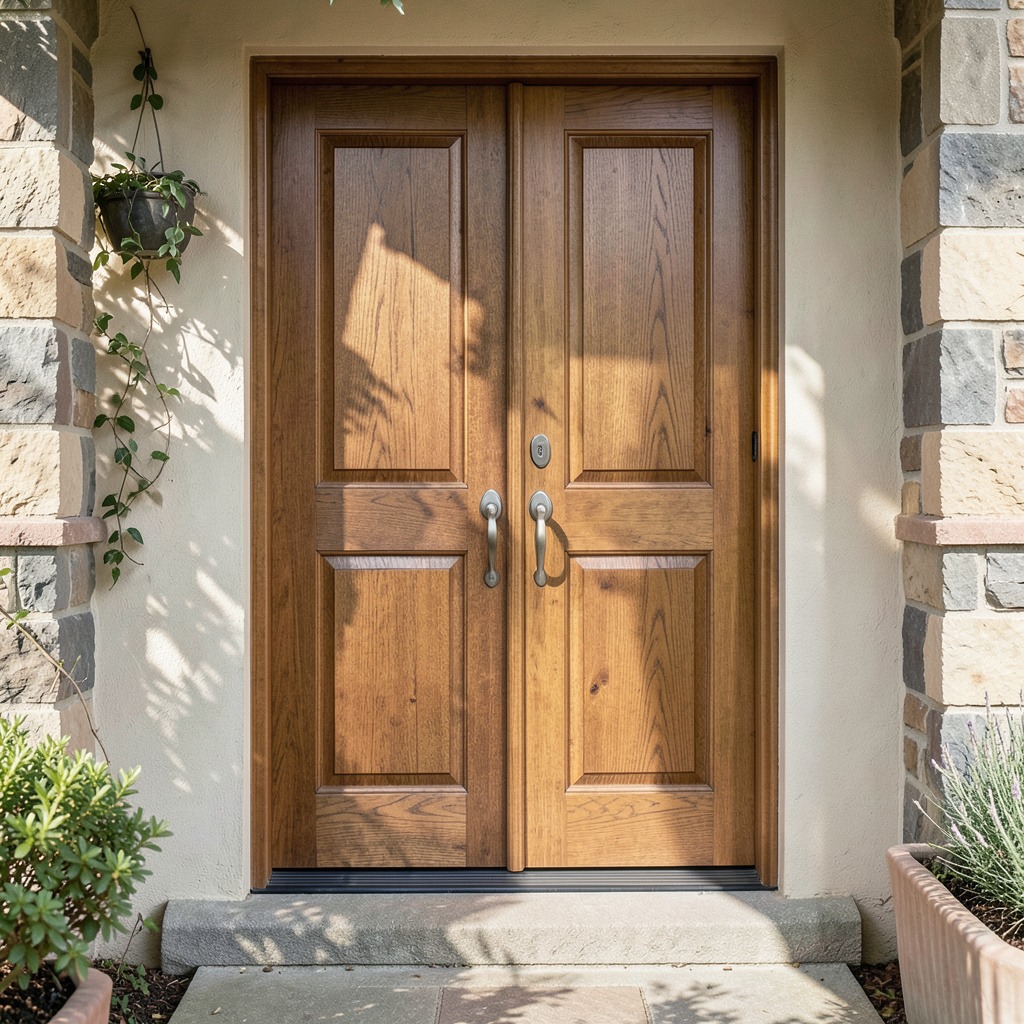
While wood exterior doors offer numerous advantages, they also come with notable drawbacks. Homeowners must consider maintenance needs, susceptibility to weather, and overall costs before making a decision.
Maintenance Requirements
Wood doors require regular upkeep to maintain their appearance and functionality. Here are key maintenance tasks:
- Staining and Sealing: Regularly apply stain or sealant to protect against moisture and UV damage.
- Inspection: Routinely check for signs of warping, cracking, or loose hardware.
- Cleaning: Clean the surface periodically to prevent dirt accumulation and deterioration.
Ignoring maintenance can lead to costly repairs or replacements. For example, a door left unsealed may warp after a few years, ultimately necessitating replacement. Establishing a maintenance schedule tailored to your climate can help prolong the life of your door.
Vulnerability to Weather Conditions
Wood is susceptible to various weather conditions. Its performance can be compromised by:
- Moisture: Excess humidity can lead to swelling or warping.
- Temperature Fluctuations: Extreme heat or cold can cause cracking.
- Sun Exposure: UV rays can fade the color and finish over time.
Homeowners in regions with high humidity or significant temperature changes should be particularly cautious. Selecting a high-quality sealant and adhering to routine maintenance can mitigate some of these effects.
Higher Initial and Long-Term Costs
Wood exterior doors typically have higher upfront costs compared to alternatives like fiberglass or steel. Here’s a breakdown:
- Initial Costs: Solid wood doors can range from $500 and up, while engineered wood options start around $200.
- Long-Term Maintenance Costs: Over the lifespan of a wood door, costs can accumulate due to regular maintenance, which may include staining every few years and repairs for weather-related damage.
For a comprehensive cost analysis, consider creating a comparison chart that includes:
| Door Type | Initial Cost | Average Maintenance Cost (per year) | Lifespan (years) |
|---|---|---|---|
| Solid Wood | $500+ | $100 | 30+ |
| Engineered Wood | $200 | $75 | 20+ |
| Fiberglass | $300 | $50 | 30+ |
| Steel | $250 | $40 | 30+ |
This cost analysis can guide homeowners in making informed decisions based on their budget and long-term goals.
Climate Considerations for Wood Exterior Doors
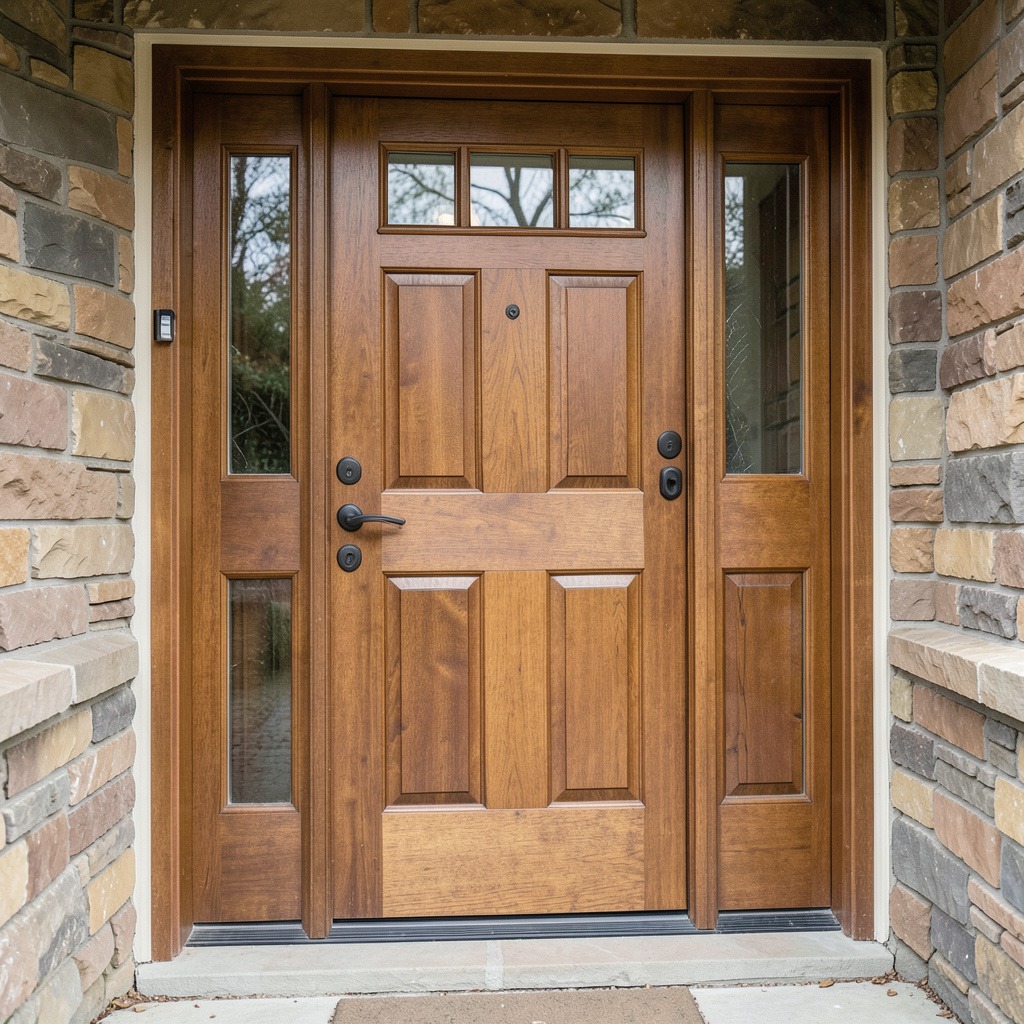
Climate plays a crucial role in determining the performance and longevity of wood exterior doors. Homeowners must consider regional weather conditions when selecting the right type of wood door for their homes.
Ideal Climates for Wood Doors
Wood doors thrive in moderate climates. Here are some ideal conditions:
- Dry Climates: Wood performs well in dry environments, reducing the risk of warping and cracking.
- Mild Temperatures: Regions with mild winters and summers help maintain the door’s integrity and appearance.
- Low Humidity: Areas with low humidity levels minimize moisture-related issues, enhancing durability.
Example: Homeowners in areas like the Southwest U.S., characterized by dry and warm weather, can confidently choose solid wood doors for their resilience.
Conditions to Avoid
Certain climates pose challenges for wood doors. Homeowners should be cautious in the following conditions:
- High Humidity: Humid regions can lead to mold growth and premature deterioration.
- Coastal Areas: Saltwater and moisture can accelerate wood decay without proper treatments.
- Extreme Temperature Fluctuations: Areas with significant temperature swings can cause wood to expand and contract, leading to structural issues.
Checklist: Before installation, assess the climate’s potential impact on wood doors. Consider factors like:
- Average humidity levels
- Proximity to coastlines
- Seasonal temperature variations
Maintenance Tips for Various Climates
Maintenance requirements differ based on climate. Here’s a guide:
- Dry Climates: Regularly apply sealants to prevent cracking. Inspect for UV damage.
- Humid Climates: Increase inspection frequency. Use mildew-resistant treatments and sealants.
- Cold Climates: Focus on insulation properties. Ensure proper sealing to prevent heat loss.
Decision Framework: When choosing wood types, consider:
1. Local Climate: Identify your region’s weather patterns.
2. Wood Species: Select durable species like mahogany for humid areas or oak for dry climates.
3. Maintenance Commitment: Evaluate your willingness to maintain the wood door based on the selected climate.
By understanding these climate considerations, homeowners can make informed decisions about their wood exterior doors, ensuring both aesthetic appeal and long-lasting durability.
Comparative Analysis: Wood vs. Other Exterior Door Materials
When considering exterior doors, homeowners often weigh wood against fiberglass and steel. Each material has distinct advantages and disadvantages that influence aesthetics, security, energy efficiency, and cost.
Wood vs. Fiberglass Doors
Pros of Wood Doors:
- Aesthetic Appeal: Wood doors offer timeless beauty and can be customized with various finishes.
- Insulation: Wood provides excellent thermal insulation, reducing energy costs.
- Security: Solid wood doors are robust and difficult to break through.
Cons of Wood Doors:
- Maintenance: Requires regular staining and sealing to protect against the elements.
- Cost: Generally more expensive upfront compared to fiberglass options.
Pros of Fiberglass Doors:
- Durability: More resistant to weather and won’t warp, crack, or rot.
- Low Maintenance: Minimal upkeep required; often just occasional cleaning.
- Energy Efficiency: High-quality fiberglass doors can offer excellent insulation.
Cons of Fiberglass Doors:
- Aesthetic Limitations: While they can mimic wood, they may lack the authentic look and feel.
- Less Secure: Generally not as strong as solid wood doors.
Wood vs. Steel Doors
Pros of Wood Doors:
- Natural Insulation: Wood’s density helps maintain indoor temperatures.
- Design Versatility: Available in various styles and can be easily customized.
Cons of Wood Doors:
- Susceptibility to Elements: Wood can expand, contract, and warp due to humidity changes.
- Higher Initial Cost: Solid wood doors can be significantly more expensive than steel doors.
Pros of Steel Doors:
- Security: Steel doors are extremely strong and provide superior protection against intruders.
- Cost-Effective: Generally less expensive than wood doors.
Cons of Steel Doors:
- Poor Insulation: Steel conducts heat, which can lead to higher energy costs.
- Limited Aesthetics: Fewer design options and can be prone to dents and scratches.
Comparison Table
| Feature | Wood Doors | Fiberglass Doors | Steel Doors |
|---|---|---|---|
| Aesthetic Appeal | High (custom finishes available) | Moderate (wood-like finishes) | Low (limited design options) |
| Energy Efficiency | Good | Excellent | Moderate (heat conduction) |
| Maintenance | High (requires regular care) | Low (easy to clean) | Low (minimal upkeep) |
| Security | Good (solid construction) | Moderate (strength varies) | Excellent (very secure) |
| Cost | High (upfront investment) | Moderate | Low (affordable options available) |
Decision Framework for Choosing Door Materials
When deciding between wood, fiberglass, or steel doors, consider the following factors:
1. Aesthetic Preference: Do you prioritize the traditional beauty of wood or the sleek look of steel?
2. Local Climate: Is your region prone to humidity or extreme temperatures?
3. Maintenance Willingness: Are you ready to commit to regular upkeep for a wood door?
4. Security Needs: Do you require maximum security for your home?
By evaluating these considerations, homeowners can make informed decisions that align with their needs and preferences.
Conclusion: Making the Right Choice for Your Home
Selecting the right exterior door is pivotal for enhancing your home’s functionality and aesthetics. Wood exterior doors offer unique advantages, but they also come with specific drawbacks. Understanding these elements will help you make an informed choice.
Key Considerations
1. Aesthetic Appeal: Wood doors provide a classic, elegant look that can enhance the curb appeal of any home.
2. Energy Efficiency: Their natural insulating properties can help maintain indoor temperatures, potentially lowering energy costs.
3. Maintenance Needs: Wood doors require regular upkeep to protect against moisture, warping, and insect damage.
4. Security Features: Solid wood doors offer robust security but may be less secure than fiberglass or steel options.
5. Cost Analysis: Initial costs can be high, and ongoing maintenance adds to the overall investment.
Personalizing Your Choice
To tailor your choice to your specific needs, consider the following framework:
- Climate Suitability: If you live in a humid area, engineered wood may provide better resistance than solid wood.
- Design Preferences: Assess your home’s architectural style. Choose a wood door that complements it, whether traditional or modern.
- Security Requirements: If security is paramount, consider the thickness and construction of the wood door.
Example Decision Rule:
- For high humidity: Choose engineered wood with a protective finish.
- For maximum aesthetic: Opt for a custom solid wood door with decorative features.
- For minimal maintenance: Explore fiberglass alternatives that mimic wood.
Final Thoughts
Weighing these factors will guide you in choosing a wood exterior door that meets your home’s needs. Remember, the right door not only enhances your home’s style but also contributes to its security and energy efficiency. Use the insights above to navigate the decision-making process effectively.
Frequently Asked Questions
These quick answers cover the most common questions about this topic, including key details, practical tips, and common concerns.
What type of door is best for an exterior door?
The best type of exterior door depends on your specific needs, including aesthetics, security, and climate. Wood doors are ideal for those seeking natural beauty and customization options. Fiberglass doors offer low maintenance and durability, while steel doors provide maximum security. Consider factors like energy efficiency and the local climate when making your choice.
What are the drawbacks of a wooden front door?
Wooden front doors require regular maintenance to prevent issues like warping, cracking, and fading. They are also more susceptible to weather-related damage compared to fiberglass or steel doors. Additionally, wood doors can have a higher initial cost and may not offer the same level of security as steel options.
What is the average lifespan of a wooden door?
The average lifespan of a well-maintained wooden door is typically 30 years or more. However, this can vary based on factors such as the type of wood, climate conditions, and maintenance frequency. Regular sealing and staining can significantly extend the door’s life.
How often should wood exterior doors be maintained?
Wood exterior doors should be inspected at least once a year. This includes checking for signs of wear, such as cracks or loose hardware. Depending on your climate, you may need to reseal or repaint every 3-5 years to protect against moisture and UV damage.
What types of wood are best for exterior doors?
The best types of wood for exterior doors include mahogany, oak, and Douglas fir. Mahogany is known for its durability and resistance to warping, while oak offers a strong, classic look. Pine is a more affordable option but requires more maintenance to prevent damage.
How to choose the right door material?
To choose the right door material, consider your priorities: aesthetics, security, energy efficiency, and maintenance. Evaluate your local climate and how it affects door performance. For example, if you live in a humid area, you might prefer engineered wood or fiberglass for better moisture resistance.
When is the best time to install a new door?
The best time to install a new door is during mild weather, typically in spring or fall. Avoid extreme temperatures, as they can affect the door’s fit and finish. Installing during these seasons allows for better sealing and reduces the risk of moisture-related issues.
What are the best alternatives to wood doors?
The best alternatives to wood doors include fiberglass and steel doors. Fiberglass doors are low-maintenance, energy-efficient, and can mimic the look of wood. Steel doors offer superior security and durability at a lower cost. Each alternative has its own pros and cons, so consider your specific needs when choosing.