
Wood-fired hot tubs offer a unique outdoor soaking experience, combining rustic charm with eco-friendly heating.
Table of Contents
Wood-fired hot tubs are a growing trend for those seeking a natural and relaxing way to enjoy outdoor soaking. However, understanding their pros and cons is essential for making an informed decision about whether they fit your lifestyle and needs.
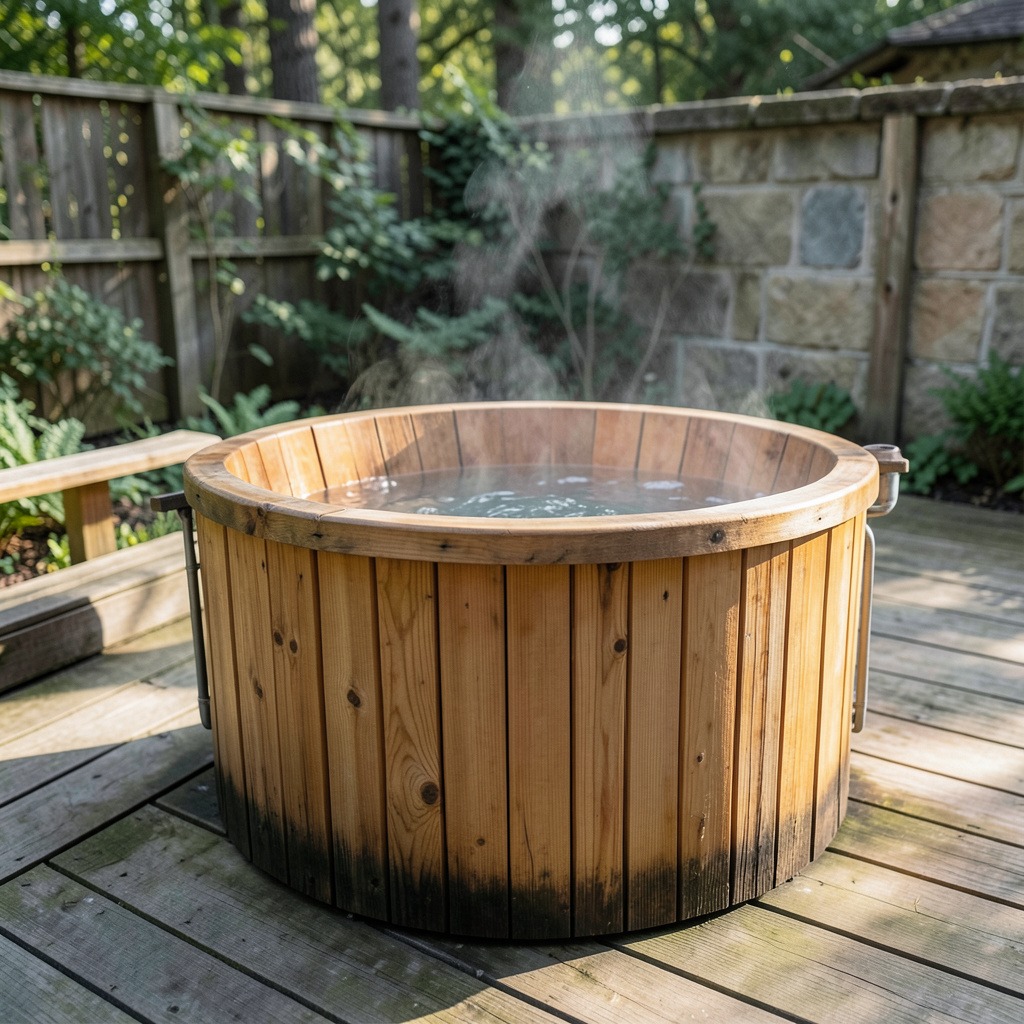
Understanding Wood Fired Hot Tubs
A wood-fired hot tub is a traditional soaking vessel heated by burning wood. This eco-friendly option provides a unique outdoor experience, utilizing natural materials to create warmth and comfort.
Components of a Wood Fired Hot Tub
Wood-fired hot tubs typically consist of several key components:
- Tub Body: Usually made from durable woods like cedar or redwood, which resist decay.
- Wood Stove: This is the heat source, typically located inside or alongside the tub. The stove heats the water directly.
- Water Circulation System: Some models include a pump to circulate water, ensuring even heating.
- Insulation: Many tubs feature insulation to help retain heat, improving efficiency.
How Does It Operate?
1. Filling the Tub: Fill the tub with water, ensuring it covers the stove.
2. Starting the Fire: Light a fire in the wood stove. This process usually takes about 1 to 2 hours to heat the water to a comfortable temperature.
3. Monitoring Temperature: Use a thermometer to monitor the water temperature. Adjust the fire as necessary.
4. Safety Practices: Ensure proper ventilation and monitor the fire during use.
Benefits of Wood Fired Hot Tubs
- Natural Heating: They provide warmth without relying on electricity, making them suitable for off-grid locations.
- Aesthetic Appeal: The natural wood finish enhances outdoor spaces.
- Longevity: With proper care, these hot tubs can last longer than electric models.
Maintenance Considerations
Regular maintenance is crucial for optimal performance. Here are some key tasks:
- Weekly Cleaning: Remove debris and scrub the tub interior.
- Monthly Inspections: Check the wood for signs of wear and the stove for any blockages.
- Seasonal Care: Winterize the hot tub if not in use, draining water to prevent freezing.
For those looking to enhance their wood-fired hot tub experience, consider investing in a Wood-Fired Hot Tub Accessory Kit for added convenience and enjoyment.
Benefits of Wood Fired Hot Tubs
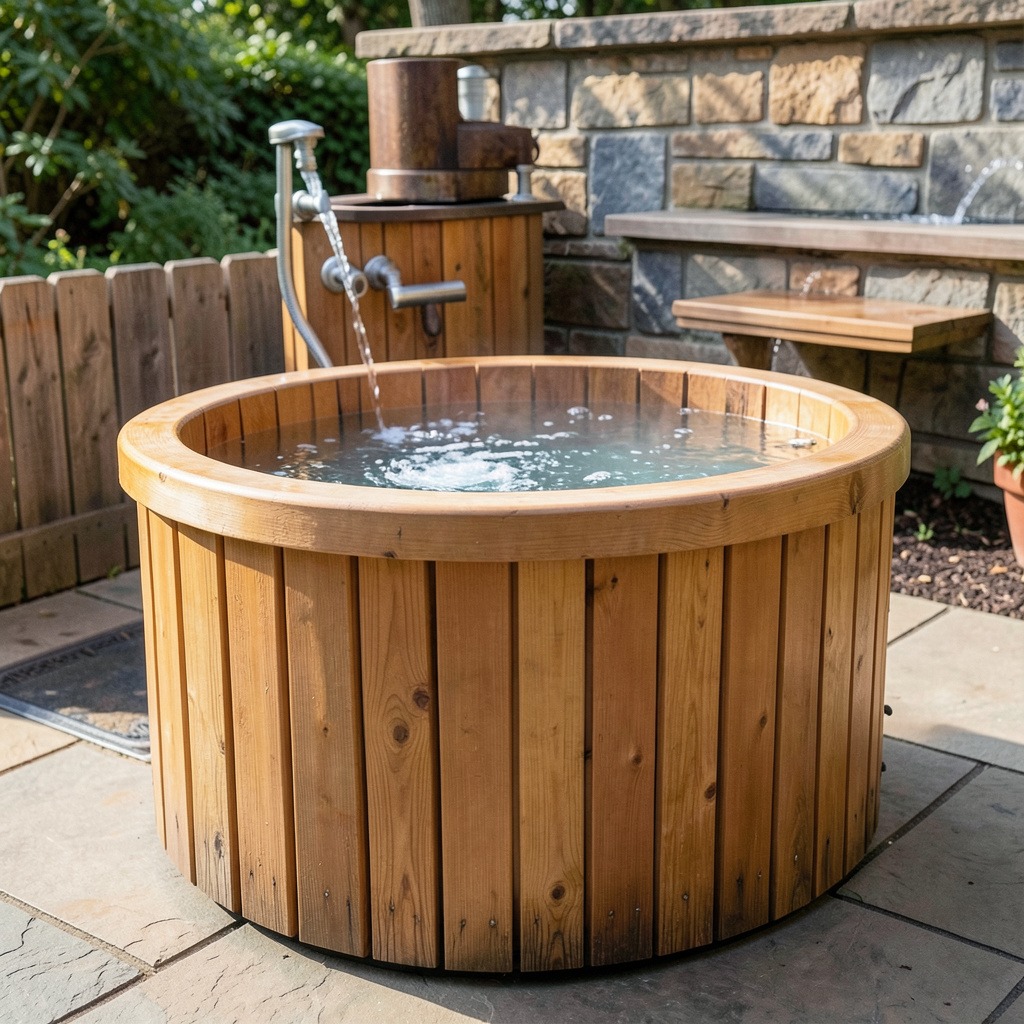
Wood-fired hot tubs offer several advantages that can enhance your relaxation experience. Their unique heating method and natural materials make them a compelling option for many homeowners. Below are some key benefits to consider.
Cost-Effective Operation
One of the most significant advantages of wood-fired hot tubs is their cost-effectiveness. The initial purchase price can be lower than that of electric models. Additionally, operating costs tend to be reduced due to:
- Lower Energy Bills: Wood is often cheaper than electricity, leading to ongoing savings.
- Minimal Maintenance Costs: With regular upkeep, these tubs can last longer, reducing the need for frequent replacements.
Quick Heating Times
Wood-fired hot tubs can reach comfortable temperatures quickly. Most models heat water to around 100°F (38°C) in 30 minutes to an hour, depending on the size and type of wood used. This rapid heating is especially beneficial for spontaneous soaks.
- Direct-Fired Systems: These systems typically heat water faster but require more frequent cleaning.
- Indirect-Fired Systems: While slower to heat, they offer better temperature control and easier maintenance.
Eco-Friendly Heating Source
Wood-fired hot tubs use a renewable energy source, making them a more environmentally friendly option compared to electric hot tubs. Benefits include:
- Sustainability: Utilizing locally sourced wood reduces your carbon footprint.
- Reduced Energy Consumption: Wood-burning systems consume less energy overall, especially when compared to electric models, which rely on grid power.
In summary, the combination of cost savings, efficient heating, and eco-friendliness makes wood-fired hot tubs an attractive choice for many. For an enhanced experience, consider a Wood-Fired Hot Tub Accessory Kit.
2. Drawbacks of Wood Fired Hot Tubs
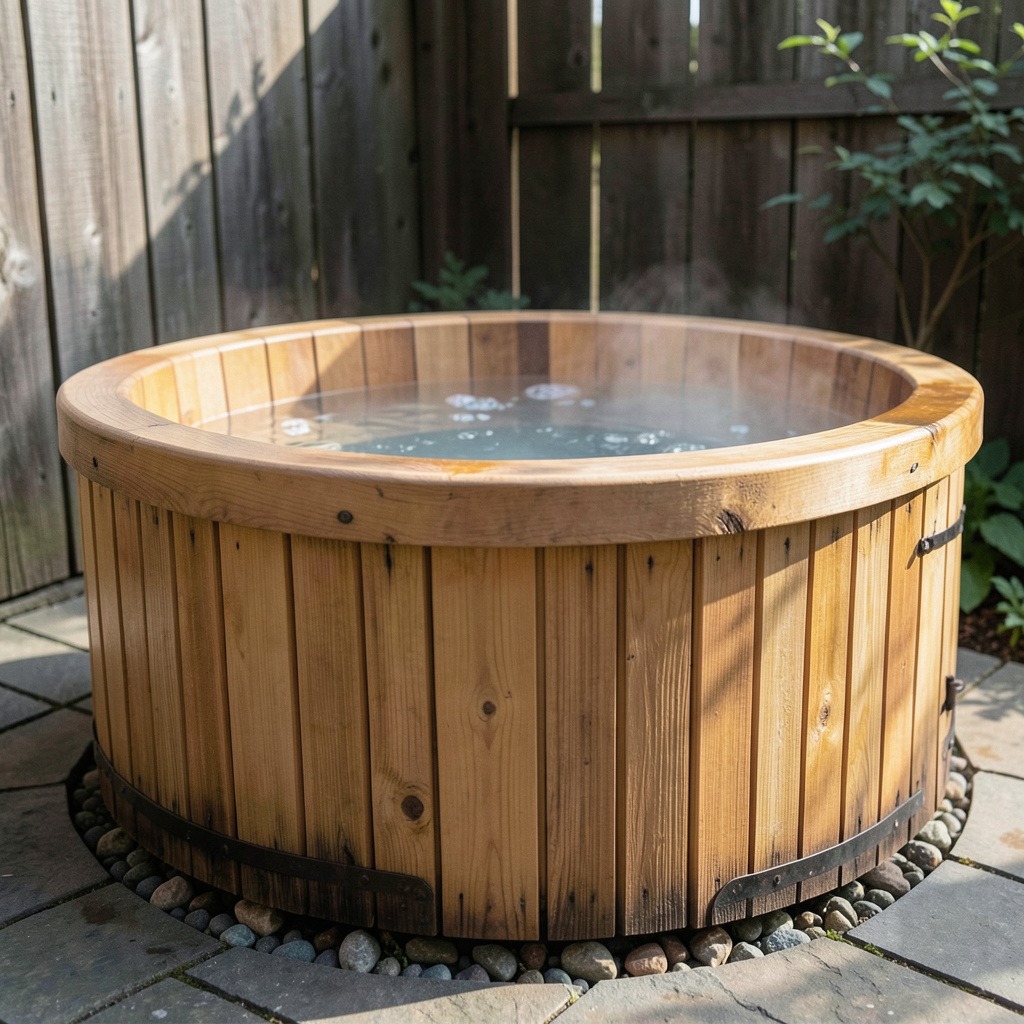
While wood-fired hot tubs offer unique benefits, they also come with notable drawbacks. These include maintenance requirements, safety concerns, and operational challenges that potential buyers should carefully consider.
Maintenance Requirements
Owning a wood-fired hot tub demands regular upkeep to ensure longevity and optimal performance. Here is a checklist of essential maintenance tasks:
- Weekly Cleaning: Remove debris and clean the tub’s interior.
- Wood Supply: Ensure a steady supply of dry, seasoned wood for efficient heating.
- Check for Leaks: Regularly inspect for any signs of leaks or damage.
- Stove Inspection: Examine the wood-burning stove for ash buildup and ensure proper ventilation.
- Water Quality Management: Test and balance water chemistry to prevent algae growth.
Following this maintenance schedule can significantly enhance the lifespan of your hot tub.
Safety and Placement Concerns
Safety is paramount when using a wood-fired hot tub. Here are key considerations:
- Fire Hazards: Always monitor the fire to prevent uncontrolled flames. Use a fire pit or designated area to contain the heat source.
- Ventilation: Ensure the hot tub is well-ventilated to avoid smoke inhalation.
- Placement: Position the hot tub away from flammable materials and structures. A flat, stable surface is crucial to prevent tipping or accidents.
- Supervision: Always supervise children or inexperienced users to avoid accidents.
Establishing safety protocols will ensure a secure environment for all users.
Time and Effort to Heat Up
Heating a wood-fired hot tub requires time and effort compared to electric models. Consider the following:
- Heating Time: It typically takes 1 to 2 hours to heat water, depending on the size and wood quality.
- Wood Preparation: Preparing wood and starting a fire demands additional time and effort.
- Temperature Control: Users must monitor the fire closely to maintain the desired temperature.
This operational challenge may not suit everyone, especially those seeking convenience.
For those looking to enhance their wood-fired hot tub experience, consider a Wood-Fired Hot Tub Accessory Kit to streamline maintenance and improve safety.
3. Cost Analysis of Wood Fired Hot Tubs
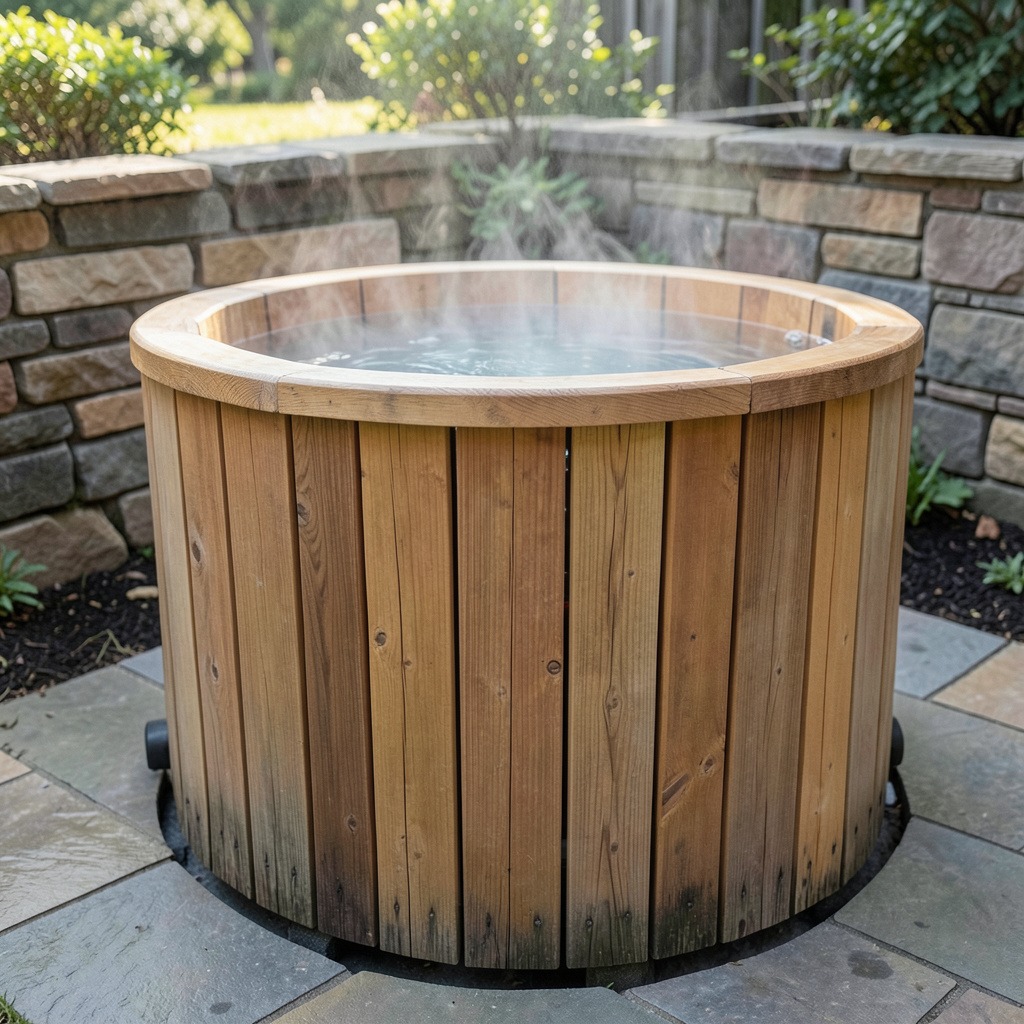
Understanding the costs associated with wood-fired hot tubs is crucial for potential buyers. This analysis covers initial purchase costs, ongoing fuel expenses, and long-term maintenance requirements.
Initial Purchase Costs
The initial purchase price of a wood-fired hot tub typically ranges from $3,000 to $10,000. Several factors influence the cost:
- Size: Larger models cost more.
- Materials: Cedar, redwood, or composite materials can affect price.
- Features: Additional amenities like insulation or built-in seating increase costs.
Monthly Fuel Costs
Ongoing fuel expenses are a significant consideration. While wood is a renewable resource, its cost can vary based on location and availability. On average:
- A cord of firewood costs between $150 and $300.
- Most wood-fired hot tubs require 1 to 2 cords per year.
- This results in annual fuel costs of approximately $150 to $600.
| Hot Tub Type | Initial Cost | Annual Fuel Cost |
|---|---|---|
| Wood-Fired Hot Tub | $3,000 – $10,000 | $150 – $600 |
| Electric Hot Tub | $2,000 – $8,000 | $300 – $600 |
| Propane Hot Tub | $3,000 – $12,000 | $600 – $1,200 |
Long-Term Maintenance Expenses
Maintenance costs for wood-fired hot tubs are essential for longevity. Expect to spend between $500 and $1,000 annually. Key components include:
- Regular Cleaning: Essential to prevent buildup and ensure hygiene.
- Chemical Treatments: Necessary for water quality management.
- Repairs: Occasional repairs may be needed for heating elements or other parts.
To optimize upkeep, consider implementing a maintenance schedule that includes:
- Weekly: Check water chemistry and clean wooden surfaces.
- Monthly: Inspect the heating system and replace necessary components.
- Seasonally: Deep clean and inspect for any structural damages.
By understanding these costs, potential buyers can make informed decisions about investing in a wood-fired hot tub.
4. Maintenance Tips for Wood Fired Hot Tubs
Maintaining a wood-fired hot tub is essential for ensuring its longevity and optimal performance. Regular upkeep not only enhances your soaking experience but also protects your investment. Here are key maintenance tips to keep your hot tub in excellent condition.
Regular Cleaning Routines
Establish a consistent cleaning routine to prevent buildup and maintain hygiene. Follow these steps:
- Weekly:
- Check water chemistry. Adjust pH and sanitizer levels as needed.
- Clean wooden surfaces with a gentle scrub to remove algae or residue.
- Monthly:
- Inspect the heating system for any signs of wear or damage.
- Replace any necessary components, such as gaskets or seals.
Water Changing Schedule
Regularly changing the water is crucial for maintaining water quality. Here’s a suggested schedule:
- Every 4-6 Weeks: Replace the water in your hot tub, depending on usage frequency. Higher usage requires more frequent changes.
- After Heavy Use: If the hot tub is used for gatherings or social events, consider changing the water immediately afterward to maintain optimal quality.
Seasonal Maintenance Tips
Seasonal maintenance ensures your hot tub is ready for use throughout the year. Follow these guidelines:
- Spring:
- Inspect for any winter damage. Clean and refill the hot tub.
- Check insulation and heating elements to ensure they function properly.
- Fall:
- Prepare for winter by draining the water if not in use.
- Clean and store any removable components to protect them from the elements.
Maintenance Checklist
| Task | Frequency |
|---|---|
| Check water chemistry | Weekly |
| Clean wooden surfaces | Weekly |
| Inspect heating system | Monthly |
| Change water | Every 4-6 weeks |
| Seasonal inspection | Spring and Fall |
Implementing these maintenance practices will help extend the life of your wood-fired hot tub. For added convenience, consider downloading a maintenance schedule template to keep track of tasks efficiently.
5. Comparing Wood Fired and Electric Hot Tubs
When considering a hot tub, it’s essential to weigh the benefits and drawbacks of wood-fired versus electric models. Each type has unique characteristics impacting cost, maintenance, and user experience.
Cost Comparison
The initial purchase price of a wood-fired hot tub typically ranges from $2,500 to $5,000, depending on the material and design. In contrast, electric hot tubs usually start around $3,000 and can exceed $10,000 for high-end models.
Ongoing Costs
- Wood-Fired Hot Tub: Requires firewood, costing $150 to $600 annually, depending on usage.
- Electric Hot Tub: Monthly electricity costs average $30 to $100, leading to an annual cost of approximately $360 to $1,200.
Maintenance Requirements
Maintenance is a critical component of hot tub ownership.
Wood-Fired Hot Tub Maintenance
- Weekly: Check water chemistry and clean wooden surfaces.
- Monthly: Inspect the heating system.
- Every 4-6 weeks: Change water.
- Seasonal: Inspect in spring and fall.
Electric Hot Tub Maintenance
- Weekly: Check water chemistry and clean filters.
- Monthly: Inspect the heating and filtration systems.
- Every 4-6 months: Change water.
Wood-fired models generally require more hands-on maintenance, while electric models can be more straightforward to manage.
User Experience Insights
User satisfaction varies between the two types, influenced by heating efficiency and overall ambiance.
- Wood-Fired Hot Tub: Offers a unique experience with natural materials and rustic charm. Users enjoy the ability to control water temperature precisely but must monitor the fire closely.
- Electric Hot Tub: Provides consistent heating with minimal effort. Users appreciate the convenience of digital controls but may miss the authentic experience of heating water with wood.
A survey of users indicates that 75% of wood-fired hot tub owners appreciate the connection to nature, while 80% of electric hot tub owners value the ease of use.
For those considering these options, a practical approach is to evaluate your budget, maintenance capabilities, and desired user experience. If you prioritize sustainability and a rustic vibe, a wood-fired hot tub may be ideal. However, if convenience and technology appeal more to you, an electric model could be the better choice.
6. Environmental Impact of Wood Fired Hot Tubs
The environmental implications of using wood for heating hot tubs warrant careful consideration. While wood-fired hot tubs offer a rustic charm, they also bring potential ecological concerns that users should understand.
Sustainability of Wood Sources
Sustainability is a critical factor when selecting wood for your hot tub. Choosing wood from managed forests ensures that the supply is renewable. Look for certifications like FSC (Forest Stewardship Council) to guarantee responsible sourcing.
Benefits of Sustainable Sourcing:
- Reduces deforestation.
- Maintains biodiversity.
- Supports local economies.
Carbon Footprint Considerations
Wood-burning hot tubs can have varying carbon footprints. According to studies, using sustainable wood can reduce overall carbon emissions. In fact, wood-fired systems can save approximately 30% more carbon than electric models, depending on the energy source of the electricity.
Carbon Emissions Comparison:
- Wood-Fired Hot Tub: Lower emissions if sustainably sourced.
- Electric Hot Tub: Higher emissions from fossil fuels if not renewable.
Benefits of Natural Heating
Natural heating from wood provides a unique experience. It connects users to nature and reduces reliance on fossil fuels. Additionally, modern wood-fired hot tubs are designed to be more efficient, which can minimize air pollutants.
Pollutant Reduction Strategies:
- Use dry, seasoned wood to reduce smoke.
- Regular maintenance ensures efficiency and less emissions.
By considering these factors, potential buyers can make informed decisions about the environmental impact of wood-fired hot tubs.
7. User Experiences and Testimonials
Real-life experiences from wood-fired hot tub owners provide valuable insights into their benefits and drawbacks. Here, we explore testimonials that highlight both the joys and challenges of owning a wood-fired hot tub.
Positive User Experiences
1. Connection to Nature: Many users appreciate the immersive experience that a wood-fired hot tub offers. One owner noted, “There’s something special about soaking in a tub heated by firewood. It feels rustic and connects you to the outdoors.”
2. Cost Efficiency: Several testimonials emphasize the cost-effectiveness of wood-fired hot tubs. An owner shared, “I found that my heating bills dropped significantly compared to my old electric hot tub. Plus, I enjoy using wood from my property.”
3. Unique Aesthetic: The natural beauty of wood-fired hot tubs is frequently praised. A user mentioned, “Our cedar hot tub has become the centerpiece of our garden. It looks stunning and adds value to our property.”
Challenges Faced by Owners
1. Maintenance Requirements: A common concern among users is the upkeep involved. One owner expressed, “I underestimated the maintenance. Keeping the wood dry and managing the fire takes effort, especially during winter.”
2. Temperature Control: Users often mention the learning curve for heating. A testimonial states, “It took some practice to get the temperature just right. Unlike electric models, you need to monitor the fire closely.”
3. Initial Setup: Some owners found the initial setup daunting. A user explained, “Building the tub was more complex than expected. It requires time and some DIY skills.”
Cost Insights
| Aspect | Wood-Fired Hot Tub | Electric Hot Tub |
|---|---|---|
| Initial Cost | Generally lower | Typically higher |
| Ongoing Heating Cost | Less expensive with wood | Higher electricity bills |
| Maintenance Cost | Moderate | Low |
Decision-Making Factors
When considering a wood-fired hot tub, potential buyers should weigh the following:
- Lifestyle Fit: Are you prepared for the maintenance?
- Budget: Can you afford the initial setup and ongoing costs?
- Personal Preference: Do you value a natural soaking experience over convenience?
These testimonials and insights from real users can guide your decision-making process regarding wood-fired hot tubs.
Frequently Asked Questions
These quick answers cover the most common questions about this topic, including key details, practical tips, and common concerns.
What are the downsides of a wood-fired hot tub?
Wood-fired hot tubs require significant maintenance. Regular cleaning, wood supply management, and water quality checks are essential. Additionally, they can take 1 to 2 hours to heat up, which is longer than electric models. Users must also monitor the fire closely to maintain the desired temperature, which can be cumbersome.
Safety concerns are also notable. The fire poses a risk if not monitored, and proper ventilation is necessary to avoid smoke inhalation. Placement away from flammable materials is crucial to prevent accidents.
What is the average lifespan of a wood-fired hot tub?
The average lifespan of a wood-fired hot tub can range from 10 to 20 years, depending on the materials used and maintenance practices. High-quality woods like cedar or redwood can withstand the elements better, leading to a longer lifespan. Regular upkeep, such as checking for leaks and maintaining the wood, is vital for longevity.
Are wood-burning hot tubs worth it?
Wood-burning hot tubs can be worth it if you value a natural, rustic experience and prefer eco-friendly heating. They often have lower operational costs since wood can be cheaper than electricity. However, the time and effort required for maintenance and heating should be considered.
For those who enjoy outdoor activities and can commit to the upkeep, a wood-fired hot tub can provide a unique soaking experience. If convenience is a priority, an electric model might be a better fit.
How often do you change the water in a wood-fired hot tub?
Water in a wood-fired hot tub should typically be changed every 4 to 6 weeks, depending on usage frequency. If the hot tub is used more often, you may need to change it more frequently to maintain water quality. Regular water changes help prevent algae growth and keep the water clean and safe for soaking.
How do wood-fired hot tubs perform in winter?
Wood-fired hot tubs can perform well in winter, but they require extra care. Users must ensure a steady supply of dry, seasoned wood for efficient heating. The heating time may increase in colder temperatures, taking longer to reach a comfortable soaking temperature.
Additionally, proper insulation helps retain heat, making winter use more enjoyable. Regular checks for ice or freezing issues are also essential to prevent damage during harsh weather.
What are common maintenance issues with wood-fired hot tubs?
Common maintenance issues include wood rot, leaks, and stove blockages. Regularly inspecting the wood for signs of wear and ensuring the stove is clean from ash buildup can prevent these problems. Users should also monitor water chemistry to avoid algae growth and maintain a clean soaking environment.
Neglecting these maintenance tasks can lead to more significant issues, such as costly repairs or a reduced lifespan of the hot tub.
What are alternatives to wood-fired hot tubs?
Alternatives to wood-fired hot tubs include electric and gas-powered models. Electric hot tubs offer convenience with quick heating and minimal maintenance, while gas models can provide a similar experience to wood-fired tubs but with easier temperature control.
Portable hot tubs are another option, often more affordable and easier to set up. They can be inflated and deflated as needed, making them ideal for temporary use or smaller spaces. Each alternative has its pros and cons, so consider your lifestyle and preferences when deciding.