
Wood foundations, especially permanent wood foundations (PWFs), offer advantages like cost-effectiveness and ease of installation but come with risks of moisture damage and pest infestations.
Choosing the right foundation is critical in home construction, and wood foundations present a unique blend of benefits and challenges. This guide explores the key pros and cons of wood foundations to help you determine their suitability for your project.

Understanding Wood Foundations: Definition and Types
Wood foundations are structural systems primarily made from pressure-treated lumber. They provide essential support for buildings while offering unique advantages and challenges.
What is a Permanent Wood Foundation?
A Permanent Wood Foundation (PWF) uses treated wood to create below-grade walls that rest on a concrete or granular base. This type of foundation became popular in the mid-20th century as advancements in treatment processes improved the wood’s resistance to rot and insects.
- Material: Pressure-treated lumber is the cornerstone of PWFs, enhancing durability and moisture resistance.
- Applications: PWFs are often used in residential construction, especially in areas prone to expansive soils where concrete may crack due to frost heave.
Construction Features of Wood Foundations
Wood foundations offer distinctive construction features that set them apart from traditional concrete foundations. Here are key elements to consider:
- Speed of Installation: Wood foundations are typically quicker to install than concrete. Prefabrication off-site allows for rapid assembly on location, reducing construction time and labor costs.
- Insulation Properties: Wood provides better insulation than concrete, leading to warmer, drier conditions within the home.
- Weight and Adaptability: These foundations are lightweight and can be adapted to various site conditions, making them suitable for remote or difficult-to-access locations.
Building Codes and Regulations
Building codes vary by region and often impose specific requirements for wood foundations. Key considerations include:
- Pressure Treatment: Regulations usually mandate the use of pressure-treated wood to ensure durability.
- Moisture Control: Codes often require specific design measures to prevent moisture infiltration, which can compromise the foundation’s integrity.
Example Checklist for Compliance:
- Confirm that all wood is pressure-treated.
- Ensure design specifications adhere to local codes.
- Implement moisture control measures as outlined in the regulations.
Durability and Maintenance Expectations
While PWFs can last decades with proper care, they do require specific maintenance practices:
Table of Contents
- Regular Inspections: Homeowners should conduct annual inspections for signs of rot, insect damage, or moisture intrusion.
- Maintenance Practices: Reapply protective treatments as necessary and ensure proper drainage around the foundation to mitigate risks.
By understanding the definition and construction characteristics of wood foundations, homeowners can make informed decisions about their suitability for specific projects.
Pros of Wood Foundations: Advantages Explained

Wood foundations offer several benefits that make them an attractive option for many homeowners. These advantages include cost-effectiveness, ease of installation, thermal performance, and environmental sustainability.
Cost-Effectiveness and Initial Savings
One of the most appealing aspects of wood foundations is their initial cost savings. Wood is generally less expensive than concrete, resulting in lower upfront material costs. Additionally, the installation process for wood foundations is quicker, which can lead to significant labor savings.
- Initial Cost: Wood foundations often have lower material costs compared to concrete.
- Labor Savings: Faster installation can reduce labor costs and overall project timelines.
For example, a homeowner building a new structure might save 15-20% on foundation costs by choosing wood over concrete, especially in regions where wood is readily available.
Speed of Installation and Labor Benefits
Wood foundations are quicker to install than concrete options. They can often be prefabricated off-site, allowing for rapid assembly on-site. This efficiency is especially valuable for projects with tight deadlines.
- Prefabrication: Wood components can be prepared in advance, minimizing on-site labor.
- Reduced Curing Time: Unlike concrete, which requires time to cure, wood foundations can be ready for further construction almost immediately.
This quick turnaround can help homeowners move into their new homes sooner or complete projects faster, maximizing their investment.
Environmental Impact and Sustainability
Wood is a renewable resource, making wood foundations a more sustainable choice compared to concrete. The environmental benefits include:
- Lower Carbon Footprint: The production of wood foundations generally emits less carbon than that of concrete.
- Sustainable Sourcing: Pressure-treated lumber, used in permanent wood foundations (PWFs), can be sourced through sustainable forestry practices.
As an example, using wood foundations in a home built in a forested area can significantly reduce transportation emissions, further enhancing environmental benefits.
Homeowners looking to minimize their environmental impact may find wood foundations to be an ideal solution, especially when combined with energy-efficient building practices.
Cons of Wood Foundations: Challenges and Risks

While wood foundations offer several advantages, they also present notable challenges. Moisture susceptibility, pest threats, and ongoing maintenance requirements can significantly impact their longevity.
Challenges with Moisture and Rot
Wood is inherently vulnerable to moisture. When exposed to damp conditions, wood can rot, compromising structural integrity. Homeowners must take proactive measures to prevent moisture buildup. Effective drainage systems are crucial. Here are key strategies:
- Install gutters and downspouts: Direct water away from the foundation.
- Grade the landscape: Ensure the ground slopes away from the foundation.
- Apply water-resistant sealants: Protect wood surfaces from moisture infiltration regularly.
Regular inspections are vital. Look for signs of rot and water damage to catch issues early.
Pest Infestations and Prevention Strategies
Pests pose a significant risk to wood foundations. Termites and carpenter ants are particularly problematic. To mitigate these threats, homeowners should adopt a comprehensive pest management strategy:
- Conduct annual inspections: Look for signs of pest activity, such as wood shavings or tunnels.
- Keep wood away from soil: Ensure that wood components do not come into direct contact with the ground.
- Use chemical treatments: Consider preventative treatments that deter pests.
By maintaining vigilance, homeowners can safeguard their foundations against infestations.
Maintenance Requirements and Costs
Wood foundations demand regular maintenance to ensure their durability. Here’s a practical maintenance checklist:
- Inspect annually: Check for moisture, rot, and pest damage.
- Reapply sealants every few years: Reinforce moisture protection.
- Budget for maintenance: Expect annual costs to range from $500 to $1,000, depending on local conditions.
Neglecting these maintenance tasks can result in costly repairs down the line. Therefore, setting up a consistent maintenance schedule is essential for longevity and reliability.
Comparing Wood Foundations to Concrete: A Detailed Analysis
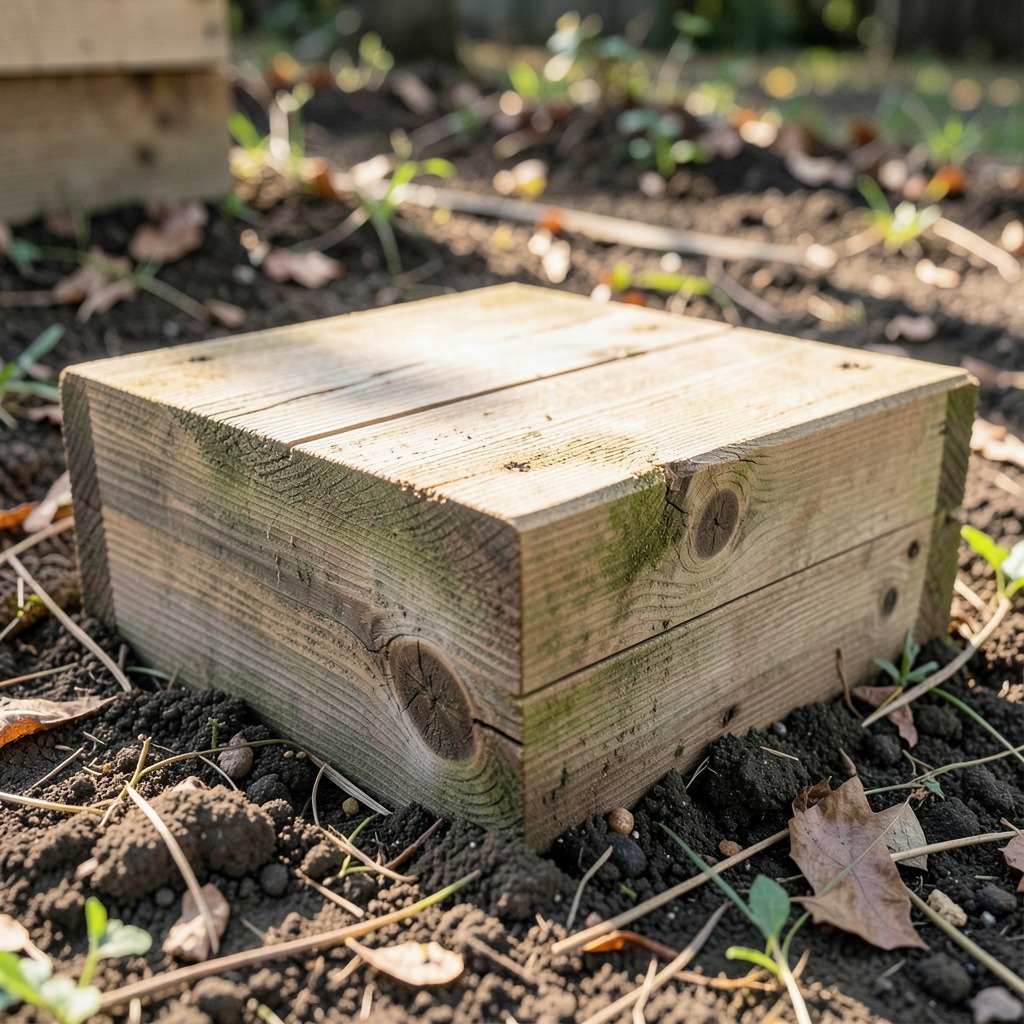
When considering the best foundation for a home, wood and concrete foundations present distinct advantages and disadvantages. Understanding these differences is crucial for homeowners making informed decisions.
Cost Comparison: Initial and Long-term Expenses
Wood foundations typically have a lower initial cost compared to concrete foundations. Homeowners can benefit from reduced material expenses and quicker installation times. However, it’s essential to consider long-term costs, including maintenance.
| Feature | Wood Foundation | Concrete Foundation |
|---|---|---|
| Initial Cost | Generally lower due to cheaper materials | Higher due to more expensive materials |
| Installation Time | Quicker installation, often prefabricated | Slower, requiring curing time |
| Long-term Maintenance | Higher maintenance costs in humid climates | Lower maintenance due to durability |
| Lifespan | 30-50 years with proper care | 50+ years with minimal upkeep |
Durability and Longevity: Which Lasts Longer?
Durability is a critical factor in foundation choice. Concrete foundations generally outlast wood foundations given their resistance to moisture and pests. However, wood foundations can be treated to enhance durability.
- Wood Foundations: Require consistent maintenance to prevent rot and pest damage. Regular inspections and chemical treatments can extend their lifespan.
- Concrete Foundations: More resistant to environmental wear. They do not face issues with pests but can crack under certain soil conditions.
Environmental Considerations: Wood vs Concrete
Wood foundations are often viewed as a more sustainable option compared to concrete. Wood is a renewable resource, and when sourced responsibly, it has a lower environmental impact.
- Sustainability of Wood: The production of wood foundations results in lower carbon emissions than concrete, which involves energy-intensive manufacturing.
- Concrete’s Environmental Impact: The production of concrete is associated with significant CO2 emissions. Despite its durability, the environmental cost is higher.
Checklist for Evaluating Foundation Suitability
Consider the following factors when choosing between wood and concrete foundations:
- Local Climate: Assess humidity and rainfall levels. Areas with high moisture may favor concrete.
- Soil Conditions: Evaluate soil type and drainage capabilities. Some soils can compromise wood foundations.
- Building Codes: Check local regulations regarding foundation types to ensure compliance.
This thorough analysis highlights the essential factors to consider when evaluating wood versus concrete foundations, helping homeowners make an informed decision based on their unique circumstances.
Best Practices for Maintaining Wood Foundations
To ensure the longevity of wood foundations, homeowners must commit to regular maintenance. This involves conducting inspections, managing moisture effectively, and controlling pests. Below are essential practices to keep wood foundations in optimal condition.
Regular Inspection: What to Look For
Homeowners should conduct inspections at least once a year. Key areas to examine include:
- Visible Wood: Look for signs of rot, discoloration, or soft spots.
- Sealing Integrity: Check joints and seams for cracks or gaps.
- Drainage Systems: Ensure gutters and downspouts direct water away from the foundation.
- Soil Grading: Confirm that soil slopes away from the foundation to prevent water accumulation.
A proactive approach can prevent minor issues from escalating into costly repairs.
Moisture Management Techniques
Managing moisture is critical for wood foundations. Implement the following techniques:
- Effective Drainage: Install drainage systems that channel rainwater away from the foundation.
- Sealants: Apply high-quality, water-resistant sealants every few years to create a barrier against moisture infiltration.
- Vapor Barriers: Use vapor barriers in crawl spaces to minimize humidity levels.
- Landscaping: Choose plants that require minimal irrigation near the foundation to reduce excess moisture.
For example, a homeowner in a humid climate installed a comprehensive drainage system and applied sealants. This investment significantly reduced moisture-related issues and extended the life of their wood foundation.
Pest Prevention and Control Measures
Pests can compromise the integrity of wood foundations. To deter infestations, consider these measures:
- Regular Cleaning: Keep the area around the foundation clean and free of debris. This reduces hiding spots for pests.
- Physical Barriers: Install barriers to prevent termites and other wood-boring insects from accessing the foundation.
- Routine Treatments: Apply insecticides as a preventive measure, focusing on common pests like termites and carpenter ants.
In a case study, a homeowner who maintained a clean perimeter and conducted regular pest treatments successfully avoided infestations that could have damaged their wood foundation.
By adhering to these best practices, homeowners can enhance the durability and longevity of their wood foundations, mitigating the risks associated with moisture and pests.
Conclusion: Making the Right Choice for Your Foundation
Deciding whether to use a wood foundation requires careful consideration of various factors. Homeowners must weigh the benefits against potential drawbacks based on their unique circumstances.
Evaluating Cost and Economic Viability
Wood foundations typically offer a more affordable option compared to concrete foundations, with initial costs ranging from $10,000 to $15,000 less. However, consider long-term maintenance expenses. Properly maintained wood foundations can last for decades, but neglecting maintenance may lead to costly repairs.
Assessing Durability and Maintenance Needs
Wood foundations, particularly Permanent Wood Foundations (PWFs), are designed to resist rot and insect damage. Nonetheless, homeowners should commit to regular inspections and maintenance. A practical checklist includes:
- Inspecting for signs of moisture or pests.
- Ensuring proper drainage away from the foundation.
- Performing routine treatments against wood-boring insects.
Understanding Environmental Impact and Sustainability
Wood foundations are often seen as a more sustainable choice. When sourced responsibly, they contribute to reduced carbon footprints and promote eco-friendly building practices. However, ensure that the wood is treated to enhance durability and moisture resistance.
Decision-Making Framework
When considering a wood foundation, evaluate the following factors:
- Climate Conditions: Is your area prone to heavy rainfall or high humidity?
- Soil Type: Do you have well-drained soil that can support a wood foundation?
- Long-term Plans: How long do you intend to stay in the home? A wood foundation may suit short-term residences better.
By analyzing these aspects, homeowners can make an informed decision on whether a wood foundation aligns with their needs and conditions.
Frequently Asked Questions
These quick answers cover the most common questions about this topic, including key details, practical tips, and common concerns.
What is the life expectancy of a wood foundation?
A well-maintained wood foundation, particularly a Permanent Wood Foundation (PWF), can last between 30 to 50 years. This lifespan largely depends on factors like moisture management, pest control, and regular maintenance. Homeowners who conduct annual inspections and address any issues promptly can significantly extend the life of their wood foundations.
What is the strongest type of foundation for a house?
Concrete foundations are generally considered the strongest type due to their durability and resistance to moisture and pests. They can withstand heavy loads and environmental conditions better than wood foundations. However, wood foundations can be a viable option in specific scenarios, such as in areas with expansive soils where concrete may crack.
Is a wood foundation as good as concrete?
While wood foundations offer advantages like lower initial costs and quicker installation, they are not as durable as concrete foundations. Wood is susceptible to moisture, rot, and pests, requiring regular maintenance. Concrete, on the other hand, is more resistant to environmental factors and typically has a longer lifespan with less upkeep.
What are some common problems associated with wood foundations?
Common issues with wood foundations include moisture damage, rot, and pest infestations, particularly from termites and carpenter ants. Homeowners should regularly inspect for signs of water damage or pest activity and implement preventive measures, such as proper drainage and pest control treatments, to mitigate these risks.
If you are evaluating a specific property, what due diligence inspections or drainage checks should you perform on a wood foundation?
When evaluating a property with a wood foundation, conduct thorough inspections for signs of rot, moisture intrusion, and pest damage. Check the drainage systems to ensure they effectively direct water away from the foundation. Additionally, review local building codes to confirm compliance with moisture control measures.
What are the pros and cons of wood foundations in homes?
Pros of wood foundations include cost-effectiveness, ease of installation, and better insulation properties. They are also more sustainable when sourced responsibly. However, the cons include susceptibility to moisture, pests, and the need for regular maintenance. Homeowners must weigh these factors based on their specific circumstances.
How does a wood foundation compare to concrete?
Wood foundations generally have lower initial costs and faster installation times compared to concrete. However, concrete foundations are more durable and require less maintenance over time. The choice between the two often depends on local climate, soil conditions, and the homeowner’s long-term plans for the property.
What are some alternatives to wood foundations?
Alternatives to wood foundations include concrete, masonry, and steel foundations. Each type has its own set of advantages and disadvantages. For example, concrete provides strength and longevity, while steel offers flexibility and resistance to pests. Homeowners should consider factors like cost, local building codes, and environmental impact when choosing a foundation type.