
Wood garage doors offer aesthetic appeal and natural insulation but require regular maintenance and can be more expensive than other materials.
Table of Contents
Choosing a garage door involves weighing various factors, including aesthetics, functionality, and maintenance. Wood garage doors stand out for their beauty and insulation properties but come with unique challenges. This guide explores the essential pros and cons to help you decide.
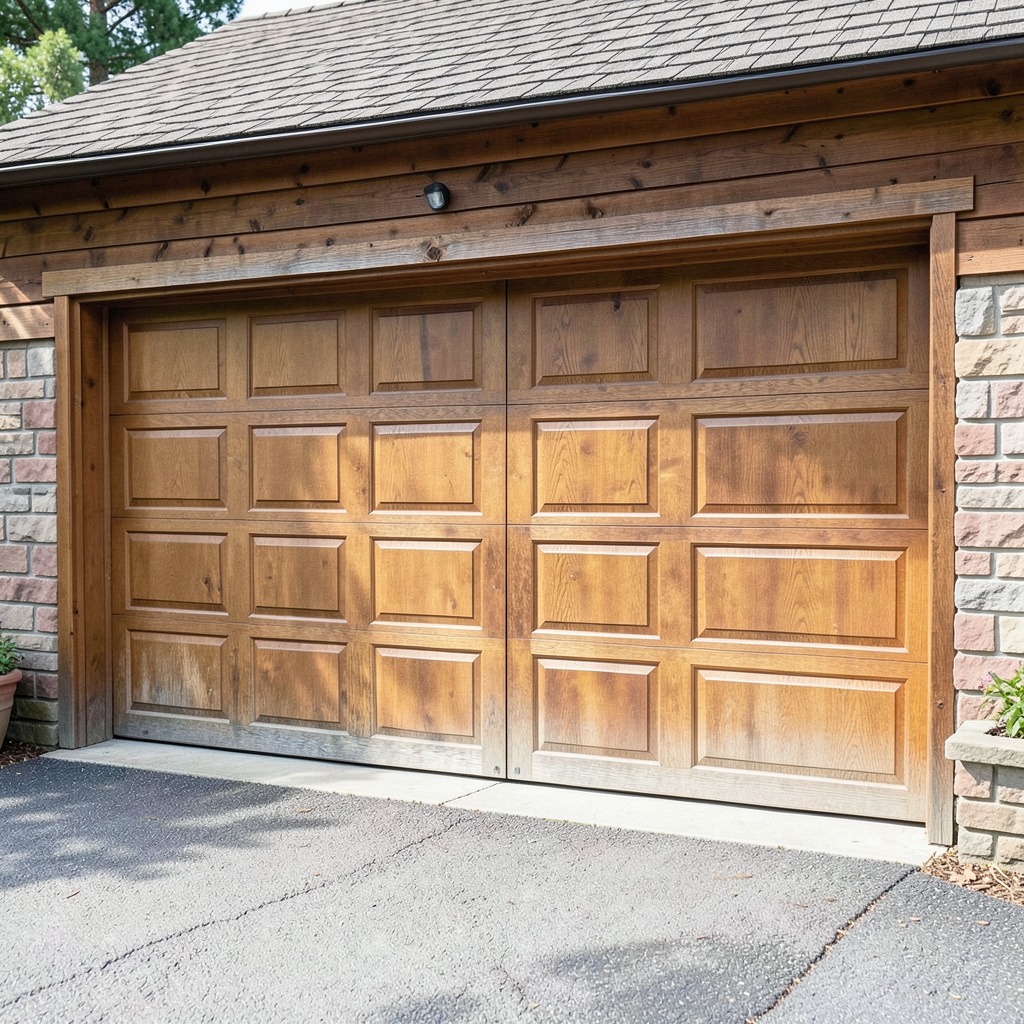
Understanding Wood Garage Doors
Wood garage doors are a popular choice among homeowners for their aesthetic appeal and functional benefits. These doors not only enhance the exterior appearance of homes but also provide insulation and can be customized to fit various architectural styles.
What Are Wood Garage Doors?
Wood garage doors are constructed from various types of wood, offering a timeless and classic look. They can be designed in multiple styles, such as traditional raised panel, carriage house, or contemporary designs. Each style can be further customized with stains and finishes to match the home’s exterior.
Common Types of Wood Used
Homeowners often choose from several wood types for garage doors, each with unique characteristics:
- Cedar: Known for its natural moisture resistance and insect-repellent properties, cedar is ideal for humid climates. Its rich color and grain make it visually appealing.
- Redwood: This wood is prized for its durability and stunning grain patterns. It resists warping and decay, making it a long-lasting option.
- Pine: While more budget-friendly, pine requires regular maintenance and treatment to prevent rot and damage from insects.
How They Differ from Other Materials
Wood garage doors differ significantly from those made of steel or fiberglass in several ways:
- Aesthetic Appeal: Wood offers a cozy, inviting look that can elevate curb appeal. In contrast, metal doors may appear more industrial.
- Insulation Properties: Wood naturally provides better insulation compared to metal, helping regulate temperatures in the garage.
- Customization Options: Wood doors can be easily customized with various styles and finishes, allowing for greater design flexibility.
Key Considerations
When choosing wood garage doors, consider the following factors:
- Maintenance: Wood doors require regular upkeep, including staining and sealing, to protect against weathering. For instance, applying a quality Wood Garage Door Stain and Sealant can prolong their lifespan.
- Cost: Wood garage doors generally have a higher upfront cost than metal options, but they can add significant value to your home.
- Environmental Impact: Sourcing eco-friendly wood can mitigate the environmental effects, making it crucial to choose reputable suppliers.
Understanding these elements will help homeowners make informed decisions regarding wood garage doors, balancing aesthetics and functionality with maintenance and cost.
1. Aesthetic Appeal and Customization
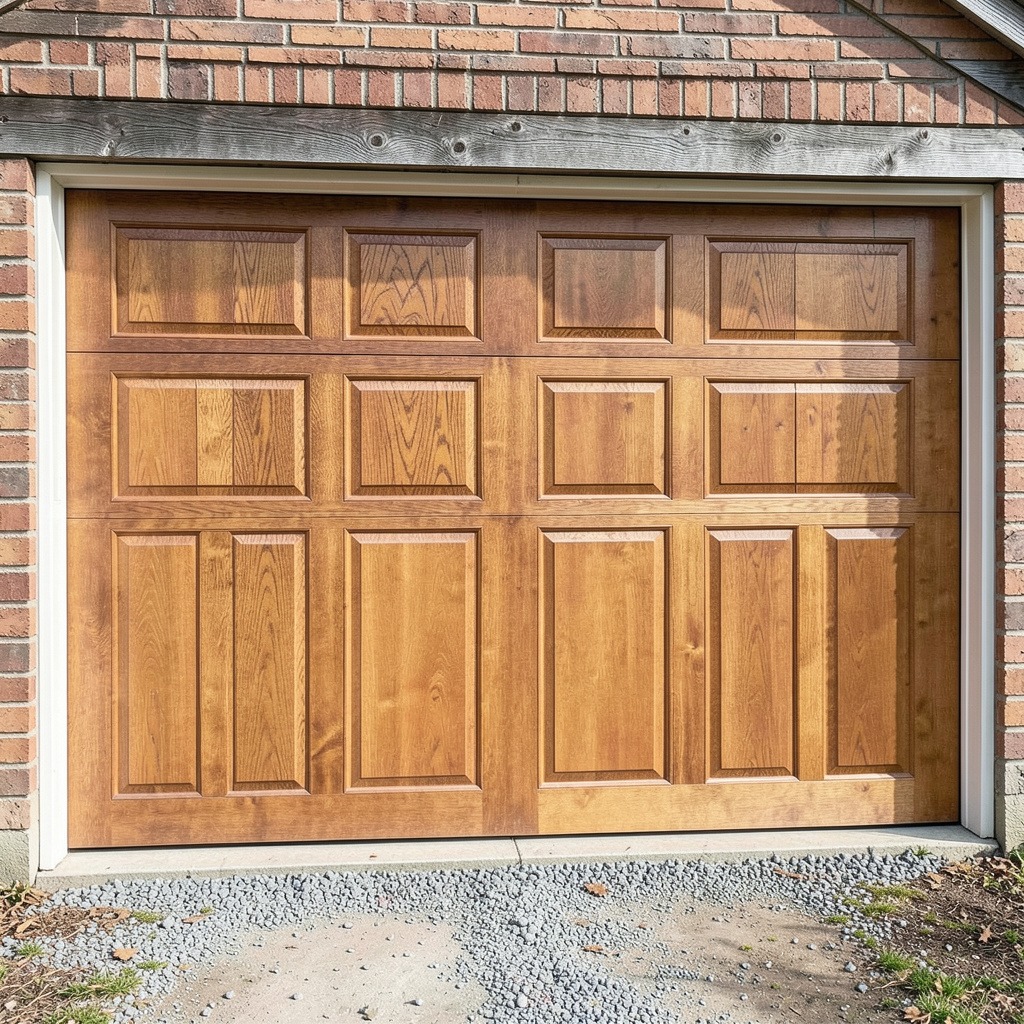
Wood garage doors offer a unique charm that significantly enhances the curb appeal of any home. Their natural beauty and versatility make them a popular choice among homeowners looking to elevate their property’s aesthetics.
Enhancing Curb Appeal
Wood garage doors stand out due to their rich textures and warm tones. They can complement various architectural styles, from traditional to modern. Here are key benefits:
- Natural Beauty: The organic grain patterns of wood add character and warmth.
- Visual Variety: Options include raised panels, carriage house styles, and contemporary designs.
- Color Options: Wood can be stained or painted to match your home’s exterior, providing a customized look.
Customization Options Available
Homeowners can tailor wood garage doors to fit their specific tastes and requirements. Customization options include:
- Wood Types: Choices like cedar, redwood, and fir offer different aesthetics and durability levels. For example, cedar is resistant to moisture and insects, making it ideal for humid climates.
- Panel Styles: Options range from classic raised panels to sleek, flush designs.
- Finishes and Stains: A variety of stains and paints allow for personalized color schemes, enhancing the overall look.
Impact on Home Resale Value
Investing in a wood garage door can yield a high return on investment. Here’s how:
- Increased Appeal: Attractive garage doors can draw buyers’ attention, making your home more marketable.
- Perceived Value: Wood doors are often associated with quality and craftsmanship, elevating the perceived value of your home.
For homeowners aiming to maintain the beauty of their wood garage doors, regular maintenance is crucial. This includes periodic application of high-quality finishes like Wood Garage Door Stain and Sealant to protect against weather elements and preserve their appearance.
2. Natural Insulation Properties
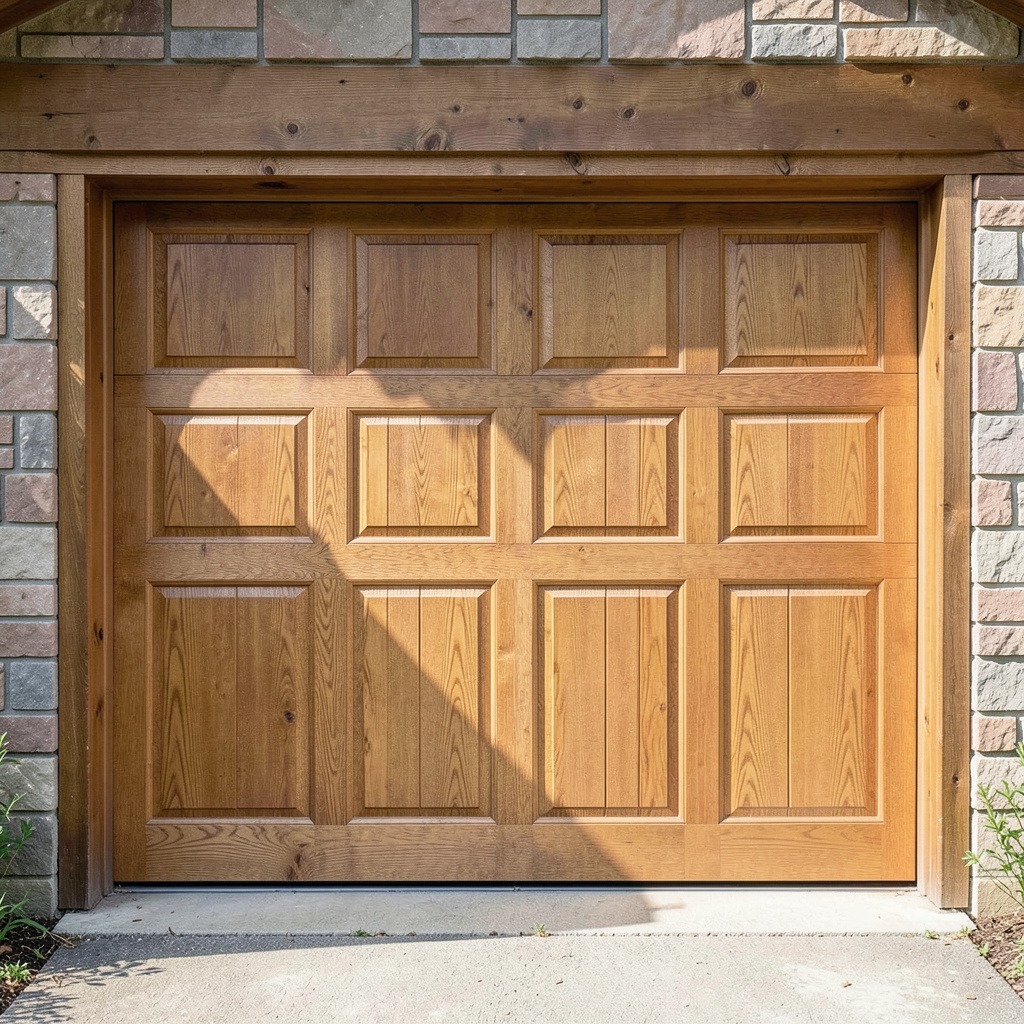
Wood garage doors provide significant insulation benefits, enhancing energy efficiency compared to other materials. Their natural properties allow them to regulate temperature, creating a more comfortable environment within the garage.
How Wood Insulates Your Garage
Wood is a natural insulator. It has a cellular structure that traps air, reducing heat transfer. This characteristic helps maintain stable temperatures in your garage throughout the year. Here’s how it compares with other materials:
- Steel Doors: While steel can be insulated, it typically conducts heat and cold more than wood. This results in greater temperature fluctuations in the garage.
- Fiberglass Doors: Fiberglass may offer insulation but lacks the thermal mass that wood provides, making it less effective at temperature regulation.
Energy Efficiency Benefits
Investing in wood garage doors can lower energy costs. By minimizing heat loss in winter and heat gain in summer, they help keep your garage—and your home—more energy-efficient. This can lead to:
- Lower Heating Costs: Reduced reliance on heating systems during colder months.
- Reduced Cooling Costs: Less need for air conditioning in summer, as wood naturally keeps temperatures cooler.
Comparative Analysis with Steel Doors
When comparing wood and steel garage doors, consider the following aspects:
| Feature | Wood Garage Doors | Steel Garage Doors |
|---|---|---|
| Insulation Properties | Excellent natural insulation | Moderate insulation with added foam |
| Initial Cost | Higher upfront investment | Generally lower cost |
| Maintenance | Requires regular upkeep | Less maintenance needed |
| Aesthetic Appeal | Warm, inviting look | Industrial appearance |
Wood garage doors, particularly those made from types like cedar and redwood, can significantly enhance your home’s aesthetics while providing superior insulation. Homeowners should weigh these factors carefully when making a decision.
In addition to energy efficiency, the longevity of wood garage doors can be improved through regular maintenance, including the application of products like Wood Garage Door Stain and Sealant. This helps protect against moisture and environmental damage, further enhancing their insulating properties.
3. Maintenance Requirements
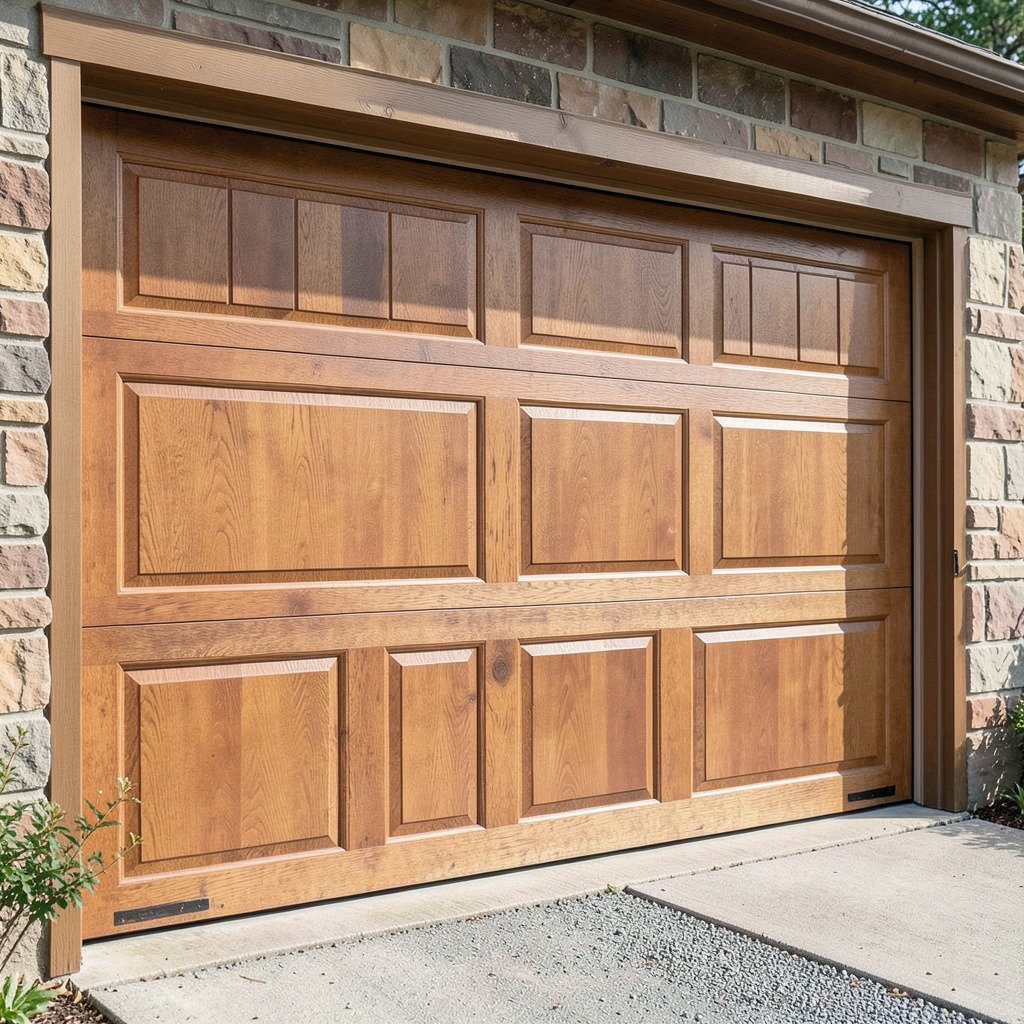
Wood garage doors require diligent maintenance to retain their beauty and functionality. Homeowners should be proactive in caring for these doors to prevent issues like warping and rotting.
Routine Maintenance Tasks
Routine maintenance tasks can extend the lifespan of wood garage doors. Key activities include:
- Inspection: Check for cracks, warping, or signs of rot at least twice a year.
- Cleaning: Wash the door with mild soap and water to remove dirt and grime.
- Sealing/Staining: Apply a protective sealant or stain every 1-3 years to guard against moisture and UV damage.
- Hardware Check: Tighten hinges and check the door’s alignment to ensure smooth operation.
Signs of Wear and Tear
Identifying signs of wear early can prevent costly repairs. Homeowners should look for:
- Cracking: Small cracks can lead to larger splits if not addressed.
- Peeling Paint/Stain: This indicates the need for reapplication of protective coatings.
- Warping: A door that doesn’t close properly may need realignment or replacement.
Impact of Climate on Maintenance Needs
Climate significantly influences the maintenance requirements of wood garage doors. Different environments pose unique challenges:
- Humid Climates: Increased moisture can lead to rot. More frequent sealing may be necessary.
- Dry Climates: Extreme dryness can cause wood to crack. Regular inspection for cracks is essential.
- Cold Climates: Freeze-thaw cycles can stress wood. Insulation can help, but regular checks for warping are critical.
Seasonal Maintenance Checklist
To simplify upkeep, consider this seasonal checklist:
- Spring: Inspect for winter damage; clean and apply sealant if needed.
- Summer: Check for moisture buildup; re-stain if the finish is fading.
- Fall: Prepare for winter; ensure hardware is tight and door is aligned.
- Winter: Monitor for freezing; avoid slamming to prevent damage.
By adhering to these maintenance guidelines, homeowners can preserve the elegance of wood garage doors while maximizing their investment.
4. Cost Considerations
Understanding the financial implications of wood garage doors is essential for homeowners. While these doors offer unique aesthetic benefits, they come with specific costs, both upfront and over time.
Initial Costs vs. Long-Term Investment
When considering wood garage doors, the initial expense is typically higher compared to materials like steel or fiberglass. Here’s a breakdown of initial costs:
- Average Price Range: $1,000 to $4,000 for installation, depending on size and customization.
- Customization Costs: Additional features such as premium wood types, custom stains, or intricate designs can increase costs by 20% to 50%.
Despite the higher upfront investment, wood garage doors can enhance property value and curb appeal, making them a worthwhile long-term investment.
Cost of Maintenance and Repairs
Wood garage doors require regular maintenance to preserve their appearance and functionality. Homeowners should anticipate the following ongoing costs:
- Annual Maintenance: Approximately $200 to $500, including inspections, cleaning, and refinishing.
- Repairs: Minor repairs, such as fixing scratches or replacing hardware, can range from $100 to $300.
Regular maintenance can extend the life of wood doors, often surpassing 20 years with proper care. Neglecting maintenance can lead to significant repair costs and shorten the door’s lifespan.
Comparative Costs with Other Garage Door Materials
Comparing wood garage doors with other materials helps illustrate the financial commitment involved. Here’s a quick overview of costs:
| Material | Initial Cost Range | Maintenance Costs | Lifespan |
|---|---|---|---|
| Wood | $1,000 – $4,000 | $200 – $500/year | 20+ years |
| Steel | $500 – $2,500 | $100 – $300/year | 15-30 years |
| Fiberglass | $750 – $3,000 | $100 – $200/year | 20-30 years |
While wood doors may be more expensive upfront, they can provide superior aesthetic appeal. Homeowners should weigh initial costs against the potential for increased property value and the joy of owning a beautiful, custom garage door.
Example Scenario
Consider a homeowner who invests $3,000 in a wood garage door. Over ten years, they spend an additional $3,000 on maintenance and minor repairs. In contrast, a steel door costing $1,500 may require less maintenance, totaling around $1,000 over the same period. However, the wood door could appreciate in value, making the investment potentially more rewarding in the long run, especially in neighborhoods where curb appeal significantly impacts property values.
This scenario illustrates the importance of evaluating both initial costs and long-term investments when selecting a garage door.
5. Durability and Security Features
Wood garage doors combine beauty with functionality, but their durability and security features merit careful consideration. Understanding these aspects helps homeowners make informed decisions.
Durability Against Weather Conditions
Wood garage doors can withstand various weather conditions, but their longevity depends on the type of wood and maintenance. Common woods like cedar and redwood offer better resistance to moisture and insects. However, all wood types are susceptible to:
- Warping: Exposure to extreme temperatures and humidity can cause warping, affecting door functionality.
- Cracking: Dry conditions can lead to cracking, particularly if the wood lacks proper sealing.
- Rotting: Prolonged exposure to water can promote rot, especially without adequate protective coatings.
To enhance durability, regular maintenance is essential. This includes sealing and staining to protect against moisture and UV damage. Homeowners in wet climates should consider more frequent inspections.
Security Features of Wood Garage Doors
While wood garage doors provide aesthetic appeal, they also offer various security features. These doors can be customized with:
- Multi-point locking systems: These enhance security by locking the door at multiple points.
- Reinforced frames: A sturdy frame can resist forced entry.
- Secure hinges and hardware: High-quality hardware can deter tampering.
Homeowners should ensure proper installation and regular maintenance of these features to maintain security effectiveness.
Comparison with Steel Doors in Terms of Security
When comparing wood and steel garage doors, consider these key security differences:
| Feature | Wood Garage Doors | Steel Garage Doors |
|---|---|---|
| Strength | Moderate, dependent on wood type | High, resistant to impact |
| Customization | Highly customizable | Limited customization |
| Resistance to Forced Entry | Varies, enhanced with upgrades | Generally stronger |
| Maintenance Needs | Regular upkeep required | Lower maintenance |
While steel doors generally offer higher resistance to break-ins, well-maintained wood doors can still provide adequate security. Homeowners should weigh their priorities: aesthetic appeal versus maximum security.
For enhanced security, homeowners should consider installing a security camera or alarm system near the garage. Implementing these measures can significantly improve safety, regardless of the door material.
Frequently Asked Questions
These quick answers cover the most common questions about this topic, including key details, practical tips, and common concerns.
What are the best wood types for garage doors?
The best wood types for garage doors include cedar, redwood, and pine. Cedar is favored for its natural resistance to moisture and insects, making it ideal for humid climates. Redwood is durable and has beautiful grain patterns, while pine is budget-friendly but requires more maintenance to prevent rot. Each wood type offers unique benefits, so consider your climate and aesthetic preferences when choosing.
How often should I maintain my wood garage door?
You should maintain your wood garage door at least once a year. Regular maintenance includes inspecting for cracks and warping, cleaning with mild soap and water, and applying a protective sealant or stain every 1-3 years. Seasonal checks can help you catch any issues early and extend the lifespan of your door.
What are the energy efficiency benefits of wood garage doors?
Wood garage doors provide excellent insulation due to their natural properties, helping to regulate temperatures inside your garage. This can lead to lower energy costs by minimizing heat loss in winter and heat gain in summer. Compared to steel and fiberglass doors, wood typically offers better thermal performance, making it a smart choice for energy efficiency.
Can I install a wood garage door myself?
While it’s possible to install a wood garage door yourself, it’s not recommended unless you have experience with door installations. Proper installation is crucial for ensuring functionality and security. Hiring a reputable installer can save you time and ensure that the door is fitted correctly, which can prevent future issues.
What are the common issues with wood garage doors?
Common issues with wood garage doors include warping, cracking, and rot. These problems often arise from lack of maintenance or exposure to extreme weather conditions. Regular inspections and timely repairs can help mitigate these issues and prolong the door’s lifespan.
Are there eco-friendly options for wood garage doors?
Yes, many manufacturers offer eco-friendly wood sourcing options. Look for doors made from sustainably harvested wood or those certified by organizations that promote responsible forestry practices. Choosing eco-friendly options can reduce your environmental impact while still enjoying the beauty of wood garage doors.
How do wood garage doors compare to steel in terms of cost?
Wood garage doors generally have a higher initial cost than steel doors, typically ranging from $1,000 to $4,000, while steel doors can range from $500 to $2,500. However, wood doors can add significant curb appeal and potentially increase property value, making them a worthwhile investment. Consider both initial costs and long-term benefits when making your decision.
What should readers know about the detailed comparison of wood types (e.g., cedar vs. pine)?
Cedar and pine are two popular choices for wood garage doors, each with distinct characteristics. Cedar is naturally resistant to moisture and insects, making it suitable for various climates. Pine, while more affordable, requires regular maintenance to prevent damage. Understanding these differences can help homeowners select the right wood type based on durability, maintenance needs, and aesthetic preferences.