
Wooden kitchen utensils are durable, heat-resistant, and gentle on cookware.
Table of Contents
Choosing the right kitchen utensils can significantly impact your cooking experience. Wooden utensils offer unique benefits and challenges that every home cook should consider. This guide explores the 11 pros and cons of using wooden kitchen utensils to help you make an informed decision.
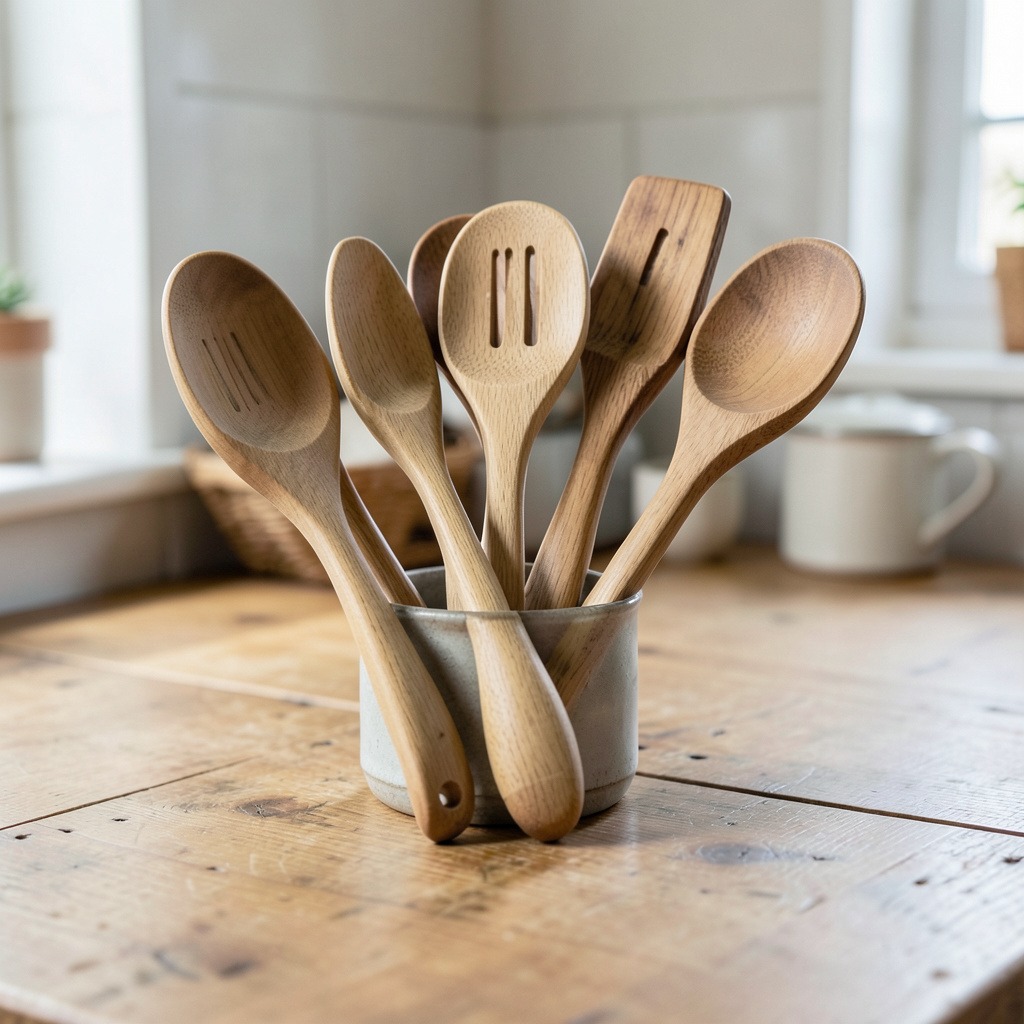
Understanding Wooden Utensils: A Brief Overview
Wooden utensils are essential tools in many kitchens, valued for their functionality and aesthetic appeal. This section explores the types, materials, and common uses of wooden utensils to enhance your cooking experience.
Types of Wooden Utensils
Wooden utensils come in various forms, each designed for specific tasks. Here are some common types:
- Spoons: Used for stirring, mixing, and serving. They often have long handles for reaching into deep pots.
- Spatulas: Ideal for flipping and serving food, particularly in frying pans.
- Forks: Useful for lifting and serving food, especially pasta.
- Tongs: Great for handling hot foods safely without scratching cookware.
Common Materials Used
Different types of wood offer unique properties and benefits. Here are some popular options:
- Maple: Known for its durability and resistance to wear, making it a common choice for spoons and cutting boards.
- Beech: Features a fine grain, is lightweight, and is less likely to splinter, ideal for various utensils.
- Bamboo: Eco-friendly and rapidly renewable, bamboo is lightweight and resistant to moisture, perfect for cooking and serving.
- Cherry: Offers a beautiful finish and is known for its antimicrobial properties, making it a hygienic option.
Typical Kitchen Uses
Wooden utensils are versatile and can be used in various cooking tasks. Here are some typical uses:
- Stirring: Ideal for soups, sauces, and stews, wooden spoons prevent scraping of non-stick surfaces.
- Serving: Wooden serving spoons and tongs add a rustic charm to your dining experience.
- Mixing Ingredients: Use wooden spatulas for gentle mixing of batters and doughs without overworking the mixture.
When selecting wooden utensils, consider investing in a quality Wooden Utensils Set to ensure you have the right tools for your culinary needs. Check Price on Amazon.
1. Pros of Using Wooden Kitchen Utensils
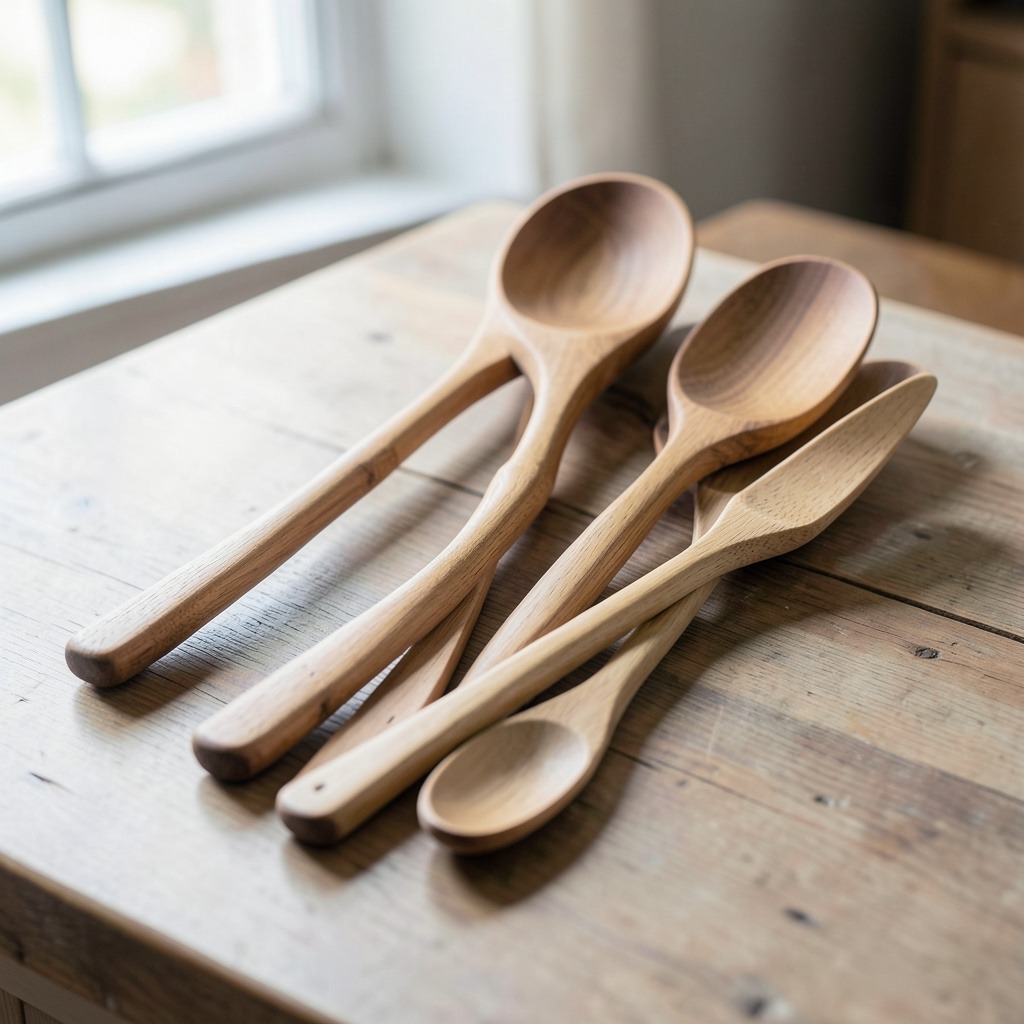
Wooden kitchen utensils offer numerous benefits that enhance your cooking experience. They combine functionality with eco-friendliness and aesthetic appeal, making them a popular choice among home cooks.
Eco-Friendly and Sustainable
Wooden utensils are often sourced from renewable materials, making them an environmentally responsible option. Many wooden utensils, especially those made from bamboo, are biodegradable. This reduces the reliance on plastic, which contributes to landfill waste. By choosing wooden utensils, you support sustainable forestry practices and minimize your environmental footprint.
Key Benefits:
- Renewable Resource: Wood is a renewable material, especially when sourced sustainably.
- Biodegradable: Wooden utensils decompose naturally, unlike plastic.
- Low Environmental Impact: Sustainable practices help protect forests and ecosystems.
Gentle on Cookware
One of the standout features of wooden utensils is their gentle nature on cookware. Unlike metal utensils, which can scratch non-stick surfaces, wooden utensils glide smoothly. This protects your pots and pans, extending their life and saving you money in the long run.
Comparison:
- Wood vs. Metal: Wooden utensils do not scratch surfaces, while metal can damage coatings.
- Durability of Cookware: Using wooden utensils can preserve the finish and functionality of high-end cookware.
Heat Resistant
Wooden utensils excel in heat resistance. They do not conduct heat like metal, reducing the risk of burns. When left in hot pots or pans, they remain cool to the touch, enhancing safety in the kitchen. This quality makes wooden utensils ideal for a variety of cooking tasks, from stirring soup to sautéing vegetables.
User Testimonial:
A home cook shared, “I love my wooden spoons because they stay cool even when I’m cooking on high heat. They make stirring so much safer!”
Advantages:
- Safety: Reduces burn risks during cooking.
- Versatility: Suitable for high-heat applications without damage.
Wooden utensils are not only practical but also offer a touch of aesthetic charm to your kitchen. Their natural appearance complements various kitchen styles. For those looking to enhance their culinary experience, investing in a quality Wooden Utensils Set can be a wise decision. Check Price on Amazon.
2. Cons of Using Wooden Kitchen Utensils
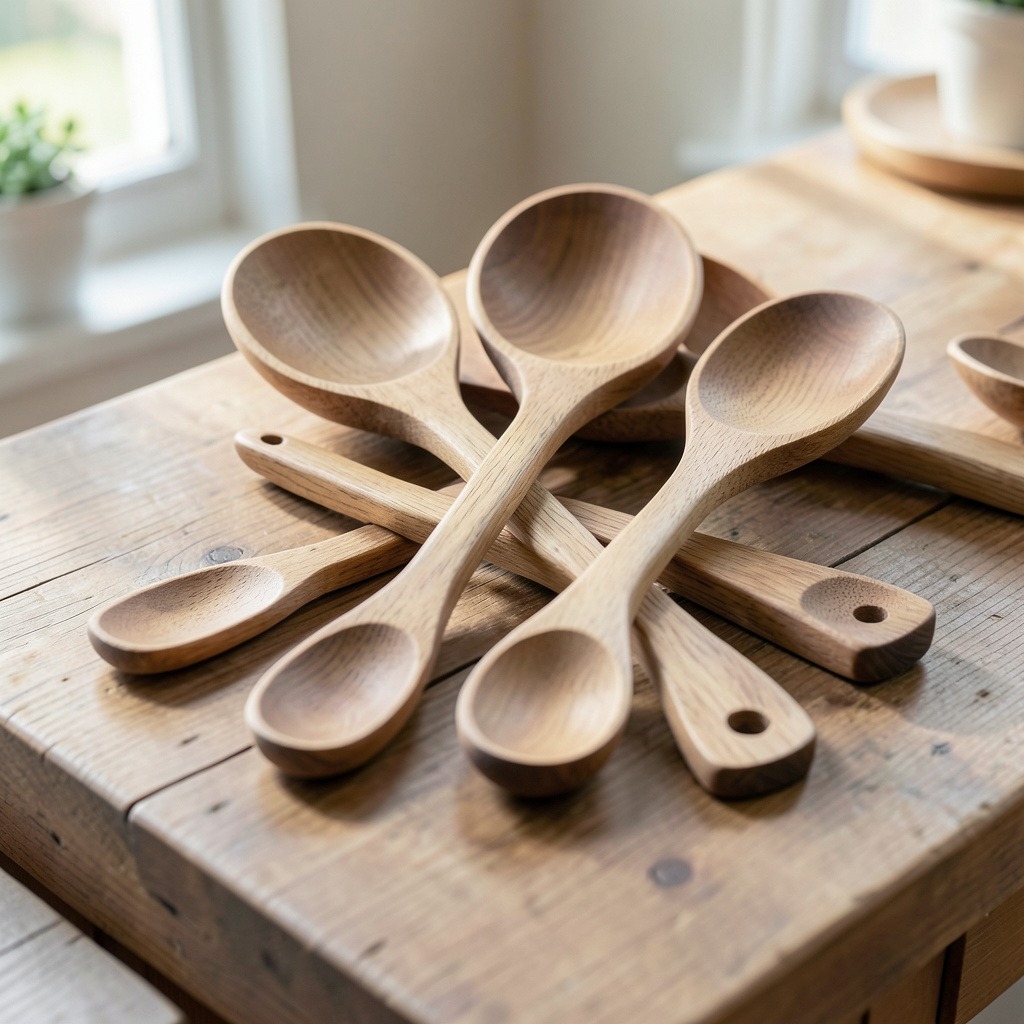
While wooden kitchen utensils offer several benefits, they also come with notable drawbacks. Understanding these cons is crucial for making an informed choice about your kitchen tools.
Maintenance Challenges
Wooden utensils require consistent care to maintain their integrity. The following points highlight key maintenance needs:
- Hand Washing Required: Wooden utensils must be washed by hand. Dishwashers can warp or crack the wood.
- Immediate Drying: After washing, they need to be dried immediately to prevent moisture damage.
- Regular Oiling: To prevent the wood from drying out and cracking, regular oiling is essential. This can be time-consuming compared to other materials.
Bacterial Growth Risks
Although wood has natural antimicrobial properties, improper maintenance can lead to hygiene concerns:
- Cleaning Practices: Wooden utensils must be properly cleaned after contact with raw food. Neglecting this can allow bacteria to thrive.
- Moisture Accumulation: Storing wooden utensils in damp areas can lead to mold growth. Ensure they are stored in a dry environment.
Flavor Absorption
Wooden utensils can absorb flavors and odors from the food they come into contact with:
- Potential Flavor Transfer: Strongly flavored foods, such as garlic or spices, can linger in the wood. This may alter the taste of future dishes.
- Limited Versatility: While they excel in many cooking tasks, wooden utensils may not be suitable for all types of food preparation, particularly those involving strong acids or high heat.
By recognizing these challenges, you can better evaluate whether wooden utensils align with your cooking habits. Proper maintenance can mitigate many of these drawbacks, allowing you to enjoy the benefits of wooden utensils while minimizing their risks.
3. Health and Safety Considerations
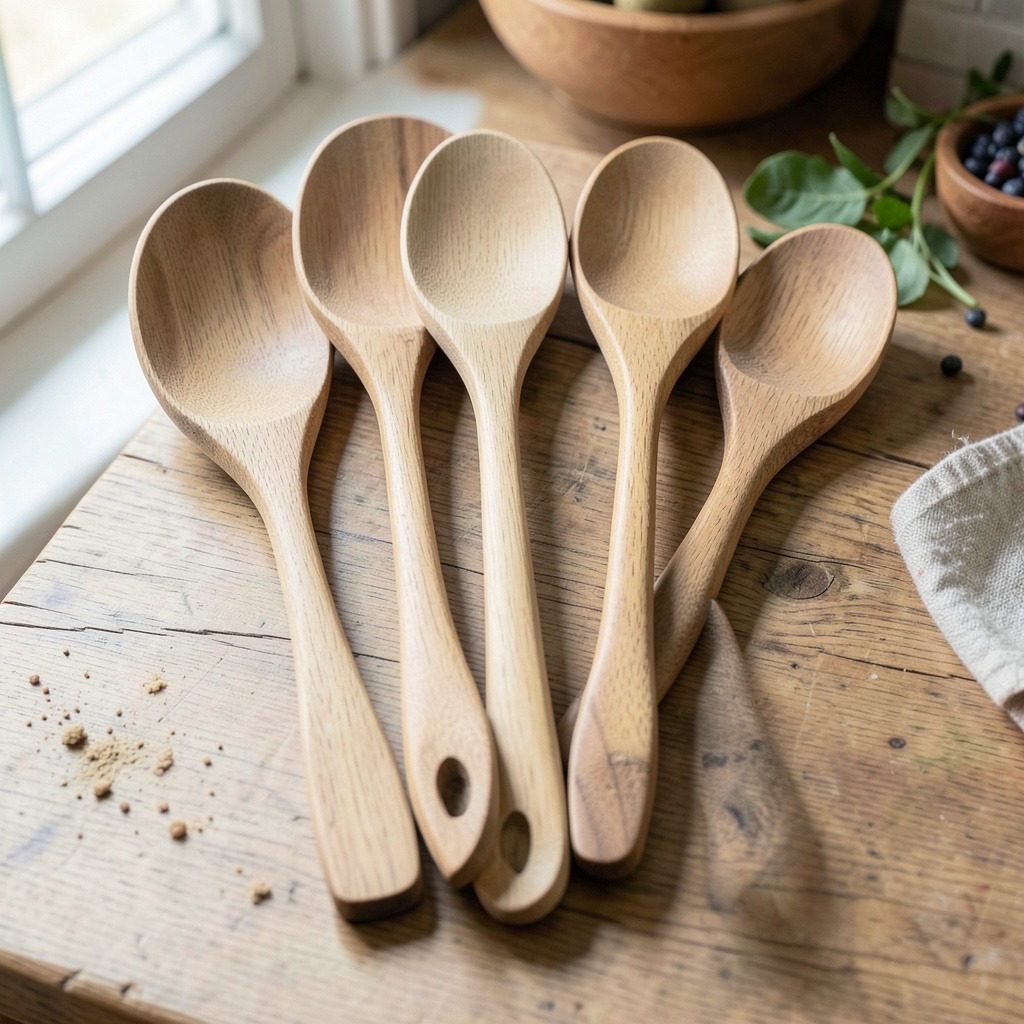
Wooden utensils offer unique health benefits and safety concerns that every cook should consider. Understanding these factors can help you make informed choices in the kitchen.
Antibacterial Properties
Wood possesses natural antibacterial properties. Research indicates that certain types of wood can inhibit bacterial growth, making wooden utensils safer for food preparation. For example, maple and beech are known for their ability to resist bacteria. However, it’s essential to maintain wooden utensils properly to maximize these benefits. Regular cleaning and oiling can help prevent cracks that may harbor harmful bacteria.
Food Safety Practices
To ensure food safety with wooden utensils, follow these practices:
- Inspect Regularly: Check for cracks or splits. Damaged utensils can harbor bacteria.
- Clean Thoroughly: Use hot soapy water and avoid soaking. This minimizes moisture that can lead to bacterial growth.
- Avoid Cross-Contamination: Designate specific wooden utensils for raw meats and others for vegetables to prevent cross-contamination.
Safe Cooking Methods
Using wooden utensils can enhance cooking safety. They do not conduct heat like metal, reducing the risk of burns. Additionally, they are less likely to scratch non-stick surfaces, preserving the integrity of your cookware.
However, it’s crucial to remember that wooden utensils should not be used for cooking very acidic foods or in high-heat environments, as this can degrade the wood over time.
By implementing these food safety practices and understanding the unique properties of wooden utensils, you can enjoy their benefits while minimizing potential risks.
4. Environmental Impact of Wooden Utensils
Wooden utensils stand out in terms of sustainability and biodegradability. As consumers become more eco-conscious, understanding these aspects helps in making informed choices.
Sourcing and Sustainability
The sustainability of wooden utensils primarily depends on their sourcing. Responsible manufacturers often use wood from sustainably managed forests. This practice ensures that the harvesting of trees does not lead to deforestation or habitat destruction.
- Renewable Resource: Wood is renewable. Trees can be replanted, making it a sustainable material.
- Sustainable Forestry: Look for certifications like FSC (Forest Stewardship Council) to ensure responsible sourcing.
Biodegradability
When it comes to disposal, wooden utensils have a significant advantage over plastic ones.
- Natural Decomposition: Wooden utensils break down naturally, typically within a few years, returning nutrients to the soil.
- Minimal Environmental Impact: In contrast, plastic utensils can take hundreds of years to decompose, contributing to long-term pollution.
Renewable Resources
Using wooden utensils supports renewable resource practices. Unlike plastic, which is derived from fossil fuels, wood can be replenished through responsible forestry.
- Types of Wood: Common types used for utensils include bamboo, maple, and beech. Bamboo grows rapidly and requires minimal resources, making it an excellent eco-friendly option.
- Durability: Well-maintained wooden utensils can outlast their plastic counterparts, reducing the need for frequent replacements.
By considering the sustainability, biodegradability, and renewable nature of wooden utensils, consumers can make choices that align with their environmental values while enjoying the benefits of high-quality kitchenware.
5. Maintenance Tips for Wooden Utensils
Proper maintenance is crucial for extending the lifespan of wooden kitchen utensils. With the right care, these utensils can remain functional and beautiful for years.
Cleaning Techniques
To keep wooden utensils in optimal condition, follow these cleaning guidelines:
- Hand Wash Only: Use mild soap and warm water. Avoid the dishwasher, as heat can warp wood.
- Immediate Drying: After washing, dry your utensils immediately with a soft cloth to prevent moisture absorption.
- Avoid Soaking: Prolonged soaking can lead to warping and cracking.
Oiling and Preservation
Regularly applying oil helps maintain the wood’s integrity. Follow these steps:
- Food-Grade Mineral Oil: Apply this oil every few months. It hydrates the wood and prevents cracking.
- Application Method: Use a soft cloth to spread the oil evenly. Wipe off any excess oil after applying.
Storage Recommendations
Proper storage is essential to prevent damage. Consider these tips:
- Dry Environment: Store utensils in a place that stays dry. Excess moisture can lead to mold growth.
- Avoid Direct Sunlight: Exposure to direct sunlight can cause fading and drying out.
- Separate from Metal: Keep wooden utensils away from metal utensils to prevent scratches.
Maintenance Checklist
To ensure your wooden utensils remain in good condition, follow this checklist:
- [ ] Hand wash with mild soap and warm water.
- [ ] Dry immediately with a soft cloth.
- [ ] Avoid soaking in water.
- [ ] Apply food-grade mineral oil every few months.
- [ ] Store in a dry, shaded area away from direct sunlight.
- [ ] Keep separate from metal utensils to prevent scratches.
By following these maintenance tips, you can enjoy the benefits of wooden utensils while enhancing their longevity and usability.
6. Comparing Wooden Utensils with Other Materials
When evaluating wooden utensils, it’s essential to consider their performance compared to metal and silicone alternatives. Each material has unique properties that can influence your cooking experience.
Wood vs. Metal
Wooden utensils offer distinct advantages over metal ones, particularly in terms of cookware safety.
- Gentle on Cookware: Wooden utensils do not scratch non-stick surfaces, preserving the quality of your pots and pans.
- Heat Resistance: They remain cool to the touch, reducing the risk of burns when left in hot pots.
- Durability: While metal utensils can last indefinitely, they can also warp or scratch surfaces, which may require you to replace cookware sooner.
| Feature | Wooden Utensils | Metal Utensils |
|---|---|---|
| Cookware Safety | Gentle on surfaces | Can scratch |
| Heat Conductivity | Low (stay cool) | High (can burn hands) |
| Durability | Moderate (requires care) | High (long-lasting) |
| Weight | Lightweight | Heavier |
Wood vs. Silicone
Silicone utensils have gained popularity for their flexibility and ease of cleaning. However, they lack some benefits that wooden utensils provide.
- Eco-Friendliness: Wooden utensils are biodegradable and sourced from renewable materials, unlike silicone, which is synthetic and non-biodegradable.
- Aesthetics: Wooden utensils offer a classic look that enhances kitchen decor. Silicone comes in various colors but may not provide the same visual appeal.
- Heat Resistance: While silicone can withstand high temperatures, wooden utensils do not conduct heat, making them safer for handling.
| Feature | Wooden Utensils | Silicone Utensils |
|---|---|---|
| Eco-Friendliness | Biodegradable | Non-biodegradable |
| Aesthetic Appeal | Natural finish | Variety of colors |
| Heat Resistance | Low (non-conductive) | High (can melt under extreme heat) |
| Cleaning Convenience | Requires care | Dishwasher safe |
Unique Benefits of Wood
Wooden utensils also offer unique benefits that enhance their usability and appeal.
- Comfort: They are generally lighter and ergonomically designed, providing comfort during extended use.
- Natural Antimicrobial Properties: Certain woods, like bamboo and maple, possess natural antimicrobial qualities, making them safer for food preparation.
- Seasoning Over Time: With regular use and proper maintenance, wooden utensils develop a patina that enhances their smoothness and usability.
Consider these comparisons when deciding on wooden utensils versus metal or silicone. Each material has its pros and cons, and your choice should align with your cooking style and preferences.
7. User Experiences: Testimonials and Insights
Many home cooks and professionals have shared their journeys with wooden kitchen utensils. Their experiences highlight both the advantages and challenges of using these tools in everyday cooking.
Positive Experiences
Users frequently praise the comfort and usability of wooden utensils.
- Durability: One home cook reported that her high-quality maple spatula has lasted over five years, showing minimal wear despite daily use.
- Heat Resistance: A professional chef noted that wooden spoons allow him to stir hot soups without fear of burning his hands, unlike metal utensils.
- Aesthetic Appeal: Many users enjoy the rustic look of wooden utensils, often displaying them prominently in their kitchens.
Challenges Faced
While wooden utensils have many benefits, users also encounter some downsides.
- Maintenance: One user expressed frustration with the upkeep, mentioning that she often forgets to oil her utensils regularly, leading to some cracking.
- Limited Versatility: A culinary student pointed out that certain tasks, such as scraping the bottom of a non-stick pan, can be challenging with wooden utensils due to their rigid shapes.
- Weight Considerations: Some users find lighter wooden utensils less effective for heavy-duty cooking tasks, preferring metal alternatives for stirring thick mixtures.
Advice from Users
Users have shared practical tips to enhance the experience with wooden utensils.
- Cleaning: Hand wash and dry immediately to prevent damage. Use a mild soap and avoid soaking.
- Oiling: Apply food-safe mineral oil regularly to keep the wood conditioned and prevent drying.
- Wood Type Selection: Choose hardwoods like maple or cherry for durability, while softer woods may be better for gentle tasks.
These insights emphasize the importance of personal preferences and cooking styles when choosing wooden kitchen utensils.
8. When to Replace Wooden Utensils
Determining when to replace wooden utensils is crucial for maintaining kitchen safety and efficiency. Regular inspection can help you identify signs of wear and ensure your cooking tools remain effective.
Signs of Damage
Look for these indicators to assess the condition of your wooden utensils:
- Cracks or Splits: Visible cracks suggest structural weakness. These can harbor bacteria and compromise hygiene.
- Rough Texture: If the surface feels splintered or rough, it may not be safe for food preparation. Smoothness is essential for both usability and safety.
- Stains or Odors: Persistent stains or odors indicate that the utensil has absorbed flavors or bacteria, signaling a need for replacement.
Longevity Expectations
Wooden utensils can last for years, but their lifespan varies based on usage and care. Here are some general guidelines:
- Frequent Use: If you use your utensils daily, expect to replace them every 1-3 years.
- Occasional Use: For less frequent use, wooden utensils may last 5 years or more with proper care.
- Material Matters: Hardwoods like maple or cherry typically outlast softer woods, making them a better investment for longevity.
Safety Considerations
Safety is paramount when using wooden utensils. Consider these criteria for timely replacement:
- Bacterial Growth: Damaged utensils can harbor bacteria. If cleaning doesn’t restore them, it’s time to let them go.
- Heat Resistance: If utensils show signs of warping from heat exposure, they may no longer be safe for cooking.
- Functionality: If a utensil no longer performs its intended function effectively—such as stirring or scraping—it is time for a replacement.
Checklist for Assessing Wooden Utensils
Use this checklist to evaluate your wooden utensils regularly:
- [ ] Check for cracks or splits.
- [ ] Feel for rough or splintered surfaces.
- [ ] Inspect for persistent stains or odors.
- [ ] Assess for heat-related warping.
- [ ] Evaluate overall functionality.
By adhering to these guidelines, you can ensure your wooden utensils remain safe and effective for your cooking needs.
9. The Best Woods for Kitchen Utensils
Different types of wood offer unique properties that affect their performance and safety in the kitchen. Understanding these variations helps in selecting the right wooden utensils for your cooking needs.
Maple
Maple is a popular choice for kitchen utensils due to its hardness and durability. It resists scratching and maintains its shape well over time. Additionally, maple has a fine grain, making it less likely to harbor bacteria when properly maintained.
- Pros: Durable, resistant to bacteria, aesthetically pleasing.
- Cons: Can be prone to staining if not properly cared for.
Bamboo
Bamboo is a fast-growing grass that is often used for eco-friendly kitchen utensils. It is lightweight yet strong, making it easy to handle. Bamboo utensils are also biodegradable, aligning with sustainable practices.
- Pros: Lightweight, eco-friendly, quick to renew.
- Cons: Can splinter if not properly treated, may absorb odors over time.
Teak
Teak is renowned for its water resistance and natural oils, which help to prevent warping and cracking. This wood is excellent for both cooking and serving utensils. Its rich color and grain add aesthetic value to any kitchen.
- Pros: Water-resistant, durable, beautiful appearance.
- Cons: More expensive than other wood types, requires regular oiling to maintain its properties.
Comparison Table of Wood Types
| Wood Type | Durability | Antimicrobial Properties | Eco-Friendliness | Cost |
|---|---|---|---|---|
| Maple | High | Moderate | Moderate | Moderate |
| Bamboo | Moderate | Low | High | Low |
| Teak | High | High | Moderate | High |
When selecting wooden utensils, consider the specific properties each type offers. For instance, if you value sustainability, bamboo may be the best option. However, if you need durability and aesthetic appeal, teak or maple could be more suitable. Regular maintenance, such as oiling and proper cleaning, is essential for all wood types to ensure longevity and safety in the kitchen.
10. Common Issues with Wooden Utensils
While wooden utensils offer numerous benefits, they also present some challenges. Understanding these common issues and their solutions can help maintain the quality and usability of your kitchen tools.
Cracking and Splintering
Wooden utensils can crack or splinter over time, especially if they are not properly cared for. This issue often arises from exposure to moisture and heat.
Solutions:
- Regular Oiling: Apply food-safe mineral oil or beeswax to your utensils every few months. This creates a protective barrier against moisture.
- Avoid Soaking: Never soak wooden utensils in water. Instead, wash them quickly and dry them immediately.
- Store Properly: Keep utensils in a dry, well-ventilated area to prevent moisture retention.
Odor Retention
Wood can absorb strong smells from foods, such as garlic or fish. This can affect the flavor of future meals.
Solutions:
- Baking Soda Rinse: Use a mixture of baking soda and water to scrub the utensil. This neutralizes odors effectively.
- Lemon Juice: Rubbing a cut lemon on the surface can also help eliminate unpleasant smells due to its natural acidity.
- Avoid Strong Smells: Limit the use of wooden utensils for particularly pungent ingredients.
Staining from Foods
Certain foods, especially those with strong pigments like tomato sauce or curry, can stain wooden utensils.
Solutions:
- Immediate Cleaning: Rinse utensils immediately after use to prevent staining from setting in.
- Baking Soda Paste: For stubborn stains, create a paste from baking soda and water. Gently scrub the stained area.
- Regular Maintenance: Regular oiling can help create a barrier that minimizes staining.
By addressing these common issues, you can extend the life of your wooden utensils and maintain their aesthetic appeal.
11. Conclusion: Making an Informed Choice
Choosing the right kitchen utensils is essential for enhancing your cooking experience. Wooden utensils offer unique advantages and disadvantages that can impact your decision.
Key Advantages of Wooden Utensils
- Eco-Friendly: Wooden utensils are sustainable and biodegradable, reducing environmental impact.
- Gentle on Cookware: They protect non-stick surfaces, extending the life of your pots and pans.
- Heat Resistant: Unlike metal, they don’t conduct heat, making them safer for high-temperature cooking.
- Lightweight and Comfortable: Their design promotes ease of use, especially during extended cooking sessions.
- Antimicrobial Properties: Certain woods inhibit bacterial growth, enhancing food safety.
Considerations When Using Wooden Utensils
- Limited Design Options: Compared to plastic or metal, wooden utensils may not suit all culinary tasks or aesthetics.
- Care Requirements: They require regular maintenance, such as oiling and immediate cleaning to prevent staining.
- Durability Concerns: While generally durable, they can crack or warp if not cared for properly.
Decision Framework: Are Wooden Utensils Right for You?
To decide if wooden utensils fit your cooking style, consider these factors:
1. Cooking Frequency: If you cook often, the long-term benefits may outweigh the maintenance efforts.
2. Type of Cookware: If you use non-stick or delicate cookware, wooden utensils are preferable to prevent damage.
3. Environmental Concerns: If sustainability is important, wooden utensils align with eco-friendly practices.
4. Cooking Techniques: Assess whether you need utensils for specific tasks that may require alternative materials.
By weighing these pros and cons alongside your personal cooking habits and preferences, you can make an informed decision on whether wooden kitchen utensils are the right fit for your culinary needs.
Frequently Asked Questions
These quick answers cover the most common questions about this topic, including key details, practical tips, and common concerns.
Why do chefs not use wooden spoons?
Some chefs prefer metal or silicone utensils for their durability and ease of cleaning. Wooden spoons can absorb flavors and odors, which may affect the taste of dishes. Additionally, wooden utensils require more maintenance, such as regular oiling and hand washing, which can be seen as a drawback in a busy kitchen setting.
What is the healthiest material for kitchen utensils?
Wooden utensils are often considered healthier than plastic due to their natural antimicrobial properties. They do not leach harmful chemicals into food, unlike some plastics, especially when exposed to heat. However, metal utensils are also safe, particularly stainless steel, which is non-reactive and durable.
Is it healthy to cook with wooden utensils?
Yes, cooking with wooden utensils is generally safe and healthy. They are less likely to harbor bacteria when properly cleaned and maintained. Using wooden utensils can also help prevent scratching non-stick cookware, keeping your cooking surfaces safe and intact.
What are the safest wood utensils to cook with?
Hardwoods like maple, beech, and cherry are among the safest options for kitchen utensils. They are durable, less porous, and have natural antibacterial properties. Avoid softwoods, as they can splinter and absorb odors more easily. Always ensure utensils are made from food-safe wood and are well-maintained.
Should You Use A Wooden Or Metal Spoon For Cooking?
Choosing between wooden and metal spoons depends on your cooking needs. Wooden spoons are ideal for stirring and mixing without scratching non-stick pans. They are also heat resistant. Metal spoons, however, are better for tasks requiring sturdiness, like scraping or flipping. Consider your cookware and cooking style when making your choice.
What are the pros and cons of silicone vs wood utensils?
Silicone utensils are flexible, non-stick, and dishwasher safe, making them easy to clean. However, they are not biodegradable and can retain odors. Wooden utensils are eco-friendly, aesthetically pleasing, and gentle on cookware, but they require more maintenance and can absorb flavors. Your choice should depend on your cooking habits and environmental concerns.
How can I maintain my wooden utensils?
To maintain wooden utensils, wash them by hand with mild soap and warm water, avoiding the dishwasher. Dry them immediately to prevent moisture damage. Regularly apply food-safe mineral oil to keep the wood hydrated and prevent cracking. Store them in a dry area away from direct sunlight to prolong their lifespan.
When should you replace wooden utensils?
You should replace wooden utensils if you notice cracks, splintering, or persistent odors that cannot be removed. Regularly inspect them for rough textures or signs of wear. If they no longer perform their intended function effectively, it’s time for a replacement to ensure safety and hygiene in your kitchen.