
Wood laminate flooring offers affordability, durability, and easy installation, but it has drawbacks like susceptibility to moisture and limited refinishing options.
Table of Contents
Choosing the right flooring for your home can be daunting, especially with various options available. Wood laminate flooring stands out due to its blend of affordability and aesthetic appeal, but it’s essential to weigh its pros and cons before making a decision.
Understanding Wood Laminate Flooring
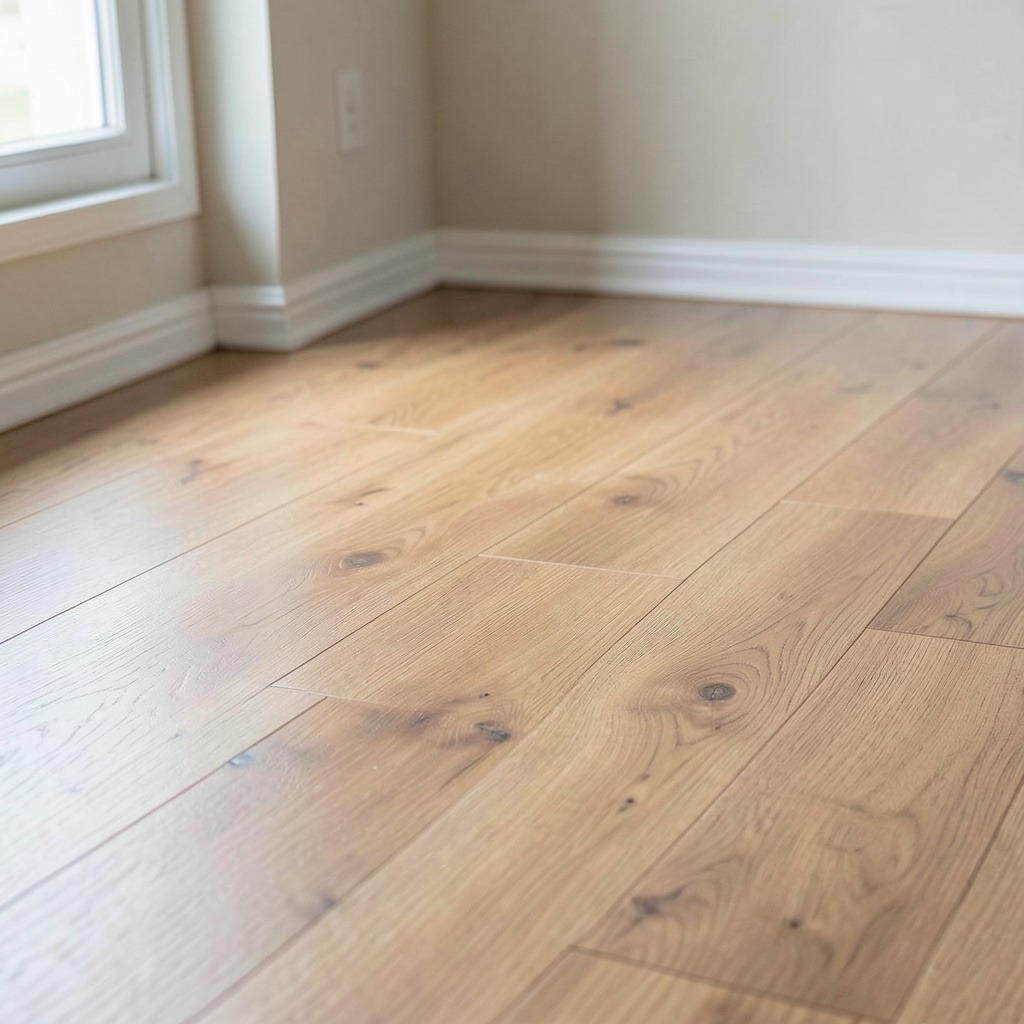
Wood laminate flooring is a popular choice among homeowners seeking an affordable and visually appealing alternative to traditional hardwood. This flooring type combines advanced technology with practical design, resulting in a product that mimics the appearance of real wood while offering distinct advantages.
What is Wood Laminate Flooring?
Wood laminate flooring consists of multiple layers that create a durable surface. The top layer is a protective wear layer that resists scratches and fading. Beneath this is a high-density fiberboard (HDF) core, providing stability and support. The photographic layer features a printed design that mimics real wood grain, giving the flooring its authentic appearance.
The Composition of Wood Laminate
The composition of wood laminate flooring can be broken down into three main components:
1. Wear Layer: This transparent layer protects against scratches, stains, and fading.
2. Core Layer: Made from high-density fiberboard, this layer provides strength and stability.
3. Design Layer: A high-resolution photograph of wood is printed on this layer, allowing for various styles and finishes.
These components work together to create a flooring option that is both visually appealing and practical for everyday use.
The Evolution of Laminate Technology
Laminate flooring technology has evolved significantly since its introduction in the 1970s. Early versions often looked artificial and lacked durability. However, modern advancements have led to:
- Improved Aesthetics: High-quality printing techniques now replicate the texture and appearance of real wood more effectively.
- Enhanced Durability: Advances in the wear layer technology have made laminate more resistant to scratches and moisture.
- Eco-Friendly Options: Some manufacturers now offer laminate made from recycled materials, addressing environmental concerns.
These advancements make wood laminate flooring a viable choice for many homeowners, combining style, affordability, and functionality.
Decision Rule for Choosing Laminate
When considering wood laminate flooring, ask yourself these questions:
- Budget: Is this within my budget compared to other flooring types?
- Traffic: Will the area receive heavy foot traffic?
- Moisture: Will it be installed in areas prone to moisture exposure?
Evaluating these factors ensures that you select the right laminate flooring for your home.
Pros of Wood Laminate Flooring
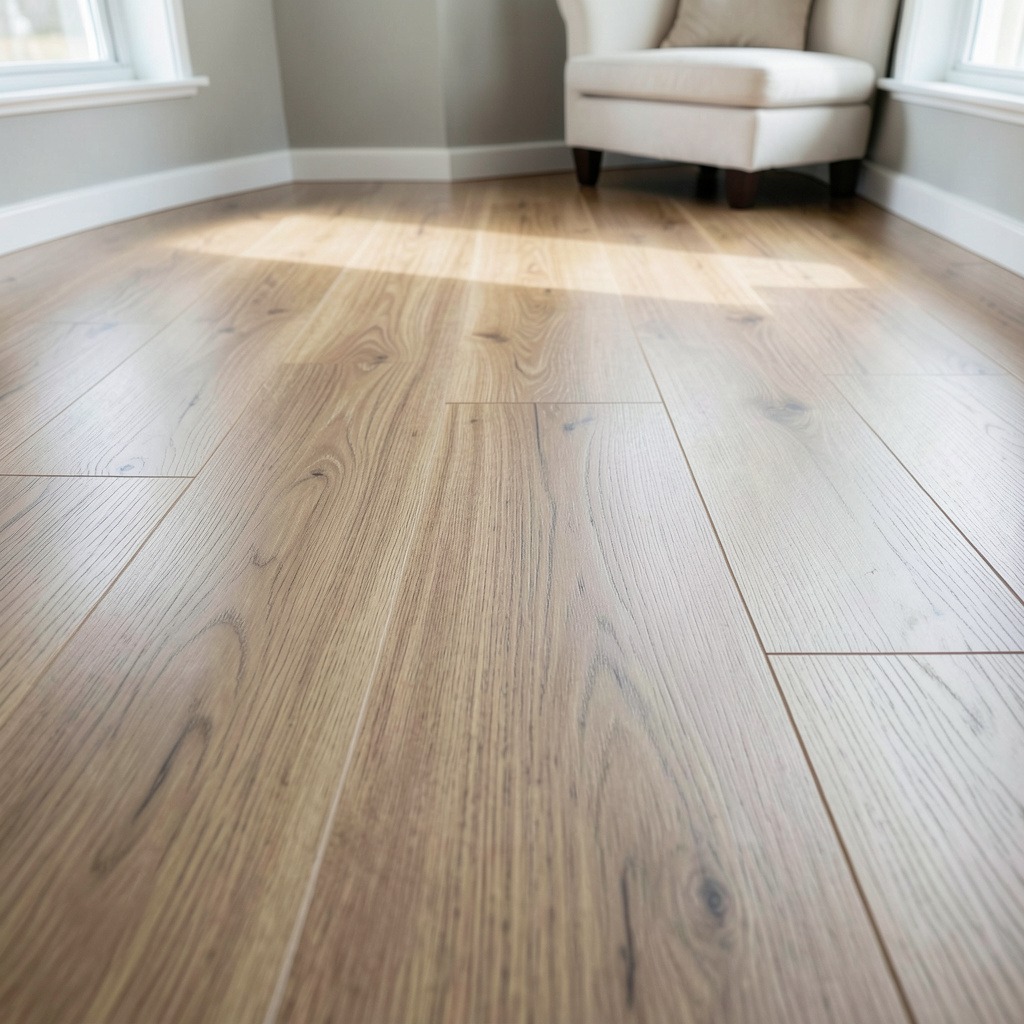
Wood laminate flooring offers several compelling advantages for homeowners. Its affordability, durability, and ease of installation make it an attractive choice for many.
Affordability and Cost-Effectiveness
Laminate flooring is often significantly less expensive than traditional hardwood or tile options. Homeowners can achieve the look of real wood without exceeding their budgets. For instance, while solid hardwood can cost upwards of $8 per square foot, laminate can often be found for $2 to $5 per square foot. This cost-effectiveness is especially beneficial for larger projects or renovations.
- Budget-Friendly: Ideal for those looking to enhance their space without overspending.
- Variety of Styles: Available in numerous designs, allowing homeowners to find the perfect match for their decor.
Durability and Scratch Resistance
Wood laminate flooring is designed to withstand wear and tear. Its top layer often includes a protective coating that is resistant to scratches, making it suitable for homes with pets or children. Unlike traditional hardwood, which can dent or scratch easily, laminate maintains its appearance over time.
- Long-Lasting: With proper care, laminate can last 15 to 25 years.
- Moisture Resistance: Many laminate products are engineered to resist moisture, making them suitable for various areas in the home, except for extremely wet environments.
Ease of Installation
One of the standout features of laminate flooring is its user-friendly installation process. Most laminate products use a “click-and-lock” system, allowing homeowners to install the flooring without glue or nails. This makes it a popular option for DIY enthusiasts.
- Quick Setup: Many can complete the installation in a weekend.
- Minimal Tools Required: Typically, only a saw, a measuring tape, and spacers are needed.
Installation Tips
- Preparation: Ensure the subfloor is clean and dry.
- Acclimation: Let the laminate acclimate in the room for 48 hours before installation.
- Cutting: Use a miter saw for clean edges.
By leveraging these advantages, homeowners can transform their spaces quickly and economically, enjoying the aesthetic appeal of wood without the associated costs and maintenance of traditional hardwood.
Cons of Wood Laminate Flooring
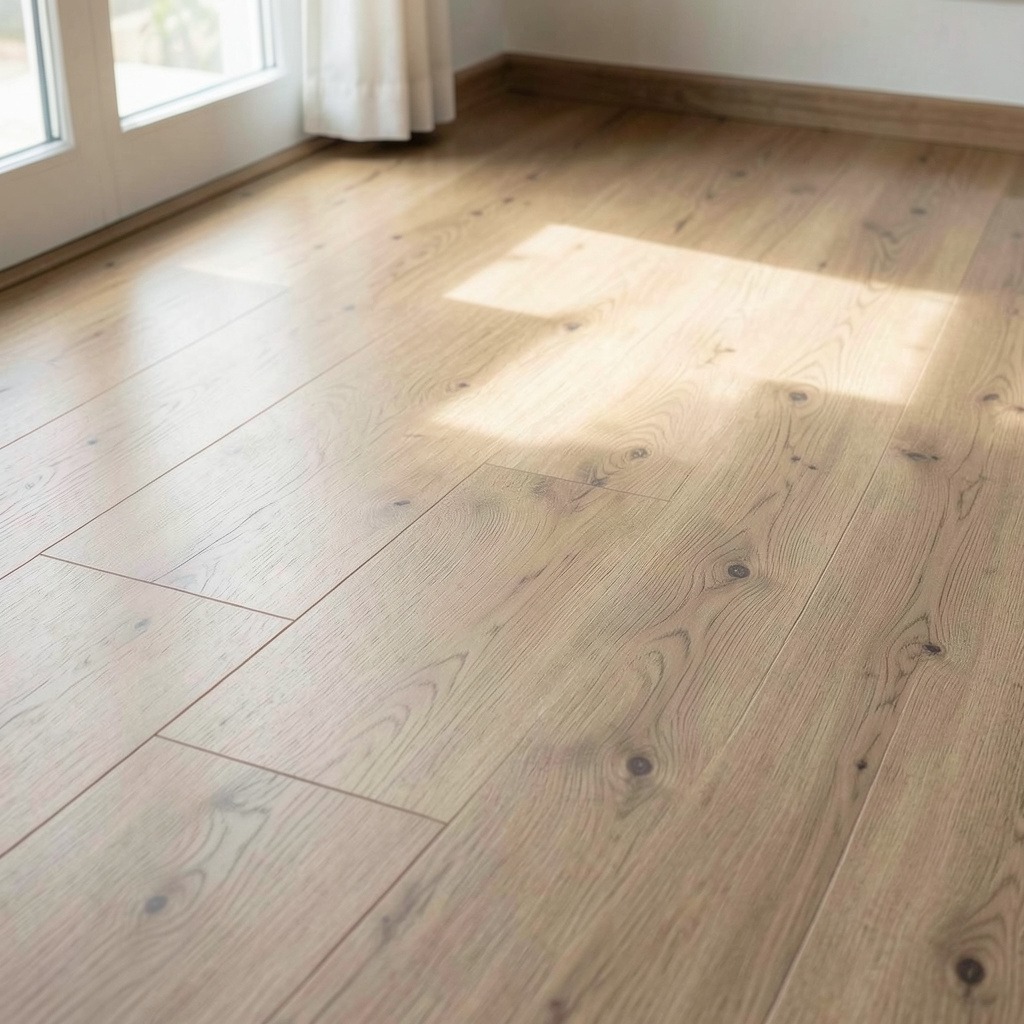
While wood laminate flooring offers numerous benefits, it also comes with notable drawbacks that homeowners should consider. Understanding these cons helps in making an informed decision tailored to your specific needs.
Moisture Sensitivity and Damage Risk
Laminate flooring is susceptible to moisture. If exposed to excessive water, it can swell, warp, or separate at the seams. This makes it unsuitable for high-moisture areas such as bathrooms or laundry rooms. Here are key points regarding moisture risks:
- Swelling: Prolonged exposure to water can cause planks to expand, leading to uneven surfaces.
- Surface Damage: Water can seep into seams, causing long-term structural issues.
- Installation Concerns: Improper installation may exacerbate moisture problems, highlighting the need for professional help in moisture-prone areas.
Limited Refinishing Options
Unlike solid hardwood, laminate flooring cannot be sanded or refinished. Once the surface layer wears down or gets damaged, homeowners face limited options. Here are the implications:
- Replacement Requirement: Damaged planks must be replaced entirely, which can be costly and time-consuming.
- Lifespan Limitations: While laminate can last 10 to 20 years, its longevity is significantly affected by wear and tear.
- High-Traffic Areas: In busy households, this limitation can lead to frequent replacement needs.
Perceived Value and Resale Concerns
The perceived value of laminate flooring is often lower than that of solid hardwood. This can affect resale potential. Consider the following:
- Market Perception: Buyers typically favor solid wood for its authenticity and longevity, potentially leading to lower offers.
- Aesthetic Differences: Laminate may not provide the same warmth and character as real wood, impacting buyer appeal.
- Investment Consideration: For homeowners planning to sell, opting for laminate may not yield the best return on investment.
Decision Framework
When considering laminate flooring, evaluate your specific needs:
1. Moisture Levels: Assess the humidity and water exposure in your home environment.
2. Traffic Patterns: Identify high-traffic areas that may experience more wear.
3. Future Plans: Consider your long-term living situation and whether you plan to move in the near future.
By understanding these cons, you can better weigh your options and decide if wood laminate flooring aligns with your lifestyle and home environment.
Installation Process for Wood Laminate Flooring
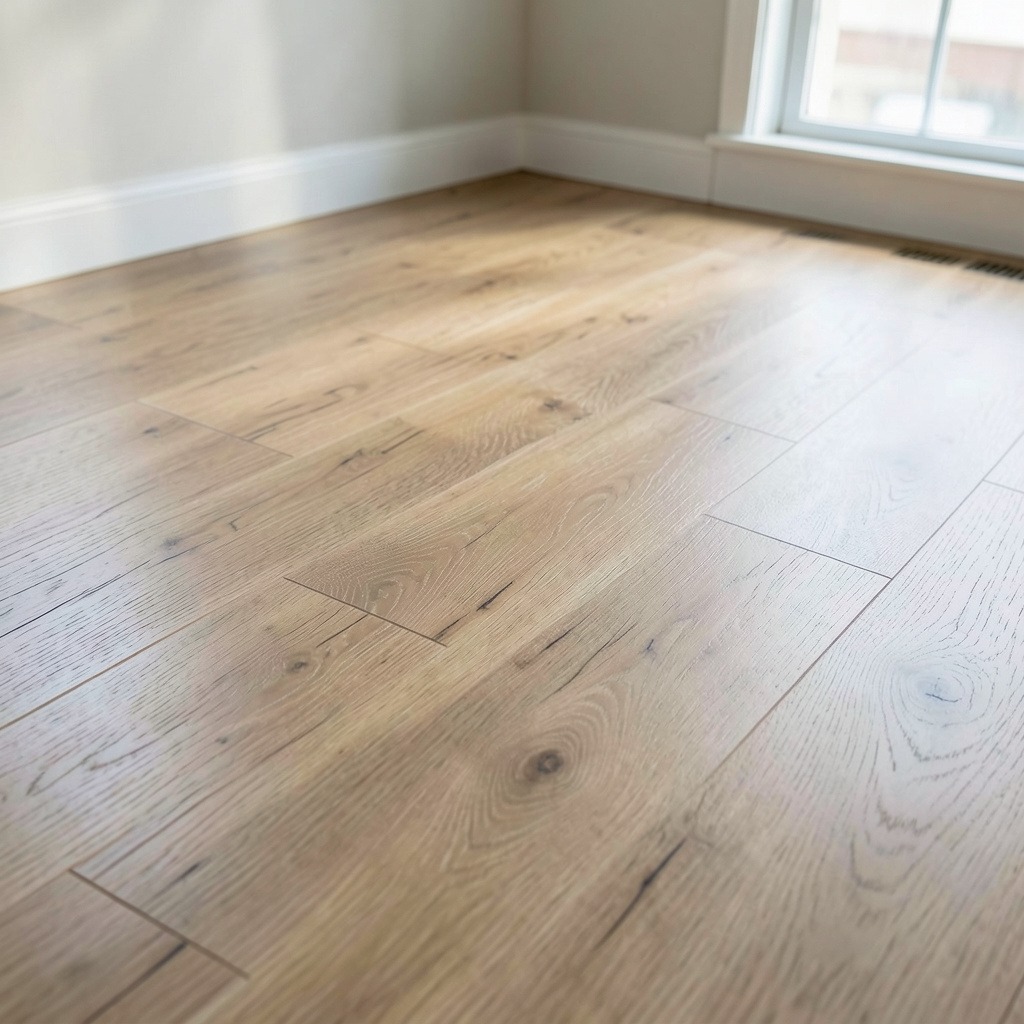
Installing wood laminate flooring is a straightforward process that can enhance your home’s aesthetics and functionality. This guide will help you understand the necessary preparation, tools required, and a step-by-step process to successfully install laminate flooring.
Preparation and Tools Needed
Before starting the installation, gather the following tools and materials:
Tools Checklist:
- Measuring tape
- Utility knife
- Straightedge or ruler
- Hammer
- Tapping block
- Pull bar
- Spacers
- Level
- Safety goggles
- Knee pads (optional for comfort)
Materials Checklist:
- Laminate flooring planks
- Underlayment (if required)
- Transition strips (for doorways)
- Moisture barrier (for areas with high humidity)
Step-by-Step Installation Guide
1. Preparation of the Subfloor
- Ensure the subfloor is clean, dry, and level. Remove any old flooring and debris.
- Repair any uneven areas to prevent issues during installation.
2. Acclimatization
- Allow the laminate planks to acclimate in the installation room for 48 hours. This helps prevent expansion or contraction after installation.
3. Underlayment Installation
- If required, roll out the underlayment across the entire subfloor. Overlap seams and tape them down.
4. Begin Installation
- Start in a corner of the room. Place spacers along the walls to maintain a gap for expansion.
- Lay the first plank with the tongue side facing the wall.
5. Connecting Planks
- Insert the tongue of the next plank into the groove of the first plank at an angle. Lower it to click into place.
- Continue this process, ensuring each plank is snugly connected. Use a tapping block to gently tap the planks together if needed.
6. Cutting Planks
- For the last plank of each row, measure and cut to fit using a utility knife. Ensure the cut is clean for a proper fit.
7. Completing Rows
- Once a row is complete, start the next row by staggering the seams. This enhances durability and aesthetic appeal.
8. Finishing Touches
- Once all planks are installed, remove spacers and install transition strips in doorways.
- Clean the floor to remove any dust or debris.
Common Mistakes to Avoid
- Neglecting Acclimatization: Skipping the acclimation period can lead to warping or gaps.
- Inadequate Spacing: Failing to leave expansion gaps against walls can cause buckling.
- Incorrect Plank Orientation: Always ensure planks run parallel to the longest wall for the best visual effect.
By following this guide, homeowners can confidently install wood laminate flooring, making a cost-effective and appealing choice for their living spaces.
Maintenance and Care for Wood Laminate Flooring
Maintaining wood laminate flooring is essential to prolong its lifespan and preserve its appearance. Regular care ensures that your floors remain attractive and functional.
Daily Cleaning Tips
- Dust and Sweep: Use a soft broom or a microfiber dust mop daily to remove dirt and debris.
- Vacuum: A vacuum with a hard floor setting can also be used weekly to eliminate dirt without scratching the surface.
- Damp Mopping: Occasionally, damp mop your floors with a solution designed for laminate flooring. Avoid excess water, as it can damage the material.
Long-Term Care Strategies
- Avoid Harsh Chemicals: Use gentle, pH-neutral cleaners. Harsh chemicals can strip the protective finish.
- Area Rugs: Place area rugs in high-traffic areas to reduce wear. Ensure they have a non-slip backing to avoid accidents.
- Furniture Pads: Attach felt pads to the bottom of furniture legs to prevent scratches when moving items.
How to Deal with Damage
- Minor Scratches: Use a laminate floor repair kit to fill in minor scratches. This can help maintain the floor’s visual integrity.
- Water Spills: Clean spills immediately to prevent moisture damage. Wipe with a dry cloth and ensure the area is thoroughly dried afterward.
- Replacing Damaged Planks: If a plank is severely damaged, it can be replaced without replacing the entire floor. Follow your installation guide for the best method.
By following these maintenance tips, you can effectively care for your wood laminate flooring and keep it looking its best for years to come.
Cost Analysis of Wood Laminate Flooring
Understanding the cost of wood laminate flooring helps homeowners make informed decisions. This section breaks down initial purchase costs, installation expenses, and long-term considerations compared to other flooring options.
Initial Purchase and Installation Costs
Wood laminate flooring is generally more affordable than other types. Here’s a breakdown of the costs:
- Material Costs: Typically range from $1 to $5 per square foot, depending on brand and quality.
- Installation Costs: Professional installation can add $2 to $5 per square foot. DIY installation is possible, making it a more economical option.
Example Cost Breakdown:
| Item | Cost Range |
|---|---|
| Laminate Flooring | $1 – $5 per sq. ft. |
| Professional Installation | $2 – $5 per sq. ft. |
| DIY Installation Tools | Varies (approx. $50 – $200) |
Long-Term Cost Considerations
When evaluating long-term costs, consider maintenance and durability. Laminate flooring typically requires less upkeep than hardwood or tile. Here are some factors to keep in mind:
- Durability: Laminate floors resist scratches and fading, potentially reducing the need for repairs over time.
- Maintenance: Cleaning laminate is straightforward and does not require costly products or services. Regular sweeping and occasional mopping suffice.
Comparative Cost Analysis with Hardwood and Vinyl
Comparing laminate with hardwood and vinyl reveals significant differences in cost and value.
| Flooring Type | Initial Cost | Installation Cost | Longevity | Maintenance Cost |
|---|---|---|---|---|
| Wood Laminate | $1 – $5 per sq. ft. | $2 – $5 per sq. ft. | 10-25 years | Low |
| Hardwood | $5 – $15 per sq. ft. | $4 – $8 per sq. ft. | 30-100 years | Medium to High |
| Vinyl | $2 – $7 per sq. ft. | $1 – $3 per sq. ft. | 10-20 years | Low |
Takeaway: Laminate flooring provides a budget-friendly alternative with appealing aesthetics and ease of maintenance. It offers substantial savings over time compared to hardwood, particularly in high-traffic areas where durability is crucial.
Comparing Wood Laminate Flooring with Other Options
When evaluating flooring choices, wood laminate flooring presents distinct advantages and drawbacks when compared to hardwood and vinyl options. Understanding these differences can help homeowners make informed decisions tailored to their specific needs.
Laminate vs. Hardwood Flooring
1. Cost: Laminate flooring typically ranges from $1 to $5 per square foot, making it a more budget-friendly choice compared to hardwood, which can cost between $5 to $15 per square foot.
2. Durability: While laminate can last 10 to 25 years, hardwood can endure 30 to 100 years with proper care. However, laminate is more resistant to scratches and dents compared to hardwood.
3. Maintenance: Hardwood requires regular refinishing, while laminate needs minimal upkeep and is easier to clean.
4. Aesthetic Appeal: Hardwood offers a natural, authentic wood feel that many homeowners prefer, while laminate mimics this look but may lack the warmth and character of real wood.
Laminate vs. Vinyl Flooring
1. Durability: Both laminate and vinyl are durable, but laminate generally performs better against scratches and impacts. Vinyl may dent more easily.
2. Water Resistance: Vinyl flooring excels in water resistance, making it suitable for wet areas. Laminate can swell if exposed to excessive moisture, so it’s less ideal for bathrooms or basements.
3. Comfort: Laminate usually feels more comfortable underfoot than vinyl, especially in living areas.
4. Cost: Vinyl flooring ranges from $2 to $7 per square foot, making it slightly more expensive than laminate but still affordable.
Why Choose Laminate Over Other Options?
- Budget-Friendly: If you need a cost-effective solution, laminate is an excellent choice, especially for families or high-traffic areas.
- Easy Installation: Laminate typically features a click-lock installation, allowing for quicker setup compared to hardwood or tile, which require adhesives or nails.
- Versatile Designs: Laminate comes in a variety of styles and finishes, allowing homeowners to achieve the desired look without the high costs associated with hardwood.
| Feature | Laminate | Hardwood | Vinyl |
|---|---|---|---|
| Cost | $1 – $5 per sq. ft. | $5 – $15 per sq. ft. | $2 – $7 per sq. ft. |
| Lifespan | 10 – 25 years | 30 – 100 years | 10 – 20 years |
| Scratch Resistance | High | Medium | Medium |
| Moisture Resistance | Low | Medium | High |
| Installation Ease | Easy (click-lock) | Difficult (nails/glue) | Moderate (adhesive) |
Decision Rule: Choose laminate if you prioritize cost and ease of installation. Opt for hardwood if longevity and authenticity are essential. Select vinyl for high moisture areas or if you prefer easy maintenance.
Environmental Considerations of Wood Laminate Flooring
Wood laminate flooring presents various environmental considerations, from production to disposal. Understanding these factors can guide consumers towards more sustainable choices.
Production and Resource Use
The production of laminate flooring typically involves synthetic materials like high-density fiberboard (HDF) and a photographic layer that mimics wood grain. These components can have significant environmental impacts:
- Resource Consumption: Laminate flooring often uses wood fibers from fast-growing trees, reducing pressure on slow-growing species. However, the manufacturing process can consume large amounts of energy and water.
- Chemical Usage: Many laminate products contain adhesives and finishes that may release volatile organic compounds (VOCs), impacting indoor air quality.
Sustainability of Laminate Flooring
Some laminate flooring options prioritize sustainability. When selecting laminate, look for products with:
- Eco-Friendly Certifications: Certifications such as GREENGUARD or E0/E1 indicate low emissions of harmful chemicals.
- Sustainable Sourcing: Choose brands that use responsibly sourced wood and sustainable manufacturing practices.
Example: Certain brands offer laminate flooring made from recycled materials, contributing to a circular economy.
Disposal and Recycling Options
Disposing of laminate flooring presents challenges. Unlike solid wood, laminate cannot be sanded or refinished. This limitation leads to more waste. However, there are better disposal options:
- Recycling Programs: Some manufacturers provide take-back programs for old laminate floors.
- Landfill Impact: If not recycled, laminate flooring may contribute to landfill waste. It is essential to check local regulations for disposal methods.
Quick Checklist for Sustainable Laminate Choices
- Look for eco-friendly certifications (GREENGUARD, E0/E1).
- Research the brand’s sustainability practices.
- Inquire about recycling options for old flooring.
By understanding these environmental aspects, homeowners can make informed decisions about wood laminate flooring that align with their values and sustainability goals.
Real-Life Experiences and User Testimonials
Homeowners often share their experiences with wood laminate flooring, revealing a mix of satisfaction and challenges. These testimonials provide valuable insights into the practical aspects of laminate flooring.
Positive Experiences with Laminate
Many users appreciate the affordability and aesthetic appeal of laminate flooring. Common positive feedback includes:
- Cost-Effective: Homeowners frequently mention the lower price point compared to hardwood. This affordability allows for stylish upgrades without breaking the bank.
- Easy Maintenance: Users report that laminate is simple to clean and maintain. One homeowner noted, “Spills wipe up easily, which is great for my busy family.”
- Design Versatility: With numerous styles and colors available, homeowners enjoy the ability to match their decor. A user stated, “It looks just like real wood, and I love the variety.”
Challenges Faced by Users
Despite the advantages, some users encounter specific challenges with laminate flooring:
- Scratch Vulnerability: Many homeowners express concerns about scratching, particularly in high-traffic areas or homes with pets. One user remarked, “It scratches easily, especially with our dog running around.”
- Water Sensitivity: Users have noted that laminate is not suitable for areas prone to moisture. A homeowner shared, “We had to replace it after water damage in the kitchen.”
- Lifespan Concerns: While laminate can last many years, some users feel it doesn’t compare to hardwood. A user mentioned, “I wish I could refinish it; once it’s damaged, it’s a hassle to replace.”
Overall Satisfaction and Recommendations
User satisfaction with laminate flooring varies, but many still recommend it for specific situations:
- Best for Budget-Conscious Renovations: Homeowners suggest laminate for those looking to upgrade on a budget.
- Ideal for Low-Maintenance Lifestyles: Families or individuals seeking easy-care flooring often find laminate meets their needs.
- Environment Considerations: Homeowners recommend considering laminate for its eco-friendly options when sourced from sustainable manufacturers.
In summary, real-life experiences highlight both the benefits and drawbacks of wood laminate flooring. Understanding these perspectives can help potential buyers make informed choices tailored to their unique situations.
Frequently Asked Questions
These quick answers cover the most common questions about this topic, including key details, practical tips, and common concerns.
Do high-end homes use laminate flooring?
While laminate flooring is commonly associated with budget-friendly renovations, many high-end homes incorporate it as a stylish option. Modern laminate can closely mimic the appearance of hardwood, offering a sophisticated look at a lower price point. High-quality laminate options provide a range of designs that can complement luxurious interiors, making it a viable choice for upscale settings.
What is the healthiest flooring to have in your home?
When considering health factors, laminate flooring can be a good option if you choose products with low VOC emissions. However, hardwood is often regarded as healthier due to its natural materials and lower chemical content. It’s essential to look for certifications like GREENGUARD to ensure the flooring contributes to better indoor air quality.
Is it better to get vinyl or laminate flooring?
The choice between vinyl and laminate flooring depends on your specific needs. Vinyl is more water-resistant, making it suitable for areas like kitchens and bathrooms. Laminate, while durable and scratch-resistant, is less moisture tolerant. If you prioritize water resistance and comfort, vinyl may be the better option. For aesthetic appeal and cost-effectiveness, laminate could be your choice.
Does anyone use laminate flooring anymore?
Yes, laminate flooring remains popular among homeowners due to its affordability and variety of styles. Many people appreciate its ease of installation and maintenance. While some may opt for hardwood or luxury vinyl, laminate continues to be a practical choice, especially for budget-conscious renovations or rental properties.
Is laminate flooring suitable for high-moisture areas?
Laminate flooring is generally not recommended for high-moisture areas such as bathrooms or basements. Excessive water exposure can cause the planks to swell or warp. If you need flooring for such spaces, consider alternatives like vinyl or tile, which offer better water resistance.
How long does laminate flooring typically last?
Laminate flooring can last between 10 to 25 years, depending on the quality of the product and the level of foot traffic in the area. Regular maintenance, such as cleaning and using protective pads under furniture, can help extend its lifespan. However, once it shows significant wear or damage, replacement may be necessary since laminate cannot be refinished like hardwood.
What are common problems with laminate flooring?
Common issues with laminate flooring include scratching, water damage, and limited refinishing options. Scratches can occur in high-traffic areas or homes with pets. Water exposure can lead to swelling and warping. Additionally, once the surface layer is damaged, the planks often need to be replaced entirely, which can be inconvenient and costly.
What are alternatives to laminate flooring?
Alternatives to laminate flooring include hardwood, vinyl, tile, and cork. Hardwood offers durability and a timeless appeal but at a higher cost. Vinyl provides excellent water resistance and comfort, while tile is highly durable and easy to clean. Cork is eco-friendly and provides a unique aesthetic but may require more maintenance. Each option has its pros and cons, so consider your specific needs and preferences when choosing flooring.