
Wood pellet litter offers eco-friendly benefits, excellent odor control, and is lightweight, but it lacks clumping ability, may not suit all cats, and can be more challenging to clean compared to traditional clay litters.
Table of Contents
For cat owners considering a switch, understanding the pros and cons of wood litter is essential. Wood pellet litter is gaining popularity due to its natural composition and environmental benefits, but it also presents unique challenges that every pet owner should consider.
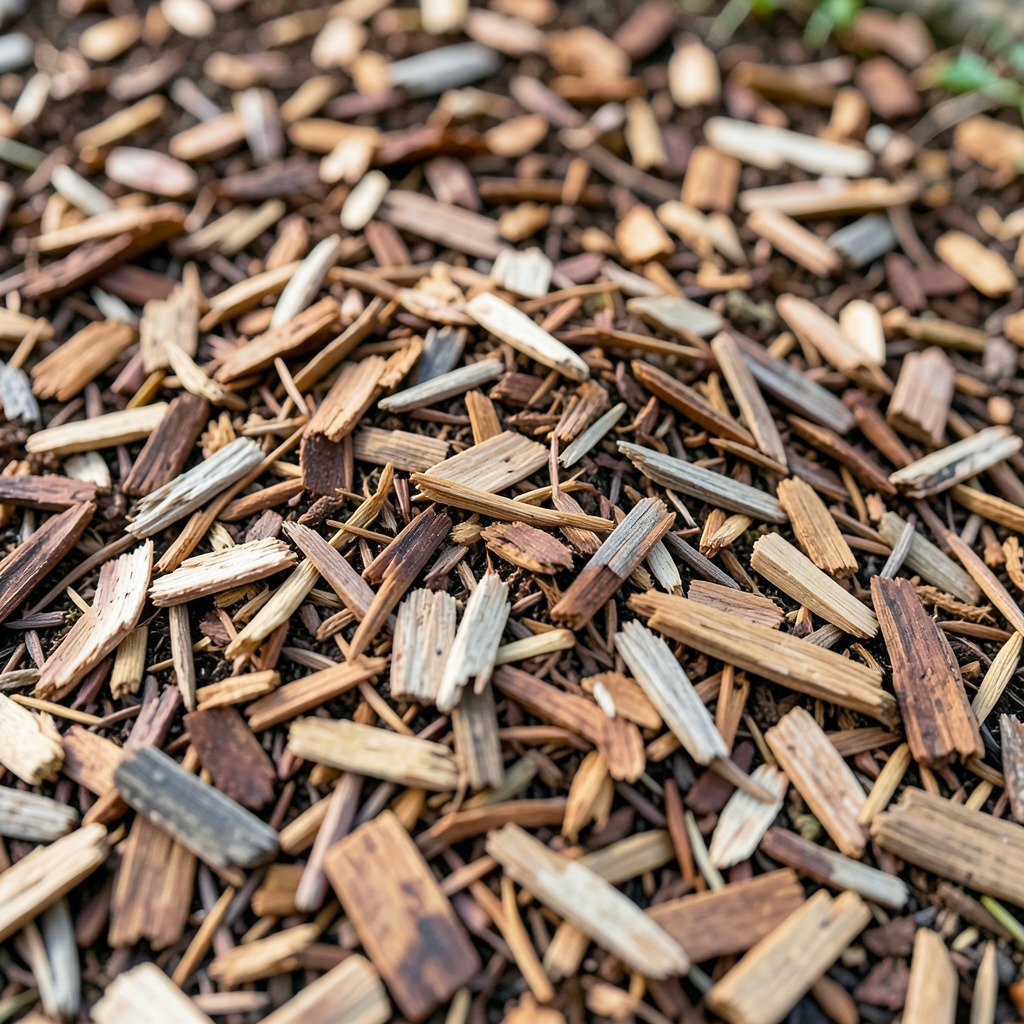
Understanding Wood Pellet Cat Litter
Wood pellet cat litter is a natural and eco-friendly alternative to traditional clay litters. It is primarily made from compressed wood materials, offering unique benefits and some drawbacks for cat owners.
What is Wood Pellet Cat Litter?
Wood pellet cat litter consists of small, compressed pellets made from wood byproducts. These pellets absorb moisture and control odor effectively. Unlike traditional clays, which are often dusty and may harm respiratory health, wood pellets produce little to no dust.
Types of Wood Used
The main types of wood used in pellet litter include:
- Pine: Known for its natural scent, pine pellets offer good odor control and absorbency. They are often made from reclaimed wood, promoting sustainability.
- Cedar: Cedar pellets are favored for their aromatic properties, which help mask odors. They are also naturally resistant to bacteria.
- Hardwood: Some brands use hardwoods like oak and applewood for their durability and absorbency.
How It Works
Wood pellet cat litter functions by absorbing moisture and expanding when wet. This process allows for effective odor control. Here’s how the process typically unfolds:
1. Moisture Absorption: When your cat uses the litter box, the pellets absorb urine.
2. Expanding Pellets: The absorbed moisture causes the pellets to break down into sawdust, which clumps together for easy removal.
3. Odor Management: The natural properties of wood help neutralize odors, keeping the litter box fresh.
For those transitioning to wood pellet litter, consider using a product like the PetSafe ScoopFree Ultra Self-Cleaning Litter Box to simplify maintenance and enhance odor control.
Key Benefits
- Eco-friendly: Made from reclaimed wood materials, reducing environmental impact.
- Dust-free: Lower risk of respiratory issues for both cats and owners.
- Natural Odor Control: Efficiently neutralizes odors without artificial fragrances.
Considerations
While wood pellet litter has numerous advantages, it may not suit every cat. Some cats may take time to adjust to the texture. It’s advisable to gradually introduce wood pellets into their existing litter to ease the transition.
7 Advantages of Using Wood Pellet Cat Litter
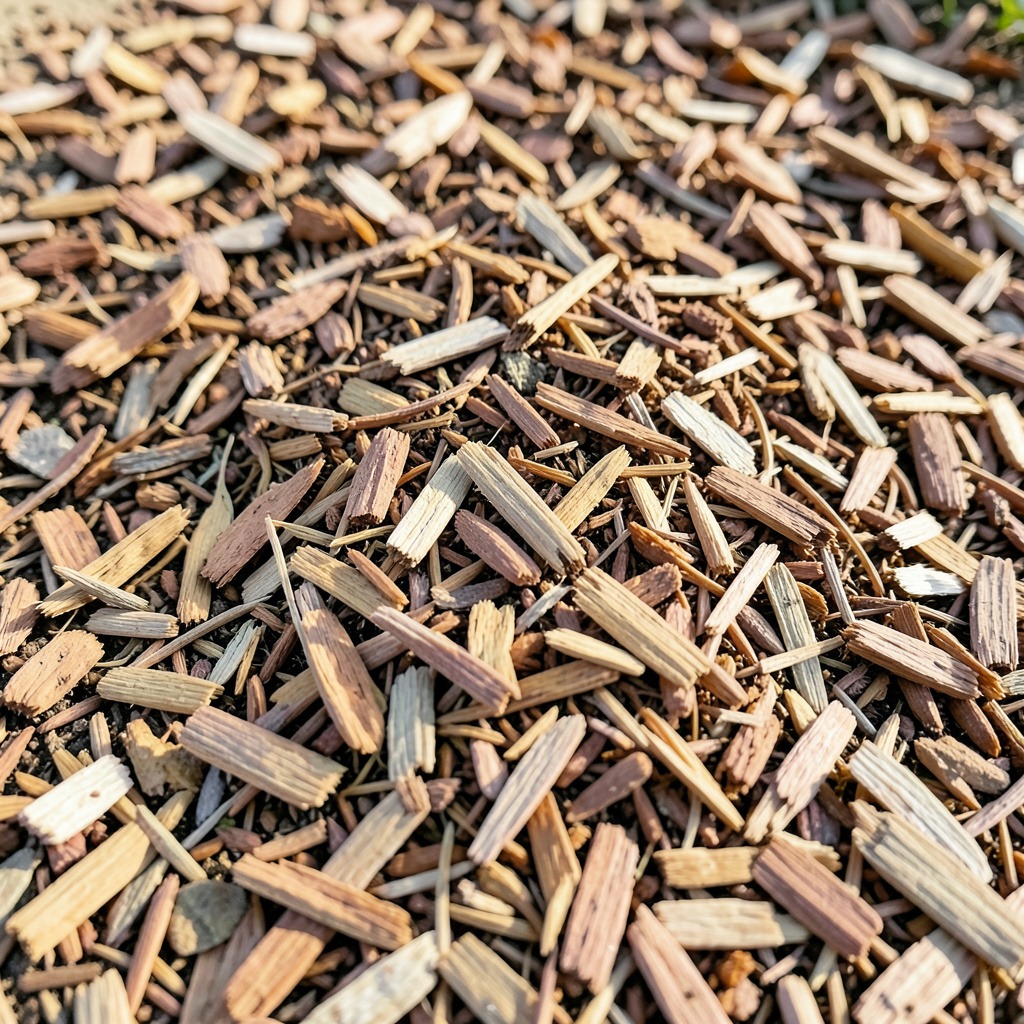
Wood pellet cat litter offers several benefits that can enhance both your cat’s comfort and your home environment. Understanding these advantages can help you make an informed choice.
Eco-Friendly and Biodegradable
Wood pellet cat litter is made from reclaimed wood materials. This reduces the environmental impact compared to traditional clay litters.
- Sustainability: Many brands source their materials from sustainable forests.
- Biodegradable: After use, wood pellets can break down naturally, making them a better choice for the planet.
Excellent Odor Control
One of the standout features of wood pellet litter is its ability to control odors.
- Natural Absorption: Wood fibers absorb moisture effectively, minimizing odors.
- No Artificial Fragrances: Unlike some commercial litters, wood pellets do not mask smells with synthetic scents, providing a more natural option.
Low Dust and Low Tracking
Wood pellet litter produces minimal dust, which benefits both cats and their owners.
- Reduced Respiratory Issues: The low dust content lowers the risk of respiratory problems for both pets and humans.
- Less Mess: Wood pellets tend to track less than traditional litters, keeping your home cleaner.
Cost-Effectiveness
Wood pellet litter can be more economical over time.
- Long-Lasting: Pellets absorb moisture effectively, allowing for less frequent changes compared to clay litter.
- Bulk Purchase Savings: Many brands offer bulk purchasing options, leading to cost savings.
User Satisfaction Insights
A survey of cat owners who switched to wood pellet litter indicated a 75% satisfaction rate regarding odor control and dust levels. Many reported positive experiences with their cats adapting to the new litter, especially when introduced gradually.
Consider integrating wood pellet litter with tools like the PetSafe ScoopFree Ultra Self-Cleaning Litter Box to enhance the overall experience.
7 Disadvantages of Using Wood Pellet Cat Litter
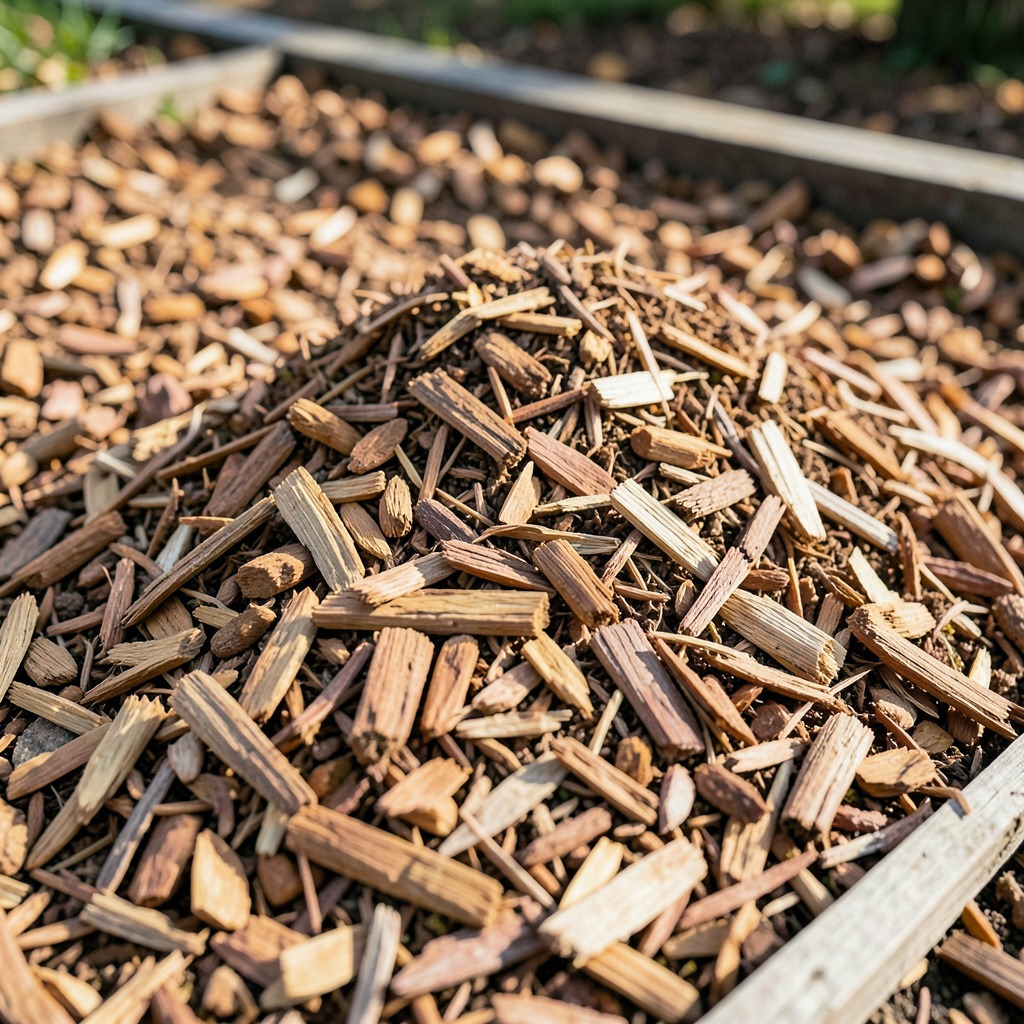
While wood pellet cat litter offers several benefits, it also presents certain drawbacks that potential users should consider. Understanding these disadvantages can help cat owners make informed choices.
Non-Clumping Nature
One significant downside of many wood pellet litters is their non-clumping nature. Unlike traditional clay litters, which form clumps upon contact with moisture, wood pellets absorb liquid but do not solidify. This can complicate the cleaning process.
- Cleaning Routine: Users must regularly sift through the litter to remove soiled pellets and replace them with fresh ones.
- Frequency of Changes: Many owners find themselves changing the litter more often than with clumping varieties, which can be less convenient.
Texture Issues for Some Cats
The texture of wood pellets can be a barrier for some cats. Cats are sensitive to changes in their litter environment, and the distinct feel of wood pellets may not be appealing.
- Adjustment Period: Some cats may refuse to use the litter box initially or may take time to adapt. Gradual introduction can help ease the transition.
- User Experience: Owners have reported mixed experiences; while some cats adapt quickly, others may show reluctance.
Potential Tracking Problems
Wood pellets can also create tracking issues. They are larger than traditional litter granules, making them more likely to scatter outside the box.
- Mess Management: Owners may need to implement mats or other strategies to minimize litter tracking, which can lead to increased cleaning tasks.
- Comparative Cleanliness: While some users appreciate the reduced dust, others find that the pellets can still be tracked throughout the home.
In conclusion, while wood pellet litter offers eco-friendly benefits and good odor control, potential users should be aware of these disadvantages. Evaluating your cat’s preferences and your cleaning routine can help you decide if wood pellets are the right choice.
How to Transition Your Cat to Wood Pellet Litter
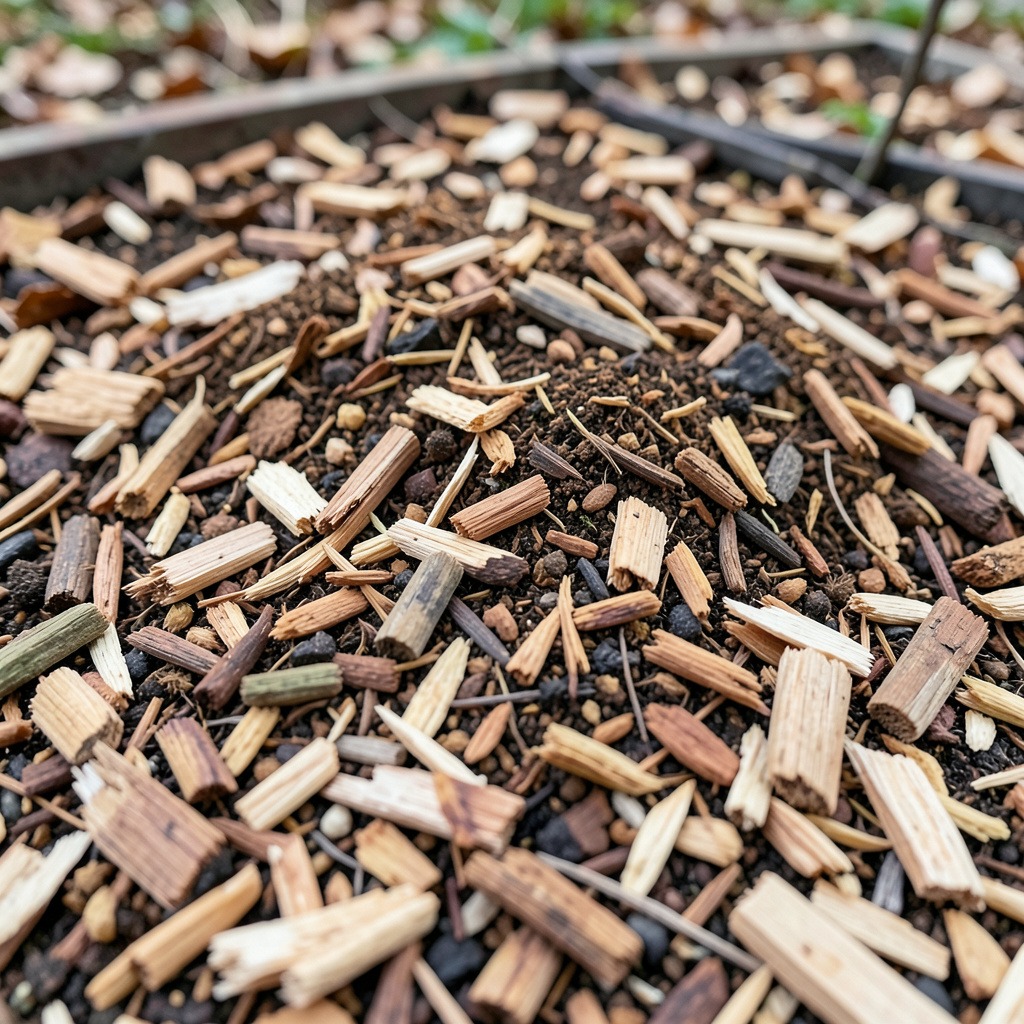
Transitioning your cat to wood pellet litter requires a thoughtful approach. Cats are creatures of habit, and changing their litter can disrupt their comfort. Here’s a step-by-step guide to help ease the process.
Understand Your Cat’s Preferences
Before making the switch, observe your cat’s current litter habits. Consider the following:
- Texture Preference: Cats may prefer finer textures. Wood pellets are larger and coarser.
- Scent Sensitivity: Some cats are sensitive to strong scents. Choose unscented pellets if necessary.
- Previous Experiences: Cats accustomed to clay litter may need extra care during the transition.
Gradual Introduction Techniques
A gradual introduction minimizes stress. Follow this checklist to ensure a smooth transition:
1. Start Small: Mix a small amount of wood pellet litter into the existing litter (about 25% wood pellets to 75% old litter).
2. Adjust Over Time: Gradually increase the proportion of wood pellets over a week. Aim for a complete switch within 10-14 days.
3. Monitor Acceptance: Watch for signs of acceptance or rejection:
- Acceptance: Your cat uses the box without hesitation.
- Rejection: Your cat avoids the box or shows signs of distress.
Monitor Your Cat’s Behavior
Keep an eye on your cat’s reactions throughout the transition:
- Behavioral Changes: If your cat stops using the litter box, reduce the ratio of wood pellets until they adjust.
- Health Indicators: Watch for changes in eating or drinking habits, which may indicate stress.
- Comfort Level: Ensure your cat feels secure in their environment. Provide plenty of affection and reassurance during this time.
Checklist for Success
Use this checklist to track your transition:
- [ ] Begin with a small mix of wood pellets.
- [ ] Increase the proportion gradually.
- [ ] Monitor your cat’s behavior daily.
- [ ] Adjust based on your cat’s response.
- [ ] Maintain a calm environment throughout the process.
By following these steps, you can facilitate a smoother transition to wood pellet litter. This careful approach not only supports your cat’s comfort but also enhances their acceptance of the new litter type.
Wood Pellet Litter vs. Traditional Clay Litter
When considering the best litter for your cat, wood pellet litter offers distinct advantages and disadvantages compared to traditional clay litter. This comparison will focus on performance metrics, cost, and environmental impact.
Performance Metrics
Wood pellet litter differs significantly from clay litter in terms of performance. Here are some key aspects:
- Odor Control: Wood pellets naturally absorb moisture and odors more effectively than clay. They break down into sawdust, which helps mask unpleasant smells.
- Dust Production: Wood pellet litter produces minimal dust, reducing respiratory issues for both cats and humans. In contrast, clay litter often generates significant dust upon pouring and scooping.
- Clumping Ability: Traditional clay litter typically clumps, making waste removal straightforward. However, most wood pellet litter does not clump, requiring a different cleaning method.
Cost Analysis
Cost is a crucial factor when choosing cat litter. The following table compares wood pellet litter and traditional clay litter based on price and maintenance.
| Feature | Wood Pellet Litter | Traditional Clay Litter |
|---|---|---|
| Average Price (per 40 lb bag) | $10-$15 | $15-$25 |
| Maintenance Frequency | Every 1-2 weeks | Every week |
| Disposal Method | Compostable (if labeled) | Non-compostable |
Key Insight: While wood pellet litter may have a higher initial price, its longer lifespan and reduced frequency of changes can lead to overall cost savings.
Environmental Considerations
Wood pellet litter stands out for its eco-friendly attributes. Here’s how it measures up against clay litter:
- Sustainability: Most wood pellet litter is made from recycled wood products, promoting sustainability. Clay litter, on the other hand, is sourced from strip-mined clay, which has a significant environmental footprint.
- Biodegradability: Wood pellets are biodegradable and can often be composted or flushed (if labeled as flushable). Clay litter is typically non-biodegradable and contributes to landfill waste.
Example Scenario: A cat owner transitioning to wood pellet litter reports a noticeable reduction in waste and improved odor control. They also appreciate the environmental benefits, feeling good about using a product made from recycled materials.
In summary, while wood pellet litter may require some adjustment in cleaning methods, its advantages in odor control, environmental impact, and potential cost savings make it a compelling option for many cat owners.
Alternatives to Wood Pellet Cat Litter
While wood pellet cat litter offers several benefits, other eco-friendly litter options also merit consideration. These alternatives provide distinct features that may suit different cat owners’ needs.
Tofu Litter
Tofu litter is made from crushed soybeans and is a biodegradable option. It offers excellent odor control due to its natural properties. Here are some key points:
- Pros:
- Highly absorbent, controlling moisture effectively.
- Flushable and compostable, reducing waste.
- Soft texture is gentle on cat paws.
- Cons:
- Can be pricier than wood pellets.
- Some cats may be hesitant to use it initially.
Paper Litter
Paper litter is another sustainable choice, crafted from recycled paper products. It is known for being lightweight and low in dust.
- Pros:
- Excellent for cats with respiratory issues due to minimal dust.
- Absorbs moisture well, keeping the litter box dry.
- Environmentally friendly, made from recycled materials.
- Cons:
- May require more frequent changing compared to wood pellets.
- Odor control may not be as effective as other options.
Corn-Based Litter
Corn-based litter is made from whole-kernel corn, providing a clumping ability similar to clay litter.
- Pros:
- Biodegradable and compostable.
- Good clumping action for easy cleanup.
- Natural corn scent helps with odor control.
- Cons:
- Can attract pests like insects or rodents if not stored properly.
- Some cats may develop allergies to corn products.
Comparison Overview
| Litter Type | Biodegradable | Odor Control | Clumping Ability | Dust Level | Price Range |
|---|---|---|---|---|---|
| Wood Pellet | Yes | Good | Non-clumping | Low | $ |
| Tofu | Yes | Excellent | Yes | Very Low | $$ |
| Paper | Yes | Moderate | No | Very Low | $ |
| Corn | Yes | Good | Yes | Low | $$ |
When considering alternatives to wood pellet litter, evaluate your cat’s preferences and any specific health concerns. Each option has its strengths and weaknesses, which play a significant role in determining the best fit for your household.
Final Thoughts on Wood Pellet Cat Litter
Choosing the right litter for your cat is essential for their comfort and your convenience. Wood pellet cat litter offers a unique blend of benefits and drawbacks that pet owners should carefully consider.
Recap of Pros and Cons
Pros:
- Eco-Friendly: Made from renewable resources, wood pellet litter promotes sustainability.
- Odor Control: The natural properties of wood help neutralize odors effectively.
- Dust-Free: Minimal dust reduces respiratory issues for both cats and humans.
- Cost-Effective: Generally lower cost compared to traditional clay litters.
Cons:
- Transition Challenges: Some cats may resist new textures, requiring a gradual introduction.
- Non-Clumping Nature: Waste management can be less convenient than clumping litters.
- Potential Allergies: While generally safe, some cats may have sensitivities to wood products.
Who Should Consider Wood Pellet Litter?
Wood pellet litter is ideal for environmentally conscious pet owners. It suits those looking for a cost-effective option with strong odor control. If your cat has health concerns like respiratory issues, the dust-free nature of wood pellets is a significant advantage. However, if your cat prefers clumping litter or is particularly finicky, you may want to explore other options first.
Making the Right Choice for Your Cat
When deciding on wood pellet litter, consider the following factors:
- Cat’s Preferences: Understand your cat’s comfort with different textures.
- Transition Plan: Gradually mix wood pellets with their current litter to ease the switch.
- Litter Box Setup: Ensure the box is large enough for the litter type and your cat’s habits.
Decision Rule: If your cat is open to new experiences and you prioritize sustainability and cost, wood pellet litter may be an excellent fit. Conversely, if your cat is sensitive to changes or prefers clumping litter, it might be best to stick with familiar options.
In summary, weigh the pros and cons against your cat’s specific needs and lifestyle to make the most informed decision regarding wood pellet litter.
Frequently Asked Questions
These quick answers cover the most common questions about this topic, including key details, practical tips, and common concerns.
Is wood litter better for cats?
Wood litter can be a better option for many cats due to its eco-friendly nature and effective odor control. It is dust-free, which reduces respiratory issues for both cats and their owners. However, some cats may prefer the texture of traditional clumping litters, so individual preferences can vary.
What is the healthiest litter for a cat?
The healthiest litter for a cat is one that minimizes dust and allergens while providing good odor control. Wood pellet litter is often considered a healthy choice due to its low dust levels and natural materials. However, if your cat has specific sensitivities or allergies, you may want to consult your veterinarian for personalized recommendations.
What cat litter should you stay away from?
Avoid cat litters that contain artificial fragrances, excessive dust, or harmful chemicals. Clay litters with sodium bentonite can be problematic for some cats due to respiratory issues. Additionally, litters with strong scents may deter cats from using the litter box, leading to behavioral issues.
Why do shelters prefer non-clumping litter?
Shelters often prefer non-clumping litter because it is easier to clean in bulk and more cost-effective. Non-clumping litter absorbs moisture without forming hard clumps, allowing for quicker disposal of waste. This can be particularly beneficial in a high-volume environment where time and resources are limited.
How do I transition my cat to wood pellet litter?
To transition your cat to wood pellet litter, start by mixing a small amount (about 25%) with their current litter. Gradually increase the proportion of wood pellets over 10-14 days, monitoring your cat’s acceptance. If your cat shows reluctance, slow down the transition and provide extra encouragement.
Can I compost used wood pellet litter?
Yes, many wood pellet litters are biodegradable and can be composted. However, ensure that the litter is free from any additives or chemicals before composting. This eco-friendly disposal method can help reduce waste and benefit your garden.
What are the best practices for maintaining wood pellet litter?
To maintain wood pellet litter, regularly check for soiled pellets and remove them as needed. Replace the litter entirely every 1-2 weeks, depending on usage. Use a scoop designed for wood pellets to make cleaning easier and minimize waste.
Is wood pellet litter safe for kittens?
Wood pellet litter is generally safe for kittens, but it’s essential to monitor their behavior. Kittens may be more sensitive to different textures, so a gradual introduction is recommended. Ensure that the pellets are free from harmful additives, and consult your veterinarian if you have concerns about allergies.