
Porcelain wood tile combines the beauty of natural wood with the durability and low maintenance of porcelain, making it a popular flooring choice.
Table of Contents
Porcelain wood tile is a versatile flooring option that mimics the appearance of hardwood while providing the durability of porcelain. In this guide, we’ll explore the pros and cons, helping you decide if this material is the right fit for your home.

Understanding Porcelain Wood Tile
Porcelain wood tile combines the aesthetic appeal of hardwood with the durability of porcelain. This innovative material is gaining traction in modern homes due to its versatility and performance.
What is Porcelain Wood Tile?
Porcelain wood tile is a type of ceramic tile designed to imitate the look of natural wood. It is made from a mixture of clay, feldspar, and other natural materials, which are fired at high temperatures. This process creates a dense, hard surface that is resistant to moisture, scratches, and stains.
- Composition: Made from high-quality porcelain, it features a printed design that mimics wood grain.
- Durability: Unlike traditional wood, porcelain wood tile does not warp or fade, making it suitable for various environments, including bathrooms and kitchens.
- Aesthetic Flexibility: Available in a wide range of colors and textures, it can replicate any wood species, enhancing the design possibilities for homeowners.
Market Trends and Popularity
The popularity of porcelain wood tile is on the rise, driven by several market trends:
- Increased Demand: Homeowners are increasingly seeking materials that offer both beauty and practicality. Porcelain wood tile meets this need by providing a wood-like appearance without the maintenance challenges of real wood.
- Sustainable Choices: As environmental awareness grows, many consumers prefer flooring options that are more sustainable. Porcelain wood tile often requires fewer resources to maintain compared to natural wood.
- Technological Innovations: Advances in printing technology have improved the realism of porcelain wood tiles. Manufacturers can now create tiles that closely mimic the textures and colors of real wood.
Decision Framework
When selecting flooring, consider these factors:
- Lifestyle: If you have pets or children, durability and ease of maintenance are critical. Porcelain wood tile offers both.
- Usage Patterns: For high-traffic areas, porcelain wood tile outperforms traditional hardwood in terms of longevity and resistance to wear.
- Aesthetic Goals: If achieving a cohesive design throughout your home is essential, porcelain wood tile can unify spaces, including bathrooms, where traditional wood cannot be used.
By understanding these elements, you can make an informed decision about whether porcelain wood tile is suitable for your home.
Pros of Porcelain Wood Tile

Porcelain wood tile combines the aesthetic appeal of natural wood with superior performance characteristics. It is an excellent choice for those seeking a practical yet stylish flooring option.
Exceptional Durability
Porcelain wood tile is renowned for its durability. This flooring material is made from dense clay, which is fired at high temperatures, making it resistant to chipping, scratching, and denting. Homeowners can expect porcelain wood tile to withstand heavy foot traffic without showing significant wear.
- Example: In a busy household with pets and children, porcelain wood tile remains visually appealing and functional even after years of use. Unlike traditional hardwood, which can easily be damaged, porcelain wood tile maintains its integrity.
Water and Moisture Resistance
One of the standout benefits of porcelain wood tile is its water resistance. Unlike real wood, which can warp or swell in high-moisture areas, porcelain wood tile is impervious to water. This property makes it ideal for installation in kitchens, bathrooms, and basements.
- Example: A homeowner installed porcelain wood tile in their bathroom and noticed no signs of mold or damage, even after several years. This resilience offers peace of mind in areas prone to spills and humidity.
Low Maintenance Requirements
Porcelain wood tile is exceptionally easy to maintain. Regular sweeping and occasional mopping are usually sufficient to keep it looking new. Unlike hardwood, which may require refinishing or special cleaning products, porcelain wood tile is resistant to stains and does not need periodic sealing.
- Checklist for Maintenance:
- Sweep or vacuum weekly to remove debris.
- Mop with a gentle cleaner monthly.
- Address spills immediately to maintain aesthetics.
This low-maintenance aspect appeals to busy families looking for convenience without sacrificing style. By choosing porcelain wood tile, homeowners enjoy a beautiful floor that requires minimal upkeep.
Cons of Porcelain Wood Tile

While porcelain wood tile offers numerous advantages, it also has several drawbacks. Understanding these limitations is essential for homeowners considering this flooring option.
Installation Complexity
Installing porcelain wood tile can be challenging. The process often requires professional help due to the material’s weight and the precision needed for cuts and layouts. Unlike traditional hardwood, which can sometimes be a DIY project, porcelain wood tile demands specialized tools and techniques.
- Professional Installation Recommended: Due to the complexity, hiring a contractor is advisable.
- Time-Consuming: The installation process may take longer compared to hardwood.
- Subfloor Preparation: Proper subfloor assessment and preparation are critical for a successful installation.
Cold Surface Concerns
Porcelain wood tile tends to retain cold temperatures, making it less comfortable in cooler climates. This can be a significant drawback in homes where warmth underfoot is desired.
- Not Ideal for Cold Weather: Homeowners may need to invest in area rugs for comfort.
- Potential Heating Costs: If using radiant heating, installation might increase costs.
Cost Considerations
Cost is a crucial factor when evaluating porcelain wood tile. Although it can be less expensive than high-end hardwood, the total investment often surpasses that of traditional wood flooring when considering installation.
| Cost Element | Porcelain Wood Tile | Hardwood Flooring |
|---|---|---|
| Material Cost | $3 – $10 per sq ft | $5 – $15 per sq ft |
| Installation Cost | $5 – $15 per sq ft | $3 – $8 per sq ft |
| Maintenance Cost (Yearly) | Minimal | $200 – $400 |
| Lifespan | 50+ years | 30+ years |
Example Scenario: A homeowner choosing 1,000 square feet of flooring might face a total cost of $8,000 for porcelain tile, including installation, compared to $6,000 for hardwood. However, the long-term maintenance costs may favor the porcelain option, making it worthwhile despite higher upfront costs.
Understanding these cons helps inform a balanced decision. Consider lifestyle needs and climate when choosing between porcelain wood tile and traditional hardwood.
Installation Tips for Porcelain Wood Tile
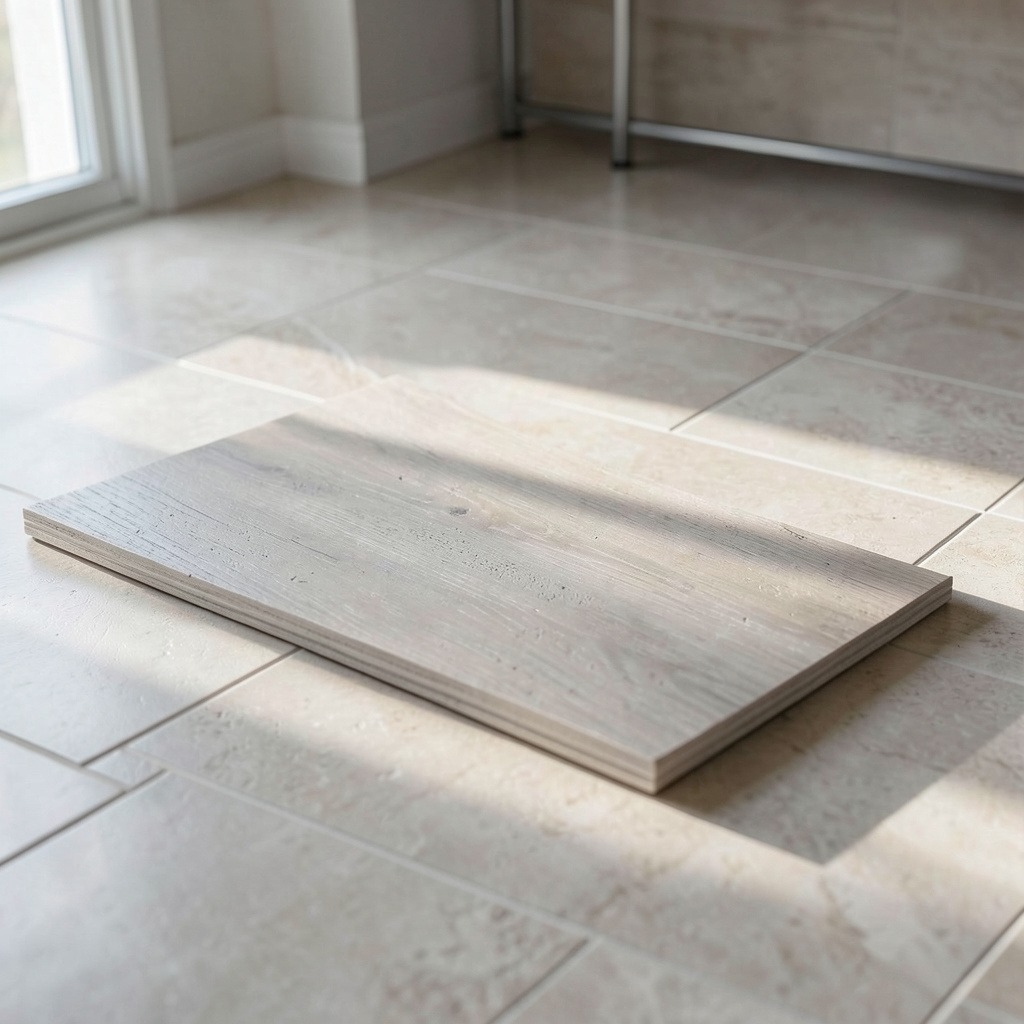
Installing porcelain wood tile requires careful planning and execution. Understanding the installation process can enhance durability and aesthetics while reducing the likelihood of mistakes.
Preparing the Subfloor
A solid subfloor is crucial for a successful installation. Ensure it is clean, dry, and level. Any imperfections can lead to uneven tiles and cracking.
- Check for Levelness: Use a level to ensure the surface is flat.
- Repair Damage: Fill any cracks or holes with appropriate filler.
- Moisture Barrier: Consider adding a moisture barrier if installing in areas prone to dampness.
Tools and Materials Needed
Having the right tools and materials can streamline the installation process. Essential items include:
- Tile Cutter: For precise cuts.
- Trowel: For applying adhesive.
- Level: To ensure tiles are even.
- Spacers: For consistent grout lines.
- Grout: Use a high-quality grout suitable for porcelain tiles.
Best Practices for Installation
Following best practices can prevent common installation mistakes. Here are some key tips:
- Plan Your Layout: Measure and plan the tile layout before installation. This helps avoid small cut pieces at walls.
- Use Thin-Set Mortar: Apply a thin layer of mortar for tile adhesion. Avoid over-application, which can lead to uneven tiles.
- Check Alignment: Regularly check tile alignment as you install to maintain a straight line.
- Allow for Expansion: Leave a small gap around the edges for expansion and contraction, especially in high-traffic areas.
Installation Checklist
Use this checklist to ensure a successful installation:
- [ ] Subfloor is clean, dry, and level.
- [ ] All necessary tools and materials are gathered.
- [ ] Tile layout is planned and marked.
- [ ] Thin-set mortar is applied evenly.
- [ ] Tiles are aligned and spaced correctly.
- [ ] Grout is applied and sealed properly.
Common Mistakes to Avoid
Being aware of common pitfalls can save time and resources:
- Ignoring Moisture Issues: Failing to address moisture can lead to tile damage.
- Skipping the Level Check: An uneven surface can affect the entire installation.
- Improper Grouting: Poorly applied grout can lead to staining and cracks.
By adhering to these tips and practices, homeowners can achieve a beautiful and long-lasting porcelain wood tile installation.
Maintenance of Porcelain Wood Tile
Porcelain wood tile requires specific maintenance to ensure its longevity and appearance. Regular cleaning and care are essential to keep your tiles looking their best.
Regular Cleaning Practices
To maintain the beauty of porcelain wood tile, follow these cleaning practices:
- Sweep or Vacuum: Remove dirt and debris regularly to prevent scratches.
- Mop with Mild Detergent: Use a damp mop with a pH-neutral cleaner. Avoid harsh chemicals that can damage the finish.
- Dry Thoroughly: After mopping, ensure the surface is dry to prevent moisture buildup.
Dealing with Grout Maintenance
Grout lines can be a challenge, but proper care keeps them clean and intact:
- Routine Cleaning: Clean grout lines with a brush and a mixture of baking soda and water for a natural solution.
- Seal Grout: Apply a sealant every 6-12 months to protect against stains and moisture.
- Spot Treatment: For tough stains, use a commercial grout cleaner, being careful to follow the manufacturer’s instructions.
Maintenance Schedule
Implementing a maintenance schedule can streamline your care routine:
| Task | Frequency |
|---|---|
| Sweep or Vacuum | Weekly |
| Damp Mop | Bi-weekly |
| Grout Cleaning | Monthly |
| Grout Sealing | Every 6-12 months |
By adhering to these maintenance strategies, homeowners can ensure that their porcelain wood tile remains durable and aesthetically pleasing over time.
Comparing Porcelain Wood Tile with Other Flooring Options
When considering flooring options, it’s essential to compare porcelain wood tile with alternatives like hardwood and luxury vinyl plank (LVP). Each material has unique advantages and disadvantages that cater to different lifestyles and preferences.
Porcelain Wood Tile vs. Hardwood Flooring
| Feature | Porcelain Wood Tile | Hardwood Flooring |
|---|---|---|
| Durability | Highly durable; resistant to scratches and stains | Prone to scratches; can dent easily |
| Water Resistance | Excellent water resistance; suitable for high-moisture areas | Poor water resistance; not recommended for bathrooms |
| Maintenance Needs | Low maintenance; easy to clean | Requires regular polishing and refinishing |
| Installation | Complex; professional installation often needed | Easier DIY installation possible |
| Cost | Generally lower initial cost; long-term value | Higher upfront cost; potential refinishing costs over time |
| Aesthetic Appeal | Realistic wood appearance; versatile designs | Natural beauty and warmth; unique grain patterns |
Porcelain wood tile excels in durability and water resistance, making it ideal for kitchens and bathrooms. Hardwood, while beautiful, may require more upkeep and is less suitable for moisture-prone areas.
Porcelain Wood Tile vs. Luxury Vinyl Plank (LVP)
| Feature | Porcelain Wood Tile | Luxury Vinyl Plank (LVP) |
|---|---|---|
| Durability | Very high durability; resistant to wear | Durable but can scratch or dent |
| Water Resistance | Excellent water resistance | Good water resistance; suitable for wet areas |
| Comfort | Hard underfoot; may require cushioning | Softer and warmer underfoot |
| Maintenance Needs | Low maintenance | Low maintenance; easy to clean |
| Cost | Moderate to high cost | Generally lower cost |
| Installation | Often requires professional help | DIY-friendly; easier to install |
| Aesthetic Appeal | Realistic wood look | Available in various styles but less realistic |
LVP offers a softer feel and easier installation but may lack the realistic appearance and durability of porcelain wood tile. Both are water-resistant, making them suitable for various environments.
Decision Framework for Selecting Flooring
When choosing between these options, consider the following factors:
- Lifestyle: Families with pets may prefer porcelain wood tile for its durability, while those who prioritize comfort might opt for LVP.
- Room Functionality: For bathrooms or kitchens, porcelain wood tile’s water resistance is beneficial.
- Maintenance Willingness: If you prefer low-maintenance options, both porcelain wood tile and LVP are strong choices.
By evaluating these elements, you can make a more informed decision tailored to your specific needs and preferences.
Environmental Impact of Porcelain Wood Tile
Porcelain wood tile offers several environmental advantages over traditional hardwood flooring. Understanding these benefits can help homeowners make informed choices regarding sustainability and aesthetic appeal.
Eco-Friendly Manufacturing Practices
Porcelain wood tile is produced using natural materials, primarily clay, and minerals. The manufacturing process involves high-temperature firing, which reduces the need for chemical additives. This method minimizes emissions and waste compared to the deforestation and processing involved in hardwood production.
- Sustainable Sourcing: Many manufacturers source their materials responsibly, ensuring minimal environmental disruption.
- Lower Carbon Footprint: The energy-intensive process yields a durable product that lasts longer, reducing the frequency of replacements.
Longevity and Sustainability
Porcelain wood tile is known for its durability, often lasting decades with proper care. This longevity translates into reduced waste over time. In contrast, hardwood flooring may require refinishing or replacement every few years, leading to higher environmental costs.
- Lifecycle Comparison:
- Porcelain Wood Tile: Lasts 20+ years; minimal maintenance required.
- Hardwood Flooring: Typically lasts 10-15 years; may need refinishing every 5-7 years.
Decision Rule for Eco-Conscious Homeowners
When selecting flooring, consider these points:
- Durability: Opt for porcelain wood tile if you want a long-lasting, low-maintenance option that reduces waste.
- Environmental Impact: Choose products from manufacturers that prioritize sustainable practices, such as reclaimed materials or eco-friendly production methods.
- Installation Considerations: Assess if your installation will require adhesives or treatments that may impact indoor air quality.
Real-life scenarios demonstrate homeowners’ satisfaction with porcelain wood tile for its aesthetic appeal and sustainability. For example, a family renovating their kitchen chose porcelain wood tile to achieve a wood-like look with the added benefit of water resistance and low maintenance. This choice not only enhanced their home’s beauty but also aligned with their desire for environmentally friendly materials.
Frequently Asked Questions
These quick answers cover the most common questions about this topic, including key details, practical tips, and common concerns.
Is porcelain wood tile still in style?
Yes, porcelain wood tile remains a popular choice in modern home design. Its ability to mimic the look of natural wood while offering durability and low maintenance ensures its appeal. As homeowners increasingly seek practical yet stylish options, porcelain wood tile continues to be a favored flooring solution.
What flooring trends should I avoid in 2026?
In 2026, it’s best to avoid overly trendy or overly dark colors that can date your space. Additionally, excessively textured surfaces may be harder to clean and maintain. Instead, focus on timeless designs and neutral tones that provide versatility and longevity.
Are porcelain wood tiles good?
Yes, porcelain wood tiles are an excellent flooring option. They offer exceptional durability, water resistance, and low maintenance compared to traditional hardwood. This makes them ideal for high-traffic areas and moisture-prone spaces like kitchens and bathrooms.
What are the best tiles to look for in 2026?
In 2026, look for tiles that feature realistic wood grain patterns, neutral colors, and eco-friendly materials. Sustainable options that incorporate recycled content or low-VOC emissions are gaining popularity. Additionally, consider tiles with enhanced slip resistance for safety in wet areas.
Can I hear all the pros and cons for “wood-like” tile flooring?
Certainly! The pros of wood-like tile flooring include durability, water resistance, low maintenance, and a variety of aesthetic options. On the downside, they can be colder underfoot, may require professional installation, and can be more expensive upfront than some alternatives.
Has anyone used wood-look porcelain tile instead of LVP?
Yes, many homeowners have opted for wood-look porcelain tile over luxury vinyl plank (LVP). They appreciate the superior durability and water resistance of porcelain tiles, especially in areas prone to moisture. While LVP offers comfort and easier installation, porcelain tile provides a more realistic wood appearance and longevity.
When is the best time to install porcelain wood tile?
The best time to install porcelain wood tile is during mild weather. Ideal conditions are when temperatures are between 50°F and 100°F. Avoid extreme humidity or cold, as these can affect the adhesive’s performance. Additionally, planning your installation during dry seasons can help ensure a successful project.
What are alternatives to porcelain wood tile?
Alternatives to porcelain wood tile include traditional hardwood flooring, luxury vinyl plank (LVP), laminate, and natural stone. Each option has its own set of benefits and drawbacks. For example, hardwood offers warmth and beauty but requires more maintenance, while LVP provides comfort and is easier to install but may not be as durable as porcelain. Consider your lifestyle, budget, and aesthetic preferences when choosing the best flooring option.