
Wood-look tile combines the aesthetic appeal of wood with the durability and low maintenance of ceramic or porcelain tile, making it a popular choice for many homeowners.
When considering flooring options, wood-look tile stands out for its blend of visual appeal and practicality. This guide explores the pros and cons of wood-look tile, providing essential insights to help you make an informed decision for your home.
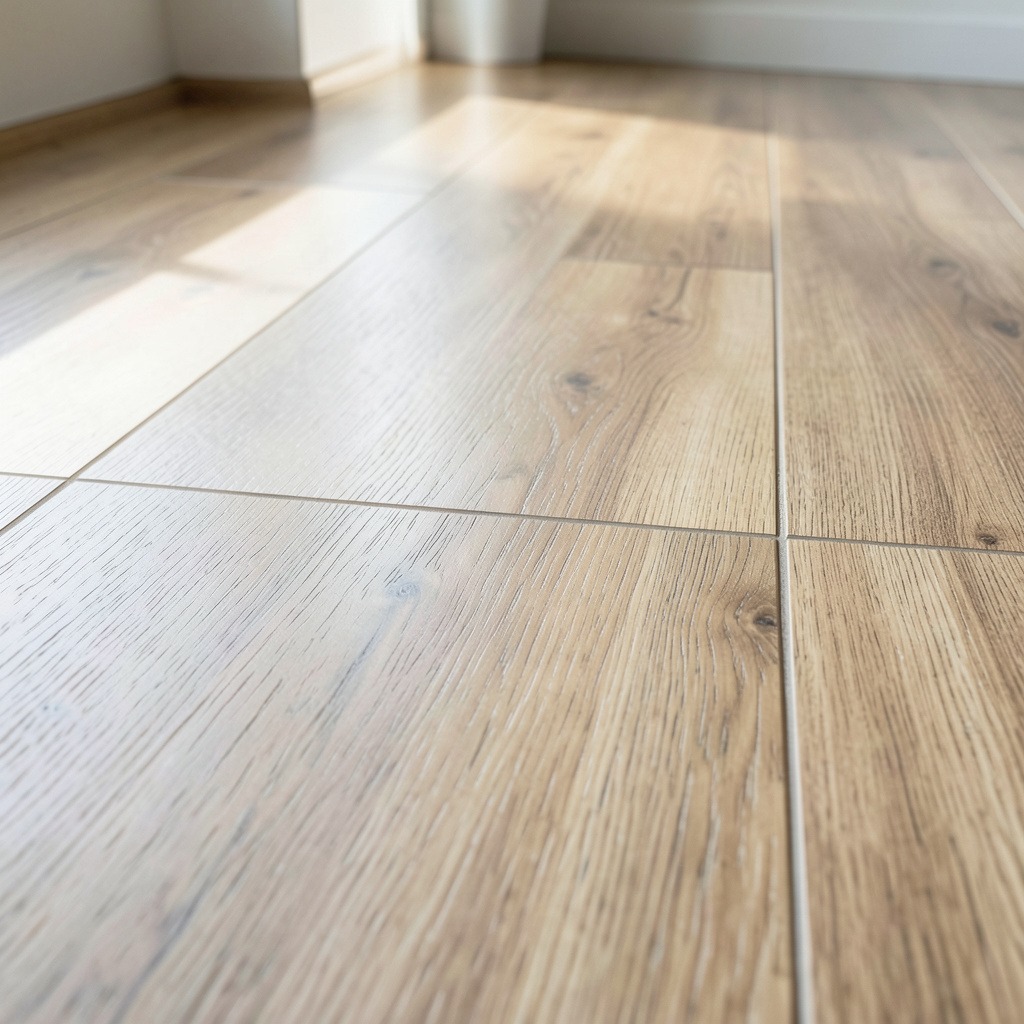
Understanding Wood-Look Tile
Wood-look tile is a flooring option designed to replicate the aesthetic of natural wood while offering the benefits of durability and easy maintenance. Typically made from ceramic or porcelain, these tiles combine advanced technology with innovative design to meet the needs of modern homeowners.
What Materials Are Used in Wood-Look Tile?
Wood-look tiles are primarily composed of two materials: ceramic and porcelain. Both options have unique characteristics.
- Ceramic Tile: Made from clay, ceramic tiles are fired at high temperatures. This process ensures a durable and water-resistant surface, making them suitable for various environments.
- Porcelain Tile: Porcelain is a denser, less porous variation of ceramic. Its manufacturing process involves higher firing temperatures, which results in increased durability and moisture resistance.
These materials allow wood-look tiles to withstand heavy foot traffic and resist scratches, moisture, and stains.
How Is Wood-Look Tile Designed to Mimic Wood?
The technology behind wood-look tile has evolved significantly. Digital printing techniques create realistic wood grain patterns and textures. This innovation enhances the visual appeal, making it difficult to distinguish from genuine wood.
Key Features:
Table of Contents
- Realistic Patterns: Advanced printing methods allow for intricate designs that capture the nuances of natural wood, including knots and variations in color.
- Textured Surfaces: Some wood-look tiles feature textures that mimic the feel of wood, providing a tactile experience that enhances authenticity.
Market Demand and Trends
The demand for wood-look tile has surged due to its practicality and aesthetic versatility. Homeowners appreciate its ability to blend seamlessly with various design styles, from rustic to modern.
Factors Driving Popularity:
- Durability: Unlike natural wood, wood-look tiles do not warp or require regular refinishing.
- Maintenance: They are easier to clean and maintain than traditional hardwood floors, making them ideal for busy households.
- Cost-Effectiveness: Wood-look tiles often come at a lower price point than solid hardwood, offering a budget-friendly alternative without sacrificing style.
Example Use Case: In high-moisture areas like bathrooms and kitchens, wood-look tiles provide the warmth of wood without the risk of water damage.
As trends evolve, wood-look tiles continue to innovate, ensuring they remain a preferred choice for homeowners looking for style and functionality.
Pros of Wood-Look Tile
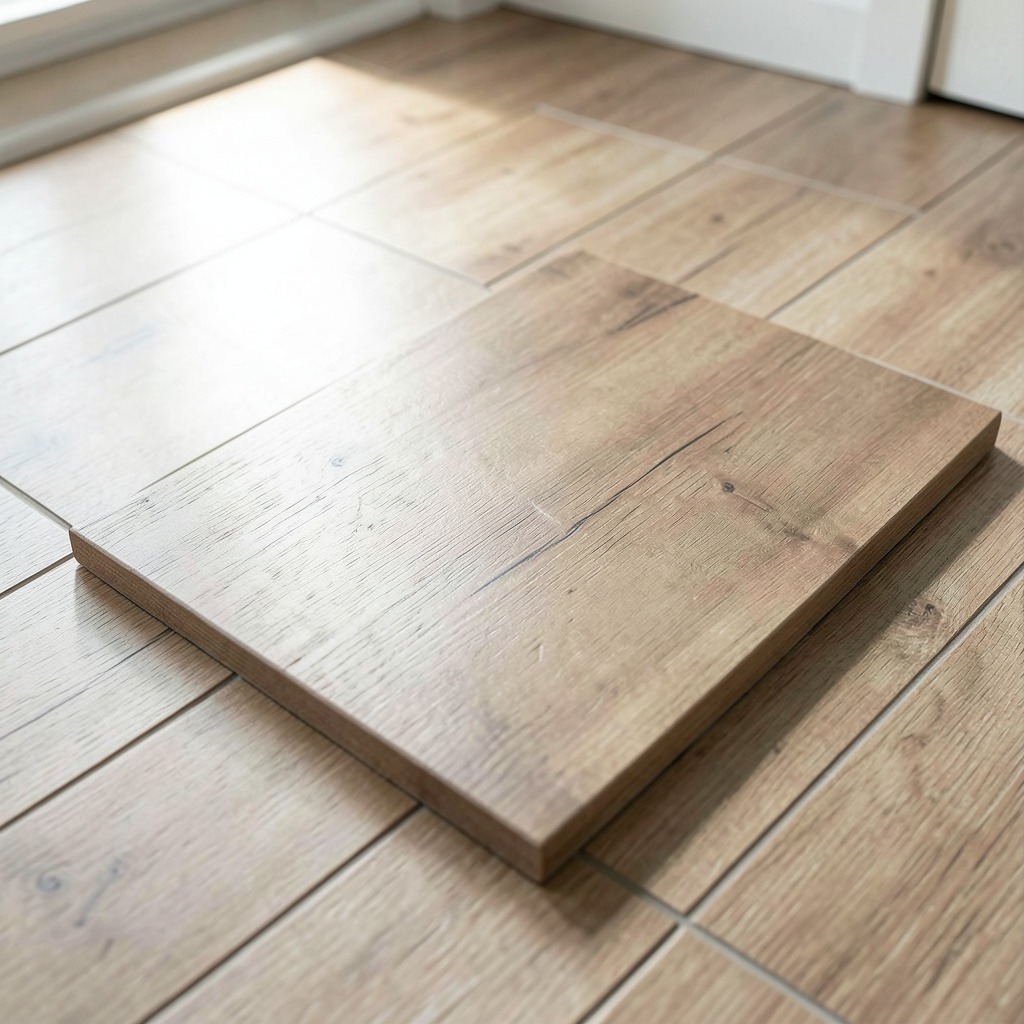
Wood-look tile offers numerous advantages that make it an appealing choice for homeowners. Its durability, low maintenance, cost-effectiveness, and design versatility are key benefits that cater to various needs and preferences.
Durability and Resistance to Damage
Wood-look tile excels in durability. Unlike real wood, it does not warp, scratch, or fade over time. This resilience makes it an ideal option for high-traffic areas and environments prone to moisture.
- Resistant to Scratches: Ideal for households with pets.
- Water-Resistant: Perfect for kitchens and bathrooms.
- Longevity: Many tiles come with warranties of 20 years or more.
For example, a family with young children may find that wood-look tile withstands the wear and tear of daily activities better than traditional hardwood.
Low Maintenance Requirements
Wood-look tile requires minimal upkeep compared to hardwood flooring. Regular sweeping and occasional mopping keep it looking pristine.
- No Refinishing Needed: Unlike wood, there’s no need for periodic refinishing.
- Stain-Resistant: Many tiles resist staining, making spills easier to clean.
Consider a busy household that values aesthetics but cannot dedicate much time to floor maintenance. Wood-look tile provides a stylish solution without the hassle.
Cost-Effectiveness Over Time
While the initial cost of wood-look tile can be comparable to hardwood, its long-term value is often superior.
- Lower Installation Costs: Generally cheaper to install than hardwood.
- Reduced Maintenance Costs: No need for refinishing or special cleaning products.
For instance, a homeowner opting for wood-look tile in a bathroom may save on both installation and maintenance costs in the long run compared to installing hardwood, which can warp in humid environments.
Design Versatility
Wood-look tile is available in various styles, colors, and textures, allowing homeowners to match their decor seamlessly.
- Variety of Finishes: From rustic to modern aesthetics.
- Customizable Layouts: Tiles can be arranged in patterns for unique designs.
A homeowner wanting a contemporary look can choose sleek, gray wood-look tiles, while another desiring a more rustic vibe might opt for warmer tones. This adaptability makes wood-look tile suitable for any room in the house.
Conclusion
The combination of durability, low maintenance, cost-effectiveness, and design versatility makes wood-look tile an attractive flooring solution. It caters to diverse homeowner needs, ensuring satisfaction in both function and aesthetics.
Cons of Wood-Look Tile
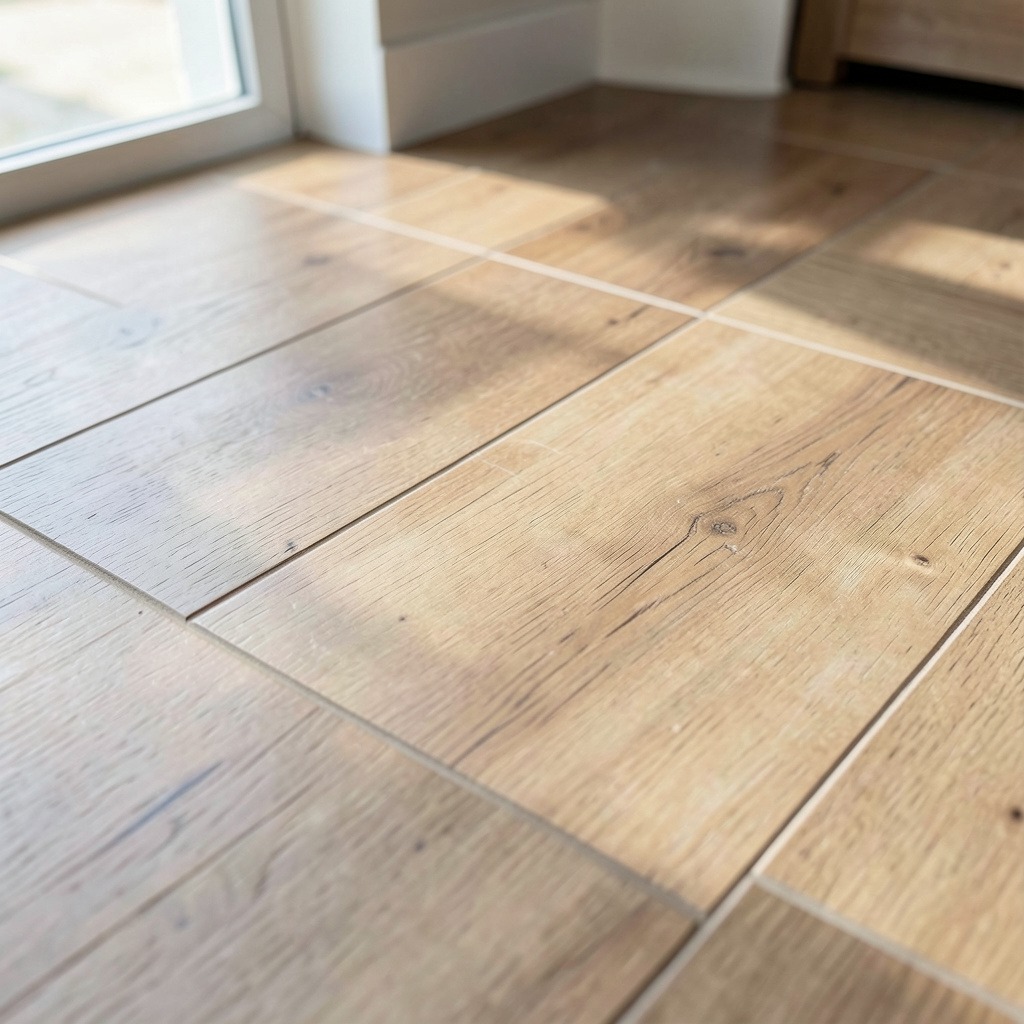
While wood-look tile offers various advantages, it also has notable drawbacks that homeowners should consider. These include installation challenges, comfort issues, and the perception of authenticity compared to traditional hardwood.
Installation Difficulties and Costs
Installing wood-look tile can be more complex than laying hardwood flooring. Homeowners may face challenges such as:
- Subfloor Requirements: A level, sturdy subfloor is essential. Uneven surfaces can lead to installation complications.
- Grout Lines: Unlike hardwood, wood-look tile requires grout, which can be tricky to manage. Improperly filled grout lines may detract from the overall aesthetic.
- Labor Costs: Professional installation may be necessary, adding to overall expenses. DIY enthusiasts should consider the skills required for a successful job.
Comfort and Aesthetic Limitations
Wood-look tiles can fall short in terms of comfort and warmth:
- Cold Underfoot: Unlike hardwood, tiles can feel cold, especially in winter. Homeowners may need to invest in area rugs or radiant heating systems for added comfort.
- Sound Acoustics: Tile can produce a harder, more echo-prone environment compared to the softer sound absorption of hardwood.
Perception of Authenticity
Many individuals perceive wood-look tile as less genuine than real hardwood:
- Visual Differences: Despite advancements in design, some people can still identify the difference between tile and authentic wood. The texture may not replicate the natural feel of real wood.
- Value Considerations: In the real estate market, hardwood floors often command higher resale values. Homebuyers may overlook properties with tile flooring in favor of those with genuine wood.
Comparison of Wood-Look Tile vs. Hardwood
| Feature | Wood-Look Tile | Hardwood |
|---|---|---|
| Installation Cost | Moderate to high | High |
| Comfort | Cold underfoot | Warm and inviting |
| Maintenance | Low maintenance | Moderate maintenance |
| Aesthetic | Mimics wood, but can appear fake | Authentic wood grain |
| Resale Value | Generally lower | Higher resale value |
When deciding between wood-look tile and hardwood, consider the specific needs of your space. Evaluate aspects such as room temperature, foot traffic, and personal preferences for authenticity. A homeowner in a colder climate may prioritize warmth, while someone focused on durability might prefer wood-look tile.
Installation Considerations for Wood-Look Tile
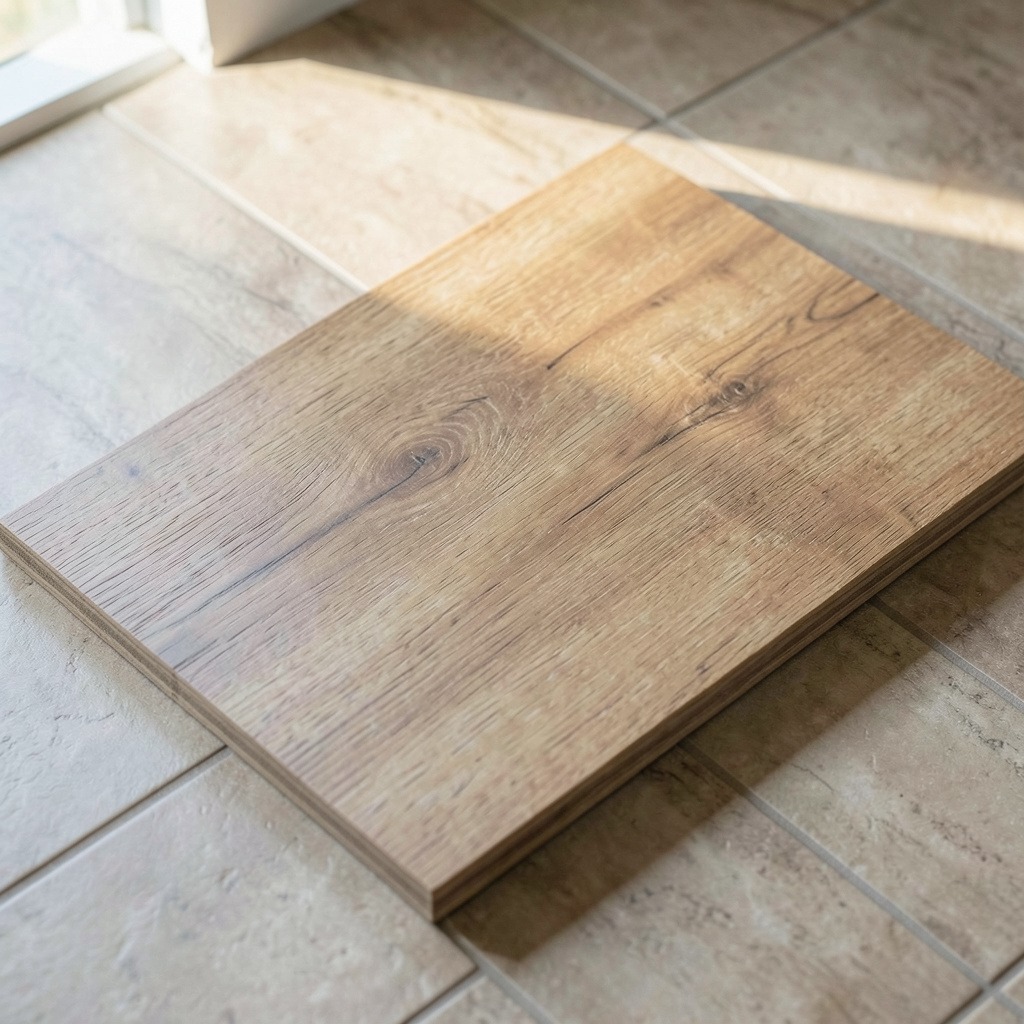
Installing wood-look tile can transform your space while offering the durability of tile. This section explores whether to hire professionals or tackle the project yourself, the necessary tools, and essential preparation steps.
Professional Installation vs. DIY
Choosing between professional installation and DIY depends on your skill level and project complexity.
- Professional Installation:
- Ideal for those unfamiliar with flooring projects.
- Ensures a flawless finish and may come with warranties.
- Saves time and mitigates risk of mistakes.
- DIY Installation:
- Cost-effective option for handy homeowners.
- Offers flexibility in scheduling.
- Requires time and effort to research techniques.
Essential Tools and Materials
If you opt for DIY installation, gather the following tools and materials:
- Tools:
- Tile cutter or wet saw
- Notched trowel
- Level
- Spacers
- Grout float
- Rubber mallet
- Materials:
- Wood-look tiles
- Thin-set mortar
- Grout
- Backer board (if needed)
- Sealant (for specific tile types)
Preparation Steps for a Successful Installation
Preparation is key to a successful installation. Follow this checklist:
1. Subfloor Assessment: Ensure the subfloor is clean, dry, and level. Repair any imperfections.
2. Acclimate Tiles: Allow wood-look tiles to acclimate in the installation area for at least 48 hours.
3. Layout Planning: Measure and plan your layout. Use chalk lines to mark guidelines for tile placement.
4. Gather Tools: Collect all necessary tools and materials, ensuring everything is ready before starting.
5. Safety Precautions: Wear appropriate safety gear, including goggles and gloves.
By carefully considering these installation aspects, homeowners can maximize the benefits of wood-look tile while minimizing potential issues.
Design Versatility of Wood-Look Tile
Wood-look tile offers a remarkable range of design options that can elevate any interior style. Its ability to mimic natural wood while providing enhanced durability makes it a popular choice among homeowners.
Color and Pattern Options
Wood-look tile comes in various colors and patterns, allowing for diverse design possibilities. Homeowners can select from:
- Natural Wood Tones: Shades like oak, maple, and walnut replicate the authentic look of hardwood.
- Gray and Whitewashed Finishes: Trendy options that promote a modern aesthetic.
- Textured Surfaces: Some tiles feature raised grains for added realism.
These choices enable homeowners to match their tile to their existing decor seamlessly.
Integrating Wood-Look Tile with Home Decor
Integrating wood-look tile into your home decor can enhance the overall aesthetic. Here are some tips:
- Match with Furniture Styles: Pair warm wood tones with rustic or farmhouse furniture for a cohesive look.
- Contrast with Modern Accents: Use gray or whitewashed tiles alongside sleek furniture for a contemporary vibe.
- Layering Textures: Combine tiles with soft textiles to create a warm, inviting space.
For example, a living room featuring light wood-look tile can be complemented with dark leather sofas and colorful throw pillows for a striking contrast.
Best Applications for Different Rooms
Wood-look tile is versatile enough for various applications. Here’s a quick guide:
| Room Type | Best Tile Options | Considerations |
|---|---|---|
| Kitchen | Darker, textured tiles | Better at hiding stains and wear |
| Bathroom | Light, moisture-resistant | Enhances space, makes it feel larger |
| Living Room | Natural wood tones | Creates warmth, matches various styles |
| Entryway | Durable, high-traffic tiles | Choose darker shades to hide dirt and scuffs |
When selecting wood-look tile, consider the specific needs of each room. For high-traffic areas, opt for denser materials to ensure longevity.
Environmental Impact of Wood-Look Tile
Wood-look tile stands out as an eco-friendly alternative to traditional hardwood flooring. It offers aesthetic appeal while minimizing environmental harm through sustainable practices.
Sustainability of Materials Used
Many manufacturers prioritize sustainability in producing wood-look tile. They often utilize:
- Recycled Materials: Incorporating recycled content reduces waste and the demand for virgin resources.
- Sustainable Sourcing: Tiles may be crafted from materials sourced in environmentally responsible ways, lessening deforestation pressures.
- Low Emissions: Production processes commonly feature low emissions, which helps in reducing the carbon footprint.
These practices contribute to a more sustainable flooring choice.
Comparing Environmental Footprint with Hardwood
When comparing wood-look tile to hardwood, several factors come into play:
| Aspect | Wood-Look Tile | Hardwood Flooring |
|---|---|---|
| Sourcing | Often made from recycled materials | Requires tree harvesting |
| Production Emissions | Generally lower | Higher due to processing |
| Lifespan | Durable and long-lasting | Can be refinished but may wear out over time |
| Maintenance | Easier to maintain, less frequent replacements needed | Requires more upkeep and refinishing |
This comparative analysis illustrates that wood-look tile can be an environmentally preferable choice.
Decision Framework for Choosing Wood-Look Tile
When selecting wood-look tile, consider the following:
- Room Type: Choose tiles with eco-friendly certifications for high-traffic or moisture-prone areas.
- Design Preferences: Opt for textures and colors that align with your style while being mindful of their environmental impact.
- Manufacturer Practices: Research brands that emphasize sustainability in their production processes.
By making informed choices, homeowners can enjoy the beauty of wood while supporting environmentally friendly practices.
Final Thoughts: Is Wood-Look Tile Right for You?
Choosing the right flooring involves weighing various factors. Wood-look tile offers distinct advantages and some drawbacks. This section provides a framework to help you decide if it fits your specific needs.
Weighing the Pros and Cons
Pros of Wood-Look Tile:
- Durability: Resists scratches and moisture, making it suitable for high-traffic areas.
- Cost-Effective: Generally less expensive than hardwood flooring, both in terms of material and installation.
- Maintenance: Requires less upkeep compared to natural wood, avoiding refinishing and staining.
- Design Versatility: Available in various styles, colors, and textures, allowing for extensive customization.
Cons of Wood-Look Tile:
- Hardness: Can be less comfortable underfoot compared to traditional wood.
- Temperature Sensitivity: Can feel cold in cooler climates, possibly necessitating area rugs.
- Installation Complexity: Professional installation may be required, adding to upfront costs.
Making the Right Choice for Your Home
To determine if wood-look tile is suitable for your home, consider the following decision framework:
- Room Type:
- High-traffic areas (e.g., kitchens, hallways) benefit from durability.
- Moisture-prone areas (e.g., bathrooms) gain from water resistance.
- Design Preferences:
- Select colors and textures that match your home’s aesthetic.
- Consider tiles with eco-friendly certifications if sustainability is a priority.
- Manufacturer Practices:
- Research brands with a focus on sustainable production methods.
- Look for warranties that reflect the quality and durability of the tile.
Decision-Making Checklist
Use this checklist to evaluate your choice:
- [ ] What is the primary use of the room (high-traffic, moisture-prone)?
- [ ] Do you prefer a warm or cool aesthetic in your flooring?
- [ ] Are you willing to invest in professional installation?
- [ ] How important is environmental impact in your purchasing decision?
- [ ] Have you compared the long-term costs of wood-look tile versus other materials?
By answering these questions, you can make a more informed decision regarding wood-look tile for your home.
Frequently Asked Questions
These quick answers cover the most common questions about this topic, including key details, practical tips, and common concerns.
What flooring trends should I avoid in 2026?
In 2026, trends that may be less favorable include overly dark or busy patterns that can make spaces feel cramped. Additionally, shiny finishes that show every scratch or smudge might fall out of favor as homeowners lean towards more matte, natural looks. Lastly, avoid trends that prioritize aesthetics over functionality, such as flooring that lacks durability or is difficult to maintain.
Is tile that looks like wood going out of style?
No, wood-look tile is not going out of style. Its popularity continues due to its durability, low maintenance, and versatility in design. As homeowners seek practical yet stylish flooring options, wood-look tile remains a favored choice across various design aesthetics.
Is tile that looks like wood expensive?
The cost of wood-look tile can vary, but it is generally more affordable than solid hardwood. While the initial price may be comparable, the long-term savings on maintenance and durability make it a cost-effective option. Homeowners can find a range of prices depending on the quality and brand of the tiles.
What are the pros and cons of wood-look tile flooring?
Pros:
- Highly durable and resistant to scratches, moisture, and stains.
- Requires minimal maintenance compared to hardwood.
- Available in a wide variety of styles and colors.
Cons:
- Can feel cold underfoot, especially in winter.
- Installation may require professional help, increasing upfront costs.
- Some people perceive it as less authentic than real wood.
How do wood-look tile and vinyl flooring compare?
Wood-look tile is generally more durable and resistant to moisture than vinyl flooring. While vinyl is softer and can be warmer underfoot, it may not withstand heavy traffic as well as tile. Additionally, tile is often considered more environmentally friendly due to its longer lifespan and sustainable manufacturing practices.
What are alternatives to wood-look tile?
Alternatives include traditional hardwood flooring, laminate flooring, and luxury vinyl planks (LVP). Each option has its own set of pros and cons. For example, hardwood offers authenticity but requires more maintenance, while laminate is budget-friendly but may not have the same durability as tile.
When is the best time to install wood-look tile?
The best time to install wood-look tile is during moderate weather conditions, typically in spring or fall. This timing helps ensure proper acclimation of the tiles and reduces the risk of expansion or contraction due to temperature fluctuations. Avoiding extreme humidity or cold can lead to a smoother installation process.
What common installation problems should I be aware of?
Common installation issues include uneven subfloors, which can lead to cracking or shifting tiles. Improperly filled grout lines can detract from the overall appearance. Additionally, inadequate acclimation of tiles can result in expansion or contraction after installation, causing gaps or buckling.