
Wood pellet cat litter is an eco-friendly option made from compressed wood fibers that absorb moisture and control odors effectively, but it lacks clumping ability and may not suit every cat’s preferences.
Table of Contents
As cat owners seek eco-friendly alternatives to traditional litter, wood pellet cat litter has gained popularity. This guide explores the seven essential pros and cons of wood pellet cat litter to help you make an informed choice for your feline friend.
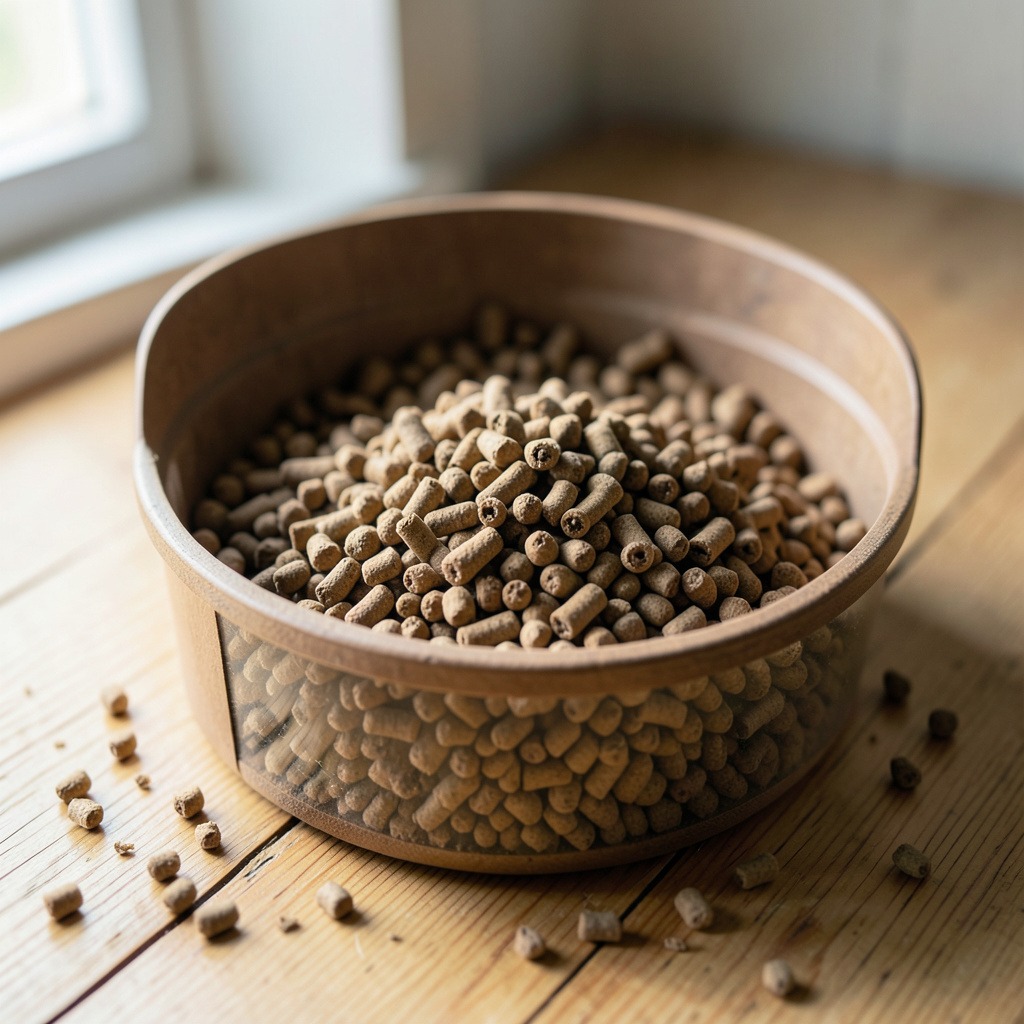
Understanding Wood Pellet Cat Litter
Wood pellet cat litter is a natural and eco-friendly alternative to traditional cat litter. It is crafted from compressed wood fibers, making it biodegradable and less harmful to the environment.
What is Wood Pellet Cat Litter?
Wood pellet cat litter consists of small pellets made from wood byproducts. These pellets are formed by compressing sawdust and other wood fibers, which creates a highly absorbent material. Unlike traditional clay litters, wood pellet litter does not contain harmful chemicals or additives.
How Does It Work?
Wood pellet litter functions differently from conventional cat litters. When your cat uses the litter box, the pellets absorb moisture and break down into sawdust. This process helps control odors effectively. The sawdust can then be easily replaced, reducing waste.
Here’s a quick comparison of how wood pellet litter performs:
| Feature | Wood Pellet Cat Litter | Clay Cat Litter |
|---|---|---|
| Absorbency | High | Moderate |
| Dust Production | Low | High |
| Eco-friendliness | Biodegradable | Non-biodegradable |
| Odor Control | Effective | Varies by brand |
Types of Wood Pellets Used
Various types of wood are used to make wood pellet cat litter, including:
- Pine: Known for its natural scent and excellent odor control.
- Cedar: Offers a pleasant aroma and has natural antibacterial properties.
- Mixed Wood: Combines different types of wood for enhanced performance.
Using a product like Nature’s Logic Cat Litter Pine Pellets can provide a sustainable solution while ensuring your cat’s comfort.
Understanding the properties and workings of wood pellet cat litter equips pet owners to make an informed choice that aligns with their values and their cat’s needs.
1. Eco-Friendly Benefits of Wood Pellet Cat Litter
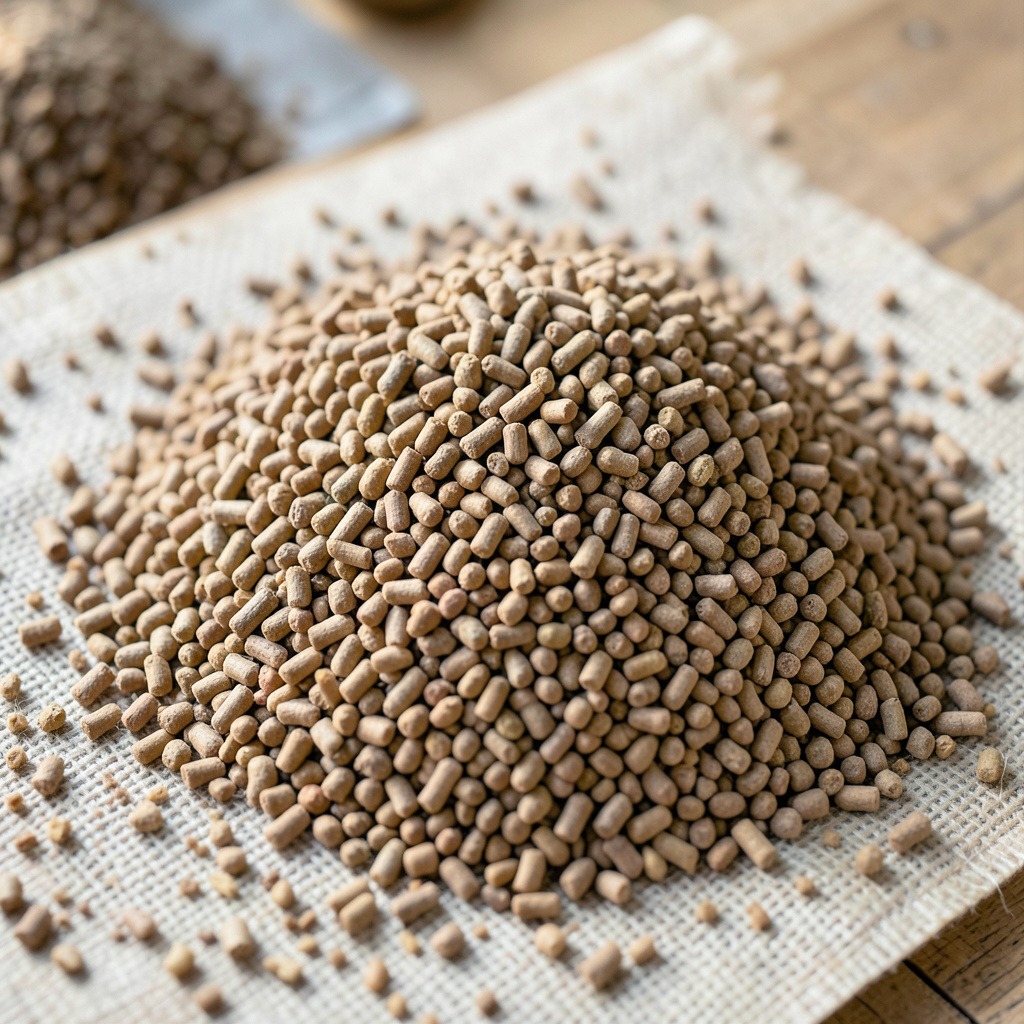
Wood pellet cat litter offers several environmental advantages over traditional clay-based options. By utilizing sustainable materials and reducing waste, pet owners can make a more eco-conscious choice.
Sustainable Sourcing
Wood pellets are typically made from reclaimed wood materials. This means that they are derived from leftover wood from lumber production rather than logging new trees. Using materials that would otherwise go to waste helps conserve natural resources.
- Reclaimed Wood: Utilizes leftover materials, reducing the need for new timber.
- Local Sourcing: Many brands source wood locally, minimizing transportation-related emissions.
Biodegradability
Wood pellet cat litter is biodegradable, which means it can break down naturally in compost or landfills. This contrasts sharply with clay litter, which is often non-biodegradable and contributes to landfill overflow.
- Compostable: When disposed of properly, wood pellet litter can enrich soil.
- Natural Decomposition: Breaks down without releasing harmful toxins into the environment.
Reduced Carbon Footprint
The production of wood pellet cat litter generally results in a lower carbon footprint compared to traditional clay litters. The extraction and processing of clay require significant energy and natural resources. In contrast, wood pellet litter often involves less energy-intensive processes.
- Lower Energy Use: Wood pellet production typically uses less energy than clay mining.
- Less Waste: By converting wood waste into litter, it effectively reduces overall waste generation.
By choosing wood pellet cat litter, pet owners not only ensure a safer and more comfortable environment for their cats but also support eco-friendly practices that benefit the planet. For a high-quality option, consider using Nature’s Logic Cat Litter Pine Pellets, which exemplifies these sustainable benefits.
2. Superior Odor Control
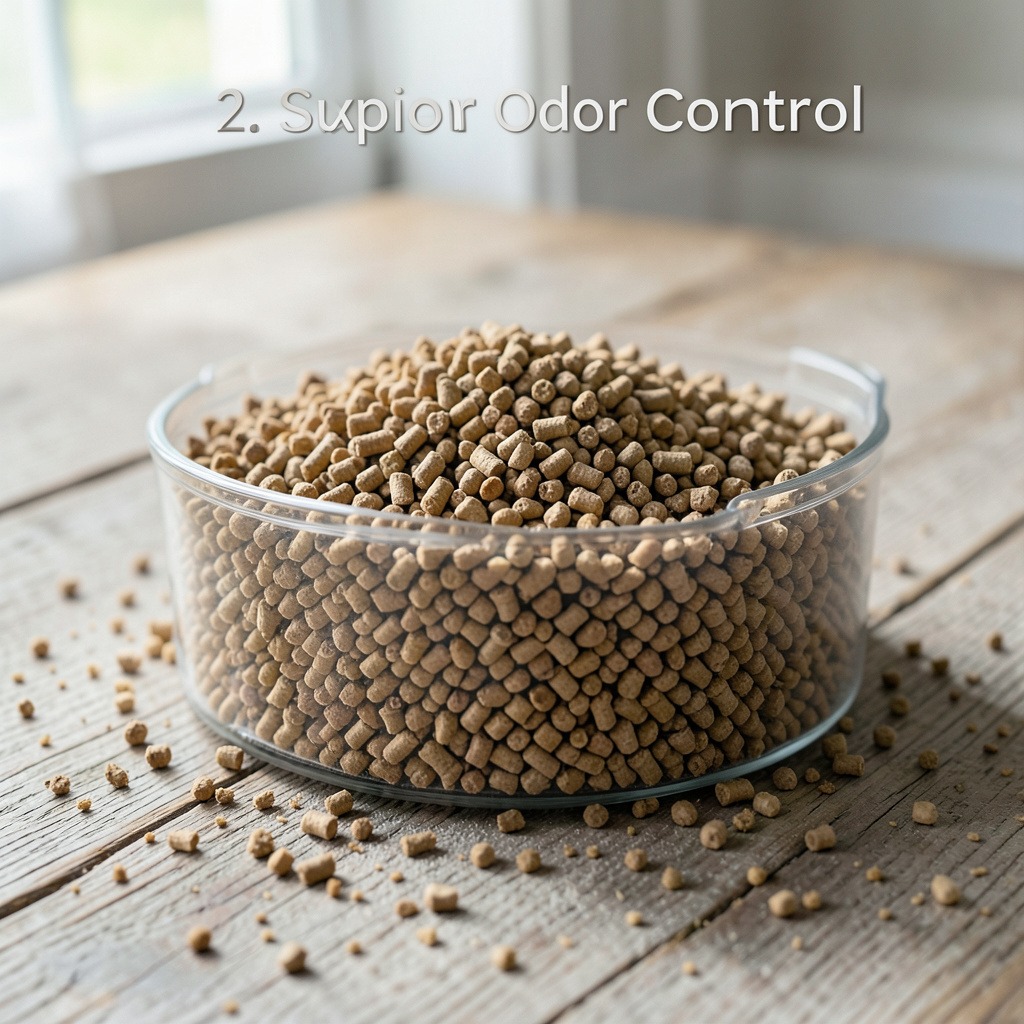
Wood pellet cat litter excels in odor control, making it a compelling choice for pet owners. Its natural composition helps neutralize unpleasant smells effectively, outperforming many traditional litter options.
Natural Odor Absorption
Wood pellets possess inherent odor-absorbing qualities. When cats use the litter, the pellets absorb moisture and odors, preventing them from lingering. This natural process is preferable to synthetic alternatives that may mask smells rather than eliminate them.
Comparison with Synthetic Fragrances
Many clay litters contain added fragrances that can be overwhelming or irritating to pets and humans alike. In contrast, wood pellet litter relies on natural wood properties for odor control. This means it avoids potential allergens and chemical sensitivities associated with synthetic fragrances, offering a safer environment for both cats and their owners.
Long-Lasting Freshness
Wood pellets also provide longer-lasting freshness compared to traditional clay litters. They can remain effective for weeks, reducing the frequency of litter changes. This not only saves time but also decreases litter costs over time.
| Litter Type | Odor Control Method | Environmental Impact | Cost |
|---|---|---|---|
| Wood Pellet Litter | Natural absorption | Eco-friendly, biodegradable | Moderate to low |
| Clay Litter | Synthetic fragrances | High energy consumption | Generally low |
When evaluating odor control, wood pellet litter stands out for its effectiveness and environmental benefits. For a reliable option, consider using Nature’s Logic Cat Litter Pine Pellets, which offers superior absorption and eco-friendly materials.
3. Lightweight and Low Dust
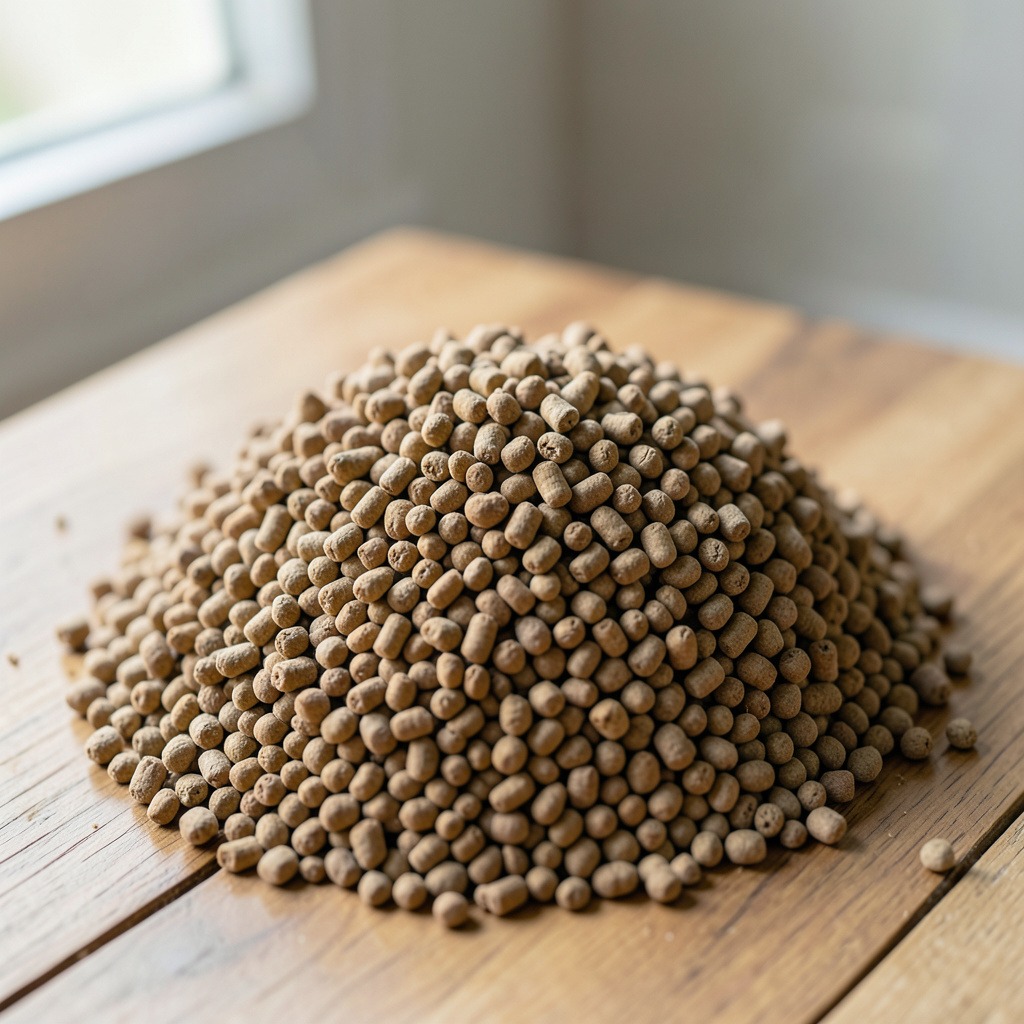
Wood pellet cat litter offers several advantages, particularly its lightweight composition and low dust production. These features enhance the overall experience for both cats and their owners.
Ease of Handling
Wood pellet litter is significantly lighter than traditional clay options. This makes it easier to manage during pouring and cleaning. Many pet owners appreciate this aspect, especially those with larger litter boxes. The lightweight nature reduces the physical strain when lifting and pouring, making routine maintenance simpler.
Health Benefits of Low Dust
One of the standout benefits of wood pellet litter is its low dust production. Unlike traditional clay litters, which can produce significant dust when poured or scooped, wood pellets minimize this issue. This low dust environment is healthier for both cats and their owners. It reduces the risk of respiratory problems associated with dust exposure, creating a safer space for pets and people alike.
- Less Respiratory Irritation: Cats are less likely to develop respiratory issues from inhaling dust particles.
- Cleaner Environment: Owners experience less dust accumulation in their homes, leading to a cleaner living space.
Tracking Issues
Despite its many benefits, some users report tracking issues with wood pellet litter. Pellets can occasionally scatter outside the box, especially if your cat is an enthusiastic digger. However, the overall dust-free experience tends to outweigh this minor inconvenience. To mitigate tracking, consider using a litter mat designed to capture stray pellets.
In summary, wood pellet cat litter’s lightweight nature and low dust production contribute to a healthier and more manageable litter experience. Pet owners often find these attributes improve their day-to-day routines while ensuring their pets’ well-being.
4. Non-Clumping Nature: A Challenge
The non-clumping feature of wood pellet cat litter presents unique challenges for maintenance. Understanding these factors can help pet owners make informed decisions about their litter choices.
Impacts on Cleaning Routine
With non-clumping wood pellet litter, solid waste remains easily visible and needs to be scooped out daily. However, when the pellets absorb moisture, they break down into fine sawdust. This transformation can complicate cleaning because:
- Frequent Maintenance: Users must clean the litter box more often to manage the sawdust accumulation.
- Dust Generation: The breakdown of pellets can create dust, which may irritate both cats and humans.
User Adjustment Period
Switching to non-clumping wood pellet litter may require an adjustment period for both cats and their owners. Cats accustomed to clumping litter may initially resist the texture and cleaning method. Owners can ease this transition by:
- Gradually mixing wood pellets with their previous litter.
- Observing their cat’s reactions and adjusting accordingly.
Potential for Odor Buildup
Without clumping, urine can quickly seep into the litter, leading to a potential odor issue. To mitigate this:
- Regular Scooping: Remove solid waste and mix the pellets to aerate the litter.
- Layering: Use a double-layer litter box. The upper layer can hold the pellets, while the lower layer collects the breakdown.
Practical Tips for Managing a Non-Clumping Litter Box
1. Scoop Daily: Remove solid waste and mix the pellets to avoid buildup.
2. Use a Liner: Consider a liner for easier cleanup of sawdust.
3. Change Regularly: Replace the litter completely every 2-3 weeks to maintain freshness.
4. Monitor Moisture: Ensure the litter box is in a dry area to reduce moisture absorption.
By understanding these aspects, pet owners can better manage the challenges associated with non-clumping wood pellet cat litter.
5. Texture Issues for Some Cats
The texture of wood pellets can be a significant factor in how well cats accept this type of litter. Some cats may find the pellets uncomfortable or unfamiliar, leading to reluctance in using the litter box.
Cats’ Preferences for Texture
Cats have individual preferences when it comes to litter texture. Many prefer finer, softer materials. Wood pellets, being larger and harder, can feel different under their paws. This change can be surprising and may lead to refusal to use the litter box altogether.
Transitioning Tips
If you’re considering switching to wood pellet litter, here are some practical tips to help your cat adjust:
- Gradual Introduction: Mix a small amount of wood pellets with their current litter. Gradually increase the ratio over time.
- Positive Reinforcement: Reward your cat with treats or praise when they use the new litter.
- Familiar Scents: Add a small amount of their old litter to maintain familiarity.
Signs of Rejection
Monitor your cat for signs of rejection when transitioning to wood pellet litter:
- Avoiding the Litter Box: If your cat refuses to use the box, it may indicate discomfort with the pellets.
- Scratching Behavior: Excessive scratching outside the box can signal frustration.
- Accidents Outside the Box: Frequent accidents may suggest that the cat is unhappy with the new texture.
Understanding these factors can help pet owners make informed decisions about whether wood pellet litter is suitable for their feline friends.
6. Cost-Effectiveness Analysis
Understanding the cost-effectiveness of wood pellet cat litter is crucial for pet owners. This analysis compares initial expenses and long-term savings against traditional clay litter options.
Initial Cost vs. Long-Term Savings
When evaluating wood pellet litter, consider both the upfront and ongoing costs.
- Initial Purchase Price: Wood pellet cat litter typically ranges from $15 to $25 for a 40-pound bag.
- Usage Duration: A single bag can last anywhere from 4 to 8 weeks, depending on the number of cats and their litter box habits.
- Clay Litter Costs: Traditional clay litter may cost around $10 to $20 for a similar weight but needs more frequent replacement.
In summary, while wood pellet litter may have a higher initial cost, it can lead to significant savings over time due to its absorbency and reduced frequency of changes.
Value for Money Analysis
To assess value, consider these factors:
- Absorbency: Wood pellets absorb moisture efficiently, minimizing waste. This feature often leads to less litter being used overall.
- Odor Control: Wood pellets effectively neutralize odors without the need for additives. This means fewer products are purchased over time.
- Compostability: Many wood pellet brands are compostable, allowing for cost savings on disposal and contributing to sustainability.
Budget-Friendly Options
For pet owners seeking budget-friendly wood pellet options, consider:
- Feline Pine Original Unscented Wood Cat Litter: Offers a cost-effective solution made from reclaimed pine fibers.
- Tidy Cats Pure Nature Clumping Cat Litter: A semi-pellet option that combines value with clumping ability.
| Litter Type | Initial Cost | Average Duration | Cost Per Week | Odor Control | Compostable |
|---|---|---|---|---|---|
| Wood Pellet Litter | $15 – $25 | 4 – 8 weeks | $2 – $6 | Excellent | Yes |
| Traditional Clay Litter | $10 – $20 | 2 – 4 weeks | $5 – $10 | Moderate | No |
By understanding these cost dynamics, pet owners can make informed decisions about whether wood pellet cat litter is the right fit for their household.
7. Making the Switch: Practical Tips
Transitioning to wood pellet cat litter can enhance your cat’s environment and your cleaning routine. Follow these practical tips to ensure a smooth switch.
Preparation Steps
Before introducing wood pellet litter, prepare your cat and your home.
1. Choose the Right Type: Select between clumping and non-clumping wood pellet litter based on your preferences and your cat’s habits.
2. Gather Supplies: Obtain a new litter box if necessary. Clean the existing box thoroughly before use.
3. Familiarize Your Cat: Allow your cat to explore the new litter type outside the box to reduce anxiety.
Gradual Introduction Methods
To ease your cat into wood pellet litter, use a gradual approach.
- Step 1: Mix 25% wood pellet litter with 75% current litter. This ratio allows your cat to adjust.
- Step 2: Over the next week, increase the wood pellet proportion while decreasing the old litter.
- Step 3: Aim for a full transition by the end of two weeks, observing your cat’s comfort level throughout.
Monitoring Your Cat’s Response
As you transition, monitor your cat’s behavior closely.
- Check for Acceptance: Look for signs of comfort, such as using the litter box without hesitation.
- Behavioral Changes: Note any changes in litter box habits, like avoidance or reluctance.
- Health Observations: Ensure there are no signs of respiratory distress or ingestion of litter particles.
Checklist for a Smooth Transition
- [ ] Select the right wood pellet litter type (clumping or non-clumping).
- [ ] Gather all necessary supplies, including a clean litter box.
- [ ] Gradually mix old litter with new wood pellet litter.
- [ ] Monitor your cat’s comfort and health during the transition.
- [ ] Adjust the mixture based on your cat’s acceptance.
By following these steps, you can successfully introduce wood pellet cat litter while minimizing stress for both you and your pet.
Frequently Asked Questions
These quick answers cover the most common questions about this topic, including key details, practical tips, and common concerns.
Can you flush wood pellet cat litter?
No, wood pellet cat litter should not be flushed down the toilet. While it is biodegradable, flushing can cause plumbing issues and does not break down effectively in water. Instead, dispose of used litter in the trash or compost it if your local regulations allow.
Is wood pellet cat litter safe for kittens?
Yes, wood pellet cat litter is generally safe for kittens. It is made from natural wood fibers without harmful chemicals. However, monitor your kitten to ensure they do not ingest the pellets. If they show interest in chewing or eating the litter, consider switching to a softer, clumping alternative.
How often should you change wood pellet cat litter?
You should change wood pellet cat litter every 2 to 3 weeks, depending on usage. Regular scooping of solid waste is essential to maintain cleanliness. If you notice odor or excessive sawdust buildup, it may be time to replace the litter sooner.
What is the best way to clean a litter box with wood pellets?
To clean a litter box with wood pellets, scoop out solid waste daily. Mix the remaining pellets to aerate them and reduce moisture. Every few weeks, completely empty the box, wash it with mild soap, and refill it with fresh pellets. This helps maintain hygiene and odor control.
Do all cats accept wood pellet litter?
No, not all cats accept wood pellet litter. Some may find the texture uncomfortable compared to traditional clumping litter. If your cat refuses to use it, try gradually mixing it with their current litter or offering a different texture until you find one they prefer.
What should I do if my cat refuses to use wood pellet litter?
If your cat refuses to use wood pellet litter, consider these steps:
- Gradually mix the wood pellets with their current litter to ease the transition.
- Ensure the litter box is clean and placed in a quiet, accessible location.
- Try a softer, clumping litter if the problem persists, as some cats prefer finer textures.
Are there alternatives to wood pellet cat litter?
Yes, there are several alternatives to wood pellet cat litter. Some popular options include clumping clay litter, recycled paper litter, and corn-based litter. Each type has its pros and cons, so consider factors like absorbency, odor control, and your cat’s preferences when choosing.
How does wood pellet litter compare to clumping litter?
Wood pellet litter differs from clumping litter mainly in texture and functionality. Wood pellets absorb moisture and break down into sawdust, while clumping litter forms solid clumps for easy removal. While wood pellets are more eco-friendly, clumping litter often offers better convenience for cleaning. Choose based on your cat’s preferences and your cleaning routine.