
Wood pellet grills offer a blend of convenience and flavor, providing precise temperature control and versatility, but they also come with drawbacks like higher cost and dependency on electricity and wood pellets.
Table of Contents
Wood pellet grills have surged in popularity due to their ability to combine the benefits of various cooking methods. This guide dives deep into the pros and cons of wood pellet grills, helping you make an informed decision about your outdoor cooking needs.
Understanding Wood Pellet Grills
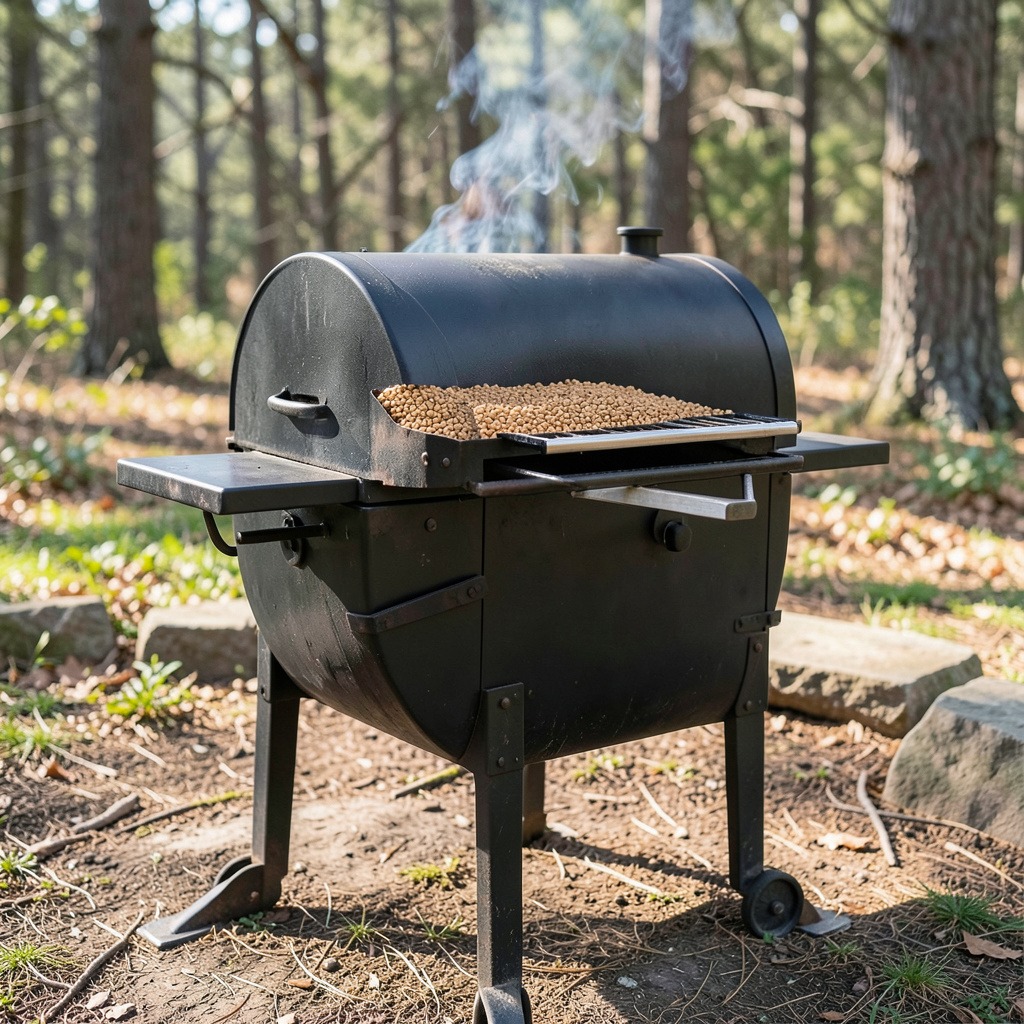
Wood pellet grills offer a unique blend of convenience and flavor, making them a popular choice among outdoor cooking enthusiasts. These grills utilize wood pellets as fuel and employ electricity for precise temperature control.
How Wood Pellet Grills Work
A wood pellet grill functions through an automated system that combines wood pellets and electricity. Here’s how it operates:
1. Pellet Hopper: Wood pellets are loaded into a hopper. The pellets are typically made from compressed hardwood sawdust, which provides various flavor profiles, such as hickory, mesquite, or applewood.
2. Auger Mechanism: An electric auger moves the pellets from the hopper into the fire pot. This auger feeds a controlled amount of pellets based on the desired cooking temperature.
3. Ignition and Combustion: Once in the fire pot, an ignition rod ignites the pellets. As they burn, they produce heat and smoke.
4. Temperature Control: A fan circulates the smoke and heat throughout the cooking chamber. This ensures even cooking and allows users to set a specific temperature, similar to an oven.
This system enables a “set-it-and-forget-it” approach, which is ideal for slow-cooked dishes.
Key Features of Pellet Grills
Pellet grills are distinguished by several essential features:
- Versatility: They can grill, smoke, bake, and roast, making them suitable for various cooking styles.
- Consistent Temperature Control: Users can maintain precise temperatures, which is crucial for perfect cooking results.
- Ease of Use: With simple controls, even novices can achieve excellent results without extensive grilling experience.
- Flavor Enhancement: The wood pellets impart a distinct smoky flavor to the food, enhancing the overall taste.
For those seeking a reliable and flavorful cooking experience, the Wood Pellet Grill by Traeger stands out as an excellent choice. Check Price on Amazon.
Understanding these components can help potential buyers weigh the benefits of a wood pellet grill against their cooking needs and preferences.
Pros of Wood Pellet Grills
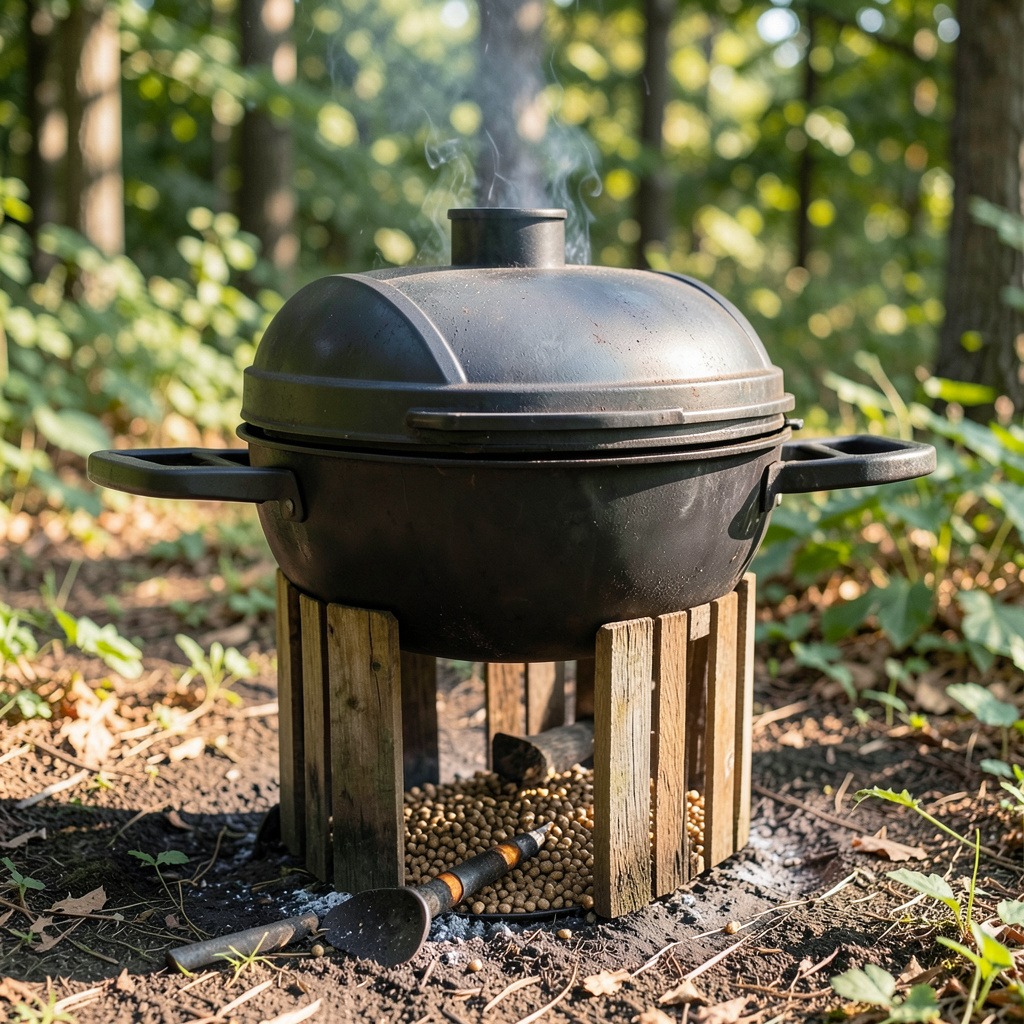
Wood pellet grills offer numerous advantages that cater to a variety of cooking styles and preferences. Their unique features make them a popular choice among both novice and experienced grillers.
Flavor Profiles and Cooking Versatility
One of the standout benefits of wood pellet grills is their ability to deliver rich, smoky flavors. The wood pellets, made from compressed hardwood, not only provide fuel but also impart distinct taste profiles to your food. This enhances the overall flavor experience, reminiscent of traditional smoking methods.
Cooking Methods:
- Grilling: Perfect for steaks and burgers.
- Smoking: Ideal for briskets and ribs.
- Baking: Great for pizzas and bread.
- Roasting: Excellent for vegetables and whole poultry.
This versatility allows users to experiment with various techniques, elevating their culinary skills.
User-Friendly Features for All Skill Levels
Wood pellet grills are designed with user convenience in mind. Their automated systems make grilling effortless, even for beginners. Here are some key features that highlight their ease of use:
- Consistent Temperature Control: Users can maintain precise cooking temperatures, crucial for achieving perfect results every time.
- Intuitive Controls: Simple digital interfaces make it easy to set temperatures and cooking times.
- Low Maintenance: Many models have self-cleaning options, reducing the upkeep required.
For instance, a user may set their Wood Pellet Grill by Traeger to smoke a brisket overnight. The grill maintains the optimal temperature, allowing the cook to wake up to a perfectly smoked meal without constant monitoring. This feature is especially beneficial for busy individuals or those new to outdoor cooking.
In summary, the combination of rich flavor profiles, versatile cooking methods, and user-friendly features makes wood pellet grills an excellent choice for outdoor cooking enthusiasts.
Cons of Wood Pellet Grills
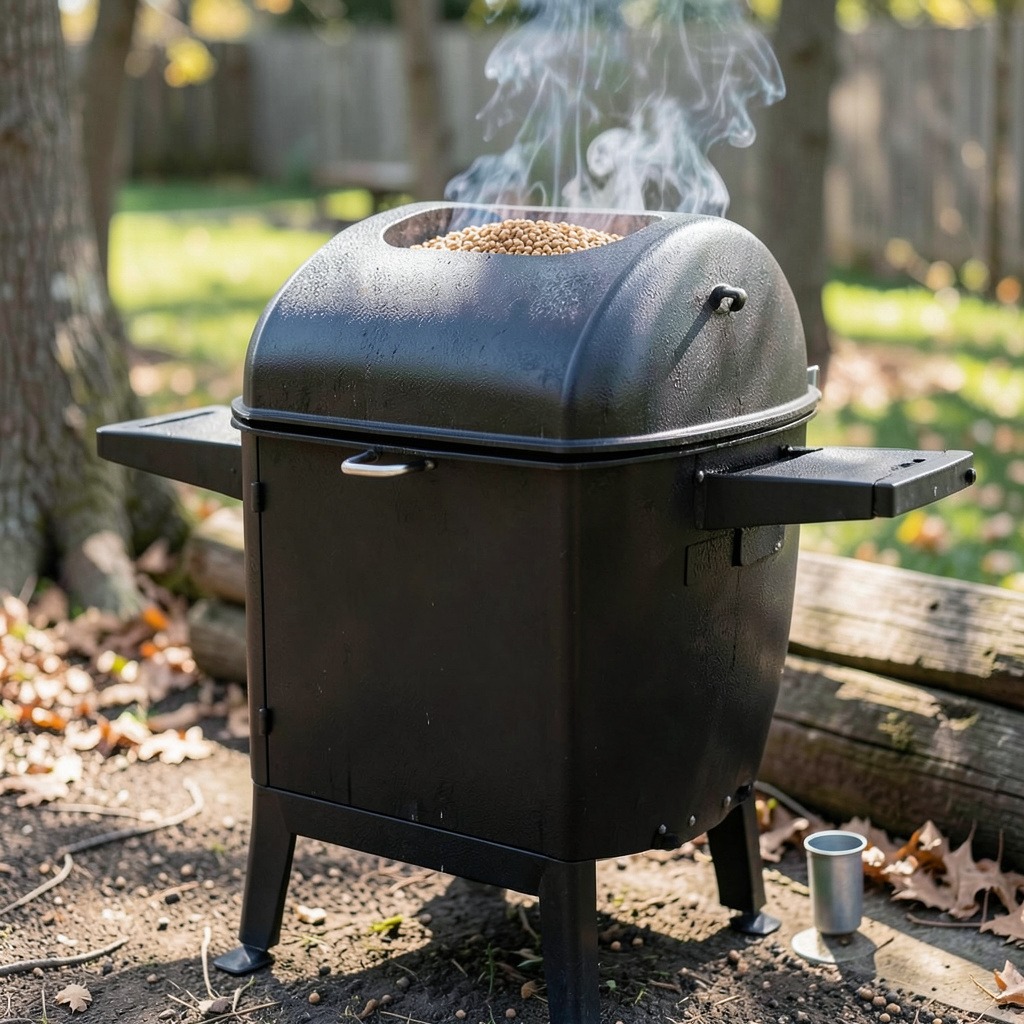
While wood pellet grills offer numerous advantages, they also come with notable downsides. Understanding these cons can help potential buyers make informed decisions.
Higher Initial Investment Compared to Other Grills
Pellet grills typically require a higher upfront investment than traditional charcoal or gas grills. Prices can range significantly based on brand and features. For example, a basic model may start around $300, while high-end options can exceed $1,500.
Cost Breakdown:
| Grill Type | Average Cost Range |
|---|---|
| Wood Pellet Grills | $300 – $1,500+ |
| Charcoal Grills | $100 – $500 |
| Gas Grills | $200 – $1,200 |
While the higher cost may deter some, many users believe the convenience justifies the expense. However, it’s essential to consider long-term financial implications, including fuel and maintenance costs.
Dependence on Electricity and Wood Pellets
Wood pellet grills require electricity to operate, which can be a drawback for some users. If you’re grilling in a remote location without power, this reliance limits accessibility. Furthermore, wood pellets, the primary fuel source, may not be as readily available as charcoal or gas, leading to potential supply challenges.
Considerations:
- Availability: In some regions, wood pellets can be harder to find and may incur additional shipping costs.
- Utility Costs: Operating a pellet grill contributes to electricity bills, which can add up over time.
Ultimately, these factors should weigh heavily in your decision. If you prioritize outdoor cooking flexibility without the constraints of power sources, a pellet grill may not be the best fit.
For those considering a quality wood pellet grill, the Wood Pellet Grill by Traeger is a popular choice, combining performance with user-friendly features.
Comparing Pellet Grills with Other Grills
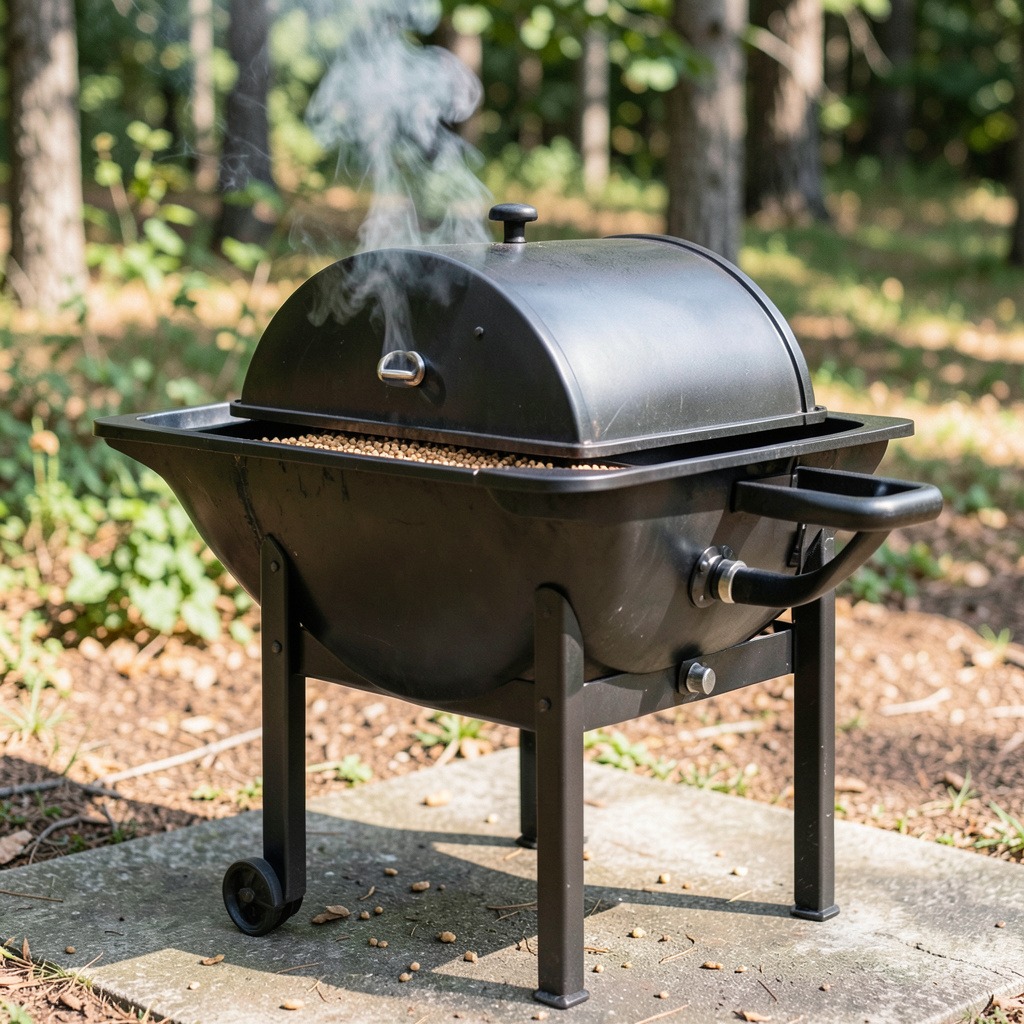
When considering a wood pellet grill, it’s crucial to compare its features with those of gas and charcoal grills. Each type offers unique advantages and disadvantages that cater to different cooking styles and preferences.
Flavor Differences: Pellet, Gas, and Charcoal
Flavor is a prominent factor in choosing a grill. Here’s how each type compares:
- Wood Pellet Grills: These grills use compressed wood pellets, imparting a rich, smoky flavor to food. The variety of wood types available (like hickory, mesquite, or apple) allows for customizable flavor profiles.
- Gas Grills: Gas grills provide a clean, consistent heat without the smoky flavor. They excel in cooking speed and convenience but lack the depth of flavor that wood smoke adds.
- Charcoal Grills: Charcoal offers a classic smoky taste and can create high heat for searing. However, the flavor can vary depending on the type of charcoal used and the cooking method.
| Grill Type | Flavor Profile | Cooking Time |
|---|---|---|
| Wood Pellet Grills | Smoky, customizable | Moderate |
| Gas Grills | Clean, less smoky | Fast |
| Charcoal Grills | Smoky, variable | Longer |
Cooking Methods: What Each Grill Type Can Do
Each grill type has distinct cooking capabilities:
- Wood Pellet Grills: Versatile in cooking methods. They can grill, smoke, bake, roast, and even braise. The digital temperature control ensures consistent cooking results.
- Gas Grills: Primarily designed for grilling and searing. They may also accommodate indirect cooking, but they lack the smoke infusion capabilities of pellet grills.
- Charcoal Grills: Excellent for grilling and smoking, but require more effort to maintain temperature. They can also be used for indirect cooking but need more skill to manage effectively.
| Grill Type | Cooking Methods | User Experience |
|---|---|---|
| Wood Pellet Grills | Grill, smoke, bake, roast | Easy, precise control |
| Gas Grills | Grill, indirect cooking | Convenient, fast |
| Charcoal Grills | Grill, smoke, indirect cooking | Hands-on, skill required |
User Experiences and Scenarios
Real-life scenarios help illustrate the best use cases for each grill type:
- Pellet Grill: Ideal for someone who enjoys experimenting with flavors and cooking techniques. For example, a backyard chef might use a pellet grill to smoke ribs while baking a dessert simultaneously.
- Gas Grill: Perfect for quick weeknight dinners. A busy family might appreciate the speed and convenience of a gas grill for grilling burgers in under 15 minutes.
- Charcoal Grill: Suited for traditionalists who enjoy the ritual of grilling. An outdoor enthusiast might opt for a charcoal grill during a camping trip, savoring the authentic smoky flavor.
This comparison highlights the strengths and weaknesses of wood pellet grills relative to gas and charcoal options. Understanding these nuances can guide buyers toward a grill that aligns with their culinary ambitions.
Maintenance and Care for Pellet Grills
Proper maintenance is essential for ensuring the longevity and performance of your pellet grill. Regular cleaning, proper pellet storage, and seasonal care can keep your grill in excellent condition and enhance the quality of your cooking.
Regular Cleaning and Maintenance Tasks
To maintain your pellet grill, follow these essential cleaning and maintenance tasks:
- Empty and Clean the Hopper: Regularly remove unused pellets to prevent moisture absorption. Clean the hopper with a dry cloth to avoid clogs.
- Clean the Fire Pot: After every use, check the fire pot for ash buildup. Clean it out to ensure proper airflow and combustion.
- Brush the Grate: Use a grill brush to clean the cooking grates after each use. This prevents residue buildup and ensures even cooking.
- Inspect the Auger: Check the auger for any pellet jams. Clear any blockages to maintain a smooth feeding process.
- Wipe Down the Exterior: Use a damp cloth to clean the exterior of the grill, removing any grease or grime.
Implementing these tasks will help maintain the efficiency and flavor quality of your pellet grill.
Tips for Storing Wood Pellets
Proper storage of wood pellets is vital for preserving their quality. Follow these tips:
- Keep Pellets Dry: Store pellets in a cool, dry place. Moisture can cause them to swell and become unusable.
- Use Airtight Containers: Opt for airtight containers or bags to shield pellets from humidity.
- Avoid Direct Sunlight: Store pellets away from direct sunlight to prevent degradation from UV exposure.
Maintenance Checklist
Here’s a handy checklist for new pellet grill owners:
- [ ] Empty and clean the hopper after each use.
- [ ] Clean the fire pot weekly.
- [ ] Brush the cooking grates after each grilling session.
- [ ] Inspect the auger monthly for blockages.
- [ ] Wipe down the exterior bi-weekly.
- [ ] Store wood pellets in airtight containers away from moisture.
By following these maintenance steps, you can ensure that your pellet grill performs optimally and delivers delicious results every time. Regular care not only enhances flavor but also extends the lifespan of your grill.
Final Thoughts: Are Wood Pellet Grills Worth It?
Wood pellet grills offer a unique blend of convenience and flavor. Understanding their strengths and weaknesses will help you decide if they align with your cooking style.
Key Pros of Wood Pellet Grills
- Flavor Enhancement: Wood pellets infuse food with a rich, smoky flavor that is hard to replicate with gas or charcoal.
- Temperature Control: Automatic temperature regulation provides a consistent cooking experience, making it easier for beginners.
- Versatility: These grills can smoke, grill, bake, and roast, accommodating various cooking techniques.
Key Cons of Wood Pellet Grills
- Initial Cost: Pellet grills can be more expensive than traditional gas or charcoal grills.
- Pellet Dependency: You must stock wood pellets, which can add to ongoing costs and require storage space.
- Less Portability: Many models are heavier and less portable, making them challenging to transport for tailgating or camping.
User Experiences and Considerations
Many users praise the ease of use and flavor, often sharing stories of impressive barbecue results at gatherings. However, some express concerns about the grill’s reliance on electricity and the need for careful monitoring of pellet levels.
Cost Analysis Over Time
When comparing long-term expenses, consider the following:
- Initial Purchase: Pellet grills often start at a higher price point than gas or charcoal options.
- Operating Costs: Factor in the cost of wood pellets, which can vary based on brand and availability.
- Maintenance: Regular upkeep is essential to maintain performance. Budget for cleaning supplies and potential repairs.
Conclusion Perspective
By weighing these pros and cons, you can more accurately assess whether a wood pellet grill is the right choice for your culinary needs. If flavor and versatility are your priorities, a pellet grill may be worth the investment. However, if portability and lower initial costs are key, you might want to explore other grilling options.
Frequently Asked Questions
These quick answers cover the most common questions about this topic, including key details, practical tips, and common concerns.
What are the main advantages of using a pellet grill?
Pellet grills offer several key advantages, including exceptional flavor infusion from wood pellets, precise temperature control, and versatility in cooking methods. They can grill, smoke, bake, and roast, making them suitable for a wide range of dishes. The automated systems allow for a “set-it-and-forget-it” approach, ideal for both novice and experienced cooks.
What are the disadvantages of pellet grills?
The primary disadvantages of pellet grills include their higher initial cost compared to gas and charcoal grills, dependence on electricity, and the need for consistent wood pellet supply. Additionally, they may require more maintenance to keep them in optimal condition, and some users find them less portable due to their weight and power requirements.
How do pellet grills compare to gas and charcoal grills?
Pellet grills provide a unique flavor profile from wood smoke, which gas grills lack. Gas grills offer convenience and speed but may not deliver the same depth of flavor. Charcoal grills can achieve high heat and a smoky taste, but they require more effort to manage temperature. Overall, pellet grills excel in versatility and flavor, while gas and charcoal grills have their own strengths in convenience and traditional cooking methods.
What maintenance is required for pellet grills?
Regular maintenance for pellet grills includes cleaning the hopper, fire pot, and cooking grates after each use. It’s essential to inspect the auger for blockages and wipe down the exterior to prevent grease buildup. Additionally, wood pellets should be stored in a dry, cool place to maintain their quality. Following these steps ensures your grill operates efficiently and lasts longer.
Can you use a pellet grill in cold weather?
Yes, you can use a pellet grill in cold weather, but it may require some adjustments. Cold temperatures can affect the grill’s ability to maintain heat, so it’s advisable to preheat the grill longer and monitor the pellet supply closely. Insulating blankets designed for pellet grills can also help retain heat during colder months.
What types of wood pellets are best for flavor?
The best wood pellets for flavor depend on the type of food you’re cooking. Common options include hickory for robust meats, applewood for a sweeter taste, and mesquite for a strong, smoky flavor. Experimenting with different wood types can enhance your culinary creations and add unique tastes to your dishes.
Are pellet grills worth the investment?
Many users find pellet grills worth the investment due to their convenience, flavor, and versatility. While the initial cost is higher, the ability to achieve consistent results and the variety of cooking methods can justify the price for avid grillers. Consider your cooking style and frequency to determine if the long-term benefits align with your needs.
What are common user experiences with pellet grills?
Users often share positive experiences with pellet grills, highlighting the ease of use and the rich flavors achieved. Many appreciate the ability to set precise temperatures and multitask while cooking. However, some users express concerns about the reliance on electricity and the need for regular pellet supply. Overall, user testimonials emphasize the satisfaction of flavorful results and the convenience of automated cooking.