
Wood retaining walls offer aesthetic appeal and cost-effectiveness but may suffer from durability issues and require regular maintenance.
Table of Contents
Wood retaining walls are popular in landscaping due to their natural look and affordability. However, they come with both advantages and disadvantages that impact their lifespan, maintenance needs, and environmental effects. This guide explores eight crucial factors to consider.
Understanding Wood Retaining Walls
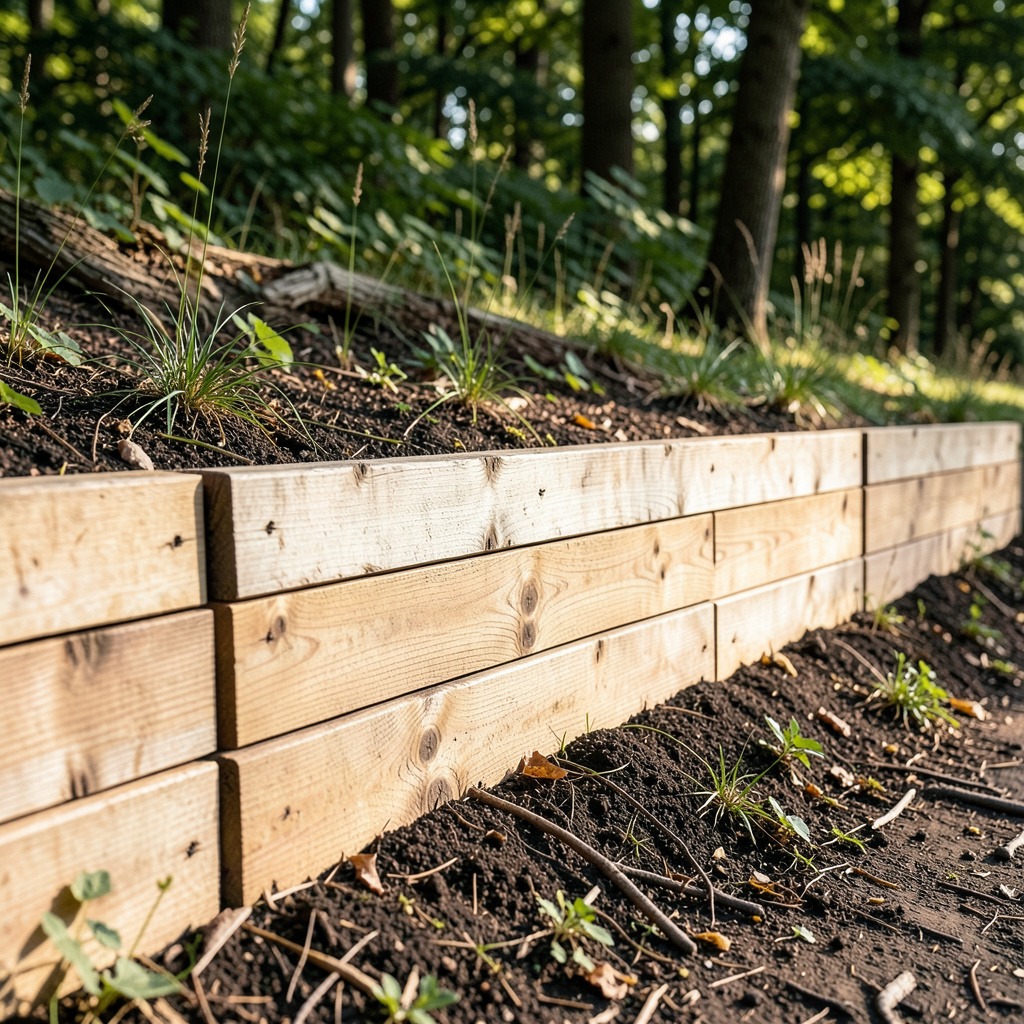
Wood retaining walls serve as functional structures in landscaping, providing both support and aesthetic appeal. They are often chosen for their natural look and cost-effectiveness.
What Are Wood Retaining Walls?
Wood retaining walls are structures built to retain soil and manage elevation changes in a landscape. They help prevent soil erosion and can create usable space on sloped properties. These walls are typically installed along garden beds, pathways, or terraces to hold back soil and enhance the visual appeal of outdoor areas.
Common Types of Wood Used
Several types of wood are commonly used for retaining walls, each with its unique properties:
- Pressure-Treated Pine: This is the most popular choice due to its affordability and resistance to decay. It can last up to 15 years with proper maintenance.
- Cedar: Known for its natural resistance to moisture and insects, cedar provides a longer lifespan, sometimes exceeding 20 years.
- Redwood: Similar to cedar, redwood is durable and resists warping and cracking. It is more expensive but offers a rich color and grain.
Functional Benefits in Landscaping
Wood retaining walls offer various functional benefits:
- Erosion Control: They effectively prevent soil erosion on sloped terrain, maintaining the integrity of gardens and landscapes.
- Aesthetic Appeal: Wood provides a warm, natural look that enhances the beauty of outdoor spaces. It can blend seamlessly with other elements in landscaping.
- Versatility: Wood walls can be customized in height, length, and design, making them suitable for various landscaping needs.
- Cost-Effectiveness: Compared to stone or concrete, wood is often less expensive to purchase and install.
When considering wood retaining walls, assess the specific needs of your landscape. Factors such as soil type, moisture levels, and intended use should guide your choice of wood and design.
1. Pros of Wood Retaining Walls

Wood retaining walls offer a blend of aesthetic charm, cost-effectiveness, and design versatility. These advantages make them a popular choice for homeowners and landscapers alike.
Aesthetic Appeal
Wood’s natural beauty is one of its most compelling advantages. The warm tones and organic textures create an inviting atmosphere in outdoor spaces. Unlike cold, hard materials like concrete or metal, wood harmonizes with the landscape, enhancing its visual appeal. Homeowners can choose from various stains and finishes to match their personal style and the surrounding environment.
Cost-Effectiveness
Wood retaining walls are often more affordable than alternatives such as stone or concrete. The initial cost of wood is typically lower, making it an attractive option for budget-conscious projects. Additionally, wood walls are easier to install. This simplicity can reduce labor costs, making it ideal for DIY enthusiasts.
Here’s a quick comparison of costs:
| Material | Average Cost per Linear Foot |
|---|---|
| Wood | $10 – $20 |
| Concrete | $20 – $30 |
| Stone | $30 – $50 |
Versatility in Design
Wood retaining walls can be customized in numerous ways. Homeowners can create various heights, lengths, and shapes to suit their landscaping needs. This flexibility allows for creative designs that integrate seamlessly with natural elements. For instance, curving walls can follow the contours of a garden, adding depth and character.
To maximize aesthetic and functional value, consider these design tips:
- Incorporate Plants: Planting along the wall can enhance its beauty and help with drainage.
- Use Different Wood Types: Experiment with various wood species for unique color and texture combinations.
- Create Levels: Staggered walls can add visual interest and better manage slope challenges.
By leveraging these advantages, wood retaining walls can effectively transform a landscape while providing structural support.
2. Cons of Wood Retaining Walls
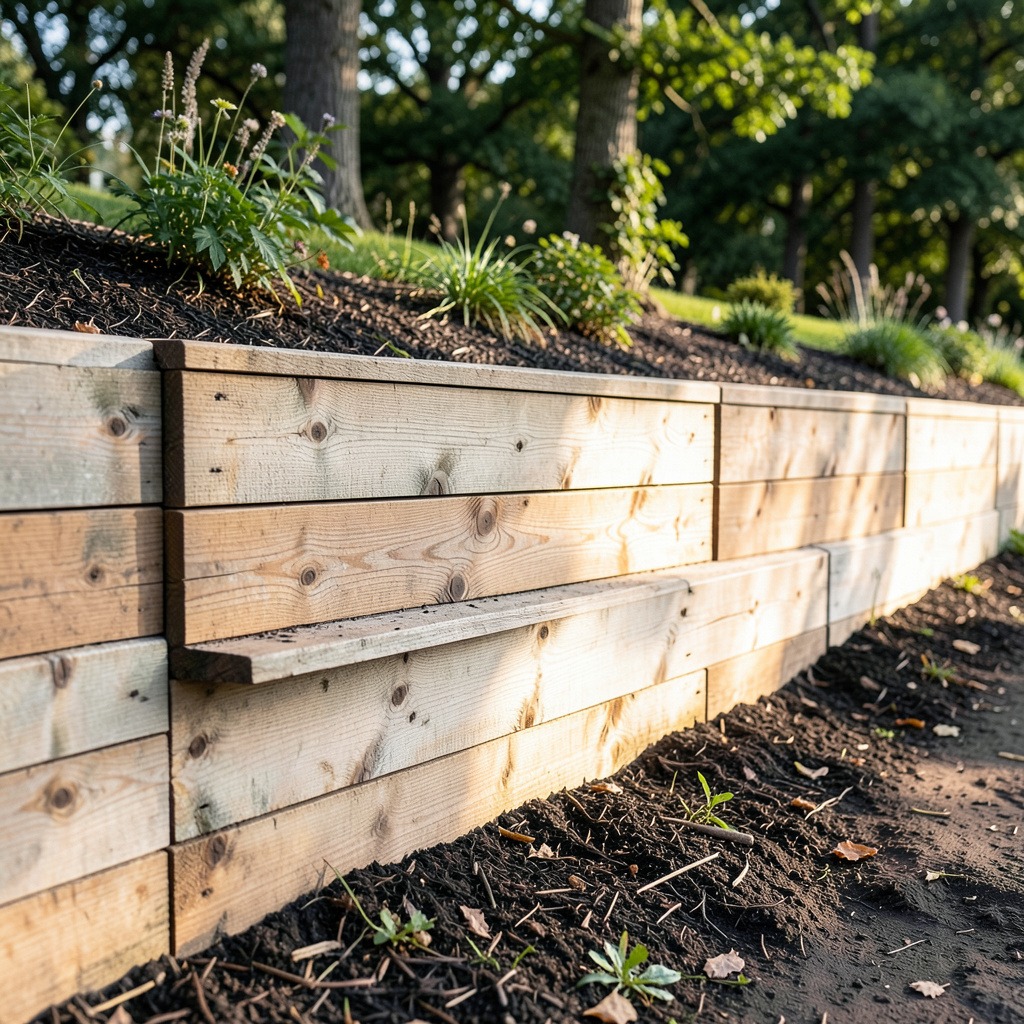
While wood retaining walls offer aesthetic appeal, they come with notable drawbacks. These issues primarily stem from durability concerns, maintenance requirements, and environmental impacts.
Durability Issues
Wood retaining walls typically have a lifespan of 15 to 30 years with proper care. However, they are prone to several durability issues:
- Rot: Wood can decay when exposed to moisture over time. This is particularly problematic in regions with high rainfall.
- Pest Infestation: Wood is susceptible to insects like termites, which can compromise structural integrity.
- Warping and Cracking: Changes in temperature and humidity can cause wood to warp or crack, leading to potential failure of the wall.
For instance, a poorly maintained wood retaining wall in a humid climate may begin to rot within a decade, necessitating costly replacements or repairs. To mitigate these risks, consider using rot-resistant wood species or applying protective sealants.
Maintenance Requirements
Maintaining wood retaining walls is essential to prolong their lifespan. Key maintenance activities include:
- Regular Inspections: Conduct biannual checks for signs of damage, such as cracks or rot. Early detection can prevent more severe issues.
- Preservative Treatments: Apply wood preservatives every few years to protect against moisture and pests. The appropriate frequency depends on the climate and specific wood type.
- Debris Management: Keep the area around the wall clear of vegetation and debris. These can trap moisture against the wood, accelerating deterioration.
Expert recommendations suggest that homeowners allocate time each spring and fall for these maintenance tasks to ensure the wall remains in good condition.
Environmental Impacts
Wood retaining walls also pose environmental concerns. While wood is a renewable resource, its harvesting can lead to deforestation and habitat destruction. Additionally:
- Chemical Treatments: Many wood types are treated with preservatives that may leach into soil and groundwater. This can harm local ecosystems.
- Disruption of Natural Drainage: Improper installation can alter drainage patterns, potentially leading to increased runoff and erosion.
Homeowners prioritizing sustainability might consider alternative materials such as recycled plastic or composite options, which can reduce environmental impact while offering comparable aesthetics and durability.
In summary, while wood retaining walls can enhance a landscape, they require careful consideration of their durability, maintenance, and environmental implications.
3. Durability and Maintenance of Wood Retaining Walls
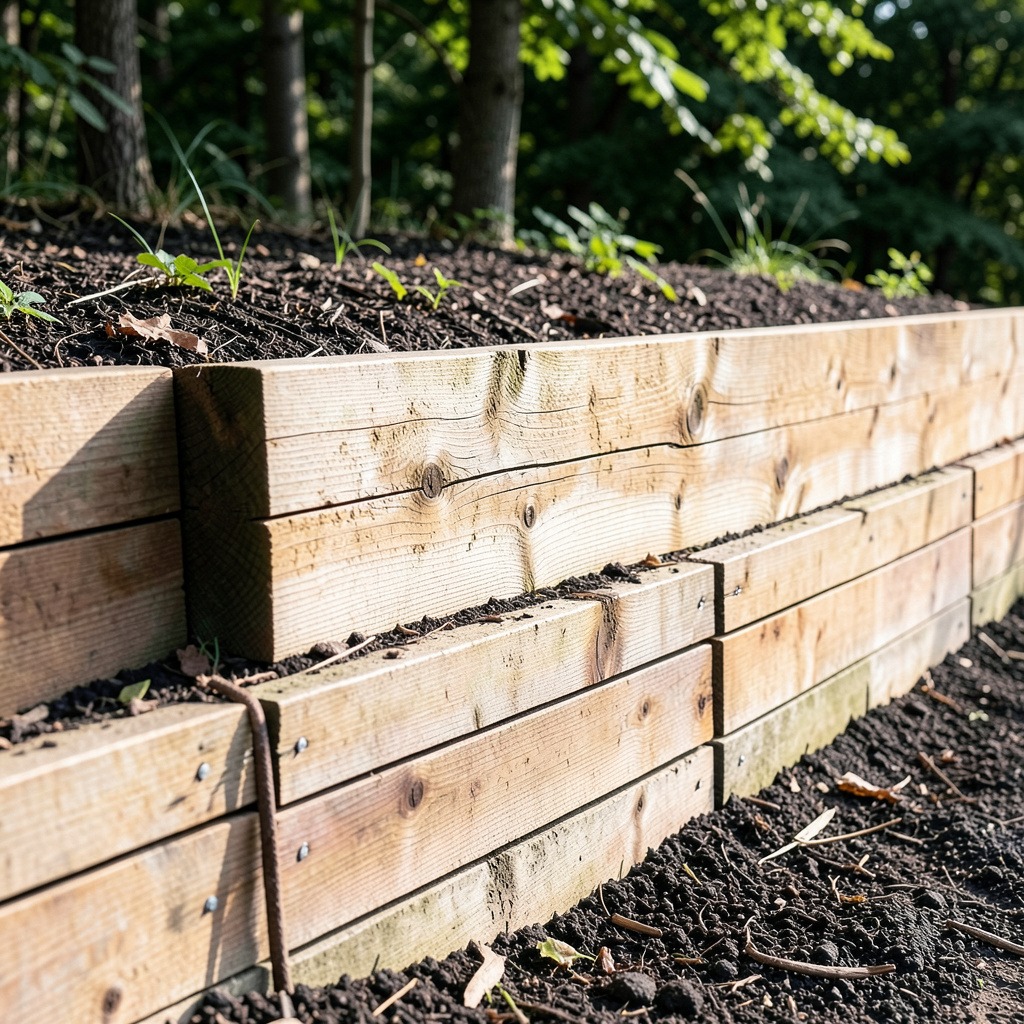
Wood retaining walls can provide lasting beauty and functionality in your landscape. However, their longevity and maintenance are critical considerations for homeowners. Understanding how to care for these structures can extend their lifespan significantly.
Expected Lifespan
Wood retaining walls typically last between 15 to 30 years, depending on several factors. The type of wood used plays a crucial role; pressure-treated lumber generally offers better resistance to rot and insects. Proper installation techniques also contribute to the overall durability of the wall. Here are key points to consider:
- Type of Wood: Pressure-treated wood lasts longer than untreated wood.
- Environmental Conditions: Humidity, rainfall, and soil type can affect longevity.
- Construction Quality: Well-built walls are more likely to withstand the elements.
Maintenance Tips
To ensure your wood retaining wall remains attractive and functional, follow these maintenance strategies:
- Regular Inspections: Check for signs of rot, insect damage, or leaning.
- Sealing and Staining: Apply a water-repellent sealant every few years to protect against moisture.
- Weed Control: Keep the area around the wall clear of weeds to prevent moisture buildup.
- Drainage Management: Ensure proper drainage to avoid water accumulation behind the wall.
Maintenance Checklist:
- Inspect for damage quarterly.
- Clean the surface to remove dirt and debris.
- Reapply sealant every 2-3 years.
- Trim vegetation near the wall.
Factors Affecting Durability
Several elements can impact the longevity of wood retaining walls. Awareness of these factors can help in making informed decisions:
- Soil Conditions: Poor drainage can lead to increased moisture, causing wood to rot faster.
- Weather Exposure: Constant exposure to sun or heavy rainfall can degrade wood quality.
- Pest Infestation: Termites and other pests can severely damage untreated wood.
By implementing these maintenance strategies and understanding the factors influencing durability, homeowners can maximize the lifespan of their wood retaining walls.
4. Cost Considerations of Wood Retaining Walls
When evaluating wood retaining walls, it’s essential to consider both initial installation costs and long-term value. Understanding these financial implications can help you make an informed decision.
Initial Installation Costs
Wood retaining walls typically have lower initial costs compared to alternatives like concrete or stone. Factors influencing these costs include:
- Material Price: Untreated wood is usually less expensive than concrete or stone.
- Labor Costs: Wood is easier to work with, leading to lower labor costs, especially for DIY projects.
- Design Flexibility: Wood can be cut and shaped to fit various designs, potentially reducing the need for expensive custom work.
As a guideline, the average cost for wood retaining walls can range from $15 to $30 per square foot, depending on the type of wood and local labor rates.
Long-Term Value
While wood retaining walls are cost-effective initially, long-term value hinges on maintenance and durability. Key considerations include:
- Maintenance Costs: Regular sealing and staining are necessary to extend the lifespan of wood. This can incur costs of $1 to $3 per square foot every few years.
- Lifespan: Wood walls generally last 10 to 20 years with proper care, compared to 30 to 50 years for concrete or stone.
This means that, over time, the costs associated with maintaining wood may offset the initial savings.
Comparison with Other Materials
When comparing wood to other materials, consider the following aspects:
| Material | Initial Cost per Sq Ft | Lifespan (Years) | Maintenance Cost | Aesthetic Appeal |
|---|---|---|---|---|
| Wood | $15 – $30 | 10 – 20 | $1 – $3 | Natural, warm |
| Concrete | $20 – $50 | 30 – 50 | Low | Industrial, modern |
| Stone | $30 – $60 | 50+ | Low | Rustic, durable |
While wood may save you money upfront, it’s crucial to evaluate the long-term implications of maintenance and replacement. If your focus is on longevity and minimal upkeep, concrete or stone may offer better value over time.
In making a decision, consider your landscaping goals, budget constraints, and willingness to maintain the wall. A wood retaining wall can be an excellent temporary solution, but if you seek permanence, investing in more durable materials might be prudent.
5. Installation Techniques for Wood Retaining Walls
Installing wood retaining walls requires careful planning and execution to ensure stability and longevity. Proper techniques are crucial for preventing future issues such as sagging, rot, or structural failure.
Design Considerations
Begin with a solid design tailored to your landscape’s needs. Consider the wall’s height, location, and intended purpose. A well-designed wall should account for:
- Height and Length: Taller walls require more robust support.
- Soil Type: Different soils exert varying pressure; know your soil.
- Aesthetic Integration: Choose wood types and finishes that complement your landscape.
Proper Drainage
Effective drainage is vital to the lifespan of your wood retaining wall. Poor drainage can lead to water buildup, increasing the risk of wood rot. Follow these steps for proper drainage:
1. Backfill Material: Use gravel or crushed stone behind the wall to promote drainage.
2. Weep Holes: Incorporate weep holes at intervals to allow water to escape.
3. Slope: Ensure the ground slopes away from the wall to direct water runoff.
Structural Support Techniques
To enhance stability, implement the following structural support techniques:
- Use Treated Wood: Select pressure-treated wood to resist moisture and decay.
- Proper Height Support: For walls over four feet, install vertical posts at regular intervals.
- Bracing: Use braces or anchors to secure the wall against lateral earth pressure.
Step-by-Step Installation Framework
1. Site Preparation: Clear the area of debris and vegetation.
2. Digging the Trench: Excavate a trench at least one foot deep for the base.
3. Base Layer: Fill the trench with gravel to improve drainage.
4. Placing the First Timber: Lay the first layer of timber, ensuring it’s level.
5. Securing the Timbers: Use landscape spikes to secure each layer in place.
6. Backfilling: Add backfill material gradually, compacting it as you go.
7. Final Touches: Level the top of the wall and apply any desired finishes.
Following these best practices will help ensure your wood retaining wall is not only functional but also an attractive addition to your landscape.
6. Comparing Wood Retaining Walls with Other Types
When considering retaining walls for your landscape, it’s essential to evaluate wood walls against concrete and stone options. Each material offers unique advantages and disadvantages that can impact your decision.
Wood vs. Concrete
Strengths of Wood Retaining Walls:
- Aesthetic Appeal: Wood provides a warm, rustic look that blends seamlessly with natural surroundings.
- Cost-Effective: Generally, wood walls cost less to install than concrete options.
- Ease of Installation: Wood is lighter and easier to work with, making it suitable for DIY projects.
Weaknesses of Wood Retaining Walls:
- Durability: Wood typically lasts 10-30 years, depending on maintenance. In contrast, concrete can last for decades with minimal upkeep.
- Maintenance: Wood requires regular sealing and treatment to prevent rot and insect damage.
- Environmental Concerns: Treated wood can leach chemicals into the soil, affecting nearby plants and water sources.
Concrete Strengths:
- Longevity: Concrete retaining walls can endure for over 50 years with proper maintenance.
- Strength: They can withstand heavy loads and are ideal for steep slopes.
- Low Maintenance: Once installed, concrete requires little to no ongoing care.
Concrete Weaknesses:
- Cost: Higher initial investment than wood.
- Installation Complexity: Requires more skill and equipment for proper installation.
Wood vs. Stone
Strengths of Wood Retaining Walls:
- Natural Look: Wood offers a softer, more organic feel compared to the often harsh appearance of stone.
- Adaptability: Easier to modify or repair than stone if damage occurs.
Weaknesses of Wood Retaining Walls:
- Shorter Lifespan: Wood is more susceptible to rot and decay, especially in moist climates.
- Limited Load-Bearing Capacity: Not suitable for very steep or heavily loaded areas.
Stone Strengths:
- Durability: Stone can last for generations, making it a long-term investment.
- Stability: Naturally heavy, stone walls provide excellent stability, particularly on steep grades.
Stone Weaknesses:
- Cost: More expensive than wood and often requires professional installation.
- Weight: Heavier and more challenging to work with, which may limit DIY options.
Best Use Cases for Each Type
| Material | Best Use Cases |
|---|---|
| Wood | Decorative landscapes, low to moderate slopes |
| Concrete | High-load areas, steep slopes, long-term solutions |
| Stone | Long-lasting structures, formal gardens, high-end aesthetics |
Decision Matrix:
- For a budget-friendly, aesthetic solution in a low-slope area? Choose wood.
- Need a durable solution for a steep slope? Opt for concrete.
- Looking for a timeless, stable option that lasts? Go with stone.
By understanding these comparisons, you can make a more informed choice for your retaining wall project, balancing aesthetics, cost, and functionality.
7. Alternatives to Wood Retaining Walls
When considering retaining walls, wood is just one of several options. Each material offers distinct advantages and disadvantages that can influence your project’s success. Below, we explore alternatives to wood retaining walls, focusing on their pros and cons.
Concrete Retaining Walls
Concrete retaining walls are known for their strength and longevity. They can handle heavy loads and are ideal for steep slopes.
Pros:
- Durability: Can last decades with minimal maintenance.
- Load-bearing capacity: Suitable for high-load areas.
- Versatility: Available in various styles and finishes.
Cons:
- Cost: Generally more expensive than wood.
- Installation complexity: Requires skilled labor for proper construction.
- Aesthetic limitations: May not blend as naturally into landscapes as wood.
Stone Retaining Walls
Stone retaining walls are a classic choice, offering timeless beauty and stability. They work well in formal gardens and high-end landscapes.
Pros:
- Aesthetic appeal: Enhances property value and visual interest.
- Longevity: Extremely durable and resistant to weathering.
- Natural materials: Blends well with the environment.
Cons:
- Cost: Typically the most expensive option.
- Labor-intensive installation: Requires skilled craftsmanship.
- Heavy weight: Needs a solid foundation to prevent shifting.
Composite Materials
Composite materials combine various substances, often including recycled plastics and wood fibers. They aim to offer the aesthetic of wood with enhanced durability.
Pros:
- Low maintenance: Resistant to rot, insects, and fading.
- Environmental benefits: Often made from recycled materials.
- Aesthetic variety: Available in various colors and styles.
Cons:
- Cost: Can be comparable to or higher than treated wood.
- Heat sensitivity: May warp in extreme temperatures.
- Lifespan: Generally shorter than stone or concrete options.
Decision-Making Insights
When choosing between these materials, consider the following:
- Budget: Wood is often the most economical option, while stone and concrete can require significant investment.
- Location: Evaluate soil type, slope, and drainage needs to determine the best material.
- Desired lifespan: If longevity is a priority, concrete or stone may be more suitable.
By assessing these factors, you can make an informed decision that aligns with your project goals.
8. Real-Life Examples of Wood Retaining Walls
Exploring successful installations of wood retaining walls provides valuable insights into their practical applications. These case studies highlight the benefits, challenges, and effective strategies used in real-world scenarios.
Case Study: Residential Garden
In a suburban home, a wood retaining wall was constructed to create tiered garden beds. The project aimed to enhance both aesthetics and functionality.
- Challenge: The initial soil erosion risk during heavy rains threatened the garden’s integrity.
- Solution: The homeowner collaborated with a landscape architect to design a wall that incorporated proper drainage solutions. They chose treated wood for durability and added plants to soften the wall’s appearance.
Case Study: Erosion Control
A community park faced significant soil erosion issues. The local government decided to install wood retaining walls to stabilize the landscape.
- Challenge: The installation site had steep slopes and loose soil.
- Solution: Engineers employed geogrid reinforcements behind the retaining wall. This method improved stability and decreased the risk of collapse. Additionally, the walls were planted with native species to enhance aesthetics and promote biodiversity.
Lessons Learned from Installation Challenges
These case studies reveal critical lessons about wood retaining walls:
- Durability Matters: Selecting high-quality, treated wood extends the lifespan of the wall. On average, properly maintained wood retaining walls can last 15-30 years.
- Professional Guidance: Engaging professionals during the planning and installation phases mitigates risks associated with improper construction.
- Maintenance is Key: Regular inspections and maintenance are essential to prevent rot and ensure structural integrity. Homeowners should be prepared for periodic upkeep.
By analyzing these real-life examples, it becomes clear that wood retaining walls can effectively address various landscaping challenges while contributing to the overall beauty of the environment.
Frequently Asked Questions
These quick answers cover the most common questions about this topic, including key details, practical tips, and common concerns.
How long will a wooden retaining wall last?
A wooden retaining wall typically lasts between 15 to 30 years, depending on factors like wood type, climate, and maintenance. Pressure-treated wood can offer better resistance to rot and insects, extending its lifespan. Regular inspections and proper maintenance, such as sealing and treating the wood, can significantly enhance durability.
What is the 1/3 rule for retaining walls?
The 1/3 rule for retaining walls suggests that for every foot of height, the wall should be set back one foot from the vertical. This principle helps maintain stability and reduces the risk of collapse by ensuring that the wall can effectively counteract the pressure from the soil it retains.
What are the common failures of wood retaining walls?
Common failures of wood retaining walls include rot, pest infestation, and structural instability. Rot occurs when wood is exposed to moisture without proper drainage or treatment. Pests like termites can compromise the wall’s integrity. Additionally, if the wall is not constructed with adequate support or drainage, it may lean or collapse under pressure.
Does a 2-foot wood retaining wall need drainage?
Yes, a 2-foot wood retaining wall requires proper drainage to prevent water buildup behind the wall, which can lead to rot and structural failure. Incorporating weep holes and using gravel backfill can help facilitate drainage and maintain the wall’s integrity.
What type of wood is best for retaining walls?
The best types of wood for retaining walls include pressure-treated pine, cedar, and redwood. Pressure-treated pine is cost-effective and resistant to decay, while cedar and redwood offer natural resistance to moisture and insects, making them more durable options. Ultimately, the choice depends on your budget and aesthetic preferences.
How can I prevent my wood retaining wall from rotting?
To prevent rot, use pressure-treated wood or naturally rot-resistant species like cedar or redwood. Regularly seal and treat the wood to protect against moisture. Additionally, ensure proper drainage behind the wall to minimize water accumulation, and keep the surrounding area clear of debris that can trap moisture.
Timber Retaining Wall vs Block Retaining Wall: Which is Best?
Timber retaining walls are generally more affordable and easier to install, making them suitable for DIY projects. However, they may require more maintenance and have a shorter lifespan. Block retaining walls, on the other hand, offer greater durability and stability, especially in high-load areas, but come at a higher cost and require more skilled installation. The best choice depends on your specific needs, budget, and desired longevity.