
Wood rings offer unique aesthetics and eco-friendliness but come with concerns over durability and maintenance.
Table of Contents
Wood rings are becoming increasingly popular as alternatives to traditional metal options for wedding bands and jewelry. This guide explores their advantages and disadvantages, helping you make an informed decision about whether wood rings are right for you.
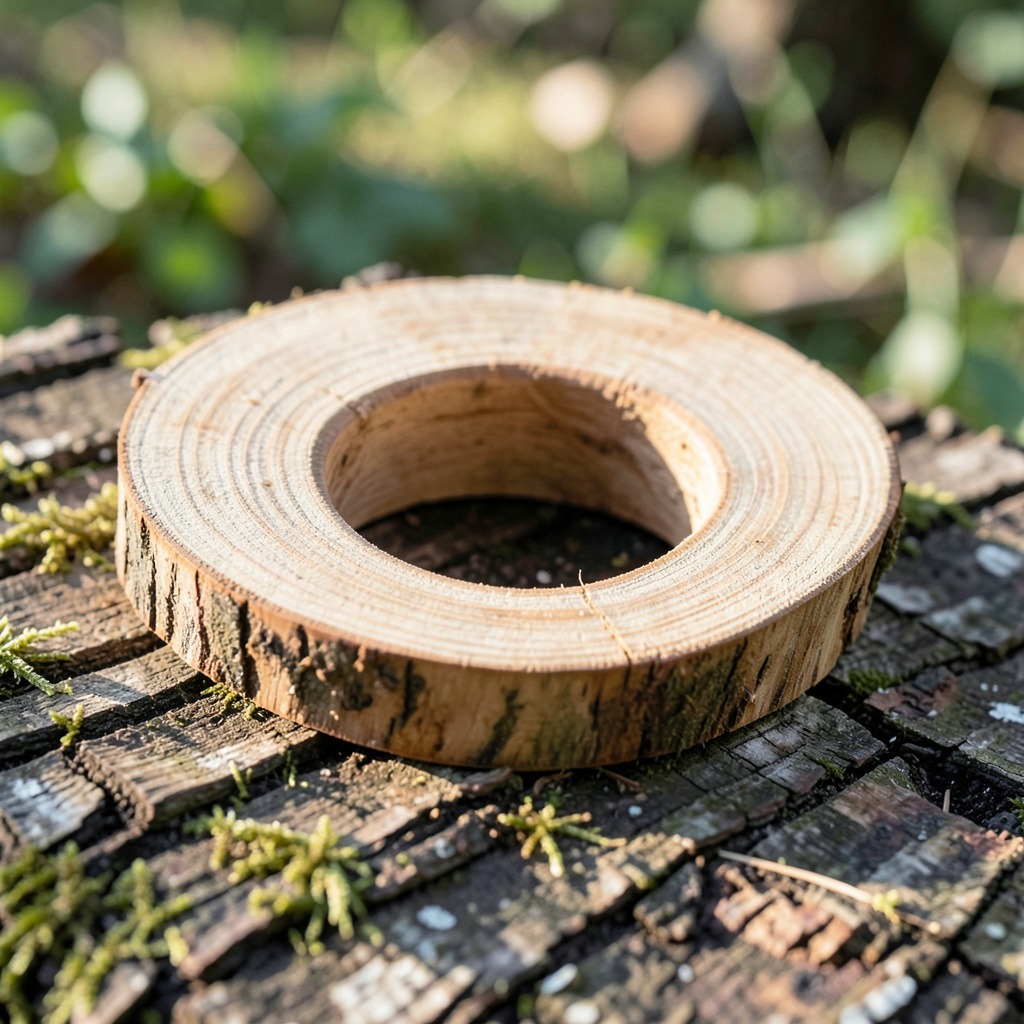
The Advantages of Wood Rings
Wood rings offer a unique blend of aesthetic appeal, affordability, and eco-friendliness. These attributes attract couples seeking alternatives to traditional metal wedding bands. Here, we explore the key benefits of wood rings.
Unique Aesthetic Appeal
Wood rings stand out due to their natural beauty and unique patterns. Each ring showcases distinct grain variations, making every piece one-of-a-kind. This individuality appeals to those who want a personal touch in their wedding bands.
- Customization: Many wood rings can be customized with engravings or inlays, allowing couples to add sentimental value.
- Symbolism: Different wood types carry specific meanings, such as oak for strength or maple for generosity. This symbolism can enhance the emotional significance of the ring.
Eco-Friendly and Sustainable
Wood rings can be a sustainable choice for environmentally conscious couples. Many are crafted from reclaimed or sustainably sourced wood, minimizing environmental impact.
- Sourcing: Opting for rings made from responsibly sourced materials ensures that your purchase supports eco-friendly practices.
- Biodegradability: Unlike metal, wood is biodegradable, reducing long-term waste.
Affordable Alternative
Wood rings can often be more affordable than traditional metal rings. Their pricing can vary based on the type of wood and craftsmanship but generally remains budget-friendly.
- Cost-Effective Options: Simple wooden bands can be significantly less expensive than metal rings, making them accessible for various budgets.
- Long-term Value: With proper care, wood rings can last for years, offering an appealing balance of quality and cost.
By considering these advantages, couples can make informed decisions when selecting wood rings as their wedding bands.
The Disadvantages of Wood Rings

While wooden rings offer unique aesthetics and sustainable options, they come with certain drawbacks. Understanding these disadvantages is crucial for making an informed choice.
Susceptibility to Damage
Wood rings can be more prone to damage compared to their metal counterparts. Common issues include:
- Scratches: Wooden surfaces can scratch easily, especially with daily wear.
- Water Damage: Though many wood rings are treated for water resistance, prolonged exposure can still cause warping or discoloration.
- Cracking: Changes in humidity and temperature may lead to cracking over time.
These vulnerabilities can impact the longevity and appearance of the ring.
Maintenance Requirements
Proper care is essential for maintaining the integrity of wood rings. Here are key maintenance practices:
- Regular Polishing: Use a soft cloth to maintain shine. Some rings may require wood oil or specific polish to prevent drying.
- Avoid Submersion: Limit exposure to water. Remove the ring before washing hands or swimming.
- Inspect for Wear: Regularly check for signs of damage and address them promptly to avoid further deterioration.
Failing to adhere to these maintenance practices can lead to significant wear issues.
Resizing Challenges
Resizing wooden rings is often more complicated than resizing metal rings. Consider the following:
- Material Limitations: Wood cannot be stretched or compressed like metal. Resizing may require crafting a new ring entirely.
- Inlay Complications: If the ring features wood inlays or layers, resizing can compromise the design and integrity.
When choosing a wood ring, factor in your future resizing needs. It may be beneficial to select a design that allows for potential adjustments without compromising aesthetics.
Types of Wood Rings

Wood rings offer a distinctive alternative to traditional metal bands. Their unique craftsmanship and natural beauty appeal to many couples. Understanding the different types of wood rings helps in making an informed choice.
Bentwood Rings
Bentwood rings are crafted by bending strips of wood into a circular shape. This process creates a strong and flexible ring. Key features include:
- Durability: The bending technique enhances strength.
- Aesthetic: These rings showcase natural wood grain.
- Customization: Available in various wood types, from maple to walnut.
For example, a bentwood ring made from cherry wood may have rich, reddish tones, adding warmth to its appearance.
Carved Wooden Rings
Carved wooden rings are intricately shaped from a solid piece of wood. Artisans often add unique designs, patterns, or engravings. Important aspects include:
- Distinctiveness: Each ring is one-of-a-kind due to natural wood variations.
- Symbolism: Carvings can represent personal meanings or stories.
- Comfort: Smooth edges enhance wearability.
Consider a carved ring with a deep engraving that symbolizes a shared experience between partners.
Wood Inlay Rings
Wood inlay rings combine wood with metal, providing a striking contrast. The metal band encases the wood, enhancing durability. Notable characteristics include:
- Strength: The metal core offers a robust structure.
- Design Variety: Inlays can include different wood types or patterns.
- Waterproofing: The resin used in inlays makes them highly resistant to moisture.
For instance, a wood inlay ring featuring a titanium band and a center of olive wood can create a stunning visual effect, merging both elegance and strength.
Decision Framework
When choosing between these types, consider:
- Lifestyle: If you lead an active life, opt for wood inlay rings for their durability.
- Style Preference: Choose carved rings for intricate designs or bentwood for a classic look.
- Maintenance: Understand care requirements, as each type has different maintenance needs.
By weighing these factors, you can select the wood ring that best reflects your values and lifestyle.
Caring for Wooden Rings
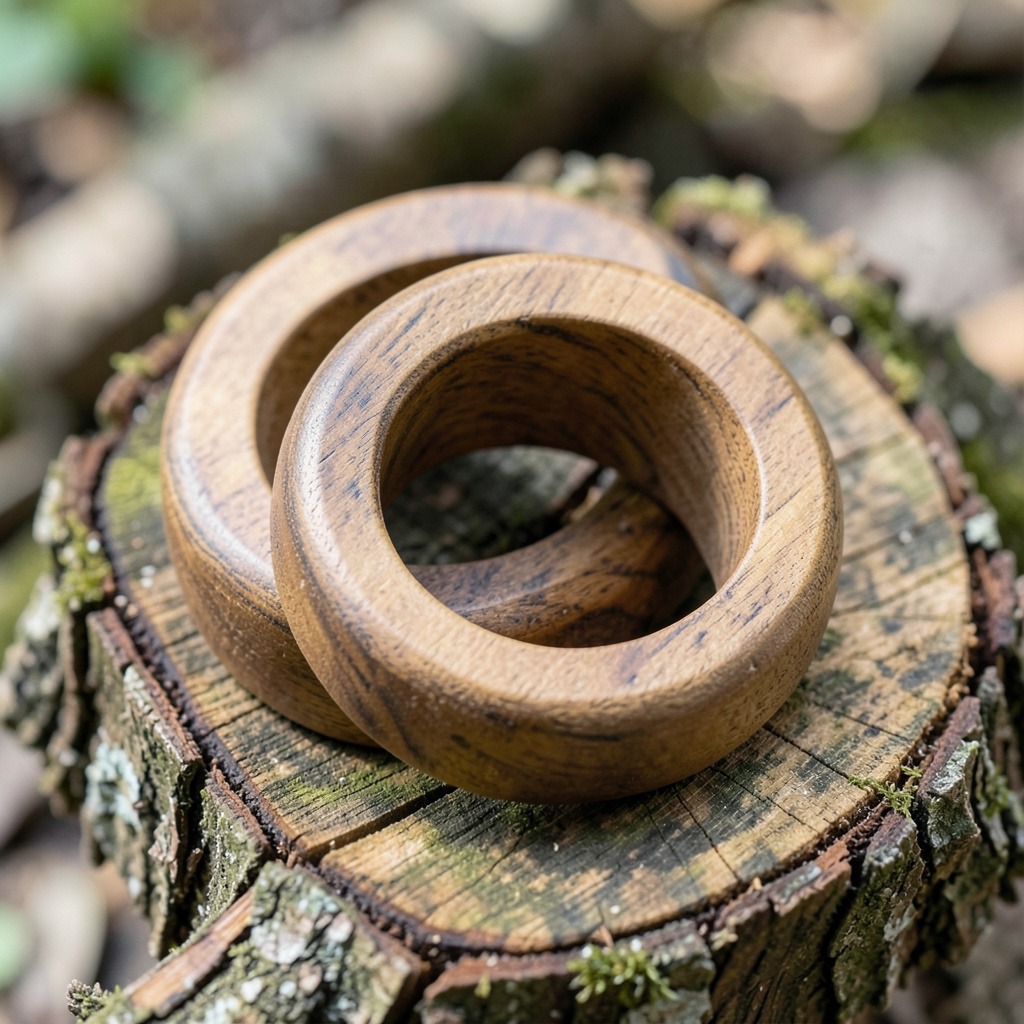
Wooden rings require specific care to maintain their beauty and integrity over time. Understanding how to clean, store, and recognize wear will help preserve your unique wedding band.
Cleaning Your Wooden Ring
Regular cleaning is essential to keep your wooden ring looking its best. Follow these steps:
- Use a Soft Cloth: Gently wipe your ring with a microfiber cloth after each wear to remove dirt and oils.
- Mild Soap Solution: For deeper cleaning, mix mild soap with warm water. Dip the cloth in the solution and gently clean the ring. Avoid submerging it fully.
- Dry Thoroughly: Ensure your ring is completely dry before wearing it again. This prevents moisture damage.
Storing and Protecting Your Ring
Proper storage protects your wooden ring from scratches and environmental factors. Consider these tips:
- Use a Soft Pouch: Store your ring in a soft pouch or a dedicated jewelry box to prevent scratches from other items.
- Avoid Extreme Conditions: Keep your ring away from extreme temperatures and humidity. Wood can warp or crack if exposed to excessive moisture or heat.
- Rotate Your Jewelry: If you wear multiple rings, rotate which one you wear daily. This reduces wear on a single piece.
Recognizing Signs of Wear
Identifying wear early can help prolong the life of your wooden ring. Look for these signs:
- Dull Finish: A loss of shine may indicate the need for cleaning or reconditioning.
- Cracks or Splits: Inspect your ring regularly for any visible damage. If you notice cracks, consult a professional for repair.
- Loosening Inlays: If your ring has inlays, check for any loose or lifting edges. Addressing this promptly can prevent further damage.
Care Checklist
To ensure optimal maintenance, use this checklist:
- [ ] Clean with a soft cloth after each wear.
- [ ] Wash with a mild soap solution monthly.
- [ ] Dry thoroughly before storage.
- [ ] Store in a soft pouch when not in use.
- [ ] Avoid exposure to extreme heat or moisture.
- [ ] Inspect for signs of wear every few months.
By following these care instructions, you can maintain the beauty and durability of your wooden ring while enjoying its unique symbolism for years to come.
Symbolism and Meaning of Wood Rings
Wood rings carry deep cultural and personal significance. Different types of wood are often imbued with symbolic meanings, making them unique choices for wedding bands. Understanding these meanings can enhance the emotional value of a wood ring.
Cultural Significance
Throughout history, various cultures have ascribed specific meanings to different woods. Here are a few examples:
- Maple: Known as the “traveler’s wood,” symbolizing offering, generosity, and promise.
- Oak: Represents strength and courage, making it a favored choice for couples who value resilience.
- Cedar: Often associated with purification and protection, ideal for couples seeking spiritual significance.
Choosing a wood ring can reflect these cultural meanings, allowing couples to select a band that resonates with their values or stories.
Personal Stories and Symbolism
A couple’s choice of wood can also stem from personal significance. For instance, a couple who met under a cherry tree may opt for a cherry wood ring to commemorate their shared history. Such choices can reflect milestones or cherished memories, adding layers of meaning to the wedding band.
Consider these scenarios:
- A couple might choose applewood for its association with love and fertility, symbolizing their growing family.
- Another pair may select walnut for its durability and rich color, representing the strength of their relationship.
These personal anecdotes not only enrich the symbolism of wood rings but also create a unique narrative for each couple.
When selecting a wood type for rings, consider both cultural meanings and personal connections. This decision can enhance the ring’s significance and strengthen the bond it represents.
Wood Rings vs. Metal Rings: A Comparative Analysis
When considering wedding bands, wood rings offer a unique alternative to traditional metal options. This section explores the aesthetic differences, durability considerations, and environmental impacts of wood rings versus metal rings.
Aesthetic Differences
Wood rings exude a natural beauty and warmth that metal rings often lack. Each wooden ring is unique, showcasing the wood grain and color variations that reflect individual style. Conversely, metal rings tend to have a uniform appearance, though they can be crafted in various designs and finishes.
- Wood Rings: Unique grain patterns, warm tones, and customizable shapes.
- Metal Rings: Consistent finishes, can include embellishments like gemstones.
Durability Considerations
Durability is a crucial factor in choosing a wedding band. While metal rings are known for their toughness, wooden rings can also be durable, provided they are crafted with care.
| Feature | Wood Rings | Metal Rings |
|---|---|---|
| Daily Wear | Can withstand daily use with proper care | Highly resistant to scratches and dents |
| Water Resistance | Varies by type; some are waterproof, others not | Generally waterproof and resistant to tarnish |
| Longevity | May require periodic maintenance | Long-lasting with minimal upkeep |
Wood rings often require more attention to maintain their beauty. Regular polishing and avoiding prolonged exposure to water can extend the life of a wooden ring.
Environmental Impact
Wood rings present a more sustainable choice compared to metal rings. Sourced from renewable resources, wood can be sustainably harvested, minimizing environmental damage. Metal mining, on the other hand, has a significant ecological footprint.
- Wood Rings: Often made from sustainably sourced wood, contributing to eco-friendliness.
- Metal Rings: Mining processes can cause extensive environmental degradation.
When choosing between wood and metal rings, consider the aesthetics, durability, and environmental implications. For those valuing individuality and sustainability, wood rings may be the ideal choice.
Alternatives to Wood Rings
When considering wedding bands, wood rings are not the only option available. Alternatives such as ceramic, silicone, and hybrid rings offer unique benefits and potential drawbacks. Each type presents distinct characteristics, appealing to different lifestyles and preferences.
Ceramic Rings
Ceramic rings are known for their modern aesthetic and durability. They are scratch-resistant and lightweight, making them comfortable for everyday wear. However, they can be brittle and may shatter upon impact.
Pros:
- Highly scratch-resistant
- Available in various colors and finishes
- Affordable compared to precious metals
Cons:
- Prone to cracking or shattering
- Limited resizing options
- May lack the warmth and individuality of wood
Silicone Rings
Silicone rings have gained popularity, especially among active individuals. They are flexible, lightweight, and safe for various environments, including physical labor or water activities. However, they may not convey the same level of sentiment as traditional rings.
Pros:
- Extremely durable and flexible
- Safe for active lifestyles
- Available in numerous styles and colors
Cons:
- Perceived as less formal
- May not hold sentimental value like wood or metal
- Limited customization options
Hybrid Options
Hybrid rings combine materials, often integrating wood with metal or ceramic. This approach allows for unique designs while enhancing durability. A metal core can provide strength, while wood adds warmth and individuality.
Pros:
- Unique aesthetic appeal
- Greater durability than all-wood rings
- Customization options available
Cons:
- Potentially higher cost
- Requires careful maintenance to preserve wood integrity
- May not suit those seeking an all-natural option
Decision Framework
When evaluating non-metal ring options, consider the following factors:
- Lifestyle: Active individuals may prefer silicone for safety, while those valuing aesthetics might opt for ceramics or hybrids.
- Durability Needs: For environments where rings face impact, hybrids or ceramics may be more suitable.
- Sentimental Value: If symbolism matters, wood or hybrid options may resonate more than silicone or ceramic.
By understanding these alternatives, you can make a more informed decision about the best wedding band that aligns with your values and lifestyle.
Frequently Asked Questions
These quick answers cover the most common questions about this topic, including key details, practical tips, and common concerns.
How long would a wood ring last?
The lifespan of a wood ring can vary greatly depending on the type of wood, craftsmanship, and care. Generally, with proper maintenance, a wooden ring can last several years to a lifetime. However, they may require more frequent care than metal rings to prevent damage from moisture and wear.
What is the 3 month rule for a ring?
The “3 month rule” suggests that if you’re considering a ring, especially for engagement or wedding purposes, you should wear it for at least three months. This helps ensure it fits well and suits your lifestyle. For wooden rings, this period is also useful for assessing how well the ring holds up to daily wear and how it responds to your activities.
What does a wood ring symbolize?
Wood rings often symbolize natural beauty, growth, and sustainability. Different types of wood can carry unique meanings. For example, oak represents strength, while maple signifies generosity. Couples may choose a wood type that resonates with their personal values or shared experiences, enhancing the emotional significance of the ring.
Can wooden rings be resized?
Resizing wooden rings can be challenging. Unlike metal, wood cannot be easily stretched or compressed. If a wooden ring needs resizing, it may require crafting a new ring altogether, especially if it features intricate designs or inlays. It’s wise to consider the fit carefully before purchasing.
How do I care for my wooden ring?
To maintain your wooden ring, regularly clean it with a soft cloth to remove dirt and oils. Avoid submerging it in water; instead, use a mild soap solution for deeper cleaning. Store your ring in a soft pouch to prevent scratches and keep it away from extreme temperatures. Regular inspections for signs of wear will help you catch any issues early.
What are the common problems with wooden rings?
Common issues with wooden rings include susceptibility to scratches, water damage, and cracking due to changes in humidity. These vulnerabilities can affect the ring’s longevity and appearance. Regular maintenance, including polishing and careful handling, can mitigate some of these problems.
Wood rings vs. metal rings: which is better?
Choosing between wood and metal rings depends on personal preference and lifestyle. Wood rings offer unique aesthetics and eco-friendliness, but they require more maintenance and may be less durable than metal rings. Metal rings are typically more durable and resistant to scratches and water, making them suitable for daily wear. Consider your lifestyle, aesthetic preferences, and the importance of sustainability when making your choice.
What are alternatives to wooden rings?
Alternatives to wooden rings include ceramic, silicone, and hybrid rings that combine wood with metal. Ceramic rings are highly scratch-resistant but can be brittle. Silicone rings are flexible and safe for active lifestyles, while hybrid rings offer a blend of durability and unique design. Each option has its benefits and drawbacks, so consider your lifestyle and preferences when exploring alternatives.