
Wood siding offers natural beauty and excellent insulation but requires regular maintenance and is susceptible to weather damage.
Choosing wood siding for your home can enhance its aesthetic appeal and energy efficiency; however, it comes with challenges. This guide will explore 11 essential pros and cons of wood siding to help you make an informed decision.

Understanding Wood Siding
Wood siding is a popular choice for home exteriors, known for its natural beauty and versatility. This material has been used for centuries, providing aesthetic appeal and insulation benefits.
What Makes Wood Siding Popular?
1. Aesthetic Appeal: Wood siding offers a timeless, classic look that enhances a home’s curb appeal. Its warm tones and natural grain patterns create a welcoming atmosphere.
2. Variety of Options: Homeowners can choose from various types of wood siding, such as cedar, pine, and redwood. Each type has unique characteristics, including color, grain, and durability.
3. Insulation Properties: Wood is a natural insulator. It helps regulate indoor temperatures, potentially lowering energy costs.
Characteristics of Wood Siding
- Durability: With proper care, wood siding can last for decades. Treatments such as staining and sealing enhance resistance to moisture and pests.
- Eco-Friendliness: When sourced from sustainable forests, wood siding is an environmentally friendly option. It is biodegradable and can be recycled.
- Maintenance Requirements: While wood siding is durable, it requires regular maintenance. Homeowners must inspect for signs of rot, paint or stain periodically, and clean to prevent mold growth.
Cost Considerations
The cost of wood siding varies based on the type of wood, installation method, and regional factors. On average, wood siding can range from $3 to $10 per square foot, depending on these variables. A detailed breakdown includes:
Table of Contents
| Type of Wood | Cost per Square Foot | Durability |
|---|---|---|
| Pine | $3 – $5 | Moderate |
| Cedar | $5 – $7 | High |
| Redwood | $6 – $10 | Very High |
Regional Considerations
The climate plays a crucial role in selecting wood siding. In humid areas, rot-resistant woods like cedar are advisable. Conversely, in dry climates, pine may suffice with proper treatment. Always consider local weather patterns when choosing wood siding.
1. Aesthetic Appeal of Wood Siding
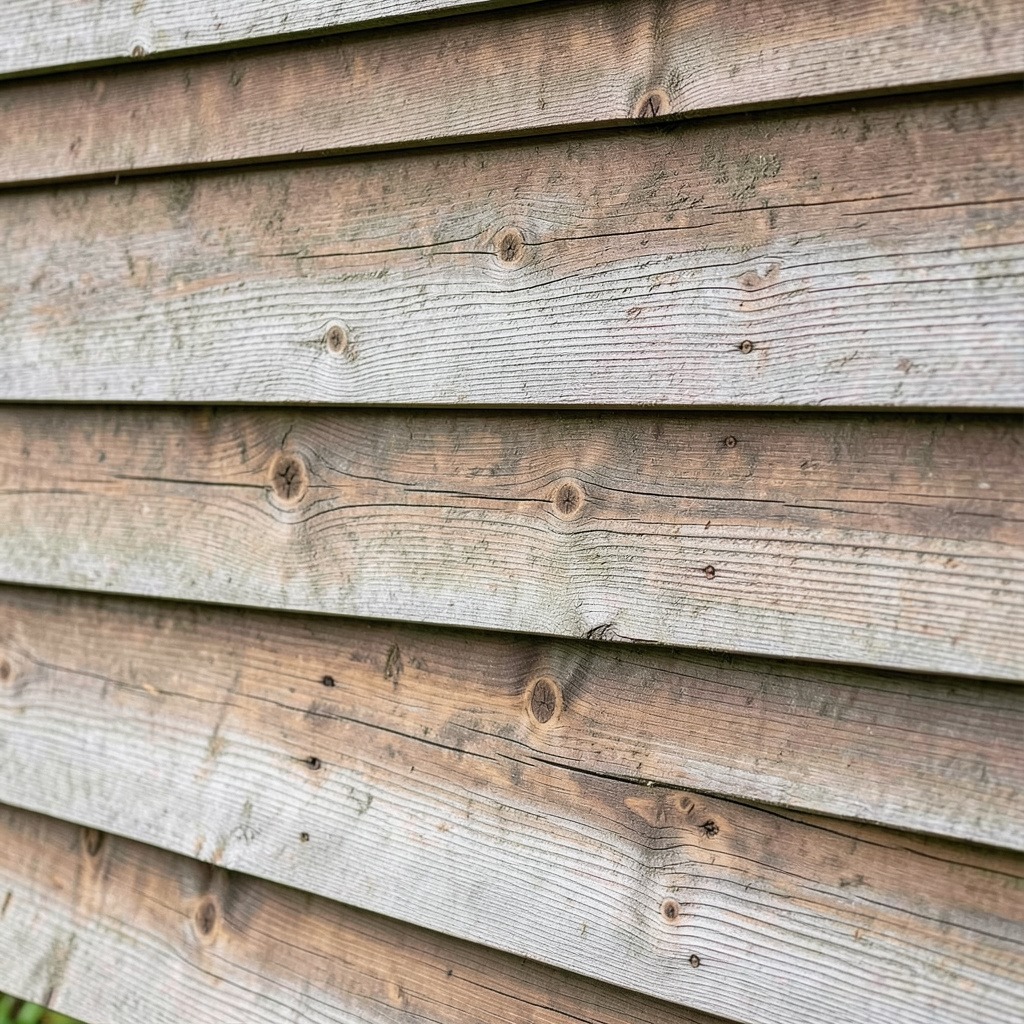
Wood siding offers a timeless beauty that enhances the curb appeal of any home. Its natural characteristics provide a unique charm, allowing homeowners to choose from a variety of colors and textures.
Variety of Colors and Textures
Wood siding comes in numerous species, each with distinct appearances. Here are some popular choices:
- Cedar: Known for its rich, warm tones and natural resistance to decay. It often features a stunning grain pattern.
- Pine: Offers a lighter color palette, which can be stained or painted to match any design.
- Redwood: Renowned for its deep reddish hue and striking beauty. It also has excellent durability.
These options allow for customization. Homeowners can select siding that complements architectural styles, from rustic cabins to modern homes.
Enhancing Curb Appeal
The aesthetic appeal of wood siding significantly enhances a home’s exterior. Consider these benefits:
- Natural Warmth: Wood provides a welcoming feel that synthetic materials cannot replicate.
- Varied Finishes: Homeowners can choose from finishes like staining, which showcases the natural grain, or painting, which offers a uniform look.
- Textural Interest: Wood siding can be installed in different patterns, such as shingles or shakes, adding depth and character to the façade.
Real-World Examples
Many homes demonstrate the versatility of wood siding. For instance, a coastal home might use weathered cedar to blend with its beachfront surroundings. Meanwhile, a contemporary residence could feature smooth, painted pine for a sleek, modern appeal.
When choosing wood siding, consider both aesthetic preferences and the home’s environment. The right choice can create a stunning visual impact while ensuring durability and performance.
2. Excellent Insulation Properties
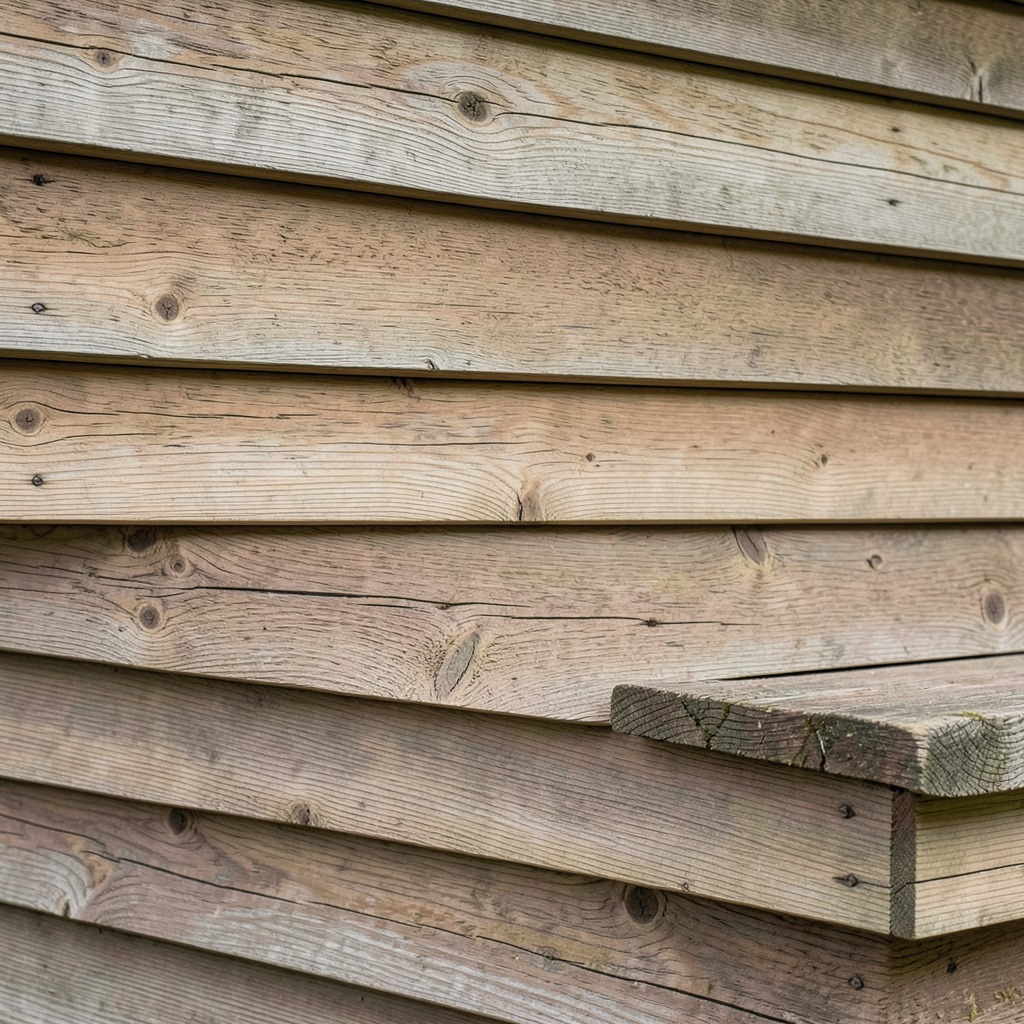
Wood siding offers notable insulation benefits, contributing to energy efficiency and temperature regulation in homes. Its natural properties help maintain comfortable indoor climates, making it a valuable investment for homeowners.
How Wood Affects Energy Efficiency
Wood’s cellular structure provides excellent thermal resistance. It naturally slows down heat transfer, keeping homes warm in winter and cool in summer. This insulation quality can lead to significant energy savings.
- Comparative Insulation Values: Wood siding typically has a higher R-value compared to many synthetic materials. For example, wood can achieve an R-value of 1.25 per inch, while vinyl siding averages around 0.9 per inch. This difference means wood siding can be more effective in reducing heating and cooling costs.
Real-World Energy Savings
Homes with wood siding may experience reduced energy bills. A study indicated that houses utilizing wood siding could save up to 15% on energy costs compared to those with less effective siding materials.
Decision Framework for Energy Efficiency
When considering wood siding, evaluate the following aspects to optimize energy savings:
- Type of Wood: Different species provide varying insulation levels. Cedar and pine are popular choices known for their thermal performance.
- Installation Quality: Proper installation enhances insulation effectiveness. Ensure that siding is applied correctly to minimize gaps and air leaks.
- Local Climate: In colder regions, wood siding can significantly improve indoor comfort and reduce reliance on heating systems.
By understanding how wood siding impacts insulation and energy efficiency, homeowners can make informed decisions that align with their energy-saving goals.
3. Sustainability and Environmental Impact
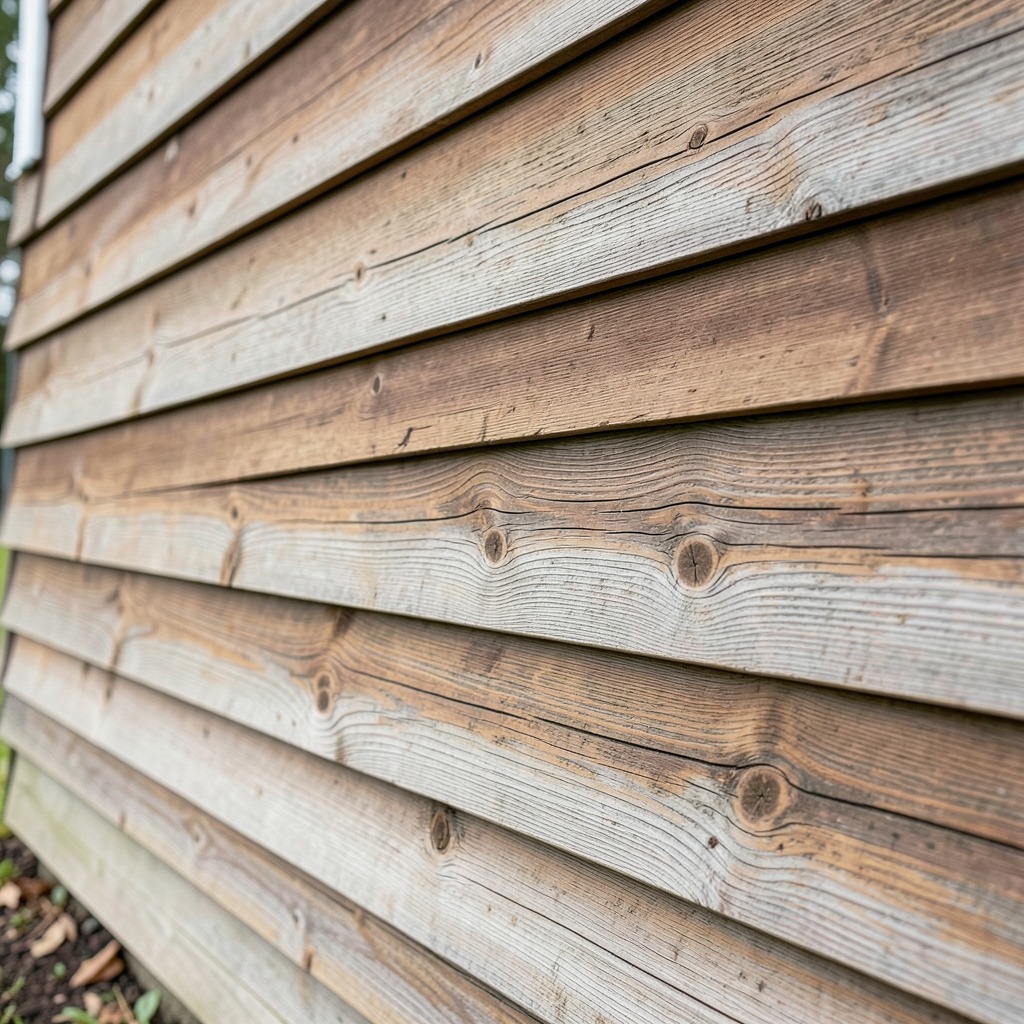
Wood siding can be a sustainable choice when sourced responsibly. It is a renewable material that, when harvested from certified forests, minimizes environmental impact. Understanding certifications and choosing wisely can enhance the sustainability of your home.
Certifications to Look For
When selecting wood siding, consider the following certifications:
- FSC (Forest Stewardship Council): Ensures wood is sourced from responsibly managed forests.
- PEFC (Programme for the Endorsement of Forest Certification): Focuses on sustainable forest management and chain of custody.
- SFI (Sustainable Forestry Initiative): Promotes sustainable forestry practices in North America.
These certifications help guarantee that the wood siding you choose supports responsible forestry practices.
Environmental Benefits of Wood Siding
1. Carbon Sequestration: Wood acts as a carbon sink, absorbing CO2 from the atmosphere during its growth cycle.
2. Biodegradability: Unlike synthetic materials, wood is biodegradable, reducing landfill waste at the end of its life cycle.
3. Energy Efficiency: Wood siding provides natural insulation, potentially lowering energy consumption for heating and cooling.
Decision Factors for Sustainable Sourcing
When selecting wood siding, consider these factors to ensure sustainability:
- Local Sourcing: Choose wood sourced from local forests to reduce transportation emissions.
- Species Selection: Opt for species that thrive in your region’s climate, ensuring longevity and reducing maintenance.
- Lifecycle Analysis: Evaluate the full lifecycle of the wood product, from harvest to disposal, to understand its overall environmental impact.
By focusing on these elements, homeowners can choose wood siding that aligns with both aesthetic preferences and environmental responsibility.
4. High Maintenance Requirements
Wood siding enhances the aesthetic appeal of a home, but it demands consistent maintenance to preserve its integrity and appearance. Proper care ensures longevity and protects against environmental damage.
Regular Maintenance Tasks
Homeowners should follow a structured maintenance schedule for wood siding. Key tasks include:
- Annual Inspections: Check for signs of damage, rot, or insect infestation.
- Cleaning: Wash siding with mild soap and water to remove dirt and mildew.
- Sealing and Staining: Apply sealant or stain every 2-5 years, based on climate conditions.
- Painting: Repaint every 5-7 years to protect against UV damage and maintain aesthetics.
Signs of Damage to Look For
Regular inspections help identify potential issues early. Look for:
- Cracks or Splits: These can allow moisture infiltration, leading to rot.
- Peeling Paint or Stain: Indicates that the protective layer is failing.
- Mold or Mildew: Presence suggests moisture retention, which can compromise wood integrity.
- Warping or Buckling: Often a result of improper installation or prolonged exposure to moisture.
Maintenance Schedule Template
| Task | Frequency | Notes |
|---|---|---|
| Inspections | Annually | Look for damage and pests |
| Cleaning | Annually | Use mild soap and water |
| Sealing/Staining | Every 2-5 years | Depends on climate and exposure |
| Painting | Every 5-7 years | Choose high-quality exterior paint |
This template can guide homeowners in managing the upkeep of their wood siding effectively. Regular maintenance not only enhances beauty but also extends the life of the siding, making it a sound investment.
5. Susceptibility to Weather Damage
Wood siding offers beauty and warmth but is highly susceptible to weather conditions. Moisture, UV rays, and temperature fluctuations can significantly impact its integrity and longevity.
Effects of Moisture on Wood Siding
Moisture can lead to several issues, including:
- Rot: Prolonged exposure to water can cause wood to decay.
- Warping: Humidity can make wood expand, leading to warping.
- Cracking: Fluctuations in moisture can cause wood to crack as it dries out.
Homeowners in humid climates should be particularly vigilant. Regular inspections can help identify early signs of moisture damage before they escalate.
Impact of UV Exposure
UV rays can degrade wood siding over time. The effects include:
- Fading: Sunlight can cause colors to fade, diminishing the aesthetic appeal.
- Brittleness: Prolonged exposure can make wood more brittle and susceptible to cracking.
Applying a protective sealant or stain can mitigate these effects. Regular maintenance is crucial to preserve the wood’s appearance and structural integrity.
Temperature Fluctuations and Wood Siding
Extreme temperature changes can also affect wood siding. Here are key impacts:
- Expansion and Contraction: Wood naturally expands and contracts with temperature changes. This movement can lead to gaps and misalignment if not properly installed.
- Ice Damage: In colder climates, ice can form in cracks and exacerbate damage during freeze-thaw cycles.
To address these concerns, homeowners should ensure proper installation techniques. Installing wood siding during dry seasons can minimize moisture-related issues.
Real-World Example of Weather Damage
Consider a home in a coastal area prone to heavy rains. The homeowners noticed significant peeling and discoloration after just a few years. Upon inspection, they discovered that the wood siding had absorbed moisture, leading to rot. They resolved the issue by replacing damaged boards and applying a high-quality sealant to protect against future moisture exposure.
By understanding these weather-related challenges, homeowners can make informed decisions about maintaining their wood siding effectively.
6. Cost Considerations for Wood Siding
Understanding the costs associated with wood siding is crucial for homeowners. This section breaks down the expenses involved in purchasing and installing wood siding and compares them with other materials.
Cost Breakdown of Wood Siding
The costs of wood siding vary widely based on wood species, style, and labor rates. Here’s a general overview:
- Cedar: $8 – $12 per square foot
- Pine: $3 – $7 per square foot
- Redwood: $10 – $15 per square foot
- Engineered Wood: $3 – $7 per square foot
Comparison with Alternatives
When comparing wood siding to other materials, such as vinyl or fiber cement, costs can differ significantly:
| Material | Cost per Square Foot | Average Lifespan | Maintenance Required |
|---|---|---|---|
| Wood (Cedar) | $8 – $12 | 20-40 years | Moderate |
| Vinyl | $3 – $7 | 20-30 years | Low |
| Fiber Cement | $5 – $10 | 25-50 years | Low |
Installation Costs and Considerations
Installation costs also vary based on location and complexity. Homeowners should consider these factors:
- Labor Rates: Typically range from $50 to $100 per hour, depending on the region.
- Preparation Work: Additional costs may arise from removing old siding or preparing the structure.
- Seasonal Factors: Installing during dry seasons can reduce costs related to moisture damage.
Decision Framework for Choosing Wood Siding
When considering wood siding, homeowners should evaluate:
1. Budget: Determine your budget for materials and installation.
2. Climate: Assess local climate conditions and how they might affect wood longevity.
3. Aesthetic Preferences: Consider the visual appeal of wood versus alternatives.
4. Maintenance Willingness: Decide how much time and effort you can dedicate to upkeep.
By analyzing these elements, homeowners can make informed decisions that align with their financial and aesthetic goals.
7. Installation Considerations
Proper installation of wood siding is crucial to ensure durability and aesthetic appeal. While some homeowners might consider a DIY approach, professional installation often prevents common pitfalls that can lead to costly repairs.
DIY vs Professional Installation
Homeowners can choose between DIY installation and hiring professionals. Here are the advantages of each option:
- DIY Installation:
- Cost savings on labor.
- Control over the project timeline.
- Personal satisfaction from completing the work.
- Professional Installation:
- Expertise in correct installation techniques.
- Assurance of adherence to local building codes.
- Reduced risk of moisture infiltration and structural damage.
For those opting for DIY, consider these tips:
- Research Materials: Understand the specific wood type you are using and its installation requirements.
- Prepare the Surface: Ensure the underlying structure is clean and dry before installation.
- Use the Right Tools: Invest in quality tools for a precise installation.
Common Installation Errors
Even experienced DIYers can encounter issues. Here are common errors to avoid:
1. Improper Flashing: Failing to install flashing can lead to water damage.
2. Neglecting Vapor Barriers: Skipping vapor barriers can cause moisture build-up and rot.
3. Inadequate Support: Wood siding adds weight; ensure proper wall sheathing and framing for support.
4. Ignoring Local Codes: Not adhering to local building codes can result in fines and unsafe conditions.
Checklist for Proper Installation:
- Verify local building codes.
- Ensure structural integrity of walls.
- Plan installation during dry weather.
- Double-check all measurements before cutting.
By carefully considering these installation factors, homeowners can effectively minimize risks and ensure their wood siding serves its purpose for years to come.
8. Popular Types of Wood Siding
Wood siding comes in various types, each offering unique characteristics and benefits. Understanding these options helps homeowners choose the right siding for their climate and aesthetic preferences.
Types of Wood Siding
1. Clapboard:
- Features long, horizontal boards that overlap.
- Classic look suitable for traditional homes.
- Performs well in dry climates.
2. Shingles:
- Thin, rectangular pieces laid in an overlapping pattern.
- Offers a natural, rustic appearance.
- Best in moderate climates with minimal moisture.
3. Shakes:
- Similar to shingles but thicker and more textured.
- Provides a handcrafted look.
- Ideal for areas with less exposure to harsh weather.
4. Board and Batten:
- Vertical boards with battens covering the seams.
- Creates a bold, modern aesthetic.
- Suitable for wet climates due to its design promoting drainage.
5. Engineered Wood:
- Made from wood fibers bonded together.
- More resistant to moisture and pests compared to natural wood.
- Versatile for various climates; often comes pre-finished.
Environmental Considerations
When choosing wood siding, consider the environmental impact. Look for certifications that ensure sustainable sourcing. For example, wood siding from forests managed under strict environmental standards reduces ecological harm.
Cost Comparisons
| Type | Average Cost per Square Foot | Best Climate |
|---|---|---|
| Clapboard | $5 – $10 | Dry |
| Shingles | $6 – $12 | Moderate |
| Shakes | $7 – $15 | Low moisture |
| Board and Batten | $8 – $14 | Wet |
| Engineered Wood | $5 – $11 | Versatile |
Understanding these types helps homeowners assess their options based on aesthetic appeal, durability, and climate suitability.
9. Regional Considerations for Wood Siding
Climate plays a critical role in determining the suitability and maintenance of wood siding. Different regions present unique challenges that influence how wood siding performs over time.
Humid Climates
In areas with high humidity, such as the Southeastern United States, wood siding is prone to moisture-related issues. Homeowners should consider the following:
- Treatment Options: Use moisture-resistant finishes to prevent rot and decay.
- Regular Maintenance: Increase inspection frequency to identify mold or fungus growth early.
- Recommended Wood Types: Opt for naturally resistant woods like cedar or redwood.
Dry Climates
Regions like the Southwestern United States enjoy dry conditions, which can be beneficial for wood siding. However, there are still considerations:
- Sun Exposure: UV rays can cause wood to fade. Use UV-protective stains and finishes.
- Temperature Fluctuations: Wood may expand and contract. Proper installation with expansion gaps is crucial.
Cold Climates
In colder regions, such as the Northern states, wood siding faces challenges from snow and ice. Consider the following strategies:
- Insulation: Ensure proper insulation beneath the siding to prevent heat loss.
- Snow Accumulation: Choose siding with a textured surface to minimize ice buildup.
- Material Choices: Engineered wood can provide better performance in these conditions due to its enhanced durability.
Decision Framework
When selecting wood siding based on climate, keep this checklist in mind:
| Climate Type | Wood Type Recommendations | Maintenance Tips |
|---|---|---|
| Humid | Cedar, Redwood | Use moisture-resistant coatings |
| Dry | Douglas Fir, Pine | Apply UV-protective treatments |
| Cold | Engineered Wood, Cedar | Insulate and check for ice buildup |
By understanding the regional impacts on wood siding, homeowners can make informed decisions that enhance durability and aesthetic appeal while minimizing long-term maintenance issues.
10. Alternatives to Wood Siding
While wood siding offers unique benefits, several alternative materials can meet aesthetic and functional needs. Understanding these options will help homeowners make informed decisions regarding their siding.
Vinyl Siding
Vinyl siding is a popular alternative to wood. It requires minimal maintenance and comes in various colors and styles.
Advantages:
- Low maintenance: No painting or staining required.
- Cost-effective: Generally cheaper than wood.
- Durable: Resistant to rot and pests.
Disadvantages:
- Less aesthetic appeal: Lacks the warmth of natural wood.
- Limited lifespan: May fade or crack over time.
Fiber Cement Siding
Fiber cement siding combines cement, sand, and cellulose fiber. This material offers durability and a wood-like appearance.
Advantages:
- Fire-resistant: Offers protection against fire hazards.
- Low maintenance: Resists rot and pests.
- Long lifespan: Can last over 50 years with proper care.
Disadvantages:
- Heavier: Requires professional installation due to weight.
- Higher initial cost: More expensive than vinyl.
Comparison Chart
| Material | Maintenance | Lifespan | Aesthetic Appeal | Cost |
|---|---|---|---|---|
| Wood Siding | Moderate | 20-50 years | High | Moderate |
| Vinyl Siding | Low | 20-40 years | Moderate | Low |
| Fiber Cement | Low | 50+ years | High | High |
Decision Considerations
When choosing siding, consider the following factors:
- Climate: Some materials perform better in specific weather conditions.
- Aesthetic Preference: Determine which look aligns with your home’s style.
- Budget: Assess initial costs versus long-term maintenance expenses.
By evaluating these alternatives against wood siding, homeowners can choose a material that best fits their needs and preferences.
Final Thoughts on Wood Siding
Choosing wood siding involves weighing its aesthetic appeal against maintenance needs and costs. This decision requires careful consideration of various factors, including climate, budget, and personal preference.
Key Advantages of Wood Siding
- Aesthetic Appeal: Wood siding provides a classic, sophisticated look that enhances a home’s exterior.
- Insulation Properties: Wood naturally insulates, helping to maintain indoor temperatures.
- Variety of Options: Different wood types (like cedar and pine) offer unique textures and colors.
Considerations and Drawbacks
- Maintenance Requirements: Wood siding requires regular maintenance, including staining and sealing, to prevent decay and insect damage.
- Cost Variability: Initial costs can be higher compared to alternatives like vinyl or fiber cement, but the long-term value can be significant if maintained properly.
- Environmental Factors: Wood siding may be less durable in extreme weather conditions, such as heavy rain or intense sunlight.
Decision Framework for Homeowners
To determine if wood siding is right for you, consider the following:
1. Assess Your Climate:
- Is your area prone to moisture? If so, consider treated wood or alternatives with better moisture resistance.
2. Evaluate Your Budget:
- Understand both initial installation costs and long-term maintenance expenses. Wood siding can be more costly upfront, but may offer better longevity with proper care.
3. Personal Preference:
- Reflect on your desired aesthetic. If you value traditional beauty and warmth, wood siding may be the best choice.
4. Review Regional Considerations:
- Research local building codes and climate impacts to understand how wood siding performs in your area.
By evaluating these factors, homeowners can make an informed decision that aligns with their needs and enhances their home’s value.
Frequently Asked Questions
These quick answers cover the most common questions about this topic, including key details, practical tips, and common concerns.
What are the downsides of using wood siding?
Wood siding has several drawbacks, primarily its maintenance requirements. It is susceptible to rot, pests, and weather damage, necessitating regular inspections and treatments. Homeowners must clean, stain, or paint their wood siding every few years to protect it from moisture and UV rays. Additionally, wood siding can be more expensive upfront compared to alternatives like vinyl or fiber cement.
What siding should I avoid in a house?
Avoid siding materials that do not perform well in your local climate. For instance, wood siding may not be ideal in very humid areas unless treated for moisture resistance. Similarly, vinyl siding can warp in extreme heat. It’s crucial to consider the specific weather conditions your home will face when selecting siding.
How much does wood siding cost for a 2000 sq ft house?
The cost of wood siding for a 2000 sq ft house typically ranges from $6,000 to $20,000, depending on the type of wood chosen. For example, cedar siding may cost between $8 to $12 per square foot, while pine can range from $3 to $7 per square foot. Installation costs, labor rates, and regional factors also influence the total price.
Should I buy a house with wood siding?
Buying a house with wood siding can be a good decision if you are prepared for the maintenance it requires. Inspect the siding for signs of damage, rot, or insect infestations. If well-maintained, wood siding can enhance the home’s aesthetic appeal and energy efficiency. Consider your willingness to invest time and money into upkeep before making a decision.
What type of climate is best for wood siding?
Wood siding performs best in moderate climates with balanced humidity levels. Regions with dry conditions may also be suitable, provided the wood is treated to withstand sun exposure. In contrast, areas with high humidity or frequent rainfall require careful selection of rot-resistant wood types, like cedar, and diligent maintenance to prevent moisture-related issues.
Are you considering specific wood types like cedar or pine?
Cedar and pine are popular choices for wood siding, each offering distinct benefits. Cedar is naturally resistant to decay and insects, making it an excellent option for humid climates. It also has a beautiful grain and color. Pine, while more affordable, requires more maintenance and treatment to ensure longevity. Consider your climate, budget, and aesthetic preferences when choosing between them.
When should I replace wood siding?
Replace wood siding when you notice significant damage, such as extensive rot, cracks, or warping that cannot be repaired. Regular inspections can help identify these issues early. If maintenance becomes too frequent or costly, it may also be time to consider replacement. Generally, well-maintained wood siding can last 20 to 50 years, depending on the type and environmental conditions.