
Pruning effectively can minimize water sprouting after hard cuts by focusing on proper timing, technique, and plant care. This practice encourages healthier growth and reduces the likelihood of excessive sprouting.
Pruning is a vital aspect of gardening and landscaping. It involves removing specific parts of a plant, such as branches, buds, or roots, to enhance growth, shape, and overall health. However, improper pruning techniques can lead to unwanted consequences, such as water sprouting. Water sprouts are vigorous shoots that emerge from the trunk or branches after a plant has been heavily pruned. Understanding the reasons behind these sprouts and how to prevent them is essential for maintaining the desired aesthetics and health of your plants.
Water sprouts are particularly common in deciduous trees and shrubs. They often grow in response to stress or injury. When a plant experiences hard cuts, it may react by producing these fast-growing shoots as a means of recovery. While some new growth is beneficial, an overabundance of water sprouts can lead to problems, including increased competition for nutrients and reduced air circulation within the canopy.
Understanding Water Sprouts
Water sprouts typically arise from latent buds located at the base of leaves or along the branches. These buds remain dormant until triggered by environmental stress, such as excessive pruning, disease, or damage. The following factors contribute to the development of water sprouts:
- Hard Pruning: Severe cuts can shock the plant, prompting it to produce water sprouts rapidly.
- Inadequate Care: Poor soil conditions or lack of proper nutrients can lead to stress responses in plants.
- Environmental Stress: Factors such as drought or extreme temperatures can also trigger water sprouting.
To effectively manage water sprouts, understanding why they occur is crucial. This knowledge allows gardeners to implement strategies that not only minimize their appearance but also promote healthy growth patterns in plants.
Pruning Techniques to Minimize Water Sprouts
When pruning to reduce water sprouting, several techniques can be employed to ensure healthy plant growth while preventing excessive shoot production. These techniques include:
- Timing: Prune during the appropriate season for your specific plants. Late winter or early spring is often ideal for many species, as this timing allows for new growth to emerge before the onset of warmer weather.
- Selective Pruning: Instead of making hard cuts that remove large sections of a branch, focus on selective pruning. This method involves trimming small portions while maintaining the overall structure of the plant.
- Avoiding Topping: Topping is a technique that involves cutting the top of a tree or shrub. This method often leads to an abundance of water sprouts. Instead, aim for thinning cuts that encourage lateral growth.
By implementing these techniques, gardeners can create a more stable environment for their plants. The goal is to promote healthy growth without triggering the stress response that leads to water sprouts.
The Role of Plant Health
Healthy plants are less prone to stress and subsequent water sprouting. Therefore, maintaining good overall plant health is critical. Here are some ways to support plant health:
| Practice | Description |
|---|---|
| Soil Quality | Ensure proper drainage and nutrient-rich soil for optimal growth. |
| Watering | Provide consistent watering schedules without over-saturating the soil. |
| Pest Management | Regularly check for pests that may weaken the plant. |
| Fertilization | Use balanced fertilizers during the growing season to support growth. |
By ensuring that plants receive adequate care and support, gardeners can significantly reduce the chances of excessive water sprouting. A healthy plant system is less likely to react vigorously to pruning stress.
Conclusion on Practices
The integration of proper pruning techniques with a focus on plant care lays the foundation for successful gardening. Understanding how to manage water sprouting is essential for maintaining beautiful and healthy plants. As you learn more about effective methods and best practices, your garden will thrive with vibrant growth.
Identifying the Right Time for Pruning
Choosing the right time for pruning is critical in managing water sprouting. Timing affects how plants respond to cuts and can influence their overall health. Different species have unique growth patterns and thus require tailored pruning schedules. Understanding these patterns can lead to better outcomes.
Seasonal Considerations
Pruning in different seasons has distinct impacts on plant growth. Here are some seasonal guidelines:
- Late Winter to Early Spring: This is generally the best time for most deciduous trees and shrubs. The plants are still dormant, which minimizes shock.
- Summer: Light pruning can be done during summer to manage growth without triggering a strong sprouting response.
- Fall: Avoid heavy pruning in the fall as it can lead to stress before winter dormancy and may encourage water sprouts.
By adhering to these seasonal guidelines, gardeners can effectively reduce the likelihood of water sprouting while promoting healthy growth.
Tools for Effective Pruning
Using the right tools is essential for effective pruning. Proper tools not only make the job easier but also ensure clean cuts that promote plant health. Here are some common tools used for pruning:
| Tool | Description |
|---|---|
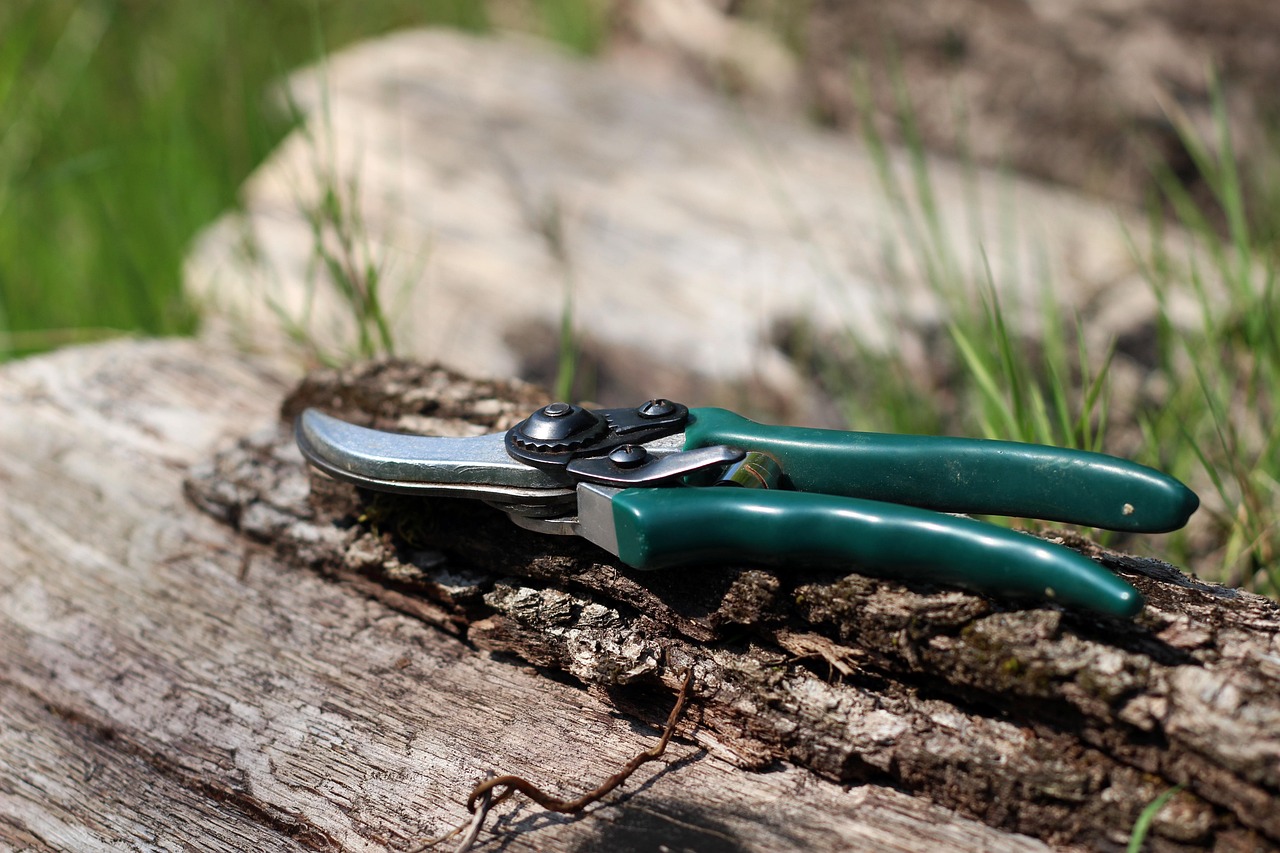
| Hand Pruners | Ideal for small branches and precise cuts, hand pruners are essential for detailed work. |
| Loppers | Loppers are used for thicker branches. They provide more leverage than hand pruners. |
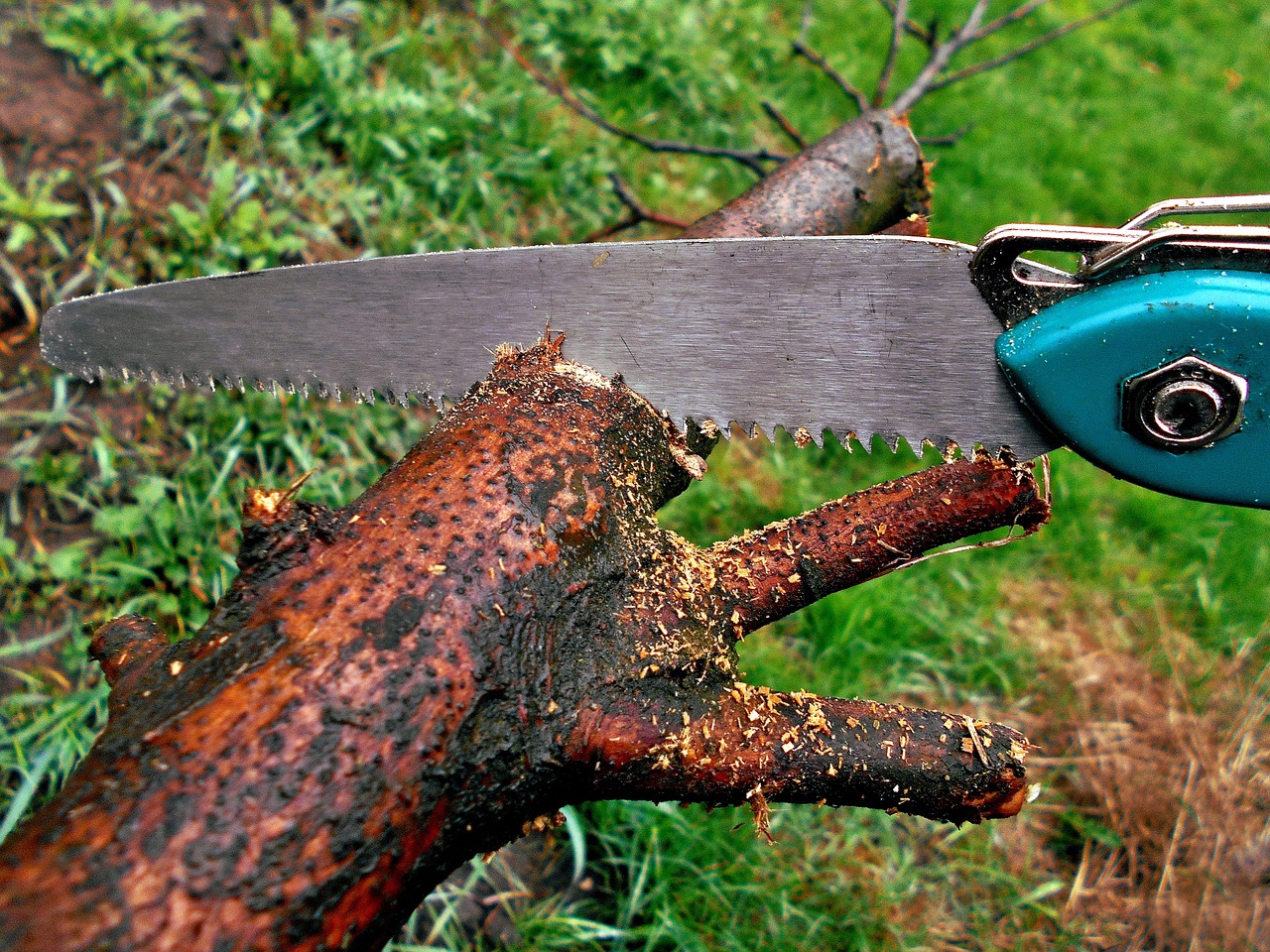
| Pruning Saws | Best for larger branches, pruning saws allow for cleaner cuts in thicker wood. |
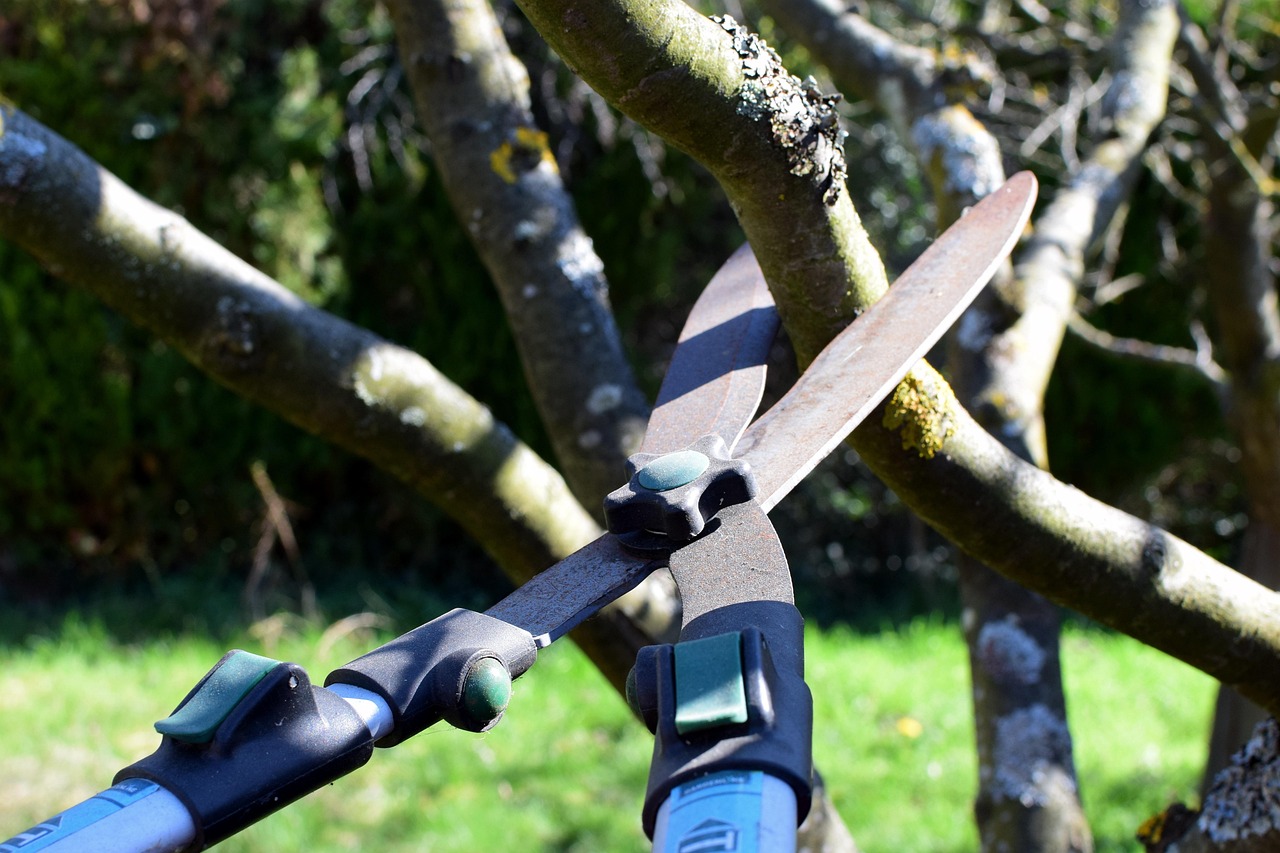
| Hedge Shears | These are designed for shaping hedges and shrubs, making them perfect for maintaining aesthetics. |
Using sharp and clean tools is crucial. Dull tools can crush stems, leading to improper healing and encouraging water sprouts. Regular maintenance of pruning tools will ensure optimal performance.
Aftercare Post-Pruning
The care provided to plants after pruning significantly influences their recovery and growth patterns. Proper aftercare reduces stress and minimizes the chances of water sprouting. Here are some essential aftercare practices:
Watering Practices
Watering after pruning is vital. It helps the plant recover from stress and supports new growth:
- Immediate Watering: Water the plant immediately after pruning to reduce shock.
- Consistent Moisture: Ensure the soil remains consistently moist but not soggy to support healthy growth.
Nutrient Management
Providing nutrients post-pruning can enhance recovery:
- Fertilization: Apply a balanced fertilizer to promote new growth after pruning.
- Organic Matter: Incorporate compost or organic mulch around the base to improve soil structure and nutrient availability.
Adequate aftercare will ensure that plants focus their energy on healthy growth rather than producing excessive water sprouts.
Monitoring Growth After Pruning
After pruning, it is essential to monitor plant growth. Observing how plants respond can provide valuable insights into their health and growth patterns. Here are some aspects to monitor:
- Shoot Development: Keep an eye on new shoots that develop after pruning. Healthy shoots should be evenly spaced and growing at a steady rate.
- Pest Activity: Be vigilant about any signs of pests that may take advantage of a stressed plant. Regular checks can prevent larger infestations.
- Disease Symptoms: Watch for any signs of disease, such as discoloration or wilting leaves, which may indicate stress or poor health.
Regular monitoring allows gardeners to make timely interventions if necessary, ensuring plants remain healthy and vibrant.
The Impact of Environmental Factors
Environmental conditions play a significant role in how plants respond to pruning. Factors such as temperature, humidity, and soil type can influence both recovery rates and the likelihood of water sprouting.
Temperature Variations
Temperature fluctuations can impact plant health significantly:
- High Temperatures: Heat stress can lead to increased water sprouting as the plant attempts to recover from drought conditions.
- Low Temperatures: Frost or cold snaps following pruning may cause damage to fresh cuts, leading to stress responses.
Soil Conditions
The quality of soil can greatly affect how well a plant recovers after pruning:
- Poor Drainage: Compacted or poorly draining soil can lead to root stress, prompting water sprouting as a survival mechanism.
- Nutrient Deficiency: Lack of essential nutrients can weaken plants, making them susceptible to stress responses after heavy pruning.
Understanding these environmental factors allows gardeners to create conditions that foster healthy growth and minimize unwanted water sprouts following hard cuts.
Common Mistakes in Pruning
Understanding common pruning mistakes can significantly improve the outcomes of your gardening efforts. Many gardeners inadvertently encourage water sprouting through improper techniques. By learning about these mistakes, you can enhance your pruning practices and promote healthier plants.
Over-Pruning
One of the most frequent errors is over-pruning. This occurs when too much foliage or too many branches are removed at once. The consequences include:
- Increased Stress: Removing significant parts of a plant can lead to shock and an increased likelihood of water sprouting.
- Impaired Growth: Over-pruned plants may struggle to produce enough leaves to photosynthesize effectively, hindering overall health.
Improper Cuts
The technique used for making cuts is crucial. Some common issues include:
- Topping: Cutting off the tops of trees or shrubs can lead to numerous water sprouts. Instead, focus on thinning cuts.
- Flush Cuts: Cutting too close to the trunk can damage the cambium layer, leading to poor healing and increased sprouting.
Ensuring that cuts are made at the right angle and at appropriate locations on the branch can facilitate better healing and minimize water sprouting.
Understanding Plant Species
Different plant species respond uniquely to pruning. Understanding the specific needs of each type can help gardeners avoid errors and reduce water sprouting effectively. Here are some popular species to consider:
| Plant Type | Pruning Recommendations |
|---|---|
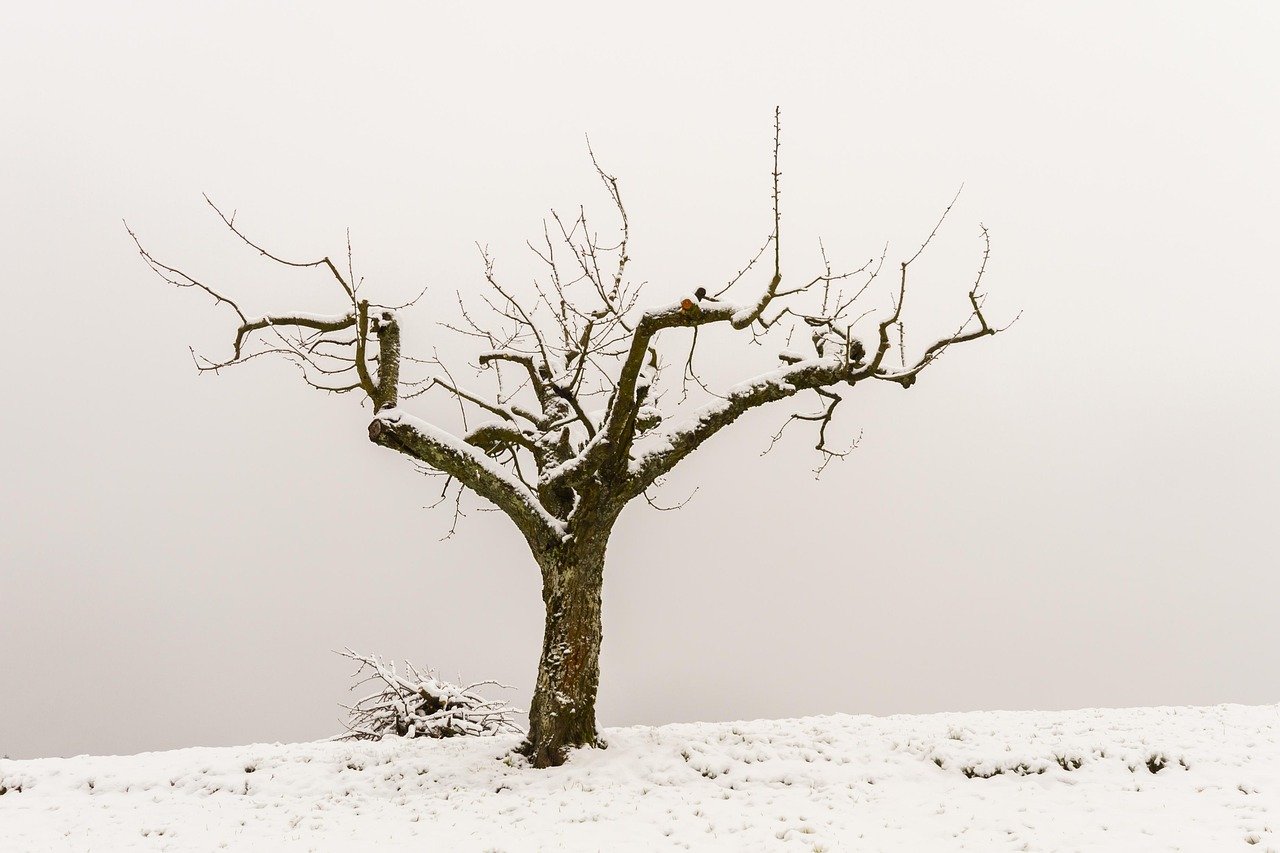
| Deciduous Trees | Prune during late winter or early spring before new growth begins, focusing on removing dead or crossing branches. |
| Evergreen Shrubs | Lightly prune after flowering to maintain shape without encouraging excessive new growth. |
| Fruit Trees | Prune in late winter to encourage strong fruit production while minimizing water sprouts. |
| Flowering Plants | Deadhead spent blooms regularly and perform light pruning after flowering to promote healthy growth. |
By tailoring your pruning approach to the specific needs of each plant type, you can effectively manage water sprouting while enhancing overall plant health.
The Influence of Climate on Pruning Strategies
The local climate significantly affects how plants respond to pruning. Understanding these influences can help gardeners develop effective strategies. Here are some considerations based on climate:
Cold Climates
In cold regions, pruning should be done carefully to avoid exposing plants to frost damage:
- Timing is Key: Prune during late winter when plants are still dormant but before the risk of frost has passed.
- Avoid Late Cuts: Pruning too late in the season can hinder recovery and promote water sprouting as plants prepare for dormancy.
Warm Climates
In warmer areas, plants may experience stress from heat, influencing their response to pruning:
- Summer Pruning: Light pruning during cooler parts of the day can help manage growth without inducing excessive sprouting.
- Watering Practices: Ensure adequate moisture before and after pruning to mitigate heat stress.
Adapting your pruning strategies based on climate can greatly enhance plant resilience and reduce unwanted water sprouting.
Utilizing Companion Planting
Companion planting involves growing different plants together for mutual benefit. This practice can also assist in managing water sprouting by promoting overall plant health. Here are some benefits of companion planting:
- Disease Resistance: Some plants repel pests or diseases that might otherwise weaken neighboring plants.
- Nutrient Sharing: Certain plants enhance soil quality or provide nutrients that benefit their companions.
- Improved Pollination: Diverse plantings can attract more pollinators, which benefit flowering plants and fruiting trees.
Selecting companion plants that complement the main species can lead to healthier ecosystems, reducing stress responses such as water sprouting.
The Role of Mulching in Water Management
Mulching is another effective strategy for managing moisture levels around plants, which can influence their response to pruning. Proper mulching helps retain soil moisture and regulate temperature. Here are some tips for effective mulching:
- Selecting Materials: Use organic mulch such as wood chips or straw, which not only retains moisture but also improves soil quality as they decompose.
- Applying Correctly: Spread mulch evenly around the base of plants, leaving space around the stems to prevent rot.
- Avoiding Over-Mulching: Too much mulch can suffocate roots and create a breeding ground for pests and diseases.
The proper application of mulch not only aids in moisture retention but also supports healthy root systems, reducing the risk of water sprouting after pruning.
Integrating Integrated Pest Management (IPM)
In addition to proper pruning and mulching, incorporating Integrated Pest Management (IPM) practices can significantly enhance plant health and reduce water sprouting. IPM focuses on understanding pest life cycles and using a combination of cultural, biological, and chemical methods to control pests while minimizing environmental impact. Here are some key components of IPM:
- Cultural Controls: Techniques such as crop rotation, companion planting, and appropriate pruning can prevent pest infestations and reduce plant stress.
- Biological Controls: Utilizing natural predators, such as ladybugs or lacewings, can help manage pest populations without harming beneficial insects.
- Monitoring and Identification: Regularly inspect plants for early signs of pests and diseases. Accurate identification allows for targeted interventions, reducing the need for broad-spectrum pesticides.
- Threshold Levels: Determine acceptable levels of pest activity before taking action. This helps to avoid unnecessary treatments that can stress plants.
Implementing IPM strategies not only protects plants from pests but also contributes to their overall resilience, which is crucial after hard pruning.
Choosing the Right Varieties
Another important factor in managing water sprouting is selecting plant varieties that are more resilient to pruning stress. Some species are naturally more prone to water sprouting than others. When planning your garden or landscape, consider the following:
- Drought-Resistant Varieties: Choose plants that can withstand periods of low moisture without showing excessive stress.
- Low-Sprouting Varieties: Research and select species known for lower water sprouting tendencies. Native plants often adapt better to local conditions.
- Hybrid Options: Some hybrids have been developed specifically for improved growth characteristics, including reduced water sprouting.
By selecting the right varieties, gardeners can minimize the risk of excessive water sprouting following pruning activities.
The Importance of Education and Skill Development
Continuous education and skill development are essential for effective gardening practices. Understanding the science behind plant care and pruning can lead to better decision-making. Here are ways to enhance your knowledge:
- Workshops and Courses: Attend local gardening workshops or online courses focused on pruning techniques and plant care.
- Books and Resources: Read books or credible online resources that cover horticulture topics extensively. These can provide valuable insights and advanced techniques.
- Networking with Other Gardeners: Engage with local gardening clubs or online forums where you can exchange experiences and learn from others’ successes and challenges.
Investing time in education will enhance your gardening skills, leading to more successful pruning practices and healthier plants.
Final Thoughts
Pruning to reduce water sprouting after hard cuts is a multifaceted approach that combines timing, technique, environmental awareness, and ongoing care. By understanding the principles of proper pruning, utilizing effective aftercare practices, and remaining vigilant about plant health, gardeners can significantly reduce the incidence of water sprouts.
The integration of various strategies such as mulching, pest management, and choosing resilient plant varieties enhances the effectiveness of pruning efforts. Additionally, continuous education and skill development are vital in adapting to changing conditions and improving gardening outcomes.
As you implement these practices in your gardening routine, you will likely see healthier plants that thrive rather than struggle with excessive water sprouting. By fostering a deeper understanding of plant biology and care techniques, you can create a flourishing garden environment that remains beautiful year-round.