
Quaking aspen trees offer aesthetic beauty and ecological benefits but may pose challenges such as disease susceptibility and space requirements.
Table of Contents
The quaking aspen (Populus tremuloides) is renowned for its striking appearance and ecological advantages, making it a popular choice among homeowners. However, potential challenges such as disease susceptibility and maintenance requirements warrant careful consideration before planting.
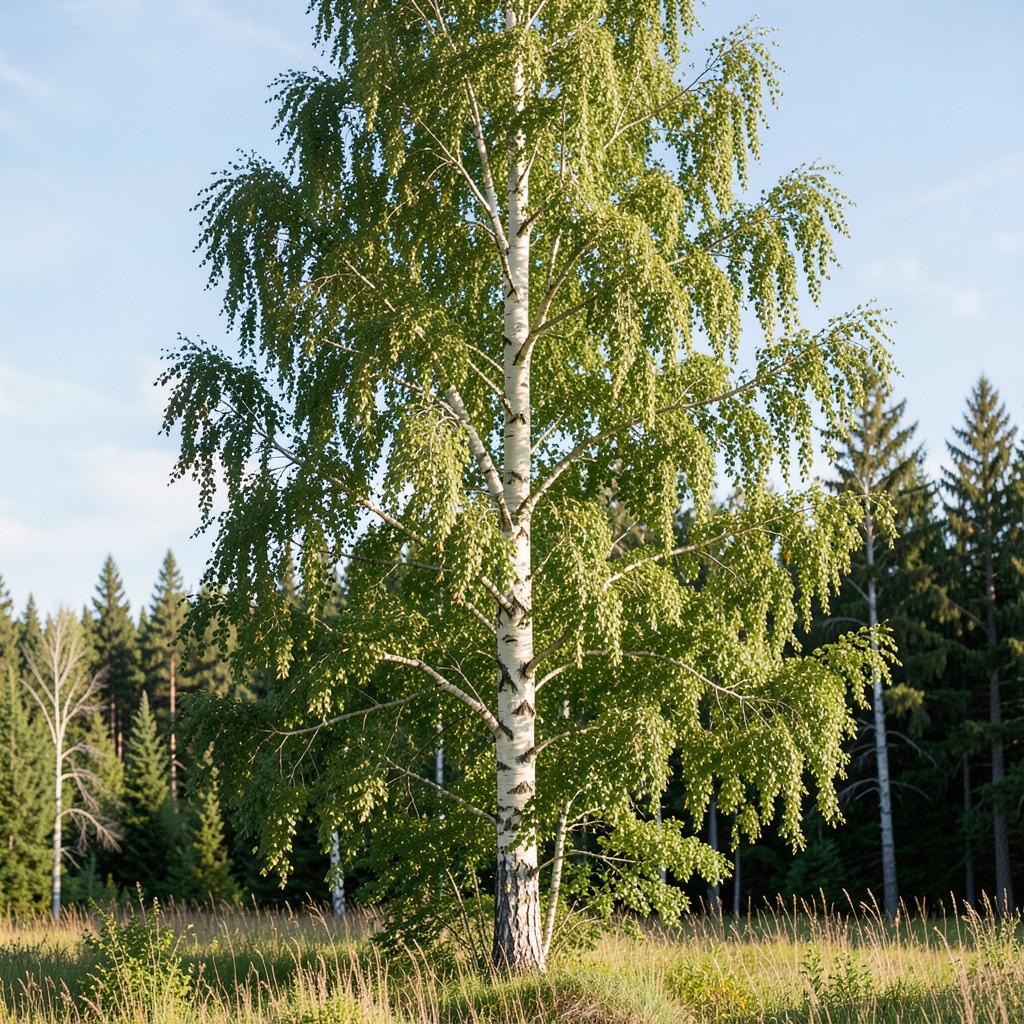
Understanding the Quaking Aspen Tree
The quaking aspen (Populus tremuloides) is a deciduous tree celebrated for its unique characteristics and ecological contributions. Its distinctive trembling leaves and rapid growth make it a favored choice for various landscaping projects.
Visual Appeal and Unique Features
Quaking aspens are easily recognizable due to their white bark and heart-shaped leaves that flutter in the breeze. This visual appeal enhances the aesthetic value of residential landscapes. Key features include:
- Fast Growth: Quaking aspens can grow up to 3 feet per year under ideal conditions, quickly establishing a vibrant presence.
- Colonial Growth: They often grow in clusters, connected by a shared root system, which creates an impressive visual effect and contributes to their resilience.
- Seasonal Color Changes: Their leaves shift from bright green in summer to stunning gold in fall, providing year-round interest.
Ecological Importance and Uses
Quaking aspens play a vital ecological role as a keystone species. They support a diverse range of wildlife and contribute to soil health. Notable benefits include:
- Habitat Support: Aspens provide shelter and food for various species, including birds, mammals, and insects.
- Soil Improvement: Their ability to fix nitrogen enriches the soil, benefiting surrounding plants and enhancing biodiversity.
- Adaptability: Quaking aspens thrive in various soil types and climates, making them suitable for many landscaping scenarios.
By integrating quaking aspens into landscaping, homeowners not only enhance the visual appeal of their properties but also contribute positively to local ecosystems.
Pros of Planting Quaking Aspen Trees
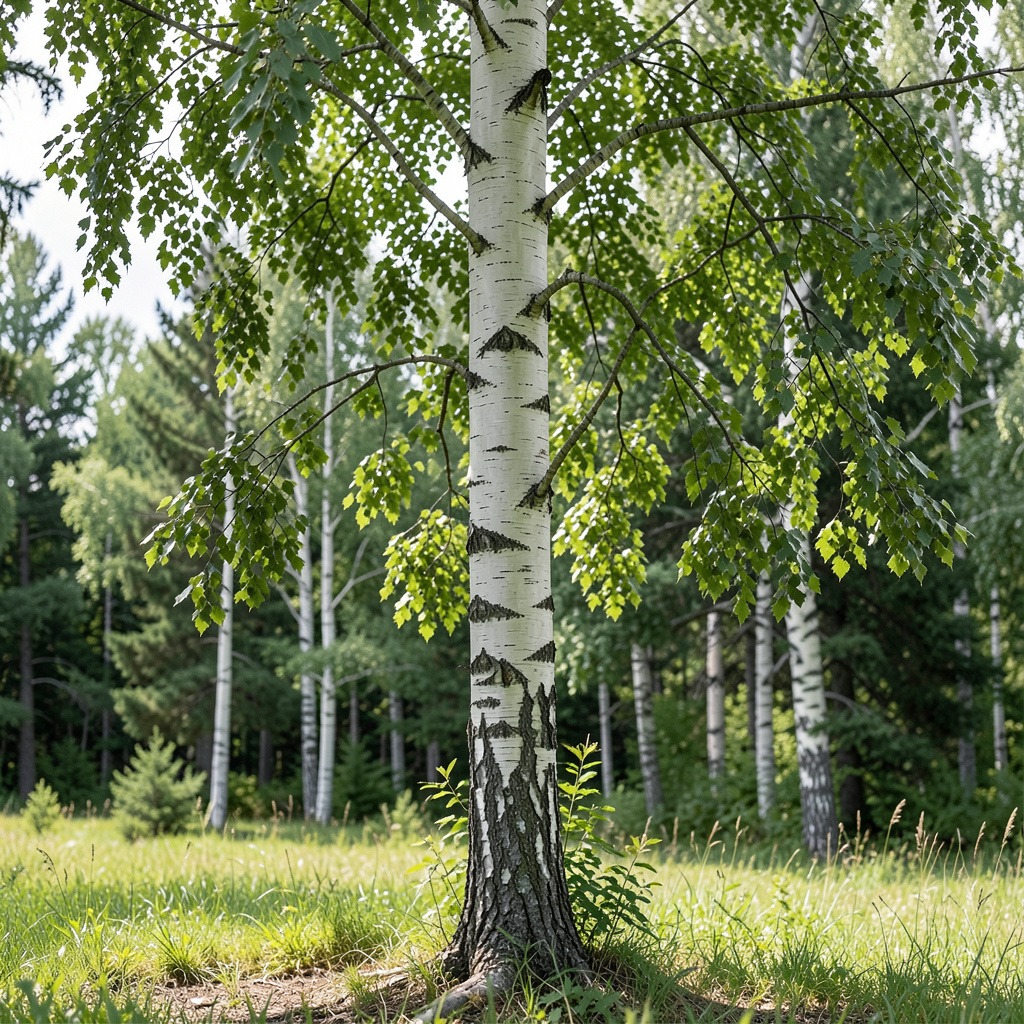
Quaking aspen trees offer numerous advantages that enhance both aesthetics and ecological health in residential landscapes. Their striking appearance, support for local wildlife, and ability to improve soil quality make them a valuable addition.
Aesthetic Contributions to Landscaping
Quaking aspens are visually striking, boasting heart-shaped leaves that shimmer in the breeze. Their vibrant fall colors add a splash of gold to any landscape. This aesthetic appeal makes them a popular choice for ornamental planting.
Key Aesthetic Benefits:
- Dramatic Seasonal Change: The leaves transition from lush green in summer to brilliant yellow in autumn.
- Natural Privacy Screens: When planted in clusters, they can serve as effective natural barriers.
- Unique Growth Habit: Their ability to grow in large colonies creates a dynamic, layered look in gardens.
Benefits to Local Ecosystems
These trees play a crucial role in supporting local wildlife and enhancing biodiversity. Quaking aspens provide habitat and food for various species.
Ecological Advantages:
- Wildlife Habitat: Aspens attract birds, insects, and small mammals. Their bark provides food and shelter.
- Biodiversity Support: Their presence encourages a diverse array of native plant species to thrive alongside them.
- Pollinator Friendly: Aspens support pollinators, contributing to healthier ecosystems.
Soil Quality Enhancement
Quaking aspens improve soil conditions, making them beneficial for surrounding flora. Their ability to fix nitrogen enriches the soil, promoting healthier growth in neighboring plants.
Soil Improvement Insights:
- Nitrogen Fixation: This process enhances nutrient availability, which is crucial for plant growth.
- Erosion Control: Their extensive root systems stabilize soil and prevent erosion, particularly in sloped areas.
- Water Retention: By improving soil structure, they help retain moisture, benefiting other plants during dry spells.
Checklist for Maximizing Benefits:
- Plant in groups to enhance aesthetic and ecological impacts.
- Monitor for pests to maintain soil and tree health.
- Regularly assess soil quality to ensure ongoing nutrient availability.
Integrating quaking aspen trees into your landscape not only beautifies your property but also supports local ecosystems and improves soil health.
Challenges of Growing Quaking Aspen Trees
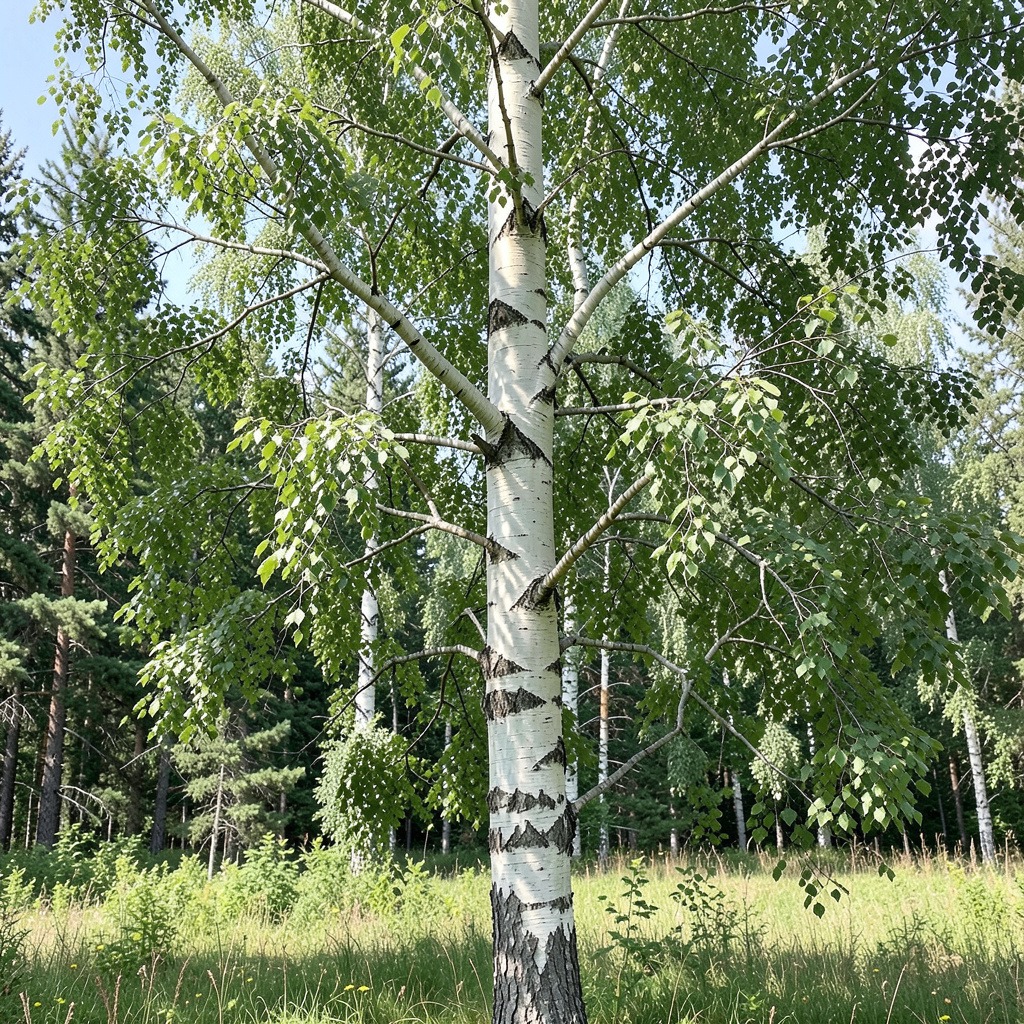
While quaking aspen trees offer many benefits, they also present specific challenges for homeowners and landscapers. Understanding these drawbacks is essential for effective planning and maintenance.
Common Diseases and Pests
Quaking aspens are susceptible to various pests and diseases, which can affect their health and longevity. Some common issues include:
- Aphids: These small insects can weaken trees by sucking sap, leading to leaf curl and discoloration.
- Spider Mites: These pests thrive in dry conditions, causing stippling on leaves and can lead to leaf drop.
- Fungal Infections: Conditions like powdery mildew and root rot can diminish tree vitality.
To combat these issues, regular monitoring and integrated pest management strategies are crucial. For example, introducing beneficial insects can help control aphid populations naturally.
Space and Environmental Requirements
Quaking aspens require ample space for both their roots and canopy. A mature tree can reach heights of up to 70 feet and spread 30 feet wide. Consider the following when planting:
- Distance from Structures: Plant at least 20-30 feet away from buildings and power lines to avoid damage from roots and branches.
- Sunlight: Ensure the tree receives full sun to partial shade; inadequate light can stress the tree and make it more susceptible to diseases.
Long-term Maintenance Considerations
Proper maintenance is vital for the health of quaking aspens. This includes:
- Soil Quality: They thrive in well-drained, nutrient-rich soil. Regular soil testing can help ensure that nutrient levels are adequate.
- Watering: Young trees require consistent watering, especially during dry spells. Establishing a deep watering routine can help promote healthy root development.
- Pruning: Regular pruning helps maintain structure and encourages air circulation, which can prevent disease.
When comparing quaking aspens to other popular landscaping trees, such as oaks or maples, their rapid growth and aesthetic appeal are notable. However, oaks generally have fewer pest issues and longer lifespans, while maples may offer better drought resistance. Ultimately, the decision to plant quaking aspens should factor in their specific care requirements and potential challenges.
Care Tips for Quaking Aspen Trees
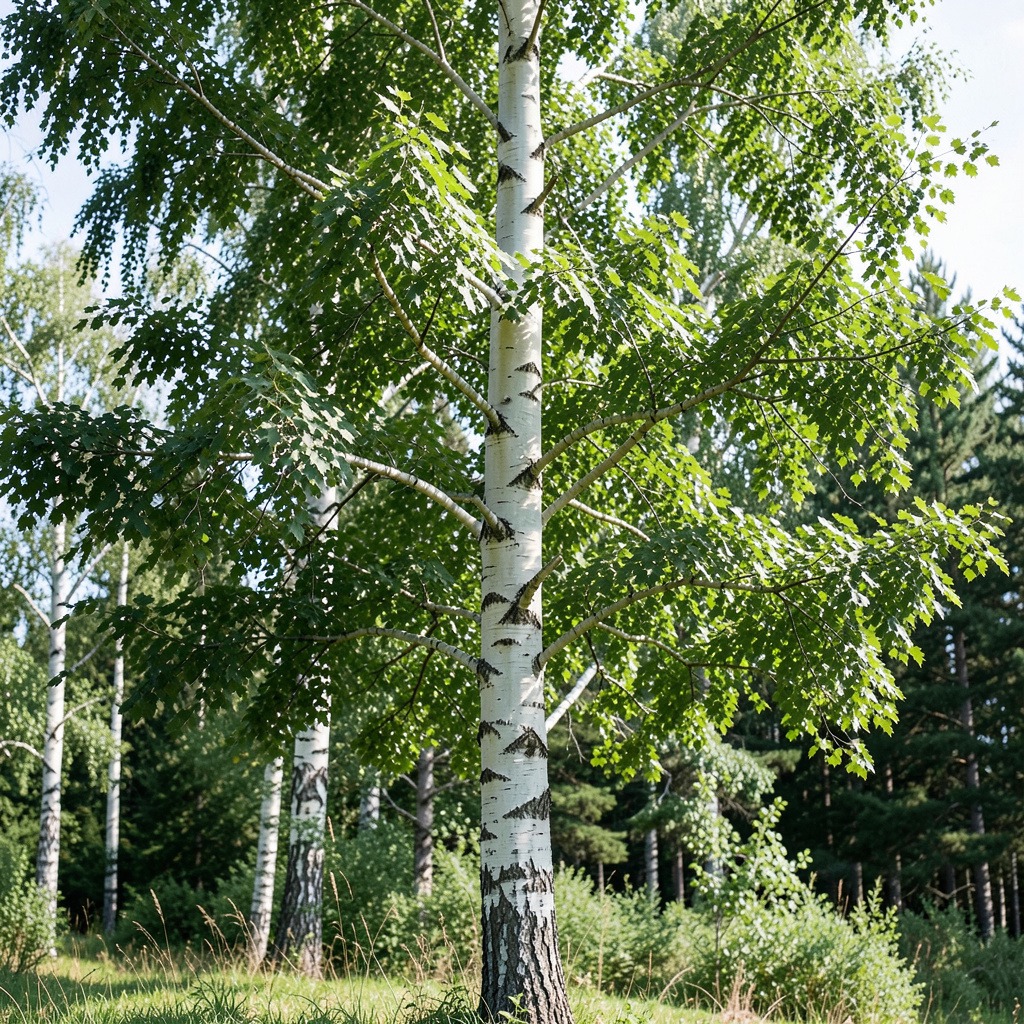
Caring for quaking aspen trees (Populus tremuloides) involves understanding their specific needs for optimal growth and health. Here are essential tips to ensure your aspen thrives in your landscape.
Ideal Soil and Water Conditions
Quaking aspens prefer well-drained soil with a slightly acidic to neutral pH. They thrive in full sun but can tolerate partial shade. Here are key considerations:
- Soil Type: Use sandy or loamy soil that drains well. Heavy clay can lead to root rot.
- Watering: Ensure consistent moisture, especially in the first year. Deep watering encourages robust root development.
- Drainage: Avoid waterlogged conditions. If necessary, amend soil with organic matter to improve drainage.
Pruning and Seasonal Care
Regular pruning and seasonal care are vital for maintaining the health and structure of quaking aspens. Follow these guidelines:
- Timing: Prune in late winter or early spring before new growth begins.
- Method: Remove dead or diseased branches. Thin out crowded areas to improve air circulation.
- Maintenance: Fertilize annually with a balanced fertilizer during the growing season. This supports healthy growth and resilience against pests.
Pest and Disease Management Strategies
Quaking aspens are susceptible to specific pests and diseases. Implement these strategies to mitigate risks:
- Monitoring: Regularly check for signs of aphids, spider mites, and leaf spot diseases.
- Treatment: Use integrated pest management (IPM) techniques, such as introducing beneficial insects or applying organic pesticides.
- Prevention: Maintain tree health through proper watering and fertilization. Healthy trees are less prone to infestations.
Care Checklist for Homeowners
Here’s a quick checklist to help you care for your quaking aspen trees effectively:
- [ ] Ensure well-drained, slightly acidic soil.
- [ ] Water consistently, especially for young trees.
- [ ] Prune annually in late winter or early spring.
- [ ] Fertilize with a balanced fertilizer each growing season.
- [ ] Monitor for pests and diseases regularly.
- [ ] Implement IPM strategies when issues arise.
By following these care tips, you can enhance the longevity and health of your quaking aspen trees, making them a valuable addition to your landscape.
Comparing Quaking Aspens with Other Tree Species
Quaking aspens offer unique advantages and some drawbacks that set them apart from other tree species. Understanding these differences can help you make informed decisions when selecting trees for your landscape.
Similar Trees for Landscaping
When considering quaking aspens, it’s useful to compare them with other popular tree species. Below is a comparison table highlighting key aspects such as aesthetics, maintenance needs, and ecological benefits.
| Tree Species | Aesthetics | Maintenance Needs | Ecological Benefits |
|---|---|---|---|
| Quaking Aspen | Striking, shimmering leaves | Low maintenance | Fixes nitrogen, supports wildlife |
| Red Maple | Vibrant fall colors | Moderate maintenance | Attracts pollinators, provides shade |
| Eastern Redbud | Heart-shaped leaves, spring blooms | Low to moderate maintenance | Attracts bees, enhances biodiversity |
| River Birch | Unique peeling bark | Moderate maintenance | Supports wetland habitats, filters pollutants |
Benefits and Drawbacks Comparison
Quaking aspens present particular benefits and drawbacks that may influence your landscaping decisions:
Benefits:
- Aesthetic Appeal: Their trembling leaves create a dynamic visual effect, especially in the wind. This characteristic adds movement and interest to your landscape.
- Rapid Growth: Quaking aspens can grow up to three feet per year under optimal conditions, filling space quickly.
- Ecological Contributions: They improve soil quality and provide habitat for diverse wildlife, making them an excellent choice for eco-friendly landscaping.
Drawbacks:
- Pest Susceptibility: While generally hardy, quaking aspens can be prone to pests like aphids and spider mites, which require monitoring and management.
- Short Lifespan: They may have a shorter lifespan compared to some hardwoods, leading to potential replacement needs.
- Aggressive Growth: Their tendency to spread through root systems can lead to overcrowding if not managed properly.
By weighing these benefits and drawbacks, you can better decide whether quaking aspens are the right fit for your landscape.
Alternative Trees to Consider for Your Landscape
If you’re exploring options beyond quaking aspens, several tree species offer similar aesthetic and ecological benefits while potentially minimizing some drawbacks. Here are a few alternatives to consider.
Trees with Similar Aesthetic Qualities
1. Silver Birch (Betula pendula)
- Appearance: Striking white bark and delicate leaves.
- Benefits: Provides excellent fall color and supports local wildlife.
2. Eastern Redbud (Cercis canadensis)
- Appearance: Heart-shaped leaves with vibrant pink flowers in spring.
- Benefits: Attracts pollinators and requires less maintenance than aspens.
3. Trembling Aspen (Populus tremuloides)
- Appearance: Similar to quaking aspen but with better disease resistance.
- Benefits: Offers similar ecological benefits and a beautiful appearance.
Trees with Better Disease Resistance
1. American Hornbeam (Carpinus caroliniana)
- Resilience: More resistant to pests and diseases than quaking aspens.
- Benefits: Provides a dense shade and remains attractive year-round.
2. Sweetgum (Liquidambar styraciflua)
- Resilience: Strong against common tree diseases.
- Benefits: Offers brilliant fall colors and a unique star-shaped leaf.
3. Red Maple (Acer rubrum)
- Resilience: Known for its adaptability and disease resistance.
- Benefits: Provides stunning autumn foliage and is suitable for various soil conditions.
Decision Framework for Choosing Trees
When selecting an alternative tree, consider the following factors:
- Growth Rate: Quaking aspens grow quickly but may require replacement sooner. Opt for slower-growing species if longevity is a priority.
- Soil Conditions: Assess your soil type and drainage. Some alternatives thrive in poor soil better than aspens.
- Ecosystem Needs: Ensure the tree supports local wildlife and fits within the existing landscape design.
By evaluating these aspects, you can make a more informed decision that aligns with your landscaping goals.
Frequently Asked Questions
These quick answers cover the most common questions about this topic, including key details, practical tips, and common concerns.
What are the best soil conditions for quaking aspen?
Quaking aspens thrive in well-drained, slightly acidic to neutral soil. They prefer sandy or loamy textures that allow for good drainage, as heavy clay can lead to root rot. It’s essential to ensure that the soil is rich in organic matter to support their rapid growth and overall health.
How fast do quaking aspen trees grow?
Quaking aspens are known for their rapid growth, often reaching heights of up to 3 feet per year under optimal conditions. This makes them an excellent choice for quick landscaping solutions. However, their growth rate can be influenced by soil quality, water availability, and sunlight exposure.
What wildlife benefits from quaking aspen trees?
Quaking aspens provide critical habitat and food for various wildlife species. Birds, small mammals, and insects thrive in and around these trees. Their bark offers food, while the foliage attracts pollinators, contributing to a healthy ecosystem. Aspens also support diverse plant life, enhancing overall biodiversity.
How do I prevent pests on my quaking aspen?
To prevent pests on quaking aspens, regular monitoring is key. Check for common pests like aphids and spider mites. Implement integrated pest management strategies, such as introducing beneficial insects or using organic pesticides. Maintaining tree health through proper watering and fertilization also helps reduce pest susceptibility.
What are the signs of disease in quaking aspen trees?
Signs of disease in quaking aspens include yellowing leaves, leaf drop, and unusual growths or spots on the foliage. Fungal infections, such as powdery mildew, may appear as a white film on leaves. If you notice these symptoms, it’s crucial to act quickly by consulting a local arborist or using appropriate treatments.
When is the best time to plant quaking aspen trees?
The ideal time to plant quaking aspens is in early spring or fall when temperatures are cooler, and rainfall is more consistent. This timing allows the trees to establish their root systems before the heat of summer or the cold of winter sets in, promoting healthy growth.
How can I propagate quaking aspen trees?
Quaking aspens can be propagated through seed or by taking cuttings. Seed propagation involves collecting seeds in the fall and planting them in a suitable medium. For cuttings, take 6- to 8-inch stem sections in late spring, ensuring they have a few nodes. Both methods require consistent moisture for successful rooting.
What should readers know about detailed pest management strategies?
Effective pest management for quaking aspens involves a combination of monitoring, prevention, and treatment. Regularly inspect trees for signs of pests and diseases. Use cultural practices, such as maintaining healthy soil and proper watering, to strengthen tree resilience. When necessary, apply targeted treatments like insecticidal soaps or organic pesticides to manage infestations.