
Queen palm trees offer aesthetic appeal and low maintenance but can be messy and invasive in certain areas.
Table of Contents
Queen palm trees, known scientifically as Syagrus romanzoffiana, are popular for their elegance and growth rate. However, potential drawbacks such as maintenance challenges and invasiveness require careful consideration before planting in your landscape.
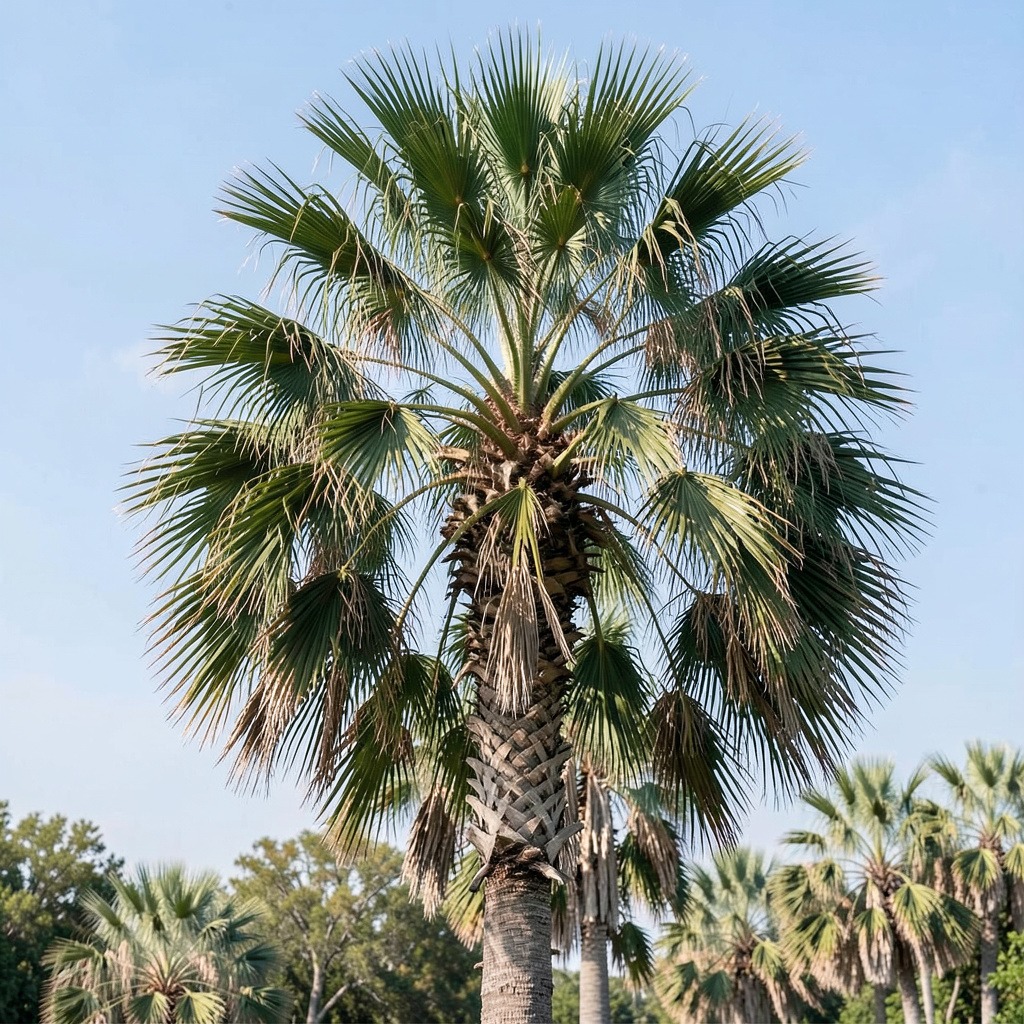
Understanding the Queen Palm Tree
Queen palm trees, or Syagrus romanzoffiana, are renowned for their graceful appearance and rapid growth. Their popularity in landscaping stems from their tropical aesthetic and adaptability to various environments. Understanding their care and maintenance is essential for successful cultivation.
The Origin and Characteristics of Queen Palms
The queen palm is native to South America, primarily found in regions like Brazil and Argentina. It thrives in warm climates and is often used in ornamental landscaping. Here are key characteristics:
- Height: Grows up to 50 feet tall.
- Trunk: Slender and smooth, often with a slight bulge.
- Leaves: Long, feathery fronds that can reach up to 10 feet in length.
- Flowers: Produces small, creamy white flowers that attract pollinators.
These features make the queen palm a visually striking choice for gardens and urban landscapes.
Why Choose Queen Palms for Landscaping
Choosing queen palms can enhance the aesthetic appeal of your outdoor space. Here are some compelling reasons:
- Tropical Appeal: Their lush foliage adds a vibrant touch.
- Fast Growth: They establish quickly, providing immediate visual impact.
- Low Maintenance: Once established, they require minimal care compared to other trees.
- Versatility: Suitable for various landscape designs, from tropical to modern.
When selecting palm varieties, consider the specific conditions of your site, such as soil type and climate. Queen palms prefer well-drained, acidic soil and thrive in full sunlight.
Pros of Queen Palm Trees
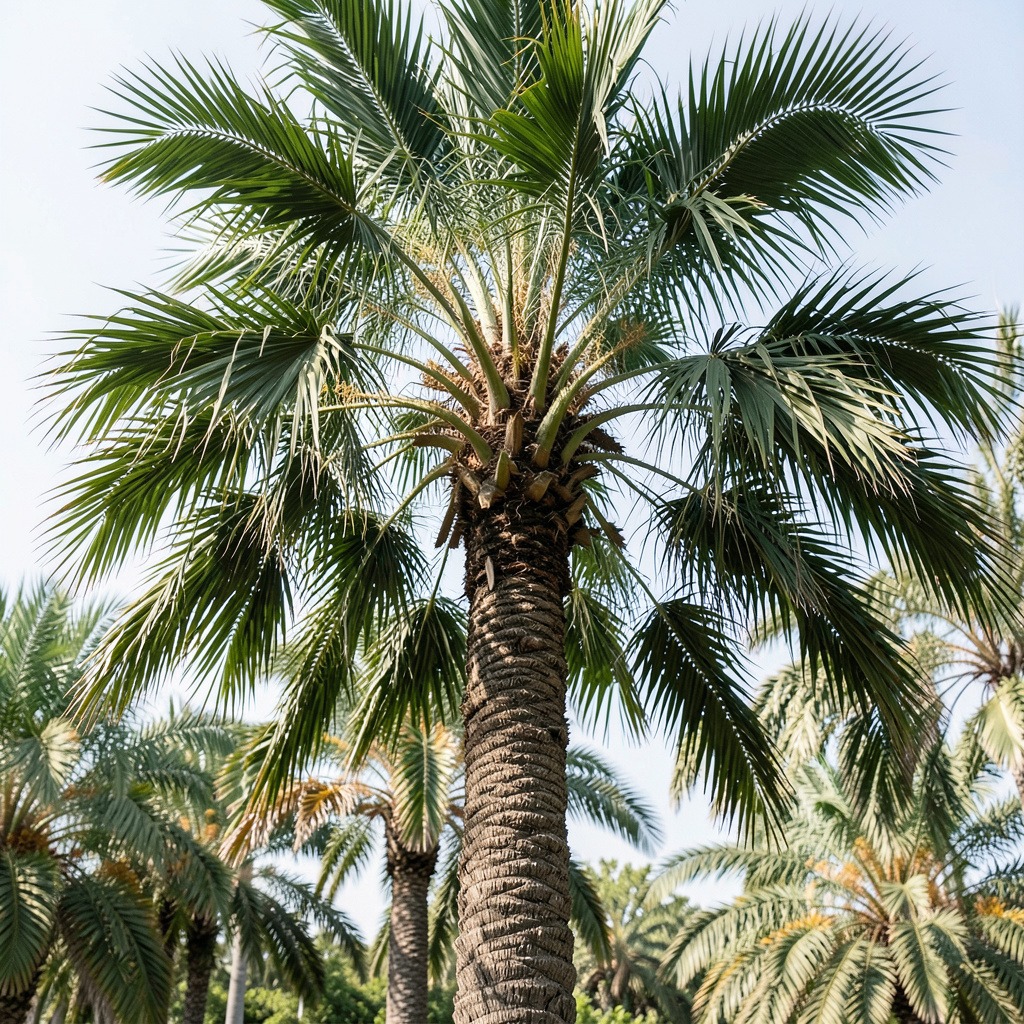
Queen palms (Syagrus romanzoffiana) offer numerous advantages for homeowners and landscapers. Their aesthetic appeal, rapid growth, and low maintenance requirements make them a popular choice for enhancing outdoor spaces.
Aesthetic Appeal and Elegance
Queen palms are visually striking. Their tall, slender trunks and lush, feathery fronds create a tropical ambiance. This elegance enhances both residential and commercial landscapes. They can serve as focal points or complement other plants in mixed arrangements.
- Tropical Vibe: Instantly transforms ordinary gardens into exotic retreats.
- Versatile Design: Works well in various styles, from tropical to modern minimalist.
- Seasonal Interest: Maintains its beauty year-round, providing consistent visual appeal.
Fast Growth and Low Maintenance
Queen palms establish quickly, reaching heights of up to 50 feet. This fast growth provides immediate visual impact.
- Quick Maturity: Can grow several feet per year, filling spaces rapidly.
- Minimal Care: Once established, they require little maintenance compared to other trees. Their fronds drop less frequently, reducing yard cleanup.
Care Tip: Regular watering during the first year supports healthy growth. After establishment, they thrive with minimal irrigation.
Environmental Adaptability
Queen palms demonstrate remarkable adaptability to different environments. They thrive in well-drained, acidic soils and full sunlight, making them suitable for diverse climates.
- Drought Tolerance: Once established, they can withstand dry periods, making them ideal for arid landscapes.
- Pest Resistance: While they can be susceptible to specific pests, their overall hardiness allows them to flourish with basic care.
Scenario Example: In coastal regions, queen palms enhance property value by providing shade and aesthetic appeal without high maintenance demands. Their ability to adapt to sandy soils makes them a favorite among homeowners near the beach.
In summary, the queen palm tree’s beauty, rapid growth, and low maintenance make it a valuable addition to any landscape.
Cons of Queen Palm Trees
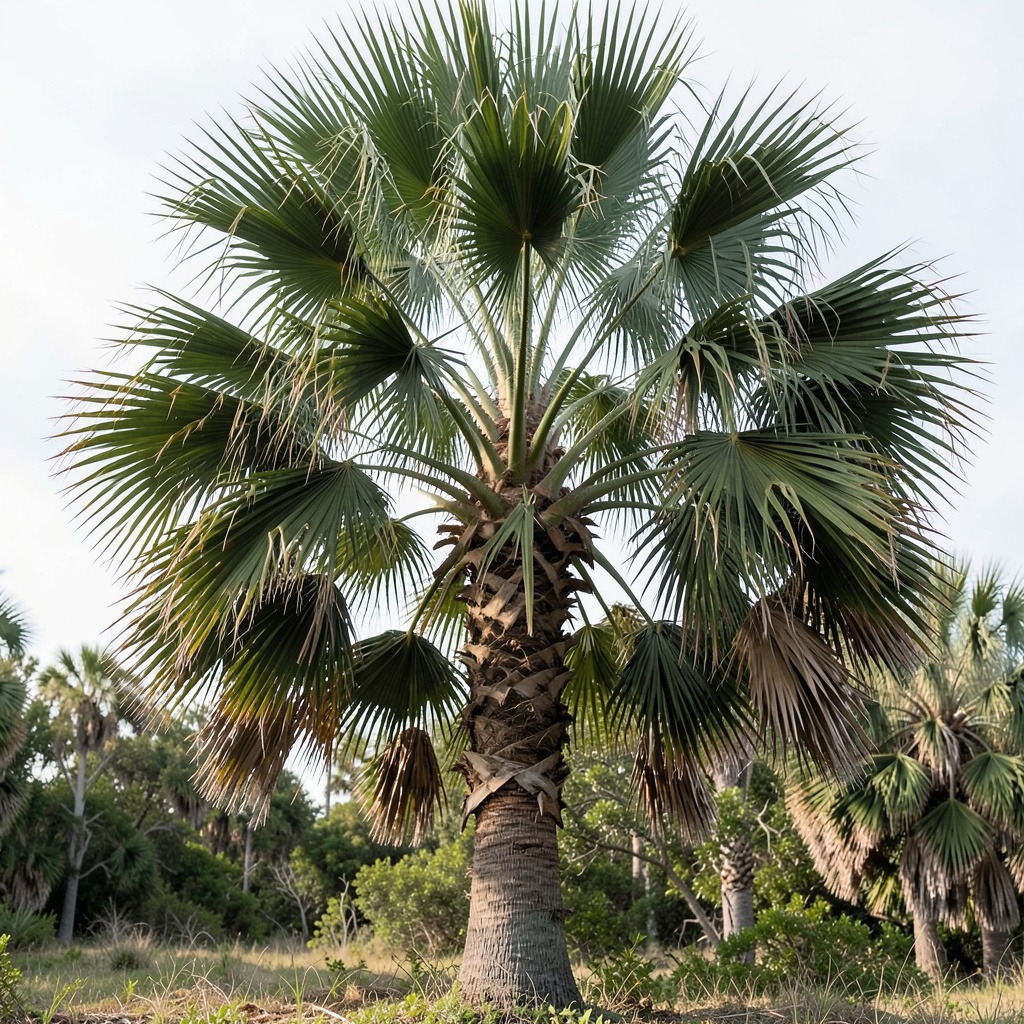
While queen palms offer many benefits, potential downsides exist. Homeowners must consider maintenance challenges, messiness from fallen fruit, and invasiveness in certain regions.
Messy Fruits and Debris
Queen palms produce small, round fruit that can create a mess. These fruits drop from the tree, leading to:
- Clean-up: Regular cleaning is necessary to maintain a tidy yard.
- Slippery Surfaces: Fallen fruits can create slippery conditions on walkways and driveways.
- Attracting Pests: The fruit can attract pests like birds and insects, potentially leading to further maintenance issues.
Homeowners should weigh the aesthetic appeal against the potential for litter and the extra effort required to keep the landscape clean.
Invasiveness and Environmental Concerns
In some regions, queen palms can become invasive. They may outcompete native plants for resources, disrupting local ecosystems. Key considerations include:
- Rapid Growth: Queen palms grow quickly, which can lead to crowding in gardens.
- Spread of Seeds: The fruits produce many seeds that can sprout in undesirable locations.
- Biodiversity Impact: Their dominance may reduce biodiversity by limiting the growth of native flora.
For environmentally conscious homeowners, assessing the ecological impact is crucial before planting.
Maintenance Challenges
Although queen palms are generally low-maintenance, they do require some care. Common challenges include:
- Pruning Needs: Regular trimming of fronds is essential to prevent hazards from falling branches.
- Pest Susceptibility: Queen palms can attract pests, such as scale insects and spider mites. Regular monitoring and pest management strategies are necessary.
- Nutritional Requirements: They thrive in well-drained, acidic soil and may need fertilization to maintain optimal health.
Homeowners should budget for regular maintenance and be prepared for potential pest management. An effective strategy includes monitoring the trees and employing preventive measures, such as applying organic pesticides when needed.
In summary, while queen palms can enhance a landscape, they come with specific challenges that require thoughtful consideration and management.
Care and Maintenance of Queen Palm Trees
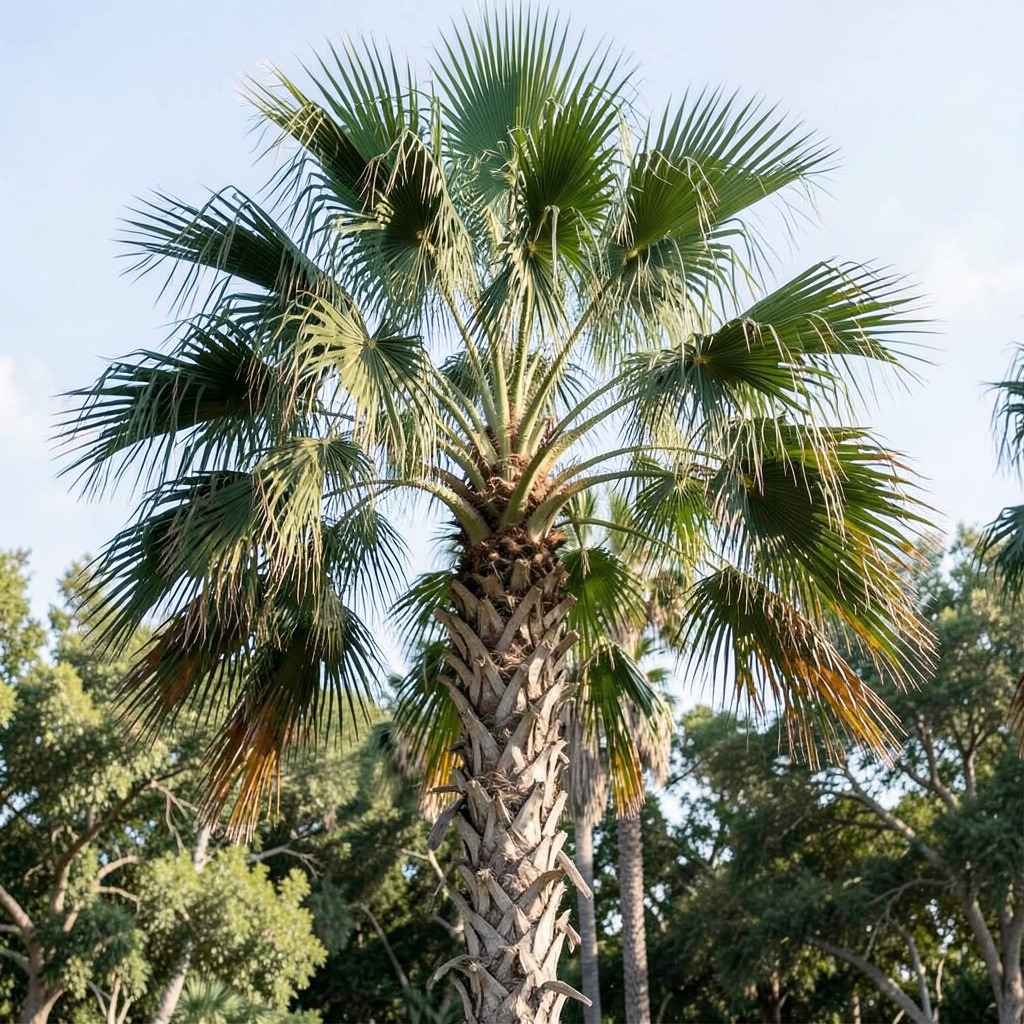
Maintaining queen palm trees requires understanding their specific needs. Proper care ensures healthy growth and vibrant landscaping.
Watering and Soil Needs
Queen palms thrive in sandy, well-drained, and acidic soil. The ideal pH ranges from 6.2 to 6.5. Here are key watering and soil tips:
- Watering Frequency: Water deeply once a week, increasing frequency during dry spells.
- Soil Drainage: Ensure your planting area drains well to prevent root rot.
- Soil Testing: Conduct a pH test before planting; adjust soil accordingly with amendments if needed.
Fertilization and Pruning Techniques
Regular fertilization and pruning promote growth and health. Follow these guidelines:
- Fertilization Schedule: Use a slow-release, balanced fertilizer every 6-8 weeks during the growing season.
- Pruning: Remove dead or yellowing fronds as needed. This improves aesthetics and reduces hazards.
- Safety Precautions: Wear gloves and goggles when pruning to protect against sharp fronds.
Pest Management Strategies
Queen palms can attract various pests, making proactive management essential. Implement these strategies:
- Regular Inspections: Check for signs of pests like scale insects or spider mites monthly.
- Preventive Measures: Apply organic pesticides at the first sign of infestation.
- Companion Planting: Consider planting pest-repelling species nearby, such as marigolds, to deter pests.
Care Checklist
Here’s a quick checklist for maintaining healthy queen palms:
- [ ] Test soil pH before planting.
- [ ] Water deeply once a week.
- [ ] Fertilize every 6-8 weeks.
- [ ] Prune dead fronds regularly.
- [ ] Inspect for pests monthly.
- [ ] Apply preventive pesticides as needed.
By following these care practices, homeowners can ensure their queen palm trees remain healthy and visually appealing.
Common Problems and Solutions for Queen Palms
Queen palms are attractive additions to any landscape, but they can face several challenges. Understanding these common problems and their solutions is essential for maintaining the health and beauty of your queen palms.
Recognizing Common Pests
Queen palms are susceptible to various pests that can impact their growth and appearance. Key pests include:
- Palm Weevils: These beetles bore into the trunk, causing significant damage.
- Scale Insects: These pests suck sap from the fronds, leading to yellowing and wilting.
- Spider Mites: Often found in dry conditions, they cause stippling on leaves.
To manage these pests effectively, consider the following strategies:
| Pest | Symptoms | Treatment Solutions |
|---|---|---|
| Palm Weevils | Boring holes in trunk | Use insecticidal soap; remove infested fronds |
| Scale Insects | Yellowing fronds | Apply horticultural oil; regularly inspect |
| Spider Mites | Stippling, webbing | Increase humidity; use miticides if severe |
Addressing Nutrient Deficiencies
Queen palms often experience nutrient deficiencies that can affect their health. The most common deficiencies include potassium, magnesium, and manganese. Symptoms manifest as:
- Yellowing fronds
- Brown leaf tips
- Stunted growth
To combat these deficiencies, provide a balanced fertilizer specifically designed for palms. Fertilize every 6-8 weeks during the growing season. Regular soil testing can help determine nutrient levels and adjust fertilization accordingly.
Preventative Measures and Care
Regular maintenance is crucial for preventing many common problems. Implement these preventive measures:
- Regular Inspections: Check for pests and diseases monthly.
- Proper Watering: Ensure well-drained soil and water deeply once a week.
- Pruning: Remove dead fronds to improve air circulation and reduce pest habitats.
- Companion Planting: Plant pest-repelling species, such as marigolds, nearby.
By following these strategies, homeowners can enhance the longevity and aesthetic appeal of their queen palms. Regular care not only prevents issues but also promotes vibrant growth.
Comparing Queen Palms with Other Palm Species
When considering the queen palm (Syagrus romanzoffiana) for your landscaping needs, it’s essential to compare it with other popular palm species. Each species has unique advantages and disadvantages that can influence your decision.
Queen Palms vs. Coconut Palms
| Feature | Queen Palm | Coconut Palm |
|---|---|---|
| Growth Rate | Fast (up to 2 feet per year) | Moderate (up to 1 foot per year) |
| Height | 50 feet | 60-80 feet |
| Soil Requirements | Well-drained, acidic | Well-drained, sandy |
| Aesthetic Appeal | Feathery fronds, arching | Iconic crown, large coconuts |
| Maintenance Needs | Moderate | High (requires regular care) |
| Hardiness Zones | 10-11 | 10-11 |
Queen palms grow faster than coconut palms, making them ideal for quick landscape establishment. However, coconut palms need more maintenance and have specific requirements for fruit production.
Queen Palms vs. Royal Palms
| Feature | Queen Palm | Royal Palm |
|---|---|---|
| Growth Rate | Fast | Moderate |
| Height | 50 feet | 50-80 feet |
| Soil Requirements | Well-drained, acidic | Well-drained, adaptable |
| Aesthetic Appeal | Lush, feathery fronds | Tall, straight trunk, elegant |
| Pest Resistance | Susceptible to pests | More resistant |
| Invasiveness | Considered invasive in some areas | Not invasive |
While both palms are visually appealing, the queen palm is often more susceptible to pests, whereas the royal palm offers greater resistance. Additionally, the royal palm tends to have a more stately appearance.
Best Alternatives for Landscaping
If you’re weighing your options, consider these alternatives:
- Areca Palm: Great for smaller spaces; fast-growing and bushy.
- Pygmy Date Palm: Ideal for compact areas; requires less height.
- Fan Palm: Hardy and drought-resistant; offers a unique aesthetic.
When selecting a palm for your landscape, consider the following decision framework:
1. Space Availability: Choose smaller palms for limited areas.
2. Maintenance Level: Assess how much time you can dedicate to care.
3. Aesthetic Preference: Decide on the visual impact you want.
By evaluating these factors, you can determine the best palm species for your specific landscaping needs.
Frequently Asked Questions
These quick answers cover the most common questions about this topic, including key details, practical tips, and common concerns.
What is the life expectancy of a queen palm?
Queen palms typically have a life expectancy of around 50 to 70 years. However, this can vary based on environmental conditions, care, and maintenance practices. Proper watering, soil quality, and pest management can help extend their lifespan.
Are queen palm tree roots invasive?
Yes, queen palm roots can be considered invasive in certain areas. They tend to spread widely, potentially disrupting nearby plants and structures. It’s essential to plant them away from foundations, sidewalks, and other plants to minimize root-related issues.
Where do queen palms grow best?
Queen palms thrive in USDA hardiness zones 10 to 11, where temperatures remain warm year-round. They prefer full sunlight and well-drained, acidic soils. Coastal areas with sandy soil are ideal, but they can adapt to various environments if the conditions are right.
How big will a queen palm get?
Queen palms can grow up to 50 feet tall with a trunk diameter of about 1 to 2 feet. Their fronds can reach lengths of up to 10 feet, creating a lush, tropical appearance. Regular care and suitable growing conditions can help them achieve their maximum height.
When is the best time to plant queen palms?
The best time to plant queen palms is in the spring or early summer when temperatures are consistently warm. This allows the tree to establish its roots before the cooler months. Avoid planting in winter or during extreme heat, as it can stress the young palm.
How often should I water my queen palm?
Water your queen palm deeply once a week, particularly during dry spells. Newly planted palms may require more frequent watering to establish roots. Once established, they can tolerate some drought but will thrive with consistent moisture.
What are common problems with queen palms?
Common problems include pest infestations, nutrient deficiencies, and frizzle top, a condition caused by a lack of magnesium. Regular inspections for pests like scale insects and spider mites are essential. Nutrient deficiencies can be addressed with balanced fertilizers.
What are alternatives to queen palms for landscaping?
If you’re looking for alternatives, consider the Areca palm for smaller spaces, the Pygmy Date palm for low-maintenance options, or the Fan palm for a unique look. Each of these palms offers distinct aesthetics and care requirements, making them suitable for various landscaping needs.