
The Queensland Bottle Tree (Brachychiton rupestris) offers unique aesthetic appeal and drought resilience, but it requires ample space and can be prone to pests, making it essential to weigh its pros and cons before planting.
Table of Contents
The Queensland Bottle Tree is a striking addition to any landscape, known for its unique shape and drought resistance. However, its suitability depends on various factors, including space requirements and potential pest issues. This guide explores its pros and cons comprehensively.

Overview of the Queensland Bottle Tree
The Queensland Bottle Tree, scientifically known as Brachychiton rupestris, is a distinctive and resilient tree native to Queensland, Australia. Its unique shape and drought resistance make it a popular choice for landscaping in arid regions.
Unique Characteristics
- Shape: The tree’s swollen trunk resembles a bottle. This feature allows the tree to store water, crucial for surviving prolonged droughts.
- Foliage: It displays lush, green leaves that provide a striking contrast against its bulbous trunk. The tree can grow up to 15 meters tall and can live for over 100 years.
- Flowers: In spring, it produces clusters of bell-shaped, creamy yellow flowers that attract pollinators.
Native Habitat and Ecological Benefits
The Queensland Bottle Tree thrives in the semi-arid woodlands of Queensland. Its adaptations allow it to withstand extreme conditions, making it a key species in its native ecosystem.
- Drought Resilience: The tree’s ability to store water in its trunk enables it to survive long dry spells.
- Soil Requirements: It prefers well-drained, gritty soils and full sun exposure, making it suitable for urban landscapes that mimic its natural habitat.
Cultural Significance
Historically, Indigenous Australians utilized the Queensland Bottle Tree for various purposes. The roots of young trees were consumed as food, showcasing the tree’s importance in local culture and survival.
- Traditional Uses: The tree served as a resource for food and materials, highlighting its role in the ecosystem and human culture.
- Modern Landscaping: Today, its aesthetic appeal and low maintenance needs make it a favored choice among gardeners and landscapers, especially in regions facing water scarcity.
Care and Maintenance Considerations
To ensure healthy growth, gardeners should consider the following care requirements:
- Watering: Minimal watering is needed once established, particularly in winter.
- Pruning: Occasional pruning helps maintain shape and remove dead branches.
- Pest Management: Regular inspections for pests like scale insects are essential to protect the tree’s health.
By understanding these aspects, gardeners can effectively decide if the Queensland Bottle Tree fits their landscaping needs.
Pros of the Queensland Bottle Tree
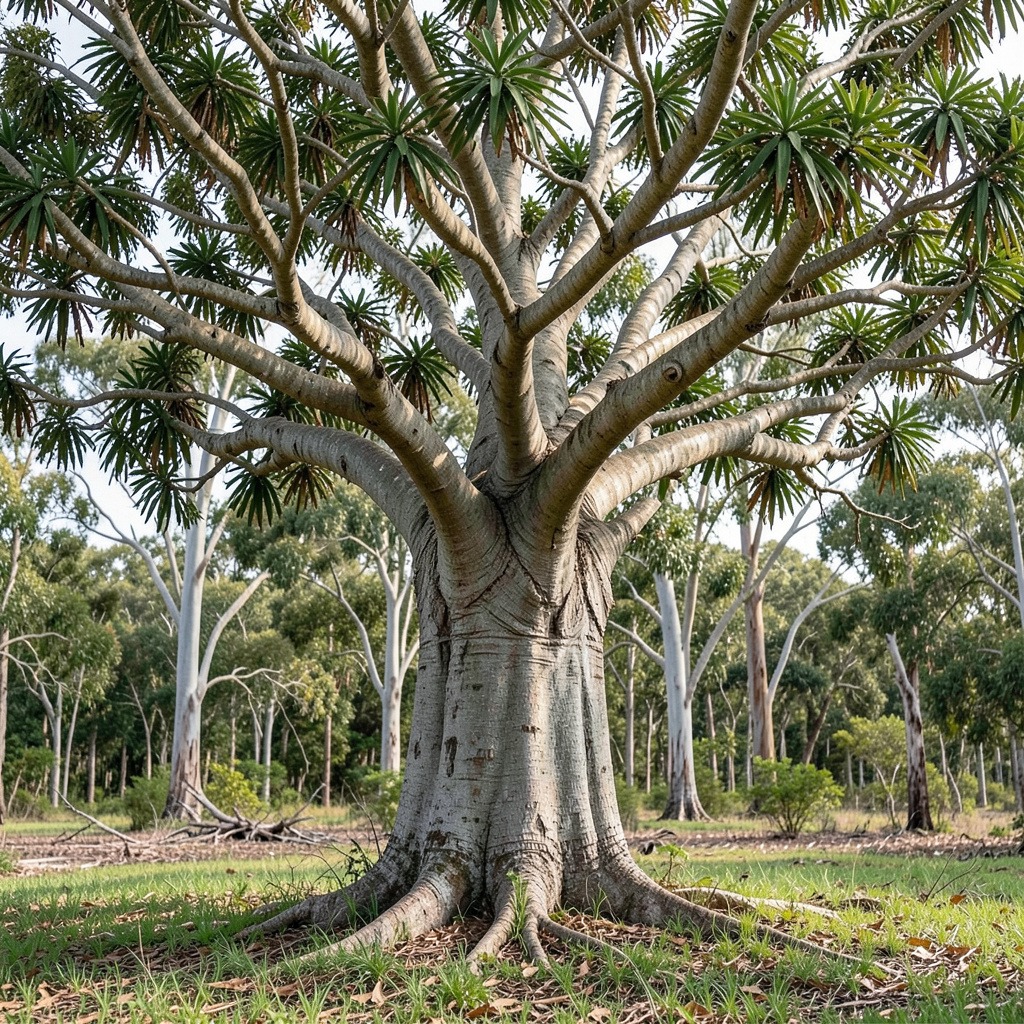
The Queensland Bottle Tree offers numerous benefits that make it a desirable choice for gardeners and landscapers. Its unique aesthetic appeal, resilience to drought, and ecological advantages enhance any landscape while requiring minimal care.
Aesthetic Appeal in Landscapes
The Queensland Bottle Tree, scientifically known as Brachychiton rupestris, is renowned for its striking, bulbous trunk. This distinctive shape can serve as a focal point in gardens, providing a unique visual element.
- Visual Interest: The tree’s expansive trunk and lush green foliage create a bold contrast, making it ideal for modern landscaping designs.
- Versatility: It complements various garden styles, from tropical to contemporary, and can thrive in diverse settings.
A well-placed Queensland Bottle Tree can transform an ordinary garden into a stunning visual experience. For example, many urban gardens in Australia use this tree to balance hardscape elements with natural beauty, showcasing its adaptability.
Drought Resistance and Low Maintenance
Queensland Bottle Trees are exceptionally drought-resistant, making them suitable for arid regions. Their unique trunk structure stores water, allowing them to thrive with minimal irrigation once established.
- Water Efficiency: These trees require little watering, especially during winter dormancy. This trait makes them a practical choice for water-conscious gardeners.
- Low Care Requirements: Aside from occasional pruning, they demand minimal maintenance, which appeals to busy homeowners.
Gardens in semi-arid regions have successfully integrated Queensland Bottle Trees, benefiting from their resilience. For instance, a garden in Brisbane features these trees amidst xeriscaping elements, highlighting their ability to coexist with drought-tolerant plants.
Ecological Benefits
Planting Queensland Bottle Trees contributes positively to the local ecosystem. They provide habitat and food for native wildlife, promoting biodiversity.
- Wildlife Attraction: Their flowers attract pollinators, including bees and butterflies, enhancing the ecological network.
- Soil Health: The tree’s roots improve soil structure, benefiting surrounding plants and reducing erosion.
Integrating this tree into urban landscapes not only enhances aesthetic value but also supports local wildlife, making it an excellent choice for environmentally conscious gardeners.
Cons of the Queensland Bottle Tree
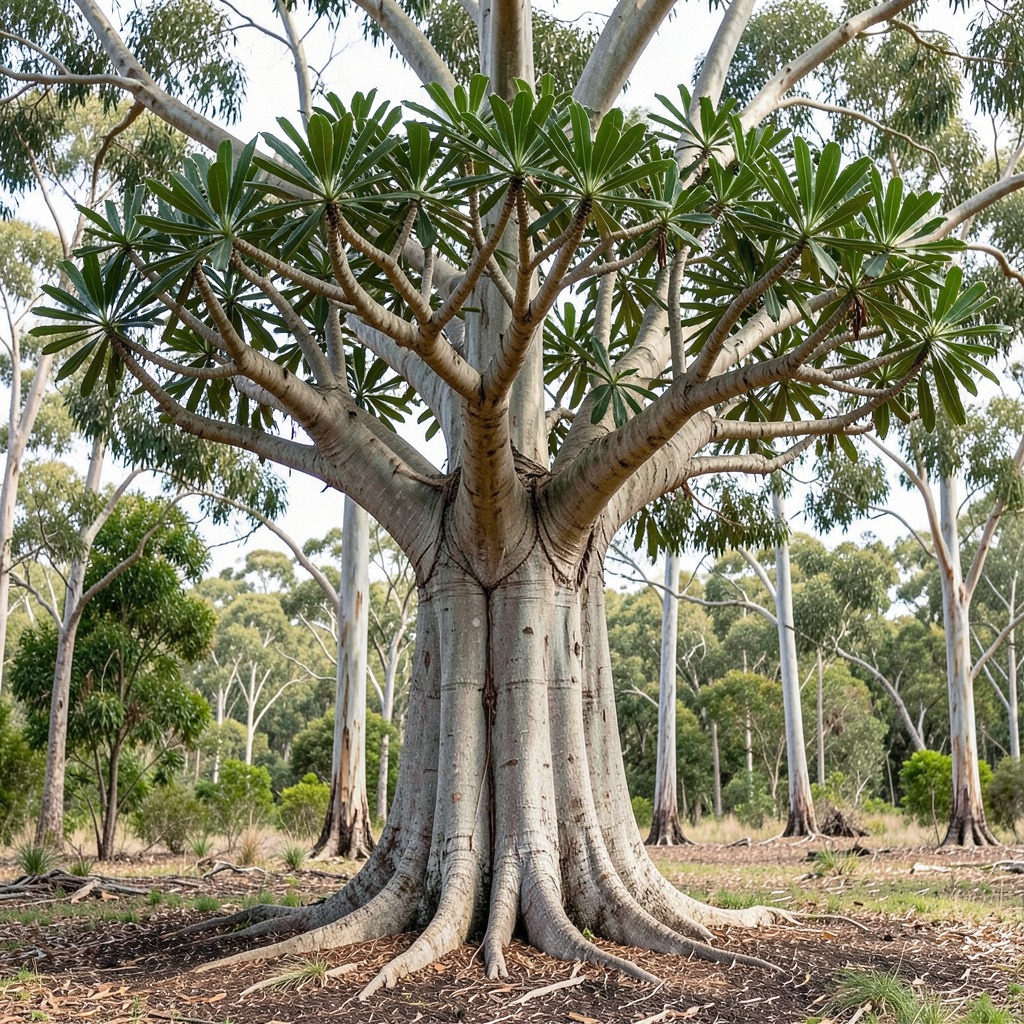
While the Queensland Bottle Tree boasts many attractive features, it also presents several challenges. Understanding these drawbacks will help gardeners make informed decisions regarding its care and suitability for their spaces.
Space Requirements for Growth
The Queensland Bottle Tree requires ample space to thrive. Its distinctive bulbous trunk can reach impressive dimensions, making it unsuitable for small gardens. Here are key considerations:
- Mature Size: The tree can grow up to 15 meters tall and 5 meters wide. Ensure you have enough room for its expansive canopy.
- Root System: Its roots can spread widely, potentially interfering with nearby structures or plants. Consider planting it away from foundations, sidewalks, and other trees.
- Growth Habits: This tree prefers full sun and well-drained soil, which may limit its placement in shaded or wet areas.
Common Pests and Management Strategies
The Queensland Bottle Tree is susceptible to specific pests that can hinder its health. Knowing how to manage these risks is crucial.
- Scale Insects: These pests can sap the tree’s vitality. Regularly inspect the trunk and leaves for signs of infestation. If detected, treat with horticultural oil or insecticidal soap.
- Root Rot: Overwatering can lead to root rot, especially in poorly drained soils. Ensure proper drainage and avoid excessive watering during wet seasons.
- Cultural Practices: Maintain a healthy tree by proper pruning and providing adequate nutrients. This reduces vulnerability to pests and diseases.
Maintenance Challenges
Maintaining a Queensland Bottle Tree can be demanding, especially in non-native environments. Consider these factors:
- Watering Needs: While drought-resistant, young trees require regular watering until established. Neglecting this can stunt growth.
- Soil Preferences: The tree thrives in gritty, well-drained soil. If your garden soil is heavy or clay-like, consider amending it before planting.
- Pest Vigilance: Regular monitoring is essential. Create a schedule for inspections to catch issues early and prevent further complications.
In summary, while the Queensland Bottle Tree can be a stunning addition to gardens, its space requirements, pest susceptibility, and maintenance challenges must be carefully considered. Potential buyers should assess their growing conditions and willingness to manage these factors before planting.
Care and Maintenance Tips for Queensland Bottle Trees
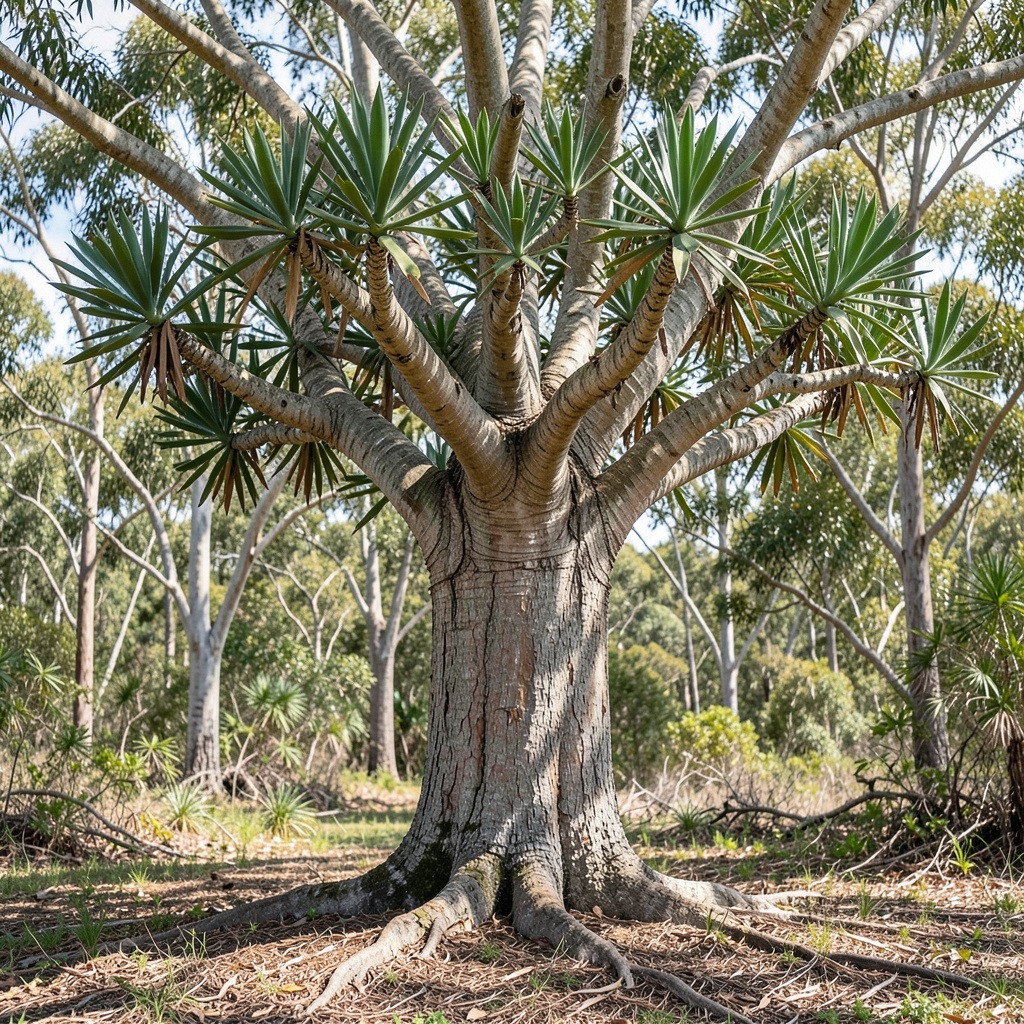
Caring for Queensland Bottle Trees requires attention to their specific needs. This ensures robust growth and aesthetic appeal in your garden. Here are the key care aspects to consider.
Watering and Soil Preferences
- Watering Needs: Young Queensland Bottle Trees need consistent watering until they establish. Once mature, they thrive on minimal water due to their drought-resistant nature.
- Soil Preferences: They prefer gritty, well-drained soil. If your garden soil is heavy or clay-like, amend it with sand or gravel to improve drainage.
Checklist for Watering and Soil:
- Water young trees weekly during dry spells.
- Allow the soil to dry out between waterings for mature trees.
- Test soil drainage; amend if necessary.
Sunlight and Fertilization Needs
- Sunlight Requirements: Queensland Bottle Trees flourish in full sun. Aim for at least six hours of direct sunlight daily to promote healthy growth.
- Fertilization: Fertilize sparingly. Use a balanced, slow-release fertilizer in early spring. Over-fertilization can harm the tree.
Checklist for Sunlight and Fertilization:
- Position trees in a sunny location.
- Apply fertilizer only once a year.
- Monitor for signs of nutrient deficiency, such as yellowing leaves.
By following these care tips, gardeners can ensure their Queensland Bottle Trees remain healthy and vibrant, enhancing both their landscapes and personal enjoyment.
Urban Suitability of Queensland Bottle Trees
The Queensland Bottle Tree (Brachychiton rupestris) offers unique benefits and challenges for urban landscapes. Its drought resilience and aesthetic appeal make it an attractive choice, but careful consideration is needed regarding its growth habits and maintenance.
Benefits for Urban Landscapes
1. Drought Resilience: Queensland Bottle Trees can thrive in dry conditions. Their bulbous trunk stores water, allowing them to survive extended periods of drought. This makes them ideal for urban areas where water conservation is essential.
2. Aesthetic Appeal: With their distinct bottle-shaped trunks and lush green foliage, these trees serve as striking focal points in parks and streetscapes. They provide visual interest throughout the year.
3. Low Maintenance: Once established, Queensland Bottle Trees require minimal care. Their resistance to pests and diseases reduces the need for chemical treatments, promoting a healthier urban environment.
Challenges in Urban Settings
1. Space Requirements: These trees need ample room for their expansive root systems and bulbous trunks. Urban planners must consider their placement carefully to avoid conflicts with infrastructure.
2. Potential for Mess: The tree may shed leaves and flowers, creating litter. This can necessitate regular maintenance from city services to keep areas clean.
3. Growth Habit: While their unique shape is appealing, it can become problematic in narrow streets or small gardens. They may not be suitable for every urban setting.
Case Studies in Urban Planting
Urban planners in Brisbane have successfully integrated Queensland Bottle Trees into public parks. For example, the South Bank Parklands feature these trees prominently, providing shade and enhancing the landscape’s beauty. Their ability to withstand the subtropical climate has made them a staple in city beautification projects.
Checklist for Urban Planting
- Assess Space: Ensure sufficient room for growth and root expansion.
- Consider Aesthetics: Evaluate the visual impact within the landscape design.
- Plan for Maintenance: Develop a plan for managing litter and upkeep.
- Water Management: Utilize their drought resilience to reduce irrigation needs.
By understanding the pros and cons of Queensland Bottle Trees, urban planners and gardeners can make informed decisions that enhance city environments while promoting sustainability.
Conclusion: Should You Plant a Queensland Bottle Tree?
Deciding whether to plant a Queensland Bottle Tree involves weighing its advantages against potential drawbacks. This unique tree, known for its striking appearance and drought resilience, can enhance urban landscapes but requires specific care.
Pros of Queensland Bottle Tree
- Aesthetic Appeal: The Queensland Bottle Tree (Brachychiton rupestris) features a distinctive bulbous trunk, adding a unique visual element to gardens and landscapes.
- Drought Resilience: Its ability to store water in its trunk allows it to thrive in dry conditions, reducing the need for frequent watering.
- Cultural Significance: This tree is not only a botanical marvel but also holds historical importance for Indigenous Australians, who utilized its roots for food.
- Urban Suitability: It can flourish in urban settings, providing shade and enhancing the overall landscape.
Cons of Queensland Bottle Tree
- Space Requirements: The tree needs ample space for its expansive root system and large canopy, which may not be suitable for smaller gardens.
- Pest Vulnerability: While generally hardy, Queensland Bottle Trees can be susceptible to pests like scale insects, requiring vigilance and management.
- Maintenance Needs: Regular upkeep, such as monitoring for pests and managing fallen leaves, may be necessary to keep the tree healthy and visually appealing.
Decision-Making Framework
When considering the Queensland Bottle Tree for your landscape, assess the following factors:
- Available Space: Ensure you have sufficient room for growth. A smaller garden may not accommodate this tree’s needs effectively.
- Maintenance Commitment: Determine your willingness to engage in regular care and monitoring for pests.
- Climate Compatibility: Evaluate your local climate conditions. The Queensland Bottle Tree thrives in well-drained soil and full sun but can struggle in overly wet environments.
By understanding these pros and cons, you can make an informed decision on whether the Queensland Bottle Tree is the right choice for your gardening project.
Frequently Asked Questions
These quick answers cover the most common questions about this topic, including key details, practical tips, and common concerns.
What are the ideal growing conditions for a Queensland Bottle Tree?
Queensland Bottle Trees thrive in full sun and well-drained, gritty soils. They prefer a semi-arid environment, making them suitable for urban landscapes that mimic their native habitat in Queensland, Australia. Ensure that the planting site has enough space for their expansive root system and large canopy.
How fast does a Queensland Bottle Tree grow?
The Queensland Bottle Tree typically grows at a moderate pace, reaching heights of up to 15 meters over several years. Under optimal conditions, you can expect noticeable growth within the first few years, especially if the tree is well-watered and receives adequate sunlight.
Can Queensland Bottle Trees be grown indoors?
While Queensland Bottle Trees are primarily outdoor trees, they can be grown in large pots indoors if sufficient light and space are provided. However, they may not thrive as well indoors due to limited sunlight and space for their roots. It’s best to keep them in a sunny spot outdoors for optimal growth.
What are the signs of a healthy Queensland Bottle Tree?
A healthy Queensland Bottle Tree has vibrant green leaves, a firm and robust trunk, and a symmetrical shape. Look for signs of active growth, such as new leaf buds in spring. Regular inspections for pests or diseases, like scale insects, can also help ensure the tree’s health.
Are Queensland Bottle Trees safe for pets?
Yes, Queensland Bottle Trees are generally considered safe for pets. They do not produce toxic substances that could harm animals. However, it’s always wise to monitor your pets around any plant, as individual reactions can vary.
What should readers know about detailed care instructions?
Caring for Queensland Bottle Trees involves minimal watering once established, occasional pruning, and monitoring for pests. Young trees require regular watering until their roots are well-developed. Additionally, ensure they are planted in well-drained soil to prevent root rot.
What should readers know about visual identification tips?
To identify a Queensland Bottle Tree, look for its distinctive bulbous trunk, which resembles a bottle, and lush, green foliage. The tree produces bell-shaped, creamy yellow flowers in spring. Its overall height can reach up to 15 meters, making it a prominent feature in any landscape.
What should readers know about cost considerations for purchasing?
The cost of a Queensland Bottle Tree varies based on size and nursery location. Smaller trees may start around $50, while larger, more established specimens can cost several hundred dollars. When budgeting, consider additional expenses for soil amendments and potential maintenance needs.