
The Queensland Box tree (Lophostemon confertus) offers significant benefits like drought resistance and shade, but also has drawbacks such as root system concerns and maintenance needs that potential planters should consider.
Table of Contents
The Queensland Box tree, also known as Lophostemon confertus, is a popular choice for urban landscapes due to its resilience and aesthetic appeal. However, understanding its pros and cons is essential for making an informed planting decision.
Understanding the Queensland Box Tree: An Overview
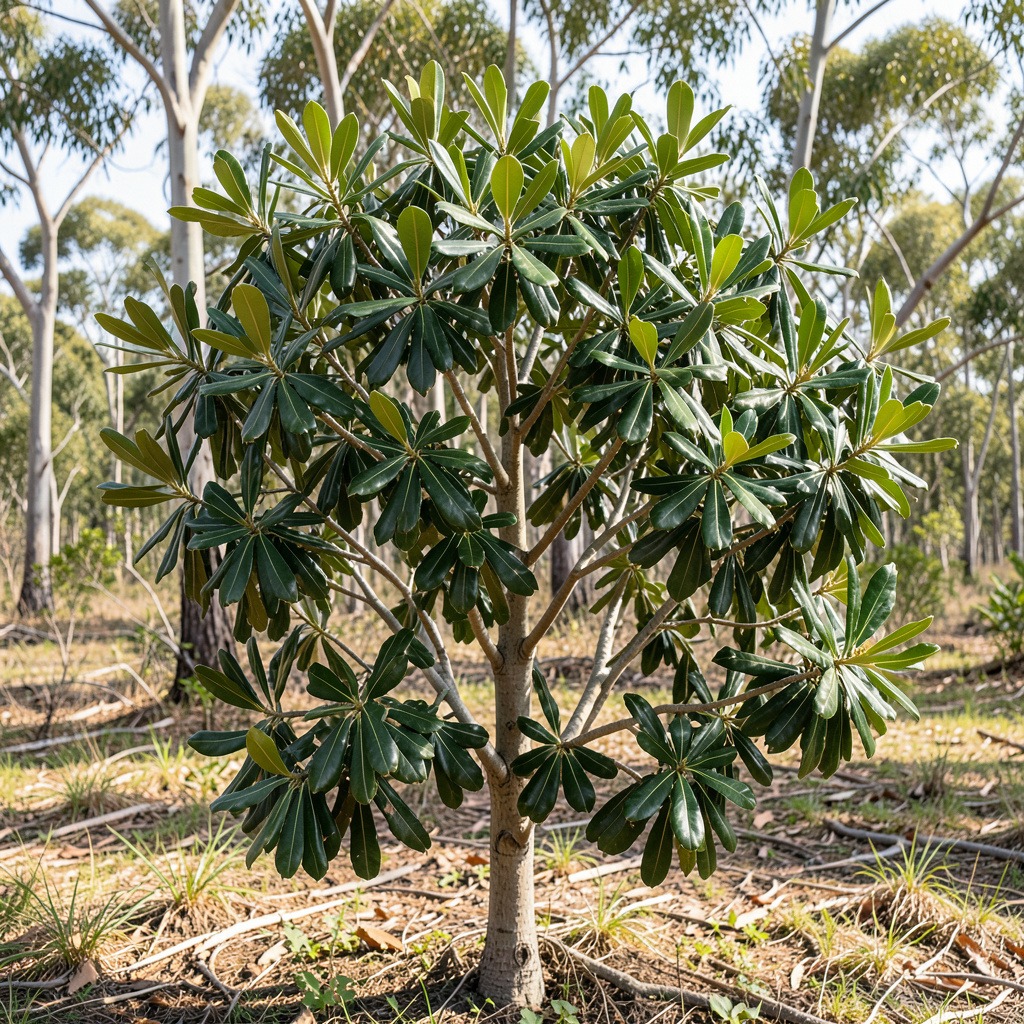
The Queensland Box tree, scientifically known as Lophostemon confertus, thrives in urban landscapes due to its adaptability and aesthetic appeal. This tree is favored for its resilience and ability to provide shade in various environments.
Taxonomy and Common Names
Lophostemon confertus is commonly referred to as the Queensland Box tree or Brisbane Box. This species falls under the family Myrtaceae. Historically, it was classified as Tristania conferta, which can cause some confusion among gardeners and landscapers. Familiarity with its taxonomy helps in understanding its characteristics and care requirements.
Natural Habitat and Growth Conditions
The Queensland Box tree is native to coastal Queensland and northeastern New South Wales, Australia. It typically flourishes in warm, temperate, and subtropical climates, showing remarkable resilience to urban conditions.
Ideal Soil and Climate Conditions
- Soil Type: Prefers well-drained soils but can tolerate a variety of soil types, including clay and sandy soils.
- Climate: Thrives in regions with mild winters and hot, humid summers. It can withstand drought conditions once established.
- Light Requirements: Requires full sun for optimal growth but can tolerate partial shade.
Visual Identification Features
To identify the Queensland Box tree, look for the following characteristics:
- Leaves: Glossy, dark green leaves that are lance-shaped and measure between 5 to 10 cm in length.
- Bark: Smooth, mottled bark that becomes fissured as the tree matures.
- Flowers: Small, white to cream-colored flowers that cluster in axillary racemes, typically blooming in spring and summer.
By understanding these characteristics and growth conditions, gardeners can make informed decisions about planting and maintaining the Queensland Box tree in their landscapes.
1. Benefits of the Queensland Box Tree
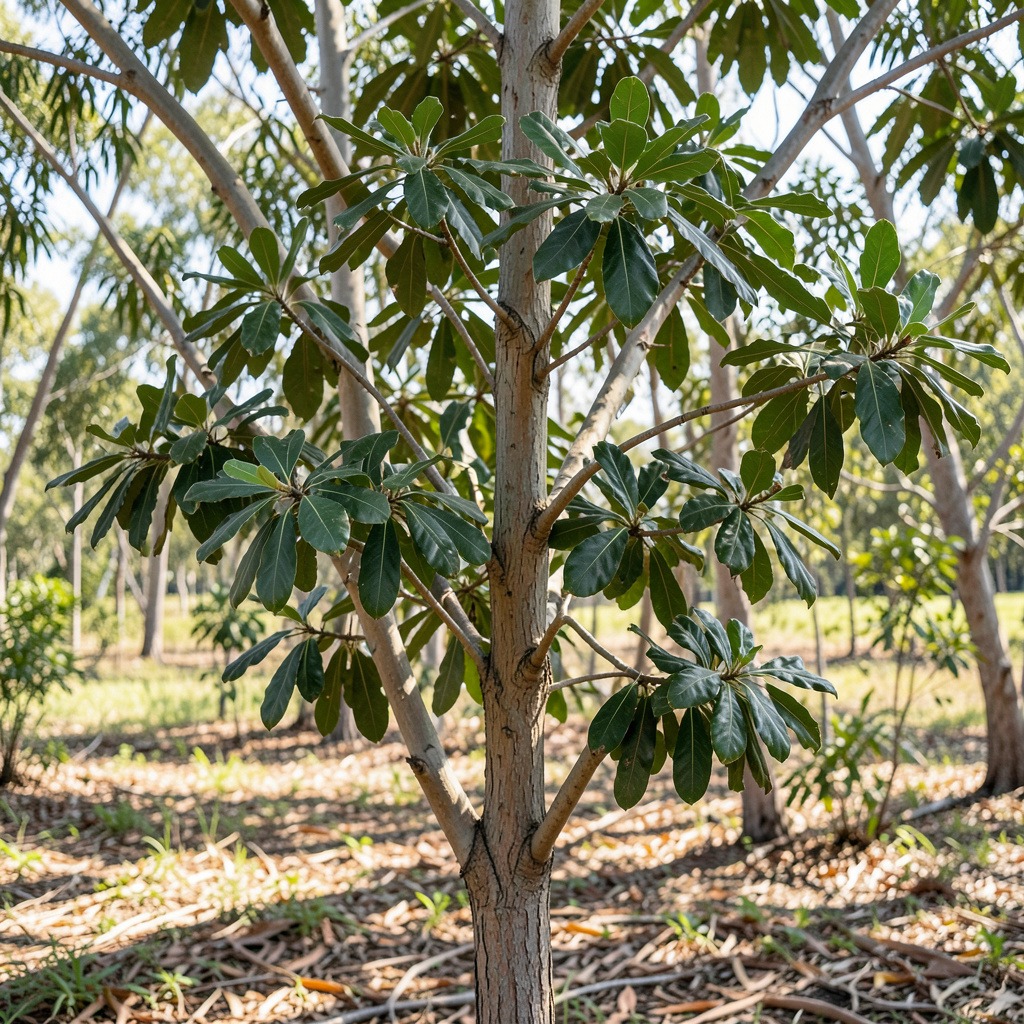
The Queensland Box Tree (Lophostemon confertus) offers numerous advantages for urban landscaping. Its features make it an attractive choice for both residential and commercial environments.
Excellent Shade Provider
The Queensland Box Tree is renowned for its dense canopy, providing ample shade. This characteristic makes it ideal for large gardens, parks, and urban areas.
- Shade Coverage: A mature Queensland Box can reach heights of 10 to 20 meters, creating significant shade.
- Privacy Enhancement: Its broad canopy adds privacy to outdoor spaces, making it a favored choice for boundary planting.
Drought and Heat Tolerance
This tree exhibits remarkable resilience in various climatic conditions.
- Drought Resistance: Once established, the Queensland Box requires minimal supplemental watering. This trait is crucial for sustainable landscaping in regions prone to drought.
- Heat Adaptability: It thrives in full sun and tolerates high temperatures, making it suitable for Australia’s diverse climate.
Low Maintenance Requirements
The Queensland Box Tree is low-maintenance, appealing to homeowners and landscapers.
- Minimal Pruning: It maintains a well-balanced form without the need for excessive pruning.
- Soil Adaptability: The tree adapts to a range of soil types, including clay and sandy loam, reducing the need for intensive soil preparation.
Example Scenario: In urban environments like Brisbane, Queensland Box Trees line streets and parks, providing shade for pedestrians and contributing to reduced urban heat islands. Their low water requirements and adaptability make them a sustainable choice for city planners.
Checklist for Planting:
- Choose a location with full sun to partial shade.
- Ensure well-drained soil for optimal growth.
- Allow sufficient space for canopy expansion.
By understanding these benefits, gardeners and landscapers can make informed decisions about incorporating the Queensland Box Tree into their projects.
2. Drawbacks of the Queensland Box Tree
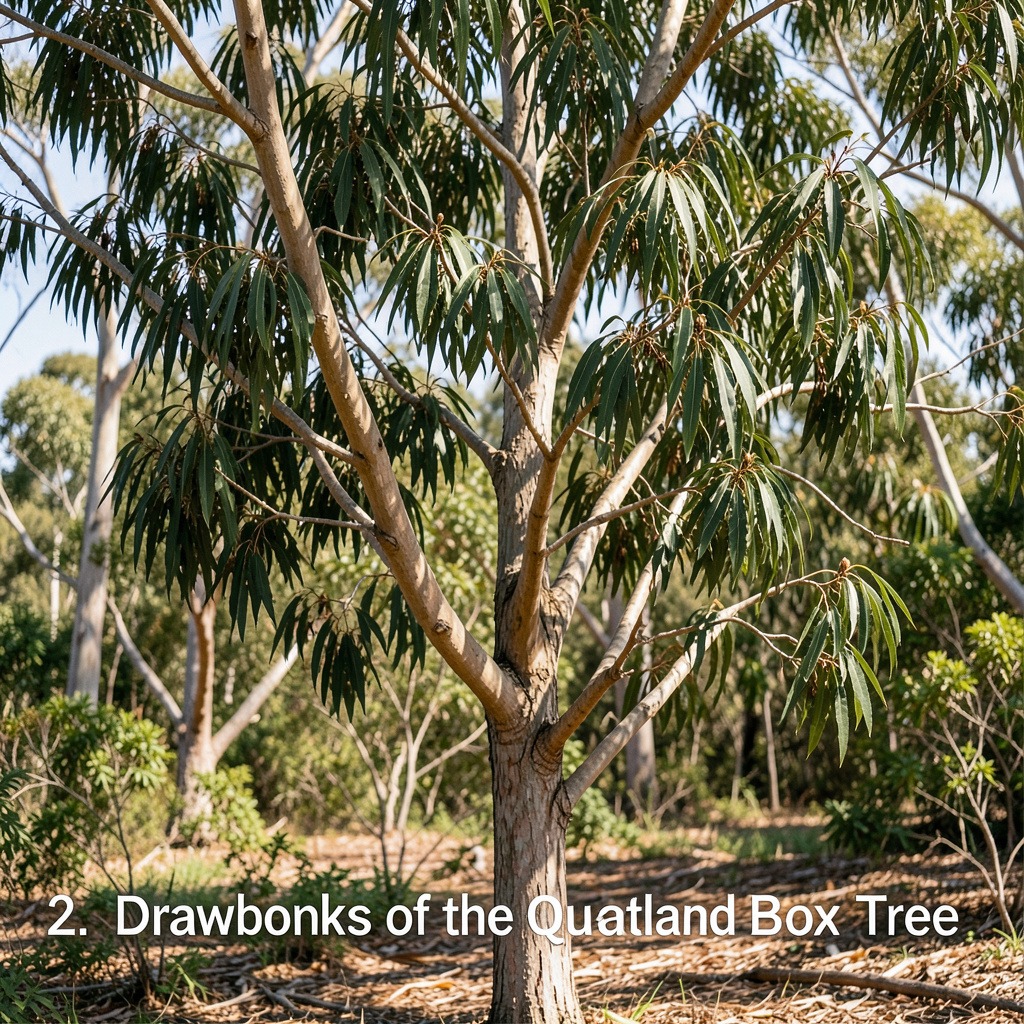
While the Queensland Box Tree offers numerous benefits, it also presents several drawbacks that potential planters should consider. Understanding these limitations ensures informed landscaping choices.
Root System Concerns
The root system of the Queensland Box Tree can be problematic in certain environments. Its extensive and vigorous roots may lead to several issues, including:
- Uplifting Pavement: Roots can damage driveways or sidewalks as they grow.
- Foundation Risks: Proximity to buildings can result in structural complications over time.
- Water Competition: The tree may compete with nearby plants for moisture and nutrients.
When planting, consider the root spread. A distance of at least 5 meters from hard structures is advisable to mitigate these risks.
Pest Resistance and Maintenance Issues
Although the Queensland Box Tree is generally resilient, it can face pest challenges. Common pests include:
- Leaf Beetles: They may cause defoliation, impacting the tree’s health.
- Scale Insects: These can weaken the tree by sucking sap, leading to stress.
Regular monitoring and maintenance are essential. Implementing integrated pest management strategies can help, such as:
- Natural Predators: Encourage beneficial insects like ladybugs.
- Neem Oil Sprays: Use as a preventative measure against infestations.
Growth Limitations in Urban Environments
In urban settings, the Queensland Box Tree may encounter growth limitations. Factors include:
- Space Constraints: Limited room for canopy expansion can hinder growth.
- Soil Compaction: Urban soils may not provide the ideal conditions for deep root development.
To optimize growth in cities, select planting locations that offer adequate space and ensure the soil is not overly compacted. A checklist for urban planting includes:
- Assess Canopy Size: Ensure at least 10 meters of vertical space is available.
- Monitor Soil Quality: Regularly test for compaction and amend as necessary.
In summary, while the Queensland Box Tree can be an excellent addition to landscapes, awareness of its drawbacks is crucial for successful planting and maintenance.
3. Ideal Planting Conditions for Queensland Box Trees
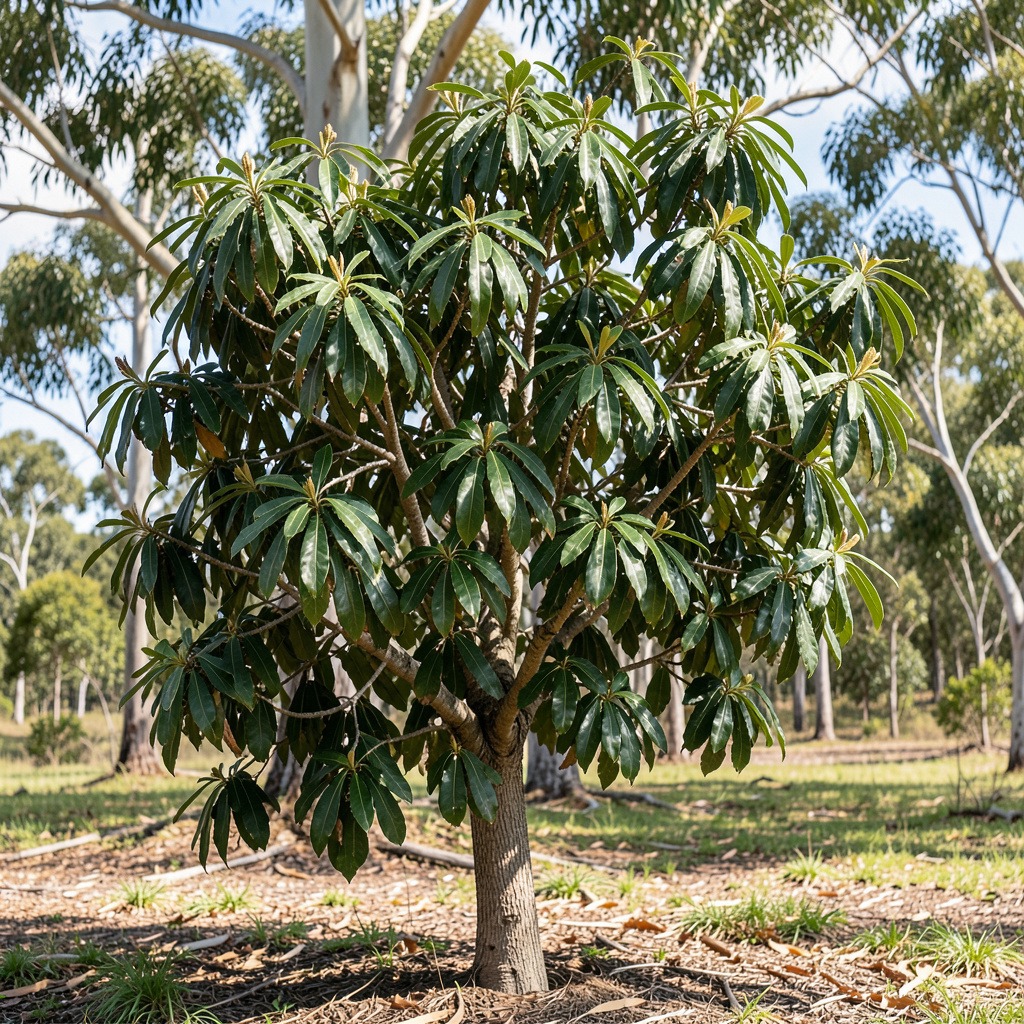
To ensure the successful growth of Queensland Box Trees (Lophostemon confertus), it’s essential to understand their ideal planting conditions. This includes suitable soil types, sunlight exposure, and proper spacing.
Soil Requirements
Queensland Box Trees thrive in well-drained soils. However, they can adapt to various soil types, including:
- Clay
- Sandy loam
- Loamy soils
To promote healthy root development, ensure the soil is loose and not compacted. Conduct a soil test to determine pH levels and nutrient content. Aim for a pH between 6.0 and 7.5.
Checklist for Soil Preparation:
- Test soil for pH and nutrient levels.
- Amend soil as necessary to achieve ideal conditions.
- Ensure good drainage to avoid root rot.
Sunlight and Water Needs
These trees prefer full sun but can tolerate partial shade. Aim for at least 6 hours of direct sunlight daily. Watering is crucial during the establishment phase, but once mature, Queensland Box Trees exhibit good drought tolerance.
Watering Guidelines:
- Water deeply but infrequently.
- Allow soil to dry out between watering sessions.
- Monitor moisture levels, especially in dry seasons.
Spacing and Planting Techniques
Proper spacing is vital for the Queensland Box Tree to reach its full height and spread. Ideally, plant them at least 10 meters apart to allow for ample canopy development.
Spacing Recommendations:
- Minimum of 10 meters between trees.
- Ensure at least 5 meters from structures and other plants.
Common Planting Mistakes to Avoid:
- Planting too close to buildings or other trees.
- Ignoring soil compaction.
- Not accounting for the tree’s mature size.
By following these guidelines, you can create an optimal environment for your Queensland Box Trees, enhancing their growth and longevity in your landscape.
4. Maintenance Tips for Queensland Box Trees
To ensure the health and longevity of your Queensland Box Trees, regular maintenance is essential. This includes proper pruning, adequate watering, and effective pest management strategies.
Pruning Techniques
Pruning is vital for maintaining the shape and health of the Queensland Box Tree. Follow these guidelines for effective pruning:
- Timing: Prune in late spring after the risk of frost has passed.
- Method: Use clean, sharp tools to make clean cuts. Remove dead or damaged branches first.
- Technique: Thin out crowded branches to improve air circulation and light penetration. Aim to maintain a balanced shape.
Watering and Fertilization
Watering and fertilization practices significantly impact the growth of your Queensland Box Trees. Consider the following tips:
- Watering Schedule: Water deeply once a week during dry spells. Newly planted trees may require more frequent watering to establish roots.
- Soil Requirements: Ensure well-drained soil. Adjust watering frequency based on rainfall.
- Fertilization: Apply a balanced fertilizer in early spring to promote healthy growth. Avoid over-fertilizing, as this can lead to excessive foliage growth at the expense of root health.
Pest and Disease Management
Monitoring for pests and diseases is crucial for the health of Queensland Box Trees. Implement these strategies:
- Common Pests: Watch for scale insects and aphids. Treat infestations promptly with insecticidal soap or neem oil.
- Disease Prevention: Ensure proper spacing for air circulation to prevent fungal diseases. Trim any infected branches immediately.
- Seasonal Checklist:
- Spring: Inspect for pests and apply fertilizer.
- Summer: Monitor for watering needs and pests.
- Autumn: Prune and prepare for winter.
- Winter: Check for signs of disease and protect against frost.
By adhering to these maintenance tips, you can ensure that your Queensland Box Trees thrive in your landscape, providing shade and aesthetic appeal.
5. Comparing Queensland Box Trees with Other Shade Trees
When selecting the right shade tree for your landscape, understanding how the Queensland Box Tree compares to other popular options is crucial. This section focuses on growth habits, maintenance requirements, and suitability for urban environments.
Queensland Box vs. Eucalyptus
| Feature | Queensland Box Tree (Lophostemon confertus) | Eucalyptus Species |
|---|---|---|
| Growth Habit | Mature height of 10–20 meters; broad canopy | Varies widely; many species can exceed 30 meters |
| Shade Density | Dense and rounded canopy | Often more open; depends on species |
| Maintenance | Moderate; drought tolerant once established | High; requires regular pruning and care |
| Urban Suitability | Excellent; adapts well to urban conditions | Varies; some species are less tolerant of pollution |
The Queensland Box Tree offers a reliable option for urban landscaping, providing ample shade without excessive maintenance. In contrast, Eucalyptus trees can require more attention and may not always thrive in densely populated areas.
Queensland Box vs. Other Popular Shade Trees
| Feature | Queensland Box Tree (Lophostemon confertus) | Oak Trees | Maple Trees |
|---|---|---|---|
| Growth Habit | 10–20 meters tall; broad canopy | 20–30 meters tall; wide spread | 10–20 meters tall; variable shape |
| Shade Density | Dense, providing privacy and cooling | Moderate to dense | Moderate |
| Maintenance | Low; minimal watering after establishment | Moderate; requires pruning | Moderate; seasonal leaf drop |
| Urban Suitability | Highly adaptable; tolerates pollution | Good; some species are resilient | Fair; can struggle in compacted soils |
The Queensland Box Tree stands out for its adaptability and low maintenance. In contrast, Oak and Maple trees offer varying benefits but may require more care, especially regarding leaf litter and pruning needs.
Decision Factors for Choosing Shade Trees
1. Space Availability: Consider the size of your landscape and the room for tree growth.
2. Maintenance Level: Determine how much time you can dedicate to tree care.
3. Urban Conditions: Assess pollution levels and soil conditions in your area.
By evaluating these factors, you can choose the most suitable shade tree for your specific landscape needs.
6. Alternatives to Queensland Box Trees for Urban Landscaping
While the Queensland Box Tree is a popular choice for urban landscaping, several alternatives offer similar benefits with potentially fewer drawbacks. This section explores suitable alternative trees that thrive in urban conditions.
Suitable Alternatives
1. Australian Brush Cherry (Syzygium australe)
- Benefits: Fast growth, dense foliage, and attractive flowers. Provides excellent privacy and shade.
- Drawbacks: Requires regular pruning to maintain shape and can attract fruit flies.
2. River Red Gum (Eucalyptus camaldulensis)
- Benefits: Tolerates a variety of soil types and is drought-resistant. Supports local wildlife.
- Drawbacks: Can grow quite large, requiring ample space. May shed bark and leaves.
3. Coastal Banksia (Banksia integrifolia)
- Benefits: Adaptable to coastal conditions, offers unique flowers that attract pollinators. Low maintenance.
- Drawbacks: Limited shade compared to larger trees and can be susceptible to root rot in poorly drained soils.
4. Lemon-Scented Gum (Corymbia citriodora)
- Benefits: Distinctive lemon fragrance, fast-growing, and provides a clean, tall structure.
- Drawbacks: Sensitive to frost in colder regions and may require additional watering during dry spells.
Pros and Cons of Alternatives
| Tree Species | Pros | Cons |
|---|---|---|
| Australian Brush Cherry | Fast growth, dense foliage, attractive flowers | Regular pruning needed, can attract pests |
| River Red Gum | Drought-resistant, supports wildlife | Large size requires space, shedding bark |
| Coastal Banksia | Low maintenance, attractive flowers | Limited shade and root rot susceptibility |
| Lemon-Scented Gum | Unique fragrance, fast-growing | Frost sensitivity, additional watering needed |
When choosing an alternative tree, consider factors such as space availability, maintenance levels, and specific urban conditions. Each tree presents unique benefits and challenges, allowing you to make an informed decision for your landscape.
Frequently Asked Questions
These quick answers cover the most common questions about this topic, including key details, practical tips, and common concerns.
How tall can Queensland box trees grow?
Queensland box trees (Lophostemon confertus) can reach heights of 10 to 20 meters (about 33 to 66 feet) when fully mature. Their broad canopy provides significant shade, making them suitable for large gardens and urban areas. This height allows them to create a striking presence in any landscape.
Why are Queensland Box Trees dying?
Queensland Box Trees may die due to several factors, including poor soil conditions, inadequate watering, or pest infestations. Issues like root rot can occur if the soil is not well-drained. Additionally, pests such as leaf beetles or scale insects can weaken the tree, leading to decline. Regular monitoring and proper care can help prevent these problems.
What are the ideal soil conditions for Queensland box trees?
Queensland box trees thrive in well-drained soils but are adaptable to various soil types, including clay and sandy loam. The ideal pH level is between 6.0 and 7.5. To ensure healthy growth, it’s crucial to prepare the soil by testing its nutrient content and amending it as needed for optimal drainage and fertility.
Which tree should not be planted close to a house?
Trees with extensive root systems, such as the Queensland Box Tree, should be planted at least 5 meters (16 feet) away from houses and other structures. This distance helps prevent potential damage to foundations, sidewalks, and driveways. Other trees with aggressive root systems, like willows and certain maples, should also be planted with caution near buildings.
Are Queensland box trees suitable for small gardens?
While Queensland box trees are versatile, they may not be the best choice for small gardens due to their potential height and canopy spread. They require ample space to grow, ideally at least 10 meters apart from other trees and structures. For smaller spaces, consider alternatives like the Australian Brush Cherry or smaller varieties of native trees that provide shade without overwhelming the area.
When should you prune Queensland box trees?
Pruning Queensland box trees is best done in late spring after the risk of frost has passed. This timing allows for healthy growth and minimizes stress on the tree. Regular pruning helps maintain their shape, improve air circulation, and remove any dead or damaged branches, promoting overall health and longevity.
Are boxelder trees good or bad?
Boxelder trees, while fast-growing and providing shade, can be considered problematic due to their weak wood and susceptibility to pests. They may also produce significant amounts of debris, including seeds and leaves, which can create maintenance challenges. In contrast, Queensland box trees offer more durability and lower maintenance, making them a preferable choice for urban landscaping.