
The Queensland Flame Tree, also known as the Illawarra Flame Tree, offers stunning red flowers and is easy to grow, but it can have issues like leaf drop and skin irritation from its seeds.
Table of Contents
The Queensland Flame Tree, or Illawarra Flame Tree, is celebrated for its vibrant red blossoms and ornamental value in landscaping. However, potential growers should be aware of both its benefits and drawbacks before planting this stunning species in their gardens.
Understanding the Queensland Flame Tree
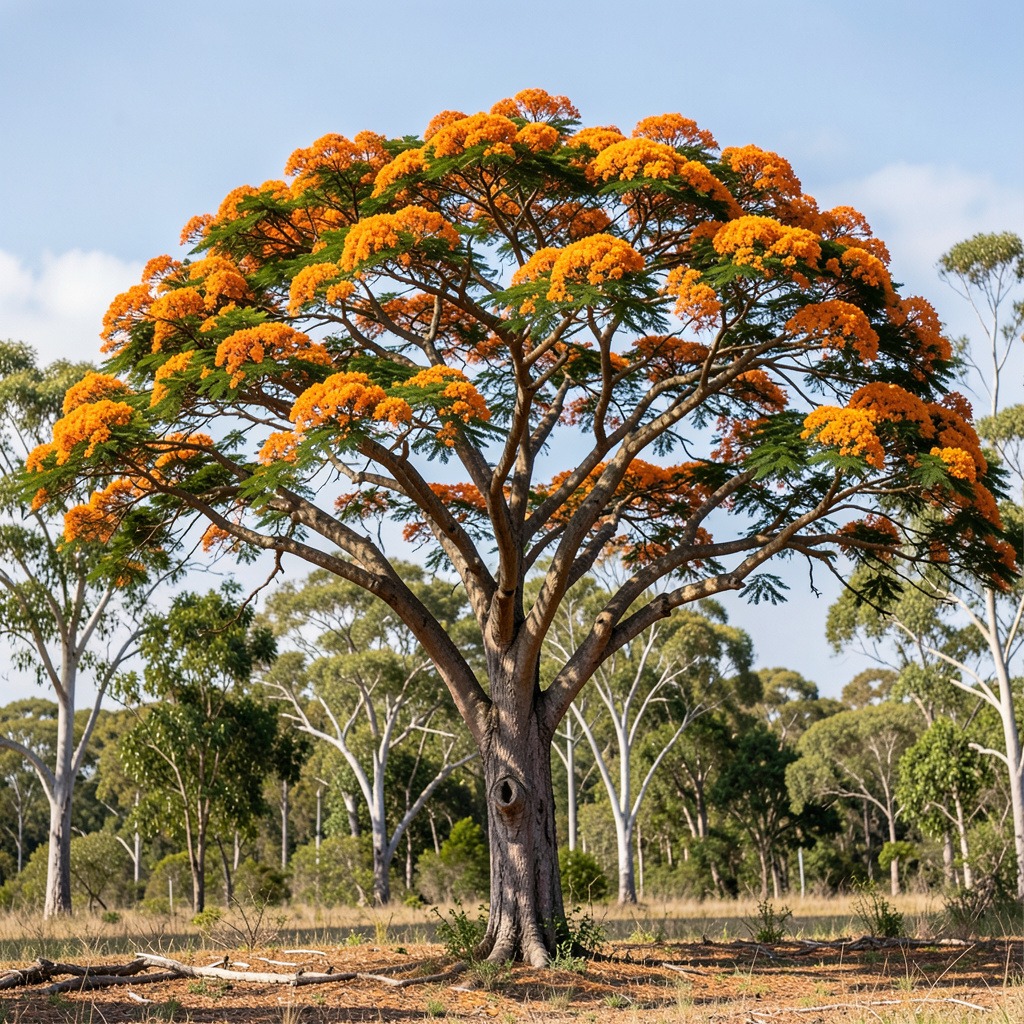
The Queensland Flame Tree, known scientifically as Brachychiton acerifolius, is a striking feature in Australian landscapes. Its vibrant red flowers and impressive size make it a popular choice for gardens and urban areas alike.
Overview of the Illawarra Flame Tree
The Illawarra Flame Tree belongs to the Malvaceae family and thrives in subtropical regions, particularly in eastern Australia. It is renowned for its spectacular flowering display, which occurs in late spring to early summer. The tree can grow up to 30 meters in height and features glossy, lobed leaves that resemble those of the maple.
Key Characteristics:
- Height: Up to 30 meters
- Flowers: Bright red, bell-shaped blooms
- Leaves: Glossy, deeply lobed foliage
- Growing Conditions: Prefers well-drained soil and full sun
Cultural Significance and Uses
The Queensland Flame Tree holds cultural importance in Australia. It symbolizes the vibrant beauty of coastal rainforests and is often associated with the warmer months. This tree is commonly planted in parks, streets, and gardens for its dramatic visual impact.
Aesthetic Contributions:
- Creates a striking focal point in landscape design.
- Attracts pollinators, enhancing local biodiversity.
- Often featured in public spaces for seasonal displays.
Practical Uses:
- Provides shade in urban areas, making it ideal for parks.
- Its seeds can be used in traditional crafts, demonstrating its cultural relevance.
In urban settings, successful plantings often consider factors like space and local climate. For example, landscape designers recommend planting Queensland Flame Trees with adequate room for their expansive root systems to prevent damage to nearby infrastructure.
Pros of Planting the Queensland Flame Tree
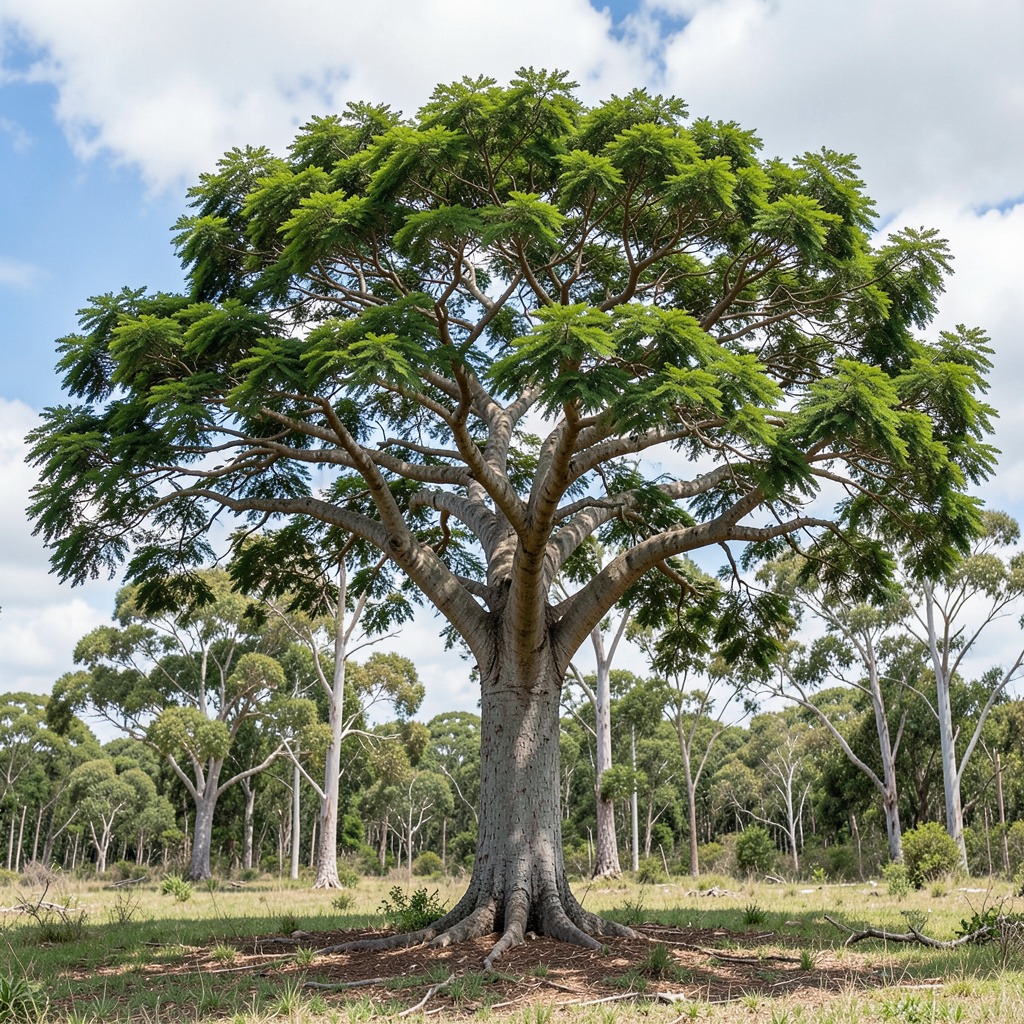
The Queensland Flame Tree, or Illawarra Flame Tree, offers numerous advantages for gardeners and landscapers alike. Its striking appearance, ease of care, and environmental benefits make it a popular choice in subtropical regions.
Stunning Visual Appeal
One of the most compelling reasons to plant a Queensland Flame Tree is its dramatic aesthetic value.
- Vivid Flowers: The tree produces large clusters of bright red flowers that create a stunning visual display during blooming seasons.
- Canopy Coverage: When in full bloom, the tree resembles a fiery explosion, drawing attention in any landscape.
- Seasonal Interest: The foliage is lush and green, providing beauty year-round, enhancing the garden’s overall appeal.
Low Maintenance Needs
The Queensland Flame Tree is known for its low maintenance requirements, making it an ideal choice for many gardeners.
- Drought Tolerance: Once established, it can withstand periods of drought, requiring minimal watering.
- Pest Resistance: The tree is generally resistant to pests and diseases, reducing the need for chemical treatments.
- Simple Care: It thrives in a variety of soil types and requires little pruning, making it easy to care for.
Environmental Benefits
Planting a Queensland Flame Tree contributes positively to the environment.
- Shade Provision: The expansive canopy offers significant shade, cooling urban areas and providing relief from heat.
- Wildlife Habitat: The flowers attract pollinators, such as bees and butterflies, supporting local biodiversity.
- Carbon Sequestration: As a mature tree, it absorbs carbon dioxide, contributing to the reduction of greenhouse gases.
User Experiences
Many gardeners have shared their success stories with the Queensland Flame Tree. For instance, a homeowner in Brisbane noted that their tree not only beautified their yard but also created a natural habitat for local wildlife. This kind of real-world feedback underscores the tree’s value in both aesthetic and ecological contexts.
Cons of Planting the Queensland Flame Tree
While the Queensland Flame Tree, or Illawarra Flame Tree, is admired for its striking appearance, there are several drawbacks to consider before planting. These include maintenance challenges, common problems, and specific environmental concerns.
Common Problems with the Queensland Flame Tree
1. Root Spread: The root system can extend extensively. This may create issues if planted too close to structures, sidewalks, or other plants.
2. Seasonal Litter: The tree produces significant leaf and flower litter, especially during blooming seasons. This necessitates regular cleanup and maintenance.
3. Flowering Issues: Immature trees may struggle to flower adequately. Factors such as insufficient sunlight or over-fertilization can hinder blooming.
4. Pest and Disease Susceptibility: The Queensland Flame Tree can attract pests and be susceptible to diseases, such as root rot, particularly in poorly drained soils.
Environmental Considerations
- Space Requirements: This tree requires ample space to thrive. Its mature size can overshadow smaller plants and restrict their growth.
- Water Needs: While it can tolerate drought once established, young trees require regular watering to develop strong roots. Overwatering can lead to yellowing leaves, indicating potential drainage problems.
- Climate Adaptability: The Queensland Flame Tree is suited for subtropical climates. Planting it outside of its preferred environment may result in poor growth and increased vulnerability to stress.
Checklist for Successful Planting
To mitigate potential issues, consider the following checklist:
- Assess Location: Ensure adequate space away from structures and other plants.
- Monitor Watering: Establish a consistent watering schedule while avoiding overwatering.
- Sunlight Exposure: Plant in a location with full sun for optimal flowering.
- Soil Quality: Use well-draining soil to prevent root rot.
- Regular Maintenance: Plan for seasonal cleanup of litter and monitor for pests.
By addressing these concerns proactively, you can enhance the success of your Queensland Flame Tree and enjoy its ornamental value while minimizing potential problems.
Growing Conditions and Care for the Queensland Flame Tree
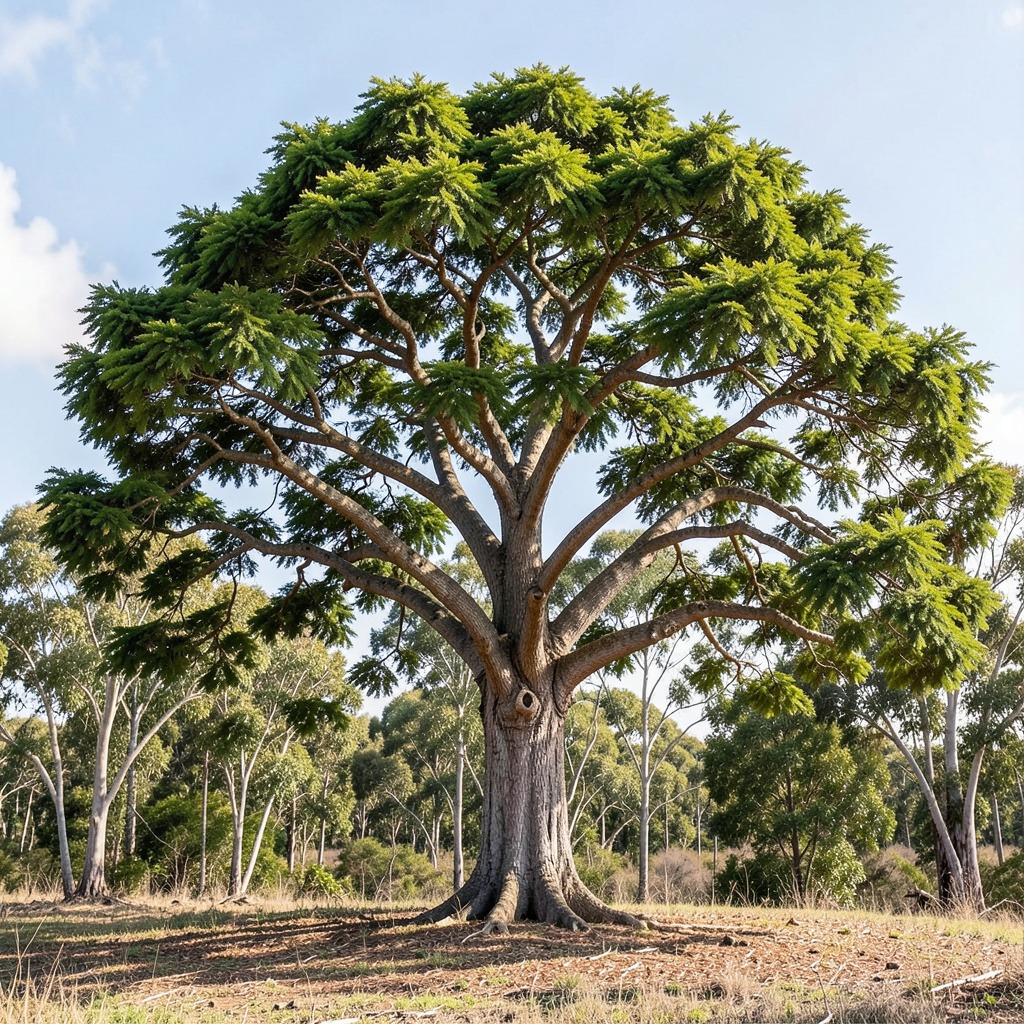
The Queensland Flame Tree, or Illawarra Flame Tree, thrives in specific growing conditions. Understanding its care requirements is essential for successful cultivation and maximizing its ornamental value.
Soil and Watering Needs
- Soil Type: Use well-draining soil rich in organic matter. Sandy loam or loamy soil is ideal to prevent waterlogging.
- Watering Schedule: Water deeply but infrequently. Allow the soil to dry out between waterings to promote healthy root development. Overwatering can lead to root rot.
- Drainage: Ensure proper drainage in pots or garden beds. Poor drainage can compromise the tree’s health.
Sunlight and Temperature Requirements
- Sunlight: The Queensland Flame Tree requires full sun for optimal growth and flowering. Aim for at least six hours of direct sunlight daily.
- Temperature: It thrives in subtropical climates with warm temperatures. Ideal temperature ranges are between 20°C to 30°C (68°F to 86°F). It can tolerate brief periods of cooler temperatures but may struggle in frost-prone areas.
Practical Care Tips for Urban and Rural Settings
- Urban Considerations: In urban environments, select planting sites that avoid heavy air pollution and soil compaction. Adequate space is crucial to accommodate the tree’s mature size.
- Rural Considerations: In rural settings, ensure access to water, especially during dry spells. Mulching around the base can retain moisture and suppress weeds.
- Pest Management: Monitor for common pests such as aphids and scale insects. Use organic pest control methods to minimize environmental impact.
By following these guidelines, you can establish a thriving Queensland Flame Tree that enhances your landscape with its vibrant flowers and lush foliage.
Comparing the Queensland Flame Tree to Other Ornamental Trees
The Queensland Flame Tree, or Illawarra Flame Tree (Brachychiton acerifolius), stands out among Australian native trees for its visual impact and growing conditions. However, other ornamental trees also offer unique benefits for landscaping.
Similar Trees Worth Considering
When selecting trees for ornamental purposes, consider these alternatives:
- Jacaranda (Jacaranda mimosifolia): Known for its stunning blue-purple flowers, the Jacaranda is a popular choice in subtropical regions. It requires similar growing conditions but tends to have a more extensive root system, which can affect nearby plants.
- Gold Coast Flame Tree (Brachychiton tenuifolius): This tree produces bright yellow flowers and has a more compact growth habit. It is well-suited for smaller gardens where space is a concern.
- Bottle Tree (Brachychiton rupestris): Recognizable by its swollen trunk, the Bottle Tree offers a unique aesthetic. It thrives in drier conditions and provides excellent drought resistance, making it suitable for various climates.
Unique Features of the Queensland Flame Tree
The Queensland Flame Tree boasts several distinctive characteristics:
- Brilliant Red Flowers: Its vibrant blooms cover the tree in late spring, creating a dramatic display. This feature makes it a focal point in any garden.
- Shade Provider: With a broad canopy, it offers substantial shade, which is ideal for urban parks and residential areas.
- Environmental Adaptability: This tree thrives in well-drained soils and can tolerate drought conditions once established. It is suitable for coastal and inland areas of Queensland.
Considerations for Tree Selection
When comparing the Queensland Flame Tree to other species, consider these factors:
- Space Requirements: The Queensland Flame Tree requires ample space for its mature size. Ensure that surrounding plants and structures will not be adversely affected.
- Maintenance Needs: While the Queensland Flame Tree is relatively low-maintenance, other species may require more regular pruning or pest management.
- Cultural Significance: The Queensland Flame Tree holds a special place in Australian culture, often symbolizing beauty and resilience. Choosing a native species can enhance local biodiversity and contribute to ecological health.
Incorporating the Queensland Flame Tree into your landscape can significantly enhance its aesthetic value, but understanding the alternatives is essential for making an informed decision.
Frequently Asked Questions
These quick answers cover the most common questions about this topic, including key details, practical tips, and common concerns.
What are the common problems with flame trees?
Common problems with Queensland Flame Trees include root spread, seasonal litter, and flowering issues. The root system can extend widely, potentially damaging nearby structures if planted too close. Additionally, the tree produces significant leaf and flower litter, requiring regular cleanup, especially during blooming seasons. Immature trees may also struggle to flower adequately due to insufficient sunlight or over-fertilization.
Do flame trees have invasive roots?
Yes, Queensland Flame Trees can have invasive roots. Their extensive root systems can spread widely, which may interfere with nearby plants or infrastructure. It’s essential to plant them at a safe distance from buildings, sidewalks, and other plants to prevent potential damage.
How quickly does a flame tree grow?
The Queensland Flame Tree is a fast-growing species. Under optimal conditions, it can grow up to 1 meter (about 3 feet) per year in height. However, growth rates may vary based on soil quality, watering practices, and sunlight exposure. Proper care during the establishment phase can encourage healthy growth.
When is the best time to plant a flame tree?
The best time to plant a Queensland Flame Tree is during the spring or early summer months. This timing allows the tree to establish its root system before the cooler months. Ensure that the soil is warm and well-drained to promote healthy growth.
What are the best conditions for planting an Illawarra Flame Tree?
The Illawarra Flame Tree thrives in well-drained soil rich in organic matter and requires full sun for optimal growth. Ideal conditions include a warm subtropical climate with temperatures ranging from 20°C to 30°C (68°F to 86°F). Ensure ample space for its mature size and avoid areas prone to waterlogging.
Can flame trees be grown in pots?
While it is possible to grow Queensland Flame Trees in pots, it’s not ideal due to their size and root requirements. If you choose to grow one in a pot, select a large container with good drainage and be prepared for regular watering. However, for best results, planting in the ground is recommended to allow for proper root development and growth.
What is the prettiest low maintenance tree?
The Queensland Flame Tree is often regarded as one of the prettiest low-maintenance trees, thanks to its stunning red flowers and minimal care requirements. Other low-maintenance options include the Jacaranda, known for its beautiful purple blooms, and the Gold Coast Flame Tree, which features vibrant yellow flowers. Each of these trees offers unique aesthetic benefits while requiring less upkeep compared to many other ornamental species.
Why choose a grafted flame tree?
Choosing a grafted Queensland Flame Tree can provide several advantages. Grafted trees often exhibit improved growth rates, better disease resistance, and enhanced flowering compared to seed-grown varieties. Additionally, grafting allows for the propagation of specific desirable traits, ensuring that the tree maintains its ornamental qualities throughout its life.