
The Queensland lacebark tree, or Brachychiton discolor, is valued for its ornamental appeal with vibrant flowers but poses potential issues such as leaf drop and a large root system that may affect nearby structures.
Table of Contents
The Queensland lacebark tree is a striking addition to any garden, known for its beautiful pink flowers and adaptability. However, potential drawbacks such as leaf drop and root system concerns should be weighed before planting this ornamental tree.
Understanding the Queensland Lacebark Tree
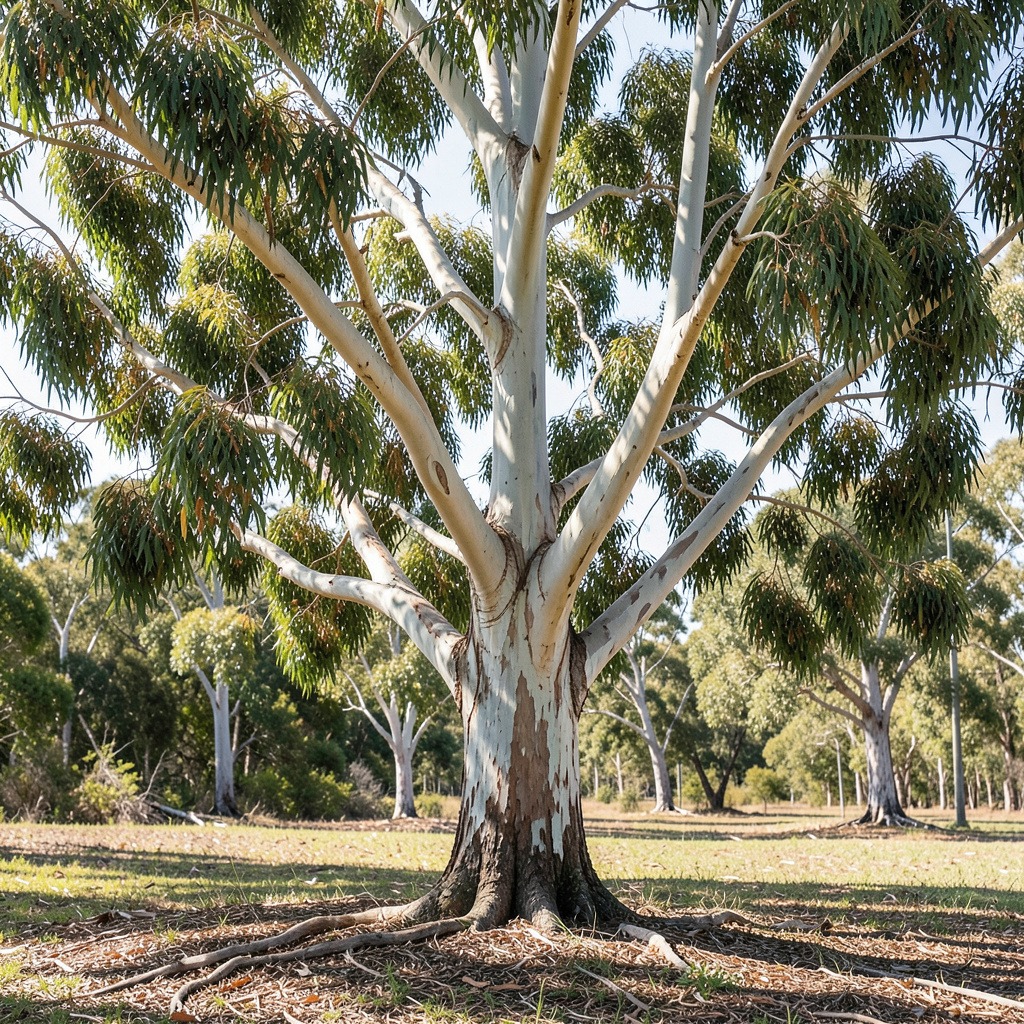
The Queensland lacebark tree, scientifically known as Brachychiton discolor, is an ornamental tree celebrated for its aesthetic appeal and adaptability in various landscapes. This section explores its botanical characteristics, native habitat, and ornamental uses.
Botanical Characteristics
Brachychiton discolor is a deciduous tree that can reach heights of 10 to 15 meters. It features a compact root system, making it suitable for urban gardens. The tree produces striking pink, star-shaped flowers that bloom in late spring, just after shedding its leaves. This unique flowering pattern enhances its visual interest throughout the year.
Key Features:
- Height: 10-15 meters
- Flowers: Pink, star-shaped
- Leaf Drop: Occurs before flowering
Native Habitat and Adaptability
The Queensland lacebark is native to the rainforests of eastern Australia, thriving in regions with well-drained soils. It prefers full sun exposure, adapting well to various soil types, including loamy, clay, and sandy soils. This adaptability allows it to flourish in USDA zones 9 to 11, making it a versatile choice for different climates.
Growing Conditions:
- Soil Types: Loamy, clay, sandy
- Sunlight: Full sun
- USDA Zones: 9-11
Ornamental Uses
As an ornamental tree, the Queensland lacebark is highly valued for its aesthetic qualities. It can be integrated into diverse garden designs, from residential yards to public parks. Its compact root system minimizes damage to nearby structures, making it ideal for urban landscaping. Additionally, its stunning flowers attract pollinators, enhancing biodiversity.
Scenario-Based Insights:
- Urban Spaces: Ideal for planting in confined areas due to its root system.
- Garden Designs: Works well in mixed plantings or as a focal point in a landscape.
- Roof Gardens: Its manageable size and adaptability make it suitable for elevated garden spaces.
By understanding the botanical characteristics, native habitat, and ornamental potential of the Queensland lacebark tree, gardeners can make informed decisions regarding its integration into their landscapes.
Pros of Planting Queensland Lacebark
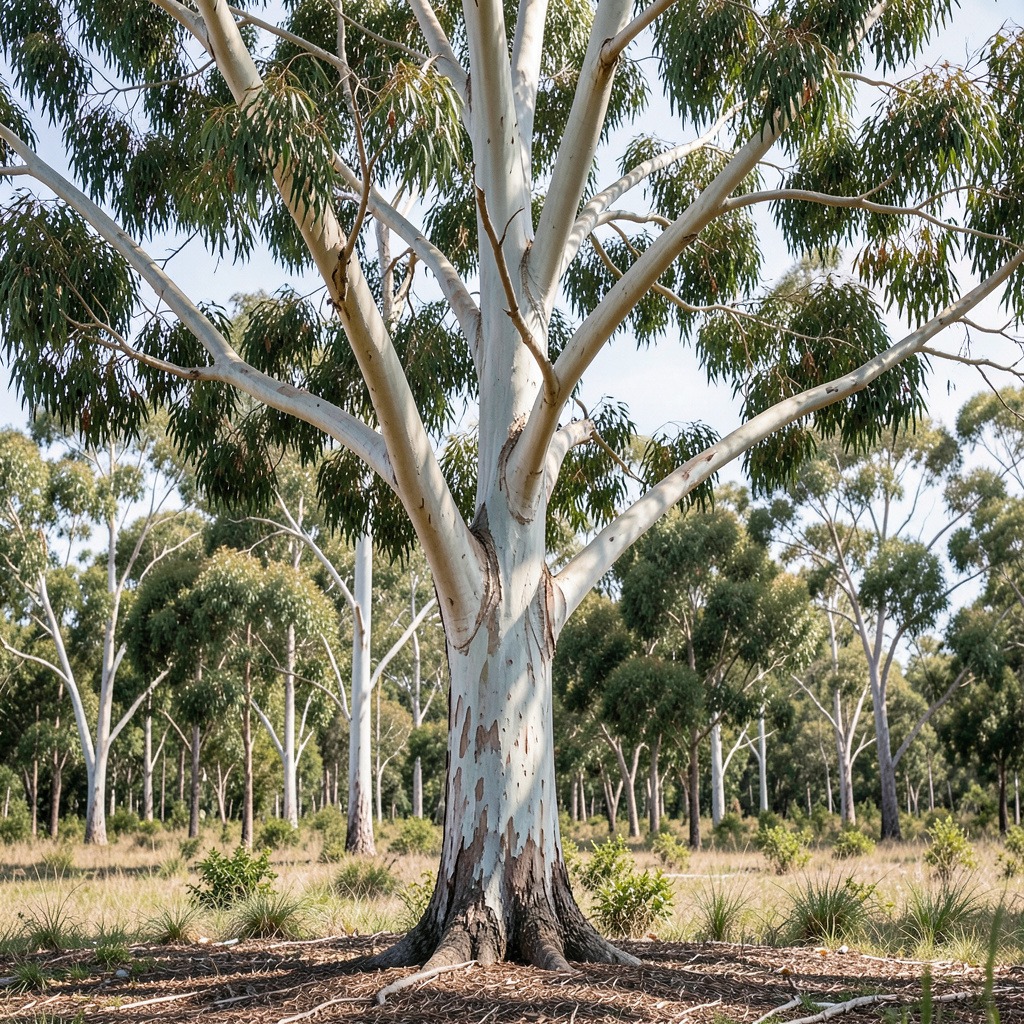
The Queensland lacebark tree (Brachychiton discolor) offers numerous advantages, making it an attractive choice for gardeners and landscapers. Its striking aesthetic appeal, resilience to drought, and positive environmental impact contribute to its popularity.
Aesthetic Appeal
The Queensland lacebark is known for its stunning ornamental qualities. It features:
- Vibrant Flowers: The tree produces beautiful pink blooms during May and June, creating a captivating display.
- Unique Bark: Its mottled bark, which can flake to reveal various colors, adds visual interest year-round.
- Versatile Size: Reaching heights of 10–15 meters, it fits well in various garden designs, from small yards to larger landscapes.
Drought Resistance and Hardiness
The Queensland lacebark tree exhibits impressive drought tolerance. It can withstand extended dry periods, making it a suitable choice for regions with variable rainfall. Key features include:
- Water Requirements: Moderate water needs allow it to thrive in less-than-ideal conditions.
- Resilience: Once established, it can survive droughts better than many traditional ornamental trees.
- Adaptability: It thrives in various soil types, including loamy, clay, and sandy soils.
Environmental Benefits
Planting Queensland lacebark trees contributes positively to the environment. Notable benefits include:
- Biodiversity Support: The flowers attract pollinators, enhancing local ecosystems.
- Carbon Sequestration: Like all trees, it absorbs carbon dioxide, helping combat climate change.
- Soil Improvement: Its roots can improve soil structure, promoting healthier garden conditions.
By considering the aesthetic, drought-resistant, and ecological advantages of the Queensland lacebark, gardeners can make informed decisions about its role in their landscapes.
Cons and Considerations of Queensland Lacebark
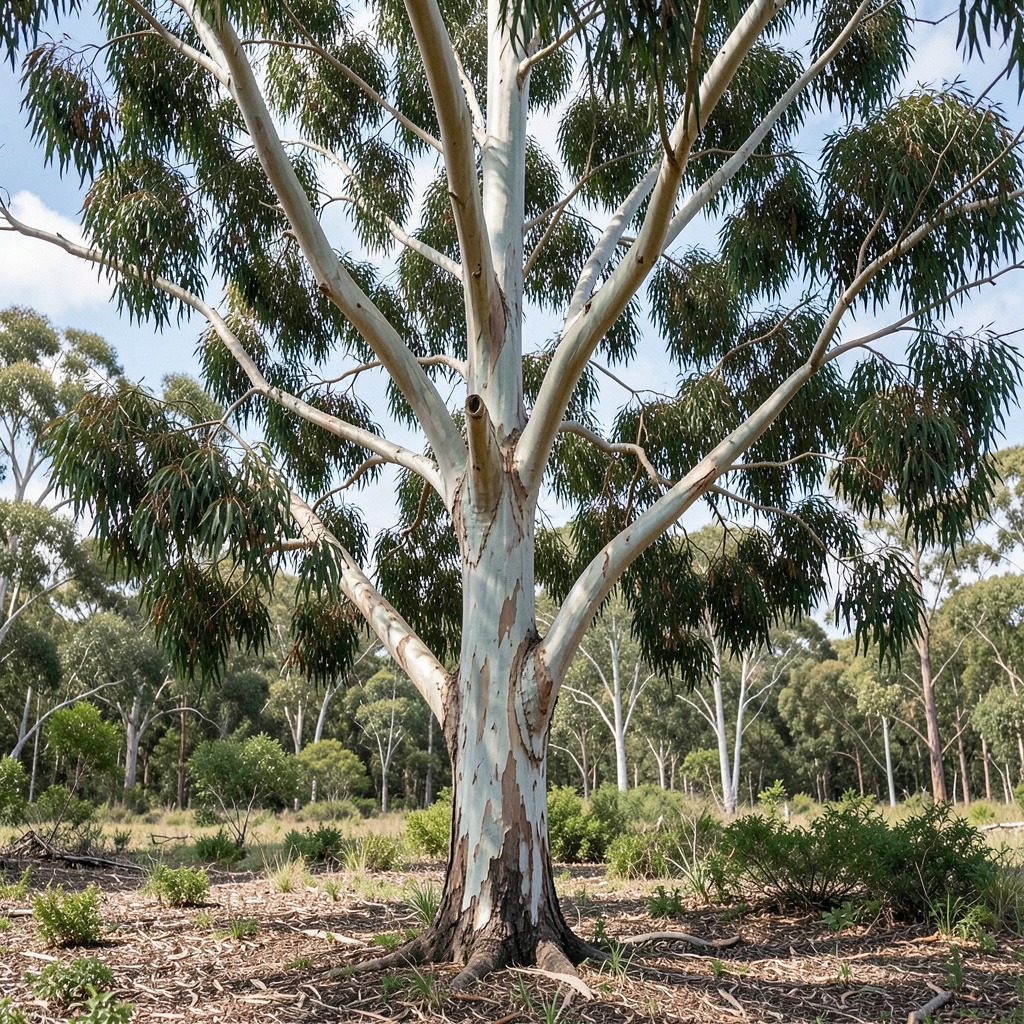
While the Queensland lacebark tree (Brachychiton discolor) offers several advantages, potential drawbacks exist that gardeners should consider. Understanding these cons can help in making informed decisions for landscaping projects.
Leaf Drop and Seasonal Changes
One notable challenge is the tree’s tendency to drop leaves. This occurs just before blooming, resulting in a temporary loss of foliage. For gardeners, this may detract from the tree’s visual appeal during certain seasons.
- Timing: Leaf drop typically happens in late winter or early spring.
- Impact on Aesthetics: Homeowners may find the bare branches unappealing during this period.
Root System Considerations
The Queensland lacebark features a compact root system, which can be beneficial in urban settings. However, this also leads to some concerns:
- Potential for Surface Roots: As the tree matures, roots may rise closer to the surface, potentially damaging nearby pavements or structures.
- Space Requirements: Ensure adequate space for roots to expand without causing disruption. A planting distance of at least 3-5 feet from sidewalks or foundations is advisable.
Maintenance and Care Challenges
Despite its relatively low maintenance needs, the Queensland lacebark still requires attention:
- Pruning Needs: Regular pruning is essential to maintain shape and health, particularly after leaf drop.
- Pest Management: While generally resistant to pests, the tree may attract certain insects like aphids or scale, necessitating occasional pest control measures.
Maintenance Checklist:
- Pruning: Annually, to remove dead or weak branches.
- Pest Inspection: Regularly check for signs of infestation.
- Soil Care: Monitor soil moisture, especially during dry spells.
By understanding these cons, gardeners can integrate the Queensland lacebark effectively into their landscapes while minimizing potential issues.
Care and Maintenance Tips for Queensland Lacebark
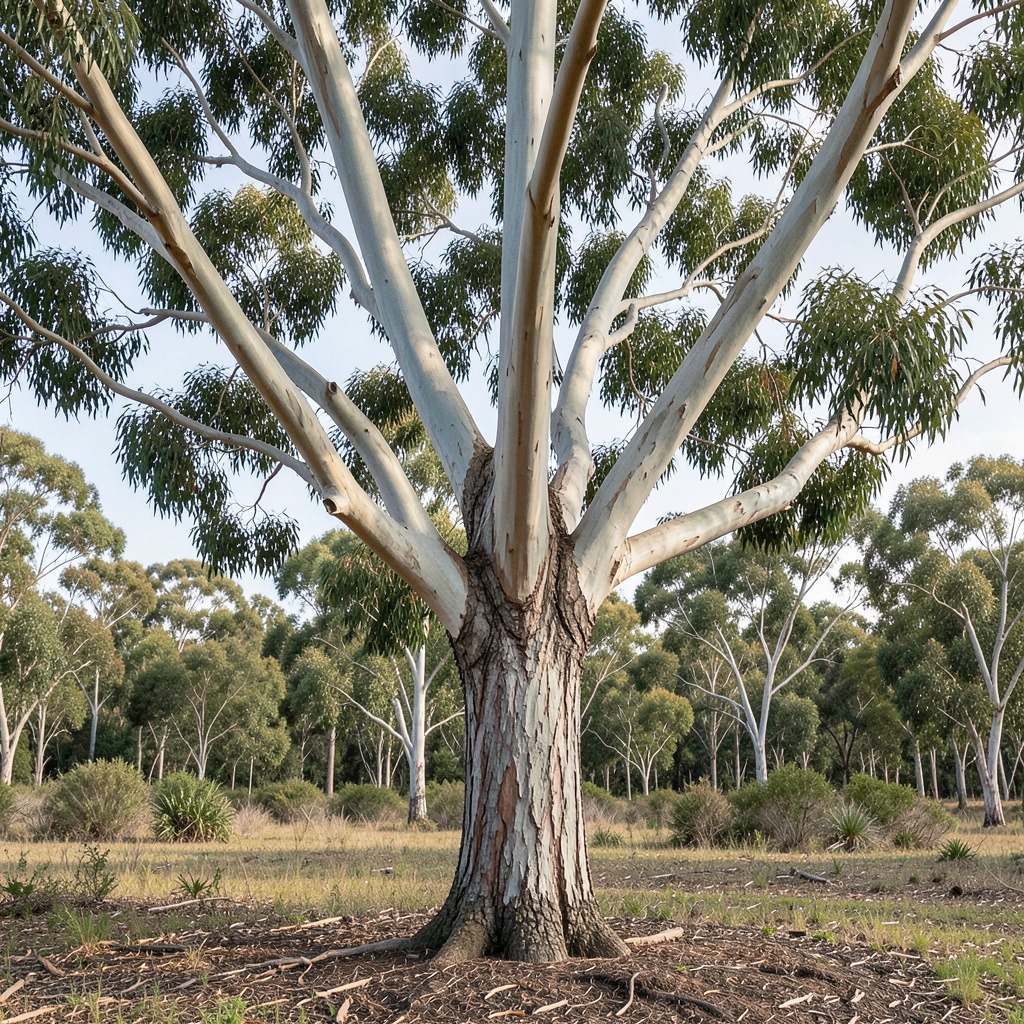
The Queensland lacebark tree (Brachychiton discolor) requires specific care to thrive as an ornamental specimen. Understanding its watering, soil preferences, and pruning needs is essential for successful growth.
Watering and Soil Preferences
The Queensland lacebark tree prefers well-drained soil with moderate moisture. It can tolerate both wet and dry conditions, but consistent watering is vital during dry spells.
- Watering Frequency: Water deeply every 2-3 weeks in dry conditions.
- Soil Type: Sandy or loamy soils are ideal. Avoid compacted or heavy clay soils that retain water.
Decision Rule: If planting in a region with heavy rainfall, ensure the area has good drainage to prevent root rot.
Pruning and Shaping Techniques
Regular pruning helps maintain the shape and health of the Queensland lacebark. This tree benefits from selective pruning to encourage a strong structure.
- When to Prune: Prune annually after leaf drop in late winter or early spring.
- Pruning Techniques:
- Remove dead or crossing branches.
- Thin out crowded areas to improve air circulation.
Example: A well-pruned Queensland lacebark can develop a more aesthetically pleasing form, enhancing its ornamental value in the landscape.
Pest and Disease Management
While the Queensland lacebark is generally resilient, it may face some pest and disease challenges. Regular inspections can help mitigate issues.
| Common Pests/Diseases | Signs/Symptoms | Preventative Measures |
|---|---|---|
| Aphids | Sticky residue on leaves | Introduce beneficial insects or use insecticidal soap |
| Scale | Yellowing leaves and twig dieback | Regularly check for infestations and apply horticultural oil |
| Root Rot | Wilting and yellowing foliage | Ensure good drainage and avoid overwatering |
Pest Management Insight: Conduct bi-weekly inspections during the growing season to catch any infestations early. This proactive approach can save the tree from severe damage.
Comparing Queensland Lacebark with Other Ornamental Trees
The Queensland lacebark tree (Brachychiton discolor) stands out among ornamental trees for its unique features and adaptability. This section compares its attributes with other popular ornamental trees, focusing on size, aesthetic qualities, and care requirements.
Size and Growth Rate Comparison
| Tree Species | Mature Height | Canopy Spread | Growth Rate |
|---|---|---|---|
| Queensland Lacebark | 30-50 feet | 25-35 feet | Moderate |
| Red Maple | 40-60 feet | 30-50 feet | Fast |
| Flowering Dogwood | 20-40 feet | 25-35 feet | Moderate to Slow |
| Japanese Maple | 15-25 feet | 15-25 feet | Slow |
The Queensland lacebark is moderately sized, making it suitable for various landscapes. In comparison, the red maple grows taller and faster, while the Japanese maple remains smaller and slower-growing.
Aesthetic Comparisons
The Queensland lacebark tree is celebrated for its distinctive mottled bark and vibrant foliage. When compared to other ornamental trees, its aesthetic qualities include:
- Bark Texture: The lacebark’s multi-colored, peeling bark provides year-round visual interest.
- Foliage: Its lush green leaves turn vibrant colors in fall, adding seasonal beauty.
- Flowering: The lacebark produces clusters of yellow bell-shaped flowers, enhancing its ornamental appeal.
In contrast, the flowering dogwood showcases stunning spring blooms and rich fall foliage, while the Japanese maple is prized for its delicate leaves and striking colors.
Care Requirements and Maintenance
| Tree Species | Watering Needs | Pruning Frequency | Pest Resistance |
|---|---|---|---|
| Queensland Lacebark | Moderate | Annual | High |
| Red Maple | High | Biannual | Moderate |
| Flowering Dogwood | Moderate | Annual | Low |
| Japanese Maple | Low | Annual | Moderate to Low |
The Queensland lacebark requires moderate watering and annual pruning. It boasts high resistance to pests, making it easier to maintain compared to the flowering dogwood, which is more susceptible to issues.
Decision Framework for Planting Locations
When choosing a planting location for the Queensland lacebark, consider the following:
- Root System: This tree has a relatively shallow root system, so it works well in areas with limited soil depth but may need protection near paved surfaces.
- Sun Exposure: It thrives in full sun to partial shade, making it versatile for various garden designs.
- Environmental Impact: The Queensland lacebark is beneficial for local wildlife and can improve biodiversity in urban settings.
By evaluating these factors, gardeners can successfully integrate the Queensland lacebark into diverse landscaping scenarios, including urban gardens and residential yards.
Alternatives to Queensland Lacebark for Landscaping
If you are considering the Queensland lacebark tree (Brachychiton discolor) but want to explore other ornamental trees with similar characteristics, several alternatives may better suit your landscaping needs. Here are some options that provide aesthetic appeal, adaptability, and maintenance considerations.
Similar Aesthetic Trees
1. Chinese Pistache (Pistacia chinensis)
- Features vibrant fall color.
- Grows 20-30 feet tall.
- Adaptable to various soil types.
2. Crepe Myrtle (Lagerstroemia indica)
- Offers stunning summer blooms.
- Grows 15-25 feet tall.
- Thrives in full sun and is drought-tolerant.
3. Red Maple (Acer rubrum)
- Known for brilliant red foliage in fall.
- Height ranges from 40-60 feet.
- Prefers moist, well-drained soil.
Drought-Resistant Alternatives
1. Desert Willow (Chilopsis linearis)
- Requires minimal water once established.
- Grows 15-30 feet tall with fragrant blooms.
- Tolerates poor soil conditions.
2. Texas Mountain Laurel (Sophora secundiflora)
- Produces beautiful purple flowers.
- Grows 15-25 feet tall.
- Thrives in full sun and drought-prone areas.
3. Western Red Cedar (Thuja plicata)
- Durable and drought-resistant.
- Grows 50-70 feet tall.
- Ideal for privacy screens and windbreaks.
Low-Maintenance Options
1. Silk Tree (Albizia julibrissin)
- Fast-growing and self-seeding.
- Grows 20-40 feet tall with feathery pink flowers.
- Requires little pruning.
2. Littleleaf Linden (Tilia cordata)
- Tolerates urban conditions well.
- Grows 30-50 feet tall with fragrant flowers.
- Minimal pest issues, making it low-maintenance.
3. Amur Maple (Acer ginnala)
- Compact size at 15-20 feet tall.
- Offers vibrant fall color.
- Low water requirements and adaptable to various soils.
When selecting an alternative, consider your landscape’s specific conditions. Factors like soil type, climate, and intended use greatly influence tree performance. For example, if you require a tree that thrives in arid conditions, the Desert Willow would be an excellent choice.
Frequently Asked Questions
These quick answers cover the most common questions about this topic, including key details, practical tips, and common concerns.
Are lacebark elm trees messy?
Lacebark elm trees can be considered somewhat messy due to their tendency to drop leaves and small branches throughout the year. This leaf drop typically occurs in late winter or early spring, just before the tree begins to bloom. While this may create some cleanup work, many gardeners appreciate the seasonal changes and vibrant blooms that follow.
What are the ideal growing conditions for Queensland lacebark?
Queensland lacebark thrives in well-drained soils and prefers full sun exposure. It can adapt to various soil types, including loamy, clay, and sandy soils. Ideal growing conditions include USDA zones 9 to 11, where it can flourish with moderate watering, especially during dry spells.
How to care for Queensland lacebark?
Caring for Queensland lacebark involves regular watering, especially in dry conditions, and annual pruning to maintain its shape and health. Inspect the tree for pests like aphids and scale, and address any infestations promptly. Ensure the soil remains well-drained to prevent root rot, especially in areas with heavy rainfall.
When is the best time to plant Queensland lacebark?
The best time to plant Queensland lacebark is in the early spring or fall when temperatures are moderate. This timing allows the tree to establish its roots before facing the heat of summer or the cold of winter. Be sure to choose a location with adequate space for its roots to grow without disrupting nearby structures.
How does Queensland lacebark compare to other ornamental trees?
Compared to other ornamental trees, Queensland lacebark is known for its unique mottled bark and vibrant pink flowers. While it grows to a moderate height of 10-15 meters, other trees like the red maple can reach greater heights and have faster growth rates. The lacebark is also highly drought-resistant, making it a suitable choice for regions with variable rainfall.
What are some alternatives to Queensland lacebark for landscaping?
If you are considering alternatives to Queensland lacebark, options like the Chinese pistache, crepe myrtle, and desert willow offer similar aesthetic and environmental benefits. These trees also provide vibrant blooms and are well-suited for various soil types and climates, making them excellent choices for diverse landscaping needs.
What tree has the most destructive roots?
Trees like the black walnut and silver maple are known for having aggressive root systems that can damage sidewalks, foundations, and underground utilities. In contrast, the Queensland lacebark has a relatively compact root system, which makes it less likely to cause significant damage to nearby structures when planted with adequate spacing.