
The Quick Fire hydrangea tree offers early blooms, hardiness across zones 3-8, and low maintenance.
Table of Contents
The Quick Fire hydrangea tree is beloved for its vibrant blooms and hardiness, making it a popular choice for gardens. This guide explores its pros and cons, care requirements, and common issues to help you decide if it’s right for your landscape.

Understanding the Quick Fire Hydrangea Tree
The Quick Fire hydrangea tree is a standout choice for gardeners seeking a resilient and visually appealing shrub. This cultivar offers unique characteristics that enhance its appeal in various landscaping scenarios.
Botanical Profile
The Quick Fire hydrangea, scientifically known as Hydrangea paniculata ‘Bulk’, is a patented cultivar established in 2004 by Dutch breeder Herman Geers. Unlike many popular hydrangeas, this panicle variety produces cone-shaped flower clusters on sturdy new growth. Its blooms emerge early in the season, transitioning from white to a vivid pink as the summer progresses.
Growth Habits
Quick Fire hydrangeas are deciduous shrubs that typically reach heights of 6 to 8 feet with a similar spread. They exhibit an upright, rounded growth habit, making them suitable for various landscaping applications. The sturdy woody stems support large flower clusters, ensuring they remain visually striking without flopping, even in heat.
Origin and Popularity
Since its introduction, the Quick Fire hydrangea has gained popularity among gardeners for several reasons:
- Early Blooms: It blooms earlier than many other hydrangea types, providing color in late spring and summer.
- Hardiness: This hydrangea thrives in USDA zones 3 through 8, making it adaptable to a range of climates.
- Low Maintenance: Quick Fire requires minimal care, appealing to both novice and experienced gardeners.
Choosing between Quick Fire hydrangeas and other varieties often depends on your garden’s specific needs. For example, if you require a shrub with early blooms and a compact size, Quick Fire may be ideal. Conversely, for expansive landscapes seeking larger blooms, other hydrangea types might be more appropriate.
Pros of Growing Quick Fire Hydrangea Trees
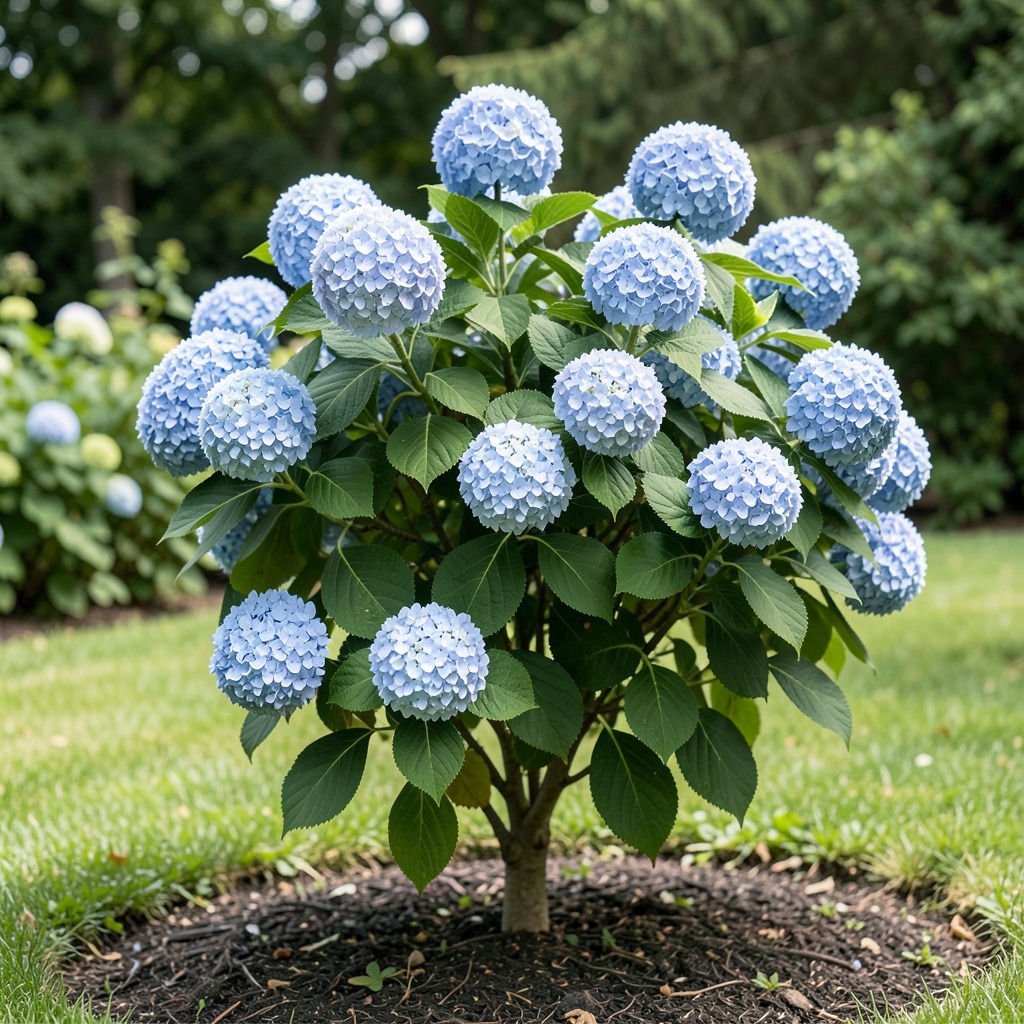
The Quick Fire hydrangea tree offers numerous advantages, making it a desirable choice for many gardens. Its early blooming season, hardiness, and low maintenance requirements contribute to its appeal.
Early Blooming Characteristics
Quick Fire hydrangeas bloom earlier than many other varieties, often starting in late spring. This early display of vibrant conical flower clusters adds color and interest to gardens when few other plants are in bloom. The flowers transition from white to pink as they mature, providing a dynamic visual experience.
Hardiness and Adaptability
This hydrangea thrives in USDA zones 3 through 8, showcasing its adaptability to various climates. Its robust nature allows it to withstand harsh conditions, making it suitable for a range of garden settings. For instance, if your garden experiences late spring frosts, Quick Fire’s ability to bloom on new growth protects it from damage, unlike mophead hydrangeas that rely on old wood.
Low Maintenance Requirements
Quick Fire hydrangeas require minimal care, appealing to both novice and experienced gardeners. They tolerate a variety of soil types, provided they are well-draining. Routine pruning enhances bloom size and shape, but the tree remains forgiving for those who may not have extensive gardening expertise.
Checklist for Quick Fire Care:
- Watering: Ensure consistent moisture, especially during dry spells.
- Soil: Use well-draining soil; avoid heavy clay.
- Light: Prefers full sun to partial shade for optimal blooming.
In landscape scenarios, Quick Fire hydrangeas excel as focal points or along borders. Their compact size allows them to fit well in smaller spaces, making them ideal for urban gardens or tight landscapes.
Cons of Quick Fire Hydrangea Trees
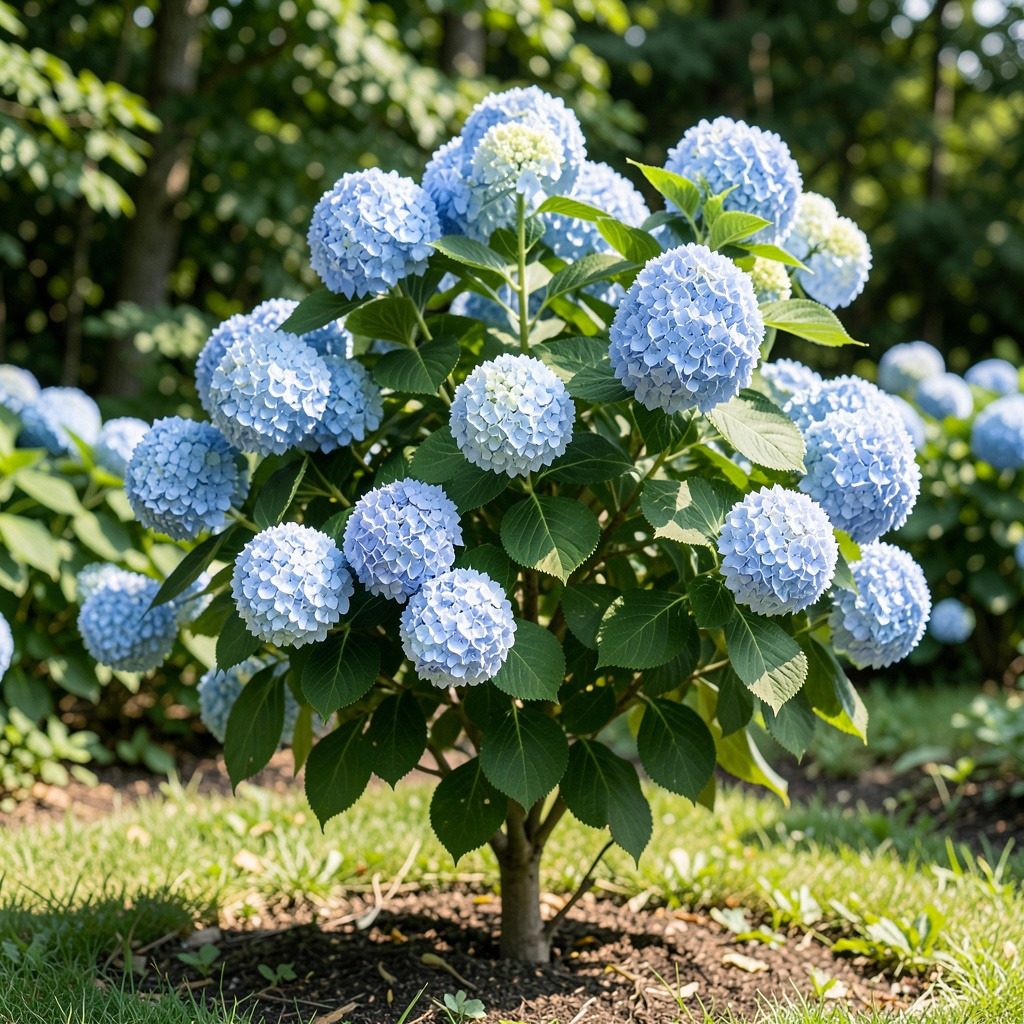
While Quick Fire hydrangea trees offer numerous benefits, they do come with some drawbacks. Understanding these cons is essential for any gardener considering this variety.
Susceptibility to Pests
Quick Fire hydrangeas can attract a range of pests, including aphids, spider mites, and scale insects. These pests can damage leaves and stems, leading to stunted growth and reduced flowering.
- Aphids: These tiny insects feed on plant sap. Infestations can cause leaf curling and yellowing.
- Spider Mites: Often found in hot, dry conditions, they create webbing on leaves. Regularly inspecting your plants can help detect early signs of these pests.
- Scale Insects: These pests attach themselves to stems and leaves, sucking out juices. They can be challenging to spot until significant damage has occurred.
To manage these pests effectively, consider using insecticidal soap or neem oil. Regular monitoring will help you catch infestations early.
Pruning Challenges
Pruning Quick Fire hydrangeas can be tricky for some gardeners. Improper techniques may lead to reduced blooming or an unbalanced appearance.
- Timing: The best time to prune is late winter or early spring before new growth begins. Pruning too late can remove potential flower buds.
- Technique: Aim to remove dead or weak stems and thin out crowded branches to promote airflow. Avoid heavy pruning, which can stress the plant.
A good rule of thumb is to prune back one-third of the plant’s height each year to maintain shape and encourage vigorous growth.
Environmental Sensitivity
Quick Fire hydrangeas have specific environmental needs that must be met for optimal growth.
- Soil Requirements: They prefer well-draining soil rich in organic matter. Poor drainage can lead to root rot.
- Light Conditions: While they thrive in full sun, excessive heat can cause wilting. In southern climates, providing afternoon shade can protect them.
Assess your garden’s microclimate before planting. It’s crucial to ensure the conditions align with the hydrangea’s preferences to avoid stress and potential decline.
By understanding these cons, you can make an informed decision about incorporating Quick Fire hydrangeas into your landscape.
Essential Care Tips for Quick Fire Hydrangea Trees
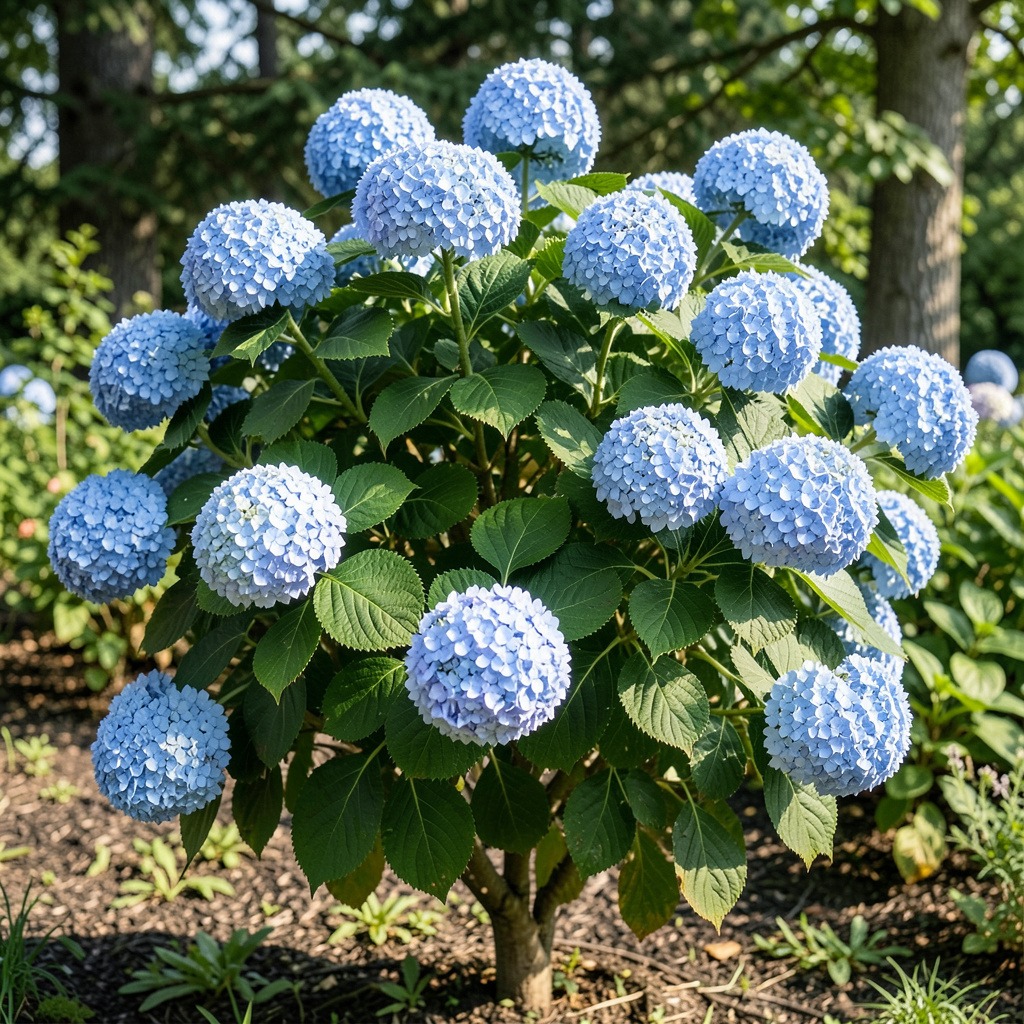
Caring for Quick Fire hydrangeas involves understanding their specific needs. Proper watering, soil conditions, and light exposure are crucial for their health and blooming performance. Below are essential care tips to help your Quick Fire hydrangea thrive.
Optimal Soil Conditions
Quick Fire hydrangeas prefer well-draining soil rich in organic matter. This helps retain moisture while preventing root rot.
- Soil Type: Loamy or sandy soils are ideal.
- pH Level: The soil pH does not affect flower color, making it versatile for various soil types.
- Organic Matter: Incorporate compost to enhance soil fertility and structure.
Watering and Fertilization
Maintaining proper moisture levels is vital for Quick Fire hydrangeas. They thrive with consistent watering, especially during dry spells.
- Watering Frequency: Water deeply once a week, increasing frequency during hot, dry weather.
- Mulching: Apply a layer of mulch to retain soil moisture and suppress weeds.
- Fertilization: Use a balanced fertilizer in early spring. Follow the manufacturer’s guidelines for application rates.
Light Requirements
Quick Fire hydrangeas adapt well to varying light conditions but require specific considerations based on your climate.
- Northern Climates: Plant in full sun for optimal growth and blooming.
- Southern Climates: Provide afternoon shade to protect against intense heat.
Seasonal Care Calendar
A seasonal checklist can help you manage care throughout the year:
| Season | Task |
|---|---|
| Spring | Fertilize; prune dead wood; check soil moisture. |
| Summer | Water regularly; monitor for pests; deadhead blooms. |
| Fall | Apply mulch; prepare for winter; prune lightly. |
| Winter | Protect roots with mulch; avoid excessive moisture. |
By following these care tips, you can ensure that your Quick Fire hydrangeas flourish and contribute vibrant color to your garden.
Pruning Techniques for Quick Fire Hydrangea Trees
Proper pruning is essential for maintaining the health and blooming potential of Quick Fire hydrangea trees. Effective pruning encourages robust growth, enhances flower size, and prevents leggy branches. Below are key techniques to master for optimal results.
When to Prune
Timing is critical for successful pruning. The best time to prune Quick Fire hydrangeas is in late winter or early spring, just before new growth begins. This timing allows you to shape the plant while minimizing stress.
How to Prune for Optimal Growth
1. Assess the Plant: Before pruning, examine the overall shape and health of the shrub. Identify any dead, damaged, or crossing branches.
2. Use Clean Tools: Always use sharp, clean pruning shears to make precise cuts. This minimizes the risk of disease transmission.
3. Pruning Steps:
- Remove Dead Wood: Cut away any dead or diseased branches at their base.
- Thin Out Branches: Remove about one-third of the oldest stems to encourage new growth. This opens up the center of the plant for better air circulation.
- Shape the Plant: Trim back the remaining branches to maintain a balanced shape. Aim for a height of 3-5 feet, depending on your desired look.
4. Consider Growth Stages:
- Young Plants: Focus on shaping and establishing a strong framework.
- Mature Plants: Concentrate on rejuvenating old wood while maintaining the desired form.
Common Pruning Mistakes to Avoid
- Pruning Too Late: Avoid pruning after new growth starts, as this can remove potential blooms.
- Over-Pruning: Removing too much foliage can stress the plant and reduce flowering.
- Ignoring Shape: Always maintain a balanced shape to ensure even growth and enhance aesthetic appeal.
By following these guidelines, you can ensure your Quick Fire hydrangea trees thrive and produce vibrant blooms.
Common Problems with Quick Fire Hydrangea Trees
Quick Fire hydrangea trees are generally hardy and low-maintenance, but they can encounter a few challenges. Understanding these common issues will help you maintain their beauty and vigor in your garden.
Identifying Common Diseases
Quick Fire hydrangeas may face several diseases that can affect their health and appearance. Here are the most prevalent:
- Powdery Mildew: This fungal disease appears as a white, powdery coating on leaves, particularly in humid conditions.
- Leaf Spot: Caused by various fungi, leaf spot results in dark, irregular spots on leaves, which can lead to premature leaf drop.
- Bacterial Wilt: This disease causes wilting and yellowing of leaves, often leading to plant death if not addressed promptly.
Effective Pest Management Strategies
In addition to diseases, Quick Fire hydrangeas can attract pests. Here’s how to manage common infestations:
- Aphids: These small insects suck sap from leaves. Spray with insecticidal soap or introduce beneficial insects like ladybugs to control their population.
- Spider Mites: These pests thrive in dry conditions and can create webbing on plants. Increase humidity around the plant and apply miticides if infestations grow severe.
Solutions for Environmental Stressors
Environmental factors can also stress Quick Fire hydrangeas. Here are strategies to mitigate those stressors:
- Watering: Ensure consistent moisture, especially during dry spells. Deep watering encourages strong root growth.
- Sunlight: Quick Fire hydrangeas prefer full sun to partial shade. Too much shade can lead to fewer blooms and increased susceptibility to disease.
- Soil Quality: Use well-draining soil rich in organic matter. Poor soil can exacerbate stress and disease susceptibility.
By addressing these common problems proactively, gardeners can ensure their Quick Fire hydrangea trees remain vibrant and healthy.
Comparing Quick Fire Hydrangeas with Other Varieties
Quick Fire hydrangeas stand out among various hydrangea types due to their unique blooming characteristics and manageable size. This section compares Quick Fire hydrangeas with other popular varieties, highlighting their distinct features and suitability for different garden styles.
Quick Fire vs. Little Quick Fire
Both Quick Fire and Little Quick Fire are members of the Hydrangea paniculata family. However, they serve different purposes in landscaping.
- Size: Quick Fire can grow 6 to 8 feet tall, making it suitable for larger spaces. In contrast, Little Quick Fire remains compact at 3 to 5 feet, ideal for smaller gardens.
- Blooming: Both varieties produce cone-shaped flower clusters, but Quick Fire blooms earlier, providing vibrant colors starting in June. Little Quick Fire follows closely with similar blooms but in a more compact form.
| Feature | Quick Fire | Little Quick Fire |
|---|---|---|
| Height | 6-8 feet | 3-5 feet |
| Bloom Time | Early June | Late June |
| Flower Form | Cone-shaped | Cone-shaped |
| Ideal For | Larger gardens | Small gardens or borders |
Quick Fire vs. Limelight Hydrangea
Limelight hydrangeas (Hydrangea paniculata ‘Limelight’) are another popular choice, known for their impressive size and unique color transitions.
- Color Transition: Limelight flowers start green and turn white, then pink, offering a long-lasting display. Quick Fire, however, begins as white and quickly transitions to deep pink.
- Growth Habit: Limelight can reach heights of 6 to 8 feet, similar to Quick Fire, but typically has a wider spread, making it more suitable for open areas.
| Feature | Quick Fire | Limelight |
|---|---|---|
| Height | 6-8 feet | 6-8 feet |
| Bloom Color | White to pink | Green to white to pink |
| Spread | Narrower | Wider |
| Blooming Season | Early June | Mid to late summer |
Best Uses in Landscaping
When deciding where to plant Quick Fire hydrangeas, consider the following scenarios:
- Foundation Planting: Their height and colorful blooms make them excellent for foundation planting, providing visual interest against homes.
- Privacy Screens: Quick Fire’s dense growth can create effective privacy screens in larger gardens.
- Mixed Borders: Use them alongside perennials for a vibrant display that enhances garden depth.
Decision Framework:
- For Small Spaces: Choose Little Quick Fire.
- For Early Blooms: Opt for Quick Fire.
- For Color Variety: Consider Limelight for a dynamic color transition throughout the season.
Conclusion: Is the Quick Fire Hydrangea Right for You?
Deciding whether to include Quick Fire hydrangeas in your garden involves weighing their advantages against potential drawbacks. This section summarizes the key pros and cons to help you make an informed choice.
Pros of Quick Fire Hydrangeas
- Early Blooms: Quick Fire hydrangeas bloom earlier than many other varieties, often showcasing flowers by mid-summer.
- Robust Growth: They exhibit strong growth and can reach heights of 6 to 8 feet, making them suitable for various landscaping needs.
- Pest Resistance: These shrubs are relatively resistant to common pests and diseases, simplifying maintenance.
- Versatile Landscaping: Ideal for borders, specimen plants, and privacy screens due to their dense foliage and striking blooms.
Cons of Quick Fire Hydrangeas
- Sunlight Preference: They require full sun to thrive, which may not suit all garden conditions.
- Water Needs: Regular watering is essential, especially during dry spells, which can be a drawback for low-maintenance gardeners.
- Limited Color Range: While beautiful, the color options are less diverse compared to other hydrangea types.
Decision Framework for Your Garden
When considering Quick Fire hydrangeas, evaluate your specific gardening needs:
- Space Availability: If you have limited space, consider the compact variety, Little Quick Fire.
- Bloom Timing: Choose Quick Fire for an early floral display.
- Maintenance Level: If low maintenance is a priority, be prepared for their watering and sunlight needs.
By assessing these factors, you can determine if Quick Fire hydrangeas align with your gardening goals.
Frequently Asked Questions
These quick answers cover the most common questions about this topic, including key details, practical tips, and common concerns.
What are some common problems with Quick Fire hydrangeas?
Quick Fire hydrangeas can face several issues, including susceptibility to pests like aphids, spider mites, and scale insects. These pests can lead to stunted growth and reduced flowering if not managed promptly. Regular inspections and treatments with insecticidal soap or neem oil can help control these infestations.
Additionally, environmental factors such as poor soil drainage or inadequate sunlight can stress the plant. Quick Fire hydrangeas prefer well-draining soil and full sun to thrive. If these conditions are not met, you may notice reduced blooming and overall health.
How big does a Quick Fire hydrangea tree get?
Quick Fire hydrangeas typically grow to a height of 6 to 8 feet, with a similar spread. Their upright, rounded growth habit makes them suitable for various landscaping applications, whether as focal points or background shrubs.
For smaller spaces, consider the Little Quick Fire variety, which reaches only 3 to 5 feet in height while maintaining the same beautiful blooms.
Can Quick Fire hydrangeas tolerate drought?
Quick Fire hydrangeas are relatively drought-tolerant once established but prefer consistent moisture, especially during dry spells. They thrive with regular watering, particularly in their first few years.
To help retain soil moisture, apply a layer of mulch around the base of the plant. This practice not only conserves water but also suppresses weed growth, benefiting your hydrangea’s overall health.
What soil conditions are best for Quick Fire hydrangeas?
Quick Fire hydrangeas prefer well-draining soil rich in organic matter. Loamy or sandy soils are ideal, as they retain moisture without becoming waterlogged.
The pH level of the soil does not affect flower color in this variety, making it versatile for various soil types. Incorporating compost can enhance soil fertility and improve structure, promoting healthy growth.
What are the best companion plants for Quick Fire hydrangeas?
When choosing companion plants for Quick Fire hydrangeas, consider those that thrive in similar conditions. Perennials like daylilies, hostas, and astilbes work well alongside hydrangeas, providing contrasting textures and colors.
For a vibrant border, consider planting colorful annuals like petunias or marigolds. These plants can complement the hydrangea’s blooms and create a visually appealing garden space.
When is the best time to prune Quick Fire hydrangeas?
The ideal time to prune Quick Fire hydrangeas is in late winter or early spring, just before new growth begins. Pruning at this time helps shape the plant and encourages robust flowering.
Avoid pruning too late in the season, as this can remove potential flower buds. Aim to remove about one-third of the plant’s height each year to maintain its shape and promote healthy growth.
How does Quick Fire compare to other hydrangea varieties?
Quick Fire hydrangeas bloom earlier than many other types, often starting in late spring, while varieties like Limelight bloom later in the summer. Additionally, Quick Fire typically grows to a height of 6 to 8 feet, making it suitable for various landscaping needs.
In contrast, Little Quick Fire remains compact at 3 to 5 feet, ideal for small gardens. Choosing between these varieties depends on your garden’s space and blooming preferences.