
To care for a red maple tree, ensure it receives adequate sunlight, well-drained soil, and regular watering, particularly in its first year.
Table of Contents
Caring for a red maple tree involves understanding its specific needs, including optimal sunlight, soil conditions, and watering practices. This guide provides detailed information on maintaining a healthy red maple for vibrant foliage and longevity.
Understanding the Red Maple Tree
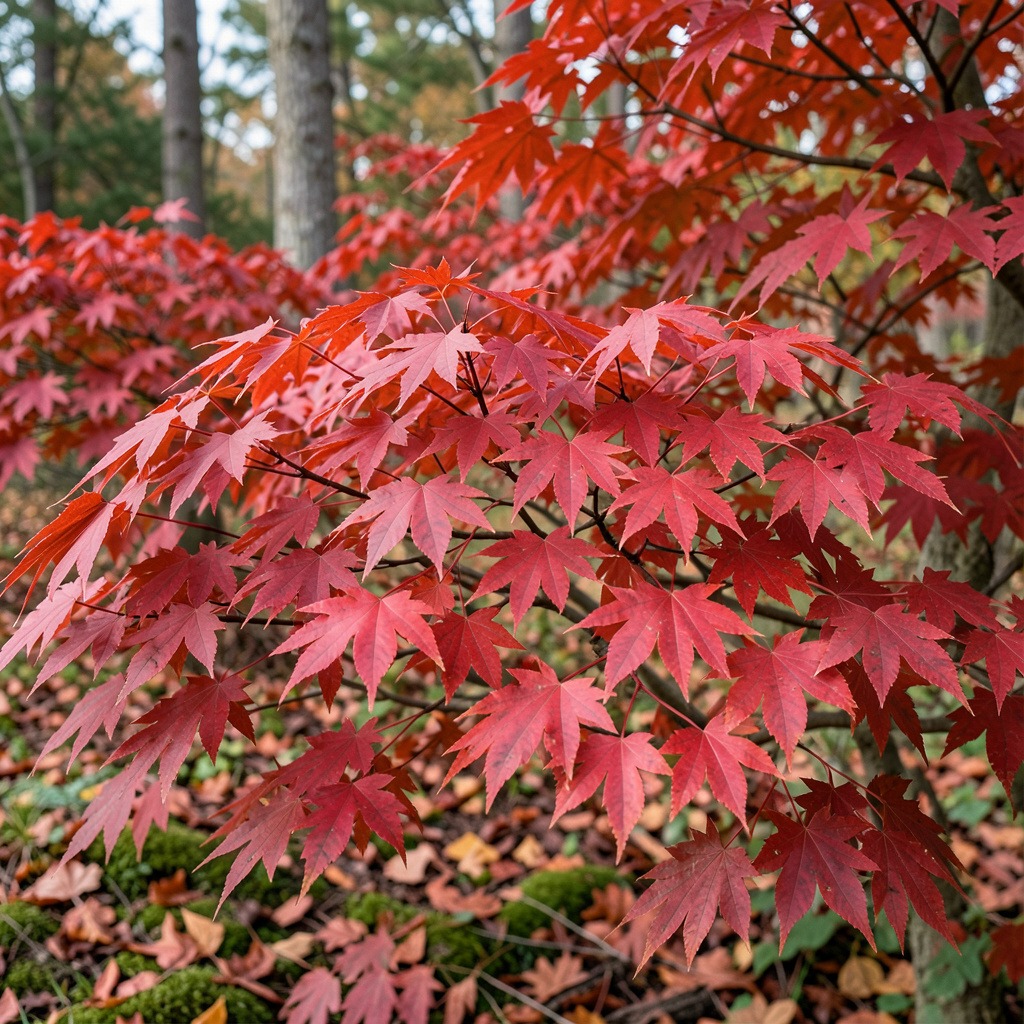
The red maple tree, scientifically known as Acer rubrum, is a popular choice for many landscapes. Its vibrant foliage and adaptability make it a standout option for homeowners and landscapers alike.
Characteristics of Acer rubrum
Acer rubrum is known for its distinctive growth habits. The tree typically reaches heights of 40 to 60 feet and spreads about 25 to 40 feet wide. Its leaves are lobed, featuring three to five pointed lobes, and turn brilliant shades of red, orange, and yellow in the fall.
Key characteristics include:
- Growth Rate: Fast-growing, adding 1 to 2 feet per year under ideal conditions.
- Soil Preference: Thrives in well-drained, moist soils but can tolerate wet conditions.
- Light Requirements: Grows well in full sun to partial shade.
- Lifespan: Generally lives for 30 to 150 years, depending on environmental conditions.
Importance of Red Maples in Landscaping
Red maples are not only aesthetically pleasing but also contribute significantly to ecological health. They provide shade, improve air quality, and support local wildlife.
- Shade Provider: Ideal for parks and residential areas, offering significant shade as they mature.
- Wildlife Support: Attracts birds and insects, serving as a food source and habitat.
- Adaptability: Suitable for a range of USDA zones (3-9), making them versatile across various climates.
For those looking to plant a red maple, consider using a Red Maple Tree Planting Kit to ensure optimal growth conditions. Check Price on Amazon.
With their rapid growth and ecological benefits, red maples are a wise choice for enhancing your landscape.
Optimal Planting Techniques for Red Maples
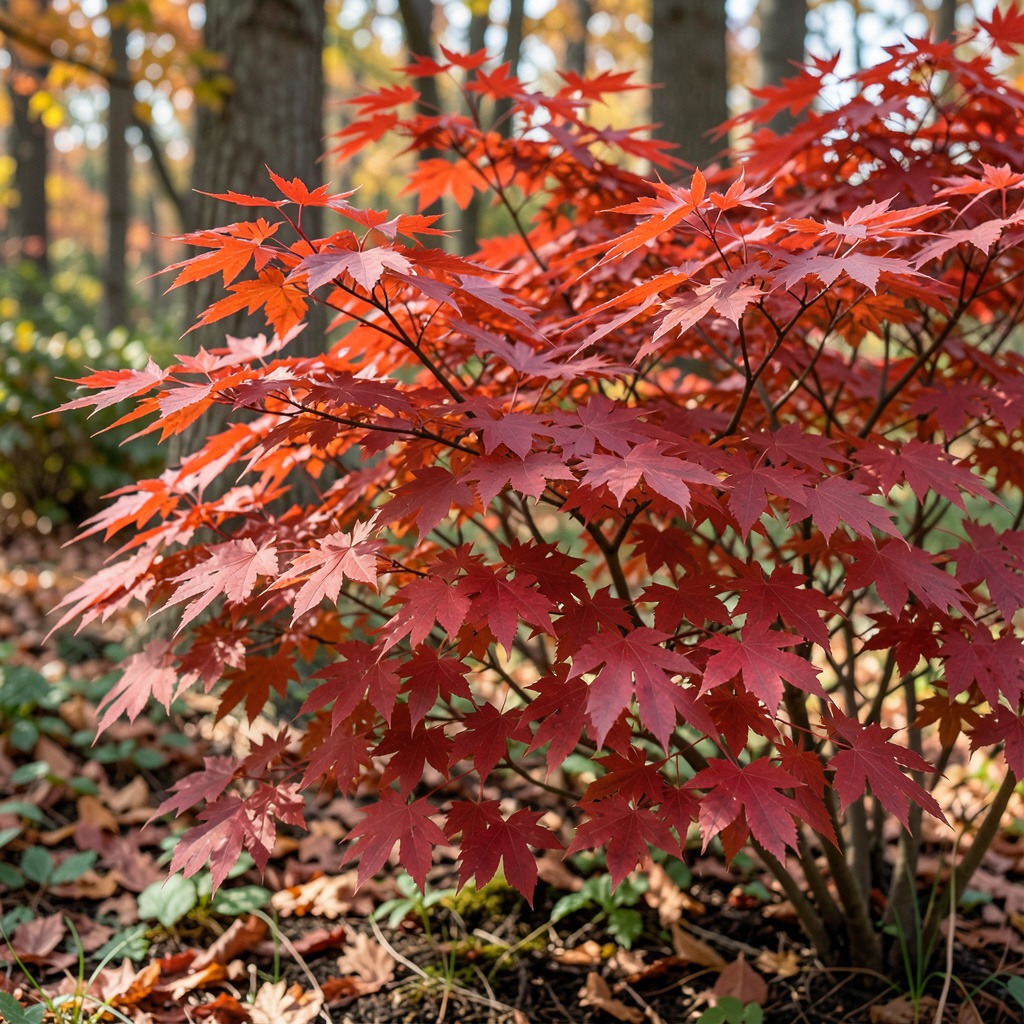
Planting red maples requires careful consideration of location and soil preparation. These factors significantly influence the tree’s growth and health.
Choosing the Right Location
Selecting an optimal site is crucial for the successful establishment of red maples. These trees thrive best in areas that provide:
- Full Sunlight: Aim for at least 6 hours of direct sunlight daily. Morning sun is particularly beneficial, as it warms the soil quickly and reduces frost risk.
- Good Drainage: Avoid low-lying areas where water collects. Red maples prefer well-drained soils to prevent root rot.
- Space for Growth: Ensure adequate room for the tree’s mature size. Red maples can grow up to 40 feet tall and wide.
Soil Requirements for Healthy Growth
Proper soil preparation enhances the rooting and overall health of red maples. Follow these guidelines:
1. Soil Type: Red maples prefer loamy or sandy soils. Test the soil pH; ideal conditions range from 6.0 to 7.0.
2. Soil Amendments: Improve soil quality by incorporating organic matter. Here’s a checklist of recommended amendments:
- Compost
- Peat moss
- Well-rotted manure
- Perlite or sand for drainage
3. Planting Depth: Dig a hole that is twice the width of the root ball and as deep as the ball itself. This ensures the roots can spread easily.
4. Watering: Water the newly planted tree thoroughly. Maintain consistent moisture during the first growing season.
By following these techniques, you can establish a robust red maple that thrives in your landscape.
Watering and Nutrient Needs
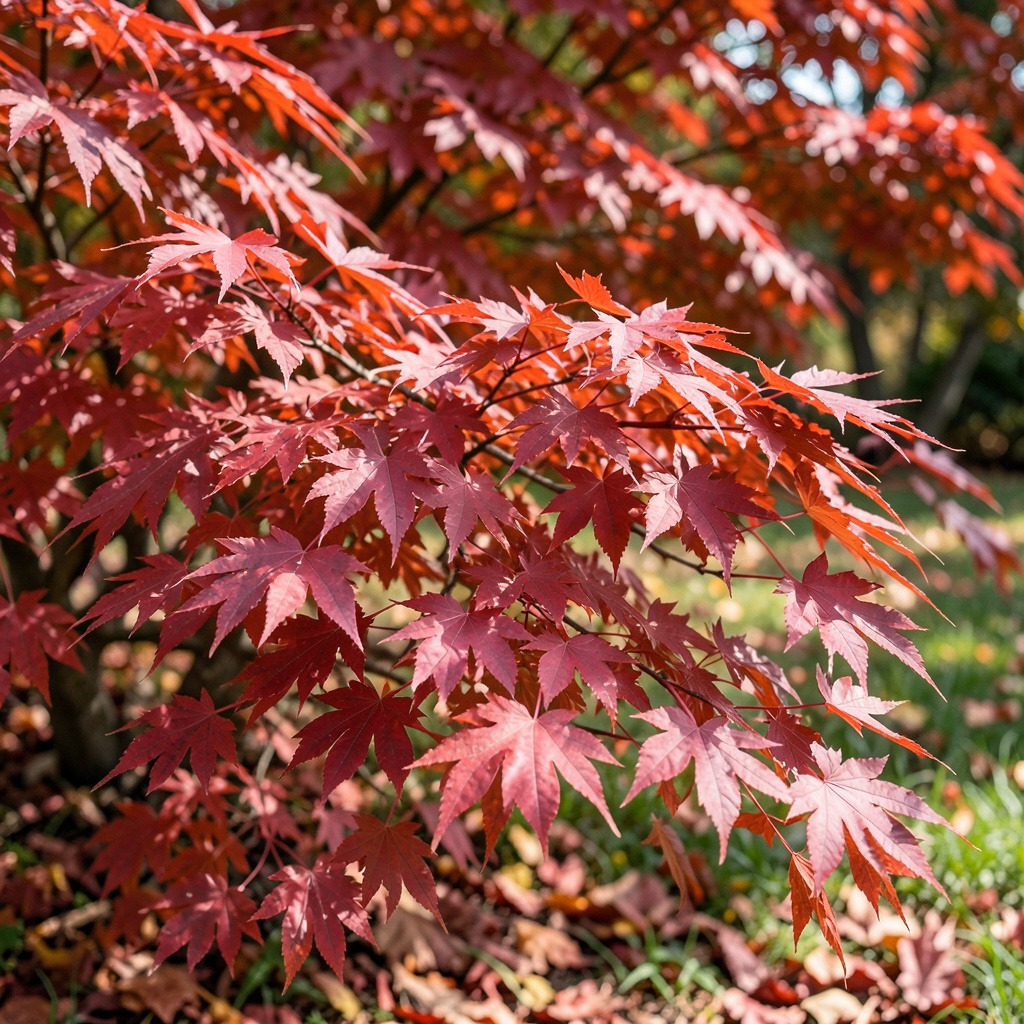
Red maples require specific watering and fertilization practices for optimal growth, particularly in their first year. Establishing a consistent routine is crucial to ensure a strong foundation for the tree.
Establishing a Watering Routine
Proper watering is vital for red maples, especially during the initial growth phase. Here’s a guideline for an effective watering schedule:
- First Month: Water deeply twice a week. Ensure the soil is moist but not soggy.
- Months 2-6: Gradually reduce to once a week, ensuring the tree receives 1 inch of water per week, either from rainfall or additional watering.
- Months 7-12: Continue watering once a week, increasing frequency during dry spells or in sandy soils.
Adapt your watering based on climate. In hot, dry regions, more frequent watering may be necessary. Conversely, in cooler, wetter areas, reduce frequency to prevent root rot.
Fertilization Guidelines
Fertilizing red maples helps promote healthy growth. Follow these steps for effective fertilization:
- Timing: Fertilize in early spring before new growth begins.
- Type: Use a balanced fertilizer, such as a 10-10-10 NPK blend, to provide essential nutrients.
- Application: Spread the fertilizer evenly around the base of the tree, avoiding direct contact with the trunk. Use about 1 pound per inch of trunk diameter.
Consider a slow-release fertilizer if you prefer less frequent feeding. Monitor tree growth and adjust as necessary to ensure optimal health.
For those looking to establish a red maple, a comprehensive Red Maple Tree Planting Kit can provide essential tools and resources for successful planting and care.
Pruning and Maintenance Practices
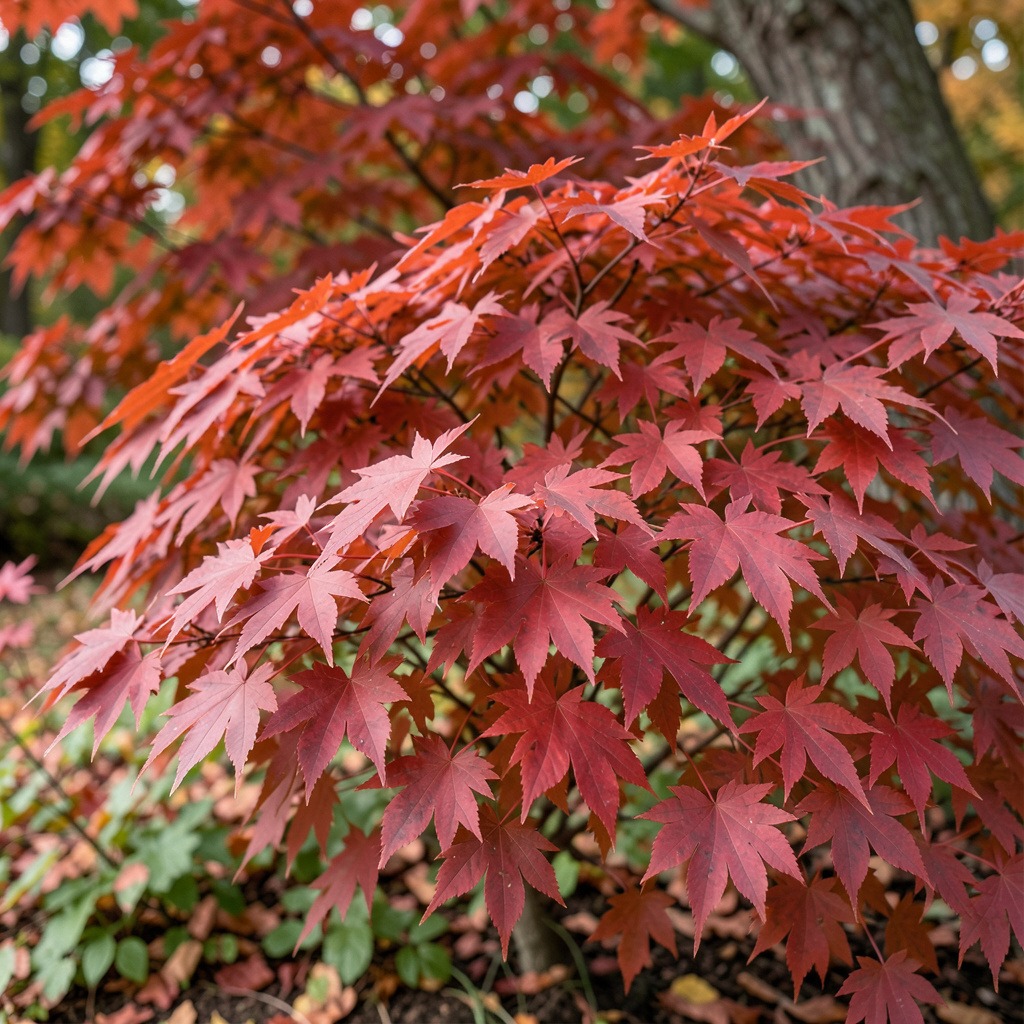
Proper pruning and ongoing maintenance are vital for the health and longevity of red maples. These practices enhance growth, structure, and overall appearance.
When and How to Prune
Timing is crucial for effective pruning. Follow these guidelines:
- Late Winter to Early Spring: Prune before new growth begins. This timing minimizes stress on the tree and allows for vigorous growth.
- Remove Dead or Damaged Branches: Cut these back to the nearest healthy branch or trunk. This prevents disease and encourages healthy growth.
- Thin Out Crowded Areas: Selectively remove branches that cross or rub against each other. This improves air circulation and light penetration.
Pruning Techniques:
- Use sharp, clean tools to make precise cuts and reduce the risk of injury to the tree.
- Angle cuts slightly to facilitate water runoff and prevent rot.
Ongoing Maintenance Tasks
Regular maintenance ensures your red maple stays healthy. Here are essential tasks:
- Watering: Ensure deep watering during dry spells, especially in the first few years after planting.
- Mulching: Apply a 2-3 inch layer of organic mulch around the base. This conserves moisture and suppresses weeds.
- Fertilization: Follow the fertilization guidelines previously outlined to support growth.
- Pest and Disease Monitoring: Regularly inspect for signs of pests (like aphids) or diseases (such as leaf spot). Early detection is key.
Checklist for Ongoing Maintenance:
- [ ] Watering schedule
- [ ] Mulching every spring
- [ ] Annual pruning
- [ ] Seasonal pest and disease checks
By adhering to these pruning and maintenance practices, you will promote a thriving red maple that enhances your landscape for years to come.
Identifying and Managing Pests and Diseases
Red maples (Acer rubrum) can face various pests and diseases that threaten their health and vitality. Understanding these issues is crucial for effective care and maintenance.
Common Pests to Watch For
Several pests can afflict red maples. Early identification is essential for effective management.
- Aphids: Small, soft-bodied insects that suck sap from leaves. Look for curled or yellowing leaves.
- Leafhoppers: These pests cause stippling on leaves and may lead to leaf drop.
- Gall Mites: They create galls on leaves, leading to distorted growth.
- Mapleworms: Caterpillars that can defoliate trees if not controlled.
Pest Management Strategies
1. Regular Inspections: Examine foliage for signs of pests at least once a month.
2. Natural Predators: Encourage beneficial insects like ladybugs that prey on aphids.
3. Insecticidal Soap: Use this product as a targeted treatment for infestations.
Diseases Impacting Red Maples
Diseases can severely affect the growth and aesthetic appeal of red maples. Here are the most common ones:
- Verticillium Wilt: A soil-borne fungus that causes yellowing leaves and wilting. This disease often leads to tree decline.
- Leaf Spot: Characterized by dark spots on leaves, this disease can lead to premature leaf drop.
- Anthracnose: A fungal infection that can cause significant leaf damage and reduce tree vigor.
Disease Management Strategies
1. Fungicide Application: Apply fungicides at the onset of symptoms for diseases like leaf spot and anthracnose.
2. Proper Watering: Water at the base to avoid wetting foliage, which promotes disease.
3. Sanitation: Rake fallen leaves to reduce disease spread.
Diagnostic Table for Symptoms and Solutions
| Symptom | Potential Issue | Recommended Action |
|---|---|---|
| Yellowing leaves | Verticillium wilt | Apply fungicide; improve drainage |
| Dark spots on leaves | Leaf spot | Use fungicide; maintain sanitation |
| Leaf curling or distortion | Aphids or gall mites | Inspect and apply insecticidal soap |
| Defoliation | Mapleworms | Hand-pick or spray with insecticide |
By staying vigilant for pests and diseases, you can ensure the health and longevity of your red maple.
Seasonal Care Schedule for Red Maples
Proper seasonal care is crucial for the health and growth of red maples (Acer rubrum). This schedule outlines essential tasks across different seasons, tailored to specific USDA zones for optimal results.
Spring Care Tasks
In spring, focus on establishing your red maple after winter dormancy. This is a critical time for growth.
- March to April:
- Watering: Ensure consistent moisture as the soil begins to thaw. Water deeply once a week if rainfall is insufficient.
- Fertilization: Apply a slow-release fertilizer formulated for trees to encourage new growth.
- Pruning: Remove any dead or damaged branches before new growth begins.
Summer Care Tasks
Summer care involves maintaining moisture and monitoring for pests.
- June to August:
- Watering: During hot months, provide 1-2 inches of water weekly. Use a soaker hose or drip irrigation to minimize evaporation.
- Mulching: Apply a 2-3 inch layer of mulch around the base to retain moisture and suppress weeds.
- Pest Monitoring: Inspect regularly for aphids, scales, and borers. Use insecticidal soap if necessary.
Autumn and Winter Preparation
Prepare your red maple for winter by ensuring its health leading into dormancy.
- September to November:
- Leaf Cleanup: Rake fallen leaves to prevent disease.
- Watering: Water thoroughly in late fall to help the tree withstand winter dryness.
- Winter Protection: Consider wrapping the trunk with burlap or using tree guards to protect against critters.
Monthly Care Checklist
| Month | Task |
|---|---|
| March | Water deeply, prune damaged branches |
| April | Fertilize, water weekly |
| May | Mulch, monitor pests |
| June | Water 1-2 inches weekly |
| July | Check for insects, water |
| August | Maintain moisture, inspect |
| September | Rake leaves, water thoroughly |
| October | Prepare for winter, mulch |
| November | Protect trunk, ensure hydration |
| December | Minimal care, monitor for snow load |
This schedule helps you effectively care for your red maple throughout the year, ensuring optimal growth and health across various USDA zones.
Ecological Benefits of Red Maples
Red maples (Acer rubrum) play a vital role in local ecosystems and support various wildlife species. Their presence enriches biodiversity and fosters a balanced environment.
Supporting Local Wildlife
Red maples provide essential resources for numerous wildlife species. They:
- Offer food: The flowers and seeds are a food source for birds and small mammals.
- Create habitat: Their dense canopy provides shelter for nesting birds and insects.
- Support pollinators: The early spring flowers attract bees and other pollinators, promoting plant reproduction.
For example, studies show that urban areas with red maples often see an increase in bird populations, as these trees offer both food and nesting sites.
Environmental Impact of Red Maples
The environmental contributions of red maples extend beyond wildlife support. Key benefits include:
- Soil stabilization: Their extensive root systems help prevent soil erosion, particularly in areas with heavy rainfall or slopes.
- Water management: Red maples absorb excess rainwater, reducing runoff and helping to maintain groundwater levels.
- Microclimate creation: The shade provided by red maples lowers surrounding temperatures, benefiting both flora and fauna during hot months.
In urban settings, red maples have been documented to improve air quality and reduce urban heat islands by lowering local temperatures. These ecological roles underscore the importance of maintaining healthy red maple populations in our landscapes.
Frequently Asked Questions
These quick answers cover the most common questions about this topic, including key details, practical tips, and common concerns.
What are the cons of a red maple tree?
While red maples (Acer rubrum) are popular for their vibrant fall color, they do have some drawbacks. They can be prone to surface roots, which may interfere with lawn maintenance and landscaping. Additionally, red maples are susceptible to various pests and diseases, such as aphids and verticillium wilt, which can affect their health and appearance.
Another consideration is their rapid growth, which can lead to weak branching. This makes them more susceptible to storm damage. Lastly, their shallow root system can lead to instability in windy conditions.
Why is my red maple dying?
If your red maple is showing signs of decline, it may be due to several factors. Overwatering or poor drainage can lead to root rot, causing the tree to wilt and drop leaves. Conversely, underwatering can also stress the tree, leading to browning leaves and dieback.
Pests and diseases are also common culprits. Inspect for signs of aphids, leaf spots, or wilting, which could indicate underlying issues. If you notice these symptoms, consider consulting an arborist for a proper diagnosis and treatment plan.
How long does it take for a red maple to grow to full size?
Red maples are fast-growing trees, typically reaching their full height of 40 to 60 feet within 20 to 30 years under optimal conditions. They can grow 1 to 2 feet per year during their early years. However, growth rates can vary depending on factors like soil quality, water availability, and sunlight exposure.
To encourage healthy growth, ensure your red maple receives adequate water, nutrients, and sunlight throughout its development.
What are common red maple tree problems?
Common problems with red maples include pest infestations, such as aphids and mapleworms, which can damage leaves and reduce vigor. Diseases like verticillium wilt and leaf spot can also affect the tree’s health, leading to yellowing leaves and premature leaf drop.
Environmental factors like drought or poor soil conditions can further exacerbate these issues. Regular monitoring and timely interventions, such as proper watering and pest control, can help mitigate these problems.
What are the best cultivars of red maple?
Several red maple cultivars are favored for their unique traits. Notable options include ‘Autumn Blaze,’ known for its brilliant fall color and robust growth; ‘Red Sunset,’ which offers a vibrant red hue and a sturdy structure; and ‘October Glory,’ appreciated for its late-season color retention.
When selecting a cultivar, consider your landscape needs, such as size, color preferences, and resistance to pests or diseases.
How often should I water my red maple?
Watering frequency for red maples varies based on age and environmental conditions. Newly planted red maples require deep watering twice a week for the first month. After that, reduce to once a week, ensuring the tree receives about 1 inch of water weekly.
In hot, dry conditions, you may need to increase watering frequency. Established trees generally require less frequent watering, but monitor soil moisture during dry spells to prevent stress.
What soil conditions do red maples prefer?
Red maples thrive in well-drained, loamy or sandy soils with a pH between 6.0 and 7.0. They can tolerate wet conditions but are sensitive to poor drainage, which can lead to root rot.
To improve soil conditions, incorporate organic matter like compost or peat moss when planting. This enhances drainage and nutrient availability, promoting healthy growth.