
The red maple leaf, from the Acer rubrum tree, is characterized by its serrated edges, palmately lobed shape, and vibrant red coloration in autumn, making it a popular choice for landscapes and a key identifier of the species.
Table of Contents
The red maple leaf is a defining feature of the Acer rubrum tree, known for its striking autumn colors and distinctive shape. Understanding its characteristics is essential for identification and appreciation of this beloved North American tree.
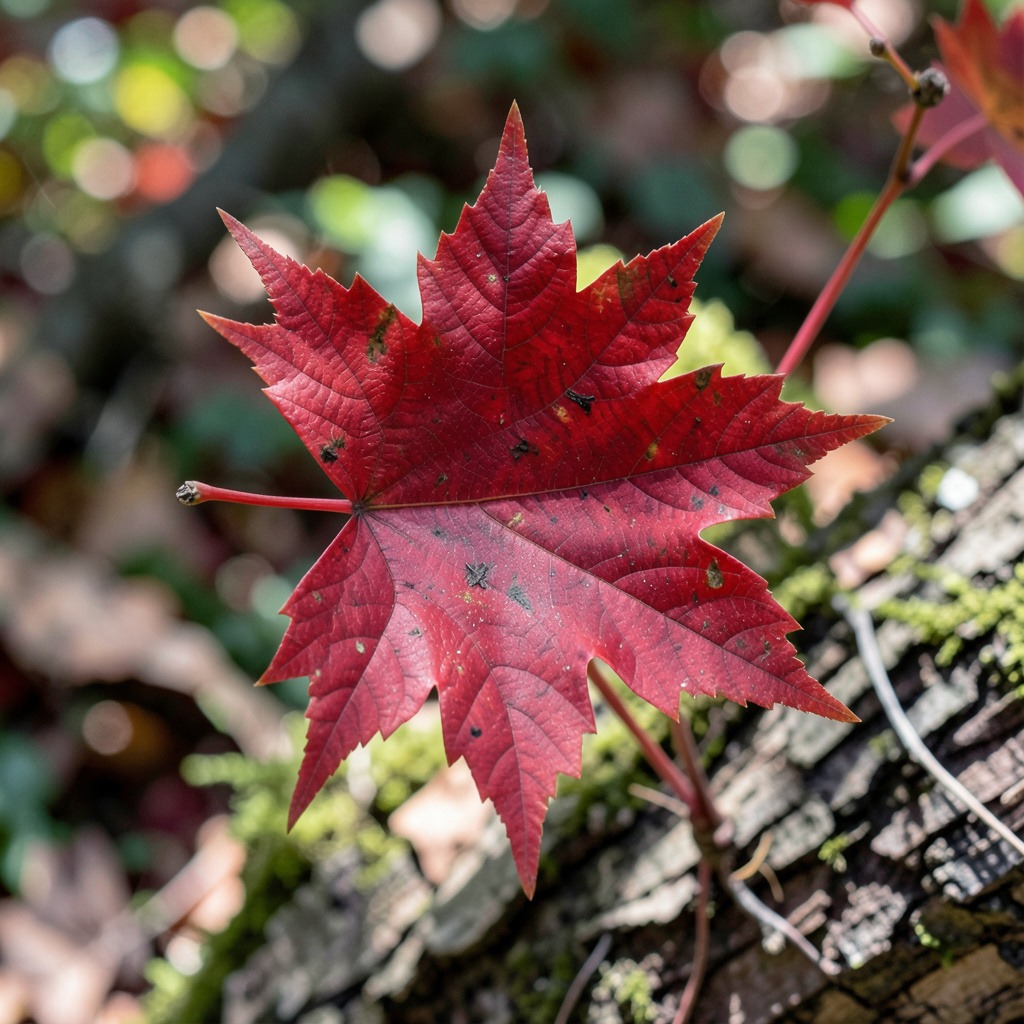
Understanding the Red Maple Leaf: Characteristics and Features
The red maple leaf, a prominent feature of the Acer rubrum, showcases unique attributes that aid in its identification. Its shape, color, and texture contribute significantly to its recognition throughout the seasons.
Leaf Shape: Lobes and Edges
Red maple leaves are characterized by their distinct lobed structure. Typically, they have three to five lobes that extend from a central point, resembling a hand. The edges of these lobes are serrated, which differentiates them from other maple species like the sugar maple, which has smoother edges.
- Key Features:
- Lobes: 3 to 5, extending from the base.
- Edges: Serrated and irregular, providing a textured appearance.
- Color: Green on the upper side, with a lighter greenish-white underside.
Seasonal Color Changes
One of the most striking features of the red maple leaf is its vibrant autumn coloration. As the season shifts, the leaves transform into brilliant shades of red. This change not only enhances the aesthetic value of landscapes but also signifies the seasonal cycle.
- Color Transformation:
- Spring/Summer: Bright green leaves.
- Autumn: Vivid red, often mixed with orange and yellow shades.
Texture and Size of Leaves
The texture of red maple leaves is another identifying characteristic. They are typically smooth on the upper surface and slightly hairy on the underside. The leaves can vary in size, generally measuring between 5 to 15 cm in length and width.
- Textural Attributes:
- Upper Surface: Smooth, dark green.
- Underside: Light green, may have fine hairs.
- Size: 5 to 15 cm, offering a broad variability.
Identifying the red maple leaf involves focusing on these key characteristics: the number of lobes, serrated edges, seasonal color changes, and overall texture. By observing these elements, one can easily distinguish the red maple from other similar species.
How to Identify Red Maple Leaves vs. Similar Species
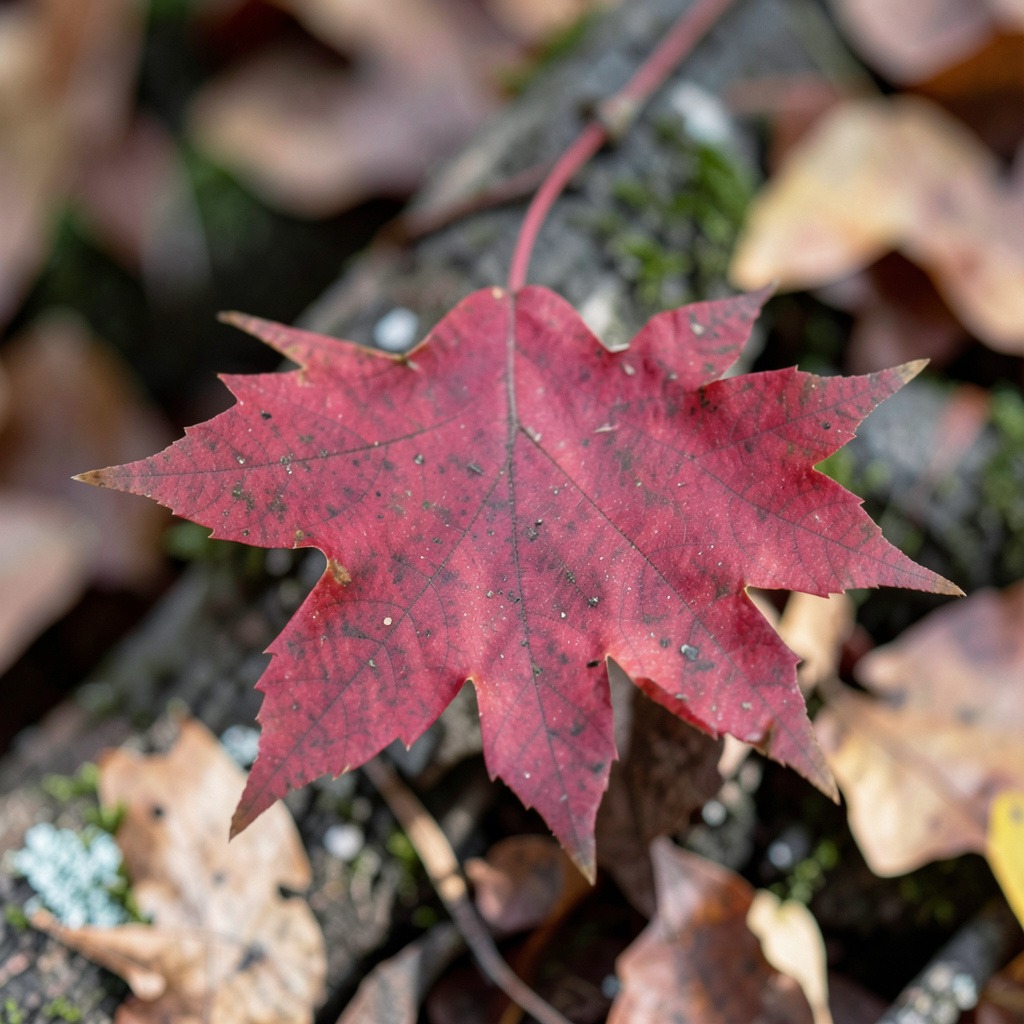
Identifying red maple leaves requires a keen eye for detail, especially when distinguishing them from similar species like sugar and silver maples. Understanding key differences will enhance your identification skills.
Key Differences Between Red Maple and Sugar Maple
1. Leaf Shape:
- Red Maple: Typically has 3 to 5 lobes with serrated edges.
- Sugar Maple: Features 5 lobes that are broader, with smoother edges.
2. Coloring:
- Red Maple: Leaves are dark green on top and lighter underneath, turning vibrant red in autumn.
- Sugar Maple: Leaves turn yellow or orange in fall, presenting a different seasonal display.
3. Bark Texture:
- Red Maple: Bark is thin and smooth, often with a reddish hue.
- Sugar Maple: Bark is thicker and deeply ridged, making it more challenging to peel.
Distinctions from Silver Maple
1. Leaf Characteristics:
- Red Maple: Leaves are smaller and have a more pronounced serration.
- Silver Maple: Leaves are wider, with deeper lobes, and have a silvery underside.
2. Growth Habit:
- Red Maple: Generally grows in a more upright manner.
- Silver Maple: Tends to have a more sprawling, weeping form.
3. Samaras:
- Red Maple: Produces red samaras that disperse in spring.
- Silver Maple: Produces greenish samaras that hang on longer.
Visual Identification Tips
To assist with identification, consider using this comparison chart:
| Characteristic | Red Maple (Acer rubrum) | Sugar Maple (Acer saccharum) | Silver Maple (Acer saccharinum) |
|---|---|---|---|
| Leaf Shape | 3-5 lobes, serrated | 5 lobes, smooth | Wide, deep lobes |
| Fall Color | Brilliant red | Yellow/orange | Yellow/green |
| Bark Texture | Smooth, thin | Thick, deeply ridged | Smooth, light gray |
| Samara Color | Red | Green | Greenish |
By utilizing these identification techniques and comparison points, you can confidently distinguish red maple leaves from their similar counterparts in the maple family.
The Growth Conditions and Care for Red Maples
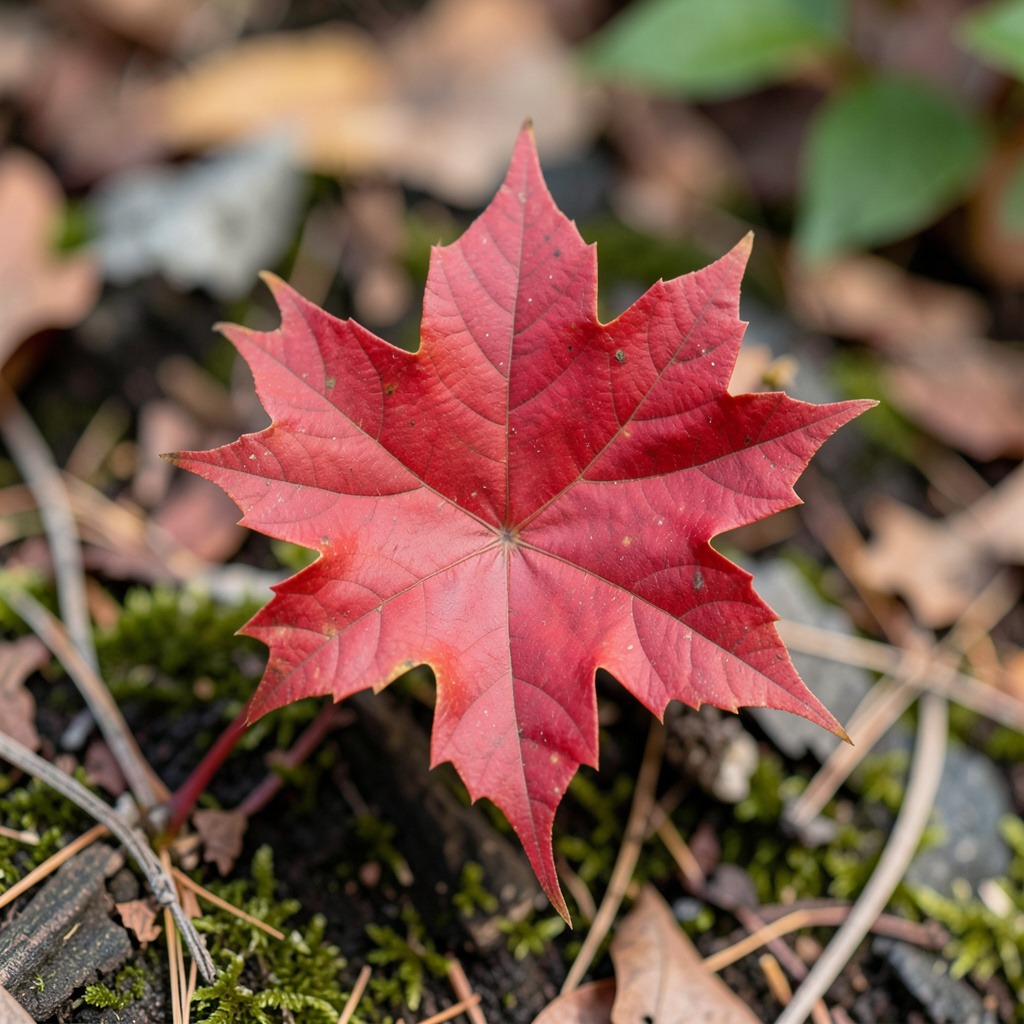
Red maples thrive in a variety of environments, making them a popular choice for landscapes. Understanding their optimal growth conditions is essential for maintaining healthy trees and vibrant foliage.
Ideal Soil and Light Conditions
Red maples prefer well-drained, moist soils that are slightly acidic. Ideal soil types include sandy loam or loamy soils. They can tolerate a range of conditions, from wet swamps to dry uplands, but they flourish best in environments with consistent moisture.
Light Requirements:
- Full sun to partial shade.
- At least 4-6 hours of direct sunlight daily promotes optimal growth.
Watering and Fertilization
Proper watering is crucial for red maples, especially during their first few years of growth. Young trees require regular watering to establish their roots.
Watering Guidelines:
- Water deeply once a week during dry spells.
- Mulch around the base to retain soil moisture.
Fertilization:
- Apply a balanced fertilizer in early spring to support growth.
- Avoid over-fertilizing, as this can harm the tree.
Pruning and Maintenance Tips
Regular pruning enhances the shape and health of red maples. Focus on removing dead or crossing branches to promote airflow.
Pruning Tips:
- Prune in late winter or early spring before new growth starts.
- Remove any suckers at the base to prevent nutrient competition.
Seasonal Maintenance Checklist
| Season | Task |
|---|---|
| Spring | Fertilize; prune dead branches |
| Summer | Water deeply during dry spells |
| Fall | Rake leaves; check for pests |
| Winter | Inspect tree structure; prune if necessary |
By following these care instructions, you can ensure that your red maple not only survives but thrives, showcasing its beautiful autumn colors and robust health year-round.
Ecological Impact of Red Maple Trees
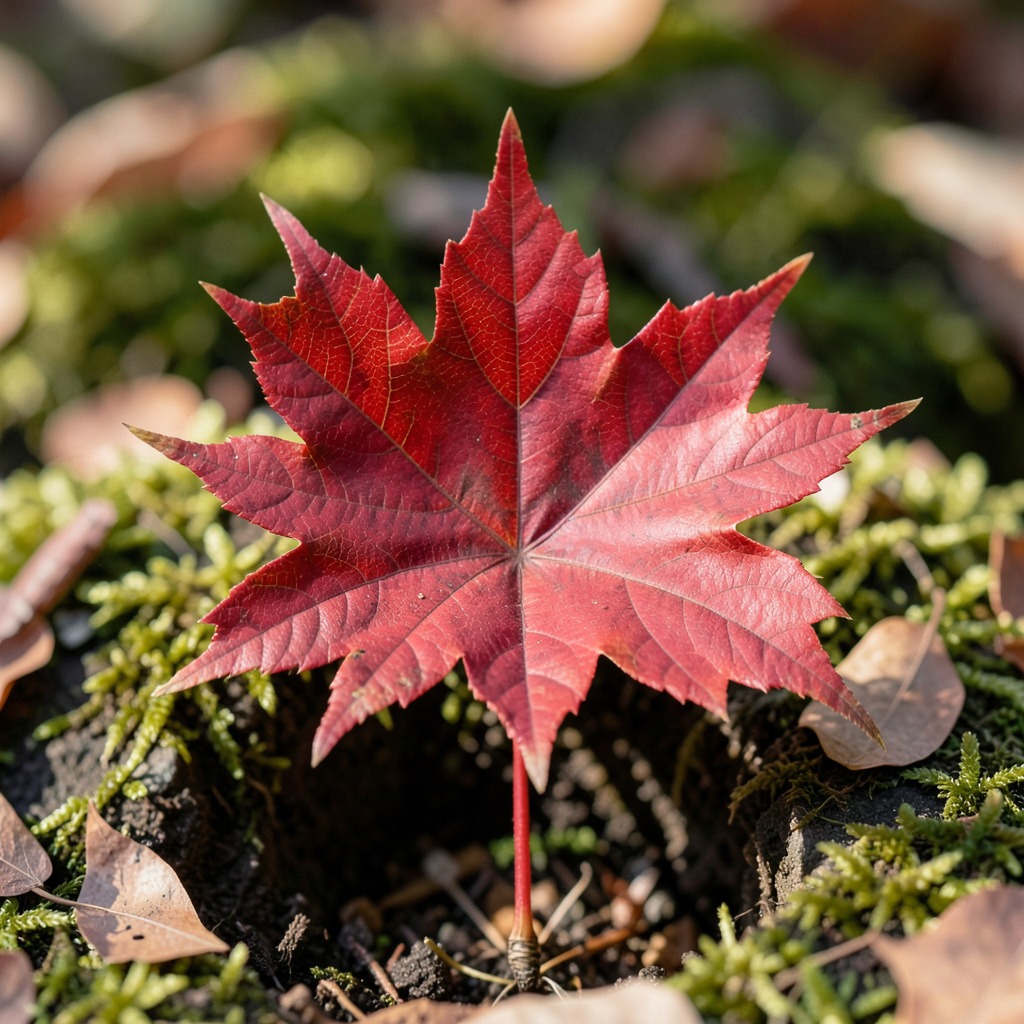
Red maples play a crucial role in their native ecosystems. Their adaptability allows them to thrive in various habitats, contributing to biodiversity and supporting local wildlife.
Role in Local Ecosystems
Red maples (Acer rubrum) are often among the first trees to colonize disturbed areas. They can grow in a range of soil types and moisture levels, from swamps to dry uplands. This adaptability makes them essential for forest regeneration. For instance, after clear-cutting, red maples can quickly establish themselves, promoting soil stabilization and creating a canopy that supports other plant species.
Interactions with Wildlife
The red maple tree is a vital resource for various wildlife species. Its flowers provide early spring nectar for pollinators such as bees. Additionally, the tree’s seeds serve as a food source for birds and small mammals. In turn, the presence of red maples can influence the composition of local fauna. For example, in areas with abundant red maple, one may observe increased populations of species that thrive in its shade.
Importance of Biodiversity
Red maples contribute to overall forest health and biodiversity. Their presence supports a diverse understory, which includes other plant species that thrive in shaded conditions. This diversity is critical for maintaining balanced ecosystems. Moreover, red maples can be instrumental in providing habitats for various organisms, ranging from insects to birds. By fostering diverse communities, they enhance ecosystem resilience against pests, diseases, and climate fluctuations.
- Key Contributions:
- Fast growth aids in forest recovery.
- Provides early season food for wildlife.
- Supports a diverse understory and forest health.
These ecological contributions underline the importance of red maples in maintaining healthy environments and biodiversity.
Common Issues and Pests Affecting Red Maples
Red maples, like any tree species, face challenges from pests, diseases, and environmental stressors. Identifying these issues early is crucial for maintaining the health of the tree and its vibrant leaves.
Identifying Pests and Diseases
Red maples are susceptible to various pests and diseases that can affect their foliage and overall vitality. Common issues include:
- Verticillium Wilt: This fungal disease causes leaves to wilt and turn yellow before dropping. It can lead to branch dieback.
- Anthracnose: This disease manifests as leaf spots and can cause premature leaf drop.
- Leaf Spot and Tar Spot: Both diseases create dark spots on leaves. While not usually fatal, they can weaken the tree over time.
- Powdery Mildew: This fungal issue appears as a white, powdery coating on leaves, indicating poor air circulation and high humidity.
- Insect Infestations: Pests such as gall mites, leafhoppers, and mapleworms can damage leaves and sap flow.
Preventive Measures
Preventing pests and diseases requires proactive care. Consider these strategies:
- Regular Inspections: Monitor leaves for discoloration or unusual spots. Early detection allows for timely intervention.
- Cultural Practices: Maintain good air circulation around trees by pruning overcrowded branches. This reduces humidity levels that favor fungal growth.
- Proper Watering: Ensure red maples receive adequate water, especially during dry spells. Avoid overwatering, which can stress the tree and promote root rot.
- Sanitation: Rake fallen leaves and debris to minimize habitats for pests and diseases.
Treatment Options
If issues arise, several treatment options are available:
- Fungicides: Use fungicides to treat diseases like anthracnose and powdery mildew. Follow label instructions for effectiveness.
- Insecticides: Apply insecticides to manage pest infestations. Target specific pests based on identification.
- Pruning: Remove infected branches to halt the spread of diseases. Dispose of pruned material properly.
- Fertilization: Provide balanced fertilizers to enhance tree vigor, making it more resilient against pests and diseases.
Troubleshooting Guide
If your red maple shows signs of distress, use this checklist:
- Yellowing Leaves: Check for verticillium wilt or nutrient deficiencies. Inspect for pests.
- Leaf Drop: Investigate for anthracnose or root issues. Review watering practices.
- Discolored Spots: Identify if it’s a fungal infection or pest damage.
- White Coating: Consider powdery mildew; increase air circulation and apply fungicides.
By understanding and addressing these common issues, you can help ensure your red maple remains a healthy and vibrant part of your landscape.
Frequently Asked Questions
These quick answers cover the most common questions about this topic, including key details, practical tips, and common concerns.
How can I identify a red maple tree?
To identify a red maple tree (Acer rubrum), look for its distinctive leaves. They typically have 3 to 5 lobes with serrated edges. The upper surface is dark green, while the underside is lighter and may have fine hairs. In autumn, the leaves turn vibrant shades of red, making them particularly easy to spot. Additionally, red maples have thin, smooth bark that can appear reddish.
What tree is often mistaken for a maple tree?
Trees often mistaken for maples include the sweetgum (Liquidambar styraciflua) and the sycamore (Platanus occidentalis). Sweetgum leaves are star-shaped, while sycamore leaves are broad and have a more lobed appearance. Both can be confused with maples, especially when viewed from a distance. However, their leaf shapes and growth habits differ significantly from true maples.
How to tell the difference between a red maple and a sugar maple?
The primary differences between red maple and sugar maple (Acer saccharum) lie in their leaf shapes and fall colors. Red maple leaves have 3 to 5 lobes with serrated edges, while sugar maple leaves typically have 5 broader lobes with smooth edges. In autumn, red maples turn bright red, whereas sugar maples display yellow or orange hues. Additionally, sugar maples have thicker, deeply ridged bark compared to the smoother bark of red maples.
What are the downsides of red maples?
Red maples can have several downsides. They are susceptible to pests and diseases, such as verticillium wilt and anthracnose, which can affect their health and appearance. Additionally, their rapid growth can lead to weak wood, making them more prone to storm damage. Some people also find that red maples can produce a messy leaf drop in the fall, which may require regular maintenance.
What are the ideal conditions for growing red maples?
Red maples thrive in well-drained, moist soils that are slightly acidic. They can tolerate a range of conditions, from wet swamps to dry uplands, but they grow best in environments with consistent moisture. They prefer full sun to partial shade, requiring at least 4-6 hours of direct sunlight daily. Regular watering, especially during dry periods, is crucial for their establishment and health.
How can I tell if my red maple tree is healthy?
A healthy red maple tree will exhibit vibrant, green leaves in spring and summer, transitioning to bright red in autumn. Check for signs of pests or diseases, such as wilting leaves, spots, or discoloration. The bark should be smooth and free from cracks or lesions. Additionally, a healthy tree will have a strong, upright growth habit and a well-formed canopy. Regular inspections can help catch any issues early.