
The average lifespan of a red maple tree (Acer rubrum) ranges from 80 to 150 years, with some exceptional individuals living over 200 years, depending on environmental conditions and care.
Table of Contents
Red maple trees, known scientifically as Acer rubrum, are celebrated for their vibrant fall colors and adaptability. Understanding their lifespan is crucial for proper care and maintenance, ensuring these beautiful trees thrive for generations in your landscape.

Understanding the Lifespan of Red Maple Trees
Red maple trees (Acer rubrum) typically exhibit a moderate lifespan, thriving under optimal care and environmental conditions. Understanding the factors that influence their longevity can help ensure these trees flourish for years.
Average Lifespan of Red Maples
The average lifespan of red maple trees ranges from 100 to 150 years. However, certain specimens can exceed this range significantly. Factors that influence their longevity include:
- Environmental Conditions: Trees planted in deep, moist, acidic soil often live longer.
- Care and Maintenance: Regular pruning and pest management can enhance lifespan.
- Growth Rate: Fast-growing trees may have shorter lifespans than those growing more slowly.
Exceptional Cases: Longevity Beyond 200 Years
In rare instances, red maples have been documented to live beyond 200 years. These exceptional cases often occur in protected environments, free from severe pests and diseases. For example:
- A red maple in a well-maintained arboretum reached 230 years.
- Specimens in national parks have thrived for over 200 years due to minimal human interference.
Key Factors Influencing Longevity
- Diseases and Pests: Common threats include anthracnose and the red maple borer. Effective management can prolong life.
- Soil Quality: Ideal soil conditions include adequate drainage and nutrient-rich composition.
- Location Choice: Select planting sites that offer protection from harsh weather and competition from other plants.
By considering these factors, homeowners and landscapers can maximize the potential lifespan of red maple trees in their care.
Factors Affecting the Lifespan of Red Maples
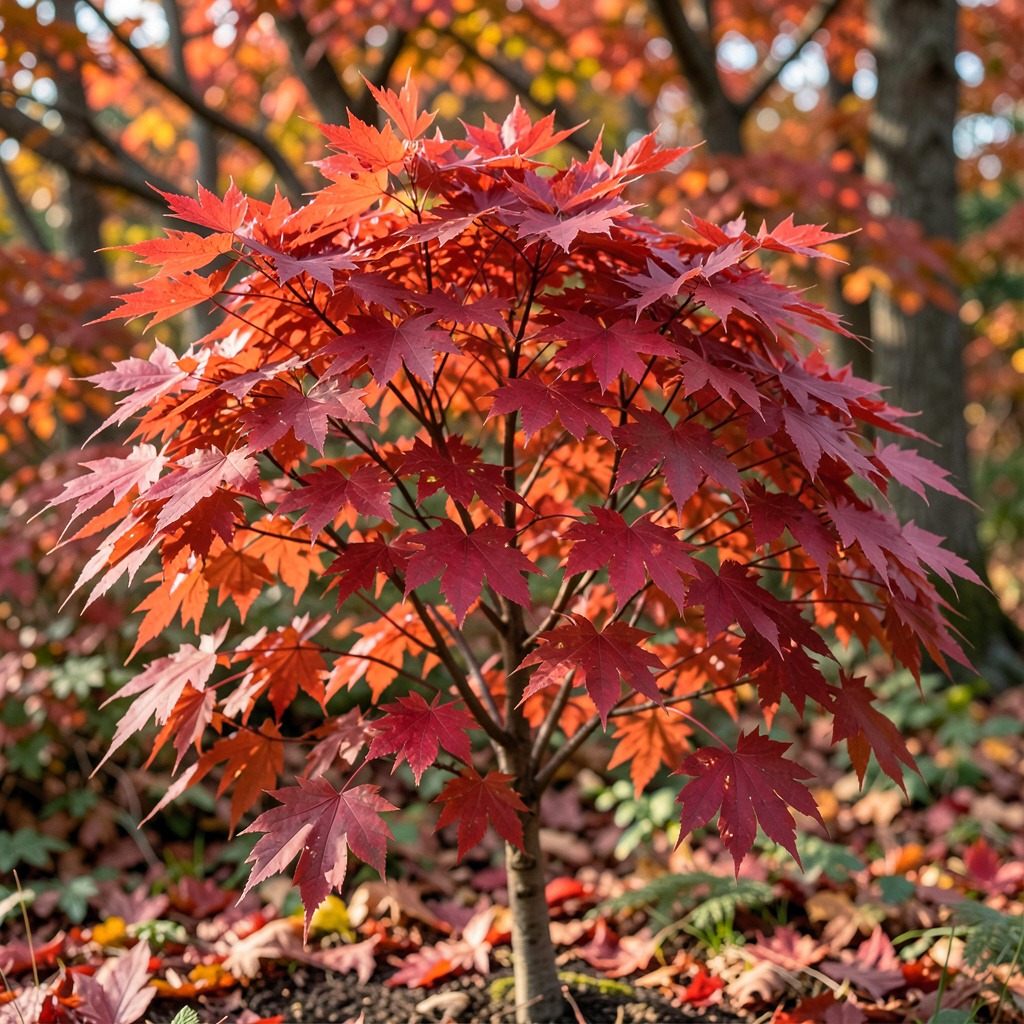
The lifespan of red maple trees, or Acer rubrum, is influenced by various environmental and biological factors. Understanding these elements can help maximize their longevity in both natural and cultivated settings.
Environmental Conditions for Optimal Growth
Red maples thrive in a range of environmental conditions, but certain factors enhance their lifespan. These include:
- Sunlight: Red maples prefer full sun to partial shade. Optimal growth occurs in locations receiving at least six hours of sunlight daily.
- Moisture Levels: While adaptable, red maples grow best in consistently moist conditions. They can tolerate wet or dry soils, but prolonged drought can shorten their lifespan.
- Climate: These trees are well-suited to temperate climates. Extreme heat or cold can stress the tree, impacting its health and longevity.
Soil Types and Nutrient Needs
The type and quality of soil significantly affect the growth and lifespan of red maples. Here’s what to consider:
- Soil Composition: Red maples prefer acidic to neutral soils, ideally with a pH between 5.5 and 7.0. Nutrient-rich, well-draining soil promotes healthy root development.
- Soil Drainage: Poor drainage can lead to root rot and other diseases. Implementing proper drainage solutions or selecting elevated planting sites is crucial.
- Nutrient Requirements: Regular soil testing and appropriate fertilization can enhance health. Red maples benefit from organic matter, such as compost, to improve soil structure and nutrient availability.
Comparative Analysis of Soil Types
| Soil Type | Impact on Lifespan |
|---|---|
| Sandy Soil | Drains quickly; may require more frequent watering to maintain moisture. |
| Clay Soil | Retains moisture; risk of root rot if drainage is inadequate. |
| Loamy Soil | Ideal balance of drainage and moisture; promotes optimal growth. |
By evaluating these factors and choosing the right conditions, homeowners and landscapers can significantly extend the lifespan of their red maple trees, ensuring they thrive for generations.
Common Diseases and Pests Affecting Red Maples
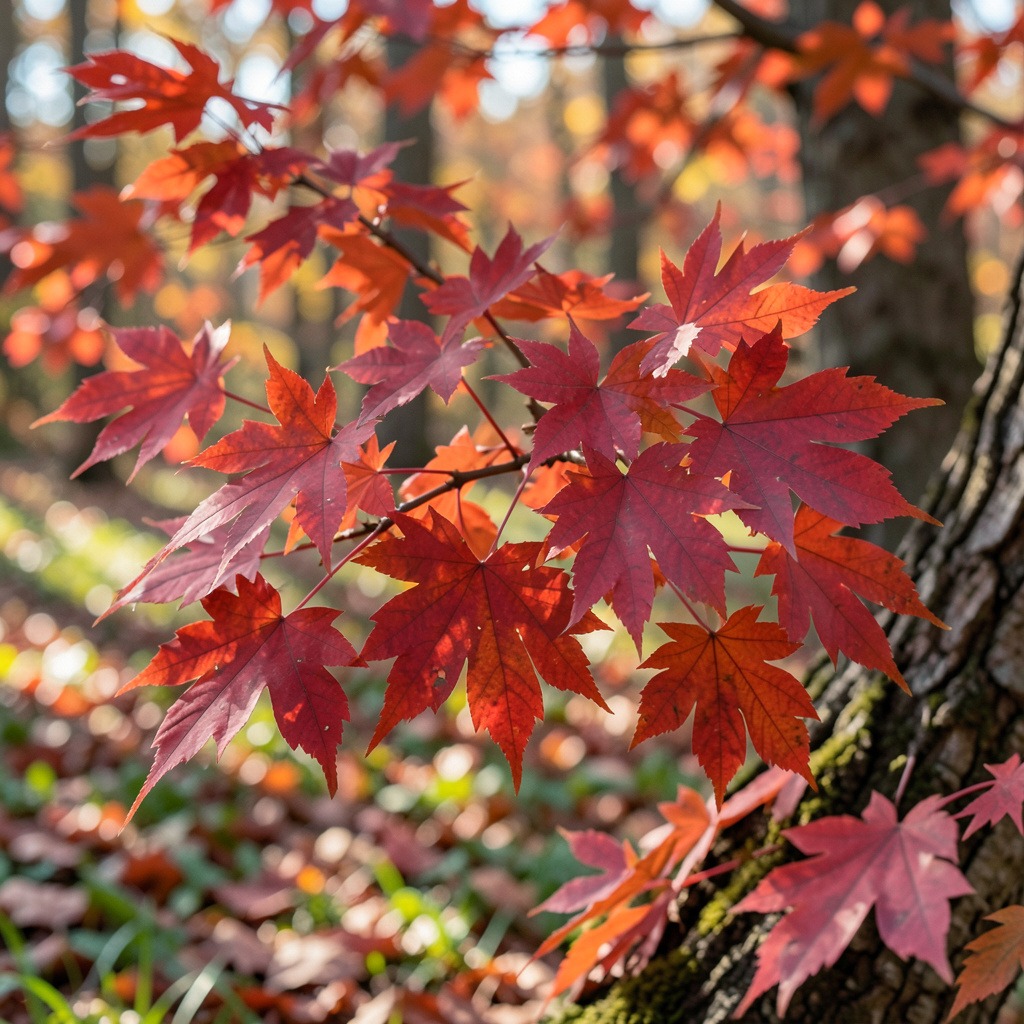
Red maples, while hardy, are susceptible to various diseases and pests that can significantly impact their lifespan. Understanding these threats is crucial for maintaining the health and longevity of these trees.
Identifying Common Pests
Several pests can harm red maple trees, leading to stress and reduced growth. Here are some of the most common ones:
- Aphids: These small insects feed on sap, weakening the tree and making it more susceptible to diseases.
- Scale Insects: These pests attach themselves to branches and trunks, draining nutrients and causing dieback.
- Leaf Miners: They create tunnels in leaves, reducing photosynthesis and overall vigor.
Regular inspections for these pests can help catch infestations early.
Recognizing Signs of Disease
Diseases can severely shorten the lifespan of red maples. Here are notable diseases to monitor:
- Tar Spot: This fungal disease creates black spots on leaves, impairing photosynthesis and overall health.
- Root Rot: Caused by overly wet conditions, root rot can lead to tree decline and death if not addressed.
- Cankers: These are localized areas of dead tissue that can spread, leading to branch dieback.
Checklist for Tree Owners
To protect your red maples, regularly inspect for the following signs:
- Leaf discoloration or spots: Look for unusual color changes or patterns.
- Sticky sap or honeydew: This may indicate an aphid infestation.
- Wilting or yellowing leaves: These symptoms can point to nutrient deficiencies or root issues.
- Visible pests: Check both the leaves and trunk for any signs of pests.
Example Scenario: A homeowner notices yellowing leaves on their red maple. Upon inspection, they find aphids and apply insecticidal soap, which helps restore the tree’s health and prolong its lifespan.
By staying vigilant and proactive, tree owners can significantly enhance the longevity of their red maple trees.
Care and Maintenance Tips for Red Maples
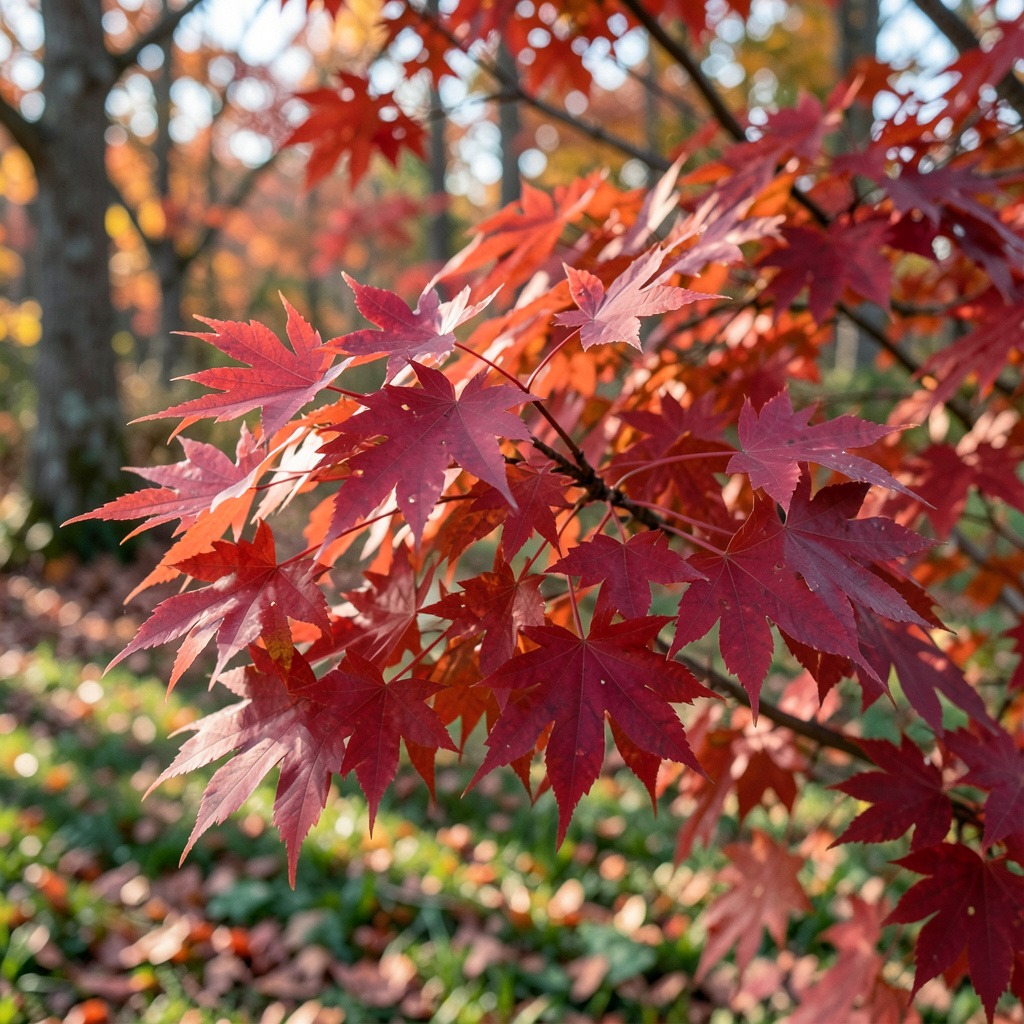
Proper care and maintenance can significantly extend the lifespan of red maple trees. By focusing on essential practices like pruning and watering, you can promote healthy growth and resilience against diseases.
Pruning for Longevity
Pruning is vital for maintaining the structure and health of red maples. Regular pruning encourages strong growth and helps prevent disease.
- When to Prune: Prune in late winter or early spring before new growth appears. This timing minimizes stress on the tree and enhances recovery.
- What to Remove: Focus on dead, damaged, or crossing branches. This improves air circulation and light penetration.
- Technique: Use sharp, clean tools to make clean cuts. Angled cuts allow water to run off, preventing rot.
Example Scenario: A homeowner pruned their red maple annually, removing weak branches. Over five years, the tree grew thicker and more robust, showcasing increased height and foliage, ultimately enhancing its lifespan.
Watering and Soil Management
Watering and soil conditions play crucial roles in the longevity of red maples. They thrive in well-drained, moist, and slightly acidic soils.
- Watering Needs: Young red maples require regular watering, especially during dry spells. Aim for deep watering that penetrates the root zone.
- Soil Requirements: Test soil pH; red maples prefer a range of 5.5 to 7.0. Amend soil with organic matter to improve drainage and nutrient content.
- Mulching: Apply a layer of organic mulch around the base to retain moisture and suppress weeds. Keep mulch away from the trunk to prevent rot.
Decision Framework for Planting:
1. Location: Choose a spot with partial to full sunlight.
2. Soil Testing: Test and amend soil as needed for optimal pH.
3. Water Accessibility: Ensure a reliable water source for young trees.
Implementing these care practices will contribute to the health and longevity of your red maple trees, helping them thrive for generations.
How Red Maples Compare to Other Maple Species
Understanding how red maples (Acer rubrum) compare to other maple species can guide potential tree planters in making informed decisions. This comparison reveals variations in lifespan, growth habits, and care requirements among popular maple varieties.
Lifespan Comparison with Sugar and Silver Maples
Here is a comparative overview of the lifespans of red maples, sugar maples, and silver maples:
| Maple Species | Average Lifespan | Growth Rate | Soil Preferences |
|---|---|---|---|
| Red Maple | 100-150 years | Fast (up to 3 feet/year) | Moist, acidic, well-drained |
| Sugar Maple | 200-400 years | Moderate (1-2 feet/year) | Well-drained, rich in nutrients |
| Silver Maple | 50-100 years | Very fast (up to 5 feet/year) | Tolerates wet soils, adaptable |
- Red Maples: Typically live 100 to 150 years. They are fast-growing and adaptable to various soil conditions, though they thrive best in moist, acidic environments.
- Sugar Maples: Known for their impressive longevity, sugar maples can live between 200 and 400 years. They prefer rich, well-drained soils and have a moderate growth rate.
- Silver Maples: Generally have a shorter lifespan of 50 to 100 years. While they grow quickly, they are less resilient than other species and often struggle in poor soil.
Choosing the Right Maple for Your Landscape
When selecting a maple for your landscape, consider the following criteria:
- Lifespan Needs: If longevity is a priority, opt for sugar maples. For quicker growth, red or silver maples are suitable.
- Soil Conditions: Match the species to your soil type. Red maples thrive in acidic soils, while silver maples tolerate wetter areas.
- Growth Rate: If you desire rapid shade, silver maples may be appealing, but be prepared for their shorter lifespan. Red maples offer a balanced option with moderate growth and longevity.
Example Scenario for Planting
Imagine you have a yard with moist, well-drained soil. You want a tree that will provide shade in the near term but also has the potential to last for generations. In this case, a red maple is a fitting choice. It will establish quickly and provide aesthetic value through its vibrant fall foliage.
By understanding these differences, you can choose the most suitable maple species for your specific environmental conditions and longevity expectations.
Frequently Asked Questions
These quick answers cover the most common questions about this topic, including key details, practical tips, and common concerns.
Is red maple a good yard tree?
Yes, red maples (Acer rubrum) are excellent yard trees. They are known for their vibrant fall colors and adaptability to various soil conditions. They grow quickly, providing shade in a relatively short time. Additionally, red maples are hardy and can thrive in both wet and dry environments, making them suitable for many landscapes.
Why is my red maple dying?
Several factors can lead to a dying red maple. Common issues include poor soil conditions, inadequate watering, and pest infestations like aphids or scale insects. Diseases such as root rot or tar spot can also affect the tree’s health. Regular inspections and prompt action, such as improving soil quality or treating for pests, can help restore your tree’s vitality.
What are the disadvantages of red maple trees?
While red maples have many advantages, they also have some drawbacks. They are susceptible to various pests and diseases, which can shorten their lifespan. Additionally, their fast growth can lead to weaker wood, making them more prone to storm damage. Some people also find that their roots can become invasive, potentially damaging nearby structures or plants.
How long does it take for a red maple tree to reach its full size?
Red maples typically reach their full size in about 20 to 30 years, growing to a height of 40 to 60 feet. Their growth rate can be quite fast, averaging up to 3 feet per year under optimal conditions. Proper care, including adequate watering and soil management, can help maximize their growth potential.
How Long Do Maple Trees Live?
Maple trees vary in lifespan depending on the species. Red maples generally live between 100 to 150 years, while sugar maples can live up to 400 years. Silver maples have a shorter lifespan, averaging 50 to 100 years. Factors such as soil quality, care, and environmental conditions play significant roles in determining how long any maple tree will thrive.
What soil conditions are best for red maples?
Red maples prefer moist, well-drained soils that are slightly acidic, with a pH between 5.5 and 7.0. They thrive in nutrient-rich environments that support healthy root development. To enhance soil conditions, consider adding organic matter like compost and ensuring proper drainage to prevent root rot.
How can I tell if my red maple is healthy?
A healthy red maple will have vibrant green leaves, sturdy branches, and a strong trunk. Signs of distress include yellowing leaves, wilting, or visible pests on the tree. Regular inspections for leaf discoloration, sticky sap, or unusual growth patterns can help you identify potential health issues early and take appropriate action.