
To plant a red maple tree, choose a well-drained location with full sun, dig a hole slightly wider than the root ball, and plant at the right depth to ensure healthy growth.
Table of Contents
Red maple trees, known for their vibrant fall colors and rapid growth, can enhance any landscape when planted correctly. This guide covers everything from selecting the right site to ongoing care, ensuring your red maple thrives for years.
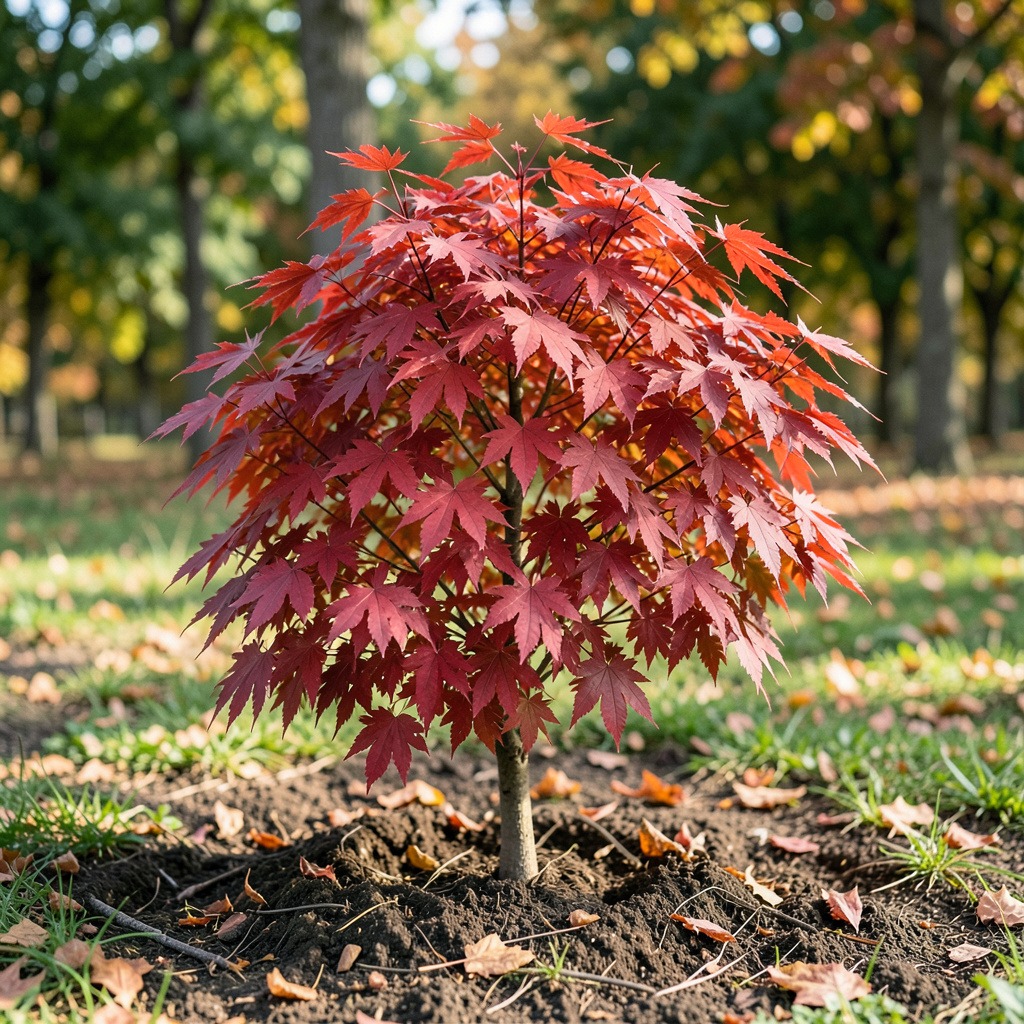
Understanding the Red Maple Tree (Acer rubrum)
The red maple tree, scientifically known as Acer rubrum, is celebrated for its beauty and adaptability. This section explores its key features, growth patterns, and ability to thrive in various environments.
Key Features of Red Maple
Red maples are large deciduous trees characterized by their vibrant seasonal colors. Their key features include:
- Growth Rate: Rapid growth, often reaching heights of 40 to 60 feet.
- Leaf Structure: Typically has 3 to 5 lobes with a pointed tip, turning brilliant red in fall.
- Flowers and Seeds: Produces red flowers in early spring, followed by winged seeds known as samaras.
These features make red maples a popular choice for landscaping and urban planting.
Growth and Lifespan
Red maples are known for their longevity and robust growth. They can live for 60 to 100 years under optimal conditions.
- Mature Size: Height ranges from 40 to 60 feet with a spread of 30 to 40 feet.
- Growth Habits: They have a pyramidal shape in youth, maturing into a broad, rounded crown.
Understanding these growth patterns is essential for choosing the right planting location.
Environmental Adaptability
Red maples thrive in diverse environments, from moist wetlands to drier uplands. They are adaptable to a variety of soil types, including sandy and clay soils.
- Hardiness Zones: Suitable for USDA hardiness zones 3 to 9.
- Moisture Requirements: Prefer well-drained, moist soil but can tolerate temporary flooding.
For urban planting, consider site conditions. Red maples can provide shade and beautify streetscapes while adapting to varying urban environments.
When selecting red maple trees for planting, consider purchasing Red Maple Tree Seedlings – Amazon. Check Price on Amazon.
Ideal Planting Conditions for Red Maples
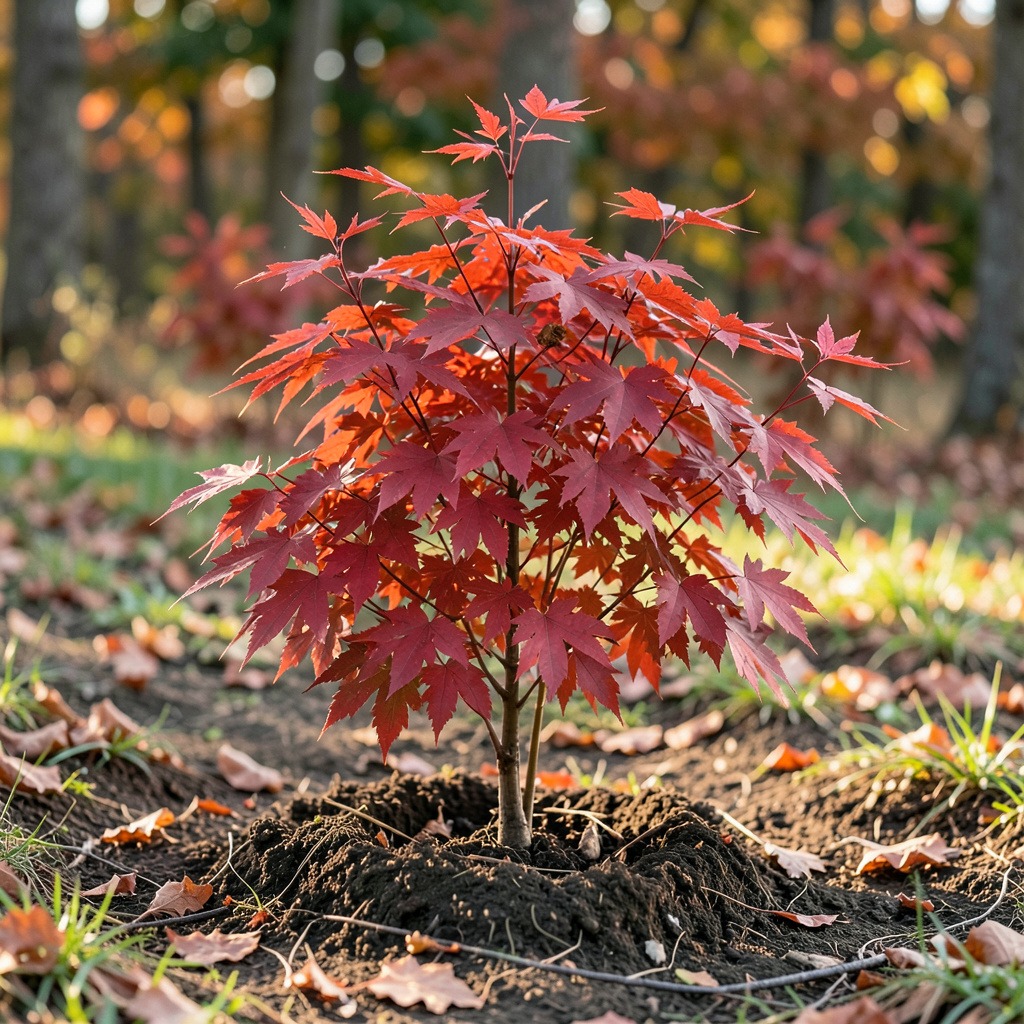
To ensure your red maple (Acer rubrum) thrives, it’s crucial to understand the ideal planting conditions. This includes timing, location, and soil requirements.
Best Time to Plant
The optimal time for planting red maples is during the early spring or fall. This allows the tree to establish roots before extreme temperatures set in.
- Spring Planting: Best for regions with mild winters. Plant after the last frost.
- Fall Planting: Ideal for regions with hot summers. Plant at least six weeks before the first expected frost.
Selecting the Right Location
Choose a location that meets the tree’s sunlight and spacing needs. Red maples prefer:
- Sunlight: Full sun to partial shade, ideally receiving at least 6 hours of direct sunlight daily.
- Spacing: Position trees at least 20-30 feet apart to allow for their mature canopy spread.
Soil Requirements
Red maples thrive in well-drained, moist soil. Here are the specific conditions to consider:
- Soil Type: Prefers sandy, loamy, or slightly acidic soil. Check pH levels between 5.0 to 6.5 for optimal growth.
- Drainage: Ensure the planting site drains well. Poorly drained soils can lead to root rot.
- Moisture: While they prefer moist conditions, red maples can tolerate occasional dry spells with adequate irrigation.
Checklist for Planting Success
- Test soil pH and adjust as necessary.
- Choose a sunny location with enough space.
- Ensure proper drainage to avoid waterlogged roots.
- Water thoroughly after planting to eliminate air pockets.
By adhering to these guidelines, you can maximize the success of your red maple planting. For those looking to start their planting journey, consider purchasing Red Maple Tree Seedlings – Amazon. Check Price on Amazon.
Step-by-Step Guide to Planting a Red Maple
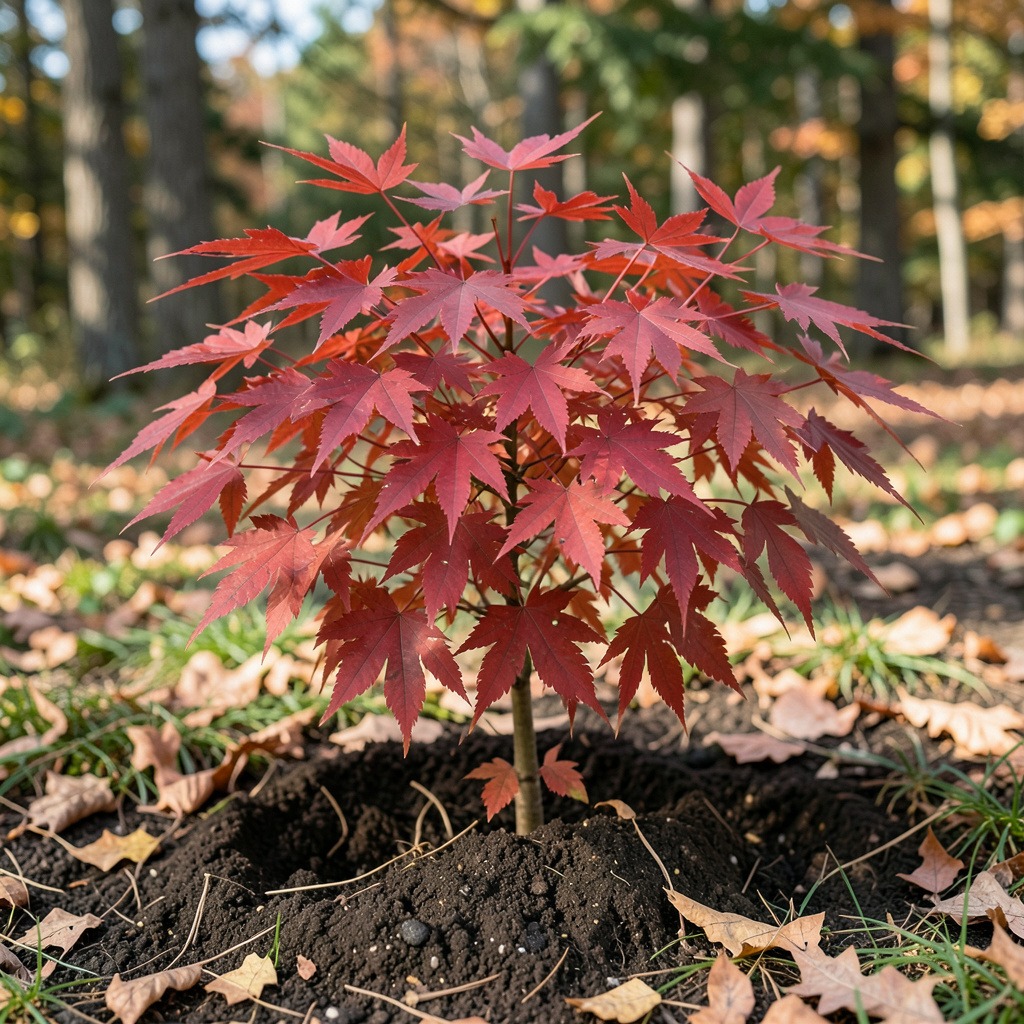
Planting a red maple tree (Acer rubrum) requires attention to detail for successful establishment. Follow these steps to ensure your tree thrives.
Preparing the Planting Hole
1. Choose the Right Location: Select a site with full or partial sunlight and good drainage. Avoid areas prone to flooding.
2. Dig the Hole: Create a hole that is two to three times wider than the root ball but no deeper than the root ball itself. This encourages lateral root growth.
3. Identify the Root Flare: Before placing the tree in the hole, locate the root flare, the point where the trunk widens. This should be above ground level after planting.
Planting Process
1. Position the Tree: Place the tree in the center of the hole, ensuring the root flare sits 2 to 4 inches above the surrounding soil. This prevents settling issues later.
2. Backfill: Use the native soil you removed from the hole to backfill around the root ball. Avoid adding fertilizers at this stage; the newly cut roots cannot utilize them yet.
3. Water Thoroughly: After backfilling, water the tree generously to eliminate air pockets. This also helps settle the soil around the roots.
Watering After Planting
1. Initial Watering: Water the tree immediately after planting. Ensure the soil is moist but not waterlogged.
2. Continue Watering: For the first few months, water the tree weekly if rainfall is insufficient. Maintain moisture, especially during dry spells.
3. Monitor Soil Conditions: Regularly check the soil moisture around the root zone. Red maples prefer moist conditions, but overwatering can lead to root rot.
Visual Aid
Consider using a visual diagram that illustrates the correct planting depth and watering technique. This can help ensure that the root flare is correctly positioned and that the watering method promotes healthy growth.
By following these detailed steps, you can successfully plant a red maple tree and enjoy its vibrant seasonal colors for years to come. For those looking to start their planting journey, consider purchasing Red Maple Tree Seedlings – Amazon. Check Price on Amazon.
Ongoing Care and Maintenance of Red Maple Trees
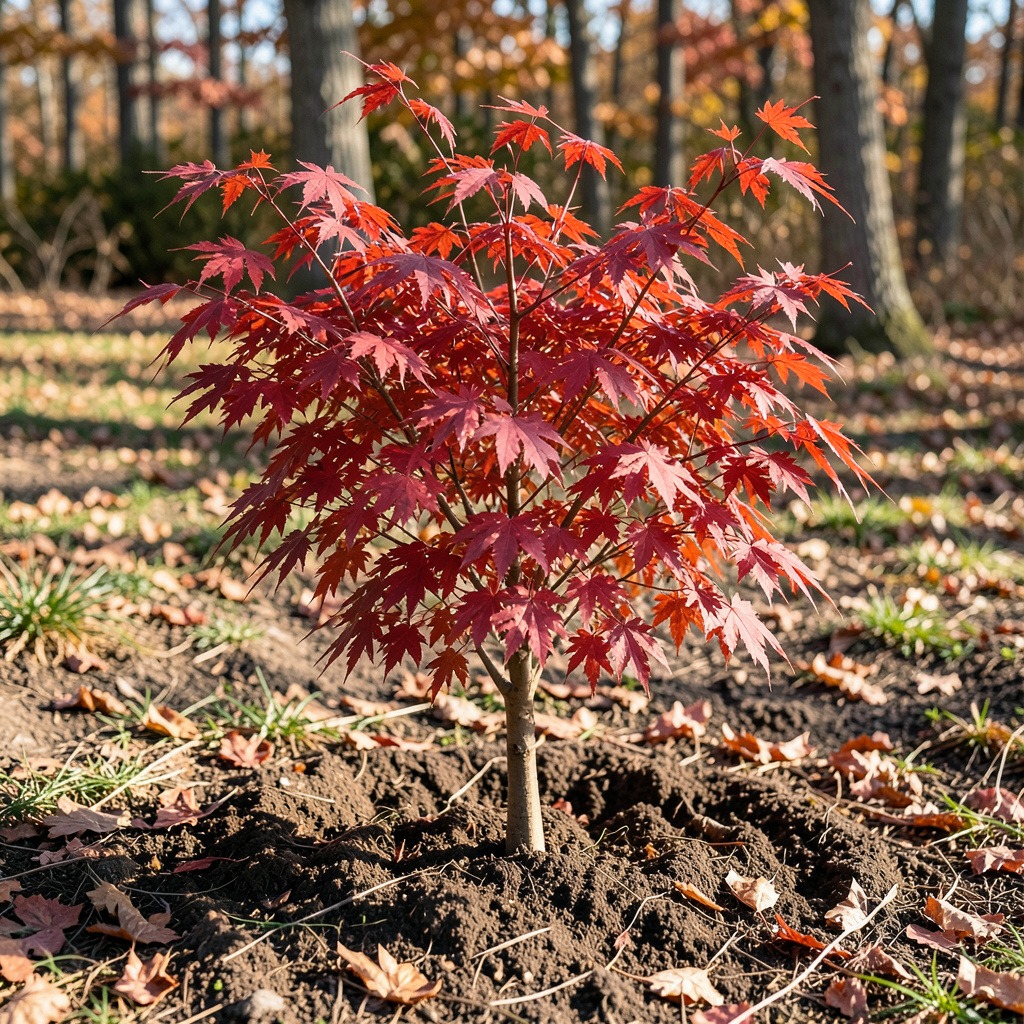
Caring for red maple trees (Acer rubrum) involves understanding their specific needs for water, nutrients, and pruning. Proper maintenance ensures healthy growth and vibrant seasonal colors.
Watering Needs
Red maples thrive in moist soil but can tolerate brief dry spells. Follow this watering schedule:
- First Year: Water weekly, providing 1-2 inches of moisture.
- Subsequent Years: Water every 10-14 days during dry spells.
- Deep Watering: Ensure water penetrates at least 12 inches into the soil to reach the root zone.
Fertilization Schedule
Fertilization enhances growth, especially in nutrient-poor soils. Adhere to this fertilization plan:
- Early Spring: Apply a balanced, slow-release fertilizer (10-10-10) at the start of the growing season.
- Mid-Summer: If growth appears sluggish, a second application can be beneficial.
- Soil Testing: Conduct a soil test every few years to adjust nutrient levels as needed.
Pruning Techniques
Pruning is essential for maintaining shape and health. Follow these guidelines:
- Timing: Prune in late winter or early spring before new growth begins.
- Technique: Remove dead, damaged, or crossing branches. Aim for a central leader to promote strong structure.
- Annual Maintenance: Light pruning each year is preferable to heavy cuts, which can stress the tree.
Seasonal Care Checklist
| Season | Tasks |
|---|---|
| Spring | Fertilize and check for pests. |
| Summer | Monitor water levels; prune lightly. |
| Fall | Rake leaves to reduce pests; water if dry. |
| Winter | Inspect for damage; prune if necessary. |
By following these care instructions, you will foster a robust and beautiful red maple tree.
Common Problems and Solutions for Red Maples
Red maples (Acer rubrum) are resilient trees, but they can encounter specific pests and diseases that may hinder their growth. Identifying these issues early is critical for maintaining the health of your tree.
Identifying Common Pests
Red maples are susceptible to various pests, including:
- Gall Mites: These tiny insects can cause leaf curling and discoloration.
- Leafhoppers: These pests can lead to leaf spotting and reduced vigor.
- Aphids: They suck sap from leaves, leading to yellowing and possible leaf drop.
- Cankerworms: These caterpillars can defoliate trees quickly.
- Mapleworms: Their feeding can weaken the tree significantly.
Regular inspections of leaves and branches can help catch these pests before they cause major damage.
Diseases Affecting Red Maples
Several diseases can affect red maples, including:
- Verticillium Wilt: This soil-borne fungus causes wilting and discoloration. It can spread throughout the tree and lead to significant leaf loss.
- Anthracnose: This fungal disease results in dark lesions on leaves, causing premature drop.
- Leaf Spot and Tar Spot: These conditions create unsightly spots on leaves, affecting overall tree health.
- Powdery Mildew: A fungal infection that presents as a white powdery coating, typically seen in humid conditions.
Regular monitoring and quick action are essential to mitigate these diseases.
Prevention and Treatment Options
Preventing pests and diseases is more effective than treating them. Here are some strategies:
- Cultural Practices: Maintain good cultural practices such as proper site selection, adequate watering, and regular pruning.
- Sanitation: Rake and dispose of fallen leaves and debris. This reduces the likelihood of disease spread.
- Pesticides: Use insecticidal soaps or appropriate pesticides for severe infestations. Always follow label instructions.
- Fungicides: Apply fungicides to prevent or manage diseases like powdery mildew and anthracnose, especially in humid conditions.
Troubleshooting Guide
| Problem | Symptoms | Solution |
|---|---|---|
| Leaf Curling | Distorted leaves | Inspect for gall mites; treat accordingly. |
| Wilting and Browning | Leaves droop, discolor | Check for verticillium wilt; prune affected areas and consider fungicides. |
| Leaf Spots | Dark lesions | Identify anthracnose; apply fungicides and ensure proper air circulation. |
| Powdery Coating | White powdery leaves | Treat with fungicides and improve air flow. |
By employing these strategies, you can enhance the health of your red maple and ensure its longevity in your garden.
Exploring Different Red Maple Cultivars
Red maples, known scientifically as Acer rubrum, come in various cultivars, each offering unique characteristics and benefits. Understanding these differences will help you select the best option for your landscape.
Popular Cultivars
Here are some of the most recognized red maple cultivars:
- October Glory: Known for its brilliant fall color, this cultivar matures at about 40-50 feet. It has a rounded canopy and grows well in various soil types.
- Red Sunset: Similar in height to October Glory, Red Sunset boasts vibrant red foliage in fall and a dense growth habit, making it ideal for shade.
- Autumn Blaze: A hybrid between red and silver maple, it grows faster than pure red maples. Expect a broad canopy and excellent color.
- Brandywine: This cultivar features deep burgundy leaves in fall, with a moderate growth rate. It thrives in urban environments.
- Scarlet Sentinel: A narrower cultivar, perfect for tight spaces. Its upright growth makes it a great choice for street plantings.
Characteristics of Each Cultivar
| Cultivar | Height (ft) | Fall Color | Growth Rate | Ideal Use |
|---|---|---|---|---|
| October Glory | 40-50 | Bright red | Moderate | Residential shade |
| Red Sunset | 40-50 | Vibrant red | Moderate | Parks and large gardens |
| Autumn Blaze | 50-60 | Orange-red | Fast | Urban landscapes |
| Brandywine | 30-40 | Deep burgundy | Moderate | Urban planting |
| Scarlet Sentinel | 30-40 | Bright red | Moderate | Street and sidewalk plantings |
Choosing the Right Cultivar for Your Landscape
When selecting a red maple cultivar, consider the following factors:
- Space: Assess the area where you plan to plant. For smaller spaces, opt for narrower cultivars like Scarlet Sentinel.
- Soil Conditions: Ensure the cultivar matches your soil type. For example, Brandywine adapts well to urban soils.
- Growth Rate: If quick shade is needed, Autumn Blaze offers rapid growth, while October Glory provides stability over time.
- Aesthetic Preference: Choose based on the desired fall color. October Glory and Red Sunset are renowned for their vibrant displays.
By evaluating these aspects, you can make an informed decision that enhances your landscape with the right red maple cultivar.
Conclusion: The Benefits of Planting Red Maples
Red maples (Acer rubrum) offer significant advantages for both aesthetics and ecology. Their vibrant fall colors and adaptability make them a favorite in landscaping, while their ecological contributions enhance local environments.
Aesthetic Appeal
- Vibrant Foliage: Red maples provide stunning color changes throughout the seasons. In spring, their flowers bloom in bright red, followed by lush green leaves in summer. By fall, expect brilliant hues of red and orange that can enhance any landscape.
- Variety of Cultivars: With numerous cultivars available, such as October Glory and Red Sunset, gardeners can choose trees that fit their specific aesthetic preferences and space requirements.
Ecological Benefits
- Wildlife Habitat: Red maples serve as crucial habitats for various wildlife. Their branches offer cover for birds, while their cavities can host nesting species like wood ducks and owls.
- Soil Health: The extensive root system of red maples helps prevent soil erosion and promotes nutrient cycling. Their leaves can also enrich the soil as they decompose, enhancing soil structure and fertility.
Practical Considerations
When selecting a red maple for planting, consider the following:
- Site Selection: Ensure the chosen location has well-drained soil. Red maples thrive in acidic, moist environments.
- Watering Needs: Regular watering is crucial, especially during the first few years. Establish a routine to support healthy growth.
- Cultivar Comparison: Choose a cultivar based on your specific needs—whether it’s rapid growth, fall color, or adaptability to urban conditions.
For instance, if you are in an urban area with compacted soil, consider cultivars like Brandywine that can adapt well to these conditions, ensuring successful growth and minimal maintenance.
By planting red maples, you not only enhance your landscape but also contribute positively to local ecosystems.
Frequently Asked Questions
These quick answers cover the most common questions about this topic, including key details, practical tips, and common concerns.
What time of year do you plant red maple trees?
The best time to plant red maple trees is in early spring or fall. In spring, wait until after the last frost to ensure the tree can establish roots before the heat of summer. In fall, aim to plant at least six weeks before the first expected frost, allowing the roots to settle in before winter.
What are the potential downsides of growing red maples?
While red maples are popular, they can have downsides. They may attract pests like aphids and leafhoppers, which can damage the leaves. Additionally, they are susceptible to diseases such as verticillium wilt and anthracnose. Their rapid growth can also lead to weak branches that might require regular pruning.
How tall will a red maple grow in 5 years?
In optimal conditions, a red maple can grow between 10 to 15 feet in the first five years. Their growth rate can vary based on factors like soil quality, watering, and sunlight exposure. Typically, they reach a mature height of 40 to 60 feet over time.
How far away from my house should I plant a red maple tree?
It’s recommended to plant red maple trees at least 20 to 30 feet away from your house. This distance allows for the tree’s mature canopy spread, preventing potential damage to your home and allowing for proper air circulation around the tree.
What soil conditions are ideal for red maples?
Red maples thrive in well-drained, moist soil with a slightly acidic pH between 5.0 and 6.5. They can adapt to various soil types, including sandy and clay soils, but poor drainage can lead to root rot. Testing your soil before planting can help ensure optimal conditions.
How do I know if my red maple is healthy?
A healthy red maple will have vibrant green leaves in spring and summer, turning brilliant red or orange in fall. Look for a strong trunk, a well-developed canopy, and minimal signs of pests or diseases, such as leaf discoloration or wilting. Regular inspections can help catch any issues early.
What are alternatives to red maple for landscaping?
If you’re considering alternatives to red maple, look into trees like sugar maple, sweetgum, or river birch. Sugar maples offer stunning fall colors and are known for their syrup production. Sweetgum provides unique star-shaped leaves and interesting seed pods, while river birch is valued for its attractive bark and adaptability to wet conditions.