
Red maple trees can suffer from various problems including diseases, pests, and environmental stress, leading to symptoms like yellowing leaves, wilting, and dieback.
Table of Contents
Red maple trees are cherished for their beauty and shade but can face numerous challenges. Understanding common problems, their symptoms, and effective solutions is crucial for maintaining a healthy and vibrant red maple in your landscape.
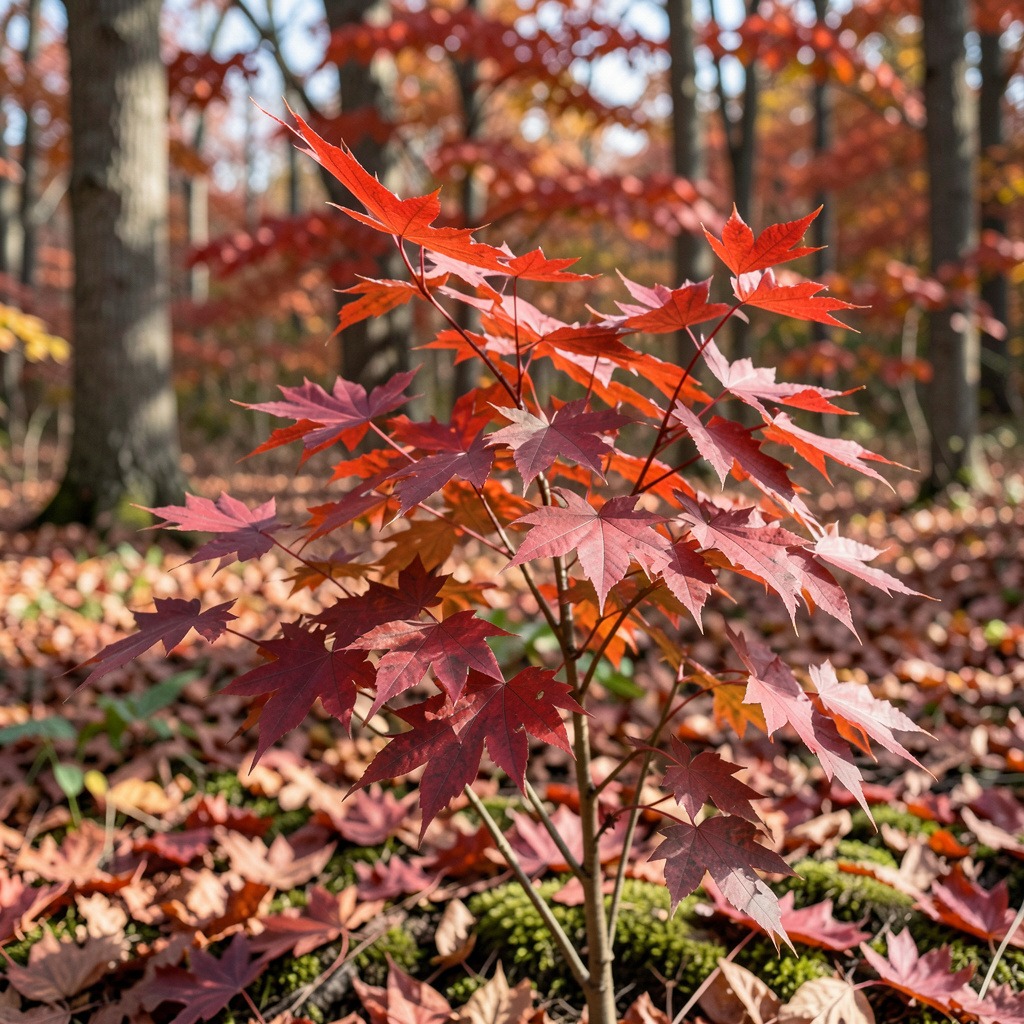
Understanding Common Problems in Red Maple Trees
Red maple trees are susceptible to various issues that can affect their health and vitality. Early identification and management of these problems are essential for maintaining a robust tree.
Why Red Maples Are Prone to Problems
Red maples, or Acer rubrum, thrive in diverse environments, but their popularity also makes them vulnerable to pests and diseases. Common factors contributing to their issues include:
- Environmental Stress: Poor soil conditions, particularly alkaline soil, can lead to nutrient deficiencies, resulting in pale or stunted growth.
- Overcrowding: Dense planting can facilitate the spread of pests and diseases due to close proximity.
- Moisture Levels: While red maples prefer moist soil, prolonged drought or excessive wetness can lead to root problems.
The Importance of Early Detection
Identifying problems early can significantly enhance the chances of recovery. Regular monitoring is key. Here are some critical aspects to consider:
- Visual Signs: Look for changes in leaf color, shape, and texture. Wilting leaves or premature color change may indicate issues.
- Pest Presence: Check for signs of pest infestation, such as holes in leaves or webbing on branches.
- Disease Symptoms: Symptoms like leaf spots, galls, or unusual growth patterns can signal underlying diseases.
General Symptoms to Watch For
Recognizing symptoms early can prevent severe damage. Here are common indicators of health problems in red maples:
- Leaf Scorch: Browning edges often indicate water stress.
- Verticillium Wilt: Wilting and yellowing of leaves, starting from the outer edges, can suggest this fatal disease.
- Anthracnose: Dark spots or blotches on leaves, particularly in wet conditions, may point to this fungal disease.
Quick Reference Checklist for Red Maple Health
- Monitor soil moisture: Ensure it’s consistently moist but not waterlogged.
- Inspect leaves regularly: Look for discoloration, spots, or unusual growths.
- Check for pests: Examine both sides of leaves for mites or beetles.
- Prune affected areas: Remove diseased or infested branches promptly to prevent spread.
Maintaining a proactive approach to care and observation will help ensure a thriving red maple tree.
1. Leaf Scorch: Causes and Solutions
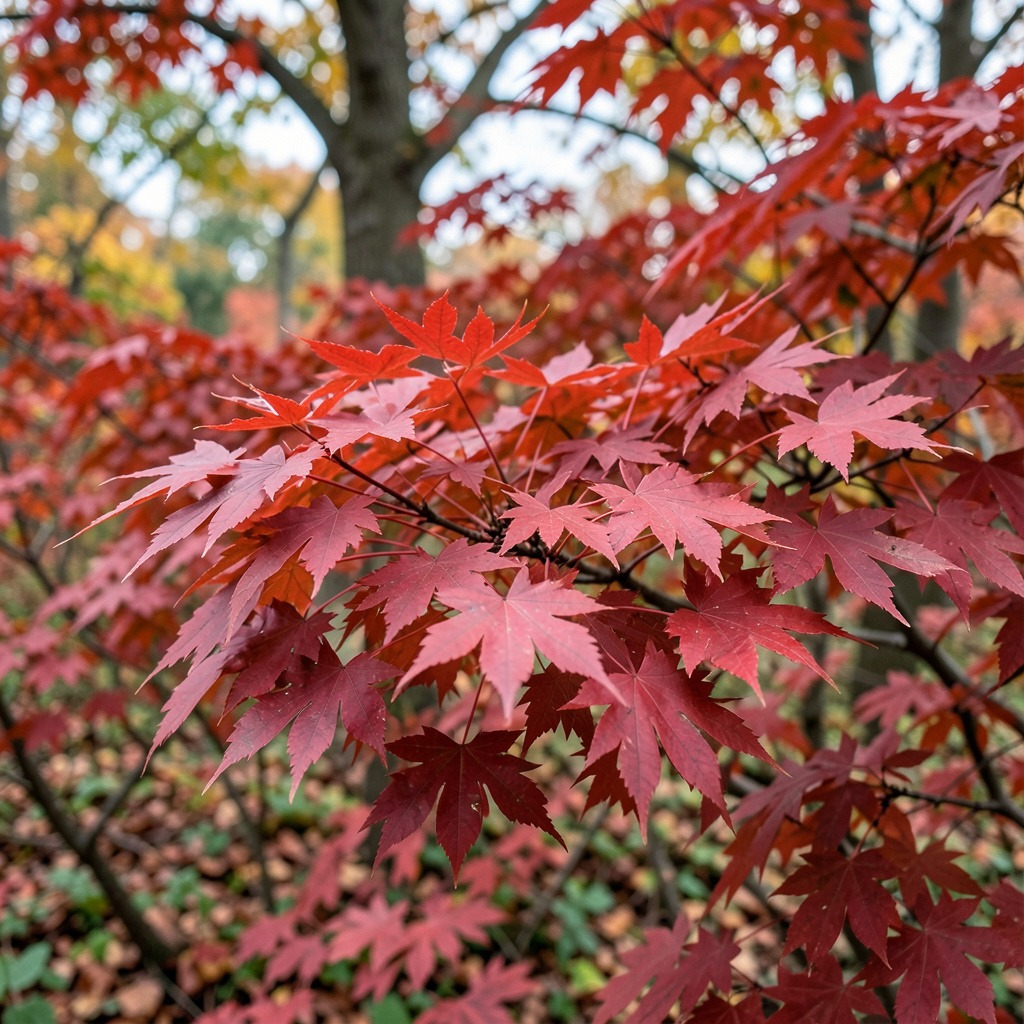
Leaf scorch is a common issue for red maple trees, often resulting from environmental stressors or inadequate watering. This condition manifests as browning along leaf edges and between veins, especially during hot, dry periods.
Identifying Leaf Scorch Symptoms
Look for these key symptoms to identify leaf scorch:
- Browning Edges: The outer edges of leaves turn brown.
- Vein Discoloration: Yellowing may occur between veins, indicating stress.
- Curling Leaves: Leaves may curl or appear wilted.
- Early Leaf Drop: Affected trees may shed leaves prematurely.
Preventative Measures
Taking proactive steps can significantly reduce the risk of leaf scorch:
- Consistent Watering: Ensure that red maples receive adequate moisture, particularly during dry spells. Aim for 1 to 2 inches of water weekly.
- Mulching: Apply mulch around the base to retain soil moisture and regulate temperature.
- Soil Quality: Test soil pH and amend it if necessary. Red maples thrive in slightly acidic to neutral soil.
- Shade Protection: If possible, provide partial shade during extreme heat to minimize stress.
Treatment Options
If leaf scorch occurs, consider these treatment strategies:
- Pruning: Remove severely affected branches to improve airflow and focus nutrients on healthier parts of the tree.
- Fertilization: Apply a slow-release fertilizer to boost overall tree health. Fertilizers rich in potassium can help enhance drought resistance.
- Pest Management: Inspect for pests that may exacerbate stress. Treat infestations promptly to prevent further damage.
Checklist for Identifying Environmental Stressors
Use this checklist to identify potential stressors that contribute to leaf scorch:
- Soil Moisture Level: Is the soil consistently moist but not waterlogged?
- Temperature Extremes: Are there prolonged periods of heat or cold?
- Sun Exposure: Is the tree exposed to full sun, or does it have adequate shade during peak hours?
- Nutrient Deficiency: Are there signs of nutrient deficiency, such as poor growth or discoloration?
By monitoring these factors, you can help mitigate the risk of leaf scorch and ensure a healthier red maple.
2. Verticillium Wilt: Recognition and Management
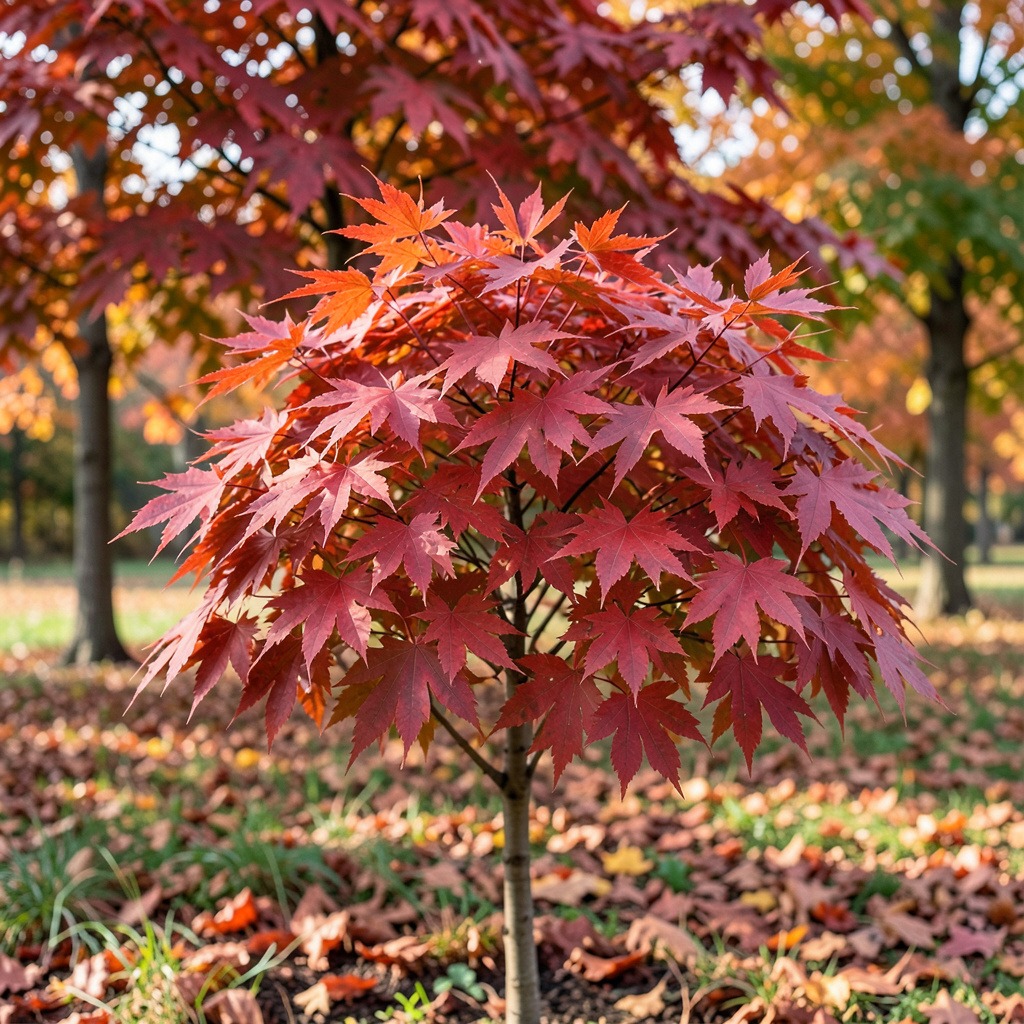
Verticillium wilt is a serious fungal disease that affects red maple trees. It can severely compromise their health and vitality. Early recognition and management are crucial to mitigating its impact.
Symptoms of Verticillium Wilt
Identifying verticillium wilt early can make a significant difference in treatment outcomes. Look for the following symptoms:
- Wilting Leaves: Leaves droop, often wilting on one side of the tree.
- Discoloration: Yellowing leaves, particularly in the upper canopy.
- Leaf Drop: Premature leaf drop may occur in affected areas.
- Stunted Growth: Reduced overall growth and vigor.
- Brown Streaks: Cross-section of branches reveals brown streaks in the vascular tissue.
Management and Prevention Strategies
Addressing verticillium wilt requires a combination of strategies. Implement the following management practices:
1. Soil Testing: Conduct soil tests to assess nutrient levels and pH. Red maples prefer slightly acidic to neutral soil.
2. Water Management: Ensure consistent moisture without waterlogging. Overly wet or dry conditions can stress the tree.
3. Nutrient Supplementation: Apply fertilizers based on soil test results. This helps support tree health and resilience.
4. Pruning: Remove affected branches to prevent the spread of the disease.
5. Plant Selection: When planting new trees, choose resistant varieties if available.
Long-term Care Tips
Promoting overall tree health can help mitigate the effects of verticillium wilt. Follow these long-term care tips:
- Regular Monitoring: Inspect your red maple regularly for early signs of stress or disease.
- Mulching: Apply organic mulch to retain soil moisture and regulate temperature.
- Proper Spacing: Ensure adequate spacing between trees to promote good air circulation.
- Disease Resistance: Consider integrating companion planting to enhance soil health and deter pests.
By implementing these strategies and maintaining vigilant care, you can significantly improve your red maple’s chances against verticillium wilt and other stressors.
3. Anthracnose: Identifying and Treating This Fungal Disease
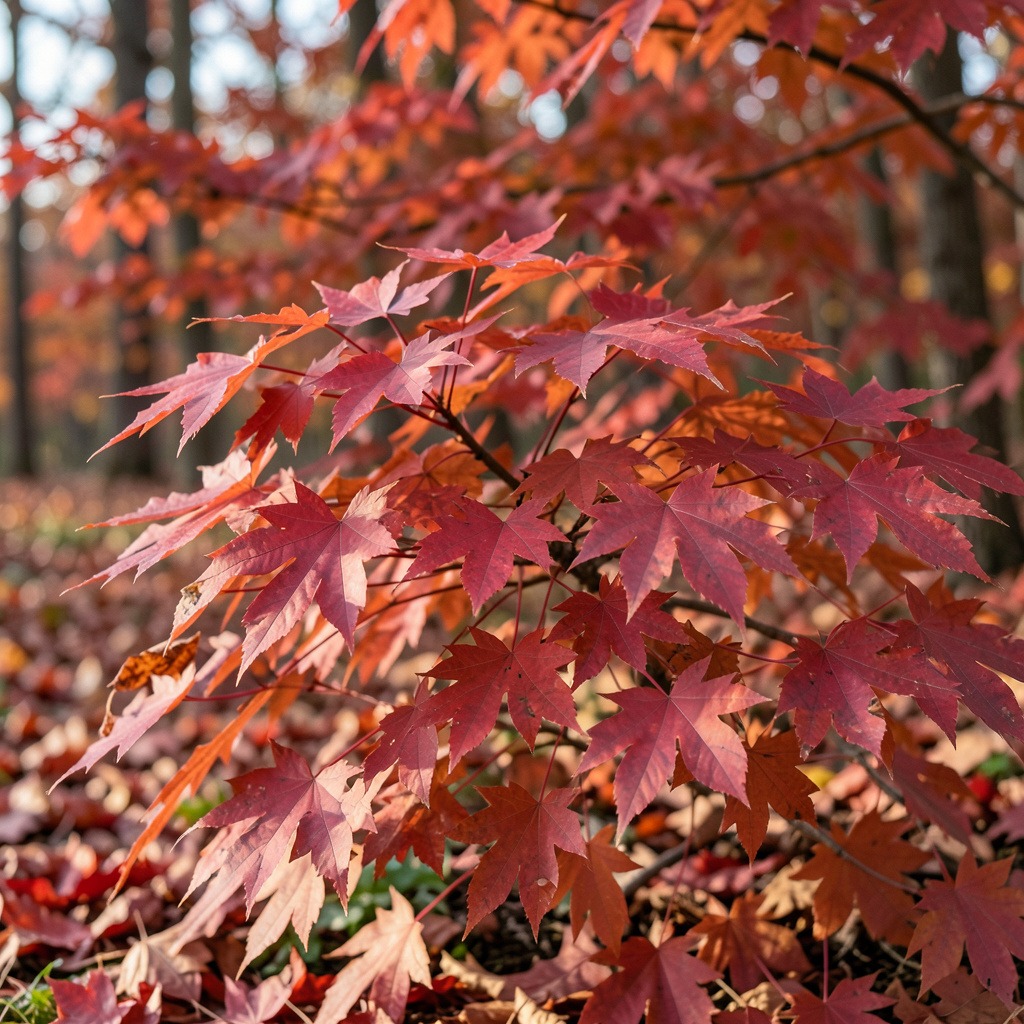
Anthracnose is a common fungal disease affecting red maples. It thrives in cool, moist conditions and can lead to significant leaf damage if left unchecked.
Characteristics of Anthracnose
Anthracnose manifests as brown, blotchy areas on leaves. Initially, small spots appear, which can expand and merge, causing the leaves to wilt and drop prematurely. The following conditions favor anthracnose development:
- Cool temperatures: Generally between 60°F and 75°F.
- High humidity: Prolonged wet periods, especially in early spring.
- Poor air circulation: Crowded planting conditions can exacerbate the problem.
Control Measures
Managing anthracnose involves both treatment and prevention. Here are effective strategies:
- Pruning: Remove infected branches and leaves promptly to minimize spread.
- Fungicides: Apply fungicides during the active growth period to control severe outbreaks.
- Watering practices: Water the base of the tree to avoid wetting the foliage. Early morning watering allows leaves to dry quickly.
- Soil health: Improve soil drainage and health through mulching and organic amendments.
Improving Tree Resilience
Enhancing the overall health of your red maple can help it withstand anthracnose and other stressors. Consider these practices:
- Regular Monitoring: Inspect leaves for early signs of anthracnose, especially during wet seasons.
- Nutrient Supply: Use slow-release fertilizers to boost tree health.
- Seasonal Checklist:
- Spring: Monitor for early leaf symptoms and prune infected areas.
- Summer: Maintain proper watering and apply fungicides if necessary.
- Fall: Clean up fallen leaves to prevent overwintering spores.
By following these control measures and resilience strategies, you can significantly reduce the impact of anthracnose on your red maple.
4. Girdling Roots: Prevention and Solutions
Girdling roots pose a significant problem for red maples, often leading to their decline if not properly managed. These roots grow around the trunk instead of extending outward, which can disrupt the tree’s water and nutrient absorption.
Identifying Girdling Roots
To identify girdling roots on your red maple, follow these steps:
1. Inspect the Base: Examine the root flare, which is where the trunk meets the roots. Look for roots that encircle the trunk.
2. Check for Symptoms: Symptoms of girdling roots include:
- Thin crown with fewer leaves
- Premature fall color
- Uneven dieback, often starting on one side
3. Use a Soil Probe: Gently probe around the root zone to locate any roots that appear to be strangling the trunk.
Corrective Actions
If you identify girdling roots, consider these remediation techniques:
1. Manual Removal:
- For small girdling roots, use a chisel or pruners to cut away the offending roots. Ensure you do not damage the trunk in the process.
- For larger girdling roots, consult an ISA-certified arborist. They have the tools and expertise to remove these roots safely.
2. Reassess Planting Depth:
- If the root flare is buried, carefully excavate to expose it. This helps prevent future girdling.
3. Monitor Health Post-Remediation:
- After corrective action, regularly monitor the tree for signs of recovery, such as new growth and improved leaf health.
Long-term Management Strategies
To prevent girdling roots from recurring, implement these strategies:
- Proper Planting Techniques: Always plant your red maple at the appropriate depth, ensuring the root flare is visible above the soil line.
- Regular Inspections: Conduct annual inspections of the root flare, looking for signs of girdling.
- Soil Health Maintenance: Maintain well-draining soil and avoid compacting the area around the tree. Good soil health supports root development.
By actively managing girdling roots, you can enhance the longevity and vitality of your red maple, ensuring it thrives for decades.
5. Pest Infestations: Common Pests Affecting Red Maples
Red maple trees are susceptible to various pests that can significantly impact their health. Early detection and management are crucial to prevent serious damage.
Common Pests and Their Symptoms
Several pests commonly affect red maples. Recognizing their signs can help in timely intervention. Here’s a list of notable pests and the symptoms they cause:
| Pest | Symptoms | Control Methods |
|---|---|---|
| Aphids | Curling leaves, sticky residue on leaves | Insecticidal soap, neem oil |
| Scale Insects | Yellowing leaves, honeydew on branches | Horticultural oil, manual removal |
| Asian Longhorned Beetle | Holes in bark, wilting branches | Quarantine affected areas, removal of infested trees |
| Maple Bladder Gall Mite | Blister-like galls on leaves | Pruning affected leaves, miticides |
| Erineum Mite | Velvety patches on leaves | Regular monitoring, insecticidal soap |
Control and Prevention Methods
Implementing effective control measures can help keep your red maple healthy. Here are some strategies:
- Regular Inspections: Check your tree frequently for early signs of pests. Look for unusual leaf shapes, discoloration, or sticky residue.
- Cultural Practices: Maintain good soil health. Healthy trees are better equipped to resist pest infestations.
- Integrated Pest Management (IPM): Combine biological, cultural, and chemical methods for comprehensive pest control. For example, introduce beneficial insects such as ladybugs to control aphid populations.
- Pruning: Remove infested branches immediately to minimize the spread of pests.
When to Seek Professional Help
If you notice severe damage or an overwhelming pest presence, consider consulting an arborist. They can provide specialized treatments and guidance tailored to your tree’s specific needs. Signs that professional help is necessary include:
- Extensive leaf damage or dieback.
- Persistent pest issues despite home treatments.
- Unusual growth patterns or overall decline in tree health.
6. Soil Health: Ensuring Optimal Growth Conditions
Soil health is critical for the vitality of red maple trees. The right pH and nutrient levels ensure robust growth and resilience against pests and diseases. Understanding these factors will help you create an optimal environment for your red maple.
Understanding Soil pH and Nutrients
Red maples thrive in slightly acidic to neutral soil, ideally with a pH range between 5.0 and 6.5. Soils with a pH above 7.0 can lead to nutrient deficiencies, particularly in manganese and iron. These deficiencies manifest as yellow leaves with green veins, a condition known as chlorosis.
Key Nutrient Requirements:
- Nitrogen: Essential for leaf growth and overall vigor.
- Phosphorus: Supports root development and flowering.
- Potassium: Aids in water regulation and disease resistance.
Testing Your Soil
Regular soil testing is vital for assessing pH and nutrient content. A simple home test kit can provide insights into soil conditions. Here’s how to proceed:
1. Collect Soil Samples: Take samples from various locations around the root zone.
2. Follow Kit Instructions: Use the kit to determine pH and nutrient levels.
3. Analyze Results: Compare your findings to recommended pH and nutrient levels for red maples.
Amending Soil for Red Maples
If your soil’s pH is too high or lacks essential nutrients, you can amend it effectively. Here’s a tailored soil amendment recipe for red maples:
Soil Amendment Recipe:
- Elemental Sulfur: Lower pH (use 1 pound per 100 square feet for a 1-point pH reduction).
- Compost: Improve nutrient content and microbial activity (apply 2-3 inches around the base).
- Organic Mulch: Retain moisture and regulate soil temperature (layer 2-4 inches).
Application Steps:
1. Test Soil pH: Confirm the pH level before application.
2. Apply Amendments: Distribute sulfur, compost, and mulch evenly.
3. Water Thoroughly: Ensure amendments integrate well into the soil.
By maintaining proper soil health, you enhance the growth potential of your red maple. Regular testing and timely amendments can prevent many common problems associated with this beautiful tree.
7. Seasonal Care Tips for Red Maples
Proper seasonal care is essential for maintaining the health and vitality of your red maple tree. Each season presents specific challenges and tasks that, when managed correctly, can prevent common problems and enhance growth.
Spring: Preparing for Growth
In spring, focus on preparing your red maple for the growing season.
- Watering: Ensure consistent moisture, especially if rainfall is insufficient.
- Fertilizing: Apply a balanced fertilizer to promote healthy foliage.
- Pruning: Remove dead or damaged branches to improve air circulation and light penetration.
- Pest Monitoring: Check for early signs of pests such as aphids and scale insects.
Summer: Maintaining Health
During the summer months, your red maple requires diligent care to withstand heat and pests.
- Watering: Deep watering is crucial. Aim for 1-2 inches per week.
- Mulching: Apply a layer of organic mulch to retain soil moisture and regulate temperature.
- Disease Management: Watch for symptoms of leaf scorch and verticillium wilt, and treat immediately if detected.
- Regular Inspections: Conduct weekly checks for pests or diseases.
Fall and Winter: Preparing for Dormancy
As temperatures drop, shift your focus towards preparing your tree for dormancy.
- Final Watering: Water the tree deeply before the first frost to ensure it has adequate moisture during dormancy.
- Pruning: Perform any necessary pruning before winter to avoid sap loss.
- Protection: Wrap young trees with burlap to protect them from harsh winter winds.
- Disease Prevention: Clear fallen leaves to minimize the risk of fungal diseases over the winter.
Seasonal Care Checklist
| Task | Spring | Summer | Fall/Winter |
|---|---|---|---|
| Watering | Consistent moisture | 1-2 inches/week | Deep watering before frost |
| Fertilizing | Balanced fertilizer | — | — |
| Pruning | Remove dead branches | — | Prune before winter |
| Pest Monitoring | Early signs of pests | Regular inspections | — |
| Mulching | — | Apply organic mulch | — |
| Disease Management | — | Watch for leaf scorch | Clear fallen leaves |
By following these seasonal care tips, you can significantly reduce the risk of common red maple problems and ensure a thriving tree for years to come.
8. Common Environmental Stressors and Their Solutions
Red maples are resilient but can experience significant stress from environmental factors. Identifying these stressors early is crucial for maintaining tree health.
Recognizing Environmental Stress Symptoms
Environmental stress can manifest in various ways. Common symptoms include:
- Leaf discoloration: Yellowing or browning leaves indicate nutrient deficiencies or water stress.
- Wilting: Leaves may droop or curl, signaling inadequate moisture.
- Branch dieback: Dead branches can emerge due to extended periods of stress.
Mitigation Strategies
Implementing effective strategies can help alleviate environmental stress on red maples. Consider the following:
- Watering: Ensure consistent moisture, especially during dry spells. Deep watering helps roots access water more effectively.
- Soil health: Test soil pH and nutrient levels. Amending soil with organic matter can improve nutrient availability.
- Pruning: Remove dead or damaged branches to reduce energy expenditure and promote healthy growth.
Creating a Supportive Environment
A supportive environment minimizes stress factors. Here are actionable steps:
- Mulching: Apply organic mulch around the base to retain moisture and regulate soil temperature.
- Placement: Avoid planting red maples in overly dry or compacted areas. They thrive in well-drained, moist soil.
- Monitoring: Regularly inspect for signs of environmental stress and adjust care practices accordingly.
Case Study: Urban Red Maple Recovery
In an urban setting, a red maple exhibited severe leaf scorch due to heat and drought stress. The owner implemented a rigorous watering schedule and added compost to enhance soil health. Within two seasons, the tree showed significant recovery, producing vibrant foliage and healthy growth. This example illustrates the importance of proactive care in mitigating environmental stress.
9. Comparing Red Maple with Other Tree Species
When considering tree options for your landscape, understanding the pros and cons of red maples compared to other species is crucial. This comparison can help you make informed decisions based on your specific needs and conditions.
Pros of Red Maple Trees
- Rapid Growth: Red maples grow quickly, reaching heights of 40 to 60 feet within a few years.
- Seasonal Color: They provide vibrant foliage, showcasing stunning red hues in the fall.
- Adaptability: These trees thrive in various soil types and tolerate wet conditions well.
- Wildlife Habitat: They support local wildlife by providing food and shelter.
Cons of Red Maple Trees
- Short Lifespan: Red maples typically live 80 to 100 years, shorter than some other tree species.
- Pest Susceptibility: They are vulnerable to pests like the Asian longhorned beetle, which can weaken their structure.
- Disease Risk: Common diseases such as Verticillium wilt can severely affect their health if not managed properly.
- Surface Roots: Red maples often develop shallow roots, which can disrupt lawns and gardens.
Alternative Tree Options
| Tree Species | Growth Rate | Lifespan | Seasonal Color | Pest Resistance |
|---|---|---|---|---|
| Sugar Maple | Moderate | 100-300 years | Vibrant fall colors | High |
| White Oak | Moderate | 200-300 years | Red and brown hues | Moderate |
| Silver Maple | Fast | 50-70 years | Yellow to red hues | Low |
| Eastern Redbud | Moderate | 20-30 years | Pink flowers in spring | High |
Decision Rule: Choose red maples for rapid growth and seasonal beauty, but consider alternatives like sugar or white oaks for longevity and pest resistance.
10. Expert Tips for Maintaining Healthy Red Maples
Maintaining healthy red maples requires attention to watering, pruning, and fertilization. Experts emphasize specific practices to prevent common issues and ensure robust growth.
Best Practices for Watering
Proper watering is crucial for red maples, especially in their early years. Here are key guidelines:
- Frequency: Water deeply once a week during dry spells. Adjust based on rainfall.
- Method: Use soaker hoses or drip irrigation to promote root growth.
- Soil Check: Ensure soil is moist but not soggy. Overwatering can lead to root rot.
Pruning Techniques
Pruning helps maintain the structure and health of red maples. Follow these expert tips:
- Timing: Prune in late winter or early spring before new growth starts.
- Technique: Remove dead or crossing branches to improve airflow.
- Shape: Aim for a balanced canopy. Avoid cutting more than 25% of the tree in one season.
Fertilization Guidelines
Fertilization supports healthy growth and vibrant foliage. Consider these recommendations:
- Soil Test: Conduct a soil test to determine nutrient needs before fertilizing.
- Type of Fertilizer: Use a balanced fertilizer (like 10-10-10) in early spring.
- Application: Apply according to package instructions, focusing on the root zone.
Seasonal Care Checklist
Here’s a seasonal approach to maintaining red maples:
- Spring: Check for pests and apply fertilizer as needed.
- Summer: Monitor soil moisture and prune as necessary.
- Fall: Rake leaves to prevent fungal diseases and prepare for winter.
- Winter: Inspect for damage and protect against harsh weather.
These expert insights provide a framework for diagnosing and addressing red maple problems effectively. By following these practices, you can enhance the health and longevity of your red maples.
11. Why Are My Red Maple Leaves Turning Yellow?
Yellowing leaves on red maples often indicate underlying health issues. Identifying the cause is crucial for effective intervention.
Identifying the Cause of Yellow Leaves
Several factors can lead to yellow leaves in red maples. Here are the primary causes:
- Nutrient Deficiency: A lack of essential nutrients like nitrogen can cause leaves to yellow.
- Overwatering: Excess water can suffocate roots, leading to chlorosis—a condition where leaves turn yellow due to insufficient chlorophyll.
- Pest Infestation: Pests like aphids or mites can damage leaves, causing yellowing.
- Environmental Stress: Factors such as drought or extreme temperatures can stress the tree, leading to yellow leaves.
- Disease: Fungal infections, such as verticillium wilt, can also manifest as yellowing leaves.
Corrective Actions
To address yellowing leaves, consider these corrective actions:
1. Nutrient Assessment: Test soil to identify nutrient deficiencies. Apply a balanced fertilizer if necessary.
2. Water Management: Adjust your watering schedule. Ensure soil drains well to avoid root rot.
3. Pest Control: Inspect leaves for pests. Use insecticidal soap or neem oil to eliminate infestations.
4. Stress Mitigation: Provide adequate mulch and water during dry spells. Protect trees from extreme temperatures.
5. Disease Management: If diseases are suspected, remove affected leaves and consult a professional for treatment options.
Preventing Future Issues
To prevent yellowing leaves in the future, implement these practices:
- Regular Inspections: Examine your red maple regularly for early signs of pests or diseases.
- Soil Testing: Conduct soil tests annually to monitor nutrient levels.
- Proper Pruning: Prune to enhance airflow and reduce stress on branches, which can help prevent disease.
- Mulching: Apply organic mulch to maintain soil moisture and temperature.
Diagnostic Flowchart for Leaf Yellowing
Here’s a quick flowchart to help diagnose yellow leaves:
1. Inspect the Leaves: Are they uniformly yellow or spotted?
- Uniform Yellow: Check for nutrient deficiency or overwatering.
- Spotted: Look for pests or disease.
2. Check Soil Moisture: Is the soil soggy or dry?
- Soggy: Reduce watering.
- Dry: Increase watering and consider irrigation solutions.
3. Look for Pests: Are there visible insects?
- Yes: Treat with appropriate pest control.
- No: Assess for nutrients and environmental factors.
By following these diagnostic steps and corrective actions, you can maintain the health of your red maple and prevent yellowing leaves in the future.
12. Case Study: Recovering a Sick Red Maple
This case study illustrates the effective management of a red maple tree suffering from verticillium wilt, a common disease that can severely impact its health. The steps taken provide a practical example of recovery strategies.
Background of the Tree
The red maple in question was a 15-year-old specimen located in a suburban yard. Over the past year, it began showing signs of distress, including wilting leaves and branch dieback. The owner suspected verticillium wilt, a soil-borne fungus that disrupts water transport in trees.
Identifying the Problem
Diagnosing verticillium wilt involved several steps:
1. Visual Inspection: The owner noticed yellowing leaves that eventually turned brown and fell off.
2. Branch Examination: Cross-sections of affected branches revealed dark streaks, confirming the presence of the fungus.
3. Soil Testing: A soil sample showed low nutrient levels, which may have exacerbated the tree’s vulnerability.
Steps to Recovery
The recovery process involved the following actions:
1. Pruning Affected Branches: The owner removed all infected branches to prevent further spread of the disease.
2. Improving Soil Health:
- Added organic compost to enrich the soil and enhance drainage.
- Applied a balanced fertilizer to replenish essential nutrients, particularly nitrogen.
3. Water Management:
- Adjusted the watering schedule to ensure consistent moisture without waterlogging.
- Implemented a drip irrigation system to provide targeted water delivery.
4. Monitoring and Maintenance:
- Regularly checked for new signs of stress or disease.
- Applied fungicides as a preventive measure in subsequent seasons.
Results
After six months, the red maple exhibited significant improvement. New growth appeared, and the leaves returned to their vibrant green color. The owner reported a healthier tree, now thriving with proper care and management.
This case exemplifies how targeted actions can effectively address common problems in red maples, ensuring long-term health and resilience.
13. Seasonal Checklist: What to Do Throughout the Year
Proper care throughout the year ensures the health and beauty of your red maple tree. Follow these seasonal guidelines to address potential problems and enhance growth.
Spring Care Tasks
- Inspect for Damage: Check for winter damage or signs of pests. Look for broken branches or unusual leaf spots.
- Pruning: Trim dead or diseased branches to promote healthy growth and airflow.
- Soil Testing: Test soil pH. Red maples prefer slightly acidic to neutral soil (pH 6.0 to 7.0).
- Fertilization: Apply a balanced fertilizer to support new growth.
- Mulching: Add a layer of organic mulch around the base to retain moisture and suppress weeds.
Summer Maintenance
- Watering: Ensure consistent moisture, especially during dry spells. Red maples thrive in moist soil but avoid waterlogging.
- Pest Monitoring: Regularly check for pests like aphids and scale. Use insecticidal soap if necessary.
- Disease Watch: Look for signs of leaf scorch and anthracnose. Remove affected leaves promptly to prevent spread.
- Pruning: Lightly prune to maintain shape and remove any new dead branches.
Preparing for Fall and Winter
- Fall Cleanup: Rake and dispose of fallen leaves to prevent fungal diseases.
- Final Watering: Water thoroughly before the ground freezes to ensure hydration through winter.
- Protective Measures: Wrap the trunk with burlap if your area experiences harsh winters to prevent sunscald.
- Fertilization: Consider applying a slow-release fertilizer to prepare for spring growth.
Seasonal Care Checklist
| Season | Task | Timing |
|---|---|---|
| Spring | Inspect for Damage | Early March |
| Prune | Mid-March | |
| Soil Testing | Late March | |
| Fertilization | Early April | |
| Mulching | Mid-April | |
| Summer | Watering | Throughout June-August |
| Pest Monitoring | Monthly | |
| Disease Watch | Throughout July | |
| Pruning | Late August | |
| Fall | Fall Cleanup | Late October |
| Final Watering | Early November | |
| Protective Measures | Mid-November | |
| Fertilization | Late November |
This checklist provides a clear framework for seasonal care. By following these steps, you can help your red maple thrive and minimize common problems.
14. Frequently Asked Questions about Red Maple Problems
Red maples are popular for their vibrant fall colors but can face several challenges. Understanding common issues and their solutions is essential for maintaining a healthy tree.
Signs of a Dying Red Maple
Identifying distress signals early can save your red maple. Look for these symptoms:
- Leaf discoloration: Yellowing or browning leaves may indicate nutrient deficiencies.
- Premature leaf drop: This can signal stress from pests or diseases.
- Bark damage: Cracks or lesions can expose the tree to pathogens.
- Dieback: Dead branches or areas can signify deeper health issues.
Common Problems and Solutions
Red maples encounter various problems, including pests, diseases, and environmental stress. Here are the most frequent issues and their remedies:
| Problem | Symptoms | Solutions |
|---|---|---|
| Leaf Scorch | Brown edges on leaves | Ensure adequate watering, especially in hot weather. |
| Verticillium Wilt | Wilting leaves, particularly on one side | Remove infected branches and improve soil drainage. |
| Anthracnose | Dark spots on leaves, leaf drop | Prune affected areas and apply fungicide as needed. |
| Pests (e.g., aphids) | Sticky residue on leaves, distorted growth | Use insecticidal soap or neem oil to control infestations. |
Best Practices for Healthy Trees
Preventative care is vital for the longevity of your red maple. Follow these best practices:
- Soil health: Test soil pH; red maples prefer slightly acidic conditions.
- Regular pruning: Remove dead or damaged branches to improve airflow.
- Fertilization: Use a balanced fertilizer in early spring to promote growth.
- Watering schedule: Deep water during dry spells to encourage root development.
By closely monitoring your red maple and implementing these strategies, you can mitigate common problems and promote a thriving tree.
Conclusion: Ensuring the Longevity of Your Red Maple
Caring for red maple trees involves proactive measures to ensure their health and longevity. Understanding common problems and implementing effective solutions is key to maintaining their beauty.
Key Care Practices
- Soil Testing: Regularly check soil pH. Red maples thrive in slightly acidic conditions, ideally between 5.5 and 6.5.
- Watering: Deep water during dry spells to encourage a robust root system. Newly planted trees require more frequent watering.
- Pruning: Remove dead or damaged branches to enhance airflow and reduce disease risk. Aim for 3-8 main branches for optimal structure.
- Fertilization: Apply a balanced, slow-releasing fertilizer in early spring to support healthy growth.
Seasonal Care Checklist
| Season | Task |
|---|---|
| Spring | Fertilize and prune |
| Summer | Monitor for pests and diseases |
| Fall | Water if dry, prepare for winter |
| Winter | Inspect and remove any damaged branches |
Monitoring for Problems
Regular observation is crucial. Look for signs of diseases like leaf scorch or verticillium wilt. Early detection allows for timely intervention. For instance, if you notice wilting leaves, check for root rot or soil drainage issues.
By following these guidelines, you can significantly reduce the likelihood of red maple problems and ensure your tree remains vibrant and healthy.
Frequently Asked Questions
These quick answers cover the most common questions about this topic, including key details, practical tips, and common concerns.
What are the signs that my red maple tree is dying?
Look for several key indicators that your red maple may be in distress. Common signs include yellowing or browning leaves, especially if this occurs prematurely in the growing season. Wilting leaves or branches that droop can also signal trouble. Additionally, check for bark damage, such as cracks or lesions, which can expose the tree to diseases. If you notice dieback, where branches or sections of the tree appear dead, it’s crucial to assess the tree’s health immediately.
What are the downsides of red maple trees?
While red maples are popular for their beauty, they do have some drawbacks. They have a relatively shorter lifespan, typically living around 80 to 100 years. They are also susceptible to various pests and diseases, such as verticillium wilt and aphid infestations. Additionally, red maples often develop shallow roots, which can disrupt lawns and gardens. Their rapid growth can lead to weak wood, making them more prone to breakage during storms.
Is red maple a good yard tree?
Red maples can be an excellent choice for many yards, offering vibrant fall colors and providing ample shade. They grow quickly, reaching heights of 40 to 60 feet, making them suitable for larger spaces. However, consider your local climate and soil conditions, as red maples thrive best in moist, well-drained soils. If you have limited space or are concerned about pests, you may want to explore alternative trees that are more resilient or better suited to your landscape.
When to prune red maple trees?
The best time to prune red maple trees is during late winter or early spring, just before new growth begins. This timing minimizes stress on the tree and reduces sap loss. Focus on removing dead, damaged, or crossing branches to improve airflow and light penetration. Avoid heavy pruning, as cutting more than 25% of the tree in a single season can harm its health.
Why are my red maple leaves turning yellow?
Yellowing leaves on red maples can indicate several issues. Nutrient deficiencies, particularly nitrogen, often cause leaves to lose their vibrant green color. Overwatering can also lead to chlorosis, where leaves turn yellow due to root suffocation. Additionally, pests like aphids or environmental stressors such as drought can contribute to yellowing. Regularly inspect your tree and adjust care practices accordingly to address these issues.
What should I do if I see yellow leaves on my red maple?
If you notice yellow leaves, first assess the soil moisture levels. Ensure it is neither too dry nor overly saturated. Conduct a soil test to check for nutrient deficiencies, particularly nitrogen. If deficiencies are found, consider applying a balanced fertilizer. Also, inspect for pests and treat infestations promptly with insecticidal soap or neem oil. Regular monitoring and timely intervention can help restore your tree’s health.
What is causing a spot on a healthy red maple tree?
Spots on red maple leaves can be caused by various factors, including fungal diseases like anthracnose or physical damage from pests. Anthracnose typically presents as dark, blotchy spots, especially in wet conditions. Additionally, environmental stressors, such as leaf scorch, can cause discoloration. To address this, prune affected areas and consider applying fungicides if fungal infections are suspected. Regular inspections can help catch these issues early.