
Red maple roots are typically shallow and wide-spreading, extending 12-18 inches deep and 2-3 times the tree’s canopy width.
Table of Contents
Red maples (Acer rubrum) are popular trees known for their vibrant fall colors and adaptability. However, their root systems require careful consideration, especially in urban settings, to prevent potential damage to nearby structures and plants. This guide explores their characteristics and management strategies.

Understanding Red Maple Roots
Red maple roots exhibit unique growth patterns that significantly impact their planting and management. Understanding these characteristics is essential for successful landscaping and preventing structural damage.
Characteristics of Red Maple Roots
Red maple trees (Acer rubrum) develop a root system that is primarily shallow and wide-spreading. Here are key characteristics:
- Depth: Most roots reside within the top 2 feet (60 cm) of soil.
- Spread: Roots can extend up to three times the width of the tree’s canopy. For a 50-foot tall tree, this can mean roots reaching over 100 feet (30 meters) away.
- Surface Roots: Red maples are known for having roots that often break the surface, especially in compacted soils or areas with low oxygen levels.
Comparison with Other Maple Species
When comparing red maple roots to other species, distinct differences emerge. Below is a table summarizing root behavior across several maple varieties:
| Maple Species | Root Depth (Feet) | Root Spread (Feet) | Surface Roots | Invasive Roots |
|---|---|---|---|---|
| Red Maple | 2 | 100+ | Yes | No |
| Silver Maple | 2 | 100+ | Yes | Yes |
| Sugar Maple | 3 | 60-80 | Rare | No |
| Norway Maple | 3 | 80-100 | Yes | Yes |
This comparison illustrates that while red maples may share surface root tendencies with species like Silver Maple, they generally do not possess invasive root characteristics. This makes red maples a preferable choice for many urban landscaping applications.
Planting Considerations for Red Maple Roots
When planting red maples, consider the following factors to ensure healthy growth and minimize potential issues:
- Soil Type: Well-drained, loamy soils are optimal. Heavy clay soils can exacerbate surface root problems.
- Planting Distance: Position red maples at least 10-15 feet away from structures to prevent root encroachment.
- Management Strategies: Use mulch to cover exposed roots and maintain soil moisture. Regularly monitor root health and soil conditions, especially in compacted areas.
By adhering to these guidelines, you can foster a healthy environment for your red maple while mitigating risks associated with their root systems.
Planting Red Maple: Best Practices
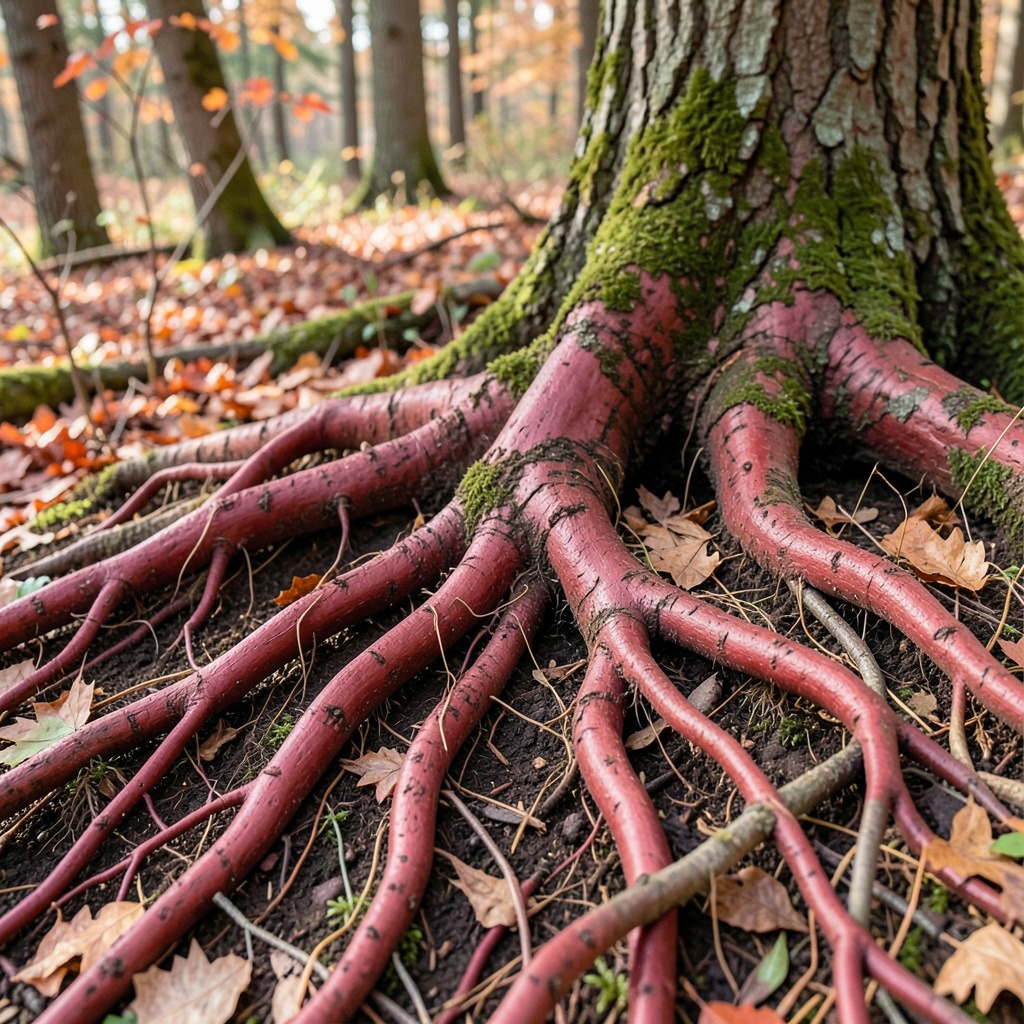
When planting red maples, understanding their root systems is crucial. Proper planting distance and soil type can significantly affect the tree’s health and mitigate potential issues.
Optimal Planting Distance from Structures
Red maples have an extensive root system that can become invasive if planted too close to structures. Here are guidelines for optimal planting distances:
- Minimum Distance: Plant red maples at least 10-15 feet away from foundations, sidewalks, and driveways. This distance helps prevent root encroachment that can damage structures.
- Recommended Distance: For larger specimens, consider increasing the distance to 20 feet or more, especially in compacted soil conditions.
Checklist for Planting Distance
- Measure and mark the planting area.
- Ensure at least 10-15 feet from any structure.
- Avoid planting near utility lines or underground pipes.
Ideal Soil Conditions for Red Maples
The soil type plays a vital role in the growth of red maples. They thrive in well-drained, loamy soils. Consider the following soil conditions:
- Soil Type: Use loamy or sandy soils. Heavy clay can lead to poor drainage and root issues.
- pH Level: Aim for a soil pH between 6.0 and 7.5 for optimal growth.
- Drainage: Ensure good drainage to prevent root rot. Elevated planting beds can alleviate drainage problems in heavy soils.
Example of Soil Assessment
Before planting:
- Conduct a soil test to determine pH and nutrient levels.
- Amend soil with organic matter if necessary to enhance drainage and fertility.
Potential Issues of Root Systems
Understanding the potential risks associated with red maple roots is essential for effective management. Red maple roots can:
- Damage Foundations: Roots may invade nearby structures if planted too close.
- Compete for Nutrients: Their aggressive growth can outcompete surrounding plants for resources.
Comparison with Other Maple Species
Compared to other maple species, such as sugar and silver maples, red maples have a faster growth rate but exhibit more invasive root behavior. This difference necessitates careful planning regarding their placement in landscaping.
By adhering to these best practices, you can ensure healthy growth of your red maple while minimizing risks associated with their root systems.
Managing Red Maple Root Behavior
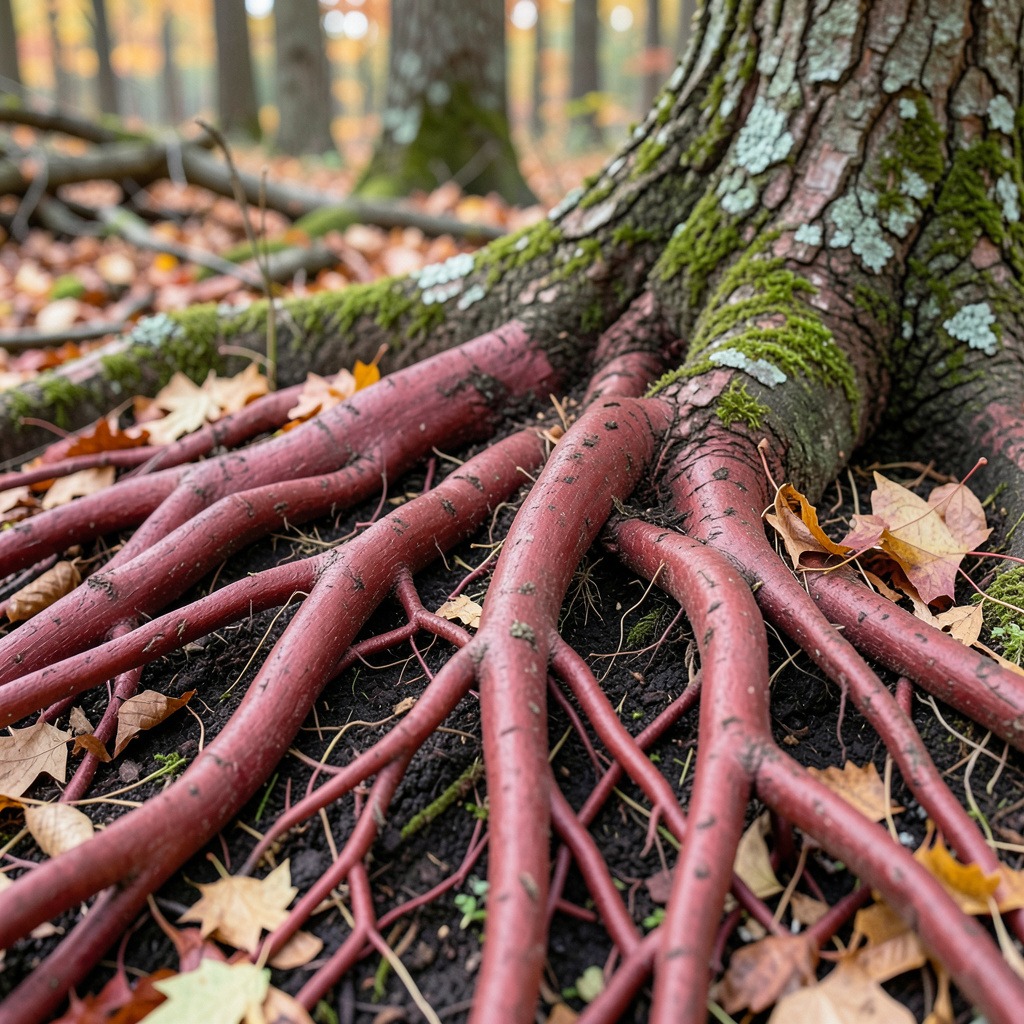
Red maple roots can present various challenges, particularly concerning competition with other plants and potential damage to infrastructure. Understanding these issues is essential for effective management.
Potential Problems with Red Maple Roots
- Surface Roots: Red maple trees often develop shallow, wide-spreading roots. These roots can emerge above ground, competing with nearby plants for nutrients and water.
- Foundation Damage: Roots can damage structures if planted too close to buildings. The roots draw moisture from the surrounding soil, which can lead to foundation settling or cracking.
- Aggressive Growth: Red maples grow rapidly, potentially outcompeting surrounding vegetation. This aggressive behavior can disrupt local ecosystems and hinder the growth of other plants.
Strategies for Managing Root Growth
- Optimal Planting Distance: Plant red maples at least 20 to 30 feet away from buildings and paved areas. This distance helps minimize the risk of root-related damage.
- Soil Preparation: Ensure proper soil drainage before planting. Compacted or poorly aerated soil encourages shallow root growth. Amending the soil with organic matter can improve conditions.
- Regular Monitoring: Inspect root zones regularly for signs of surface roots or encroachment. Early detection allows for timely interventions, such as root pruning.
- Utilize Barriers: Install physical barriers, such as root guards, to direct root growth downward and prevent surface roots from disrupting landscaping or infrastructure.
- Case Study Insight: In a residential area, a homeowner successfully managed red maple roots by planting them in a large, well-aerated pit filled with compost. This approach encouraged deeper root growth and minimized surface root issues, demonstrating effective management of red maple root behavior.
Implementing these strategies can help you enjoy the beauty of red maples while mitigating their potential challenges.
Frequently Asked Questions
These quick answers cover the most common questions about this topic, including key details, practical tips, and common concerns.
Do red maple trees have invasive roots?
Red maple trees do not have invasive roots in the same way that some other species, like silver maples, do. Their roots are primarily shallow and wide-spreading, which can lead to surface roots that may compete with nearby plants for nutrients and water. However, they typically do not cause significant structural damage if planted at a safe distance from buildings.
Can I plant a red maple close to my house?
It is not advisable to plant a red maple too close to your house. Ideally, you should plant them at least 10-15 feet away from foundations, sidewalks, and driveways. This distance helps prevent potential root encroachment that could damage structures or disrupt landscaping.
What are the downsides of red maple trees?
Some downsides of red maple trees include their tendency to develop surface roots, which can compete with other plants for resources. They also grow rapidly, potentially outcompeting surrounding vegetation. Additionally, their roots can cause problems if planted too close to buildings, leading to foundation damage.
How far do red maple roots spread?
Red maple roots can spread up to three times the width of the tree’s canopy. For example, a mature red maple with a canopy width of 30 feet could have roots extending over 90 feet away. This extensive spread underscores the importance of proper planting distance to avoid issues with nearby structures.
What type of soil is best for red maples?
Red maples thrive in well-drained, loamy soils with a pH between 6.0 and 7.5. Sandy soils can also be suitable, but heavy clay should be avoided as it can lead to poor drainage and surface root problems. Conducting a soil test before planting can help ensure optimal conditions for growth.
What to do with exposed maple tree roots?
To manage exposed maple tree roots, you can cover them with mulch to retain moisture and protect them from damage. Regularly monitor the root zone for any signs of surface roots encroaching on nearby plants or structures. If roots become problematic, consider root pruning or installing physical barriers to direct their growth downward.
How can I manage exposed maple tree roots?
Managing exposed maple tree roots involves a few strategies. First, apply a layer of mulch to shield the roots and maintain soil moisture. Second, monitor the area for any root encroachment on other plants or structures. If necessary, prune any surface roots carefully to prevent them from causing issues.