
Red maples typically reach heights of 40 to 60 feet and widths of 30 to 50 feet at maturity, though they can grow taller under optimal conditions, sometimes exceeding 100 feet.
Table of Contents
Red maples (Acer rubrum) are popular for their vibrant fall colors and adaptability. Understanding their size at maturity, growth rate, and care requirements is essential for effective landscaping and ensuring these beautiful trees thrive in your yard.
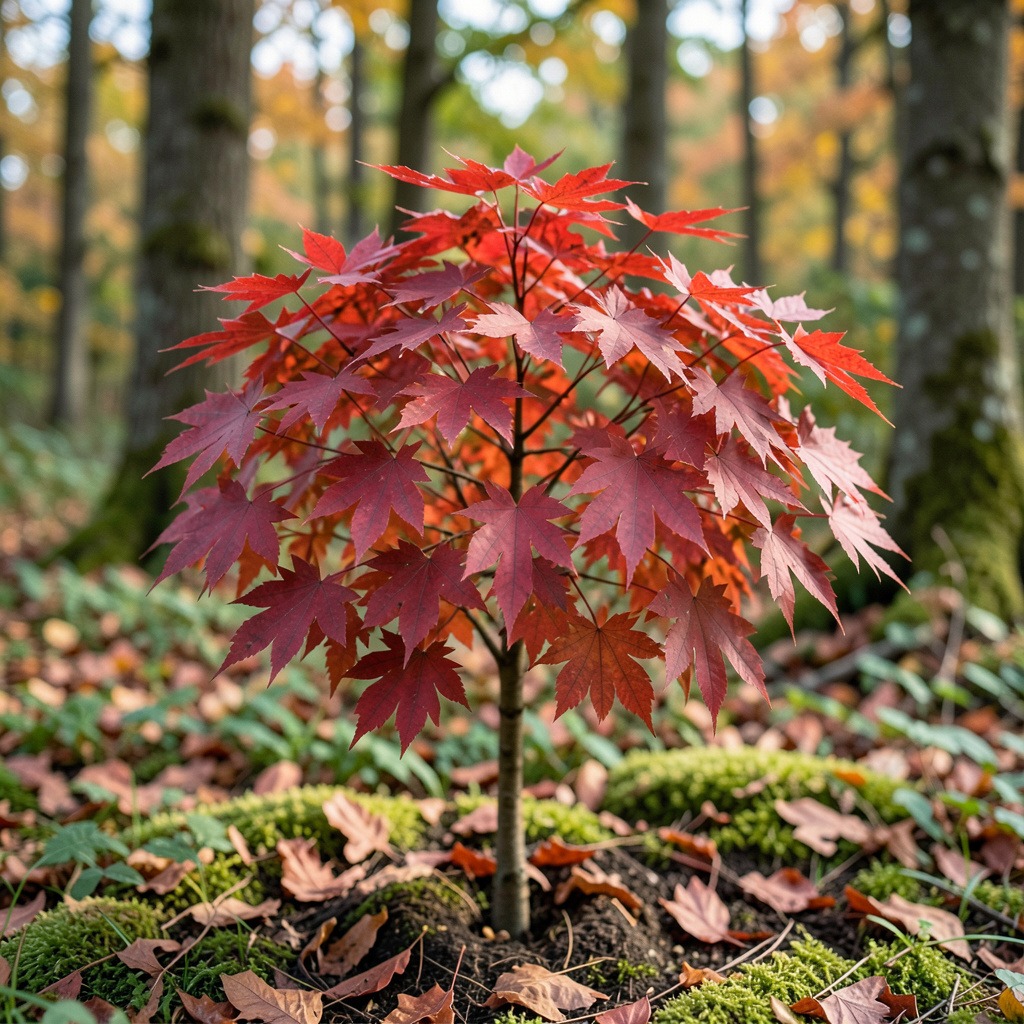
Growth and Size of Red Maples
Red maples (Acer rubrum) exhibit significant variability in size, influenced by environmental factors and cultivation practices. Understanding their average height, width, and the factors affecting their growth is essential for effective landscaping.
Average Height and Width
Red maples typically reach a height of 40 to 60 feet and a width of 35 to 45 feet at maturity. Under optimal conditions, their growth can accelerate, allowing them to attain heights of up to 90 to 120 feet in specific regions, particularly in the southern Appalachians.
| Growth Stage | Height | Width |
|---|---|---|
| Young Tree (10 years) | 12 to 18 feet | 8 to 10 feet |
| Mature Tree (25 years) | 40 to 60 feet | 35 to 45 feet |
| Ideal Conditions | Up to 135 feet | 60 inches diameter |
Factors Affecting Growth
Several factors influence the growth rate of red maples:
- Soil Conditions: Red maples thrive in a variety of soil types, including wet organic soils and drier upland areas. Their adaptability allows them to flourish in both conditions, although growth rates may vary.
- Moisture Availability: These trees can tolerate both flooding and drought. Under optimal moisture conditions, red maples grow faster, particularly in wet environments.
- Sunlight: Full sun exposure enhances growth rates, while shaded conditions may stunt their development.
Maximum Size Examples
In ideal conditions, red maples can achieve remarkable sizes. For instance:
- A tree in the Great Smoky Mountains National Park measures 143 feet tall, showcasing the species’ potential in suitable climates.
- In Michigan, a specimen reached a trunk diameter of 60 inches, demonstrating the tree’s ability to thrive when given ample space and resources.
Understanding these growth patterns can guide homeowners and landscapers in selecting the ideal planting location for red maples, ensuring they reach their full potential.
Care and Maintenance for Optimal Growth
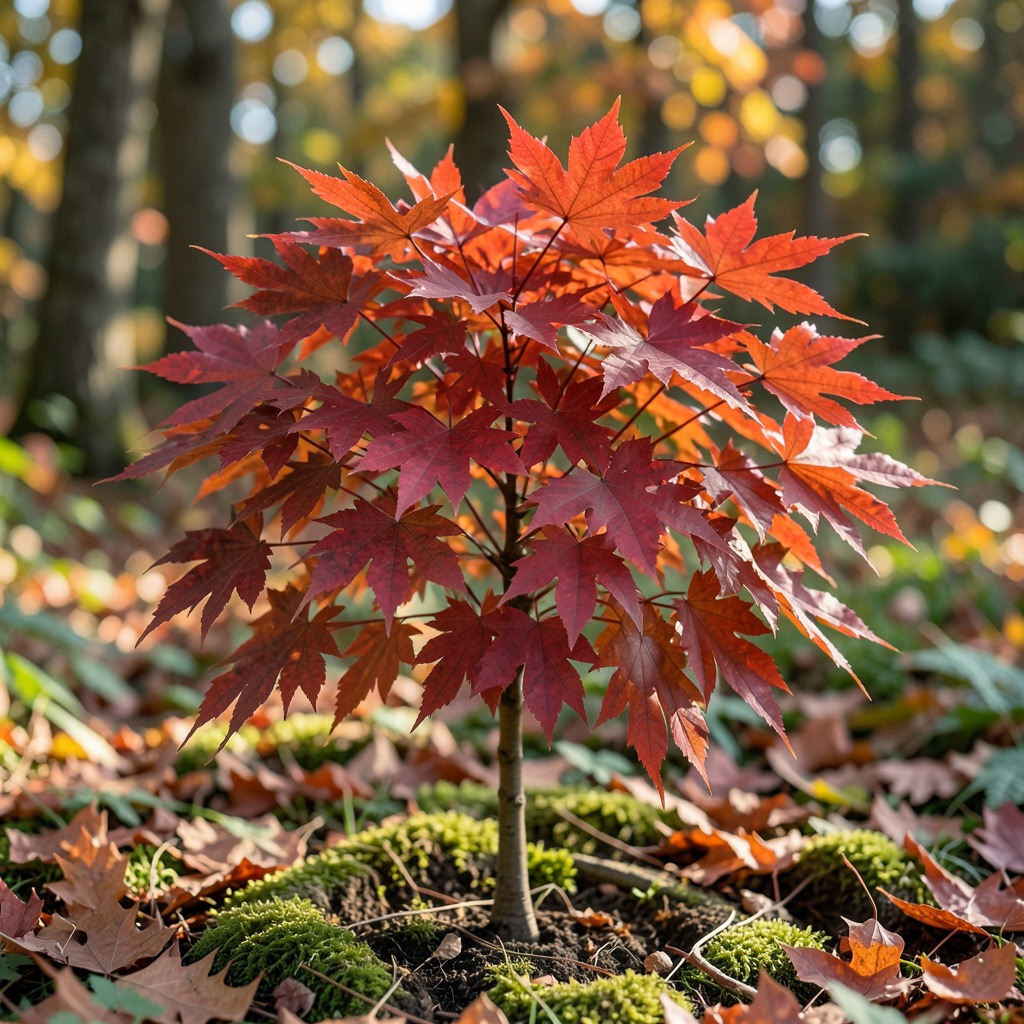
To ensure the red maple (Acer rubrum) reaches its full size and potential, proper care and maintenance are essential. This includes understanding soil conditions, watering needs, and effective pruning techniques.
Soil and Watering Needs
Red maples thrive in well-drained, acidic to neutral soils. They prefer sandy or loamy textures but can adapt to various soil types, provided they are not alkaline or overly salty. Here are key considerations:
- Soil Type:
- Ideal: Well-drained, sandy or loamy acidic soil.
- Avoid: Alkaline or saline conditions, which can stunt growth and cause leaf discoloration.
- Watering:
- Moisture Requirements: Red maples prefer consistently moist soil.
- Irrigation Strategy: Deep watering is recommended, especially during dry spells. Slow, deep watering promotes healthy root development.
- Checklist for Watering:
- Check soil moisture weekly.
- Water deeply but do not over-saturate.
- Adjust frequency based on local climate and rainfall.
Pruning Techniques
Pruning is crucial for maintaining the health and size of red maple trees. It helps shape the tree and encourages strong growth. Follow these techniques:
- Timing: Prune in late winter or early spring before new growth begins.
- Techniques:
- Remove dead or diseased branches.
- Thin out crowded areas to improve air circulation.
- Cut back any branches that cross or rub against each other.
- Pruning Checklist:
- Inspect tree annually for dead or diseased limbs.
- Use clean, sharp tools to prevent injury.
- Make clean cuts to minimize stress on the tree.
Common Care Mistakes
Avoiding common pitfalls can significantly influence the growth of your red maple. Be aware of these mistakes:
- Overwatering: Too much moisture can lead to root rot.
- Neglecting Soil Quality: Poor soil conditions can stunt growth and reduce vigor.
- Ignoring Pests: Monitor for pests such as aphids and scale, which can affect health and growth.
By implementing these care strategies, gardeners can enhance the growth and longevity of red maples, allowing them to achieve their impressive height and width potential.
Landscaping Benefits of Red Maples
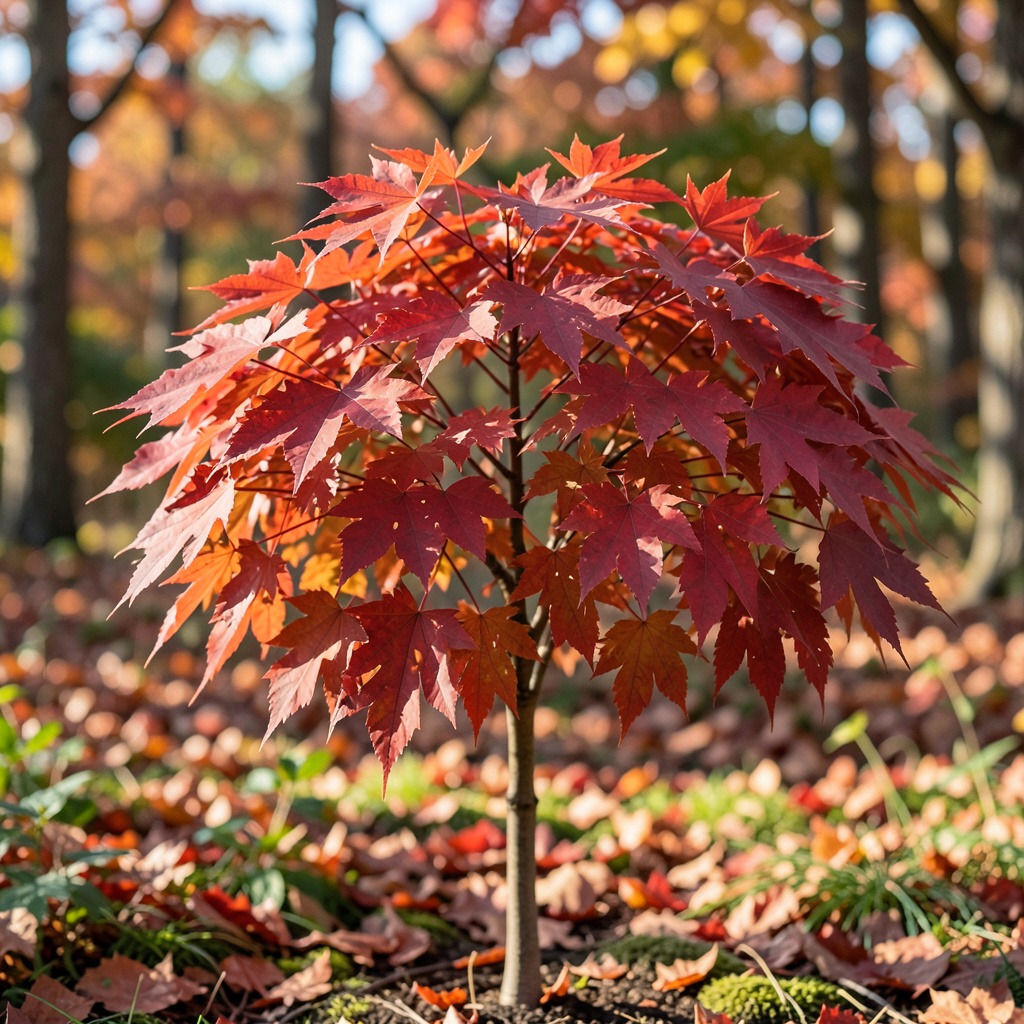
Red maples are increasingly favored in landscaping due to their aesthetic appeal, environmental benefits, and ability to provide shade. Their adaptability to various soil conditions enhances their desirability for residential and commercial environments.
Aesthetic Appeal and Fall Color
Red maples are renowned for their stunning fall foliage, which transforms from green to vibrant red and orange hues. This seasonal display adds visual interest to any landscape.
- Color Change: The brilliant fall color is one of the main reasons homeowners choose red maples.
- Form and Structure: These trees feature a pleasing rounded crown, making them suitable as focal points or shade trees.
For example, a park in Ohio successfully integrated red maples along pathways, enhancing the visual experience for visitors during autumn.
Shade and Environmental Benefits
Red maples provide substantial shade, reaching heights of 40 to 60 feet and widths of 35 to 45 feet at maturity. Their broad canopies offer relief from heat, making outdoor spaces more enjoyable.
- Shade Provision: They are ideal for properties seeking natural cooling solutions.
- Wildlife Habitat: The trees also support local wildlife by providing shelter and food sources.
In a landscaping project in Michigan, red maples were planted to create shaded areas in community gardens. This not only improved comfort but also fostered a habitat for birds and insects.
Comparisons with Other Shade Trees
When compared to similar species, red maples stand out for their rapid growth and adaptability. They can thrive in various soil types, from wetland areas to dry upland sites.
- Growth Rate: Red maples can grow 12 to 18 inches annually, making them quicker to establish than species such as sugar maples or oaks.
- Soil Versatility: Their ability to tolerate different soil conditions allows for flexibility in planting locations.
In comparison, while oaks may offer comparable shade, they typically require more time to reach similar sizes and thrive best in well-drained soils. Red maples, with their diverse requirements, suit a broader range of landscaping needs.
In summary, red maples are a versatile choice for landscaping, offering both beauty and functional benefits. Consider integrating them into your landscape design to maximize aesthetic and ecological advantages.
Common Issues with Red Maples
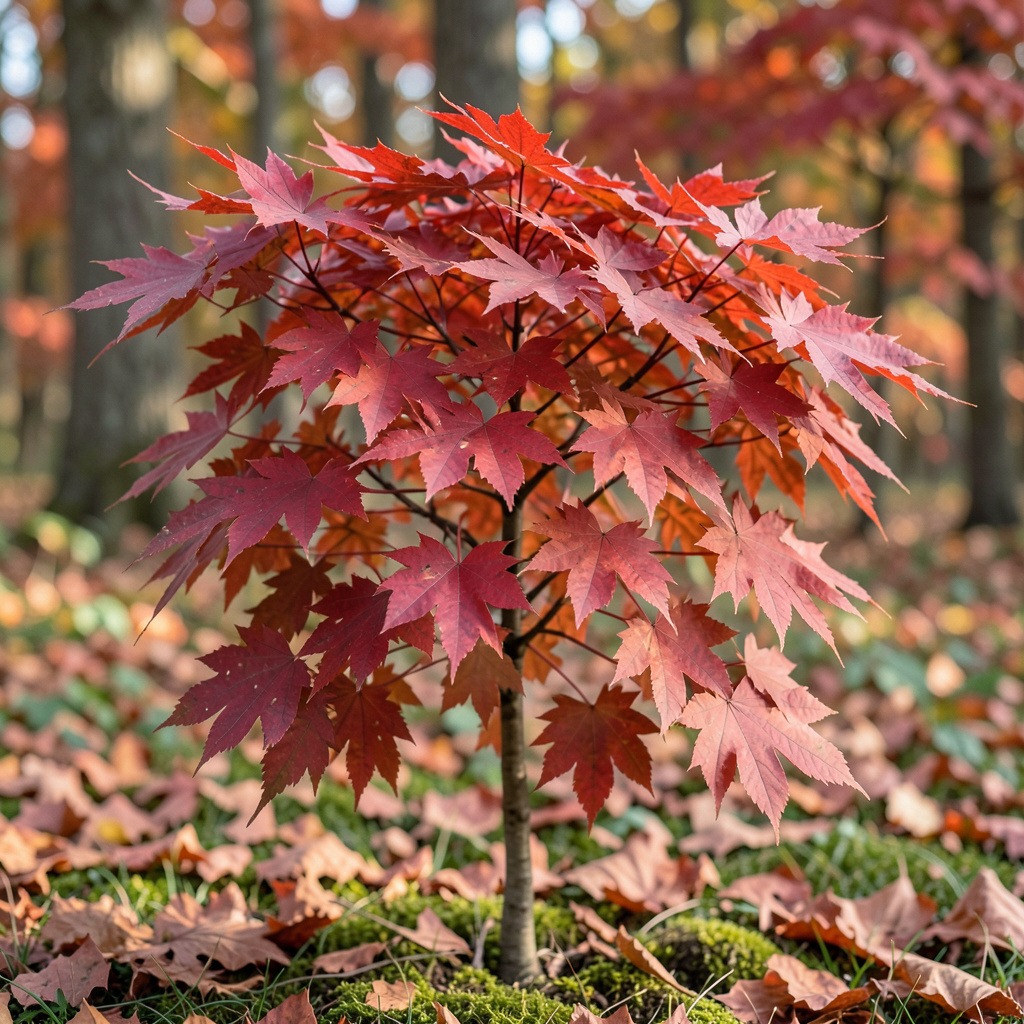
Red maples, while resilient, face several pests and diseases that can affect their growth and health. Understanding these threats is crucial for maintaining vibrant trees in your landscape.
Common Pests
Red maples can be afflicted by various pests that weaken their structure and vitality. Key pests include:
- Aphids: These small insects feed on sap, leading to weakened foliage.
- Gall Mites: They create unsightly galls on leaves, affecting photosynthesis.
- Leafhoppers: These pests can transmit diseases as they feed on the foliage.
- Mapleworms: These caterpillars can defoliate trees if not managed.
Diseases and Symptoms
Diseases can significantly impact the health of red maples. Common issues include:
- Verticillium Wilt: This soil-borne fungus causes wilting and yellowing leaves.
- Anthracnose: This fungal disease leads to dark spots on leaves and premature leaf drop.
- Leaf Spot: Affects leaf aesthetics, reducing overall vigor.
- Powdery Mildew: A fungal infection that appears as white spots on leaves, indicating stress.
Prevention Strategies
Implementing effective prevention strategies is essential for healthy red maples. Consider the following checklist for monitoring tree health:
- Regular Inspections: Check leaves and branches for signs of pests and diseases.
- Proper Watering: Ensure consistent watering, especially during dry spells.
- Leaf Management: Rake and dispose of fallen leaves to reduce disease spread.
- Pruning: Remove dead or crowded branches to improve air circulation.
- Fertilization: Use a balanced fertilizer to promote strong growth and resilience.
By following these guidelines, you can enhance the health and longevity of your red maple trees, ensuring they reach their full size and potential in your landscape.
Frequently Asked Questions
These quick answers cover the most common questions about this topic, including key details, practical tips, and common concerns.
How tall will a red maple grow in 5 years?
In five years, a red maple (Acer rubrum) can typically reach heights of 12 to 18 feet. This growth can vary based on soil conditions, moisture availability, and sunlight. Under optimal conditions, some trees may exceed these heights, especially in regions with favorable climates.
What are the downsides of red maples?
While red maples are popular for their beauty and adaptability, they have some downsides. They can be susceptible to pests like aphids and scale, which may weaken the tree. Additionally, their shallow root systems can lead to instability in high winds, making them less suitable for areas prone to storms.
How far away from a house should you plant a red maple tree?
When planting a red maple, it’s advisable to position it at least 20 to 30 feet away from your house. This distance helps prevent potential damage to the foundation and ensures the tree has enough space to grow without interfering with structures or nearby plants.
Is red maple a good yard tree?
Yes, red maples are excellent yard trees. They provide ample shade, vibrant fall colors, and support local wildlife. Their adaptability to various soil types makes them suitable for many landscapes. However, consider their size and root system when selecting a planting location.
What soil conditions do red maples prefer?
Red maples thrive in well-drained, acidic to neutral soils. They can adapt to sandy or loamy textures but should be avoided in alkaline or saline conditions. Consistent moisture is also essential, as these trees prefer soil that is neither too dry nor overly saturated.
How can I prevent pests on my red maple?
To manage pests on red maples, regularly inspect your trees for signs of infestation. Use insecticidal soap or neem oil to treat issues like aphids and scale. Additionally, maintaining tree health through proper watering and pruning can enhance resilience against pests.
When is the best time to prune a red maple?
The ideal time to prune a red maple is late winter or early spring, just before new growth begins. This timing minimizes stress on the tree and allows for better healing. Focus on removing dead or crowded branches to promote healthy growth and air circulation.
What should readers know about visual identification tips?
To visually identify a red maple, look for its distinctive leaves, which are typically 3 to 5 lobed with a serrated edge. The bark is smooth and gray when young, turning darker and fissured with age. Additionally, the vibrant red fall foliage is a key identifying feature, making it stand out in autumn landscapes.