
The red maple tree, or Acer rubrum, is a fast-growing deciduous tree known for its stunning red foliage in autumn and adaptability to various soil conditions.
Table of Contents
Known for its vibrant fall colors, the red maple tree (Acer rubrum) is a popular choice for landscaping. This guide covers everything you need to know about its care, features, and ecological importance to help you grow a healthy tree.
Understanding the Red Maple Tree (Acer rubrum)
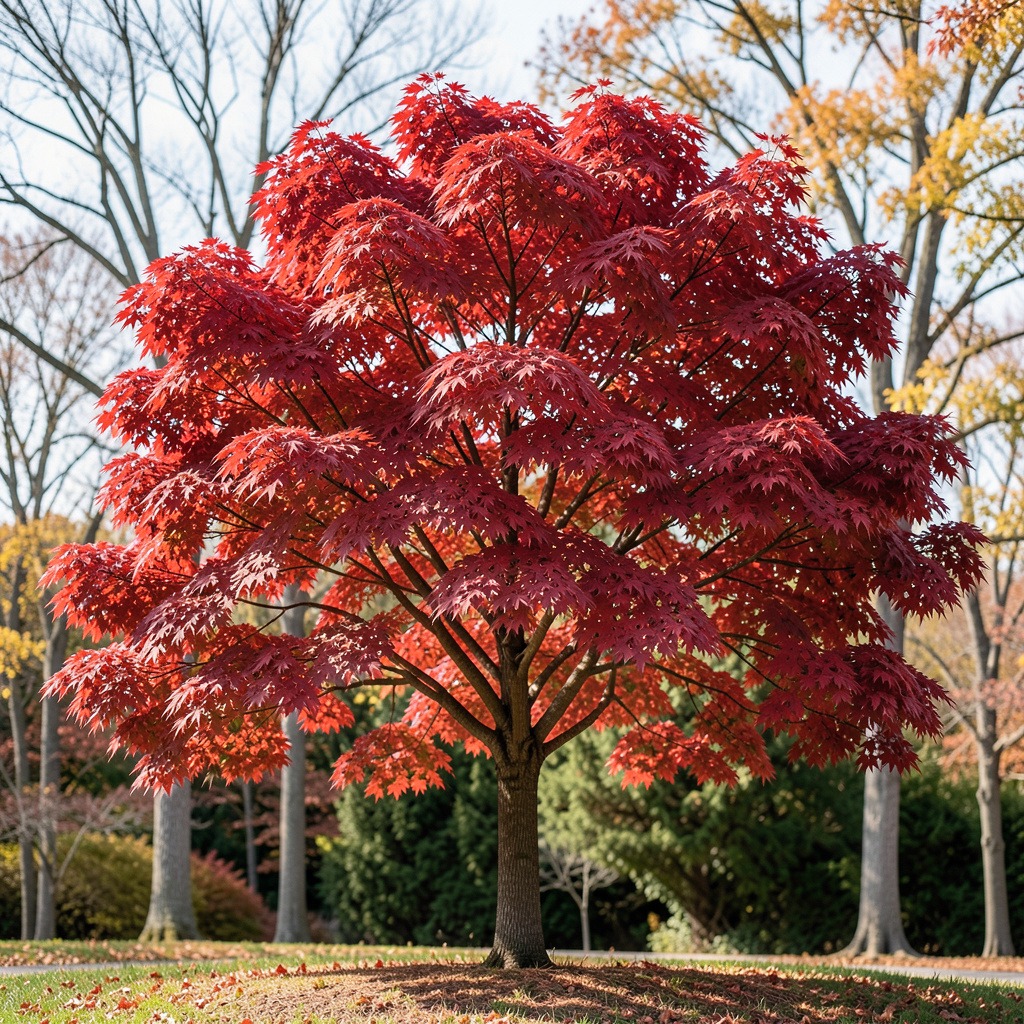
The red maple tree (Acer rubrum) is a versatile and attractive deciduous tree, celebrated for its stunning fall colors and adaptability to various growing conditions. This section explores its classification, native range, and key features that make it a favored choice for landscaping.
Key Characteristics of Acer rubrum
- Scientific Classification: Acer rubrum belongs to the Sapindaceae family, which includes other popular trees like the sugar maple and silver maple.
- Growth Habit: The red maple typically exhibits a pyramidal shape when young, maturing into a broad, rounded crown. Its balanced form contributes to its aesthetic appeal in landscapes.
- Fall Color: One of its most notable features is its brilliant autumn foliage, which can range from bright red to yellow, providing a stunning seasonal display.
- Size: Mature red maples can reach heights of 40 to 60 feet, making them significant shade trees in residential and public landscapes.
Native Range and Habitat
The red maple is one of the most abundant trees in eastern North America. Its native range extends from southern Newfoundland through the eastern United States down to Florida. Key points include:
- Widespread Distribution: Acer rubrum thrives from sea level to about 3,000 feet, adapting well to a variety of soil types—from swamps to dry uplands.
- Habitat Versatility: This species grows in diverse habitats, including floodplains and disturbed areas, demonstrating remarkable resilience to environmental changes.
Why Choose Red Maple for Your Landscape
Selecting a red maple for your landscape offers numerous benefits:
- Ecological Significance: Red maples provide essential cover and nesting sites for various wildlife, including birds and small mammals. Their hollow trunks often become habitats for species like wood ducks and pileated woodpeckers.
- Urban Adaptability: Their ability to tolerate urban pollution and compacted soils makes them an excellent choice for city landscapes.
- Low Maintenance: Once established, red maples require minimal care, making them suitable for homeowners seeking low-maintenance trees.
By understanding these characteristics, gardeners and landscapers can make informed decisions about incorporating red maple trees into their outdoor spaces.
Care and Maintenance of Red Maple Trees
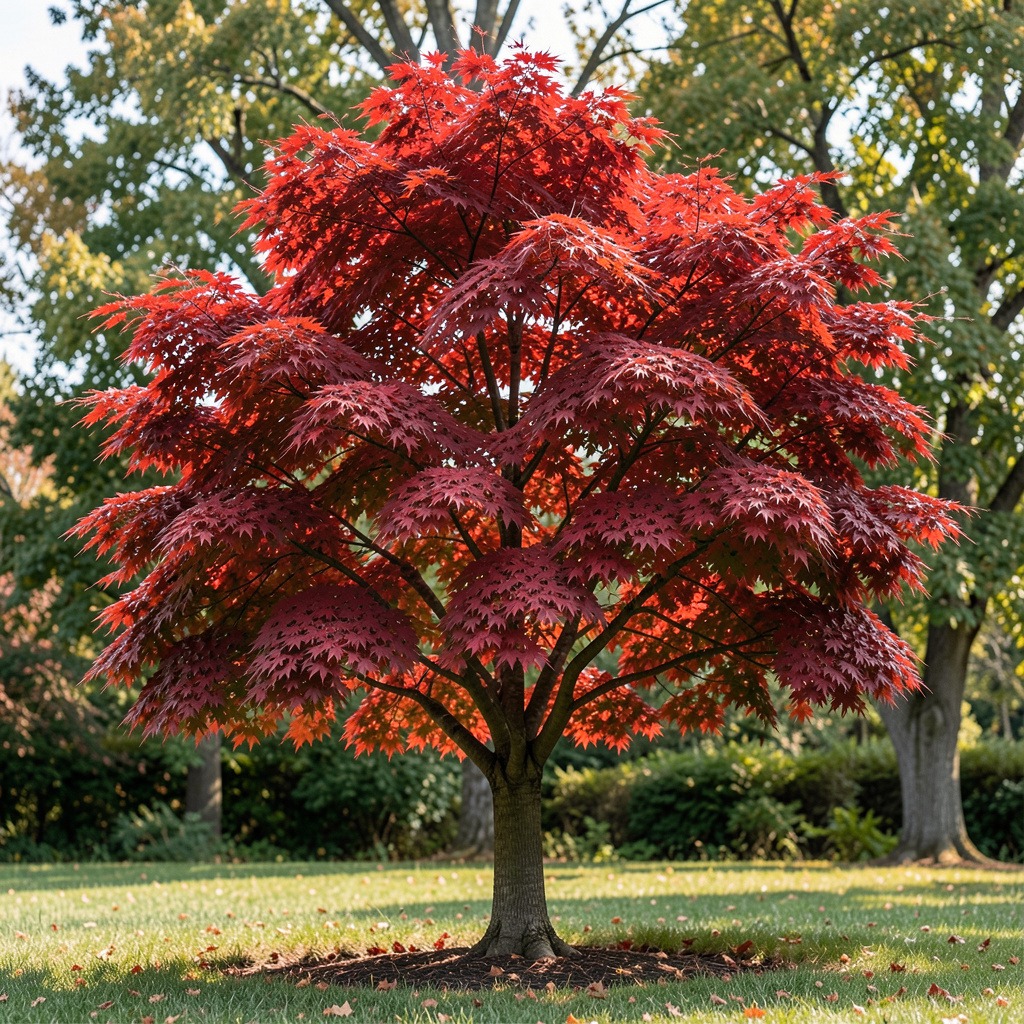
Caring for red maple trees (Acer rubrum) requires attention to their specific needs for water, soil, and pruning. Proper maintenance ensures vibrant foliage and robust growth throughout the seasons.
Watering and Soil Requirements
Red maples thrive in well-drained, moist soil. Here are key points for watering and soil management:
- Soil Type: Prefer sandy or loamy acidic soil. Avoid alkaline or salty conditions, as these can cause pale leaves and stunted growth.
- Watering Frequency: Water deeply, especially in the first few years. During dry spells, ensure the soil remains moist but not waterlogged.
- Drainage: Plant in areas with good drainage to prevent root rot, as red maples are sensitive to standing water.
Seasonal Care Checklist
- Spring: Check soil moisture; water if needed.
- Summer: Water weekly during dry periods.
- Fall: Reduce watering as temperatures cool.
- Winter: Ensure soil is not frozen; check for snow build-up on branches.
Pruning Techniques for Healthy Growth
Pruning red maples is essential for their structure and health. Follow these guidelines:
- Timing: Prune in late winter or early spring before new growth begins. This minimizes sap loss and promotes healing.
- Technique: Remove dead or crossing branches to improve air circulation. Thin out crowded areas to allow light penetration.
- Tools: Use sharp, clean pruning shears to make clean cuts. This helps prevent disease transmission.
Fertilization Tips for Optimal Health
Red maples benefit from regular fertilization tailored to their soil type. Consider these tips:
- Soil Testing: Test soil annually to determine nutrient levels and pH.
- Fertilizer Type: Use a balanced fertilizer (10-10-10) for general health. For acidic soils, consider a fertilizer with higher nitrogen content.
- Application Timing: Fertilize in early spring to support new growth. Avoid fertilizing in late fall, as this can promote new growth that may be damaged by winter cold.
By following these care practices, you can ensure your red maple thrives, showcasing its brilliant colors and providing ecological benefits for years to come.
Identifying Red Maple Trees: Features and Characteristics
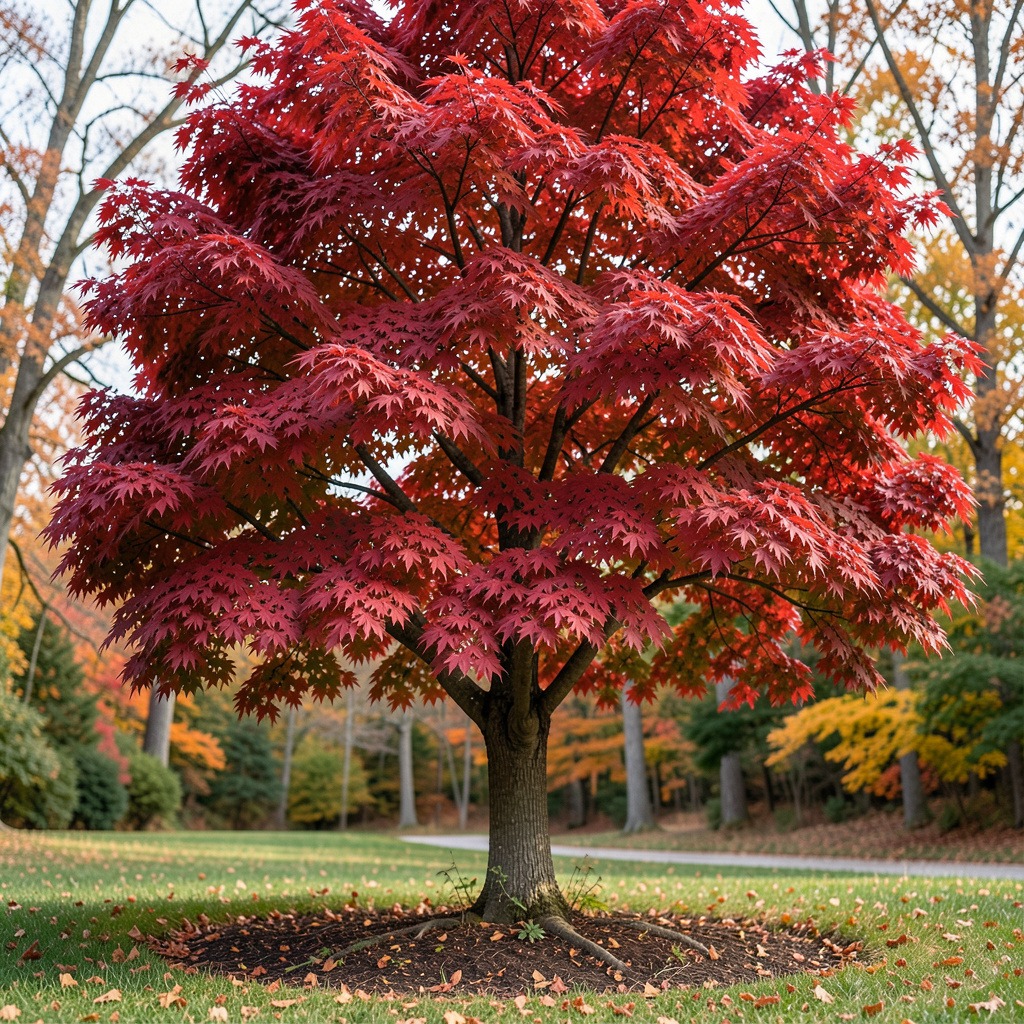
Recognizing a red maple tree (Acer rubrum) is essential for proper care and landscaping. These trees exhibit distinct features that set them apart from other maple species.
Leaf and Bark Characteristics
Red maple leaves are typically 3 to 5 lobed, with serrated edges that resemble a saw’s teeth. The leaf shape is broader compared to sugar maples, which have smoother margins. The leaves are dark green in summer, turning vibrant shades of red, orange, or yellow in the fall.
Bark Texture: Young red maple trees have smooth, gray bark. As they mature, the bark becomes furrowed and develops long, vertical ridges. This unique texture can help differentiate them from other maples.
Blooming and Seed Production
Red maples bloom in early spring, producing clusters of small, red flowers before the leaves fully emerge. These flowers are not only visually striking but also attract pollinators. The tree produces winged seeds, or samaras, that ripen in late spring. Each samara can travel long distances, aiding in the tree’s propagation.
Seasonal Color Changes
One of the most celebrated features of red maples is their fall foliage. The leaves transition to brilliant red, creating stunning displays in landscapes. This seasonal color change is not only beautiful but also serves as an important cue for gardeners and landscapers when planning planting schemes.
Visual Identification Guide:
| Feature | Red Maple (Acer rubrum) | Sugar Maple (Acer saccharum) | Silver Maple (Acer saccharinum) |
|---|---|---|---|
| Leaf Shape | 3-5 lobes, serrated edges | 5 lobes, smooth margins | 5 lobes, deeply lobed |
| Bark Texture | Smooth to furrowed | Gray and smooth | Silvery and shaggy |
| Fall Color | Red, orange, yellow | Yellow to orange | Yellow to brown |
| Flowering Time | Early spring | Early spring | Early spring |
This guide helps gardeners and tree enthusiasts quickly distinguish red maples from their counterparts in various environments.
Ecological Benefits of the Red Maple Tree
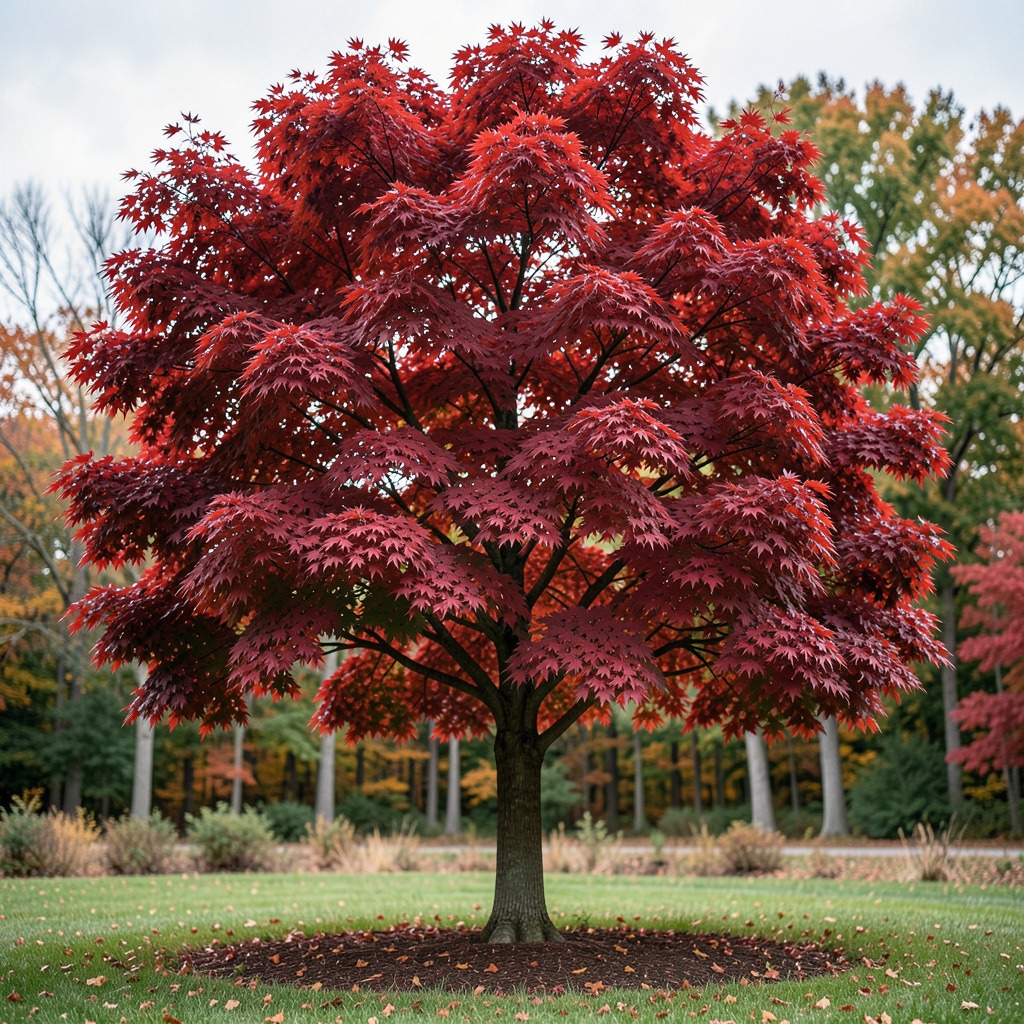
The red maple tree (Acer rubrum) plays a vital role in supporting local ecosystems and enhancing environmental quality. Its contributions range from providing habitat for wildlife to improving soil and air conditions.
Importance for Local Wildlife
Red maples are a crucial resource for various wildlife species. Their branches and foliage offer shelter and nesting sites. Notable species that benefit from red maples include:
- Birds: Species such as screech owls, pileated woodpeckers, and common flickers utilize the cavities formed in older red maples for nesting.
- Mammals: Smaller mammals find refuge in the dense foliage, while larger species may use the tree for cover.
- Pollinators: Early spring flowers attract bees and other pollinators, contributing to the overall health of the ecosystem.
Benefits on Soil and Air Quality
Red maples enhance soil and air quality in urban and natural environments. Their extensive root systems help stabilize soil and prevent erosion. Additionally, these trees:
- Filter pollutants: Red maples absorb carbon dioxide and release oxygen, improving air quality.
- Support soil health: Leaf litter from red maples enriches the soil with organic matter, fostering a diverse microbial community that is essential for nutrient cycling.
Role in Urban Ecosystems
In urban settings, red maples are invaluable for their aesthetic and ecological functions. They provide shade and beauty, while also:
- Mitigating heat: By offering shade, red maples can reduce urban heat islands, making cities more livable.
- Enhancing biodiversity: Their presence supports a variety of plants and animals, contributing to urban ecological networks.
In summary, the red maple tree is not only a beautiful addition to landscapes but also a key player in promoting ecological health and biodiversity in both rural and urban environments.
Common Issues and Pests Affecting Red Maples
Red maple trees, while generally resilient, can face various pests and diseases that threaten their health. Understanding these issues and implementing preventative measures can help maintain vibrant and thriving trees.
Common Pests and How to Combat Them
Red maples can attract several pests, including:
- Aphids: These small insects suck sap from leaves, causing yellowing and curling. Combat them with insecticidal soap or neem oil.
- Scale Insects: Scale can weaken trees by feeding on sap. Remove them manually or treat with horticultural oil.
- Spider Mites: Indicated by fine webbing, these pests thrive in dry conditions. Increase humidity around the tree and use miticides if necessary.
Diseases Affecting Red Maples
Several diseases can impact red maples, including:
- Verticillium Wilt: This soil-borne fungus causes wilting and yellowing of leaves. Unfortunately, there is no cure; prevention through proper site selection is key.
- Leaf Spot Diseases: Fungal infections lead to unsightly spots on leaves. Improve airflow and remove infected leaves to mitigate spread.
Preventative Care Measures
Implementing good cultural practices can greatly enhance the health of your red maple:
- Site Selection: Choose well-draining soil with plenty of sunlight.
- Watering: Ensure consistent moisture, especially during dry spells, but avoid overwatering.
- Pruning: Regularly prune to remove dead or crowded branches. This practice improves air circulation and reduces disease risk.
Troubleshooting Checklist
Use this checklist to identify and resolve health issues in your red maple:
- Check for yellowing leaves or wilting—indicative of pests or disease.
- Examine branches for any sticky residue or webbing.
- Inspect the soil for drainage issues—ensure it is not overly saturated.
- Regularly clean up fallen leaves and debris to prevent fungal growth.
By staying vigilant and proactive, you can protect your red maple from common pests and diseases, ensuring its longevity and health.
Landscaping Uses for Red Maple Trees
Red maple trees (Acer rubrum) are versatile and visually striking, making them a popular choice in landscaping. Their vibrant fall colors and adaptable nature enhance various garden styles.
Aesthetic and Functional Benefits
Red maples offer both beauty and functionality in landscaping. Their impressive fall foliage ranges from fiery red to golden hues, creating a stunning visual display. Additionally, these trees provide shade, making them ideal for parks and residential areas. Their adaptability allows them to thrive in diverse soil conditions, from wet lowlands to dry uplands.
Key benefits include:
- Seasonal Interest: Bright red flowers in early spring and vivid autumn colors.
- Wildlife Support: Offers habitat and food for birds and other wildlife.
- Shade Provider: Creates cool, shaded areas for outdoor activities.
Best Companion Plants for Red Maples
Choosing the right companion plants can enhance the beauty and health of red maples. Consider the following options:
- Dogwood (Cornus spp.): Complements the red maple with its white or pink blooms.
- Azaleas (Rhododendron spp.): Provide vibrant flowers in spring, contrasting beautifully with red maple foliage.
- Ferns: Their lush greenery adds texture and thrives in the same moist conditions preferred by red maples.
When planting, ensure that companion plants share similar light and moisture requirements to promote healthy growth.
Designing with Red Maples in Mind
Incorporating red maples into your landscape design requires thoughtful planning. Here are some design tips:
- Placement: Position red maples to leverage their shade benefits, such as near patios or walkways.
- Layering: Use taller plants behind red maples and shorter ones in front to create depth.
- Color Coordination: Pair red maples with plants that offer contrasting colors, such as evergreens or flowering shrubs, for year-round interest.
Example Layout Plan:
| Zone | Plant Type | Recommended Species |
|---|---|---|
| Background | Tall Trees | Red Maple (Acer rubrum) |
| Mid-ground | Flowering Shrubs | Azaleas (Rhododendron spp.) |
| Foreground | Perennials | Hostas and Ferns |
This layout plan provides an engaging visual experience while ensuring that each plant type complements the others in growth conditions and aesthetics.
Comparing Red Maple to Other Maple Species
Red maple (Acer rubrum) is often compared to sugar maple (Acer saccharum) and silver maple (Acer saccharinum) due to their similarities and common uses in landscaping. Understanding their differences in growth, foliage, and landscape suitability can help gardeners make informed choices.
Growth Rate and Size Differences
| Feature | Red Maple (Acer rubrum) | Sugar Maple (Acer saccharum) | Silver Maple (Acer saccharinum) |
|---|---|---|---|
| Growth Rate | Fast-growing (up to 60 cm/year) | Moderate (up to 30 cm/year) | Very fast (up to 90 cm/year) |
| Mature Height | 40-60 feet | 50-75 feet | 50-70 feet |
| Spread | 30-40 feet | 30-50 feet | 35-50 feet |
Red maples are known for their rapid growth and adaptability, thriving in various soil conditions. Sugar maples grow more slowly but are valued for their dense shade and high-quality wood. Silver maples grow the quickest but may suffer from weaker wood structure.
Foliage Color and Texture
| Feature | Red Maple (Acer rubrum) | Sugar Maple (Acer saccharum) | Silver Maple (Acer saccharinum) |
|---|---|---|---|
| Leaf Shape | 3-5 lobes | 5 lobes | 5 lobes |
| Fall Foliage | Bright red/orange | Golden yellow | Yellow to silver |
| Leaf Texture | Smooth | Glossy | Soft and hairy |
The red maple’s foliage presents vibrant red and orange hues in the fall, making it a popular choice for ornamental planting. Sugar maples, with their golden leaves, offer a different aesthetic, while silver maples provide a softer, less vibrant coloration.
Landscape Applications and Suitability
| Landscape Use | Red Maple (Acer rubrum) | Sugar Maple (Acer saccharum) | Silver Maple (Acer saccharinum) |
|---|---|---|---|
| Shade Tree | Excellent | Excellent | Good |
| Wildlife Habitat | Supports various bird species | Limited | Excellent for nesting |
| Soil Adaptability | Highly adaptable | Prefers well-drained soil | Tolerates flooding |
Red maples serve as effective shade trees and support diverse wildlife. They adapt well to different soil types, making them suitable for urban environments. Sugar maples are often preferred for their aesthetic and syrup production, while silver maples excel in flood-prone areas.
Takeaway: When selecting a maple for landscaping, consider growth rate, foliage characteristics, and environmental adaptability. Red maples offer quick growth and vibrant aesthetics, while sugar and silver maples have their unique advantages depending on the specific landscape needs.
Frequently Asked Questions
These quick answers cover the most common questions about this topic, including key details, practical tips, and common concerns.
What are the downsides of red maples?
While red maples (Acer rubrum) are popular for their fast growth and stunning fall colors, they do have some downsides. They can be susceptible to pests like aphids and scale insects, which can weaken the tree. Additionally, their root systems can be invasive, potentially damaging nearby structures or other plants.
Another consideration is their wood quality. Red maples tend to have softer wood, making them more prone to breakage in high winds or heavy snow. This can be a concern in areas with severe weather.
Is red maple a good yard tree?
Yes, red maples are excellent yard trees. They provide ample shade and have a striking appearance, especially in the fall when their leaves turn vibrant shades of red and orange. Their adaptability to various soil types and urban conditions makes them suitable for many landscapes.
However, consider your space and local climate. Their fast growth can be a double-edged sword; while they provide quick shade, they may also require regular maintenance and pruning to manage their size and health.
How quickly do red maple trees grow?
Red maple trees are known for their rapid growth, typically adding 1 to 2 feet in height each year under optimal conditions. They can reach a mature height of 40 to 60 feet in about 20 to 30 years. This makes them one of the faster-growing deciduous trees available.
This quick growth rate allows homeowners to enjoy the benefits of shade and beauty relatively soon after planting, making them a popular choice for landscaping.
Where is the best place to plant a red maple tree?
The best place to plant a red maple tree is in a location that receives full sun to partial shade. They thrive in well-drained, moist soils but can adapt to a variety of conditions. Avoid areas with heavy clay or overly dry soils, as these can hinder growth.
Additionally, consider planting your red maple away from structures and other trees to allow for its broad crown and extensive root system to develop without interference. This will help ensure the tree remains healthy and vigorous.
What common pests affect red maples?
Common pests that affect red maples include aphids, scale insects, and spider mites. Aphids suck sap from the leaves, causing yellowing and curling. Scale insects can weaken the tree and may require manual removal or treatment with horticultural oil. Spider mites thrive in dry conditions, leading to fine webbing on the leaves.
Regular inspections and good cultural practices, such as maintaining soil moisture and proper pruning, can help manage these pests effectively.
How do I propagate a red maple tree?
Propagating a red maple tree can be done through seeds or cuttings. For seeds, collect them in late spring when they are ripe. Stratify the seeds by placing them in a moist medium in the refrigerator for 30 days to enhance germination.
For cuttings, take softwood cuttings in early summer. Use rooting hormone and place them in a well-draining potting mix. Keep the cuttings moist and in a warm location until roots develop, which typically takes several weeks.
What soil conditions do red maples prefer?
Red maples prefer well-drained, moist, and slightly acidic soils. They thrive in sandy or loamy soils but can tolerate a range of conditions, including wet or dry sites. Avoid alkaline soils, as they can lead to nutrient deficiencies and poor growth.
To improve soil conditions, consider adding organic matter or mulch to enhance moisture retention and nutrient content. Regular soil testing can help you monitor pH and nutrient levels for optimal tree health.
What are the best companion plants for red maples?
When choosing companion plants for red maples, consider those that thrive in similar moisture and light conditions. Good options include dogwoods, azaleas, and ferns. These plants not only complement the red maple visually but also benefit from the shade it provides.
Ensure that companion plants have similar growth habits and soil requirements to create a harmonious and healthy landscape. This will enhance the overall aesthetic while promoting the health of all plants involved.