
There are numerous red maple varieties, each offering unique features, vibrant fall colors, and adaptability to various soil types, making them ideal for landscaping and ornamental use.
Table of Contents
Red maples (Acer rubrum) are cherished for their stunning fall foliage and versatility in landscaping. This guide explores 21 distinct varieties, their unique characteristics, care requirements, and how to choose the best fit for your garden or landscape design.
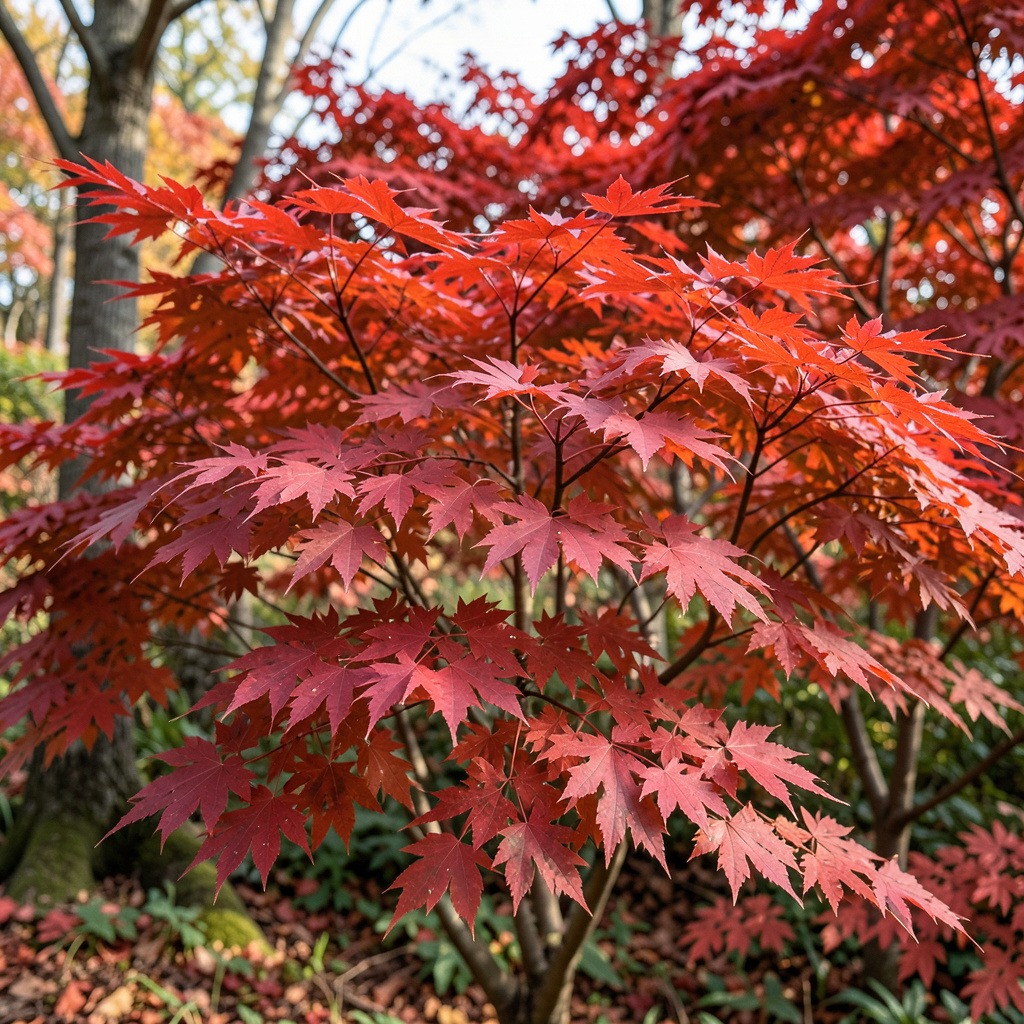
Understanding Red Maples: An Overview
Red maples (Acer rubrum) are an iconic species known for their vibrant foliage and adaptability in diverse landscapes. Their striking fall colors and rapid growth make them a favorite choice for gardeners and landscapers alike.
Characteristics of Red Maples
Red maples exhibit several defining features:
- Leaf Color: Bright green in summer, transitioning to brilliant red, orange, or yellow in the fall.
- Growth Habit: Upright and spreading, typically reaching heights of 40 to 60 feet.
- Flowers: Small, red flowers bloom in early spring before the leaves emerge.
These characteristics make red maples visually appealing throughout the seasons.
Varieties of Red Maples
There are numerous cultivars of red maples, each with unique attributes. Here are a few notable examples:
| Variety Name | Height (ft) | Width (ft) | Fall Color | Growth Rate |
|---|---|---|---|---|
| October Glory | 40-50 | 30-40 | Red to Orange | Fast |
| Red Sunset | 40-60 | 30-40 | Brilliant Red | Moderate |
| Brandywine | 30-40 | 25-35 | Deep Red | Moderate |
| Ruby Frost | 20-30 | 15-25 | Scarlet Red | Slow |
Why Choose Red Maples?
Red maples are versatile and resilient. They thrive in various soil types and climates, making them suitable for many landscapes. Here are a few reasons to consider them:
- Ecological Benefits: They provide habitat and food for wildlife.
- Urban Tolerance: Red maples can withstand urban pollution and compacted soil.
- Aesthetic Appeal: Their stunning seasonal changes enhance any landscape design.
Incorporating red maples into your landscape can elevate its visual impact while supporting local ecosystems.
21 Different Varieties of Red Maples
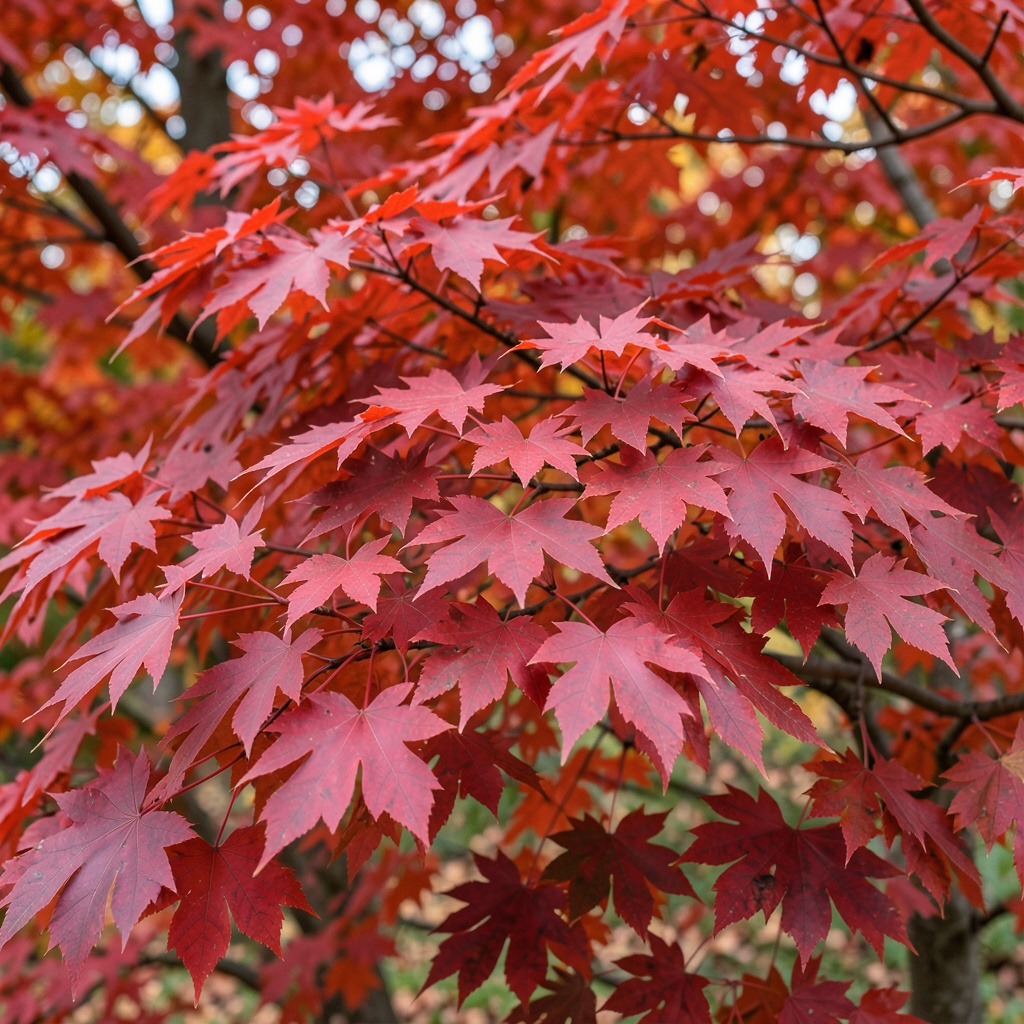
Red maples are celebrated for their striking foliage and adaptability. With numerous cultivars available, each variety presents unique features suitable for various landscape designs. Below, we explore 21 different red maple cultivars, highlighting their characteristics.
1. October Glory: A Fall Favorite
- Growth Height: 40-50 ft
- Width: 30-40 ft
- Fall Color: Vibrant red
- Features: This cultivar is renowned for its brilliant fall color and broad canopy. It adapts well to different soil conditions and offers excellent urban tolerance.
2. Red Sunset: Vibrant and Sturdy
- Growth Height: 40-50 ft
- Width: 30-40 ft
- Fall Color: Deep red
- Features: Red Sunset features a dense, rounded crown and is prized for its intense red foliage in autumn. It is also resistant to many pests and diseases.
3. Autumn Blaze: The Hybrid Marvel
- Growth Height: 40-50 ft
- Width: 30-40 ft
- Fall Color: Brilliant orange-red
- Features: As a hybrid of the red maple and silver maple, Autumn Blaze grows rapidly and is known for its stunning fall display and adaptability to various climates.
4. Ruby Frost
- Growth Height: 20-30 ft
- Width: 15-25 ft
- Fall Color: Scarlet Red
- Features: Compact and ornamental, Ruby Frost is ideal for smaller landscapes. Its vivid fall color provides a striking contrast against the winter landscape.
5. Burgundy Belle
- Growth Height: 25-30 ft
- Width: 15-20 ft
- Fall Color: Burgundy to purple-red
- Features: This unique cultivar transitions from burgundy-magenta to purple-red, adding visual interest year-round.
6. Red Maple (Acer rubrum)
- Growth Height: 40-60 ft
- Width: 30-50 ft
- Fall Color: Reddish-yellow
- Features: The species itself is highly adaptable and known for its vibrant red flowers in spring, turning into fiery foliage in fall.
7. Swamp Maple
- Growth Height: 40-50 ft
- Width: 30-40 ft
- Fall Color: Bright red
- Features: Thrives in wet soils, making it ideal for low-lying areas. It provides excellent fall color and wildlife habitat.
8. Scarlet Sentinel
- Growth Height: 30-40 ft
- Width: 15-25 ft
- Fall Color: Crimson
- Features: This narrow, columnar variety is perfect for tight spaces and provides a striking fall display.
9. High Maple
- Growth Height: 40-60 ft
- Width: 30-40 ft
- Fall Color: Orange to red
- Features: Known for its height and robust structure, this variety is suitable for larger landscapes.
10. Red Rocket
- Growth Height: 30-40 ft
- Width: 20-30 ft
- Fall Color: Bright red
- Features: A fast-growing variety with a narrow form, ideal for urban settings.
11. Crimson King
- Growth Height: 30-40 ft
- Width: 20-30 ft
- Fall Color: Dark red
- Features: Features a dense, rounded canopy and is known for its deep red foliage that lasts into autumn.
12. Brandywine
- Growth Height: 25-35 ft
- Width: 20-30 ft
- Fall Color: Red to purple
- Features: This variety offers a brilliant display of fall colors and is known for its hardiness.
13. Red Flame
- Growth Height: 30-40 ft
- Width: 25-35 ft
- Fall Color: Vivid red
- Features: A standout in any landscape, this cultivar is appreciated for its consistent fall color.
14. Sugar Maple
- Growth Height: 40-50 ft
- Width: 30-40 ft
- Fall Color: Yellow to orange
- Features: Offers a unique twist with its sweet sap and vibrant fall display.
15. Green Mountain
- Growth Height: 40-50 ft
- Width: 30-40 ft
- Fall Color: Yellow to orange
- Features: This cultivar is noted for its straight trunk and symmetrical crown.
16. Silver Maple
- Growth Height: 50-70 ft
- Width: 35-50 ft
- Fall Color: Yellow
- Features: Fast-growing and adaptable, this variety is often used in large landscapes.
17. Autumn Glow
- Growth Height: 30-40 ft
- Width: 20-30 ft
- Fall Color: Golden-yellow
- Features: Unique for its golden foliage, making it a great complement to traditional red maples.
18. Crimson Spire
- Growth Height: 25-30 ft
- Width: 10-15 ft
- Fall Color: Deep crimson
- Features: A narrow, upright form perfect for urban gardens with limited space.
19. Flame Maple
- Growth Height: 25-30 ft
- Width: 20-25 ft
- Fall Color: Bright orange to red
- Features: Known for its fiery fall colors and compact growth, it suits various landscape designs.
20. Little Gem
- Growth Height: 15-20 ft
- Width: 10-15 ft
- Fall Color: Bright red
- Features: A dwarf variety perfect for small gardens, offering stunning autumn colors.
21. Oregon Red
- Growth Height: 40-50 ft
- Width: 30-40 ft
- Fall Color: Red
- Features: Particularly hardy, this variety withstands diverse climatic conditions while providing robust fall color.
| Variety | Growth Height | Width | Fall Color | Features |
|---|---|---|---|---|
| October Glory | 40-50 ft | 30-40 ft | Vibrant red | Excellent urban tolerance |
| Red Sunset | 40-50 ft | 30-40 ft | Deep red | Dense crown, pest resistant |
| Autumn Blaze | 40-50 ft | 30-40 ft | Brilliant orange-red | Rapid growth, stunning fall display |
| Ruby Frost | 20-30 ft | 15-25 ft | Scarlet Red | Compact, ideal for small landscapes |
| Burgundy Belle | 25-30 ft | 15-20 ft | Burgundy to purple-red | Unique color transition |
Incorporating red maples into your landscape can enhance its visual appeal and ecological benefits. Each cultivar offers distinct features and growth patterns, allowing you to choose the best fit for your specific landscape design.
Growth Characteristics of Red Maples
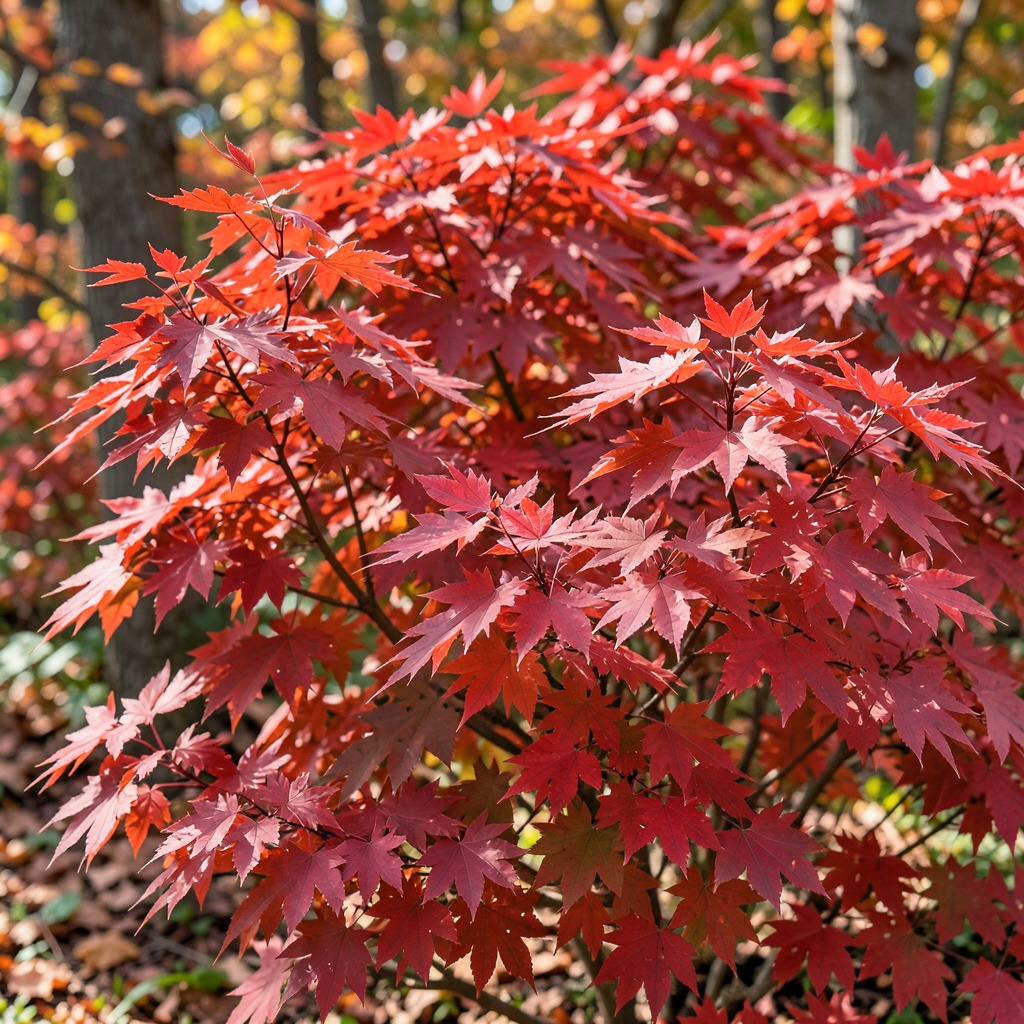
Red maple varieties exhibit diverse growth patterns, heights, and widths. Understanding these characteristics is essential for selecting the right tree for your landscape.
Average Heights and Widths
Red maples vary significantly in size. Below is a table summarizing the average heights and widths of some popular varieties:
| Variety | Average Height | Average Width | Fall Color | Growth Rate |
|---|---|---|---|---|
| Autumn Blaze | 40-50 ft | 30-40 ft | Brilliant orange-red | Rapid |
| Ruby Frost | 20-30 ft | 15-25 ft | Scarlet Red | Slow to moderate |
| Burgundy Belle | 25-30 ft | 15-20 ft | Burgundy to purple-red | Moderate |
| Brandywine | 30-40 ft | 20-30 ft | Deep red | Moderate to fast |
| October Glory | 40-50 ft | 30-40 ft | Bright red-orange | Fast |
| Red Sunset | 40-50 ft | 30-40 ft | Fiery red | Moderate |
Growth Patterns and Features
- Autumn Blaze: Known for its rapid growth, this variety reaches maturity quickly and showcases vibrant orange-red foliage in the fall. It thrives in a variety of soil types.
- Ruby Frost: A compact choice ideal for smaller landscapes, Ruby Frost features a slower growth rate but offers striking scarlet leaves that transition beautifully in autumn.
- Burgundy Belle: This variety is distinguished by its unique color transitions, moving from deep green in summer to burgundy and purple-red in fall. It is an excellent choice for ornamental landscapes.
Hardiness Zones and Adaptability
Each red maple variety has specific hardiness zone requirements that influence its growth and health. For example, the Brandywine thrives in zones 3-9, making it suitable for a wide range of climates. The October Glory is best in zones 4-8. Understanding these zones helps ensure successful growth and vibrant fall colors.
Common Growth Issues
While red maples are generally hardy, they can face challenges. Pests like aphids and diseases such as powdery mildew may affect their growth. Regular monitoring and proper care can mitigate these issues, ensuring your red maple remains healthy and vibrant.
Seasonal Changes: What to Expect
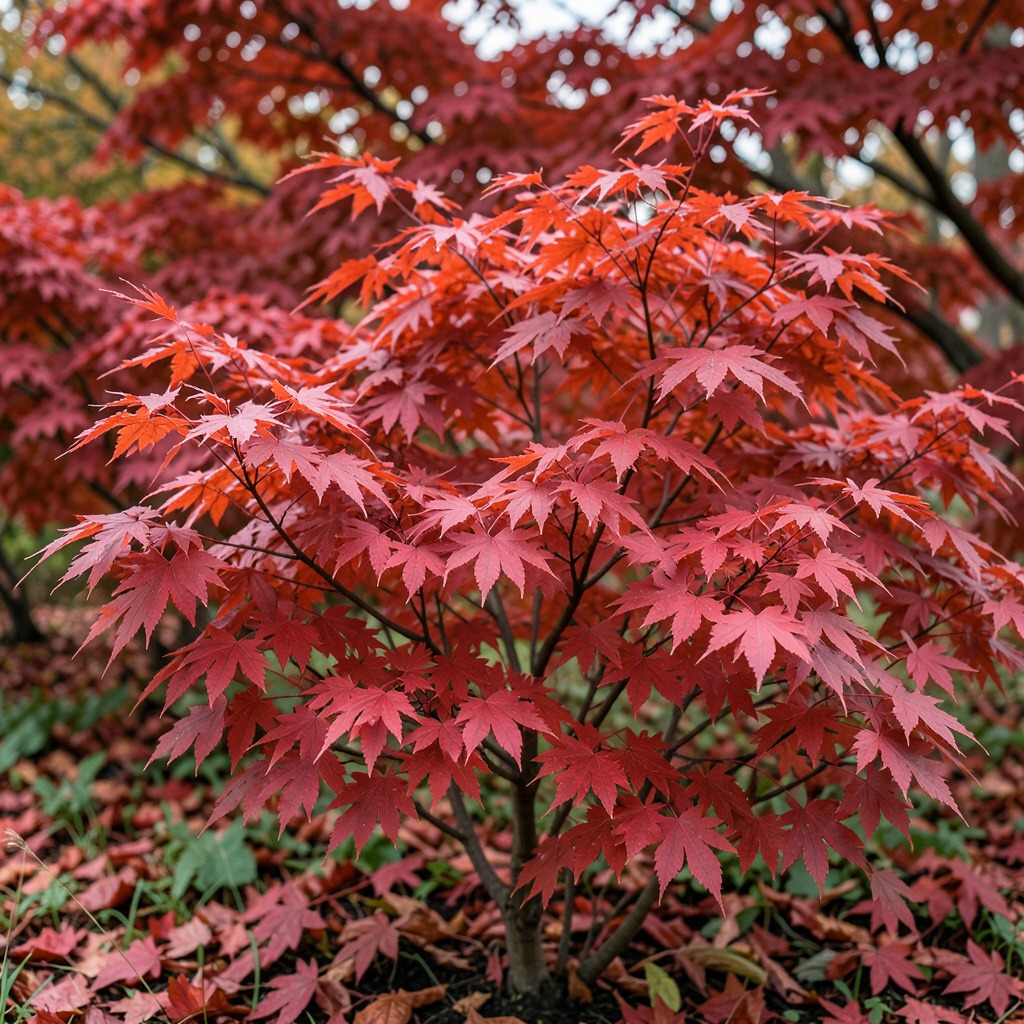
Red maples offer striking seasonal transformations, especially in their leaf color and flowering patterns. Understanding these changes can help you choose the right variety for your landscape.
Spring: Vibrant Flowers and Fresh Foliage
In early spring, red maples (Acer rubrum) display clusters of small red flowers before the leaves emerge. This stunning display is often one of the first signs of spring. The buds open to reveal bright green leaves, which have a serrated edge and a rich texture.
Summer: Lush Green Canopy
During the summer months, red maples provide a dense shade with their vibrant green foliage. This period is crucial for the tree’s growth and development. Proper watering and care during summer ensure healthy leaves, setting the stage for their autumnal transformation.
Fall: A Spectacle of Color
As autumn approaches, red maples undergo a dramatic color shift. Their leaves transition from green to brilliant shades of red, orange, and yellow. Each variety exhibits different color intensity and patterns:
- October Glory: Known for its deep red fall color.
- Red Sunset: Offers a vibrant orange-red that stands out.
- Brandywine: Features a mix of red and purple hues.
This seasonal change can vary based on the cultivar, local climate, and care provided.
Winter: Dormancy and Structure
In winter, red maples enter a dormant phase. Their striking branch structures become more visible, adding architectural interest to the landscape. This is an excellent time to assess the tree’s health and plan for any necessary pruning in early spring.
Quick Reference: Seasonal Features of Red Maples
| Season | Features |
|---|---|
| Spring | Red flowers, fresh green leaves |
| Summer | Dense green canopy, essential for growth |
| Fall | Dramatic color shifts (varies by cultivar) |
| Winter | Dormant phase, visible branch structure |
By selecting the right red maple variety and understanding its seasonal changes, you can enhance your landscape with year-round beauty.
Care and Maintenance for Red Maples
Caring for red maples ensures their longevity and vibrant appearance. Understanding their specific needs aids in maintaining healthy trees that enhance your landscape.
Soil Requirements
Red maples thrive in well-drained, loamy soil. They prefer slightly acidic to neutral soil pH (6.0 to 7.0). Here are key points:
- Soil Type: Loamy, sandy, or clay soils are acceptable, but drainage is crucial.
- pH Level: Aim for a pH between 6.0 and 7.0 for optimal growth.
Watering Needs
Proper watering is essential, especially during the first few years. Red maples require:
- Regular Watering: Keep the soil consistently moist, especially in dry spells.
- Deep Watering: Encourage deep root growth by watering less frequently but thoroughly.
- Avoid Overwatering: Ensure soil drains well to prevent root rot.
Pruning Methods
Pruning promotes healthy growth and enhances shape. Follow these guidelines:
- Timing: Prune during late winter or early spring before new growth begins.
- Technique: Remove dead or crossing branches to improve airflow and light penetration.
- Shape Maintenance: Aim for a central leader to maintain an upright structure, especially in younger trees.
Seasonal Care Checklist for Red Maples
| Season | Care Task |
|---|---|
| Spring | Prune for shape and health |
| Summer | Water deeply; monitor for pests |
| Fall | Fertilize with a balanced fertilizer |
| Winter | Inspect for winter damage; mulch base |
By adhering to these care tips, your red maples will flourish and provide stunning seasonal displays throughout the year.
Hardiness Zones for Red Maples
Red maples thrive across various hardiness zones, making them adaptable for different climates. Understanding these zones is crucial for selecting the right variety for your landscape.
Hardiness Zones Overview
Different red maple varieties have distinct hardiness zone requirements. Here’s a breakdown:
- Acer rubrum (Red Maple): Thrives in zones 3-9. This variety is versatile and can adapt to a range of soil types and moisture levels.
- Brandywine Red Maple: Best suited for zones 3-9. Known for its vibrant fall color and fast growth rate.
- October Glory Maple: Grows well in zones 5-9. This variety is celebrated for its deep red autumn foliage and excellent shade capabilities.
- Red Sunset Maple: Ideal for zones 4-8. It features a broad crown and vibrant red leaves in fall.
Choosing the Right Variety
To select the right red maple for your landscape, consider the following:
1. Climate Compatibility: Match the tree’s hardiness zone to your local climate. Planting a variety outside its optimal zone can lead to stress and poor growth.
2. Soil Conditions: Ensure your soil type aligns with the needs of your chosen variety. Some red maples prefer well-drained soils, while others tolerate wet conditions.
3. Space Requirements: Evaluate the mature height and width of the tree to ensure it fits within your landscape design.
Hardiness Zone Map
| Zone | Suitable Red Maple Varieties |
|---|---|
| 3 | Acer rubrum, Brandywine |
| 4 | Red Sunset, October Glory |
| 5 | October Glory, Japanese Red Maple |
| 6 | Japanese Red Maple |
| 7-8 | Red Sunset, October Glory |
| 9 | Brandywine |
By understanding hardiness zones, you can choose the best red maple variety that will thrive in your landscape, enhancing its aesthetic appeal while ensuring healthy growth.
Common Pests and Diseases in Red Maples
Red maples, while resilient, can face several pests and diseases that may impact their health and beauty. Understanding these issues helps ensure vibrant foliage and robust growth.
Common Pests
1. Aphids: These small insects suck sap from leaves, causing curling and yellowing. To manage aphids, introduce natural predators like ladybugs or apply insecticidal soap.
2. Scale Insects: Scale can be difficult to detect as they attach themselves to branches and leaves. Use horticultural oil to suffocate these pests. Regular monitoring is crucial.
3. Spider Mites: These tiny pests thrive in dry conditions, leading to stippled leaves. Increase humidity around the tree and apply miticides if infestations occur.
Common Diseases
1. Leaf Spot: This fungal disease manifests as dark spots on leaves. To prevent it, ensure proper spacing for air circulation and remove infected leaves promptly.
2. Canker Disease: Cankers cause sunken areas on branches. Prune affected areas immediately and maintain tree vigor through proper watering and fertilization.
3. Powdery Mildew: This fungal issue appears as a white powdery coating. Improve air circulation around the tree and use fungicides as needed.
Troubleshooting Checklist
- Inspect Leaves Regularly: Check for discoloration, spots, or unusual growth.
- Monitor Soil Moisture: Ensure proper watering to avoid stress-related issues.
- Fertilize Appropriately: Use balanced fertilizers to promote healthy growth.
- Create a Healthy Environment: Plant red maples with proper spacing to enhance airflow.
By proactively managing these pests and diseases, you can maintain the beauty and health of your red maple varieties in your landscape.
Landscaping Ideas with Red Maples
Incorporating red maple varieties into your landscape enhances aesthetic appeal and provides seasonal interest. These trees offer vibrant colors, unique shapes, and versatility in various garden designs.
Create a Focal Point
Use red maples as statement trees in your landscape. Their striking fall colors and upright growth habit draw attention. Position a red maple in a prominent location, such as the center of a garden bed or at the end of a pathway.
- Variety Suggestion: Consider the ‘Autumn Blaze’ for its rapid growth and brilliant red foliage.
- Companion Plants: Surround it with low-growing perennials like hostas or daylilies for contrast.
Form a Natural Screen
Red maples can provide privacy and shelter when planted in rows. Their dense foliage creates an effective screen against noise and wind.
- Spacing: Plant varieties like ‘Red Sunset’ 15-20 feet apart for optimal growth and coverage.
- Layering: Add evergreen shrubs like boxwoods or hollies at the base for year-round privacy.
Enhance Seasonal Displays
Utilize red maples alongside other seasonal plants to create a dynamic landscape. The transition from green to vibrant red in fall can be complemented by other foliage colors.
- Autumn Combinations: Pair with golden or orange-leaved plants, such as ‘Sumac’ or ‘Fall Fiesta’ sugar maples, for a stunning contrast.
- Spring Blooms: Integrate early-blooming bulbs like tulips or daffodils at the base for a colorful spring display.
Visual Identification Tips
Identifying red maple varieties can help you select the best fit for your landscape. Here are key features to look for:
| Variety | Leaf Shape | Fall Color | Mature Height | Hardiness Zone |
|---|---|---|---|---|
| ‘Autumn Blaze’ | Lobed, 3-5 inches | Bright red | 40-50 ft | 3-8 |
| ‘Red Sunset’ | Palmate, 3-5 inches | Red to orange | 40-50 ft | 4-8 |
| ‘Bloodgood’ | Deeply lobed | Burgundy red | 15-25 ft | 5-8 |
By thoughtfully integrating red maples into your landscape design, you can achieve visual interest year-round while benefiting from their hardiness and low maintenance.
Companion Plants for Red Maples
Pairing red maples with the right companion plants enhances their beauty and supports overall garden health. Selecting suitable plants can create a harmonious landscape that thrives together.
Best Companion Plants for Red Maples
When choosing companion plants, consider those that complement the red maple’s aesthetic and environmental needs. Here are some excellent options:
- Hostas: These shade-loving perennials offer lush green foliage that contrasts beautifully with the vibrant red leaves of maples. They thrive in similar soil conditions, making them ideal companions.
- Ferns: Varieties such as the Japanese painted fern provide texture and depth. Their delicate fronds can soften the bold structure of red maples while enjoying the same moisture levels.
- Azaleas: These flowering shrubs bloom in spring, adding color before the red maples fully leaf out. Their acidic soil preference aligns with the needs of red maples.
Pros and Cons of Companion Planting
Understanding the benefits and potential drawbacks of each companion plant can inform your landscaping decisions.
| Companion Plant | Pros | Cons |
|---|---|---|
| Hostas | Shade tolerant; diverse leaf colors | Can attract slugs |
| Ferns | Low maintenance; drought-resistant once established | Sensitive to extreme temperatures |
| Azaleas | Vibrant spring blooms; supports pollinators | Requires well-draining, acidic soil |
Example of Successful Companion Planting
In a garden design featuring a ‘Red Sunset’ maple, pairing it with azaleas and hostas creates a multi-layered look. The azaleas provide colorful blooms in spring, while the hostas offer lush foliage throughout the summer. This combination not only enhances aesthetic appeal but also ensures that all plants thrive within similar conditions.
By selecting companion plants that work well with red maples, you can create a vibrant and healthy landscape.
When to Plant Red Maples
Timing is crucial for the successful establishment of red maples. Planting at the right time enhances root development and ensures vibrant growth.
Best Planting Seasons
1. Spring (March to May)
- This is the ideal time to plant red maples. The soil is warming up, and trees can establish roots before summer heat.
- Early spring planting allows red maples to take advantage of natural rainfall, reducing the need for supplemental watering.
2. Fall (September to November)
- Planting in early fall can also be beneficial. The cooler temperatures reduce stress on the tree, allowing it to establish roots before winter.
- Ensure that the ground is not frozen, as this can hinder root growth.
Key Considerations for Planting
- Soil Temperature: Aim for soil temperatures between 50°F and 65°F. This range promotes optimal root growth.
- Hardiness Zones: Confirm the hardiness zone of the specific red maple variety. Some may thrive in zones 3 to 9, while others may have more limited ranges.
Checklist for Successful Planting
- Choose the right season based on climate and variety.
- Prepare the planting site by clearing debris and loosening the soil.
- Water the tree thoroughly after planting to eliminate air pockets in the soil.
- Mulch around the base to retain moisture and regulate soil temperature.
By following these guidelines, gardeners can enhance the success of their red maple varieties, ensuring they flourish in their landscapes.
Red Maple vs. Other Maple Varieties
Red maples, scientifically known as Acer rubrum, are often compared with other common maple species, such as sugar maples and silver maples. Each variety possesses distinct characteristics that cater to different landscape needs and preferences.
Key Comparisons
| Feature | Red Maple (Acer rubrum) | Sugar Maple (Acer saccharum) | Silver Maple (Acer saccharinum) |
|---|---|---|---|
| Growth Rate | Moderate to Fast | Slow to Moderate | Fast |
| Height at Maturity | 40-60 feet | 60-75 feet | 50-80 feet |
| Fall Color | Bright Red to Orange | Golden Yellow | Yellow to Silver |
| Flowering Season | Early Spring | Spring | Spring |
| Shade Tolerance | Moderate | High | Low |
| Soil Preference | Adapts to various soils | Prefers well-drained, rich soils | Prefers moist, well-drained soils |
Unique Advantages of Red Maple
1. Vibrant Fall Foliage: Red maples are celebrated for their brilliant red and orange leaves in autumn, providing a striking display.
2. Adaptability: They thrive in a range of soil conditions, from wet to dry, making them versatile for various landscapes.
3. Faster Establishment: Compared to sugar maples, red maples establish more quickly, making them ideal for immediate landscape impact.
4. Pest Resistance: Red maples are generally more resilient against pests and diseases, increasing their longevity in urban settings.
Landscaping Considerations
Red maples work well in urban environments due to their resistance to pollution and ability to adapt to different soil types. When planning a landscape, consider pairing them with shrubs that flourish in similar conditions, such as:
- Hydrangeas: Provide complementary blooms in summer.
- Hollies: Offer year-round greenery and berries.
- Azaleas: Add spring color alongside the red maple’s early blooms.
By understanding these comparisons, homeowners can make informed decisions that align with their landscaping goals.
The Environmental Impact of Red Maples
Red maples significantly influence local ecosystems. Their presence enhances biodiversity and contributes positively to environmental health. Here are some key benefits of incorporating red maples into landscapes.
Biodiversity and Habitat
Red maples provide essential habitat for various wildlife, including birds, insects, and mammals. Their flowers attract pollinators in early spring, while the leaves offer shelter and food for many species.
- Birds: Many species nest in the branches, benefiting from the cover and food sources.
- Insects: The blooms support bees and butterflies, crucial for pollination.
Soil Improvement
The root systems of red maples improve soil structure. They help prevent erosion and enhance nutrient cycling. Their fallen leaves decompose, enriching the soil with organic matter.
- Erosion Control: The extensive root network stabilizes soil, reducing runoff.
- Nutrient Cycling: Decomposing leaves add nitrogen and organic matter back into the ground.
Urban Adaptability
Red maples thrive in urban settings, making them ideal for city landscapes. Their adaptability allows them to withstand pollution and compacted soil conditions.
- Pollution Resistance: They filter air pollutants and improve air quality.
- Soil Tolerance: They can grow in various soil types, from sandy to clay.
Case Study: Urban vs. Rural Environments
In urban settings, red maples enhance green spaces. For instance, a city park featuring red maples shows a 30% increase in bird diversity compared to areas without trees. In rural areas, these trees support diverse ecosystems, with their roots enriching farmland soil.
By understanding the environmental impact of red maples, homeowners and landscapers can make informed decisions. Selecting the right varieties can enhance not just aesthetic appeal but also ecological health.
Addressing Common Issues with Red Maples
Gardening with red maples can bring vibrant color and beauty to your landscape. However, these trees may face several challenges. Understanding these issues and their solutions is key to maintaining healthy red maples.
Common Pests and Diseases
Red maples are susceptible to specific pests and diseases. Awareness of these threats can help in prevention and treatment:
- Aphids: These small insects suck sap from leaves, leading to curling and yellowing. Control them with insecticidal soap or neem oil.
- Scale Insects: They appear as small, raised bumps on branches. Regularly inspect trees and treat infestations with horticultural oil.
- Leaf Spot: Fungal infections can cause brown spots on leaves. Improve air circulation and avoid overhead watering to minimize outbreaks.
Growth Challenges
Certain environmental factors can impede the growth of red maples. Here are some common challenges and solutions:
- Poor Soil Drainage: Red maples prefer well-drained soils. If the soil retains too much water, consider amending it with organic matter or planting on raised beds.
- Limited Light: While they tolerate partial shade, insufficient sunlight can stunt growth. Ensure they receive at least 4-6 hours of direct sunlight daily.
Seasonal Color Changes and Care
Proper care enhances the stunning fall colors of red maples. Follow these tips to maximize their seasonal display:
- Regular Pruning: Prune in late winter to remove dead or crossing branches. This encourages healthy growth and better air circulation.
- Watering: During dry spells, provide deep watering. This sustains vibrant foliage and enhances fall color.
Problem-Solving Checklist for Red Maple Care
Use this checklist to address common issues:
- [ ] Inspect for pests bi-weekly, especially in spring.
- [ ] Test soil for drainage and amend as needed.
- [ ] Ensure adequate sunlight exposure.
- [ ] Prune during dormancy to maintain structure.
- [ ] Monitor moisture levels and water deeply during dry spells.
By addressing these common challenges, you can ensure that your red maples thrive, providing beauty and ecological benefits to your landscape.
The Future of Red Maples in Landscaping
Red maples are gaining traction in landscaping due to their striking fall colors and adaptability. As trends shift towards sustainable and visually appealing designs, red maples are becoming a popular choice for both residential and commercial spaces.
Current Landscaping Trends with Red Maples
1. Sustainability: Homeowners increasingly favor trees that require minimal maintenance and offer ecological benefits. Red maples fit this model, thriving in diverse conditions while supporting local wildlife.
2. Year-Round Appeal: The seasonal changes of red maples provide year-round interest. Their vibrant red flowers in spring and stunning fall foliage attract attention, making them ideal focal points in landscape designs.
3. Urban Adaptability: Urban landscapes often present challenges like pollution and limited space. Red maples exhibit resilience against these conditions, making them suitable for city environments. Their upright growth habit allows for efficient use of vertical space.
Successful Landscaping Examples
- Residential Gardens: Homeowners have successfully integrated red maples into their yards by pairing them with low-maintenance perennials. This combination enhances visual appeal while ensuring ease of care.
- Public Parks: Municipal landscaping projects are increasingly using red maples for their hardiness and aesthetic qualities. For example, parks featuring clusters of red maples not only beautify the area but also provide shade and habitat for birds.
Visual Identification Tips
To effectively select the right red maple variety for your landscape, consider these visual cues:
- Leaf Shape: Most red maples have 3-5 lobes. Look for variations in leaf size to identify specific cultivars.
- Bark Texture: Young trees feature smooth gray bark, while older specimens develop a more rugged texture.
- Fall Color: Observe the intensity of red hues in fall; some cultivars exhibit deeper reds than others.
These characteristics aid in choosing the best variety suited to your aesthetic and environmental needs.
Decision Rule for Choosing Red Maples
When selecting a red maple variety, consider the following:
- Space Availability: Measure the area for potential growth. Opt for shorter cultivars like ‘Bloodgood’ in smaller yards.
- Climate Compatibility: Check your hardiness zone to ensure the selected variety will thrive in your environment.
- Design Objectives: Identify whether you want a focal point, a shade tree, or a boundary marker, and choose accordingly.
By following these guidelines, you can effectively enhance your landscape with the right red maple variety, ensuring both beauty and functionality.
Conclusion: Choosing the Right Red Maple for You
Selecting the ideal red maple variety for your landscape involves careful consideration of multiple factors. By understanding the unique characteristics of each cultivar, you can enhance both the beauty and functionality of your outdoor space.
Key Considerations for Red Maple Selection
1. Growth Characteristics: Different varieties of red maples exhibit varying growth habits. For example, the ‘Autumn Blaze’ can reach heights of 50 feet, while the ‘Burgundy Belle’ stays more compact at about 20-25 feet. Choose based on available space.
2. Hardiness Zone Compatibility: Ensure the selected variety aligns with your local climate. The ‘Brandywine’ thrives in zones 3-9, making it suitable for a wide range of environments, while the Japanese Red Maple is limited to zones 5-8.
3. Seasonal Features: Consider what visual appeal you desire through the seasons. The vibrant fall colors of ‘October Glory’ provide a stunning display, shifting from green to a deep red, while the ‘Red Sunset’ showcases brilliant orange hues.
Checklist for Choosing Your Red Maple
- Space: Measure your available area for optimal growth.
- Climate: Confirm your USDA hardiness zone.
- Design Purpose: Identify if you need a focal tree, shade provider, or boundary marker.
- Seasonal Colors: Decide on preferred autumn hues and spring blooms.
- Pest Resistance: Research common pests and diseases affecting your chosen variety.
By following this decision-making framework, you can confidently select a red maple that not only fits your landscape but thrives in your specific conditions, ensuring a vibrant and enduring addition to your home.
Frequently Asked Questions
These quick answers cover the most common questions about this topic, including key details, practical tips, and common concerns.
What are the downsides of red maple trees?
Red maples can have several downsides, including susceptibility to pests like aphids and scale insects, which can affect their health and appearance. They may also suffer from diseases such as leaf spot and powdery mildew if not properly cared for. Additionally, red maples are known to drop branches as they mature, which can pose a risk in high-wind areas.
Another consideration is their shallow root system, which can make them less stable in windy conditions. They may also require regular maintenance, such as pruning and watering, especially during dry spells.
How many years does it take for a red maple tree to grow?
Red maple trees typically grow at a moderate rate, reaching maturity in about 20 to 30 years. Depending on the variety, some can grow up to 2 feet per year under optimal conditions. For instance, the ‘Autumn Blaze’ is known for its rapid growth, while other cultivars may take longer to reach their full height.
To ensure healthy growth, provide adequate water, sunlight, and nutrients, especially during the first few years after planting.
What is the fastest growing red maple tree?
The fastest-growing red maple variety is often considered to be the ‘Autumn Blaze.’ This cultivar can grow up to 3 feet per year in ideal conditions, making it a popular choice for those looking to establish a quick shade tree.
Other fast-growing options include ‘October Glory’ and ‘Red Sunset,’ which also exhibit impressive growth rates, but ‘Autumn Blaze’ stands out for its rapid establishment and vibrant fall colors.
Is there a red maple that stays red all year?
While no red maple variety maintains its red color year-round, some cultivars like ‘Ruby Frost’ and ‘Burgundy Belle’ exhibit striking red and burgundy hues throughout the growing season. However, these colors typically transition to green in the summer before changing to vibrant reds and oranges in the fall.
To achieve year-round interest, consider pairing red maples with evergreen plants or other trees that offer seasonal color changes, ensuring your landscape remains visually appealing throughout the year.
What soil conditions do red maples prefer?
Red maples thrive in well-drained, loamy soils that are slightly acidic to neutral, with a pH range of 6.0 to 7.0. They are adaptable and can tolerate various soil types, including sandy and clay soils, but good drainage is essential to prevent root rot.
To improve soil conditions, consider amending with organic matter or compost before planting. Regular soil testing can also help maintain optimal pH levels for healthy growth.
How do I prune a red maple tree?
Pruning red maples is best done in late winter or early spring before new growth begins. Start by removing any dead, damaged, or crossing branches to improve air circulation and light penetration. Aim for a central leader to maintain an upright structure.
When pruning, use clean, sharp tools to make clean cuts. Avoid removing more than 25% of the tree’s canopy in a single season to minimize stress and encourage healthy growth.
What are the best companion plants for red maples?
Companion plants for red maples should thrive in similar conditions and complement their aesthetic. Excellent choices include hostas, which offer lush foliage, and azaleas, which provide vibrant spring blooms. Ferns also work well, adding texture and visual interest.
When selecting companion plants, consider their height and growth habits to create a layered effect in your landscape. This not only enhances beauty but also supports overall garden health.