
The Red Sunset Maple tree offers stunning fall colors and rapid growth, but also presents challenges such as potential root issues and disease susceptibility, making it important to weigh both the benefits and drawbacks before planting.
Table of Contents
The Red Sunset Maple (Acer rubrum ‘Franksred’) is favored for its vibrant autumn foliage and quick growth. However, understanding its advantages and disadvantages is crucial for homeowners to make informed landscaping choices. Let’s explore the key pros and cons in detail.
Introduction to the Red Sunset Maple Tree
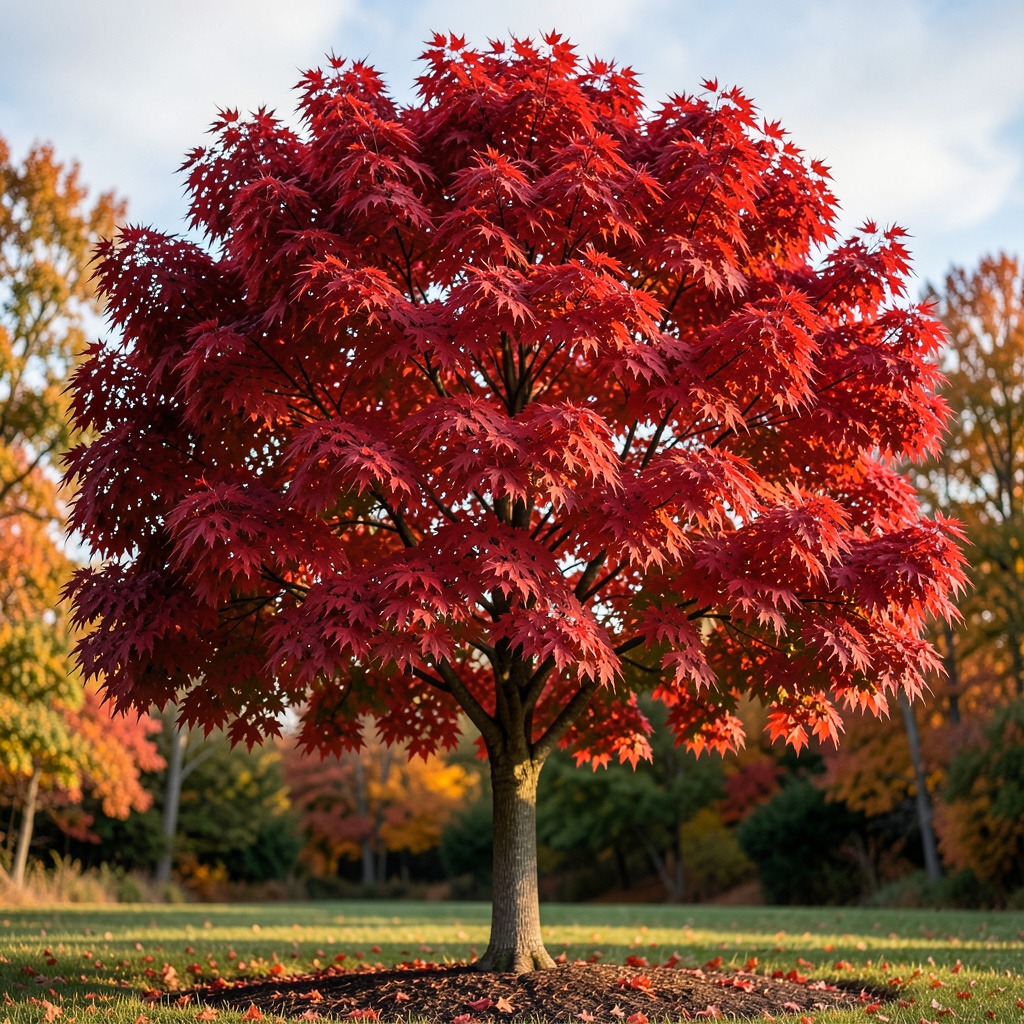
The Red Sunset Maple (Acer rubrum ‘Franksred’) is a stunning cultivar known for its vibrant fall foliage and rapid growth. This tree has gained popularity among homeowners for its aesthetic appeal and adaptability in various landscapes.
What is the Red Sunset Maple?
The Red Sunset Maple is a cultivar of the native Red Maple, scientifically classified as Acer rubrum. It was developed in the mid-20th century, specifically selected for its exceptional and consistent fall color. This cultivar typically reaches a height of 40 to 60 feet and spreads 35 to 45 feet at maturity. Its symmetrical shape and strong central leader make it a preferred choice for both residential and urban landscapes.
Why is it popular among homeowners?
Homeowners favor the Red Sunset Maple for several reasons:
- Vibrant Fall Color: The leaves transition from deep green in summer to brilliant shades of orange-red and crimson in autumn. This color display is often more consistent than that of other maple varieties.
- Rapid Growth Rate: This tree can grow 2-3 feet annually, allowing homeowners to enjoy shade and visual interest in a relatively short time.
- Adaptability: The Red Sunset Maple thrives in a range of soil types, from clay to loamy soils, making it versatile for different landscaping conditions.
Example Scenario: If you’re planting in a medium-sized yard, the Red Sunset Maple’s growth characteristics provide a quick solution for establishing shade without a long wait.
Key Considerations for Planting
When considering planting a Red Sunset Maple, keep the following factors in mind:
- Soil Preferences: It thrives best in well-drained, slightly acidic to neutral soils. Avoid locations with high alkalinity, as this can hinder growth.
- Spacing: Ensure adequate spacing to accommodate its mature size. Plant the tree at least 10-15 feet away from structures to prevent potential root issues.
- Sunlight Requirements: This tree prefers full sun to partial shade, which helps maintain its vibrant fall colors.
By understanding these characteristics and considerations, you can make an informed decision about incorporating the Red Sunset Maple into your landscape.
1. Pros of the Red Sunset Maple Tree
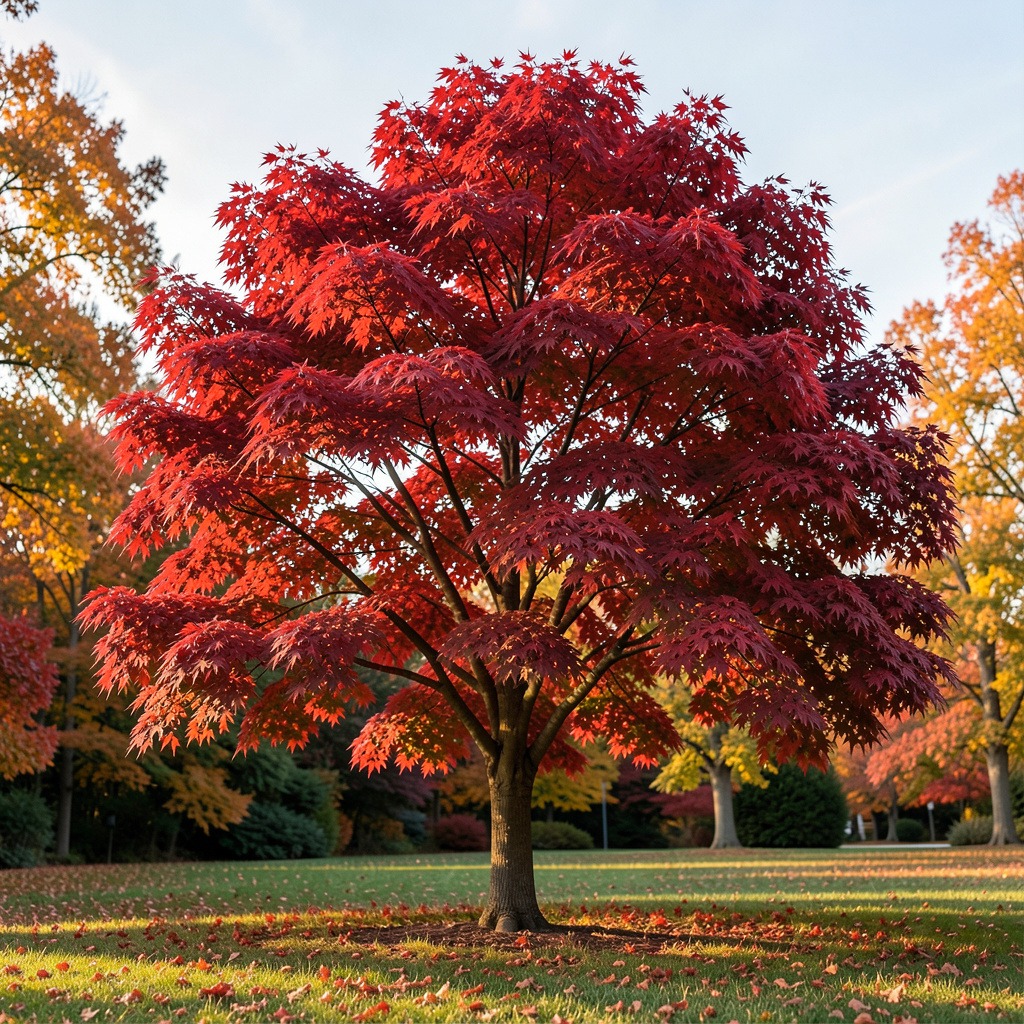
The Red Sunset Maple tree offers a range of advantages, making it a popular choice for landscaping. Its rapid growth, stunning aesthetic appeal, and adaptability to various environments make it an excellent addition to many yards.
Rapid Growth Rate
The Red Sunset Maple is known for its impressive growth rate. Under optimal conditions, it can grow 2 to 3 feet per year. This rapid establishment allows homeowners to enjoy shade and beauty in a relatively short time.
- Decision Rule: For quick coverage, consider planting Red Sunset Maples in areas needing immediate shade. Their growth can provide significant height—up to 20-30 feet within a decade.
Spectacular Fall Foliage
One of the most striking features of the Red Sunset Maple is its vibrant fall color. The leaves transition from deep green in summer to brilliant shades of orange-red and crimson in autumn. This color display typically lasts several weeks, enhancing the visual appeal of any landscape.
- Example Insight: Homeowners report that the Red Sunset Maple’s foliage remains vibrant longer than many other maple species, making it a favored choice for fall interest.
Soil Adaptability
The Red Sunset Maple exhibits remarkable adaptability to various soil types. It thrives in well-drained, slightly acidic to neutral soils, but can also grow in clay and loamy soils. This versatility allows it to flourish in diverse environmental conditions.
- Scenario-Based Insight: If you’re in an area with heavy clay soil, the Red Sunset Maple can establish a strong root system without the risk of rot, unlike many other trees that struggle in similar conditions.
In summary, the Red Sunset Maple’s rapid growth, stunning fall colors, and adaptability to different soil types make it a compelling option for enhancing your landscape.
2. Cons of the Red Sunset Maple Tree
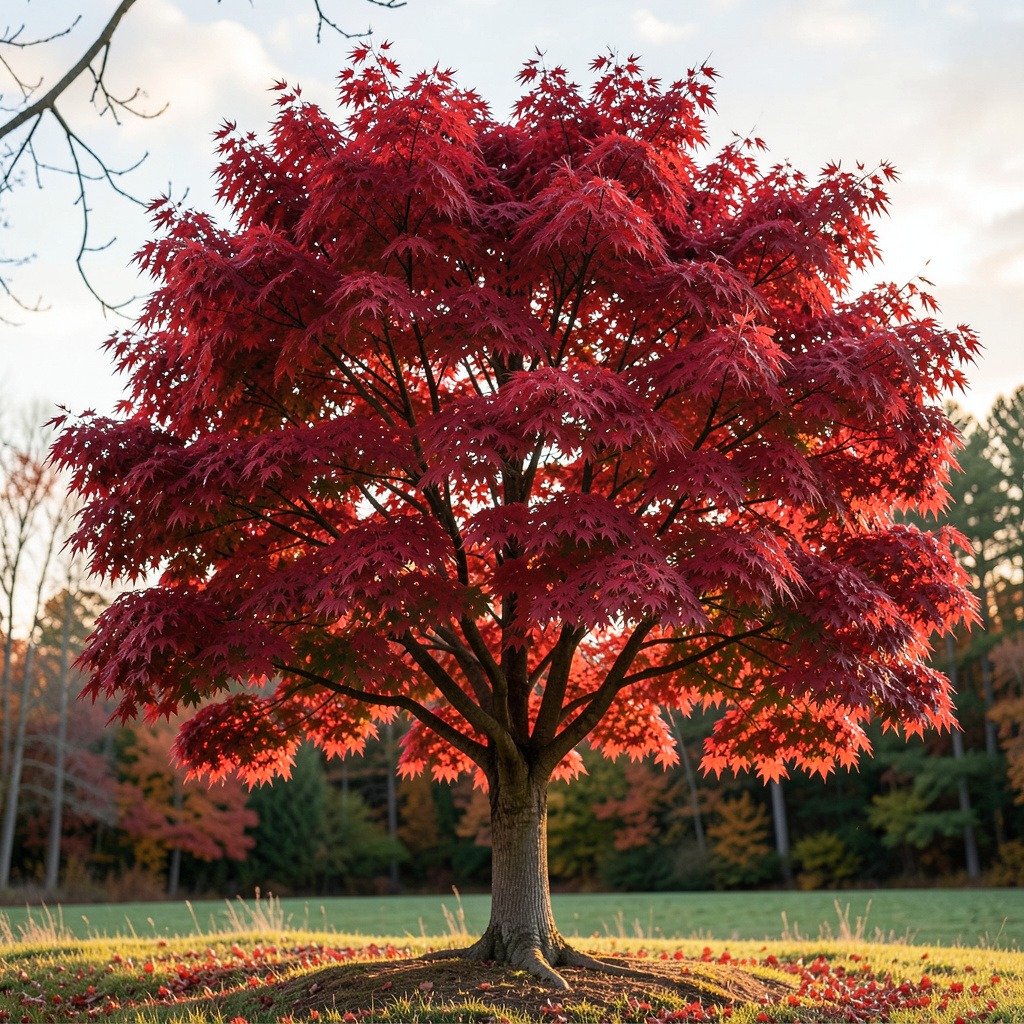
While the Red Sunset Maple tree offers many advantages, potential drawbacks exist. These issues primarily relate to its root structure and susceptibility to diseases. Understanding these challenges can help mitigate risks in your landscaping plans.
Root System Concerns
The root system of the Red Sunset Maple can pose several problems. It typically develops a shallow root structure, which can lead to:
- Surface Roots: The roots often grow horizontally near the surface. This can create challenges for mowing and landscaping.
- Potential Damage: Shallow roots may cause instability in high winds, increasing the risk of uprooting.
Decision Rule: When planting, ensure a distance of at least 10-15 feet from structures to minimize root conflict and potential damage.
Disease and Pest Vulnerabilities
The Red Sunset Maple is susceptible to various diseases and pests, which can affect its health and aesthetics. Common issues include:
- Leaf Spot Diseases: Conditions like anthracnose can lead to unsightly leaf spots and premature leaf drop.
- Scale Insects: These pests can weaken the tree by sucking sap, leading to reduced vigor.
Example Scenario: In a landscaped park where several Red Sunset Maples were planted, a leaf spot outbreak diminished their visual appeal and required a treatment plan involving fungicides.
Potential for Storm Damage
Due to its growth habit and wood structure, the Red Sunset Maple can be vulnerable to storm damage. Weak wood may result in:
- Broken Branches: High winds can snap branches, creating hazards and requiring regular maintenance.
- Uprooting Risks: In severe storms, the shallow root system can lead to tree uprooting, especially in saturated soils.
By considering these cons, homeowners can make informed decisions about including the Red Sunset Maple in their landscapes. Proper placement, regular monitoring, and timely interventions can help mitigate these issues effectively.
3. Ideal Growing Conditions for Red Sunset Maple
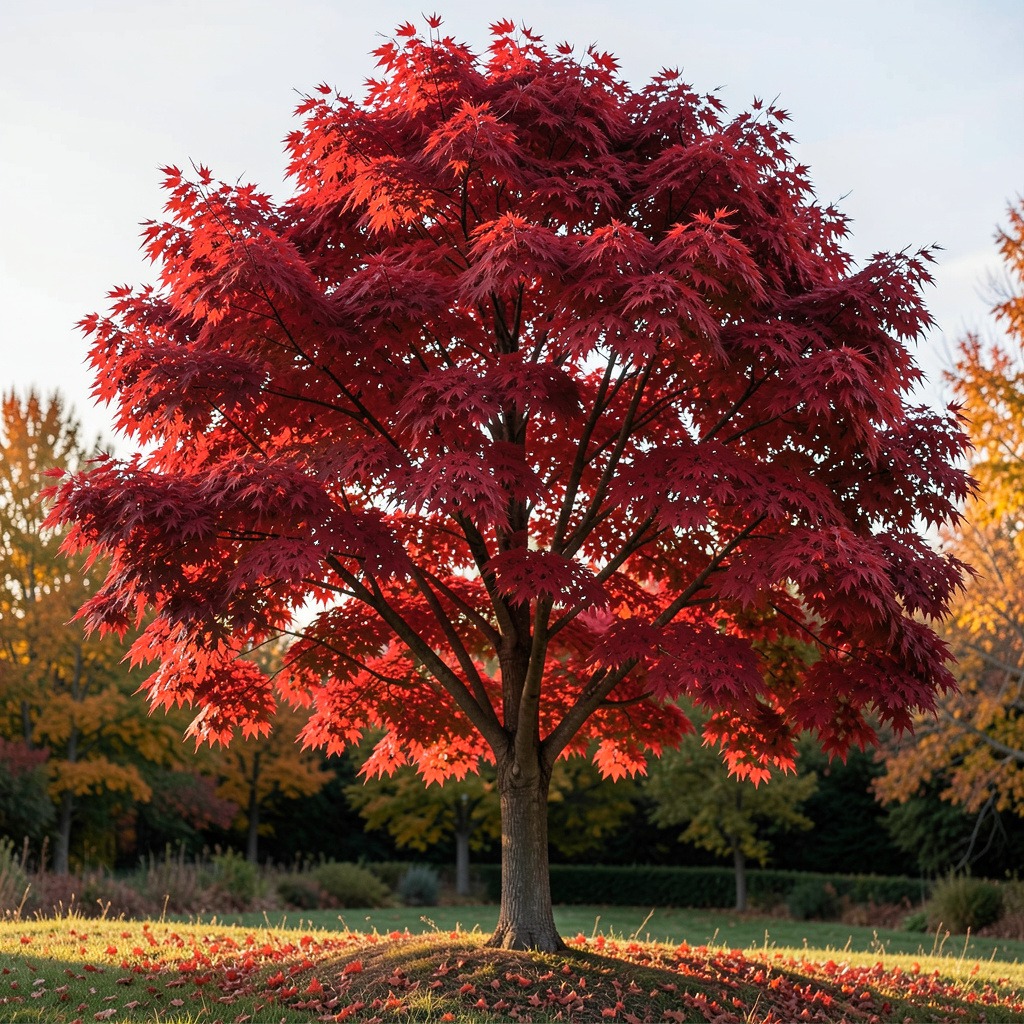
To thrive, the Red Sunset Maple requires specific soil conditions, sunlight exposure, and suitable climate zones. Understanding these factors is crucial for planting and maintaining a healthy tree.
Soil Type and pH Preferences
The Red Sunset Maple flourishes in various soil types but prefers:
- Soil Texture: Well-drained, loamy soils. It can also adapt to clay and sandy soils.
- Soil pH: Slightly acidic to neutral soil (pH 5.5 to 7.0). Avoid overly alkaline soils, as they can hinder growth.
Sunlight Exposure Requirements
This tree thrives best in sunlight. Consider the following:
- Full Sun: Ideally, the Red Sunset Maple needs at least 6 hours of direct sunlight daily. This exposure enhances fall color and overall growth.
- Partial Shade: While it can tolerate partial shade, insufficient sunlight may reduce the vibrancy of its autumn foliage.
Best USDA Hardiness Zones
The Red Sunset Maple is suitable for a range of climates. It performs best in:
- USDA Hardiness Zones: 4 to 8. This range covers much of the northern and eastern United States, making it a versatile choice for various landscapes.
Checklist for Planting Conditions
When planting a Red Sunset Maple, ensure the following conditions are met:
- Soil Type: Well-drained loamy soil, adaptable to clay and sandy soils.
- pH Level: Aim for slightly acidic to neutral (5.5 – 7.0).
- Sunlight: At least 6 hours of direct sunlight.
- Hardiness Zone: Confirm your location falls within USDA zones 4 to 8.
By adhering to these guidelines, you can optimize the growth potential of your Red Sunset Maple, ensuring it thrives in your landscape.
4. Planting and Spacing Guidelines
Proper planting techniques and adequate spacing are crucial for the health and longevity of your Red Sunset Maple. These guidelines ensure that the tree has enough room to grow without causing damage to nearby structures or other plants.
How Far Should They Be Planted from Structures?
To prevent root issues and structural damage, maintain a safe distance when planting Red Sunset Maples. Here are some guidelines:
- Minimum Distance: Plant at least 10 to 15 feet away from buildings, walls, and sidewalks.
- Consider Utility Lines: Avoid planting under or near overhead utility lines to prevent future conflicts.
- Access for Maintenance: Ensure there is enough space for tree care activities, such as pruning or pest control.
Optimal Spacing Between Trees
When planting multiple Red Sunset Maples, consider their mature size and growth habits. Follow these spacing recommendations:
- Between Trees: Space trees at least 20 to 30 feet apart to allow for proper air circulation and sunlight penetration.
- Group Planting: If creating a grove, consider using a staggered arrangement for a natural look while still maintaining adequate space.
Visual Diagram of Ideal Planting Arrangements
A visual layout can help in planning the arrangement of your Red Sunset Maples. Here’s a simple guide:
“`
| T | T | T |
| | | |
| | | |
| T | | T |
| | | |
“`
- “T” represents the Red Sunset Maple trees.
- Ensure each tree has adequate spacing for growth and development.
By adhering to these planting and spacing guidelines, you can maximize the beauty and health of your Red Sunset Maple trees while minimizing potential drawbacks.
5. Long-term Care and Maintenance of Red Sunset Maple
Maintaining a Red Sunset Maple requires attention to watering, pruning, and disease management. Proper care ensures the tree remains healthy and vibrant throughout its life.
Watering and Fertilization Needs
Red Sunset Maples thrive with consistent watering, especially during their first few years. Here’s a simple care schedule:
- Newly Planted Trees (0-2 years): Water deeply once a week, ensuring the soil remains moist but not waterlogged.
- Established Trees (3+ years): Reduce watering to bi-weekly during dry spells. Monitor soil moisture; if the top 2 inches are dry, it’s time to water.
- Fertilization: Apply a balanced, slow-release fertilizer in early spring. This promotes healthy growth and vibrant foliage.
Pruning Techniques for Health
Regular pruning improves air circulation and encourages a strong structure. Follow these guidelines:
- Timing: Prune during late winter or early spring before new growth begins.
- Techniques:
- Remove dead, damaged, or crossing branches.
- Thin out crowded areas to enhance light penetration.
- Maintain a central leader to promote a strong canopy.
Disease Management Strategies
Red Sunset Maples can be susceptible to certain diseases. Active monitoring and preventive care are essential:
- Common Issues: Leaf spot, root rot, and aphid infestations.
- Prevention:
- Ensure proper drainage to prevent root rot.
- Regularly inspect leaves for discoloration or spots.
- Use organic treatments, such as neem oil, for pest control.
Example Scenario: Planting and Care Decision Framework
When considering the placement of your Red Sunset Maple, assess the following:
- Soil Type: Ensure well-drained, slightly acidic soil.
- Sunlight: Select a location with at least 6 hours of direct sunlight daily.
- Space: Allow for at least 35-45 feet of horizontal space for the tree to spread.
By following these guidelines, you can maximize the longevity and beauty of your Red Sunset Maple, turning it into a stunning focal point in your landscape.
6. Aesthetic and Functional Uses in Landscaping
Red Sunset Maples not only provide stunning visual appeal but also fulfill essential functional roles in landscaping. Their vibrant foliage and generous shade make them a favored choice for homeowners looking to enhance their outdoor spaces.
Using Red Sunset Maples for Shade
The Red Sunset Maple excels as a shade tree. It typically grows to heights of 40-60 feet, offering ample coverage for outdoor activities. This tree can significantly reduce temperatures in your yard, making it a comfortable spot during hot summer days. Consider planting these trees near patios, decks, or play areas to create inviting shaded zones.
- Growth Rate: This tree grows moderately to fast, adding 2-3 feet in height annually.
- Shade Coverage: A mature tree can provide shade for multiple seating areas.
- Placement Tip: Plant at least 15-20 feet away from structures to allow for its expansive canopy.
Complementary Plantings
Pairing Red Sunset Maples with other plants can enhance your landscape’s beauty and functionality. Consider these strategies:
- Understory Plants: Use shade-tolerant perennials like hostas or ferns beneath the canopy.
- Color Contrast: Choose flowering shrubs that bloom at different times to complement the maple’s fall display.
- Texture Variety: Incorporate ornamental grasses for movement and texture against the maple’s bold structure.
Example Scenario: Creative Landscaping Design
Imagine a backyard with a Red Sunset Maple positioned centrally to provide shade. Surround it with:
- Hostas: Their lush foliage thrives in the shade, maintaining a vibrant green backdrop.
- Autumn Joy Sedum: This plant offers late-season color, blooming with rosy pink flowers as the maple’s leaves turn.
- Ornamental Grasses: Varieties like Miscanthus can frame the tree, creating a dynamic visual contrast.
This combination not only highlights the beauty of the Red Sunset Maple but also ensures year-round interest in your landscape.
7. Alternatives to Red Sunset Maple Trees
When considering alternatives to the Red Sunset Maple, several tree species offer similar aesthetic benefits and growth characteristics. Each has its unique pros and cons, making them suitable for different landscaping needs.
Comparing Red Sunset Maple to Other Maple Varieties
| Tree Species | Pros | Cons |
|---|---|---|
| Sugar Maple (Acer saccharum) | – Brilliant fall color – Excellent shade tree – Produces sap for syrup |
– Slower growth rate – Requires well-drained soil |
| Autumn Blaze Maple (Acer × freemanii) | – Fast growth – Vibrant orange-red fall color – Tolerant of various soils |
– More susceptible to pests – Larger root system can cause issues |
| Silver Maple (Acer saccharinum) | – Very fast growth – Tolerates wet soil – Great for quick shade |
– Weak wood structure – Invasive root system |
| Japanese Maple (Acer palmatum) | – Stunning foliage year-round – Compact size for smaller spaces |
– Slower growth – More sensitive to environmental conditions |
Top Alternatives for Similar Aesthetic Appeal
1. Sugar Maple: Known for its vibrant yellow and orange hues in fall, this tree can reach heights of 60-75 feet. It offers a majestic canopy but grows slower than the Red Sunset Maple.
2. Autumn Blaze Maple: This hybrid grows quickly and offers brilliant fall colors, making it an appealing choice. However, its susceptibility to pests may pose challenges.
3. Silver Maple: Ideal for quick shade, it grows rapidly, but its invasive root system can disrupt nearby structures.
4. Japanese Maple: For those with limited space, the Japanese Maple provides a beautiful, compact option with year-round interest, though it requires careful environmental considerations.
Decision Framework for Tree Selection
- Growth Rate: If you need quick shade, consider faster-growing species like the Autumn Blaze or Silver Maple.
- Soil Conditions: Evaluate your soil type. If you have heavy clay, the Red Sunset Maple or Silver Maple may thrive, while Sugar Maples prefer well-drained soils.
- Space Availability: For smaller yards, the Japanese Maple is an excellent choice due to its compact size.
Example Scenario
Imagine landscaping a medium-sized yard. If you desire stunning fall color, the Autumn Blaze Maple could be your choice. However, if you prioritize a multi-functional tree that can also provide syrup, the Sugar Maple would be more suitable. Assess your space and preferences carefully to choose an alternative that complements your landscape effectively.
8. Final Thoughts on the Red Sunset Maple Tree
The Red Sunset Maple tree offers a captivating blend of beauty and practicality. However, it is crucial to weigh its pros and cons before deciding to plant one in your landscape.
When to Choose a Red Sunset Maple
Consider the following factors when determining if the Red Sunset Maple is right for you:
- Aesthetic Appeal: If you desire vibrant fall colors, this tree provides stunning oranges and reds.
- Growth Rate: Ideal for those seeking quick shade, as it grows 2-3 feet annually when young.
- Soil Adaptability: Thrives in a variety of soil types, including clay and loamy soils, making it versatile for many landscapes.
- Space Availability: Ensure you have sufficient room for its mature height of 40-60 feet and spread of 35-45 feet.
Key Considerations Before Planting
Before planting a Red Sunset Maple, keep these points in mind:
- Root System: Be aware of its shallow root system, which may cause issues with nearby structures or sidewalks.
- Maintenance Requirements: While generally low-maintenance, it may require regular watering, especially in dry spells.
- Disease Susceptibility: Monitor for pests and diseases that can affect its health, such as leaf spot and aphids.
Checklist for Potential Planters
- Assess your yard’s space and sunlight exposure.
- Test your soil pH; the Red Sunset Maple prefers slightly acidic to neutral conditions.
- Plan for adequate watering, especially during establishment.
- Consider its location relative to structures to avoid root-related issues.
By following these guidelines, you can make an informed decision about incorporating the Red Sunset Maple into your landscape, ensuring it enhances your yard for years to come.
Frequently Asked Questions
These quick answers cover the most common questions about this topic, including key details, practical tips, and common concerns.
What are the differences between a red maple and a Red Sunset Maple?
The Red Sunset Maple (Acer rubrum ‘Franksred’) is a specific cultivar of the native Red Maple. While both trees share similar growth habits, the Red Sunset Maple is prized for its consistent and vibrant fall colors, which transition from green to brilliant shades of orange-red. In contrast, traditional Red Maples can exhibit variable fall color and may not be as consistent in their color display.
How far should a Red Sunset Maple be planted from structures?
To prevent potential root damage and ensure healthy growth, plant a Red Sunset Maple at least 10 to 15 feet away from buildings, sidewalks, and other structures. This distance helps avoid conflicts with its shallow root system and allows the tree to spread its branches without obstruction.
How fast do red sunset maple trees grow?
Red Sunset Maples are known for their rapid growth rate, typically adding 2 to 3 feet in height each year under optimal conditions. This makes them an excellent choice for homeowners looking to establish shade quickly, as they can reach heights of 40 to 60 feet within a decade.
What are common pests and diseases affecting Red Sunset Maples?
Red Sunset Maples can be susceptible to several pests and diseases. Common issues include leaf spot diseases, such as anthracnose, which can lead to unsightly leaf spots. Additionally, scale insects may infest the tree, sucking sap and weakening its overall health. Regular monitoring and early intervention can help manage these issues effectively.
How do I care for a Red Sunset Maple tree?
Caring for a Red Sunset Maple involves regular watering, especially during the first few years after planting. Water deeply once a week to keep the soil moist but not waterlogged. Additionally, prune the tree in late winter or early spring to remove dead or damaged branches and maintain a strong structure. Monitor for pests and diseases to ensure the tree remains healthy.
What is the ideal soil pH for Red Sunset Maples?
Red Sunset Maples thrive best in slightly acidic to neutral soil, with a pH range of 5.5 to 7.0. It’s important to avoid overly alkaline soils, as they can hinder the tree’s growth and overall health. Conducting a soil test before planting can help determine if amendments are needed to achieve the ideal pH.
When is the best time to plant a Red Sunset Maple?
The best time to plant a Red Sunset Maple is during the early spring or fall when the temperatures are cooler, and the tree can establish its roots without the stress of extreme heat. Planting during these seasons allows for optimal growth conditions and helps the tree acclimate to its new environment.