
The Redpointe Maple tree offers stunning fall color and rapid growth, making it an attractive option for many landscapes, though it has some drawbacks, including shallow roots and susceptibility to pests.
Table of Contents
The Redpointe Maple (Acer Rubrum ‘Frank Jr.’) is a favored choice for homeowners seeking vibrant fall foliage and quick growth. However, evaluating its pros and cons is crucial for ensuring it fits your landscape needs.
Understanding the Redpointe Maple Tree
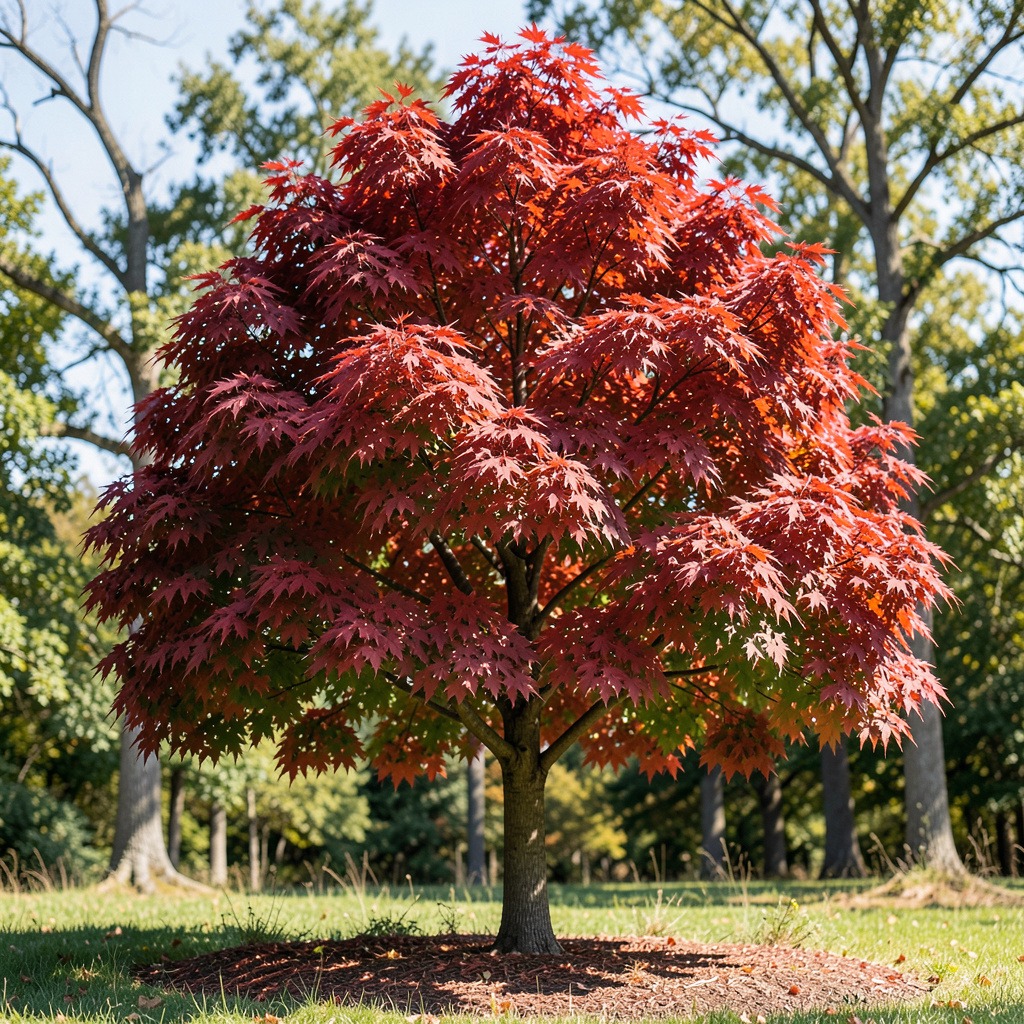
The Redpointe Maple (Acer Rubrum ‘Frank Jr.’) is a distinctive tree known for its robust structure and striking fall colors. Understanding its characteristics can help homeowners determine if it is the right choice for their landscape.
Scientific Classification and Origin
The Redpointe Maple belongs to the Acer genus, specifically classified as Acer Rubrum. It was introduced in 2006 by J. Frank Schmidt & Son, a notable tree grower in Oregon. This cultivar was recognized for its superior qualities, earning a spot on the Pennsylvania Horticultural Society’s Gold Medal Plants list in 2025.
Growth Habit and Size
The Redpointe Maple typically reaches a height of 45 feet and a spread of 30 feet. Its upright growth habit features a dominant central leader, resulting in a symmetrical, pyramid-shaped canopy. This growth structure prevents common issues seen in other red maples, such as codominant stems that can lead to structural weaknesses.
- Height: 45 feet
- Spread: 30 feet
- Growth Rate: Moderate, approximately 2 feet per year
This growth pattern makes it an excellent choice for shade in residential areas.
Fall Foliage and Aesthetic Appeal
One of the standout features of the Redpointe Maple is its brilliant fall foliage. Leaves begin with a reddish tint in spring, mature to deep green in summer, and transform into vivid red by autumn. This transformation not only enhances the landscape but also contributes to the local ecosystem, providing food and habitat for various wildlife.
- Spring Color: Reddish tinge
- Summer Color: Deep green
- Fall Color: Brilliant red
For homeowners seeking to add visual interest to their yards, the Redpointe Maple offers an impressive display throughout the seasons, making it a popular choice.
Pros of Planting a Redpointe Maple
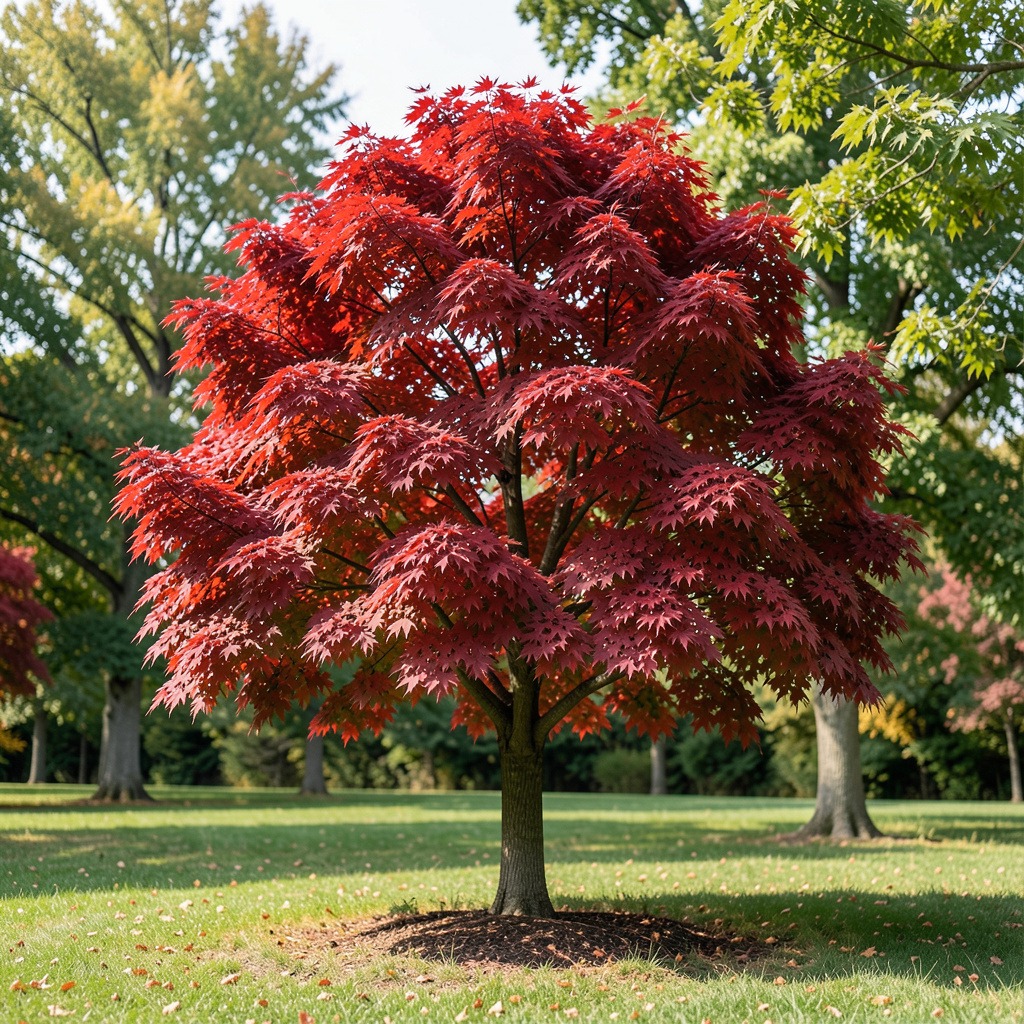
The Redpointe Maple offers numerous advantages for homeowners seeking to enhance their landscapes. Its aesthetic appeal, rapid growth, and adaptability make it a standout choice for a variety of environments.
Vibrant Fall Color
The Redpointe Maple is renowned for its striking fall foliage. As the seasons change, leaves transition from deep green to a vivid red, creating a stunning visual display. This transformation not only enriches the landscape but also attracts local wildlife, adding ecological value.
Fast Growth Rate
One of the most compelling reasons to plant a Redpointe Maple is its growth rate. Under ideal conditions, it can grow up to 2 feet per year. This rapid growth allows homeowners to quickly establish a shade canopy, making it an ideal choice for those looking to enhance their outdoor spaces without a long wait.
Adaptability to Urban Environments
The Redpointe Maple thrives in various soil types and conditions, including moist, slightly acidic soils. Its ability to tolerate urban settings, including partial paving, makes it a versatile option for city landscapes. This adaptability allows homeowners to plant it in challenging environments, such as near driveways or sidewalks, where other trees may struggle.
Key Benefits Summary:
- Aesthetic Appeal: Stunning red autumn foliage.
- Growth Rate: Medium to fast, up to 2 feet annually.
- Environmental Tolerance: Thrives in urban and partially paved areas.
Example Scenario:
Homeowners in suburban areas can benefit significantly from planting a Redpointe Maple in their front yards. Its rapid growth will provide shade within a few years, while the vibrant fall color enhances curb appeal. In a neighborhood where space is limited, its adaptability to urban conditions allows planting close to sidewalks without compromising the tree’s health.
Cons of Planting a Redpointe Maple
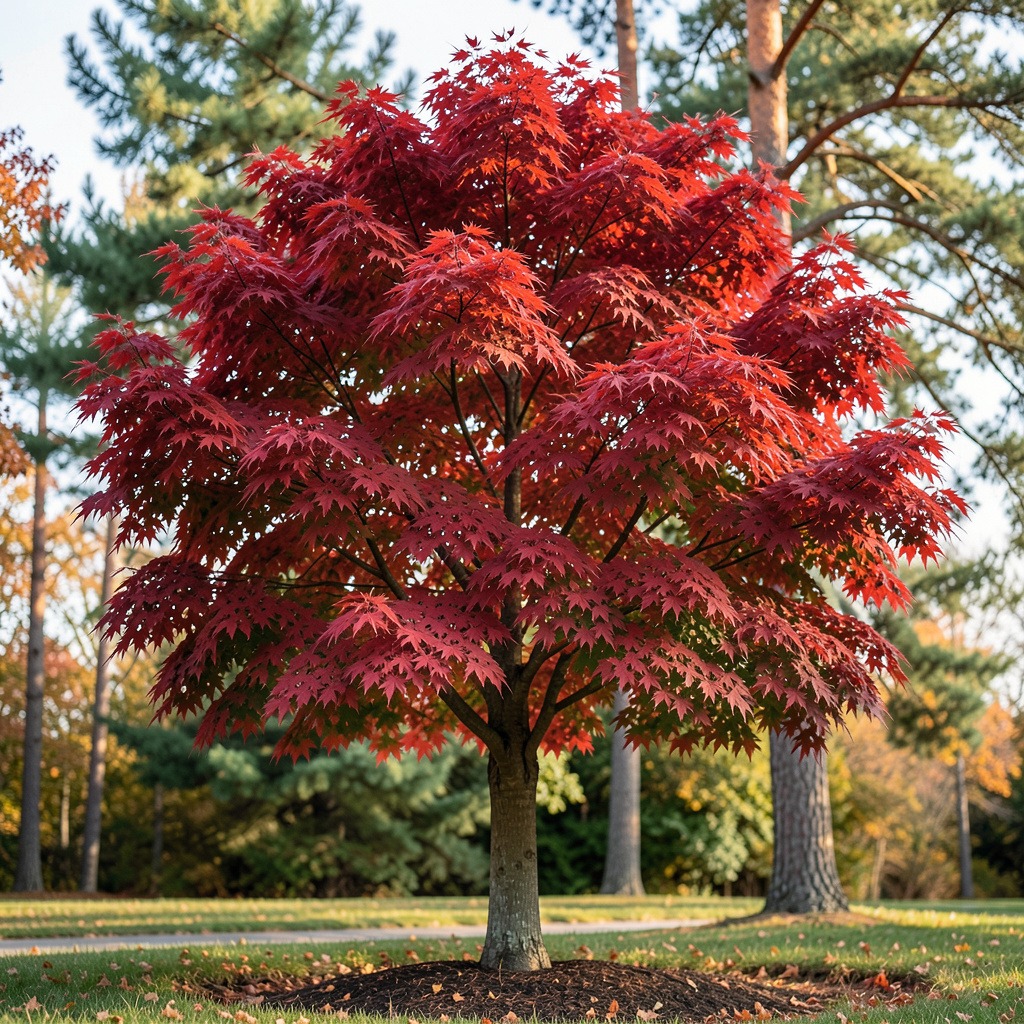
While the Redpointe Maple offers numerous benefits, potential planters should also consider several drawbacks. These include its shallow root system, maintenance requirements, and susceptibility to pests.
Shallow Root System and Structural Concerns
The Redpointe Maple has a shallow root system, which can lead to stability issues. This characteristic makes the tree more vulnerable to uprooting during storms or high winds. Homeowners should be cautious when planting near structures, as the roots may disrupt sidewalks or driveways. To mitigate risks, consider the following:
- Planting Distance: Maintain a distance of at least 15 feet from any hardscapes to allow for natural root expansion.
- Soil Conditions: Ensure well-drained, slightly acidic soil to promote healthier root development.
Pest Susceptibility
Like many maples, the Redpointe is susceptible to various pests. Notably, it can attract aphids, scale, and borers. These pests can weaken the tree, leading to potential health issues. Homeowners should implement proactive pest management strategies, such as:
- Regular Inspections: Monitor for signs of infestations, particularly during the growing season.
- Natural Predators: Encourage beneficial insects like ladybugs that prey on aphids.
- Insecticidal Treatments: If infestations occur, consider targeted treatments that minimize harm to beneficial species.
Maintenance Requirements
The Redpointe Maple requires regular maintenance to thrive. This includes:
- Pruning: Conduct annual pruning to remove dead or crossing branches. This promotes healthy growth and improves airflow.
- Watering: While it is adaptable, the tree benefits from consistent moisture, especially during dry spells. Deep watering every few weeks can support its growth.
- Fertilization: Apply a balanced fertilizer in early spring to enhance growth and foliage color.
Considering these factors can help homeowners make informed decisions about planting a Redpointe Maple. By understanding the tree’s requirements and potential challenges, you can ensure a successful and sustainable addition to your landscape.
Care and Maintenance of Redpointe Maple Trees
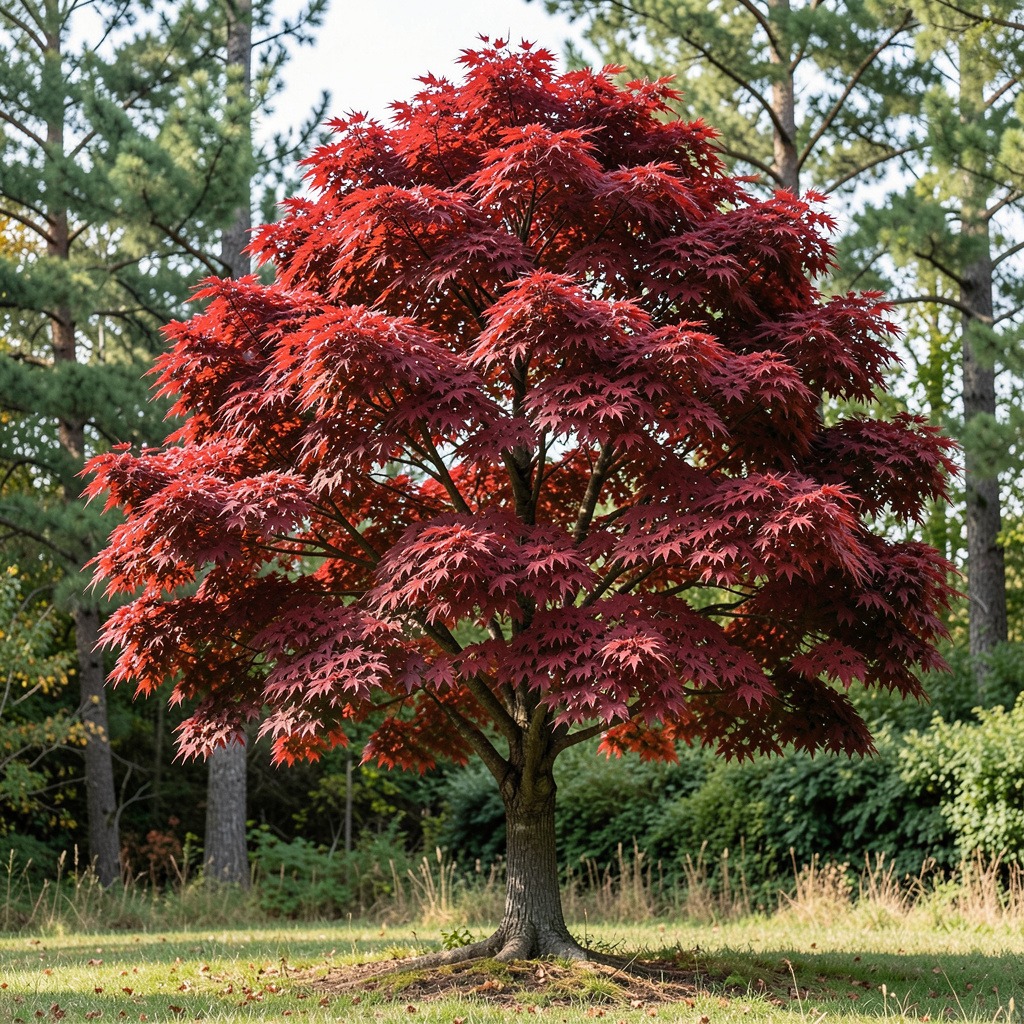
The Redpointe Maple thrives with proper care. Understanding its specific needs in terms of watering, soil, and sunlight is crucial for optimal health and growth.
Watering Needs and Soil Types
Redpointe Maples prefer consistent moisture, especially during dry periods. Deep watering every few weeks is ideal. Here are some key points to consider:
- Soil Type: Redpointe Maples tolerate a range of soil types, including sandy, loamy, and even slightly alkaline soils with a pH close to 8. However, they flourish best in moist, well-drained, slightly acidic soils.
- Watering Frequency: Water deeply about once every two weeks. During extreme heat or drought, increase the frequency.
Sunlight Requirements
Sunlight plays a significant role in the health of Redpointe Maples. Follow these guidelines:
- Full Sun: These trees thrive in full sun, needing at least 6 hours of direct sunlight daily for vibrant fall colors.
- Partial Shade: While they can tolerate some shade, less sunlight may result in weaker growth and less impressive foliage.
Fertilization and Pruning Tips
Proper fertilization and pruning enhance the growth and aesthetics of the Redpointe Maple. Consider the following:
- Fertilization: Apply a balanced fertilizer in early spring. This promotes robust growth and enhances foliage color.
- Pruning: Conduct annual pruning to remove dead or crossing branches. This practice not only encourages healthy growth but also increases airflow, reducing the risk of disease.
Checklist for Optimal Health
To maintain a healthy Redpointe Maple, use the following checklist:
- Watering: Deep water every two weeks, increase during drought.
- Soil: Ensure well-drained, slightly acidic to neutral soil.
- Sunlight: Provide full sun exposure for best fall colors.
- Fertilization: Apply balanced fertilizer in early spring.
- Pruning: Prune annually to promote healthy structure.
By adhering to these care guidelines, homeowners can ensure their Redpointe Maple reaches its full potential, providing beauty and shade for years to come.
Redpointe Maple vs Other Maple Varieties
When selecting a maple tree, homeowners often consider the Redpointe Maple alongside other popular varieties like the Autumn Blaze and Red Sunset Maple. Each variety offers unique advantages and considerations regarding growth, aesthetics, and care.
Growth Rates and Size Comparisons
- Redpointe Maple: Typically reaches heights of 40 to 50 feet and spreads 30 to 40 feet wide. It grows rapidly, averaging 1 to 2 feet annually.
- Autumn Blaze Maple: Can also achieve heights of 45 feet with a width of 30 feet. Growth rates may exceed 2 feet per year under optimal conditions.
- Red Sunset Maple: Similar in height to the Redpointe, but often grows slightly slower, reaching about 40 feet tall with a 30-foot spread.
Aesthetic Differences
- Fall Color:
- Redpointe Maple: Known for its brilliant red foliage in autumn, creating a striking visual impact.
- Autumn Blaze Maple: Offers a mix of orange and red leaves, providing a vibrant fall display.
- Red Sunset Maple: Features deep red leaves, typically appearing later in the season than the other two.
- Leaf Characteristics:
- Redpointe: Darker green leaves in summer, transitioning to vivid red in fall.
- Autumn Blaze: Lighter green leaves that change to bright orange-red.
- Red Sunset: Glossy dark green leaves that turn to a rich crimson.
Maintenance and Pest Resistance
- Water Requirements:
- All three varieties prefer consistently moist soil but should not be waterlogged.
- Redpointe and Autumn Blaze may require more water initially to establish roots.
- Pest Resistance:
- Redpointe Maple: Generally exhibits better resistance to pests and diseases compared to traditional red maples.
- Autumn Blaze: Similar resistance, but can be more susceptible to pests like aphids.
- Red Sunset: May face challenges with aphids and leaf spot diseases, requiring more vigilant care.
Decision Framework for Homeowners
When choosing among these varieties, consider the following:
- Space Availability: Ensure your selection fits the available landscape area.
- Desired Aesthetic: Choose based on the specific fall color you prefer.
- Maintenance Level: Assess how much time you can dedicate to care; Redpointe tends to be lower maintenance.
By evaluating these factors, homeowners can make an informed decision that aligns with their landscaping goals.
Conclusion: Is the Redpointe Maple Right for Your Landscape?
The Redpointe Maple offers numerous benefits for homeowners, but it also comes with certain drawbacks. Understanding these factors can help you decide if this tree suits your landscaping goals.
Key Considerations
- Growth Rate: Redpointe Maples grow rapidly, establishing a strong presence in your landscape within a few years.
- Aesthetic Appeal: With dark green foliage that turns vibrant red in the fall, this tree enhances visual interest.
- Environmental Adaptability: It tolerates various soil types and conditions, making it suitable for diverse environments.
- Maintenance Needs: While generally low-maintenance, it does require attention to pest management, particularly for aphids.
Pros and Cons Summary
| Pros | Cons |
|---|---|
| Fast growth rate | Shallow root system |
| Vibrant fall color | Potential pest issues |
| Adaptable to various soils | Requires regular maintenance |
Decision-Making Framework
When considering the Redpointe Maple, evaluate your specific landscape needs:
- Space Availability: Ensure your yard can accommodate its size.
- Environmental Conditions: Assess soil type and sunlight exposure.
- Maintenance Commitment: Determine how much time you can dedicate to care.
By reflecting on these factors, you can make an informed decision about whether the Redpointe Maple is the right choice for your landscape.
Frequently Asked Questions
These quick answers cover the most common questions about this topic, including key details, practical tips, and common concerns.
Are Redpointe Maples good trees?
Yes, Redpointe Maples are considered good trees for many homeowners. They offer vibrant fall color, rapid growth, and adaptability to various soil types, making them an attractive choice for landscapes. Their ability to thrive in urban environments adds to their appeal, allowing them to be planted near driveways and sidewalks.
However, it’s essential to consider their shallow root system, which may lead to stability issues. Regular maintenance and pest management are also necessary to keep the tree healthy.
How far should a Red Maple be from the house?
When planting a Redpointe Maple, it’s advisable to maintain a distance of at least 15 feet from your house or any hardscapes like sidewalks. This distance allows for natural root expansion and reduces the risk of roots damaging foundations or pavement.
Additionally, this spacing helps ensure the tree has enough room to grow without encroaching on nearby structures, promoting better airflow and sunlight exposure.
Are Redpointe Maple roots invasive?
Redpointe Maple roots are not typically classified as invasive, but they do have a shallow root system. This characteristic can lead to potential issues, such as uplifting sidewalks or driveways if planted too close.
To prevent these problems, it’s best to plant them at least 15 feet away from hard surfaces and monitor their growth regularly. Proper care and maintenance can help mitigate any root-related concerns.
Which Red Maple tree is considered the best?
The “best” Red Maple tree can vary based on individual preferences and landscape needs. However, the Redpointe Maple is often favored for its vibrant fall color, rapid growth, and structural integrity compared to other varieties like the Autumn Blaze and Red Sunset.
Each of these varieties has unique traits. The Autumn Blaze offers a mix of orange and red foliage, while the Red Sunset provides deep crimson leaves. Consider your specific aesthetic and maintenance preferences when choosing.
Redpointe vs. Red Sunset: What Is the Right Choice for Your Landscape?
When comparing Redpointe and Red Sunset Maples, consider their growth rates and fall colors. The Redpointe Maple is known for its rapid growth and brilliant red foliage, making it a great option for quick shade and visual impact.
In contrast, the Red Sunset Maple grows slightly slower and features deep red leaves that appear later in the season. If you prefer a quicker-growing tree with immediate aesthetic appeal, the Redpointe may be the better choice.
How to care for a Redpointe Maple?
Caring for a Redpointe Maple involves regular watering, proper sunlight exposure, and maintenance practices. Ensure the tree receives deep watering every two weeks, especially during dry periods.
Additionally, plant it in full sun to promote vibrant fall colors. Annual pruning is also crucial to remove dead branches and improve airflow, while a balanced fertilizer in early spring can enhance growth and foliage quality.
When to plant a Redpointe Maple?
The best time to plant a Redpointe Maple is during the early spring or fall. Planting in these seasons allows the tree to establish its root system before facing the heat of summer or the frost of winter.
Ensure the soil is workable and not frozen when planting. Adequate moisture during the establishment phase is also vital for the tree’s long-term health.