
Balsam fir trees naturally grow in the northeastern United States and eastern Canada. They thrive in cool, moist climates, typically at higher elevations in regions such as the Appalachian Mountains and the Canadian Shield.
Overview of Balsam Fir Trees
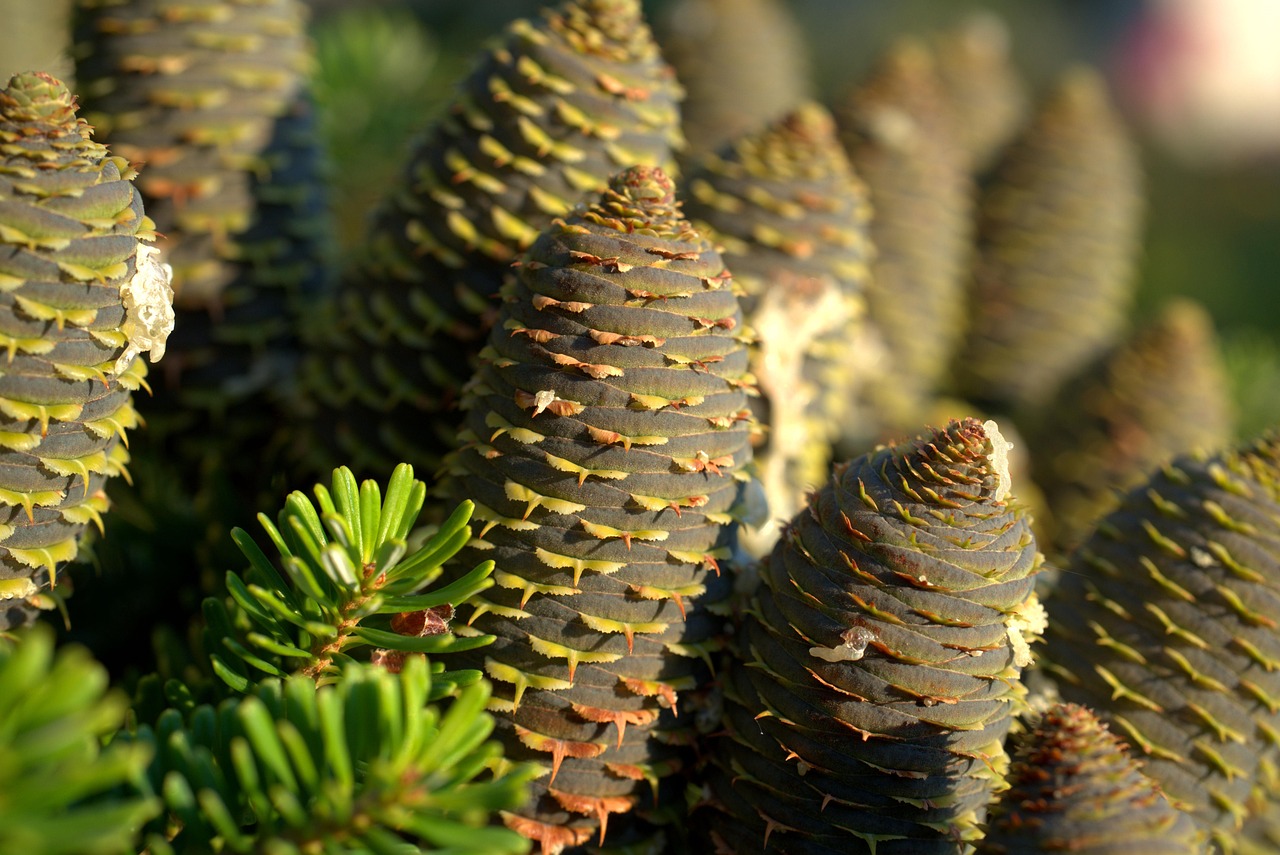
Balsam fir (Abies balsamea) is a species of fir tree known for its distinctive fragrance and beautiful appearance. It is an evergreen tree that can grow up to 60 feet tall. The tree features flat, needle-like leaves that are dark green on top and silvery underneath. These characteristics make it a popular choice for Christmas trees and ornamental landscaping.
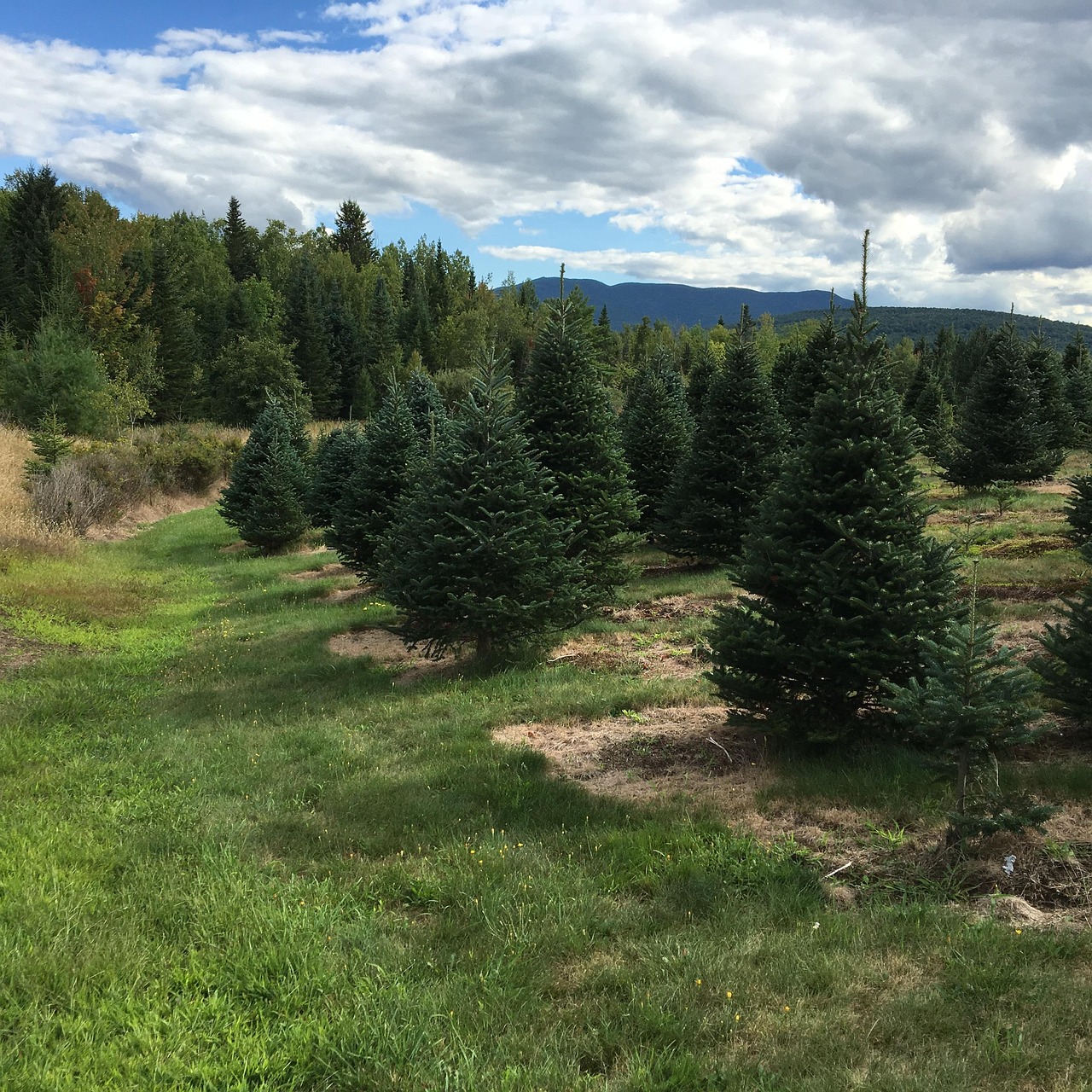
Balsam firs are well adapted to cold climates. They can withstand harsh winters and are often found in mountainous regions. This adaptability has allowed them to thrive in specific areas across North America. Understanding where these trees naturally grow helps in conservation efforts and forestry management.
Geographical Distribution
Balsam fir trees are primarily found in the following regions:
- Northeastern United States
- Eastern Canada
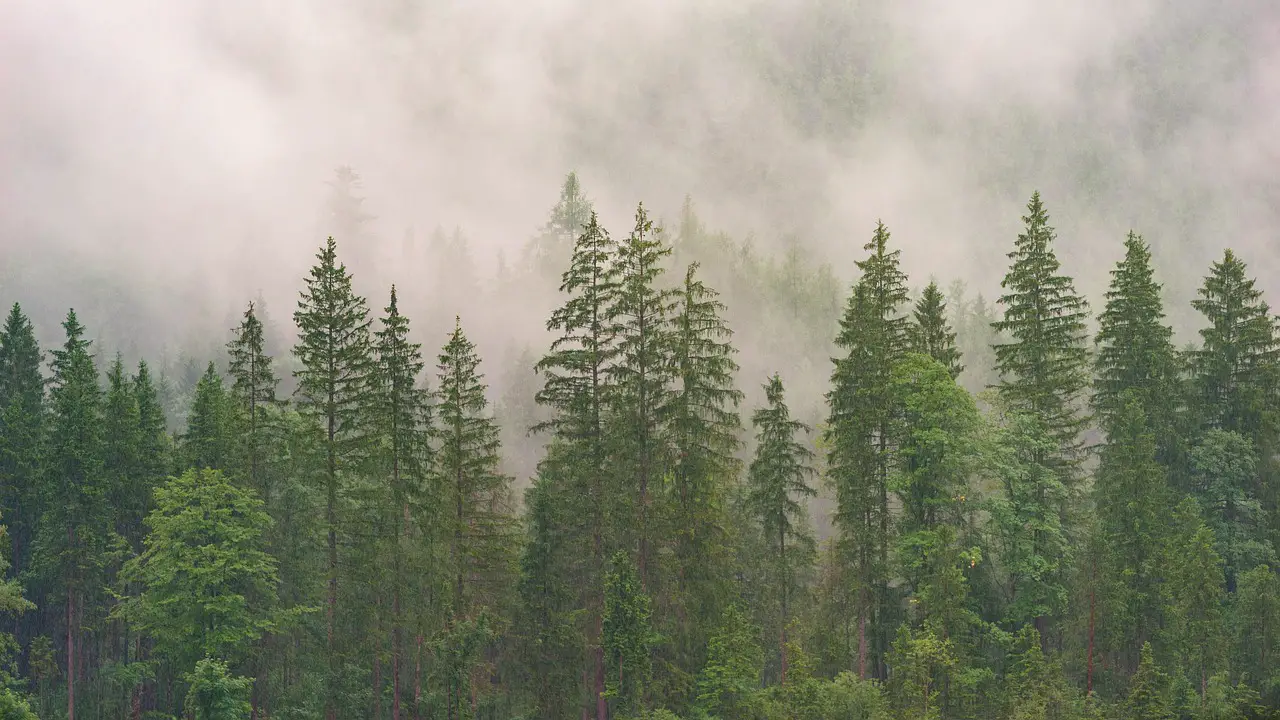
Within these broad areas, balsam firs are especially prevalent in certain states and provinces. They typically grow in cool, moist environments, often at higher altitudes. The tree prefers well-drained soils and is commonly found in mixed forests alongside other coniferous species.
United States Locations
In the United States, balsam fir trees are predominantly found in:
- Maine
- New Hampshire
- Vermont
- New York
- Pennsylvania
- Michigan
- Wisconsin
- North Carolina (in higher elevations)
These states provide the ideal climatic conditions for balsam fir, characterized by cold winters and moderate summers. They are commonly found in national parks and forests, where they contribute to the biodiversity of these ecosystems.
Canadian Locations
In Canada, balsam fir trees thrive in:
- Quebec
- Ontario
- New Brunswick
- Nova Scotia
- Prince Edward Island
- Newfoundland and Labrador
The Canadian Shield is a significant region for balsam fir growth. The cold climate and abundant rainfall create an ideal environment for these trees. They are often part of the boreal forest ecosystem, which stretches across Canada.
Environmental Conditions Favoring Growth
Balsam firs thrive under specific environmental conditions. These conditions include:
- Cool temperatures: Balsam fir trees prefer cooler climates with some snowfall during winter months.
- Moisture: Regular rainfall or high humidity levels help support their growth.
- Soil type: Well-drained, acidic soils are most favorable for balsam firs.
- Sunlight: While they can tolerate shade, they grow best in areas with partial to full sunlight.
The combination of these factors helps balsam firs flourish in their native habitats. They are usually found in forests that experience a mix of sun and shade, allowing for a diverse range of plant life to coexist.
Role in Ecosystems
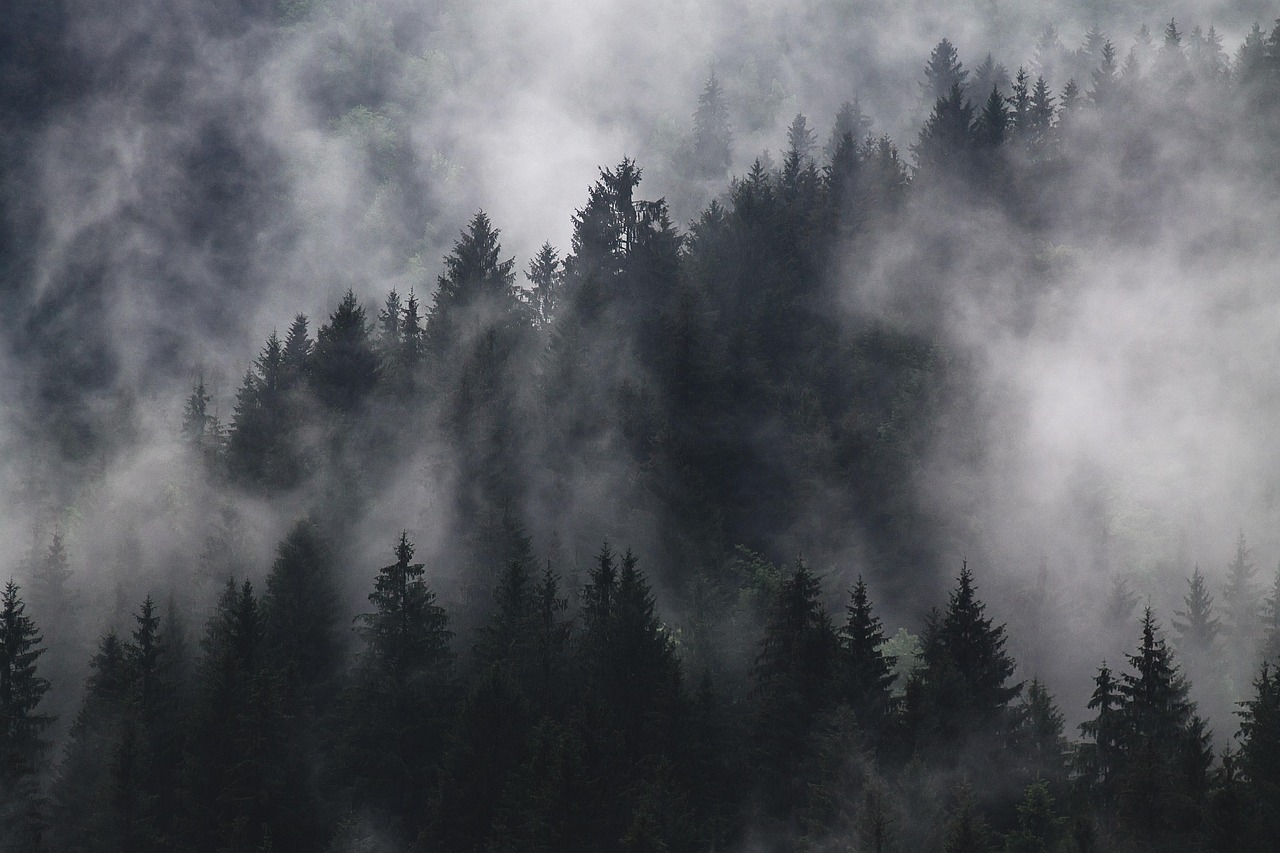
Balsam firs play a crucial role in their ecosystems. They provide habitat for various wildlife species, including birds and small mammals. Their dense foliage offers shelter from predators and harsh weather conditions. Additionally, the trees contribute to the overall health of the forest by improving soil quality and supporting other plant species.
The presence of balsam fir trees can also indicate a healthy forest ecosystem. Their growth patterns and health are often monitored by ecologists and conservationists to assess the status of forest environments.
Conclusion on Balsam Fir Regions
The distribution of balsam fir trees across northeastern United States and eastern Canada highlights their importance both ecologically and economically. Recognizing where these trees grow naturally aids in preserving their habitats and understanding their role in forest ecosystems.
Importance of Balsam Fir Trees
Balsam fir trees are not only significant for their ecological roles but also hold considerable economic and cultural value. Their unique characteristics make them sought after for various purposes, ranging from forestry to ornamental uses. Understanding their importance can help promote conservation efforts and sustainable management practices.
Economic Significance
The economic impact of balsam fir trees is notable in several industries, including:
- Timber Production: Balsam fir wood is valued for its light weight and workability. It is used in construction, furniture making, and paper production.
- Christmas Trees: Due to their appealing shape and fragrance, balsam firs are among the most popular Christmas tree species in North America.
- Essential Oils: The needles and bark of balsam fir are harvested for essential oils, which are used in aromatherapy and cosmetic products.
By understanding these economic benefits, stakeholders can better appreciate the value of preserving balsam fir populations and their habitats.
Cultural Significance
Balsam fir trees also hold cultural importance for many communities. They are often associated with holiday traditions, particularly in regions where they are harvested as Christmas trees. Additionally, indigenous peoples in Canada and the United States have historically used balsam fir for various purposes, such as:
- Medicinal uses: Extracts from the tree have been used to treat ailments.
- Craft materials: The bark and wood have been utilized for making tools and crafts.
This cultural significance adds another layer to the importance of conserving balsam fir trees, as they are intertwined with the heritage of several communities.
Growth Conditions and Adaptations
Balsam firs thrive under specific growth conditions that allow them to adapt to their native environments. These adaptations help them survive in the sometimes harsh climates of the northeastern United States and eastern Canada.
Soil Requirements
Balsam fir trees prefer:
- Well-drained soils rich in organic matter.
- Acidic pH levels, typically between 4.5 and 6.0.
The presence of these soil types supports healthy root development and nutrient absorption, essential for the tree’s growth and longevity.
Climate Preferences
The ideal climate for balsam fir consists of:
- Cold winters that provide necessary chilling hours for dormancy.
- Moderate summers that allow for growth without excessive heat stress.
This climate preference is crucial for maintaining the health of balsam fir forests. Too much heat or humidity can lead to stress on the trees, making them susceptible to pests and diseases.
Pests and Diseases Affecting Balsam Fir Trees
Like all trees, balsam firs face threats from various pests and diseases. Awareness of these issues is vital for effective management and conservation strategies.
Common Pests
Pests that commonly affect balsam fir include:
- Balsam Woolly Adelgid: This invasive insect can cause significant damage by feeding on the sap of balsam firs.
- Spruce Budworm: These caterpillars feed on the foliage, leading to defoliation and stress on the tree.
Diseases
Balsam firs are also susceptible to several diseases, such as:
- Root Rot: Caused by various fungi, this disease affects the root system, leading to tree decline or death.
- Needle Cast: This fungal disease results in needle discoloration and drop, weakening the tree over time.
Monitoring these pests and diseases is essential for maintaining healthy balsam fir populations. Efforts in integrated pest management can help mitigate these threats effectively.
Conservation Efforts
Conserving balsam fir trees involves a combination of strategies aimed at protecting their natural habitats and ensuring sustainable utilization. Key efforts include:
- Protected Areas: Establishing national parks and reserves helps safeguard balsam fir ecosystems from development and logging.
- Sustainable Forestry Practices: Implementing responsible harvesting methods ensures that balsam fir populations remain stable while meeting economic needs.
- Public Awareness Campaigns: Educating the public about the importance of balsam fir trees can foster greater support for conservation initiatives.
Collectively, these efforts contribute to the long-term sustainability of balsam fir forests across their native regions.
Ecological Interactions of Balsam Fir Trees
Balsam fir trees exist within complex ecological systems, interacting with various organisms and contributing to the overall health of their habitats. Understanding these interactions helps illustrate the vital role that balsam firs play in forest ecosystems.
Plant Interactions
Within their native ecosystems, balsam fir trees coexist with a variety of other plant species. These interactions can include:
- Companion Plants: Balsam firs often grow alongside other conifers, such as spruce and pine, as well as deciduous trees like birch and maple. This diversity enhances forest resilience and biodiversity.
- Understory Flora: The shade provided by balsam firs creates a unique environment for understory plants, including ferns and wildflowers. These plants benefit from the protection and moisture retained in the forest floor.
The symbiotic relationships between balsam firs and other plant species contribute to nutrient cycling and soil health, promoting a balanced ecosystem.
Wildlife Interactions
Balsam fir trees are essential habitats for numerous wildlife species. The dense foliage serves as shelter and food for various animals, including:
- Birds: Species such as chickadees, nuthatches, and warblers rely on balsam firs for nesting sites and foraging opportunities.
- Mammals: Small mammals like squirrels and larger herbivores such as deer utilize balsam fir forests for food and protection from predators.
This interaction not only benefits the animals but also aids in seed dispersal, allowing for healthier growth and regeneration of balsam fir populations.
Climate Change Impacts on Balsam Fir Trees
Climate change poses significant risks to balsam fir ecosystems. As temperatures rise and precipitation patterns shift, these trees may face challenges that could threaten their survival.
Temperature Changes
Balsam firs are adapted to cooler climates. Increasing temperatures can lead to:
- Heat Stress: Higher temperatures can stress trees, making them more vulnerable to pests and diseases.
- Altered Growth Patterns: Warmer winters may disrupt the natural dormancy cycle, affecting growth rates and reproductive success.
Precipitation Variability
Changes in precipitation patterns can also impact balsam fir trees. Some potential effects include:
- Drought Conditions: Reduced rainfall can lead to increased competition for water resources, stressing both balsam firs and surrounding vegetation.
- Increased Storm Intensity: More severe storms can cause physical damage to trees and disrupt forest ecosystems.
These climate-related stresses can have cascading effects on the biodiversity and health of forests where balsam firs grow.
Research and Monitoring of Balsam Fir Populations
Ongoing research is essential for understanding the dynamics of balsam fir populations and their ecosystems. Various studies focus on different aspects of balsam fir ecology, health, and management practices.
Monitoring Programs
Several organizations are involved in monitoring balsam fir populations to assess their health and sustainability. These programs typically include:
- Forest Inventory Surveys: Regular surveys help track changes in tree density, growth rates, and overall forest composition.
- Pest and Disease Assessments: Monitoring for signs of infestations or outbreaks allows for timely interventions to protect balsam fir health.
- Ecosystem Health Evaluations: Assessing the entire ecosystem helps understand how changes in balsam fir populations affect other species and environmental conditions.
Research Initiatives
Academic and governmental research initiatives focus on various aspects of balsam fir ecology, such as:
- Genetic Studies: Research into genetic diversity helps identify resilient populations that can withstand environmental changes.
- Climate Impact Studies: Understanding how climate change affects balsam fir growth can inform future conservation strategies.
- Sustainable Management Practices: Researching best practices for harvesting and managing balsam fir forests contributes to long-term sustainability efforts.
This research informs policymakers, conservationists, and forest managers about the best strategies to protect balsam fir ecosystems in a changing world.
Cultural Practices Involving Balsam Fir Trees
Balsam fir trees have influenced cultural practices in various ways, particularly among communities located in their native regions. These trees are woven into the fabric of local traditions and customs.
Traditional Uses
Balsam fir has been traditionally utilized by indigenous peoples and local communities for several purposes, including:
- Culinary Uses: Young shoots and needles have been used to make teas or flavor dishes.
- Cultural Artifacts: The wood has been used to create traditional tools, crafts, and ceremonial items.
Modern Cultural Significance
In contemporary society, balsam fir trees play a vital role during holiday seasons. Their popularity as Christmas trees is a cherished tradition for many families. This seasonal use fosters appreciation for the species, leading to increased interest in conservation efforts.
The aesthetic appeal of balsam firs also makes them a favorite choice for landscaping in residential areas, enhancing their cultural significance beyond traditional uses.
Conservation Challenges and Opportunities
While the importance of balsam fir trees is clear, they face numerous challenges that threaten their survival. Understanding these challenges allows for the development of effective conservation strategies.
Habitat Loss
One of the primary threats to balsam fir populations is habitat loss due to:
- Urban Development: Expansion of urban areas often leads to the clearing of forests where balsam firs thrive.
- Agricultural Practices: Conversion of forest land into agricultural fields reduces the available habitat for these trees.
- Climate Change: As temperatures rise and precipitation patterns shift, suitable habitats may become less viable for balsam firs.
Addressing these issues requires coordinated efforts from government agencies, conservation organizations, and local communities to protect remaining habitats and restore degraded areas.
Pest and Disease Management
Pests and diseases present ongoing threats to balsam fir ecosystems. Effective management strategies must be implemented to mitigate these risks:
- Integrated Pest Management (IPM): This approach combines biological control, habitat manipulation, and responsible pesticide use to minimize pest impacts.
- Research on Resistance: Studying genetic resistance among balsam fir populations can help identify trees that are more resilient to pests and diseases.
By investing in research and adopting integrated approaches, it is possible to reduce the impact of pests and diseases on balsam fir trees.
Community Involvement in Conservation
Engaging local communities in conservation efforts is crucial for the long-term success of balsam fir preservation. Community-driven initiatives can include:
- Education Programs: Raising awareness about the ecological and economic significance of balsam firs encourages community support for conservation efforts.
- Volunteer Planting Days: Organizing tree planting events fosters a connection between community members and their local environment.
- Citizen Science Projects: Involving community members in data collection and monitoring can enhance conservation efforts while educating participants about local ecosystems.
Final Thoughts
Balsam fir trees are more than just a beautiful addition to landscapes or holiday decorations. They play a vital role in maintaining the health of forest ecosystems in the northeastern United States and eastern Canada. Their unique adaptations allow them to thrive in specific climates, making them integral to local biodiversity.
The economic and cultural significance of balsam firs cannot be understated. From timber production to traditional practices among indigenous communities, these trees provide essential resources and enrich cultural heritage. However, they face significant challenges, including habitat loss, climate change, and pest pressures. Addressing these challenges requires comprehensive conservation strategies that incorporate sustainable management practices, community involvement, and ongoing research.
As society becomes more aware of the importance of preserving natural resources, there is potential for greater advocacy and action towards protecting balsam fir ecosystems. By fostering a sense of stewardship within communities and implementing effective conservation measures, we can ensure that future generations will continue to appreciate and benefit from the beauty and ecological contributions of balsam fir trees.
In conclusion, understanding the regions where balsam fir trees naturally grow is essential for their preservation. Through collaborative efforts, education, and sustainable practices, we can protect these remarkable trees and the ecosystems they support for years to come.