
River birch trees offer numerous benefits, including rapid growth and aesthetic appeal, but also present challenges like messiness and shallow roots.
Table of Contents
The river birch tree, known for its striking bark and rapid growth, can enhance any landscape. However, potential planters should weigh its advantages against disadvantages such as maintenance needs and environmental preferences to ensure a suitable fit for their garden.
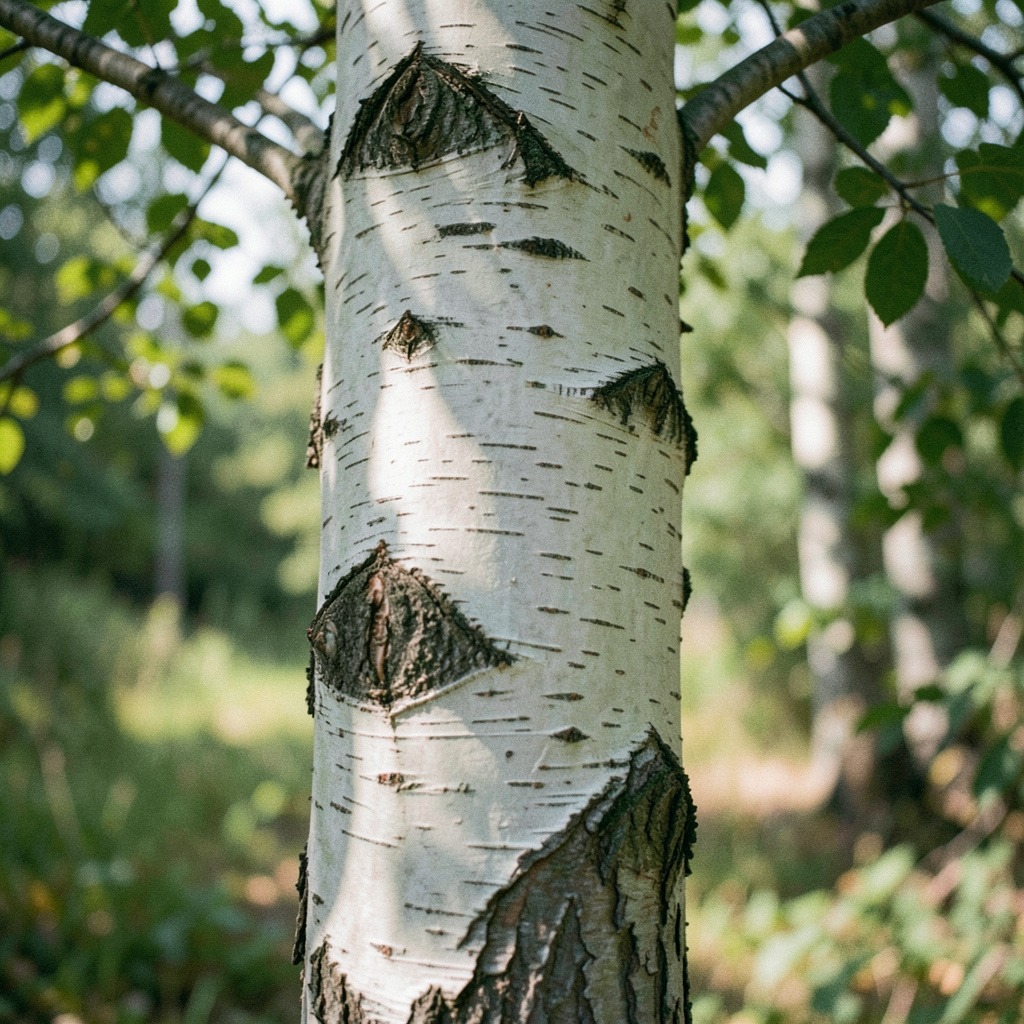
Overview of the River Birch Tree
The river birch tree, scientifically known as Betula nigra, offers both aesthetic and ecological benefits. Understanding its classification and unique characteristics is essential for evaluating its suitability in your landscape.
Scientific Classification
- Family: Betulaceae
- Genus: Betula
- Species: Betula nigra
The river birch belongs to the Betulaceae family, which includes other birches and alders. It is distinct for its adaptability and resilience, thriving in moist environments near water sources.
Physical Characteristics
The river birch tree showcases several notable features:
- Bark: Peeling, cinnamon-colored bark that adds visual interest.
- Height: Can grow up to 70 feet tall.
- Leaves: Triangular, serrated leaves that turn yellow in autumn.
- Growth Rate: Rapid growth, often reaching maturity in 10-20 years.
These characteristics make the river birch a striking focal point in any garden or park.
Habitat and Native Range
The river birch is native to North America, particularly in the eastern and southern regions. It typically thrives in:
- Soil: Moist, well-drained soils; prefers sandy or loamy textures.
- Climate: Adaptable to various climates but flourishes in areas with regular rainfall.
The tree often grows along riverbanks, demonstrating its affinity for wet conditions. This makes it an excellent choice for areas prone to flooding or near water features.
For those interested in planting, consider starting with a River Birch Tree Starter Kit to ensure a successful growth journey.
1. Aesthetic Appeal of River Birch Trees
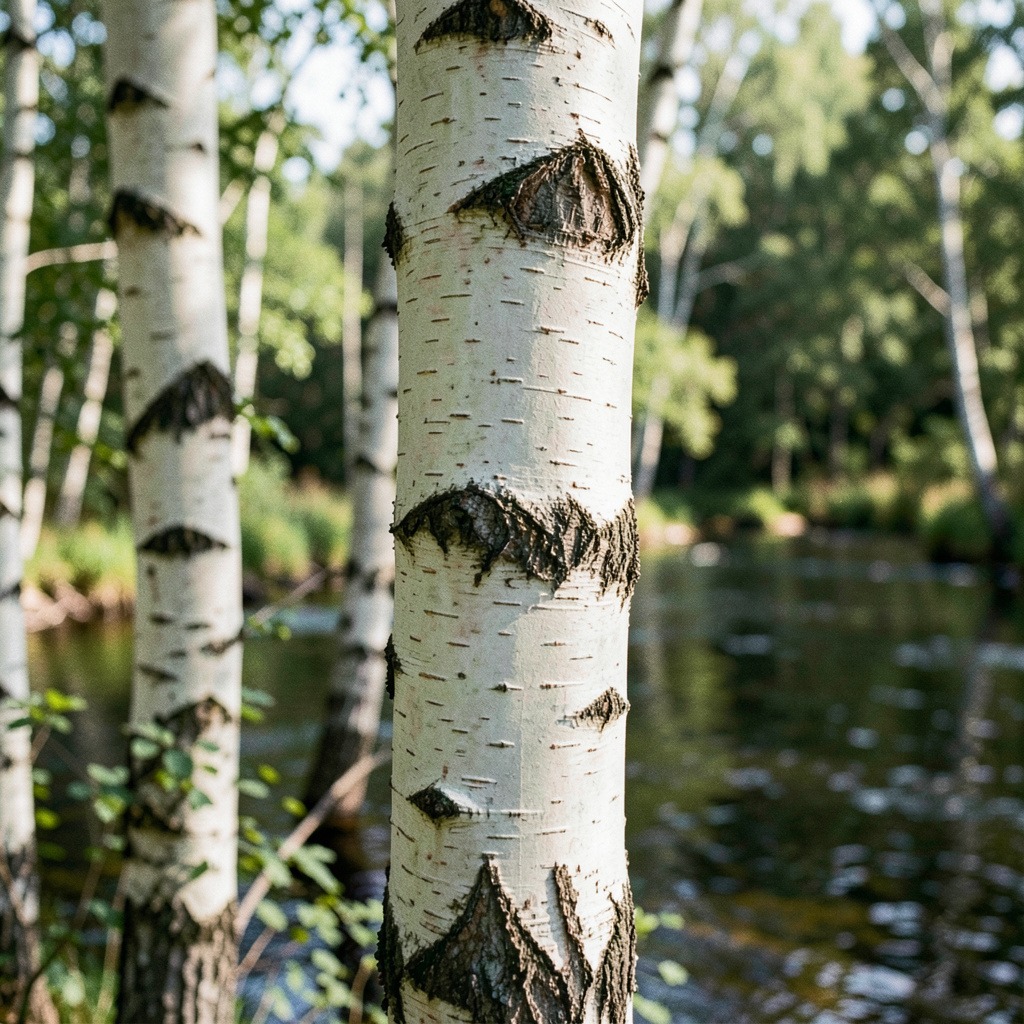
River birch trees offer unique visual benefits that enhance any landscape. Their distinctive bark and foliage create an eye-catching display throughout the seasons.
Bark Characteristics
One of the most striking features of the river birch is its bark. This tree displays layered, curly strips of bark that range in color from creamy white to coppery brown. As the tree matures, these characteristics evolve, providing a dynamic visual experience. The peeling bark not only adds texture but also contrasts beautifully with surrounding greenery.
- Seasonal Appeal: The bark’s color deepens in winter, making it a standout feature when other trees are bare.
- Textural Interest: The unique layering and peeling create a tactile quality, inviting closer inspection.
Seasonal Color Changes
River birch trees exhibit vibrant foliage throughout the year. In spring, their light green leaves emerge, providing a fresh and lively appearance. As summer progresses, the leaves turn a rich, deep green, offering shade and cooling relief. In autumn, the foliage transforms to brilliant yellow, creating a warm, golden display.
- Spring: Bright green leaves signal the start of new growth.
- Summer: Dense foliage provides shade and a cooling effect.
- Autumn: Golden-yellow leaves add warmth to the landscape.
Use in Landscape Design
Incorporating river birch trees into your landscape can transform your outdoor space. Their aesthetic appeal makes them suitable as focal points or in group plantings.
- Focal Points: Plant a single river birch to draw attention to a specific area, such as near a water feature.
- Group Plantings: Cluster several trees together for a striking visual effect, especially against a backdrop of grass or flower beds.
When considering river birch trees, think about their placement. They thrive best in moist, well-drained soils and can be particularly impactful in landscapes that mimic their native riverbank habitats. Using a River Birch Tree Starter Kit can simplify the planting process, ensuring healthy growth.
2. Fast Growth and Shade Provision
River birch trees are celebrated for their rapid growth and ability to provide ample shade. These attributes make them a popular choice for homeowners and landscapers alike, especially in regions where swift landscaping results are desired.
Average Growth Rate
River birch trees typically grow at a staggering rate of 2 to 3 feet per year under ideal conditions. This fast growth allows homeowners to establish a lush landscape quickly. Factors influencing growth include:
- Soil Quality: Well-drained, moist soils promote faster growth.
- Water Availability: Regular watering, especially in dry spells, can enhance growth rates.
- Sunlight: Full sun exposure maximizes growth potential.
Benefits of Shade
The shade provided by river birch trees is significant. They can mature to heights of 40 to 70 feet, offering expansive coverage. This shade can benefit residential areas by:
- Cooling Surroundings: Reducing overall temperatures in outdoor spaces.
- Energy Savings: Lowering air conditioning costs by providing shade to buildings.
- Enhanced Aesthetics: Creating a visually appealing landscape that invites outdoor activities.
For example, planting a river birch on the west side of your home can block harsh afternoon sunlight, making your living space more comfortable during the summer months.
Ideal Growing Conditions
To thrive, river birch trees prefer specific growing conditions:
- Soil: Moist, well-drained soils are essential. They tolerate wet conditions but require good drainage to prevent root rot.
- Location: Plant in areas with full sun to partial shade for optimal growth.
In summary, river birch trees not only enhance landscapes with their rapid growth but also provide essential shade that supports energy efficiency and outdoor comfort.
3. Wildlife Habitat Support
River birch trees play a significant role in supporting local wildlife. Their unique characteristics create a thriving habitat for various species, enhancing biodiversity in the surrounding area.
Birds and Insects Benefited
River birch trees are particularly attractive to birds. Their dense foliage provides shelter and nesting opportunities. Species such as blue jays, cardinals, and various waterfowl find refuge in their branches. Additionally, river birches attract beneficial insects, including pollinators like bees and butterflies.
- Common Birds: Blue jays, cardinals, and sparrows.
- Insect Attractants: Bees, butterflies, and beneficial beetles.
Ecosystem Contributions
The ecological benefits of river birch trees extend beyond providing shelter. Their leaves enrich the soil as they decompose, promoting healthy plant growth. This leaf litter supports a diverse array of microorganisms, enhancing soil fertility. Furthermore, river birches help filter pollutants, making them ideal for urban planting.
- Soil Enrichment: Adds organic matter and nutrients.
- Pollution Filtration: Improves local air quality.
Planting for Biodiversity
When selecting river birch trees for your landscape, consider their role in promoting biodiversity. Planting these trees in clusters can create a more inviting environment for wildlife. Ensure they are placed in areas with adequate moisture and sunlight to thrive.
- Cluster Planting: Enhances habitat effectiveness.
- Moisture Requirements: Ideal in wet or damp areas.
By incorporating river birch trees into your landscape, you contribute to a healthier ecosystem, fostering a vibrant habitat for wildlife.
4. Disease Resistance and Low Maintenance
River birch trees are known for their natural resilience to common pests and diseases, making them a popular choice for low-maintenance landscaping. Understanding their requirements can help you make informed decisions about their care.
Common Pests and Diseases
While river birch trees are generally robust, they can still be susceptible to a few pests and diseases. The most notable issues include:
- Bronze Birch Borer: This pest can weaken trees if not managed promptly. Look for small holes in the bark as a sign.
- Leaf Spot: This condition manifests as brown patches on leaves but is rarely fatal. It may affect the tree’s aesthetic appeal.
- Fungal Infections: Cankers can develop on the bark, requiring careful monitoring and sometimes treatment.
Maintaining vigilance is crucial. Regular inspections can help identify problems early, allowing for timely intervention.
Maintenance Tips
To keep your river birch healthy and thriving, consider the following maintenance practices:
- Watering: Ensure the tree receives adequate moisture, especially in dry conditions. However, avoid overwatering to prevent root rot.
- Mulching: Apply mulch around the base to retain moisture and suppress weeds.
- Pruning: Regular pruning can improve air circulation and reduce the risk of fungal infections.
- Soil Quality: Plant in well-drained, nutrient-rich soil to promote healthy growth.
Comparative Analysis with Other Trees
When comparing river birch trees to other species, their disease resistance stands out. For example:
- Willow Trees: More prone to pests and diseases, requiring more frequent care.
- Maple Trees: While resilient, they can suffer from various diseases that necessitate regular maintenance.
In contrast, river birch trees are less demanding, making them a suitable choice for homeowners seeking low-maintenance options. Their ability to thrive in moist environments further enhances their appeal for landscape design.
5. Soil Erosion Prevention
River birch trees play a crucial role in preventing soil erosion, especially in wet and vulnerable areas. Their extensive root systems provide stability and support, making them an excellent choice for landscaping projects focused on erosion control.
Mechanisms of Erosion Control
River birch trees have a strong and fibrous root system that weaves through the soil. This network helps to bind soil particles together, reducing the risk of erosion from heavy rain or water flow.
- Root Structure: The roots grow just below the surface, anchoring the soil effectively.
- Soil Stability: Their presence can significantly lower the impact of water runoff, preventing topsoil loss.
In areas prone to erosion, such as riverbanks and slopes, planting river birch trees can mitigate these risks. For instance, a homeowner in a flood-prone region planted river birches along the bank of a stream. Over time, the trees helped stabilize the bank, reducing erosion and improving the habitat for local wildlife.
Ideal Planting Locations
Choosing the right location is vital for maximizing the erosion control benefits of river birch trees. Here are some ideal planting scenarios:
- Wetlands: They thrive in saturated soils, making them perfect for wetlands and flood plains.
- Slopes: Planting on inclines can help hold the soil in place, especially during heavy rains.
- Stream Banks: River birch trees are particularly effective when planted along waterways to prevent bank erosion.
Case Studies in Erosion Management
Several successful case studies illustrate the effectiveness of river birch trees in erosion management:
1. Urban Landscapes: In a city park near a river, river birch trees were planted to combat soil erosion. As a result, the park experienced less sediment loss and improved water quality.
2. Rural Farms: A farmer integrated river birch trees into their agricultural landscape. The trees not only stabilized the soil but also enhanced biodiversity, attracting beneficial insects.
These examples demonstrate how river birch trees can be a strategic asset in erosion control efforts, providing both environmental and aesthetic benefits.
6. Potential Drawbacks of River Birch Trees
While river birch trees offer numerous advantages, potential drawbacks warrant consideration. Understanding these challenges can help homeowners make informed landscaping decisions.
Messy Catkins and Leaves
River birch trees produce catkins in the spring. These can create a mess on the ground. The small, lightweight flowers often fall and accumulate, requiring regular cleanup. Additionally, during autumn, the leaves turn yellow and drop, contributing to seasonal debris. Homeowners should be prepared for this extra maintenance, especially in heavily landscaped areas.
Shallow Root Systems
River birch trees have shallow root systems. This characteristic can lead to instability, particularly in windy conditions. The shallow roots may also compete with other plants for nutrients and water. In urban settings, this can cause issues with sidewalks and foundations. Homeowners should consider planting these trees away from structures to minimize potential damage.
Maintenance Requirements
Maintaining river birch trees involves several considerations:
- Watering: These trees thrive in moist conditions and require consistent watering, especially in dry spells. Urban settings may necessitate additional irrigation.
- Pest Management: River birches can attract pests like the bronze birch borer. Regular inspections are vital to catch infestations early. Homeowners should monitor for signs such as small holes in the bark.
- Pruning: Routine pruning helps maintain tree health and aesthetics. However, improper pruning can lead to disease or structural weakness.
Real-Life Example
In a neighborhood with several river birch trees, one homeowner struggled with leaf litter and catkin accumulation. They decided to implement a bi-weekly cleanup schedule during the fall and spring. This proactive approach reduced the burden of debris while preserving the tree’s beauty.
Homeowners should weigh these potential drawbacks against the benefits to determine if river birch trees are suitable for their landscaping needs.
7. Water and Soil Requirements
Understanding the water and soil needs of river birch trees is essential for their successful growth. These trees thrive in specific conditions that support their health and longevity.
Preferred Soil Types
River birch trees prefer a variety of soil types but excel in certain conditions:
- Loamy Soil: Rich in organic matter, loamy soil retains moisture while providing good drainage. This is ideal for river birches.
- Sandy Soil: While river birches can tolerate sandy soil, it should be supplemented with organic material to improve moisture retention.
- Clay Soil: Heavy clay can hold too much water, leading to root rot. If planting in clay, ensure proper drainage or consider raised beds.
Watering Guidelines
River birch trees require consistent moisture, especially during their early years. Here’s how to manage their watering needs:
- Initial Establishment: Water deeply once a week for the first year, allowing the soil to dry slightly between waterings.
- Drought Conditions: During dry spells, supplement with additional water. Signs of stress include wilting leaves and leaf drop.
- Excess Water: Avoid overwatering, as it can lead to root rot. Ensure the planting area has good drainage.
Adjusting Conditions for Growth
To ensure optimal growth, monitor and adjust the conditions surrounding your river birch:
- Mulching: Apply a layer of mulch around the base to retain moisture and suppress weeds.
- Soil Testing: Conduct a soil test to determine pH and nutrient levels. River birches prefer slightly acidic to neutral soil (pH 5.5 to 7.0).
- Environmental Factors: Be mindful of surrounding vegetation and structures that may affect sunlight and water availability.
Checklist for Planting and Caring for River Birch Trees
- Soil Type: Ensure it’s loamy, sandy (with amendments), or well-drained clay.
- Watering: Water deeply once a week; adjust based on rainfall and soil moisture.
- Mulching: Apply mulch to retain soil moisture and reduce weeds.
- Soil Test: Conduct a soil test for pH and nutrients.
- Monitor Growth: Watch for signs of stress, disease, and environmental impacts.
By adhering to these guidelines, you can create an ideal environment for your river birch trees, enhancing their growth potential and overall health.
8. Best Locations for Planting River Birch Trees
River birch trees thrive in specific geographic and climatic conditions. Understanding these factors ensures successful growth and optimal benefits in your landscape.
Ideal Climate Zones
River birch trees prefer USDA hardiness zones 4 to 9. These zones offer the necessary warmth and moisture for robust growth. Here are key climate considerations:
- Temperature Tolerance: River birches can handle temperatures as low as -30°F (-34°C) and thrive in warmer climates up to 90°F (32°C).
- Moisture Levels: They flourish in areas with consistent moisture. This tree is particularly suited for regions with ample rainfall or nearby water sources.
Avoiding Problematic Areas
While river birches are adaptable, certain environments can hinder their growth. Avoid these areas:
- Poor Drainage: Avoid planting in areas with heavy clay soil that retains water excessively. This can lead to root rot.
- Extreme Heat: In regions with prolonged drought or extreme heat, river birches may require additional watering to thrive.
Regional Considerations
When planting river birches, consider local success stories for guidance. These trees often perform well in:
- Urban Settings: They tolerate pollution, making them ideal for city landscapes.
- Wetlands: Natural habitats like swamps or riverbanks are perfect for these trees, as they naturally prefer moist soil.
Checklist for Optimal Locations
- Choose USDA Zones: Ensure your planting site falls within zones 4-9.
- Check Soil Moisture: Look for areas with consistent moisture availability.
- Avoid Hardpan Soil: Do not plant in areas with compacted soil that retains water.
- Consider Neighboring Vegetation: Ensure they have enough space to grow without competition for resources.
By evaluating these factors, you can determine the best locations for planting river birch trees, maximizing their environmental and aesthetic benefits in your landscape.
9. Common Problems Faced with River Birch Trees
River birch trees are generally resilient but can face specific challenges that impact their health and appearance. Understanding these issues and implementing solutions can enhance your landscape’s vitality.
Pest Management Strategies
River birch trees can attract pests such as the bronze birch borer. These pests create small holes in the bark, leading to potential decline in tree health.
- Regular Inspections: Check your trees frequently for signs of infestation.
- Treatment Options: If you notice any suspicious signs, consult a local arborist for tailored treatment plans.
- Preventive Measures: Consider using insecticidal soaps or neem oil as preventive treatments during peak pest seasons.
Management of Root Issues
Improper soil conditions can affect the root health of river birch trees. They thrive in moist, well-draining soil, so it’s essential to monitor these conditions.
- Watering Regimen: Avoid both drought and overwatering. Implement a consistent watering schedule that maintains soil moisture without waterlogging.
- Soil Quality: Test soil drainage; amend with organic matter if necessary to enhance aeration.
- Mulching: Apply mulch around the base to retain moisture and suppress weeds.
Seasonal Care Tips
Seasonal changes can stress river birch trees, affecting their growth and overall health.
- Spring Growth: Fertilize in early spring with a balanced fertilizer to promote robust growth.
- Summer Monitoring: During dry spells, provide additional water to prevent wilting.
- Fall Preparation: Rake fallen leaves to prevent fungal infections and maintain tree health through the winter months.
By addressing these common problems with effective strategies, you can ensure your river birch trees thrive in your landscape.
10. Comparing River Birch Trees with Other Tree Species
River birch trees offer a unique set of characteristics that can be advantageous or disadvantageous compared to other tree species. Understanding these differences can help you make an informed decision for your landscape.
Comparison with Oak Trees
River birch trees and oak trees serve distinct purposes in landscaping.
- Growth Rate: River birch grows faster, reaching maturity in 10 to 20 years, while oak trees can take decades to mature.
- Water Requirements: River birch thrives in moist conditions. In contrast, oak trees prefer well-drained soils and are more drought tolerant.
- Aesthetic Appeal: River birch features striking, peeling bark and delicate leaves, making it visually appealing year-round. Oaks offer a stately presence with broad canopies but lack the seasonal visual dynamism of river birch.
Advantages Over Other Birch Species
While river birch is a type of birch, it has advantages over other species like white birch or silver birch.
- Disease Resistance: River birch is more resistant to pests, such as the bronze birch borer, which commonly affects white birch.
- Soil Adaptability: River birch can tolerate a wider range of soil conditions, including clay and sandy soils, while other birch species prefer acidic, well-drained soils.
- Moisture Tolerance: River birch excels in wet environments, unlike many other birch species that are more sensitive to excessive moisture.
Best Uses for Each Species
Choosing the right tree depends on your specific landscape needs. Here’s a quick reference:
| Tree Species | Best Uses | Key Considerations |
|---|---|---|
| River Birch | Urban settings, wetland restoration | High moisture, fast growth |
| Oak Trees | Shade, long-term investment | Slow growth, drought-tolerant |
| White Birch | Aesthetic appeal in gardens | Susceptible to pests, prefers acidic soil |
| Silver Birch | Ornamental uses in parks | Requires well-drained soil |
This table summarizes where river birch stands against its counterparts. For wet environments, river birch is an excellent choice. For long-term shade, oak trees may be preferable. Each tree has its unique pros and cons tailored to different landscapes.
Final Thoughts on River Birch Trees
River birch trees offer a unique combination of benefits and challenges that can significantly impact your landscape. Understanding these factors is crucial for making informed planting decisions.
Weighing the Pros and Cons
Pros:
- Aesthetic Appeal: River birch trees have distinctive, peeling bark and vibrant foliage that enhances any landscape.
- Rapid Growth: They can grow 2 to 3 feet per year, making them a quick option for establishing shade and beauty.
- Environmental Benefits: These trees improve air quality by filtering pollutants and provide habitat for local wildlife.
- Soil Health: Their decomposing leaves enrich the soil, promoting overall garden health.
Cons:
- Moisture Requirements: River birches thrive in moist soils and may struggle in dry conditions.
- Pest Susceptibility: They can attract pests like the bronze birch borer, which requires vigilant monitoring and care.
- Regular Maintenance: Fast growth necessitates frequent pruning and inspection for health issues.
Making the Right Choice for Your Landscape
When deciding whether to plant a river birch, consider the following:
- Climate Suitability: They prefer wet environments. In drier climates, additional watering may be needed.
- Space Considerations: Ensure you have enough room for their expansive growth. They can reach heights of up to 40 feet.
- Local Ecosystem: Evaluate the benefits to local wildlife and soil health. River birches can contribute positively to biodiversity.
Checklist for Planting River Birch Trees
- Assess Soil Type: Ensure well-draining yet moist soil conditions.
- Evaluate Sunlight Exposure: They thrive in full sun to partial shade.
- Consider Maintenance: Prepare for regular inspections and potential pest management.
- Plan for Space: Ensure adequate room for growth and canopy spread.
By weighing these pros and cons, you can determine if a river birch tree aligns with your landscape goals and environmental conditions.
Frequently Asked Questions
These quick answers cover the most common questions about this topic, including key details, practical tips, and common concerns.
What are the downsides of river birch trees?
River birch trees can be messy due to their catkins, which fall in spring, and leaves that drop in autumn. This debris can require regular cleanup, especially in landscaped areas. Additionally, their shallow root systems make them susceptible to wind damage and can lead to competition with nearby plants for nutrients and water.
Where is the best place to plant a river birch tree?
The best place to plant a river birch tree is in moist, well-drained soil with full sun to partial shade. Ideal locations include near water features or in areas prone to flooding, as these trees thrive in wet conditions. Avoid planting in areas with heavy clay soil that retains excess water, which can lead to root rot.
Is river birch a messy tree?
Yes, river birch trees can be considered messy due to the seasonal shedding of catkins and leaves. The catkins fall in spring, creating litter, while the leaves turn yellow in autumn and drop. Homeowners should be prepared for regular maintenance to manage this debris, especially in areas with high foot traffic.
Where not to plant a river birch?
Avoid planting river birch trees in locations with poor drainage or compacted soil, as these conditions can lead to root rot. They should also be kept away from structures like sidewalks or foundations, due to their shallow roots, which can cause damage over time. Additionally, avoid areas with extreme drought conditions, as these trees require consistent moisture.
What are the good, bad, and ugly aspects of planting a river birch tree?
The good aspects include rapid growth, aesthetic appeal, and support for local wildlife. River birches grow quickly and provide shade, while their striking bark adds visual interest. The bad includes their messy nature and susceptibility to pests like the bronze birch borer. The ugly aspect often refers to their shallow roots, which can lead to instability and damage in windy conditions.
What are pros and cons of river birch trees in Louisiana?
In Louisiana, river birch trees thrive due to the state’s moist climate and soil conditions. Pros include their rapid growth, ability to support wildlife, and resilience to local pests. However, cons involve their tendency to drop leaves and catkins, creating maintenance challenges, and their shallow root systems, which may require careful placement to avoid damage to nearby structures.
How often should I water a river birch tree?
Water river birch trees deeply once a week, especially during their first year of growth. They prefer consistently moist soil, so during dry spells, additional watering may be necessary. However, avoid overwatering, as it can lead to root rot. Mulching around the base can help retain soil moisture and reduce the need for frequent watering.