
‘Rose burnt’ can refer to a burnt rose fragrance, a wine bar name, or a perfume scent, each with distinct meanings and uses rooted in aroma, hospitality, or personal care.
This article explains the different contexts in which ‘rose burnt’ appears, including its fragrance characteristics, its association with specific brands, and its use in perfumery. Readers will learn how the term connects to both sensory experiences and commercial branding, helping them understand its versatile references and choose the appropriate context for their interests.
Key Conditions That Change Rose Burnt
The appearance, scent, and perception of ‘rose burnt’ can vary significantly depending on specific conditions, contexts, and material limits. Recognizing these factors helps in understanding how the term’s meaning shifts across different uses, such as in fragrances, culinary references, or branding.
1. The factors with the biggest effect
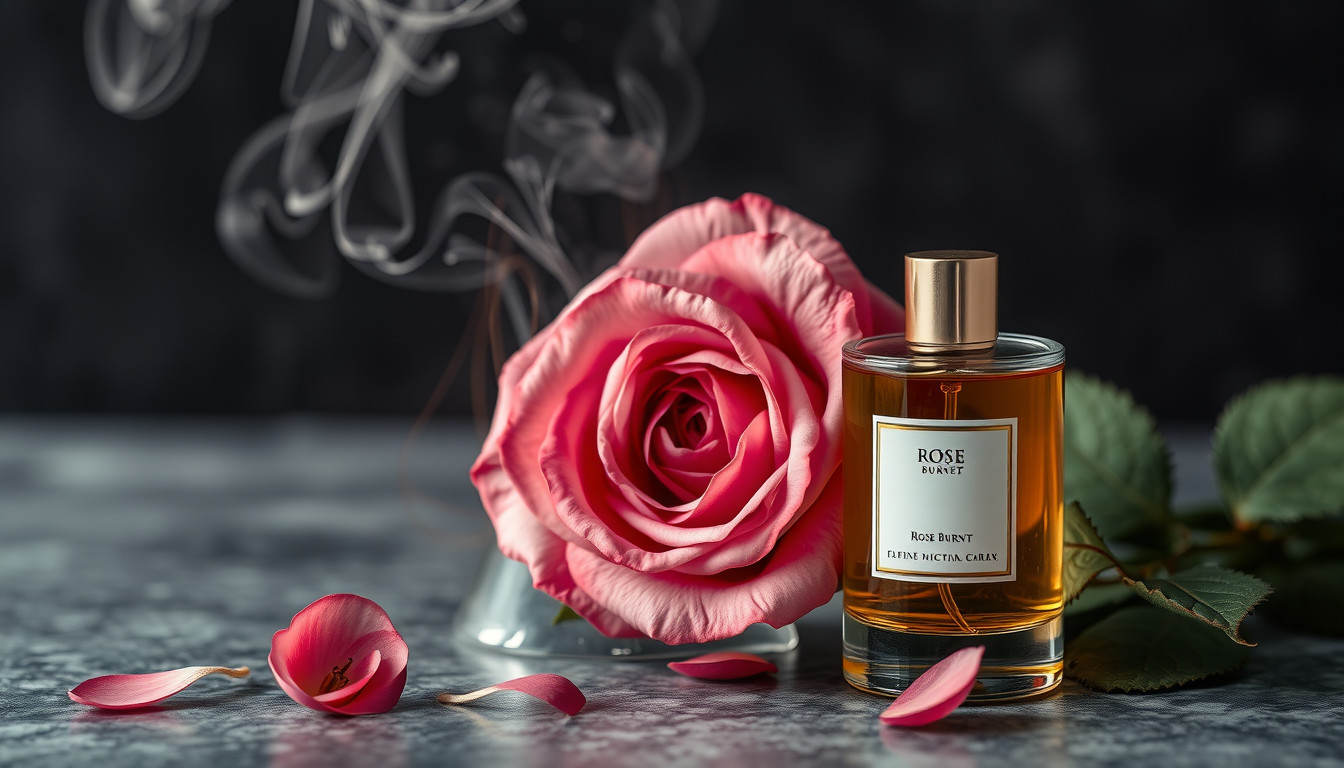
In perfumery, ‘rose burnt’ often describes a scent that combines the fresh, floral qualities of rose with a charred, smoky undertone, which can change dramatically based on how the scent is produced or layered. Variations in the concentration of aromatic compounds, the quality of rose notes, and the presence of smoky accords alter the overall impression. For instance, a high-quality burnt rose perfume may evoke a sophisticated, nuanced aroma, while a more synthetic blend might seem jarring or less refined.
Disclosure: As an Amazon Associate I earn from qualifying purchases.
Understanding the key factors affecting rose burnt can be supported by analyzing soil and environmental conditions with appropriate testing equipment. Shop suitable soil testing kit on Amazon (affiliate link).
Within the hospitality or culinary setting, such as at a wine bar or a food context where the term might informally describe flavors or ambiance, conditions like the heat level during wine or food preparation significantly influence the final sensory experience. A slightly charred or caramelized note in wine or roasted dishes can mimic the burnt aspect, but the intensity depends on cooking time, temperature, and the ingredient quality.
Table of Contents
2. What evidence or details to check
To evaluate ‘rose burnt,’ one should examine the context-specific attributes. In perfumes, check the notes and ingredients—are there smoky or roasted accords paired with rose essence? For wines or culinary uses, consider the cooking process or fermentation methods that contribute to a burnt or caramelized flavor. In branding, such as a venue named ‘Burnt Rose,’ look into how the name aligns with the ambiance or product style to understand its narrative and appeal.
3. When the usual advice does not apply
In situations where scent or flavor conditions are intentionally altered—through artificial additives, experimental processes, or branding strategies—the typical expectations for ‘rose burnt’ may not hold. For example, a perfume might feature synthetic smoky notes designed to evoke a burnt rose without actual heat treatment, or a wine bar may use the term more metaphorically to describe a signature cocktail or atmosphere rather than a literal burnt element. In these cases, understanding the background and creative intent is crucial before drawing conclusions about the sensory experience.
How to Evaluate Rose Burnt Before Acting
When encountering a product or a scent labeled or described as ‘rose burnt,’ it’s essential to assess its authenticity and sensory quality before making decisions such as purchase or use. Recognizing key signals and evidence ensures you understand whether the product aligns with your expectations or if it signifies a different sensory or contextual experience.
1. What to check first
Begin by examining the source of the ‘rose burnt’ reference. If it pertains to a fragrance, like the Burnt Roses BORNTOSTANDOUT® perfume, identify whether the description emphasizes natural burnt rose notes or synthetic smoke-like accords. For a tangible product such as wine or a beverage from a place like Burnt Rose Wine Bar, inspect the menu, reviews, and the described flavor profile. In the case of visual or artistic products from places like Burnt Rose Studio, consider the artwork or print descriptions that may incorporate the burnt rose motif or style.
Initial assessments of rose burnt can be enhanced using simple monitoring tools to interpret the plant's condition accurately. Shop suitable plant health monitor on Amazon (affiliate link).
Next, assess the context. Is the description literal or metaphorical? For example, a perfume may simulate burnt roses through specific scent notes, while a culinary or bar experience might use ‘burnt’ to evoke a smoky or charred flavor. Authenticity checks include reading ingredient lists or tasting notes, verifying the origin, and examining customer reviews or product descriptions for consistent references to burnt or smoky qualities.
Practical checks involve smelling the fragrance directly if accessible, observing the color and texture of the product, and investigating its origin and manufacturer. For beverages, taste a small sample or review detailed tasting notes. For visual arts or printed works, scrutinize the quality, materials, and artist or producer background. These signals help differentiate genuine burnt rose elements from artificial or metaphorical representations.
2. How to interpret the result
If the scent or product exhibits a natural smoky or burnt aroma consistent with roses, it indicates a well-developed composition—be it through actual heat treatment or authentic scent blending. An overly harsh or synthetic smell may suggest the presence of artificial additives or low-quality ingredients. For beverages, a balanced burnt or smoky flavor should complement the floral notes; if it dominates or seems off, it may not meet expectations.
Visual cues such as darkened petals, charred appearance, or color intensity can also signal genuine burnt effects. Conversely, a product lacking these signals but labeled as ‘burnt’ might rely solely on branding or artificial flavoring without authentic character. When the description emphasizes creative or metaphorical intent, then evaluating your own sensory response against that narrative provides clarity—whether you’re seeking genuine burnt roses or a more artistic interpretation.
In cases where the conditions or the creative intent introduce artificial elements or stylistic choices, understanding these nuances avoids misjudging the product’s quality or authenticity. This comprehensive assessment ensures that the next step, whether buying, using, or experiencing, aligns with your personal standards and expectations.
A Step-by-Step Approach to Rose Burnt
Creating or selecting a product that embodies ‘rose burnt’ involves a careful process. This guide provides a clear, evidence-led approach to help you make informed decisions and achieve the desired fragrance or experience.
Having the right gardening tools can facilitate each step in addressing rose burnt systematically. Shop suitable gardening toolkit on Amazon (affiliate link).
1. Prepare the essentials
Identify the core category or industry of your ‘rose burnt’ product, such as a perfume, a culinary ingredient, or a beverage. Gather relevant materials or ingredients, such as rose petals or extracts, and select auxiliary components like smoky or caramelized notes. Understanding the relationship between these elements guides your development or selection process.
2. Take the first action
Start by experimenting with the primary scent or flavor of roses. For fragrances, this could mean blending fresh rose oils with a slight smoky or charred note. In culinary uses, roasting or burning rose petals lightly can develop the burnt character. Document the ratios and techniques used for consistency and future reference.
3. Check the early result
Assess the initial outcome by sensory evaluation—smell or taste testing should reveal whether the rose’s natural aroma harmonizes with the burnt or smoky elements. Determine if the balance aligns with your goals or if adjustments are required. At this stage, note the product’s clarity, complexity, and overall harmony.
4. Adjust for changing conditions
Based on the initial evaluation, introduce modifications by varying the intensity of the burnt component or refining the rose flavor. Consider external factors such as temperature, duration of burning, or ingredient quality, which can influence the final profile. Slow, incremental adjustments prevent overpowering the delicate floral note or introducing undesirable bitterness.
- Fine-tune the ratio of burnt to floral elements based on sensory feedback.
- Adjust processing methods—such as roasting time or temperature—to achieve the desired depth.
- Consider environmental factors, like humidity or airflow, that affect burning or infusion.
- Experiment with complementary ingredients to enhance the burnt or rose notes.
- Record each modification meticulously to refine your process and ensure reproducibility.
- Evaluate the final product against your initial goals, making further adjustments as needed.
Choosing the Right Approach for Your Situation
Selecting how to craft or select a rose burnt fragrance depends on your goals, experience, and conditions. Whether you seek a subtle, natural scent or a more complex, heavily smoked profile, different methods suit different needs.
An experienced resource can help determine whether a straightforward or more detailed approach is appropriate, considering the pros and cons. Shop suitable multifunction gardening handbook on Amazon (affiliate link).
1. When the simpler approach fits
If your objective is a gentle, nuanced aroma that emphasizes the fresh qualities of rose alongside a subtle burnt note, a straightforward method typically suffices. Using high-quality, lightly roasted rose petals infused in alcohol or carrier oils allows for controlled development. This approach involves shorter roasting or infusing periods, minimizing the risk of overpowering bitterness or harshness. It’s ideal for perfumers or DIY enthusiasts aiming for a balanced scent without complex adjustments or environmentally sensitive processes.
2. When a more involved approach is justified
For those seeking a deeper, more pronounced burnt rose scent with a smoky or resinous character, a detailed process becomes necessary. This includes precise roasting at controlled temperatures for longer durations, carefully monitored to develop the burnt nuances while preserving floral freshness. Adjustments in roasting time and airflow can influence the intensity and complexity. This approach is suitable for professional perfumers or artists aiming for a unique, signature fragrance that combines multiple layers of scent notes, including caramelized, woody, or even slightly bitter undertones. Environmental factors like humidity also become more critical, as they affect burning and infusion consistency.
3. Trade-offs to consider
The simpler approach generally offers quicker results, lower costs, and easier reproducibility but may lack depth and complexity. Meanwhile, a more involved method can yield a richer, more distinctive aroma but requires careful control, longer development time, and higher skill. It’s important to weigh the desire for authenticity and complexity against available resources and expertise. For some, experimenting with small batches simplifies decision-making; for others, investing in precise temperature control and environmental regulation delivers more consistent, high-quality outcomes.
| Attribute | Simpler Approach | More Involved Approach |
|---|---|---|
| Notes | Fresh rose with subtle burnt hints | Complex aromatic layers, including caramelized, smoky, and floral nuances |
| Process Complexity | Low; short roasting or infusion | High; extended roasting, precise temperature, airflow control |
| Time Investment | Short; hours to a day | Extended; days or weeks of fine-tuning |
| Environmental Sensitivity | Less critical | More critical; humidity and airflow influence outcome |
| Reproducibility | High; easy to replicate | Moderate; requires meticulous recording and adjustment |
Mistakes That Change the Result
When creating or experiencing rose burnt fragrances, certain common errors can lead to unexpected or undesirable outcomes. Recognizing these mistakes allows for practical corrections that improve consistency and quality.
1. Mistaking a symptom for a cause
One frequent error involves attributing an off smell or flavor solely to the burnt component without inspecting the entire process. For example, a burnt aroma might be mistaken for a quality feature when it results from excessively high heat during infusion or roasting. Adjusting the temperature, such as lowering the heat or extending the infusion time, can prevent harsh or bitter notes from dominating. Monitoring the heat closely and using proper temperature controls ensures the burnt fragrance remains subtle and well-balanced.
2. Skipping a critical condition
Neglecting environmental factors like humidity, airflow, or even the source of the raw materials can significantly alter the fragrance outcome. For instance, excessive humidity during infusion can cause uneven burning or a muddled scent, while poor airflow may lead to inconsistent caramelization of rose petals or other plant extracts. Maintaining a controlled environment—consistent temperature, low humidity, and proper airflow—helps reproduce the intended burnt rose aroma reliably. Additionally, the relationship between features, such as the texture of the rose petals and the intensity of the burnt scent, must be managed carefully to preserve the desired profile.
Correcting these mistakes often involves careful troubleshooting. For example, if the scent is too harsh, reducing the roasting time or temperature may restore balance. Conversely, if the burnt notes are too faint, increasing the roasting duration slightly—while keeping environmental conditions stable—can intensify the aroma appropriately. Small adjustments, combined with meticulous recording of conditions, enable more reproducible results, whether in a culinary, perfumery, or experimental setting.
When to Adapt or Seek More Help
Deciding whether to continue working with your rose burnt scent, alter your approach, or seek expert assistance depends on your goals and the results so far. Carefully evaluate if the fragrance intensity, quality, and consistency meet your expectations before making further adjustments or consulting professionals.
1. Key points: next steps
If your initial attempts produce a scent that is too harsh or too faint, consider small modifications in the process. For example, reducing the roasting time or temperature can mellow an overpowering burnt aroma. Conversely, increasing roasting durations slightly may deepen a subdued burnt scent, but only if environmental conditions are kept stable to ensure reproducibility. Keep detailed notes of each adjustment to identify patterns and refine your process over time. When these tweaks no longer yield the desired fragrance, or if the burnt scent varies unpredictably between batches, it indicates the need for more specialized guidance or equipment calibration.
2. Limitations and signs to seek help
Recognize when it’s time to consult a perfumer, a floral arrangement expert, or a chemist. Persistent inconsistencies, an inability to control the burnt scent intensity, or encountering unanticipated chemical reactions point to limitations in your current setup or knowledge. For product categories like scented oils or perfumes, professionals can offer insights into balancing the burnt notes with complementary fragrances. In culinary contexts, such as burnt rose wine flavoring, expert input can prevent over- or under-extraction of the scent profile. Relying solely on trial and error may ultimately hinder your progress; seeking expert advice accelerates development and ensures a reliable outcome.
In essence, continuous adjustments work well within certain boundaries. Recognize when these boundaries are reached, and be prepared to seek targeted help to achieve consistent, high-quality results—whether it’s adjusting parameters further or consulting specialists with tailored expertise.
Frequently Asked Questions
1. What is the most important thing to know about rose burnt?
Understanding whether ‘rose burnt’ refers to a natural scent, a product, or a metaphor is crucial for accurate evaluation.
2. What should I check first?
Start by examining the source and description—determine if the term relates to genuine burnt roses, artificial scent notes, or branding contexts.
3. What commonly causes problems?
Problems often arise from artificial additives, low-quality ingredients, or misinterpretation of metaphorical labels that do not match the sensory experience.
4. What is the safest next step?
Perform a sensory inspection—smell, taste, or visually examine the product—while verifying its origin and ingredient list when possible.
5. How long should I expect this to take?
Evaluation can typically be completed within a few minutes to verify the authenticity through smell, taste, or visual cues.
6. When should I use a different approach?
Opt for alternative assessments if the product’s description is ambiguous or intentionally stylized, or if initial inspections do not match expectations.
7. When should I ask a qualified expert?
Seek expert advice if there’s uncertainty about authenticity, especially with high-value perfumes, rare wines, or artistic works that require professional identification.