
Rose mites are tiny pests that cause stippling, webbing, and leaf damage; early identification and careful, natural control methods are essential for managing infestations effectively.
Table of Contents
This article covers how to recognize rose mite damage, understand their causes, and implement safe, targeted management strategies to protect and maintain healthy rose bushes.
Key Conditions That Change Rose Mites
Understanding the environmental and plant conditions that influence rose mite behavior and infestation severity is crucial for effective management. Certain factors can either promote or inhibit mite activity, making it important to recognize these conditions early.
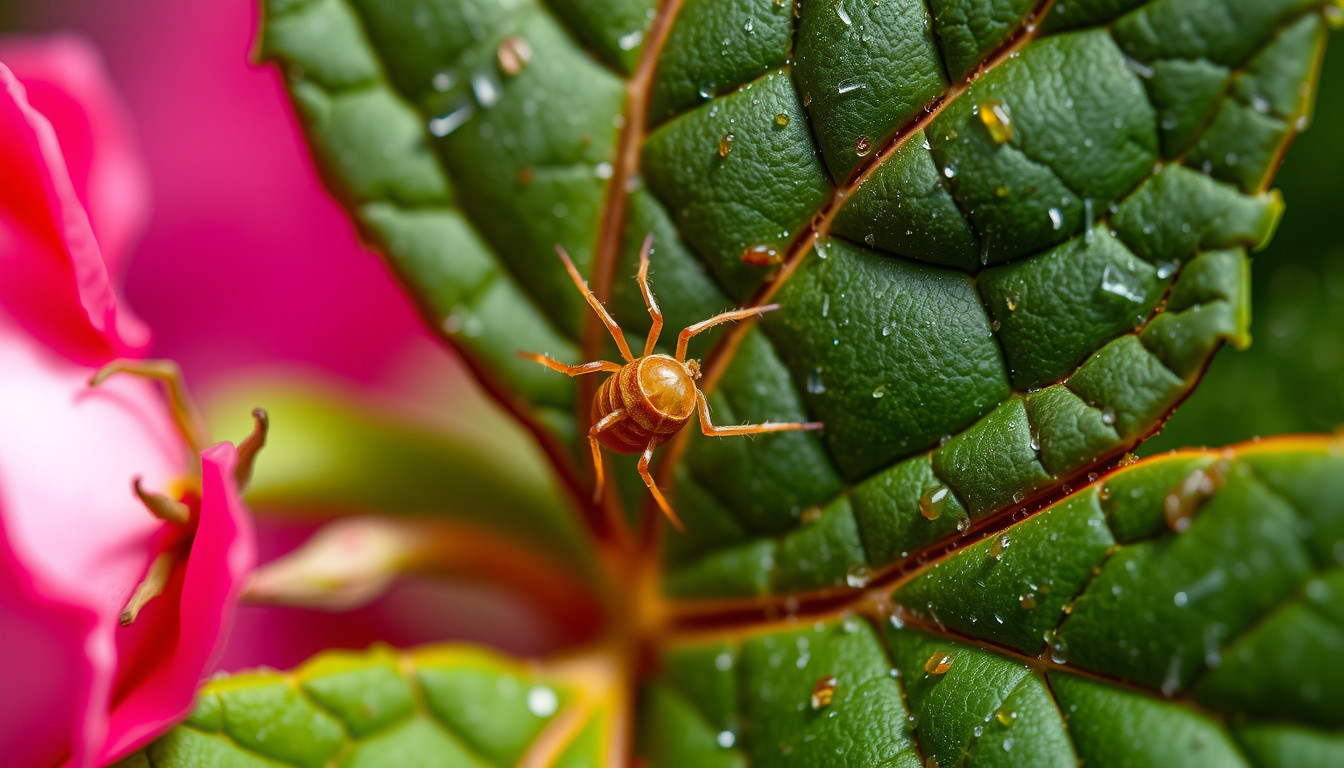
1. The factors with the biggest effect
Rose mites, tiny pests often visible only under magnification, are highly affected by moisture levels, temperature, and plant health. Warm temperatures combined with dry conditions create an ideal environment for mites, enabling rapid reproduction and spread. Conversely, high humidity and cooler temperatures tend to suppress their activity, although they do not eliminate the mites entirely. Healthy, vigorous plants with strong cell structures are generally less susceptible to severe infestations, as tough tissue can resist mite feeding and webbing. Stress factors such as drought, nutrient deficiencies, or recent pruning can weaken plants, increasing their vulnerability. Additionally, the presence of other pest infestations, such as aphids or spider mites, can also worsen the environment for rose mites, as they often thrive amid plant stress and harassment.
2. What evidence or details to check
Recognizing changes in the physical condition of roses helps in early mite detection. Look for stippling or tiny speckles on leaves, which indicate feeding damage. Fine webbing, especially on the undersides of leaves, is a sign of mite activity. Rust-colored or mottled patches that do not correspond to disease often point to mite infestation. Under magnification, you may see small mites moving or their eggs nestled in crevices. Monitoring weather patterns, noting periods of drought or extreme heat, can also provide clues about potential infestations. Observing whether damage coincides with thinning or wilting foliage, despite adequate watering and fertilization, supports the suspicion of mite activity.
3. When the usual advice does not apply
Standard control methods, like spraying water or applying insecticidal soap, may be less effective under conditions of severe drought or extreme heat. In such environments, mites are more resilient, and their reproductive cycles accelerate. Additionally, heavily stressed or damaged plants may not recover even with targeted treatments, making prevention more critical than cure. When plants are extremely weakened, natural predators or biological controls may also struggle to establish, necessitating more integrated or systemic approaches. In cases of persistent or severe infestations, consulting with a professional or considering broader environmental adjustments—such as improving soil health, reducing plant stress, and modifying watering practices—becomes necessary to create conditions unfavorable for rose mites and to support healthy plant growth.
How to Evaluate Rose Mites Before Acting
Assessing whether rose mites are present involves careful observation and specific checks to identify symptoms and evidence of infestation. Recognizing early signals helps determine if intervention is needed and guides the choice of control methods.
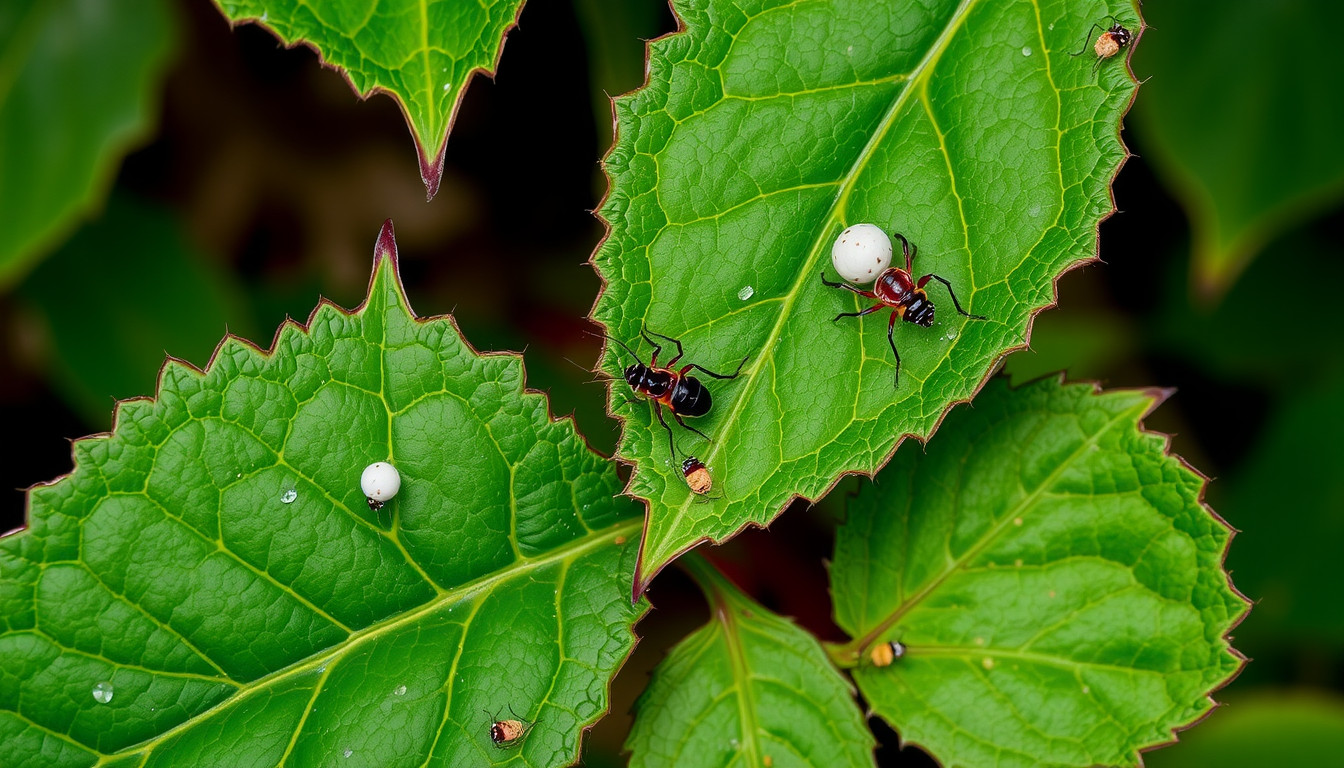
1. What to check first
Begin by inspecting the undersides of rose leaves, as rose mites tend to hide in these less visible areas. Look for stippling or speckling on leaf surfaces, which indicates feeding damage. Fine webbing may also appear, especially near leaf axils or along stems. Pay attention to young, tender leaves, where mites often congregate. Checking blooms and buds for distorted or discolored petals provides additional clues, since mite activity can affect overall plant health. Light impact damage looks like tiny spots or specks of discoloration, often on the lower leaf surfaces, signaling potential mite activity. Use a bright flashlight or magnifying glass to enhance visibility of small pests or webbing.
Disclosure: As an Amazon Associate I earn from qualifying purchases.
For a clearer view of your plants, consider using a magnifying device to identify early signs of infestation. Shop suitable magnifying glass for plant inspection on Amazon (affiliate link).
2. How to interpret the result
If you observe stippled or discolored leaves coupled with fine webbing, it strongly suggests the presence of rose mites. The presence of tiny, moving specks that resemble dust when disturbed indicates mites are active; these can often be seen crawling on leaf surfaces or under magnification. Sticky or sticky-looking deposits may also form from mite secretions and dried webbing. Heavy webbing accompanied by leaf curling, leaf drop, or dieback refers to a more severe infestation, requiring immediate action. If no webbing or stippling is visible but plants are stressed or showing signs of distress, recheck after a week, as early infestations can be subtle. Healthy-looking plants without any symptoms are likely free of mites, but regular inspections remain essential during peak growing seasons. Be mindful that environmental conditions, such as dry weather, tend to favor mite proliferation, thus increasing the importance of frequent monitoring during such times.
A Step-by-Step Approach to Rose Mites
Managing rose mites effectively requires a clear, diagnostic process that incorporates early detection, targeted treatment, and ongoing monitoring. Given that rose mites thrive in conditions of dense foliage and can quickly cause discoloration and webbing, implementing a systematic approach helps prevent severe infestations. This step-by-step plan guides rose gardeners through identifying the causes of infestation, taking the initial action, evaluating results, and adjusting care routines to ensure healthy, pest-free roses.
Having the right gardening tools on hand can help you set up your initial steps effectively. Shop suitable garden cleaning tools kit on Amazon (affiliate link).
1. Prepare the essentials
- Gather tools such as a spray bottle filled with insecticidal soap or neem oil, and a garden hose with adjustable spray nozzles.
- Inspect your roses for signs of mite activity, especially on the undersides of leaves, which are common hotspots for infestation.
- Learn the causes of infestation, which often include dense foliage, poor airflow, and high humidity, creating ideal conditions for mites to thrive.
- Ensure your garden area is tidy, removing debris and overcrowded branches to reduce habitat suitability for mites.
2. Take the first action
- Apply a thorough, targeted spray of insecticidal soap or neem oil to all affected areas, especially undersides of leaves where mites hide.
- Repeat the application every 7–10 days, covering the entire plant to reach hidden pests.
- Improve environmental conditions by pruning dense growth and ensuring good air circulation around your roses.
- Monitor weather conditions; avoid applying sprays before rain and choose early morning or late afternoon for treatment.
3. Check the early result
- After the first few treatments, observe the leaves for reduced webbing and mite movement.
- Check for fresh signs of damage, such as stippling or yellowing leaves, and compare with initial damage levels.
- If signs persist, confirm that treatment coverage was thorough and reapply as needed.
- Adjust the frequency or switch to more potent natural remedies like diatomaceous earth or horticultural oils if mite populations remain high.
4. Adjust for changing conditions
- Evaluate environmental factors such as humidity and plant density—modify watering, pruning, or spacing to reduce mite habitat.
- If weather becomes wetter or more humid, increase inspection frequency and consider supplemental biological controls like predatory mites.
- In case of persistent infestation, consider integrating organic options such as sticky traps or introducing natural predators, like lady beetles.
- Maintain consistent monitoring to catch reinfestations early and prevent escalation.
Choosing the Right Approach for Your Situation
Managing rose mites involves selecting a control method that aligns with your garden’s specific conditions. Easier, less invasive options suit certain situations, while more involved strategies may be necessary for persistent or severe infestations.
1. When the simpler approach fits
If you notice early signs of mite activity—such as stippling on leaves or fine webbing—and the damage is minimal, starting with basic preventative measures is practical. Regularly inspecting your roses and maintaining proper cultural practices, like removing fallen debris and avoiding overcrowding, can significantly limit mite populations. Natural solutions such as horticultural oils or neem oil, applied thoroughly and repeatedly, can suppress mites without harming beneficial insects. This approach demands less time and equipment, making it ideal for small gardens or low-level infestations.
Exploring gentle, natural options may be suitable for less severe infestations. Shop suitable natural pest control options for roses on Amazon (affiliate link).
2. When a more involved approach is justified
If mite populations escalate or damage becomes widespread, simpler methods may prove insufficient. In these cases, integrating biological controls, such as introducing predatory mites, can be effective. Biological agents target mites specifically, reducing the need for chemical pesticides and preserving the health of your plants. For severe cases, chemical miticides—used sparingly—may be necessary, but they require careful application to minimize environmental impact and resistance development. More intensive methods demand greater vigilance, possibly multiple treatments, and precise timing aligned with mite life cycles.
3. Trade-offs to consider
| Control Method | Symptom Management | Damage Severity | Application Complexity | Environmental Impact |
|---|---|---|---|---|
| Preventative cultural practices and horticultural oils | Early suppression of mites | Minimal to moderate | Low; simple to implement | Low; organic options available |
| Biological controls (predatory mites) | Effective for ongoing control | Moderate to high if unchecked | Moderate; requires monitoring and timing | Low; environmentally friendly |
| Chemical miticides | Quick reduction of mite populations | High if properly applied | High; precise application needed | Moderate; potential non-target effects |
Many growers weigh the ease of application against the severity of infestation and environmental considerations. Small, healthy roses with minimal signs might fare well with basic treatments, while larger, severely affected plants could require a combination of biological and chemical controls for effective management. Continual monitoring and adapting strategies based on the mite population response guarantee more targeted and sustainable control efforts.
Mistakes That Change the Result
Preventing and correcting common errors in managing rose mites is crucial for healthy, thriving roses. Recognizing mistakes early and applying targeted solutions ensures effective control and reduces damage.
1. Mistaking a symptom for a cause
One frequent error is confusing the signs of mite damage with other issues like nutrient deficiencies or diseases. For example, stippled or bronzed leaves can appear from various stressors but may actually indicate active mite infestation. Treating these symptoms without confirming the presence of mites leads to ineffective control. To avoid this, regularly inspect the undersides of leaves for fine webbing and tiny moving pests. Proper diagnosis helps ensure that treatment addresses the root cause, not just the superficial signs.
To avoid misdiagnosis, consider testing techniques that clarify the root cause of symptoms. Shop suitable plant health diagnostic test kit on Amazon (affiliate link).
2. Skipping a critical condition
Another common mistake is neglecting to monitor or treat infestations early. Small mite populations can rapidly explode if left unchecked, causing extensive foliage damage to roses. Many gardeners delay treatment until damage becomes obvious, which complicates control efforts. Consistent weekly inspections—especially during peak seasons—and prompt application of natural remedies like neem oil or insecticidal soap can significantly reduce mite populations before they escalate. Neglecting early intervention often results in more severe infestations and higher treatment costs.
Commonly made troubleshooting errors include overreliance on chemical miticides or applying treatments irregularly. Chemical controls can be highly effective but may also harm beneficial insects and the environment if not used properly. Natural methods, such as thorough leaf cleaning and biological controls, are safer but require regular repetition—every 7–10 days—and careful monitoring for reinfestation. Adapting strategies based on mite activity and plant response leads to more sustainable and successful management.
In summary, accurately identifying mite damage, avoiding delays in treatment, and applying control methods consistently are key to minimizing the impact of rose mites. Mistakes in these areas often hinder recovery and allow infestations to spread, making precise diagnosis and timely action essential for healthy roses.
When to Adapt or Seek More Help
If you suspect rose mites, understanding their identification features helps determine if your current approach is sufficient or if it’s time to seek specialized advice. Accurate recognition of mite-related damage and presence is crucial in deciding whether to continue, modify your control methods, or consult a professional pest management service.
1. Key points: next steps
Start by thoroughly examining the undersides of leaves for signs of infestation. Mites are tiny and often require close inspection, sometimes with a magnifying glass. Look for stippled or bronzed foliage, webbing, or moving specks. If these signs are prevalent and persistent despite your current control efforts, escalating your response may be necessary.
Adjust your management tactics if initial measures are ineffective. For example, if neem oil or insecticidal soap applications aren’t reducing mite populations after two or three treatments spaced a week apart, consider alternative or supplementary solutions. Biological controls, such as introducing predatory mites, might be more appropriate if chemical or manual methods fall short.
2. Limitations
Natural treatments and physical removal are generally less aggressive but require patience and consistency. Chemical solutions, while more immediate, risk harming beneficial insects and can lead to resistance if used improperly. Misidentification of pests, especially confusing mites with other pests or abiotic damage, can result in ineffective treatments and further plant stress.
Timing is critical: early detection and swift action yield the best results. If your roses continue to show signs of mite damage despite diligent care, or if infestations become widespread, consulting with a garden professional or pest control expert can help develop a tailored, more effective strategy.
Ultimately, continuous monitoring and adjusting tactics based on plant response and mite activity ensure healthier roses and prevent long-term damage. Recognizing when your efforts aren’t enough saves time, resources, and the health of your plants.
Frequently Asked Questions
1. How can I tell if my roses have mites?
Inspect the undersides of leaves for stippling, webbing, and discolored spots; use a magnifying glass to spot tiny moving pests or eggs.
2. What common signs indicate a severe infestation?
Look for extensive webbing, leaf curling or drop, mottled or stippled leaves, and overall plant decline, often accompanied by dieback.
3. Are natural remedies effective against rose mites?
Yes, methods like neem oil and insecticidal soaps can reduce mite populations if applied regularly and thoroughly, especially in early stages.
4. Can over-fertilizing attract mites?
Excessive fertilization can promote lush, tender growth that attracts mites, so apply fertilizers judiciously and follow recommended schedules.
5. What environmental conditions promote mite outbreaks?
Dry, warm conditions with low humidity and stressed plants—due to drought or pruning—create ideal conditions for mite reproduction and spread.
6. How often should I spray natural controls?
Apply every 7 to 10 days during active infestations, especially when weather favors mite activity; adjust frequency based on plant response.
7. When should I seek professional pest management advice?
If infestations persist despite regular natural treatments, or if plants show severe damage and stress, consulting a licensed pest control specialist is advisable.
Sources and Further Reading
- How to Get Rid of Spider Mites on Roses – Epic Gardening
- Rose Rosette Disease: Symptoms, Treatment & Prevention
- Rose Spider Mites: How To Control Spider Mites On Roses | Gardening …
- 11 Rose Bush Pests: Identification, Treatment & Prevention
- 12 Damaging Rose Bush Pests: How To Get Rid Of Them and Prevent Them