
Common rose problems include diseases like black spot and powdery mildew, pests, and environmental stresses. Proper diagnosis involves recognizing symptoms early to apply targeted treatments and care strategies.
Table of Contents
This article highlights key issues such as fungal infections, pests, and environmental factors, providing practical solutions rooted in expert advice to help you maintain healthy, thriving roses.
Rose Problems Option 1
When dealing with common rose problems, identifying the specific issue is crucial before selecting an appropriate treatment. Many problems such as fungal infections, pests, or environmental stressors are related to the health and maintenance of the plant. Proper diagnosis often depends on observing symptoms like leaf spots, discoloration, wilting, or the presence of pests. Understanding these problems helps gardeners choose the most effective solutions and avoid unnecessary chemical treatments that could harm beneficial insects or the plant itself.
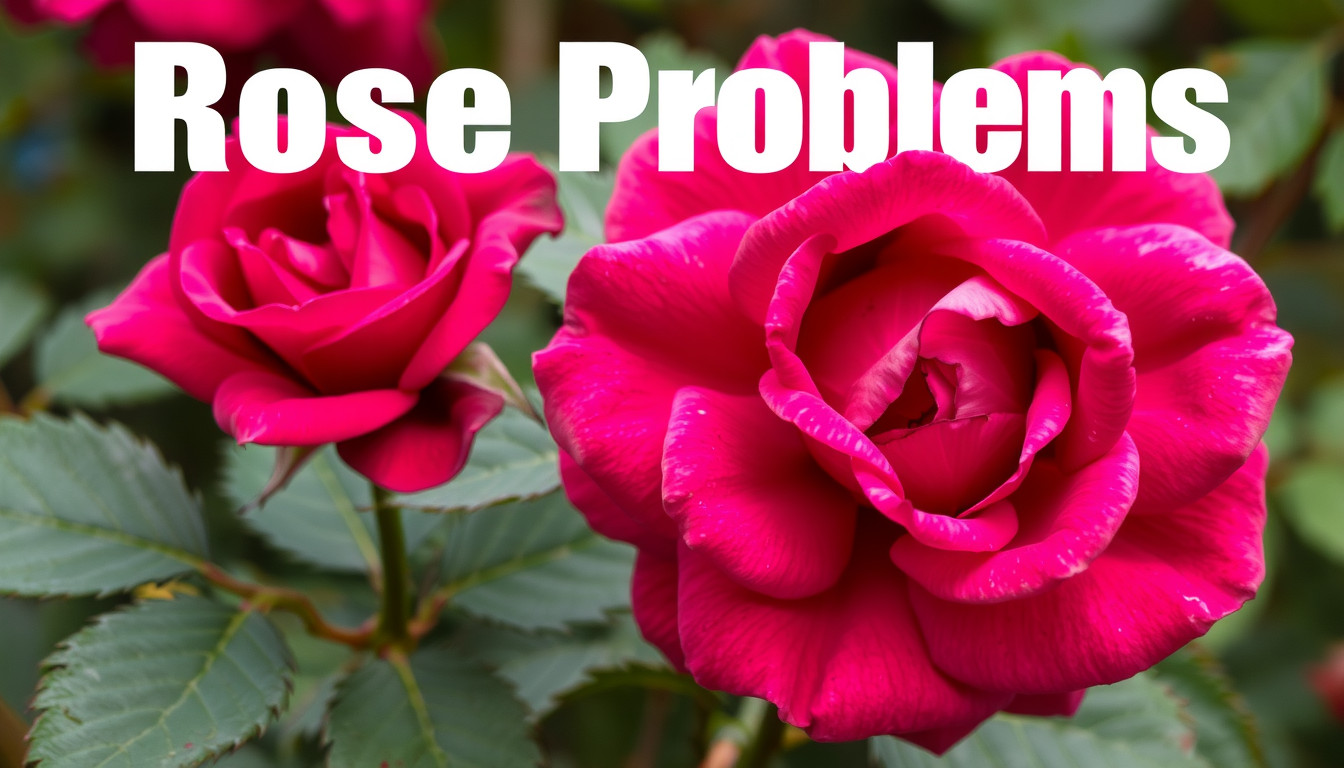
Regular rose care can prevent many common issues affecting roses, including pests and diseases. [LINK]rose — common problems[/LINK] often stem from improper maintenance or environmental stress.
1. specification_table
| Entity | Attribute | Value |
|---|---|---|
| rose | common problems | many issues are caused by fungal infections, pests, poor growing conditions, and environmental stresses |
| relationship | are caused by or related to | poor air circulation, improper watering, inadequate nutrition, and pathogen presence |
2. practical fit
This option suits gardeners who want to understand the root causes of their rose problems to implement targeted solutions. Recognizing symptoms early can prevent major damage and promote healthy growth, especially for those growing heirloom or disease-prone varieties. It is best for those willing to regularly monitor their garden and make adjustments based on observation and diagnosis.
3. key details
- Identifying symptoms like black spots, powdery mildew, or chewed leaves is necessary for accurate diagnosis.
- Solution strategies include improving air circulation, adjusting watering habits, and applying appropriate fungicides or insecticides.
- Using disease-resistant rose varieties can greatly reduce the likelihood of common problems.
4. limitations
This approach requires patience and a keen eye for detail. Misdiagnosis can lead to ineffective treatments or further damage. Some problems, particularly viral infections or severe pest infestations, may require professional intervention or even plant removal. Furthermore, certain solutions like chemical treatments may have environmental or plant health considerations, necessitating careful choice and application.
Rose Problems Option 2
This category focuses on specific diseases that can plague roses and how to identify and manage them effectively. These are prevalent issues that affect many rose varieties, especially older or less resistant types, and can significantly impact plant health if not addressed promptly.
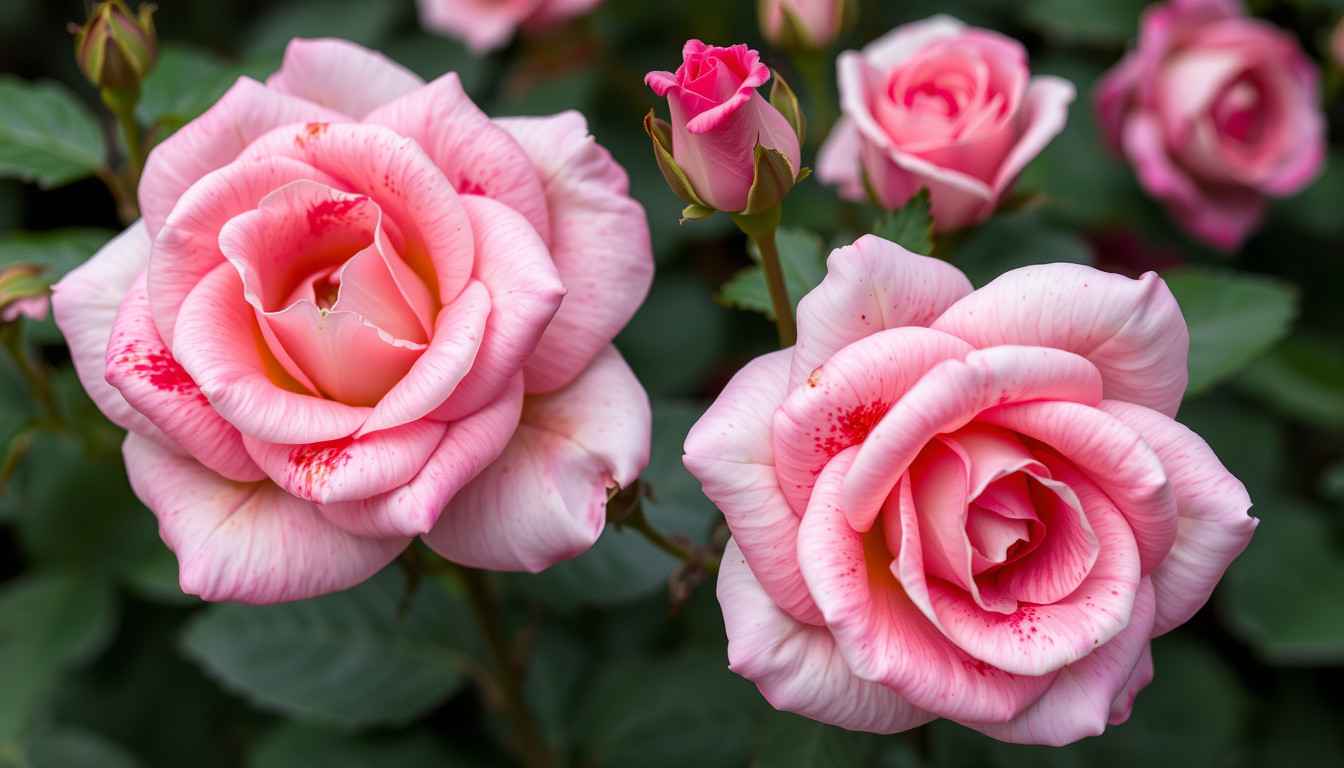
Understanding diseases that affect roses helps in early identification and management. [LINK]diseases[/LINK] affecting roses specific to roses include black spot, powdery mildew, and rust.
1. Rose diseases are specific conditions affecting the plant’s leaves, stems, or roots, often caused by fungi, bacteria, or viruses. Recognizing these diseases early is essential for effective treatment and maintaining a healthy rose garden.
Common rose diseases include black spot, powdery mildew, rust, and bacterial rots. Black spot manifests as black lesions on leaves, often leading to defoliation. Powdery mildew appears as a white, powdery fungal growth on leave surfaces. Rust causes orange or rust-colored spots, typically on the underside of leaves. Bacterial infections may cause wilting, cankers, or oozing lesions.
Correct diagnosis depends on careful inspection, especially since symptoms can overlap with pest damage or environmental stress. Affected leaves should be removed and discarded to prevent spread. Fungicidal treatments, such as those containing neem oil or copper, can help control many fungal diseases when applied early. Bacterial issues are often more severe and may require specific bactericides, or in worst cases, removal of infected plants to prevent contamination of healthy specimens.
Limitations to managing rose diseases include the risk of misidentification and the potential for resistant strains of fungi or bacteria to develop. Some diseases, particularly viral infections, do not have cures and can only be managed through removing infected plants. Moreover, chemical treatments may pose environmental concerns or harm beneficial insects, so they should be used judiciously and according to manufacturer instructions. Regular monitoring and cultural practices like proper spacing, watering at the base, and ensuring adequate air circulation can help reduce the risk of disease development significantly.
Rose Problems Option 3
This issue involves pests that are common on roses, which can lead to significant damage if not properly managed. Pests such as aphids, spider mites, and Japanese beetles target roses, feeding on leaves, buds, and stems, ultimately affecting plant health and bloom quality.
Disclosure: As an Amazon Associate I earn from qualifying purchases.
To support healthy rose growth, considering soil amendments can be beneficial. Shop suitable garden mulch on Amazon (affiliate link).
1. Why it belongs in the list
Scarcity of effective pest control can cause leaves to wilt, buds to fail to open, or flowers to develop unsightly blemishes. Because these pests are widespread and often hard to detect early, they present a persistent challenge for rose growers. Addressing pest problems promptly is essential to prevent outbreaks and preserve the aesthetic and health of rose bushes.
2. Who it suits
This issue primarily affects gardeners cultivating roses with an interest in maintaining healthy, vigorous plants. It is particularly relevant for those growing susceptible varieties with limited natural pest resistance. Advanced or organic gardeners who prefer chemical-free approaches will find pest identification crucial for timely intervention.
3. Useful detail
Silvery or sticky residue, distorted leaves, and the presence of tiny insects are common signs of pest infestation. Regular inspection of underside leaves, especially during warm months, helps catch infestations early. Natural predators, such as ladybugs and lacewings, can be encouraged to provide biological control, reducing the need for chemical treatments.
4. Limitations
Management of rose pests can be complicated by their ability to hide in hard-to-reach areas. Certain pests develop resistance to chemical insecticides over time, diminishing treatment effectiveness. Additionally, broad-spectrum pesticides may harm beneficial insects and disrupt local ecosystems. Consequently, pest control often requires an integrated approach combining cultural, biological, and chemical methods, with ongoing vigilance to adapt strategies as pests evolve or new infestations occur.
Rose Problems Option 4
Preventative practices in rose care focus on minimizing the risk of pests and disease through proactive management. Consistent, targeted efforts can help reduce the likelihood of infestations and infections, leading to healthier, more resilient rose bushes.
1. Practical fit
This approach suits gardeners who prefer an ongoing, vigilant routine rather than reactive treatments. It works well for those investing in high-quality roses or maintaining a large rose collection, as diligent care can significantly decrease the incidence of common rose problems.
2. Key details
Preventative practices include ensuring sufficient exposure to sunlight, as sunburned or shaded roses are more prone to disease. Regular watering is crucial, ideally at the base to avoid wetting foliage, which can encourage fungal infections. Proper fertilization strengthens plant health and resistance. Additionally, pruning to remove dead or diseased wood promotes airflow and reduces habitat for pests and pathogens. Using disease-resistant varieties can further decrease problems and simplify care routines.
3. Limitations
While preventative practices help reduce rose problems, they cannot eliminate all risks, especially in environments with high pest pressure or frequent adverse weather. Some pests and diseases develop resistance or adapt, diminishing the effectiveness of natural or chemical controls. Also, these practices demand consistent attention and effort, which might be challenging for casual gardeners or those with limited time. Overly aggressive preventative measures, like excessive chemical use, can harm beneficial insects and affect environmental health. It’s important to balance preventative efforts with targeted interventions when issues do arise, recognizing that no approach guarantees a problem-free rose garden.
Rose Problems Option 5
Black spot disease is a prevalent issue that directly indicates a common rose problem. It primarily manifests as dark, irregular spots on the leaves, leading to defoliation and weakened plants if untreated.
Effective pest management products may help reduce the impact of pests on your roses. Shop suitable pest control for roses on Amazon (affiliate link).
1. What It Is and Why It Belongs in the List
Black spot is a fungal disease caused by Diplocarpon rosae. It belongs in this list because it is among the most visible symptoms of rose problems, especially affecting the appearance and health of the plant. The dark spots often develop quickly after periods of wet weather and can spread across leaves and stems, causing them to die back.
2. Who This Rose Problem Suits
This problem is common in many rose varieties, particularly older or heirloom types, which tend to be more susceptible. Gardeners with poor air circulation or inconsistent watering routines are more prone to developing black spot. It can affect both novice and experienced growers, especially those neglecting preventive practices like proper spacing and routine pruning.
3. A Useful Detail
Effective management involves removing infected leaves promptly and applying fungicides when symptoms first appear. Ensuring the rose receives adequate sunlight and avoiding overhead watering helps reduce fungal spores’ spread. Healthy, vigorous plants are better at resisting infection, making ongoing care crucial.
4. A Limitation to Consider
While treatments like fungicides can suppress black spot, they are not foolproof and might require repeated applications. Complete eradication can be challenging if environmental conditions continually favor fungal growth, such as high humidity or frequent rain. Moreover, over-reliance on chemical controls may harm beneficial insects and environmental health. Thus, integrated pest management combining cultural and chemical methods offers the best chance for control but does not guarantee a problem-free rose garden.
Rose Problems Option 6
Rosacea, a common skin condition characterized by redness and visible blood vessels, can be challenging to manage. It is related to vascular problems and inflammation, often caused or exacerbated by environmental triggers, genetic predisposition, or improper skincare. Understanding its causes and triggers is crucial for effective control, especially because rosacea can mimic other skin conditions, making diagnosis and treatment more complex. This condition primarily affects facial skin, frequently in areas such as the cheeks, nose, chin, and forehead.
1. Practical Fit
Managing rosacea requires a tailored skincare routine that minimizes triggers. Medical treatments such as topical vasoconstrictors, antibiotics, and laser therapy are common depending on severity. Lifestyle adjustments, including sun protection, avoiding hot beverages or spicy foods, and managing stress, are practical steps. These approaches suit individuals seeking to reduce flare-ups and improve skin appearance without invasive procedures. For those with persistent redness, adhering to a dermatologist’s recommendations can significantly improve quality of life.
2. Key Details
Rosacea’s symptoms include persistent redness, bumps, pimples, and visible blood vessels. Triggers vary but often include sun exposure, extreme temperatures, wind, alcohol, and certain skincare products. Diagnosis typically involves visual examination, and treatment aims at controlling symptoms rather than curing the condition. In some cases, rosacea may lead to rhinophyma, a thickening of the skin on the nose, which can require surgical intervention. Topical treatments such as metronidazole, azelaic acid, or ivermectin are first-line options, while oral antibiotics can be prescribed for more severe cases. Laser and light therapies offer options for visible blood vessels, but these tend to have limitations concerning cost and accessibility.
3. Limitations
While treatment can significantly reduce symptoms, rosacea management involves ongoing maintenance, and triggers may vary over time. Some individuals may experience minimal improvement despite rigorous management, especially if they have severe or subtype 3 or 4 rosacea. Additionally, treatments like laser therapy can cause side effects, including temporary redness or swelling, and may require multiple sessions. As a vascular and inflammatory condition, rosacea’s response to treatment can be unpredictable, and adherence to lifestyle changes is essential for success. Patients should also be aware that skincare products with irritating ingredients can worsen symptoms and should select gentle, fragrance-free options as recommended by a dermatologist.
Rose Problems Option 7
This issue involves specific diseases that affect roses, often caused by fungal or bacterial infections. Proper identification and targeted treatment are essential to prevent the disease from spreading and to maintain healthy, vibrant roses.
1. What It Is and Why It Belongs in the List
This problem refers to rose diseases that can compromise the plant’s health, impacting flowers, foliage, and stems. It belongs in the list because these diseases are common but often difficult for novice gardeners to identify accurately. Misdiagnosis can lead to ineffective treatments, allowing the disease to worsen.
2. Who It Suits
This issue affects gardeners who cultivate roses, particularly those growing older or heirloom varieties that tend to be more susceptible. It’s especially relevant for gardeners seeking to understand how to recognize and manage diseases early before severe damage occurs.
3. Useful Detail
Many rose diseases appear as spots, blights, or mold on leaves and stems. For example, black spot, a common fungal disease, manifests as black, oily spots that eventually cause leaf drop. Correct identification often requires close inspection and sometimes professional advice, especially for more obscure ailments.
4. Limitations
Effective management of rose diseases can be complicated by environmental conditions such as humidity and poor airflow, which favor fungal growth. Treatments like fungicides may help, but they often require repeated application and can impact beneficial insects. Furthermore, resistance varies among disease strains, so what works against one may not against another. This variability means that even with diligent care, some disease occurrences might be inevitable, especially in environments with persistent humidity or poor sanitation practices.
Rose Problems Option 8
One common pest issue affecting roses is black spot disease. This fungal infection causes black or purple spots to form on leaves, leading to leaf drop and weakened plants. Black spot spreads rapidly in humid, wet conditions, making it a persistent problem for gardeners who don’t manage moisture and sanitation effectively.
Using quality pruning tools can make maintenance easier and more effective. Shop suitable rose pruning shears on Amazon (affiliate link).
1. What It Is and Why It Belongs in the List
Black spot is caused by the fungus Diplocarpon rosae. It belongs here because it’s one of the most widespread pests impacting rose health, especially in climates with high humidity. While not an insect pest, it’s classified among pests because of its devastating effect and the need for targeted treatment. It belongs in this list as a prime example of a fungal pathogen that gardeners must watch for and control to keep roses vigorous.
2. Who It Suits
This problem most frequently troubles amateur gardeners and landscape enthusiasts who cultivate roses in regions with humid summers or poor airflow. It tends to affect older or less resistant rose varieties more often, though resistant cultivars are now available. Gardeners with limited experience in disease management might find it challenging to identify and treat black spot early enough to prevent severe damage.
3. Useful Details and Limitations
Practicing good sanitation—such as removing fallen leaves and pruning for better air circulation—reduces disease risk. Fungicides containing chlorothalonil or myclobutanil can control outbreaks if applied early and regularly. However, resistance can develop over time, reducing fungicide effectiveness. Additionally, environmental conditions like persistent humidity and poor airflow complicate control efforts. Repeated applications may be necessary, and chemical use can affect beneficial insects or lead to chemical buildup in the soil. Despite diligent prevention, some cases of black spot may persist due to uncontrollable environmental factors or resistant fungal strains, making complete eradication difficult without ongoing management.
Rose Problems Option 9
One common yet often overlooked rose problem involves disease resistance. Even with best practices, some rose varieties remain prone to persistent issues that can compromise their health. Understanding how preventative care impacts disease reduction helps gardeners manage their roses more effectively and minimizes recurring problems.
1. Practical fit
This approach suits gardeners who prefer a proactive strategy, emphasizing prevention over reactive treatments. Regular maintenance practices such as ensuring adequate sunlight, proper watering, and appropriate feeding can significantly reduce the occurrence of many diseases. These preventative measures form the foundation of healthy rose care, helping to diminish the severity and frequency of problems like fungal infections and bacterial diseases.
2. Key details
Preventative practices include selecting resistant rose varieties, maintaining good air circulation through proper pruning, and keeping leaves and debris away from the base of the plant. Applying fungicides, such as chlorothalonil or myclobutanil, early in the infection cycle can mitigate outbreaks. However, chemical treatments are not foolproof; resistance can develop, and environmental factors like humidity and poor airflow complicate control efforts. Persistent disease presence may still require ongoing management, and chemical use can impact beneficial insects or contribute to soil buildup. Maintaining a vigilant routine is crucial to keeping disease risks low, but some outbreaks may still occur due to uncontrollable environmental conditions or resistant fungal strains.
3. Limitations
While preventative practices help reduce many rose problems, they are not absolute solutions. Overreliance on chemicals like fungicides can lead to resistance and ecological concerns. Environmental conditions such as high humidity or inadequate airflow can overwhelm even diligent efforts. Consequently, some issues may persist despite best practices, requiring continuous monitoring and management. Gardeners should view these strategies as part of an integrated approach, understanding that completely avoiding some diseases remains challenging in less-than-ideal growing conditions.
Rose Problems Option 10
Some rose problems stem from environmental factors or pests that are difficult to control completely, even with best practices. Recognizing these issues helps in managing expectations and adopting a tolerant, ongoing approach to rose care.
Supplying appropriate nutrients can aid in addressing deficiencies that cause rose problems. Shop suitable plant fertilizers for roses on Amazon (affiliate link).
1. Symptom-Related Problems and Their Relationship to External Conditions
Certain rose problems, like persistent fungal infections or pest infestations, often appear under specific environmental conditions such as high humidity, poor air circulation, or excessive watering. For example, outbreaks of black spot are more common in damp, shady environments where spores can thrive and spread quickly. These issues typically manifest as discolored, deformed leaves, or damaged blooms that signal underlying environmental stresses or pathogen presence.
However, even with vigilant care, some symptoms may not fully disappear due to the resilience of certain fungal strains or pests. Resistant strains of fungi can cause recurring issues despite chemical treatments or cultural practices. Similarly, pests like voles or deer may continue to damage roses despite deterrents, especially if the outdoor environment favors their presence.
2. Practical Fit and Usefulness
This problem category is most relevant for gardeners who face persistent external challenges beyond their immediate control. It emphasizes the importance of selecting resistant rose varieties and maintaining good cultural practices, such as proper spacing, pruning, and sanitation. For individuals committed to an environmentally conscious garden, recognizing that some problems are ongoing and may require repeated management helps set realistic expectations.
3. Limitations
Despite using resistant varieties and improved cultural practices, some issues will still arise due to environmental conditions or specific pest behaviors. Overdoing chemical interventions can also lead to resistance development and ecological harm. High humidity, poor airflow, or adjacent dense foliage can overwhelm even the most diligent gardener’s efforts, making certain problems unavoidable in less-than-ideal sites. Consequently, this approach should be viewed as part of an integrated management plan, accepting that complete eradication may be unattainable in challenging environments, and ongoing prevention or control remains necessary.
Frequently Asked Questions
1. What are the most common fungal diseases in roses?
Black spot, powdery mildew, and rust are the most widespread fungal diseases, characterized by leaf spots, powdery coatings, and rust-colored lesions respectively.
2. How can I tell if pests are damaging my roses?
Look for signs such as sticky residues, distorted or chewed leaves, small insects like aphids, and speckled or webbed foliage, especially during warm months.
3. Which environmental factors cause rose problems?
Poor air circulation, over- or under-watering, and inadequate nutrition foster disease and pest issues, while extreme temperatures stress the plant, making it more vulnerable.
4. What are effective organic treatments for rose diseases?
Neem oil, copper fungicides, and insecticidal soaps help control fungal and pest problems; applying them early and following label instructions increases effectiveness.
5. When should I prune roses to prevent issues?
Prune in early spring or late winter before new growth begins, removing dead, diseased, or weak stems to improve airflow and reduce disease risk.
6. How do I choose resistant rose cultivars?
Select varieties labeled as disease-resistant or known for their hardy nature, especially if growing in humid or fungal-prone environments.
7. What signs indicate I need professional help?
If symptoms worsen despite treatments, or if viral infections, severe infestations, or uncertain diagnoses occur, consulting a professional horticulturist ensures proper care and prevents further damage.
Sources and Further Reading
- 10 Common Rose Problems (and How to Fix Them) – The Spruce
- Rose Diseases: Identification, Photos, and Treatment
- 15 Common Problems Every Rose Gardener Will Face – Epic Gardening
- How to Identify and Treat 9 Common Rose Diseases – Gardener's Path
- 11 Rose Bush Diseases: Identification, Prevention, and Treatment